
22 Floor-to-Ceiling Curtains That Instantly Elevate Your Space

A room can feel flat even with beautiful furniture, but the right curtains can completely change that. Floor-to-ceiling curtains do more than cover windows—they shape how your space feels, how light moves, and how tall your room appears. If your goal is to create a home that looks polished, cozy, and Pinterest-worthy, this guide is for you.
In this article, you’ll discover 22 creative and practical ways to use floor-to-ceiling curtains to instantly elevate your space. Each idea focuses on real-life styling—colors, textures, lighting, and layout—so you can easily apply it in your own home. Whether your style is modern, cozy, minimal, or bold, you’ll find inspiration that feels fresh, doable, and visually stunning. Let’s transform your windows into the most eye-catching feature in your room.
1. Soft Neutrals for a Calm and Elevated Look

Soft neutral floor-to-ceiling curtains instantly make a room feel calm and refined. Choose shades like warm white, beige, or light taupe to create a clean backdrop that works with almost any décor style. These colors reflect natural light beautifully, making your space feel brighter and more open. Hang the curtains just below the ceiling to draw the eye upward and create the illusion of height.
Pair these curtains with light wood furniture, linen cushions, and simple ceramic décor for a soft, balanced look. Keep hardware minimal with slim curtain rods in matte black or brushed brass. The goal is to let the fabric flow naturally without distractions. This setup works especially well in living rooms and bedrooms where you want a peaceful, uncluttered feel that still looks intentional and styled.
2. Sheer Layers That Let Light Flow

Sheer floor-to-ceiling curtains create a light, airy feeling while still adding texture to your space. Use white or soft ivory sheers to allow sunlight to pass through gently, softening harsh daylight. This makes your room feel warm and welcoming without blocking brightness. Install a double rod so you can layer sheers with heavier curtains for flexibility.
Style the space with glass vases, light-toned rugs, and soft fabrics to enhance the glow created by filtered light. Sheer curtains work beautifully in rooms with large windows or balconies where natural light is a key feature. Keep furniture low-profile so the curtains remain the visual focus. This simple setup turns everyday sunlight into a design element that feels natural and inviting.
3. Bold Dark Curtains for Dramatic Contrast

Dark floor-to-ceiling curtains add instant drama and depth to a room. Colors like charcoal, deep navy, or forest green create strong contrast against light walls, making the windows stand out. These shades also help control light and add privacy, making them perfect for bedrooms or media rooms.
Balance the bold look with lighter furniture and soft textures like wool throws or neutral rugs. Use warm lighting, such as table lamps with soft bulbs, to prevent the room from feeling too heavy. Hanging the curtains wide beyond the window frame allows more light when open and makes the window appear larger. This style feels modern, confident, and visually striking without being overwhelming.
4. Linen Curtains for Natural Texture

Linen floor-to-ceiling curtains bring a relaxed and natural texture into your space. Their slightly wrinkled look adds softness and keeps the room from feeling too polished or stiff. Choose light shades like sand, off-white, or pale gray to maintain a fresh and breathable feel.
Pair linen curtains with wooden furniture, woven baskets, and soft cotton fabrics for a layered look. Let the curtains lightly touch the floor for a casual, effortless finish. Linen works especially well in spaces where you want comfort and simplicity, such as bedrooms or reading corners. The texture adds depth without needing bold colors or patterns, making it easy to style and maintain.
5. Ceiling-Mounted Curtains for Height Illusion
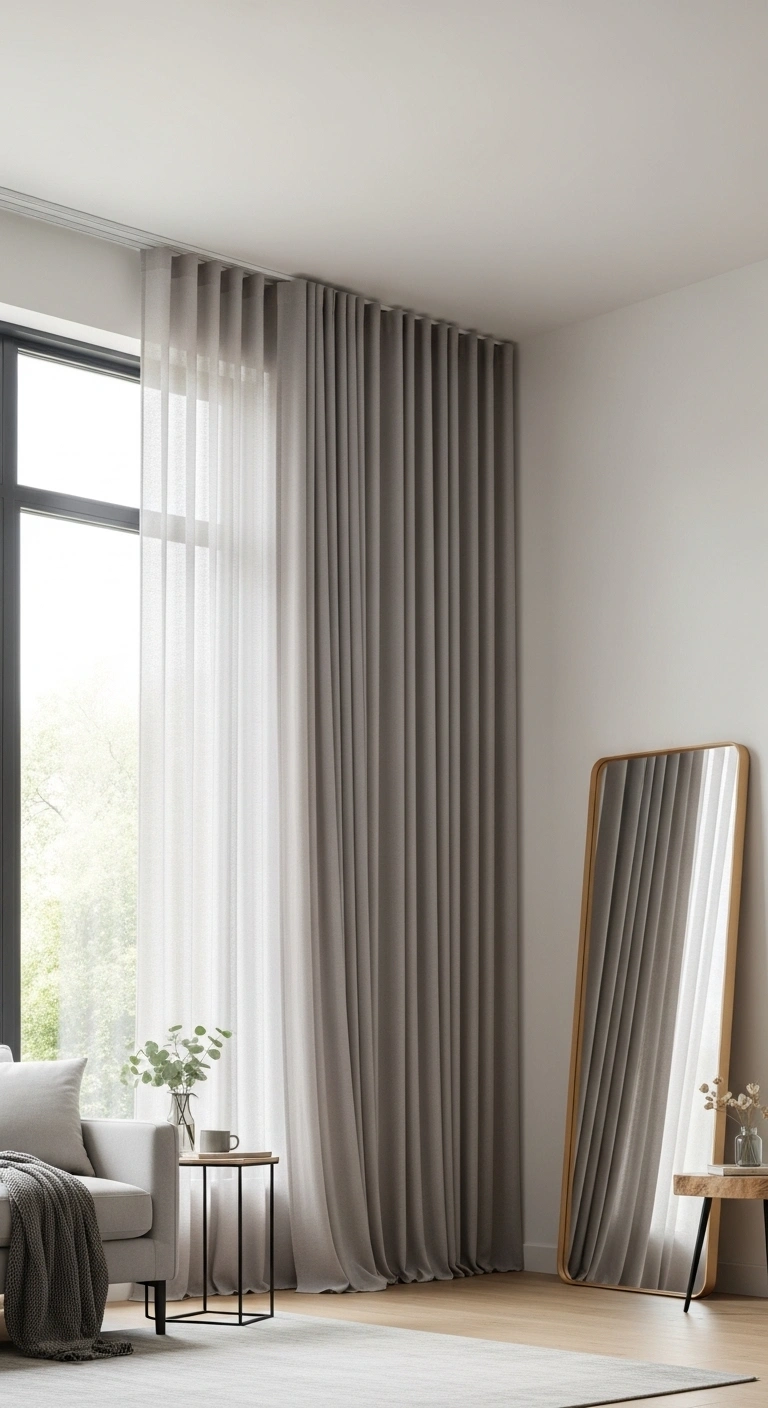
Mounting floor-to-ceiling curtains directly from the ceiling makes your room appear taller instantly. This technique draws the eye upward and creates a clean vertical line that enhances the architecture of the space. It works well even in small rooms with standard ceiling heights.
Choose long, flowing panels in neutral tones to keep the look elegant and simple. Avoid heavy patterns so the vertical effect stays strong and uninterrupted. Pair with tall mirrors or vertical shelving to enhance the height illusion. This method is one of the easiest ways to upgrade a room without changing furniture or layout, yet it delivers a noticeable visual impact.
6. Two-Tone Curtains for Subtle Contrast
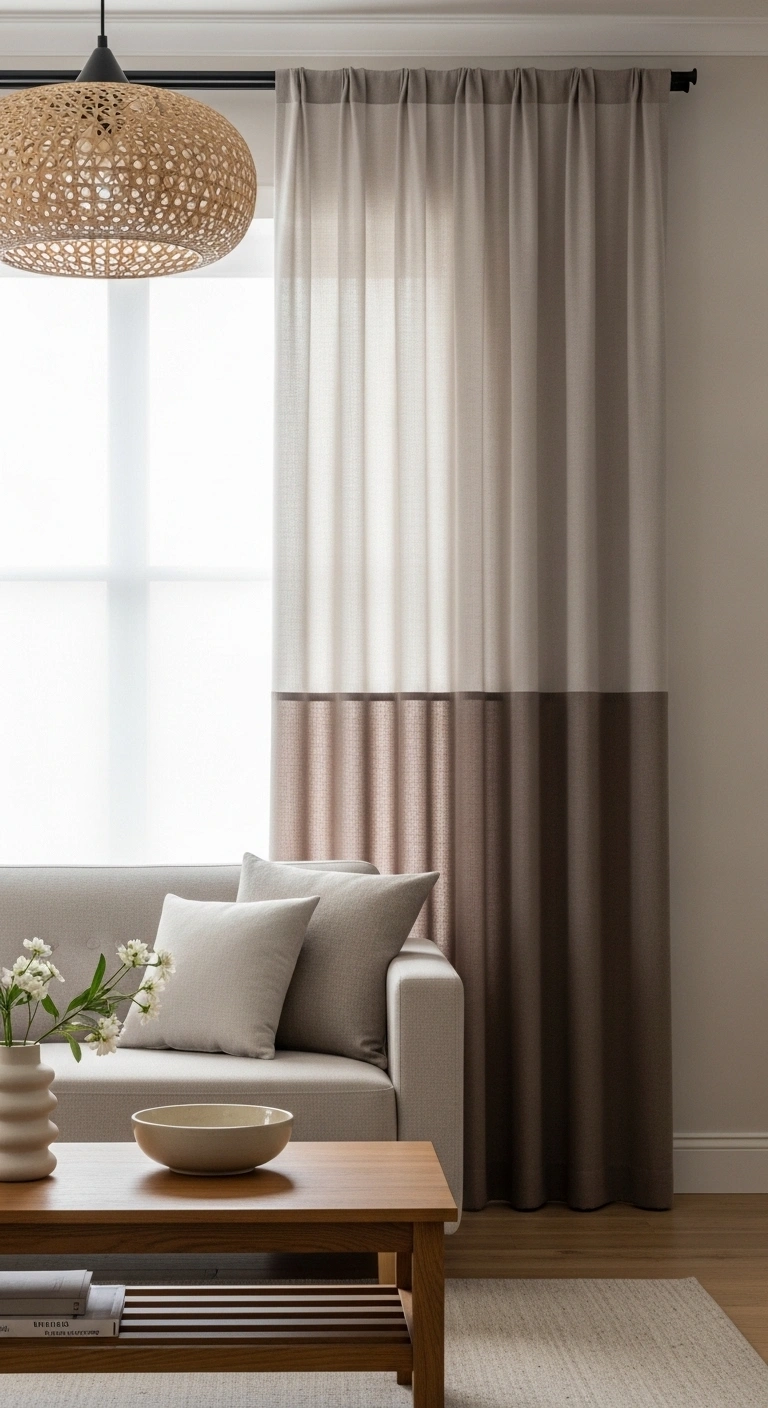
Two-tone floor-to-ceiling curtains introduce contrast without overwhelming the room. Use a lighter shade on top and a slightly darker tone on the bottom to ground the space visually. This creates a layered effect that feels modern and intentional.
Keep surrounding décor simple so the curtain design stands out. Pair with neutral furniture and minimal accessories to maintain balance. This style works well in living rooms or dining areas where you want a touch of design detail without going bold. The color transition adds interest while still feeling calm and cohesive.
7. Velvet Curtains for a Luxurious Feel

Velvet floor-to-ceiling curtains instantly make a space feel rich and cozy. Their thick texture absorbs light, creating depth and warmth in the room. Choose shades like deep emerald, navy, or warm brown for a luxurious look that feels grounded.
Balance velvet with lighter materials like glass, metal, or smooth wood to avoid heaviness. Use warm lighting to highlight the fabric’s soft sheen. These curtains work best in bedrooms or formal living rooms where comfort and elegance matter most. The combination of texture and color creates a space that feels both inviting and refined.
8. Minimal White Curtains for Clean Spaces
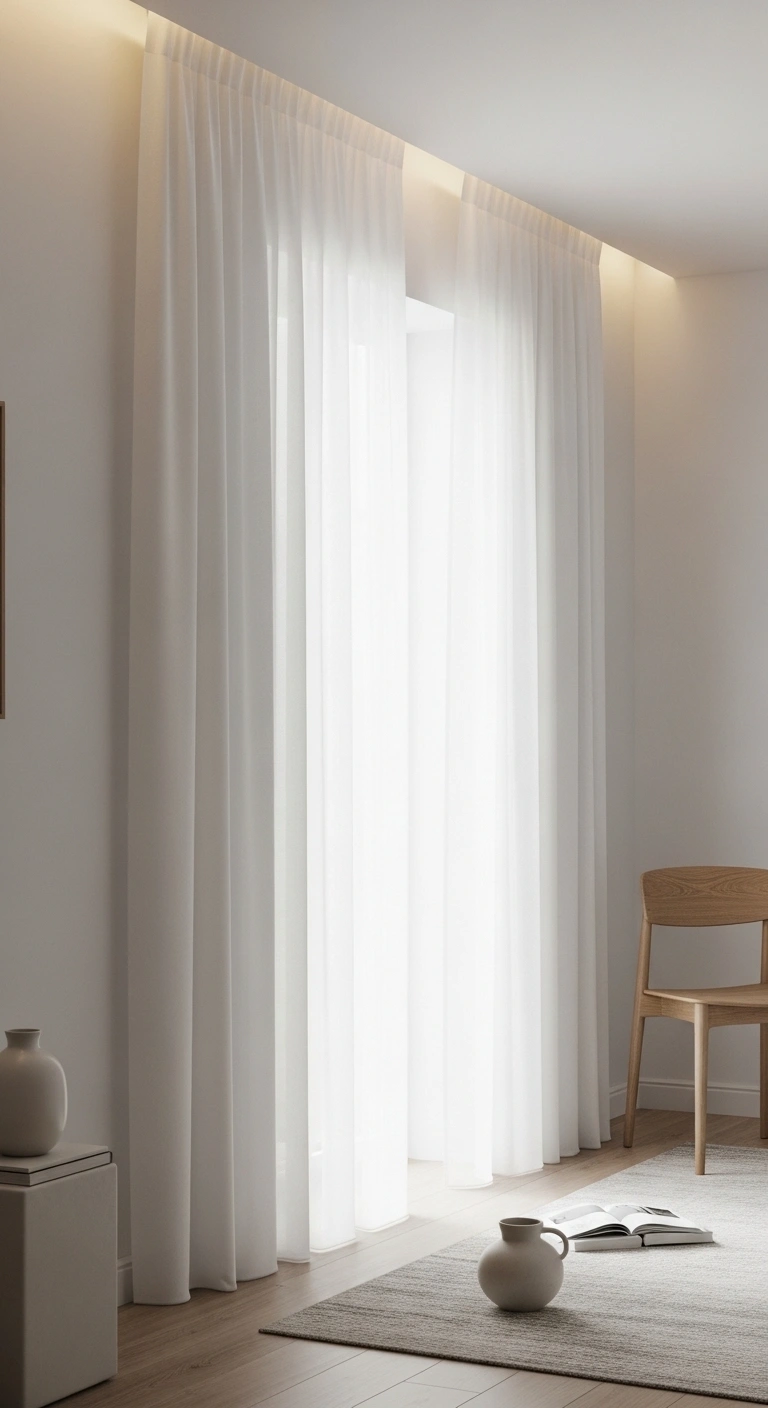
White floor-to-ceiling curtains are perfect for creating a clean and fresh environment. They blend seamlessly with light walls and make rooms feel larger and more open. Choose simple, lightweight fabrics that hang straight without too much volume.
Pair with minimal furniture, neutral tones, and subtle textures like soft rugs or linen cushions. Keep window hardware simple and hidden if possible. This approach works well in modern or Scandinavian-style spaces where simplicity is key. The result is a bright, uncluttered room that feels calm and easy to live in.
9. Patterned Curtains as a Statement Feature
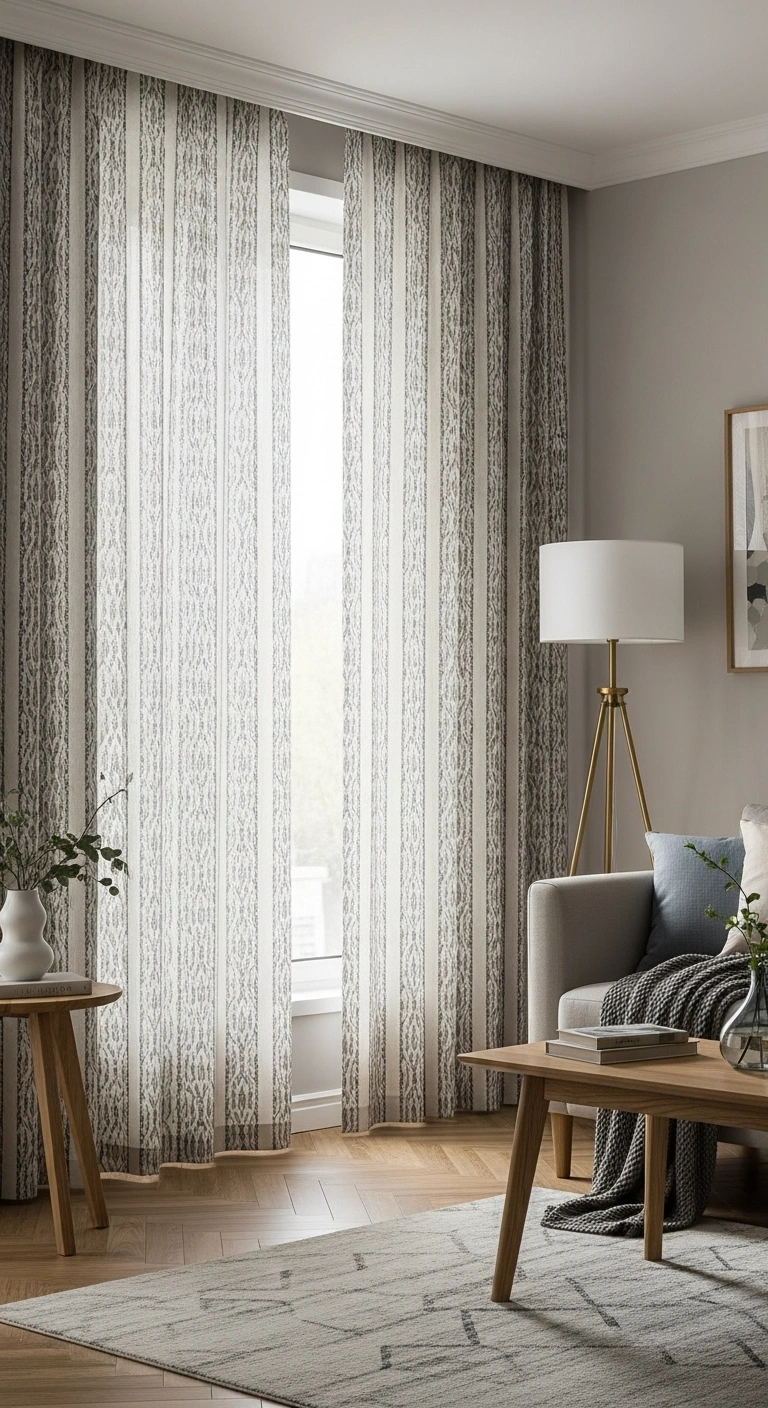
Patterned floor-to-ceiling curtains can become the focal point of your room. Choose subtle patterns like soft stripes, small florals, or geometric designs in muted tones. This adds visual interest without overwhelming the space.
Keep the rest of the room simple to let the curtains shine. Use solid-colored furniture and minimal décor to balance the pattern. This style works well in spaces that need a bit of personality, such as living rooms or guest rooms. The right pattern adds depth and movement while still feeling cohesive and stylish.
10. Warm Earth Tones for Cozy Atmosphere

Earth-toned floor-to-ceiling curtains create a warm and inviting environment. Shades like terracotta, olive, and warm beige bring a natural, grounded feel to your space. These colors work especially well with wooden furniture and soft lighting.
Layer the room with textured elements like woven rugs, linen cushions, and ceramic décor. Use warm light bulbs to enhance the cozy atmosphere. This setup feels comfortable and welcoming, making it perfect for living rooms or bedrooms where relaxation is key. The combination of color and texture creates a space that feels lived-in and thoughtfully designed11. Layered Curtains for Depth and Flexibility
Layering floor-to-ceiling curtains gives your space both style and function. Start with sheer panels closest to the window, then add heavier drapes on top. This setup lets you control light throughout the day while adding soft visual depth. The layers create a rich, cozy look without needing bold colors or patterns.
Choose neutral tones for both layers to keep the look calm and balanced, or mix soft contrast like white sheers with beige or gray outer panels. Use a double rod to keep everything neat and easy to adjust. Pair with textured rugs and soft cushions to echo the layered feel. This idea works well in bedrooms and living rooms where comfort and flexibility matter most, making your space feel complete and thoughtfully styled.
12. Curtains That Pool Slightly on the Floor
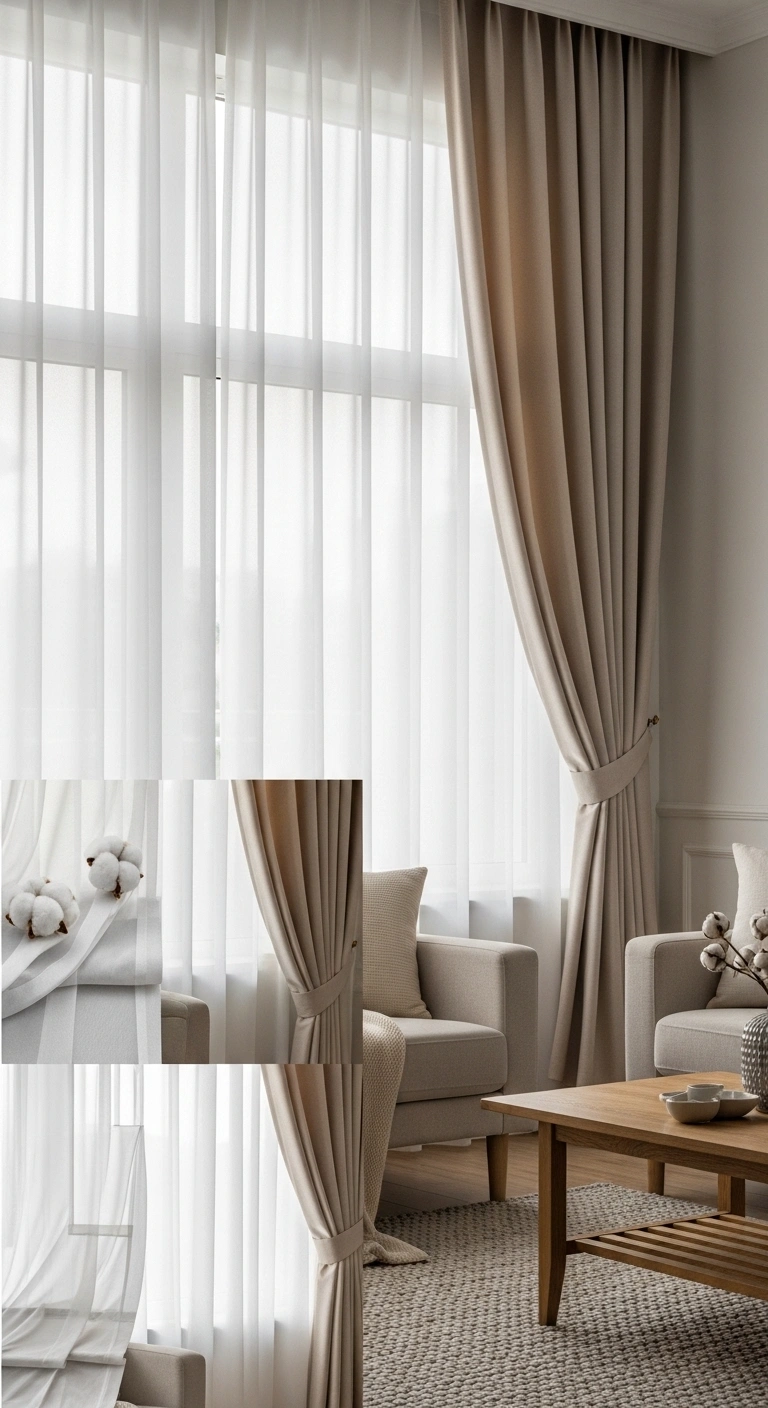
Letting floor-to-ceiling curtains gently pool on the floor creates a relaxed and elegant look. Instead of cutting panels to exact length, allow a few extra inches of fabric to rest naturally on the ground. This soft pooling effect adds texture and movement without effort.
Use heavier fabrics like linen blends or velvet so the folds sit nicely without looking messy. Keep the surrounding space simple to avoid visual clutter. This style works best in bedrooms or formal living rooms where a soft, cozy feel is welcome. The slight imperfection of pooling makes the room feel lived-in while still looking styled and intentional.
13. Matching Curtains to Wall Color
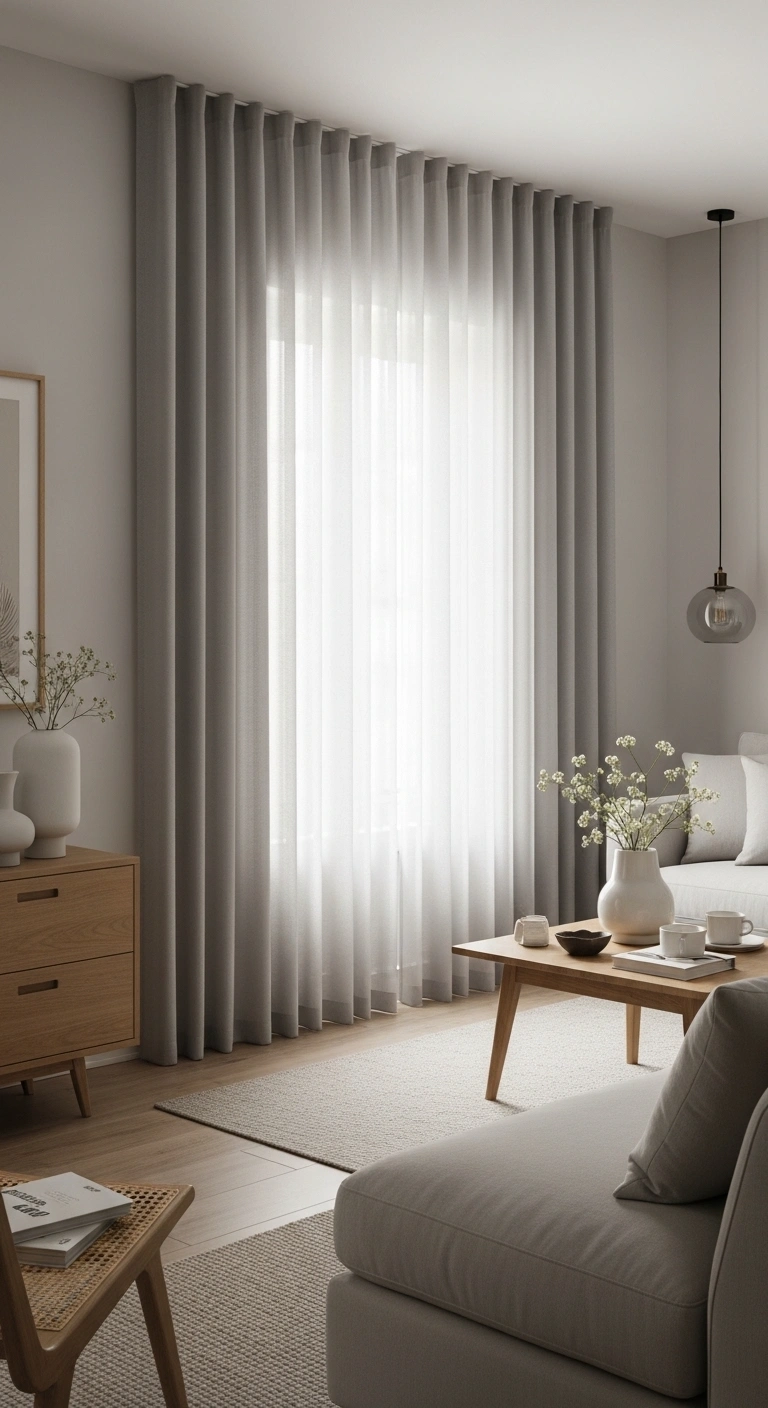
Matching your floor-to-ceiling curtains to your wall color creates a seamless and calming look. This approach makes the room feel larger because there are no strong visual breaks. It works especially well in small spaces where you want to avoid a crowded feeling.
Choose curtains just one shade lighter or darker than your walls to add subtle depth. Pair with simple furniture and minimal décor to keep the focus on the overall flow of the room. This technique creates a soft, cohesive atmosphere that feels clean and modern. It’s a smart choice if you want your space to feel bigger without making major changes.
14. Black Curtain Rods for Subtle Contrast
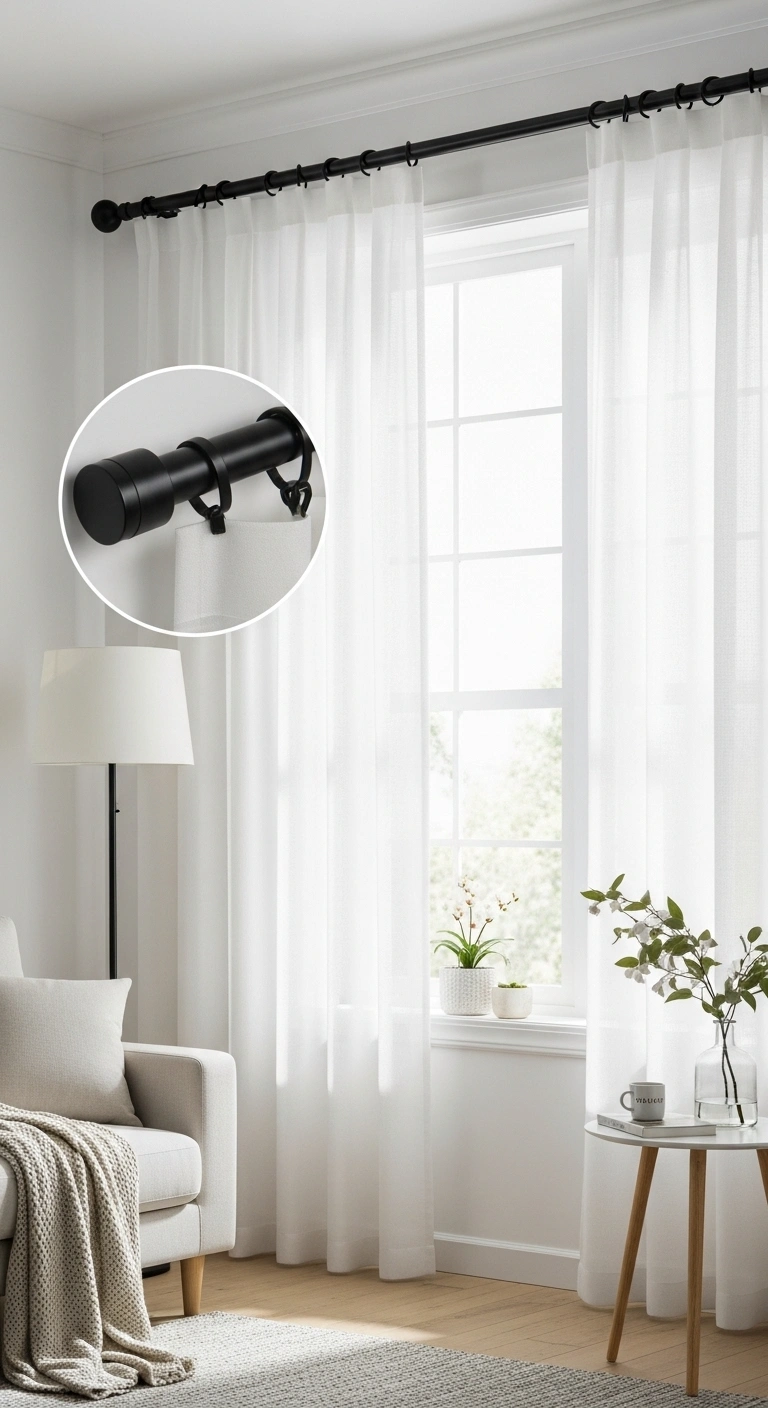
Black curtain rods add a quiet but strong detail to floor-to-ceiling curtains. The contrast frames the curtains and gives the window a more defined look without overpowering the space. This small change can make your setup feel more complete and intentional.
Pair black rods with light-colored curtains for balance, or use them with darker panels for a bold, modern feel. Keep other metal finishes in the room consistent to avoid a mixed look. This idea works well in modern, industrial, or minimalist interiors. It’s a simple upgrade that adds structure and polish to your windows.
15. Soft Pastel Curtains for Gentle Color

Pastel floor-to-ceiling curtains bring soft color into your space without feeling too bold. Shades like pale blush, light blue, or soft sage create a calm and inviting mood. These colors reflect light gently, adding warmth without overwhelming the room.
Pair pastel curtains with neutral furniture and light wood accents for balance. Add small matching elements like cushions or throws to tie the look together. This style works well in bedrooms, nurseries, or relaxed living spaces. It adds personality while keeping the room soft and easy to live in.
16. Wide Curtain Placement to Enlarge Windows
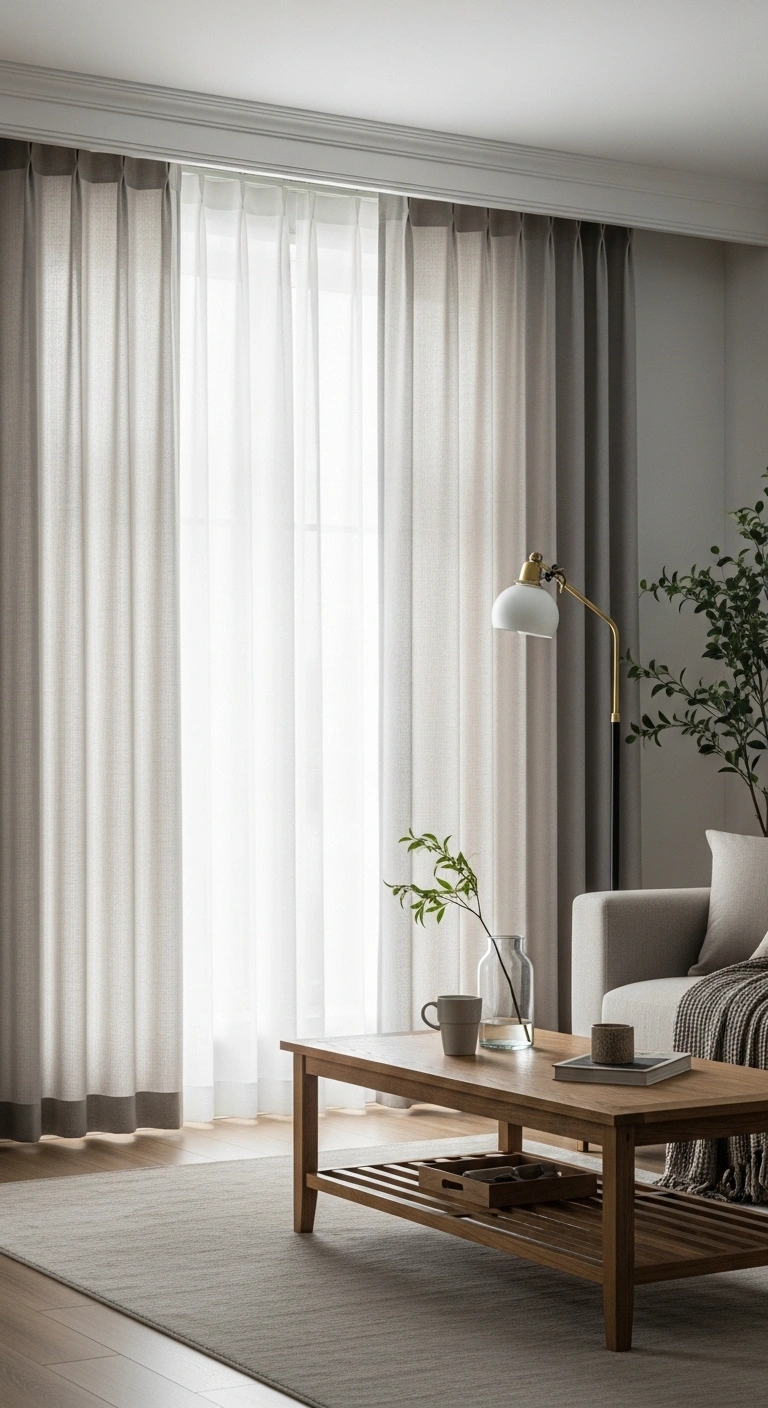
Hanging floor-to-ceiling curtains wider than the window frame makes your windows appear larger. Install the rod several inches beyond each side so the curtains sit mostly off the glass when open. This allows more light in and creates a spacious feel.
Choose lightweight fabrics so the curtains stack neatly to the sides. Keep the color neutral to maintain a clean look. This trick works especially well in small rooms or apartments where you want to maximize light and space. It’s a simple layout change that delivers a big visual impact.
17. Mixing Materials for a Modern Look
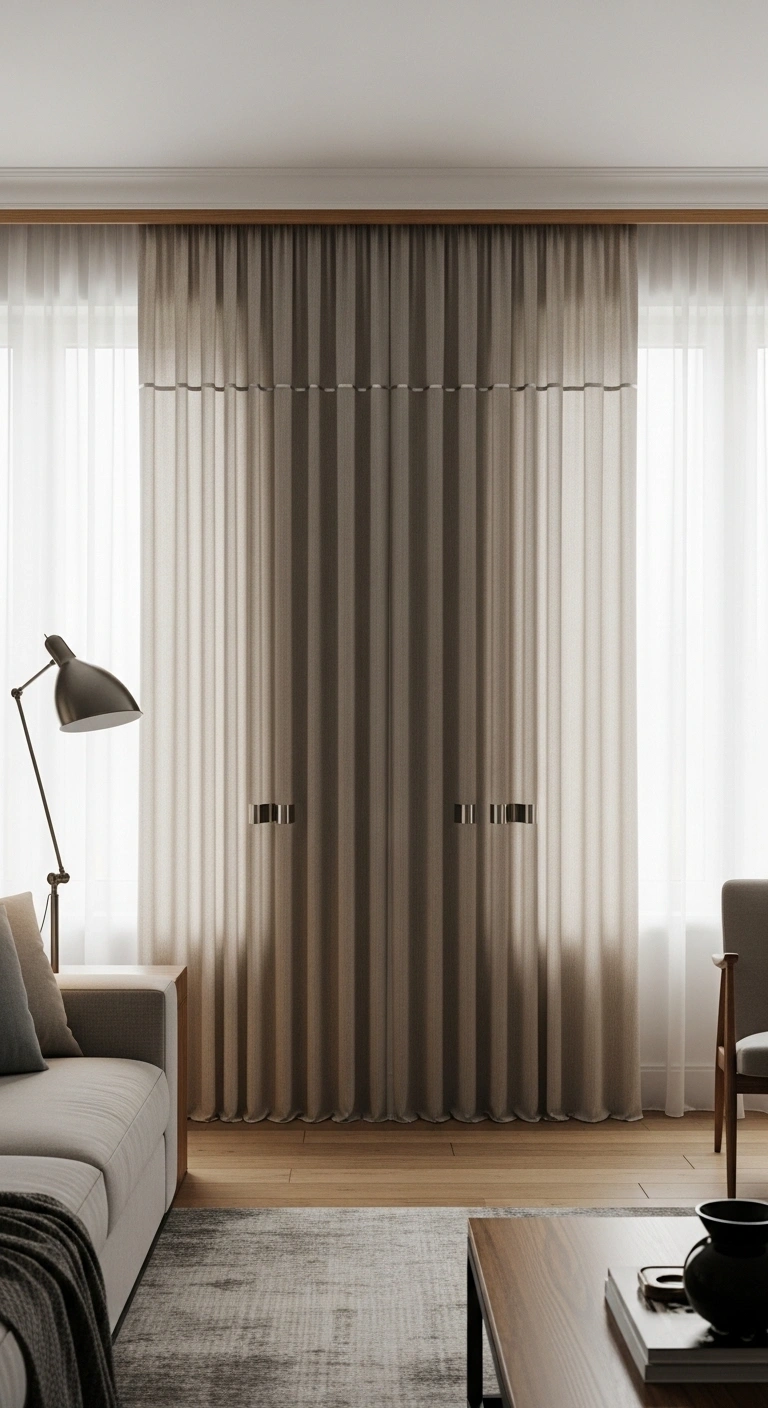
Combine different materials in your floor-to-ceiling curtains setup for added texture. For example, pair soft fabric panels with subtle metallic curtain rods or wooden accents. This mix creates a balanced look that feels modern and layered.
Keep the color palette simple so the materials stand out without clashing. Add a few matching elements in the room, like a metal lamp or wooden table, to tie everything together. This approach works well in contemporary spaces where clean design meets natural texture. It adds interest without needing bold patterns or colors.
18. Light Filtering Curtains for Everyday Comfort

Light-filtering floor-to-ceiling curtains strike a perfect balance between privacy and brightness. They soften sunlight without blocking it completely, creating a comfortable glow throughout the room. This makes everyday spaces feel warm and usable all day long.
Choose fabrics that are slightly thicker than sheers but still allow light through. Pair with soft furnishings like rugs and cushions to enhance the cozy feel. This style works well in living rooms, kitchens, and home offices where you need both light and comfort. It’s practical while still looking beautiful.
19. Neutral Curtains with Textured Weave
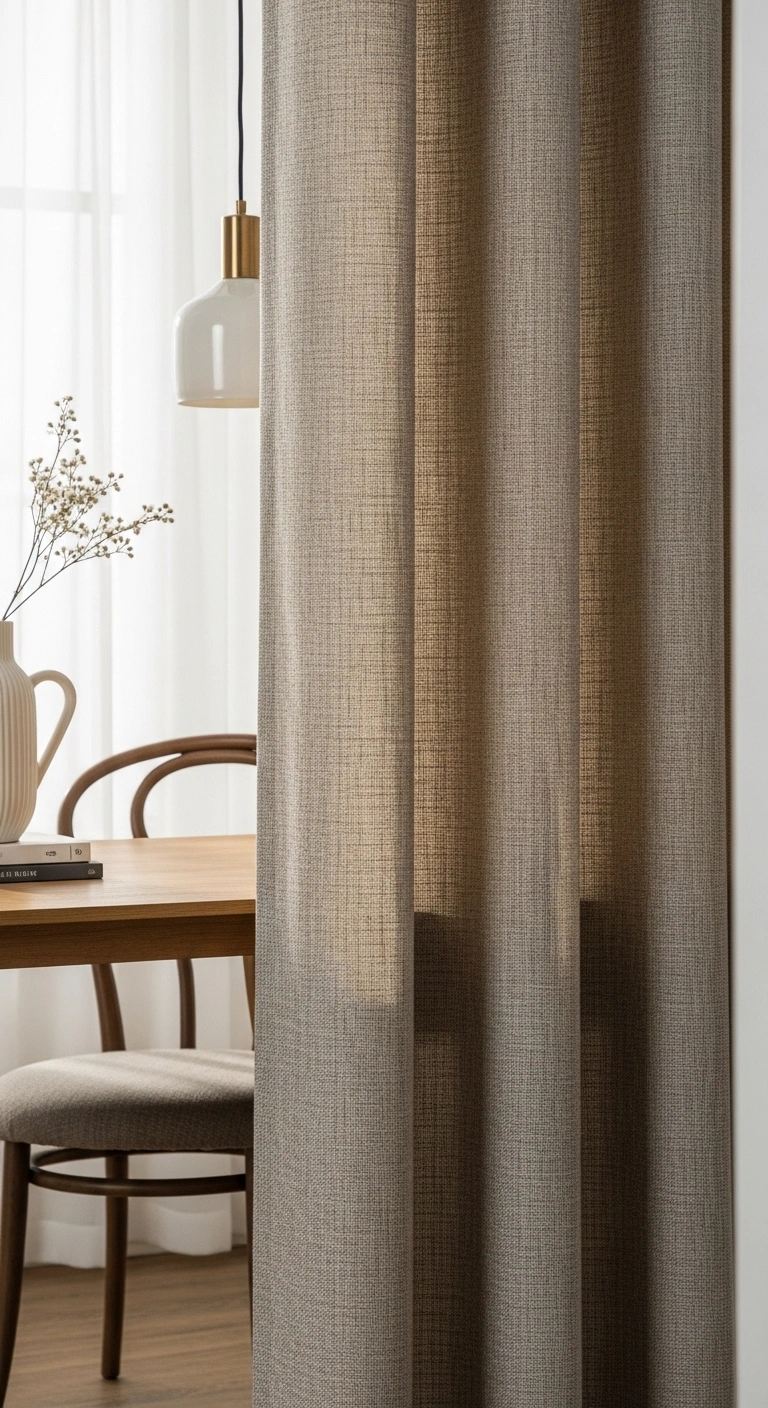
Textured floor-to-ceiling curtains in neutral tones add depth without using bold colors. Look for fabrics with visible weave patterns that catch light differently throughout the day. This subtle detail keeps the room visually interesting.
Pair with simple furniture and soft lighting to highlight the texture. Avoid busy patterns so the fabric remains the focus. This idea works well in minimalist or modern homes where detail comes from material rather than color. It’s an easy way to elevate your space while keeping it calm and balanced.
20. Curtains Behind the Bed for a Soft Backdrop

Using floor-to-ceiling curtains behind the bed creates a soft and cozy backdrop. This works especially well if your bed sits against a plain wall. The fabric adds warmth and makes the room feel more complete.
Choose soft, neutral tones or light textures to keep the look relaxing. Let the curtains extend beyond the bed width for a fuller effect. Pair with simple bedding and warm lighting to enhance the cozy feel. This idea turns your bed area into a focal point without adding bulky furniture.
21. Floor-to-Ceiling Curtains as Room Dividers
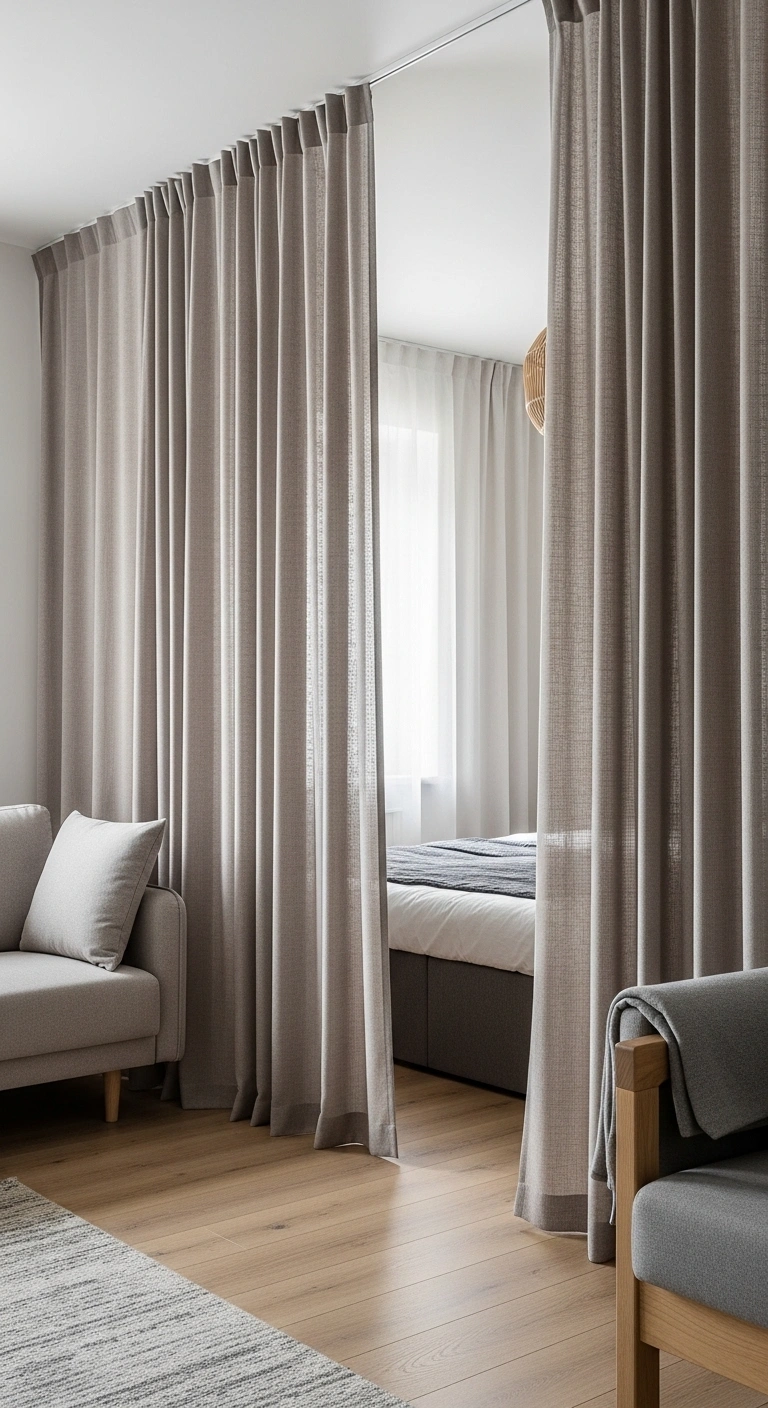
Use floor-to-ceiling curtains to divide spaces in open layouts. This is a simple way to create separate zones without building walls. Curtains can section off a sleeping area, workspace, or reading corner while still feeling light and flexible.
Choose thicker fabrics for more privacy or lighter ones for a softer divide. Install a ceiling track for smooth movement and a clean look. This idea works well in studios or shared spaces where flexibility is important. It adds function while keeping the space visually open and stylish.
22. Soft Glow Curtains with Warm Lighting
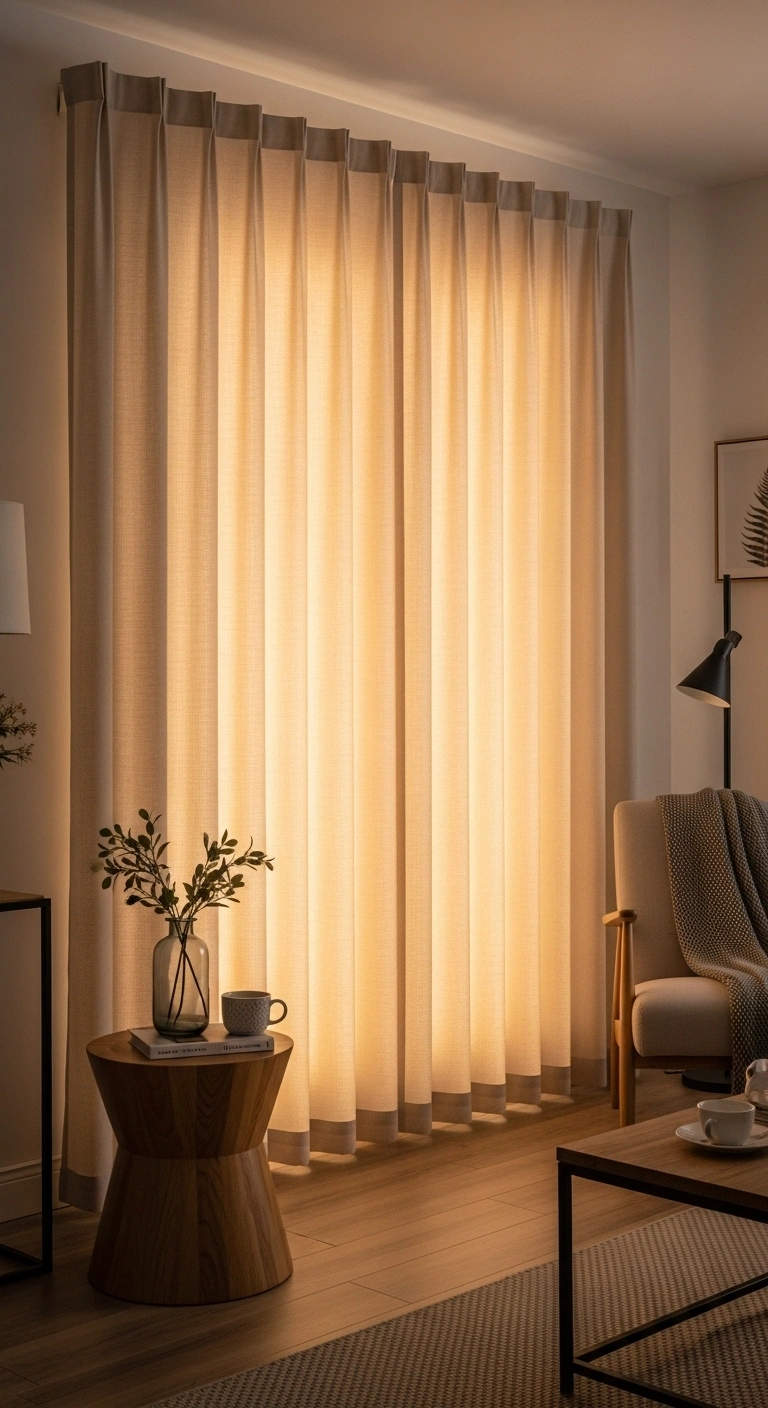
Combine floor-to-ceiling curtains with warm lighting to create a soft glow in your room. Place a floor lamp or wall light behind or near the curtains so the fabric gently diffuses the light. This creates a cozy, layered atmosphere in the evening.
Choose light-colored fabrics to enhance the glow effect. Keep the rest of the room simple so the lighting stands out naturally. This setup works beautifully in bedrooms and living rooms where comfort is key. It turns your curtains into both a design feature and a source of soft, ambient light.
Conclusion
Floor-to-ceiling curtains can completely change how your space looks and feels. From soft neutrals and airy sheers to bold contrasts and layered textures, each idea offers a simple way to elevate your room without major changes. The right curtains can make ceilings feel higher, windows look larger, and spaces feel warmer and more inviting.
Start with one idea that fits your style and build around it with small, thoughtful details. Focus on light, texture, and placement to get the best result. Save the ideas you love, try them in your own space, and enjoy the transformation. With the right approach, your curtains can become the feature that brings your whole room together.