23 Cozy Living Room Beige Ideas You’ll Love

Beige is one of the most misunderstood colors in home design. Many people think it feels safe or plain, but when styled correctly, a cozy living room beige design can feel layered, warm, and deeply inviting. Beige creates a soft foundation that allows textures, lighting, and natural materials to shine without overwhelming the space. Instead of competing for attention, every element works together to build comfort and calm. That is why beige continues to dominate Pinterest boards and modern interior trends in 2025.
In this article, you will discover thoughtful and practical ways to transform your beige living room into a warm retreat that feels personal and stylish. You will learn how to use texture, lighting, layout, and subtle contrast to add depth without losing softness. Each idea is designed for real homes, whether you live in a small apartment or a spacious house. By the end, you will see beige not as a basic neutral, but as the perfect canvas for comfort and timeless style.
1. Creamy Beige Sofa with Chunky Knit Layers
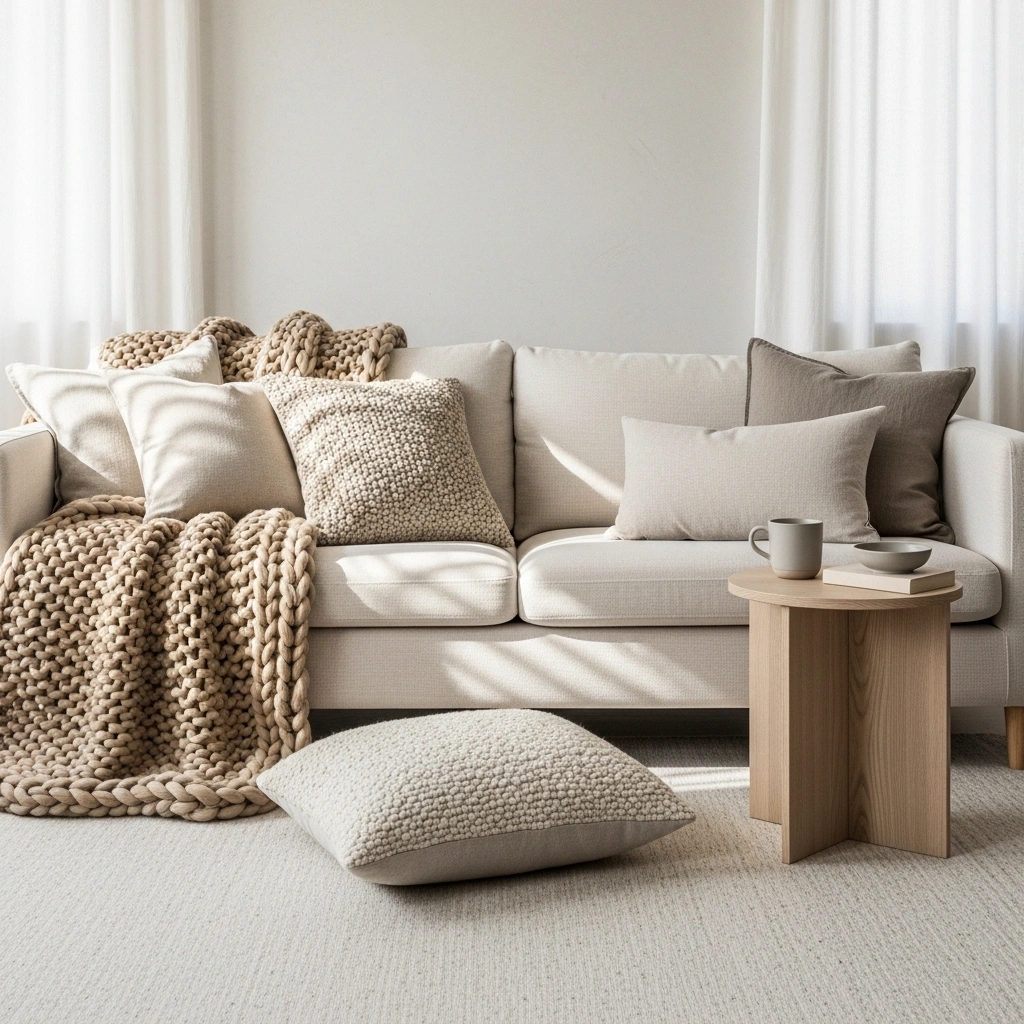
A creamy beige sofa creates the perfect anchor for a warm and welcoming living room. Instead of choosing a flat fabric, select upholstery with a soft woven texture that catches light gently throughout the day. Layer the sofa with oversized chunky knit throws in oatmeal or soft ivory tones to add visible depth. Add linen and boucle cushions in slightly different beige shades so the seating feels dynamic rather than monotone. Natural daylight enhances these layers and prevents the space from looking dull. The overall mood should feel relaxed, tactile, and inviting without looking overly styled.
To apply this idea in your own home, start by choosing one dominant beige tone and then build subtle contrast through texture rather than color. Place larger pillows at the back and smaller textured cushions in front to create dimension. Drape one knit throw loosely over the arm instead of folding it perfectly to keep the space casual. Add a small wooden or travertine side table next to the sofa for warmth and balance. Use warm white bulbs in nearby lamps to enhance the softness of the fabrics. This simple layering technique instantly transforms a plain beige sofa into a cozy focal point.
2. Beige Walls with Soft Limewash Texture
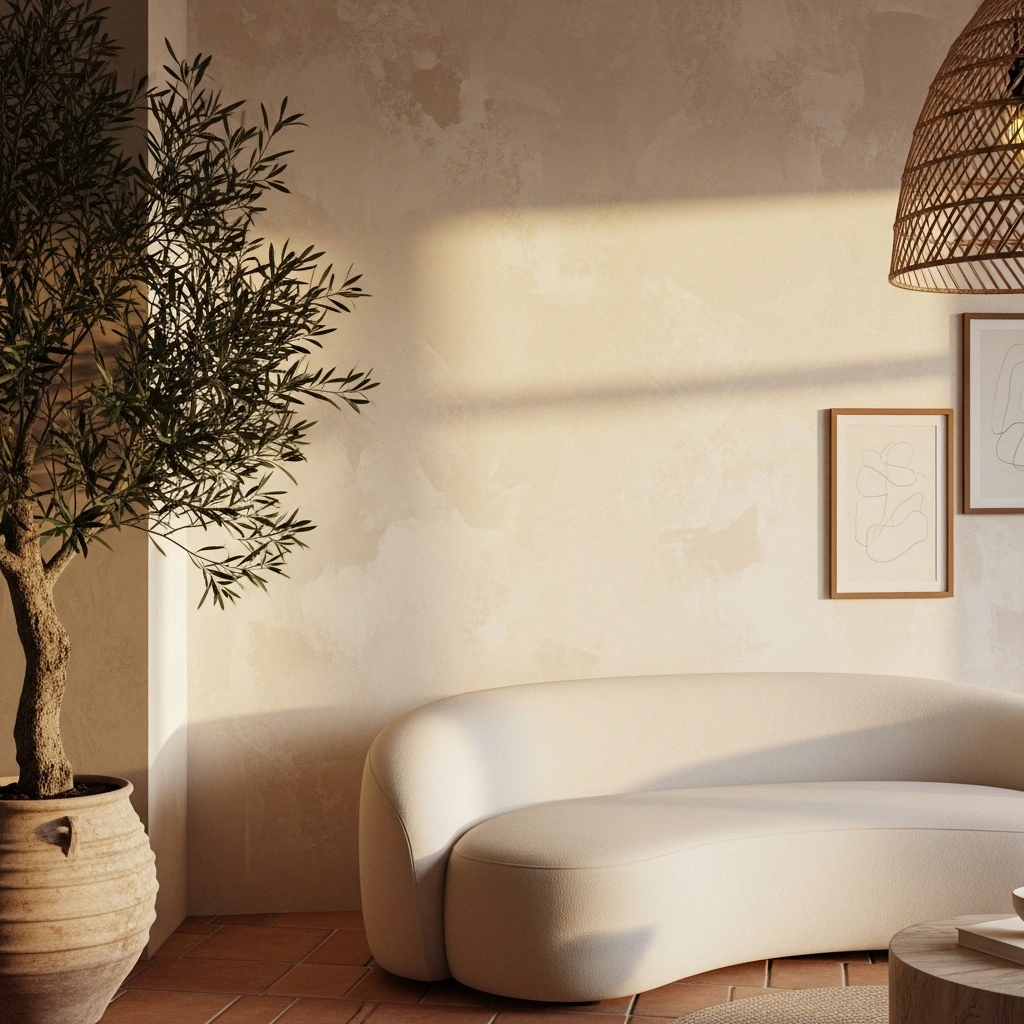
Plain painted walls can make a beige living room feel flat, but a soft limewash finish adds quiet movement and depth. The gentle variation in tone creates natural shadows that shift throughout the day as light changes. This subtle texture makes the room feel warm and organic instead of sterile. Beige limewash works beautifully in both modern and rustic interiors because it adds character without bold patterns. When sunlight hits the wall, it highlights the soft texture and creates a comforting glow. The result feels refined yet effortless.
To bring this into your space, apply limewash to one main wall rather than the entire room for a balanced look. Pair it with simple furniture silhouettes so the wall becomes the visual feature. Keep artwork minimal and choose thin wooden frames that blend into the neutral palette. Add floor lamps that wash light across the surface to emphasize the texture in the evening. Avoid glossy finishes elsewhere, as matte materials complement limewash best. This technique adds personality while keeping your beige living room calm and cohesive.
3. Layered Rugs for Soft Grounding
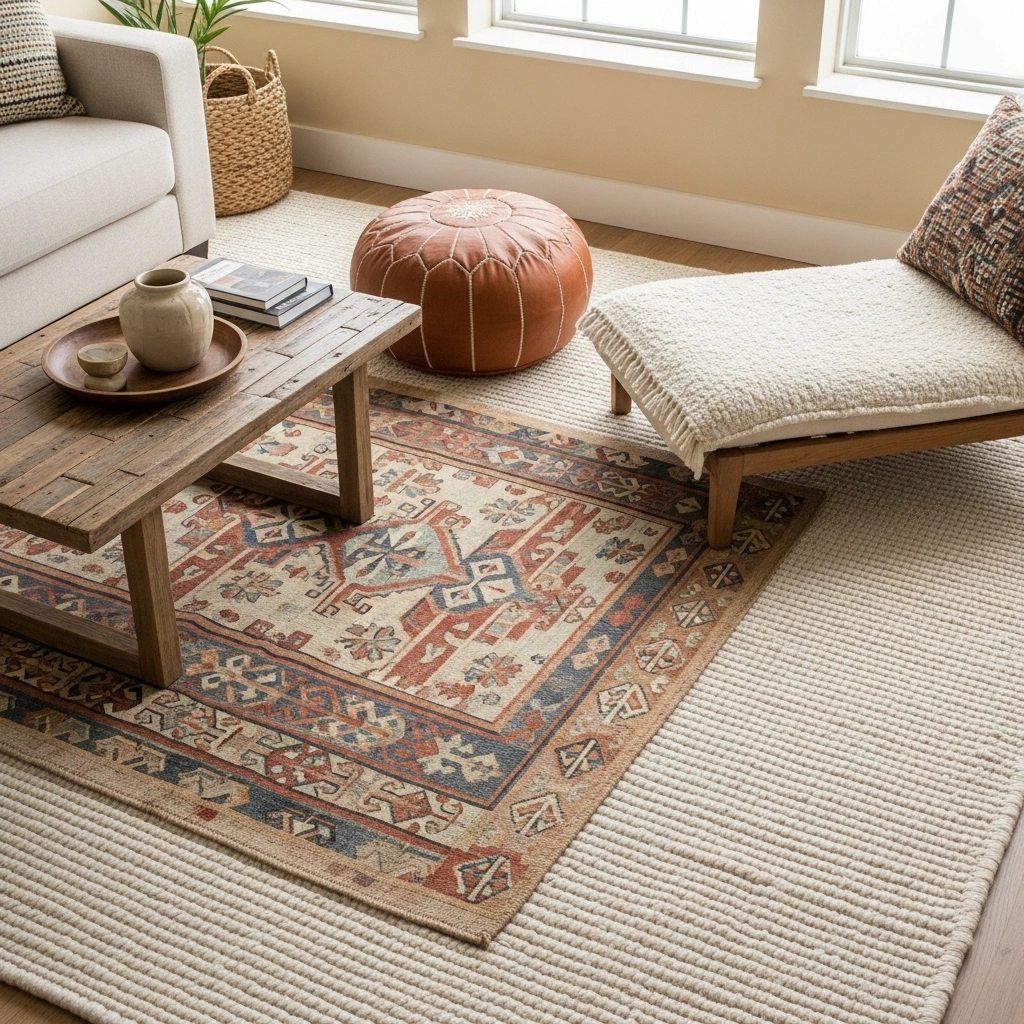
Layering rugs instantly adds depth and warmth to a beige living room without introducing strong color. Start with a large neutral base rug in wool or soft synthetic fiber to define the seating area. On top of that, place a slightly smaller woven jute or textured rug to create visual contrast. The natural fibers bring warmth and subtle golden undertones that enrich beige surroundings. This layered look feels intentional and designer-inspired while still practical for everyday living. It also softens sound and makes the space feel more intimate.
To recreate this look, make sure the bottom rug is large enough to fit under the front legs of your sofa and chairs. Center the smaller textured rug beneath the coffee table to anchor the arrangement. Choose rugs with similar undertones so they blend rather than clash. Add a soft ottoman or fabric coffee table to balance the roughness of jute. Vacuum regularly to maintain texture and prevent flattening. This approach adds dimension to a cozy living room beige palette without overwhelming it.
4. Beige and Caramel for Rich Warmth
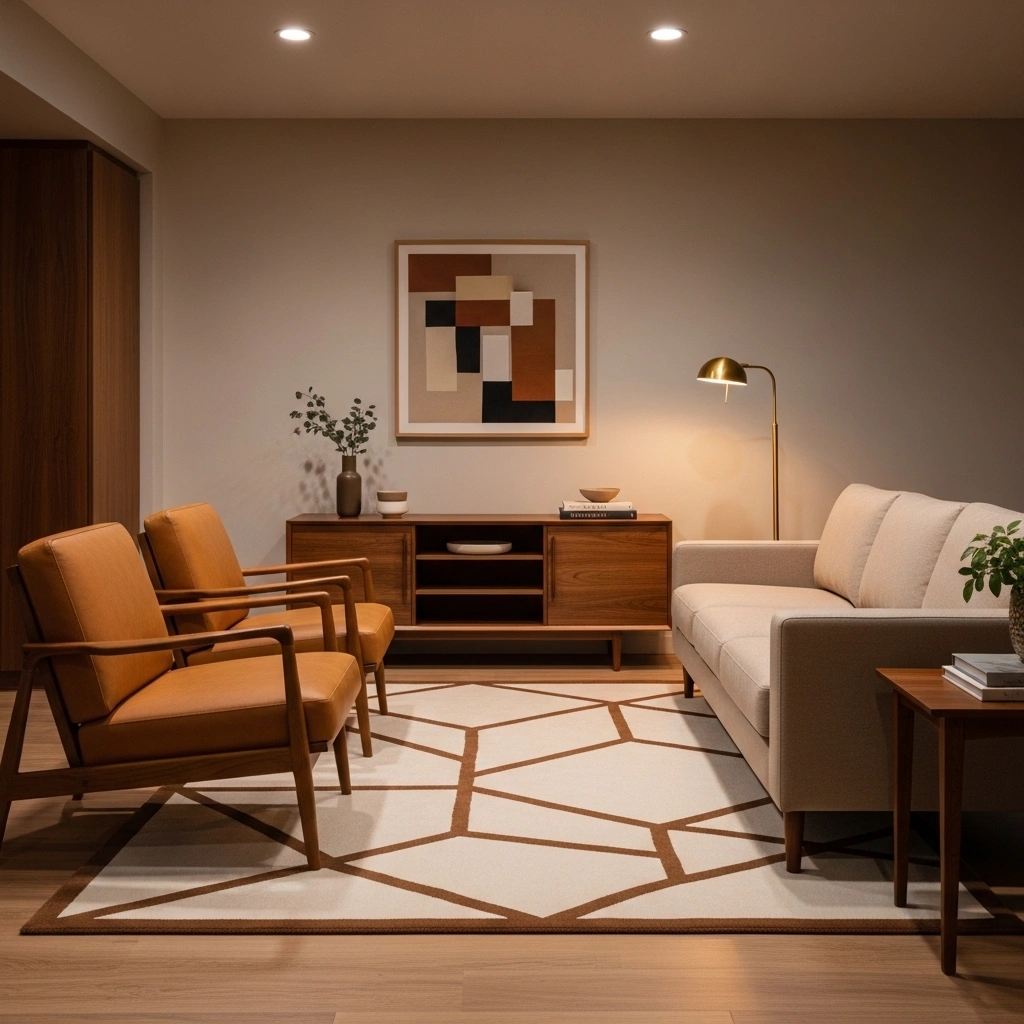
Pairing beige with caramel accents creates a layered and comforting atmosphere. Caramel leather chairs or warm wood furniture introduce depth without overpowering the neutral base. The combination feels warm, grounded, and timeless rather than trendy. When natural light reflects off caramel tones, it enhances the softness of beige walls and upholstery. This pairing works especially well in living rooms that need warmth but not bold color. The space feels welcoming and balanced from every angle.
To style this effectively, introduce caramel through one or two key pieces such as an accent chair or leather ottoman. Keep the remaining décor in soft beige, ivory, or cream to maintain harmony. Use brass or antique gold lighting fixtures to amplify the warmth. Avoid cool gray accessories that may dull the palette. Add textured pillows in sand and tan tones to connect everything visually. This color combination instantly elevates a beige living room design while staying cozy.
5.Greige and Beige Layered Together
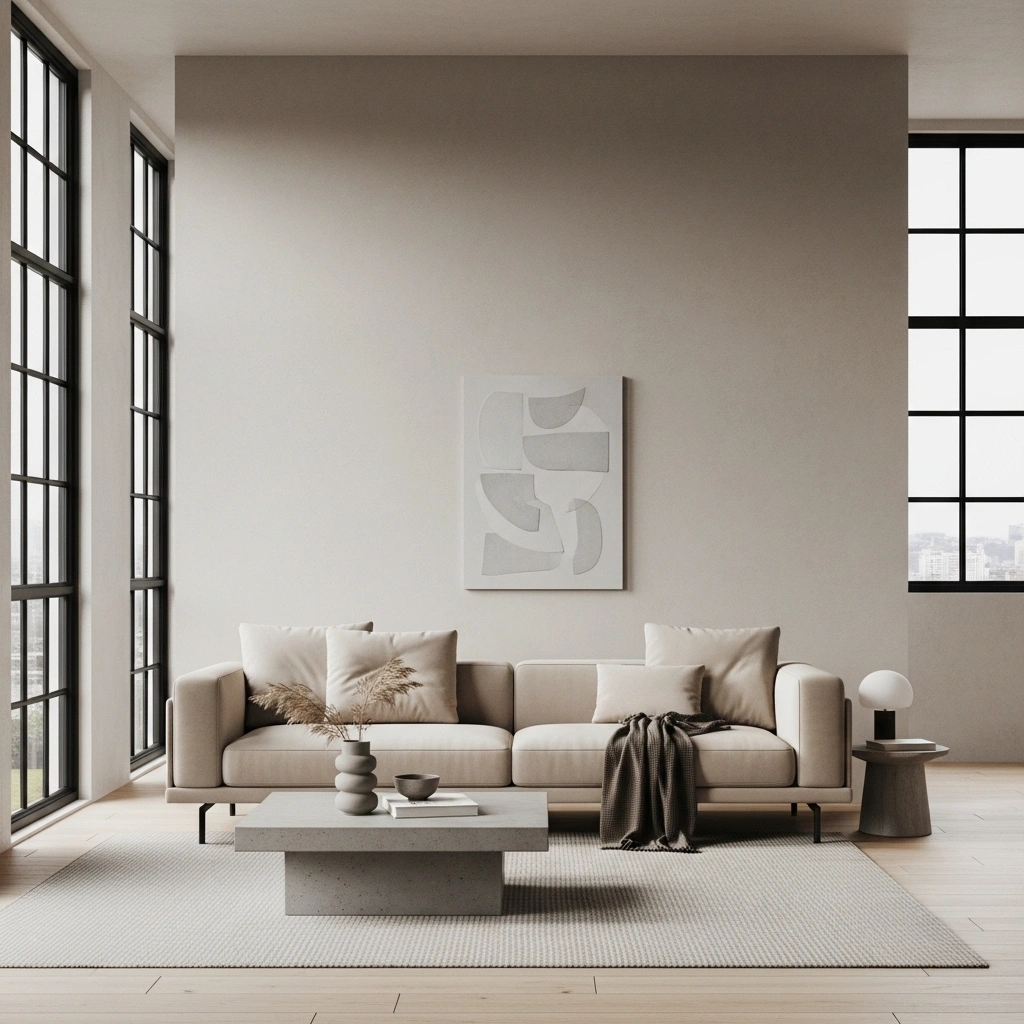
Combining greige and beige creates subtle contrast without making the room feel cold. Greige brings a gentle cool undertone, while beige adds warmth and softness. Together they create depth that feels sophisticated and modern. This layered neutral palette works beautifully in open-concept spaces where visual separation is needed. Light reflects differently on each tone, giving the room dimension throughout the day. The overall effect feels calm yet thoughtfully designed.
To apply this idea, paint one feature wall in greige while keeping the remaining walls beige. Choose beige upholstery to maintain warmth in the seating area. Incorporate natural wood furniture to bridge the undertones seamlessly. Add soft lighting to prevent greige from appearing too cool in the evening. Keep décor minimal and cohesive within the neutral range. This pairing creates visual interest while preserving the comfort of a cozy beige living room.
6.Beige with Soft Blush Undertones
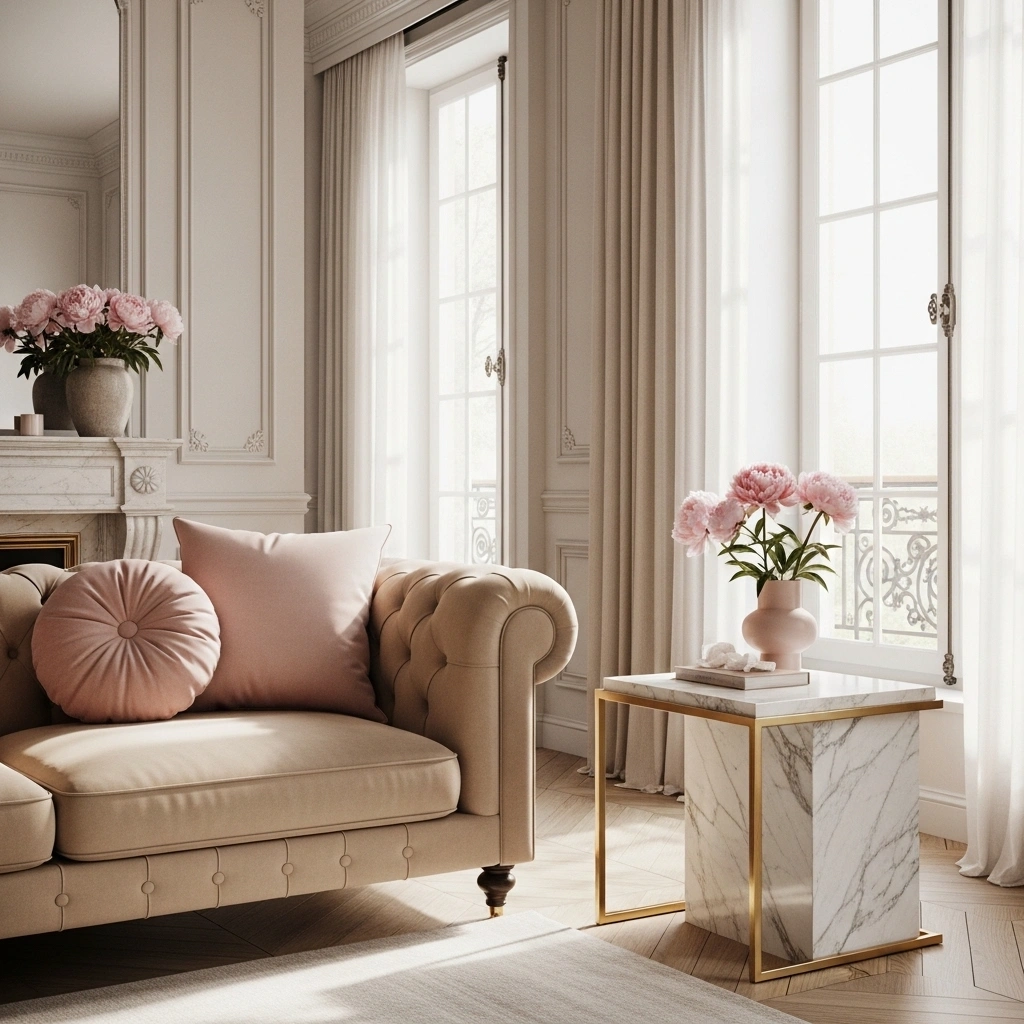
Soft blush accents can add gentle warmth to beige without overpowering it. A muted blush throw pillow or abstract artwork introduces subtle color that feels refined and calm. The pink undertone enhances beige rather than competing with it. This combination works especially well in rooms with plenty of natural light. The result feels airy, warm, and slightly romantic while still grounded in neutrals. It is perfect for those who want a hint of color without losing softness.
To make this work, limit blush to textiles such as cushions or light curtains. Keep walls and large furniture pieces neutral beige to maintain balance. Pair blush with light oak or warm wood finishes to strengthen the warmth. Avoid bright or saturated pink tones that disrupt the calm palette. Add soft lighting to enhance the warmth during evening hours. This subtle addition keeps your beige living room interesting and inviting.
7. Floating Sofa for Intimate Seating
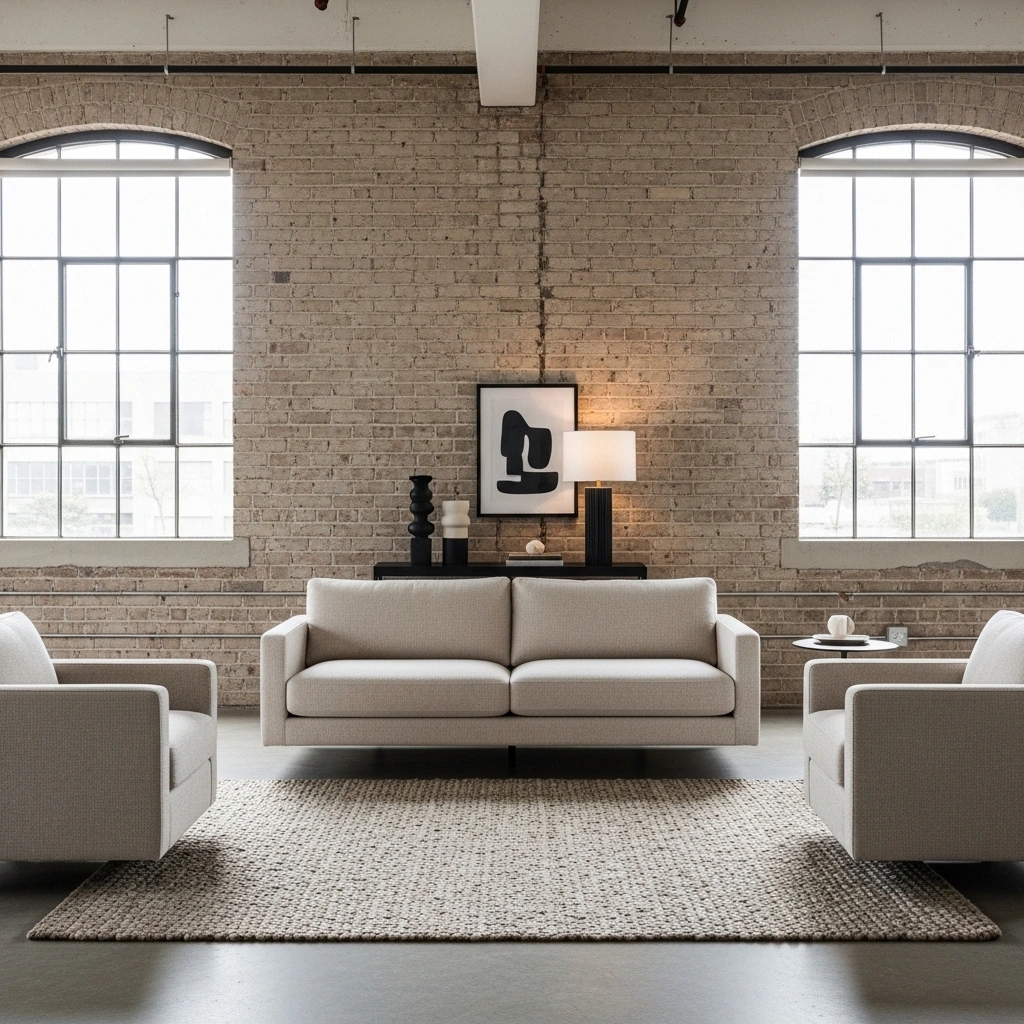
Floating your sofa away from the wall creates a more intimate and intentional seating area. Instead of pushing all furniture to the edges, bring the sofa slightly forward and anchor it with a large area rug. This layout encourages conversation and makes large rooms feel cozier. Beige upholstery keeps the arrangement light and airy even when centered. The negative space behind the sofa adds depth and flexibility. This design feels welcoming and thoughtfully arranged.
To execute this layout, leave enough walking space behind the sofa for easy movement. Place a slim console table behind it to style with lamps or decorative objects. Add matching armchairs facing the sofa to complete the seating zone. Use layered lighting around the arrangement to enhance warmth. Keep pathways clear to maintain flow. This simple adjustment dramatically improves comfort in a cozy living room beige design.
8.Curved Beige Sectional for Soft Flow
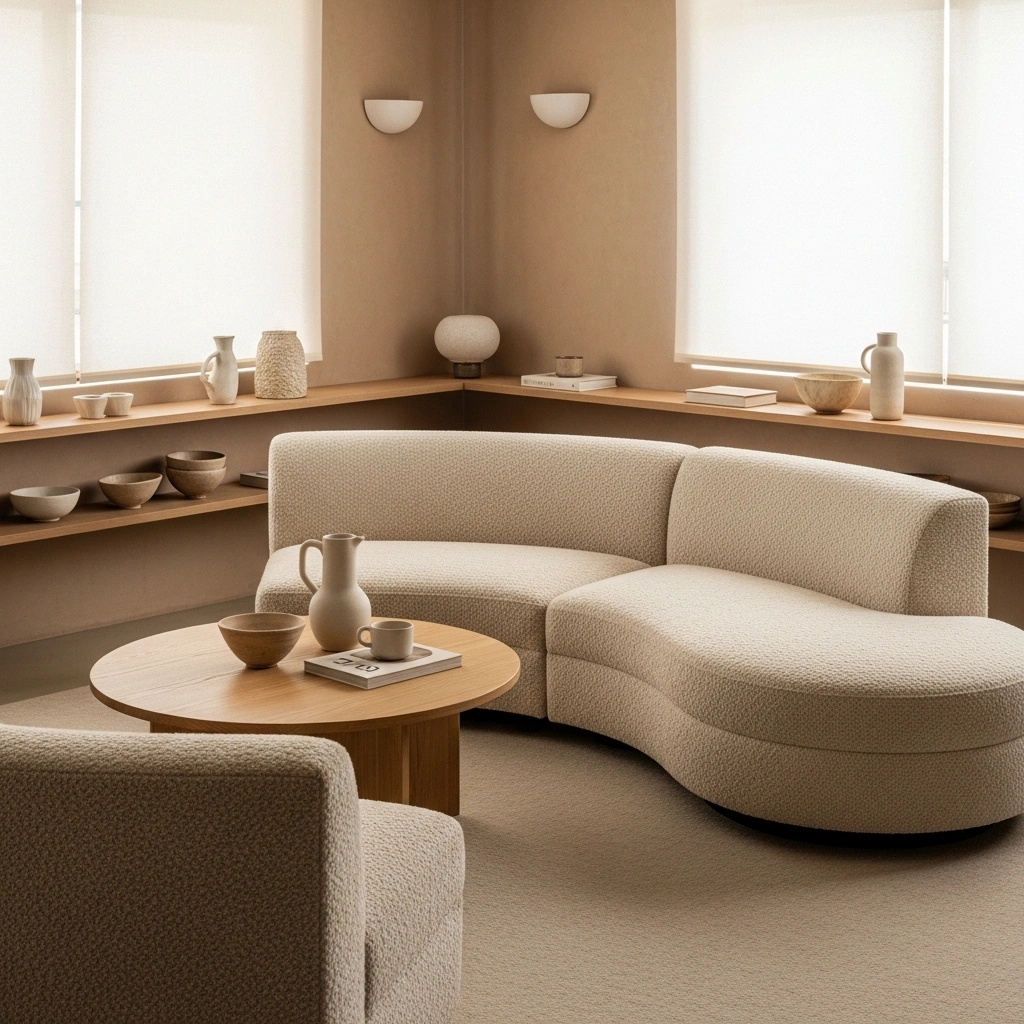
A curved beige sectional introduces softness through shape rather than color. Rounded edges feel welcoming and reduce harsh lines in the room. The gentle curve naturally creates a conversation area while maintaining openness. Beige fabric ensures the piece feels light despite its size. The silhouette adds modern elegance without overpowering the space. It is both functional and visually calming.
Position the sectional around a round coffee table to echo the curves. Choose a textured fabric like boucle or woven linen for added depth. Add layered throw pillows in neutral tones for dimension. Place a large rug underneath to anchor the layout. Keep nearby décor simple to highlight the shape. This furniture choice makes a beige living room feel fluid and inviting.
9. Built-In Window Seating Nook
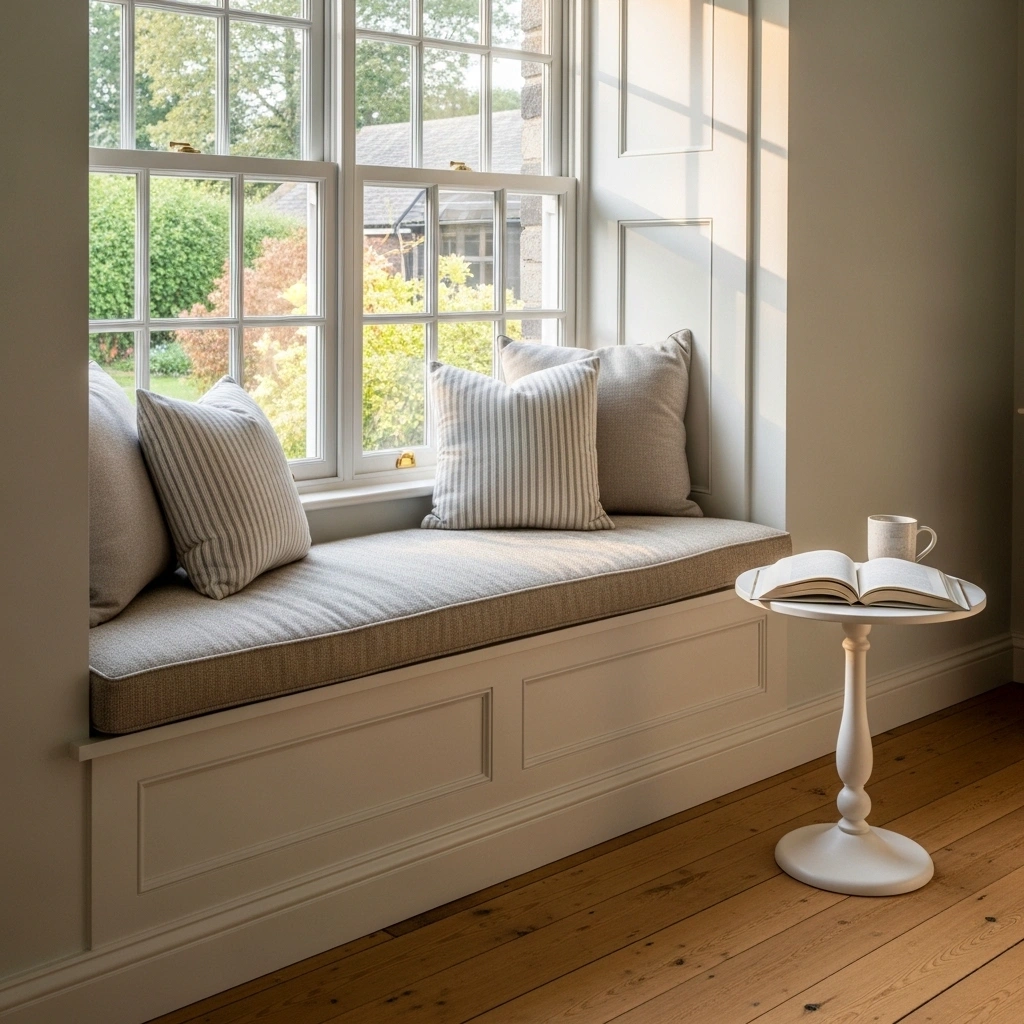
A built-in beige window seat adds charm and comfort to any living room. The natural light enhances soft beige cushions and layered textiles. This feature creates a cozy corner for reading or relaxing. It also adds architectural interest without cluttering the space. The look feels custom and thoughtfully designed. It blends beauty with practicality.
To implement this, use durable neutral upholstery for daily use. Add layered cushions in slightly varied beige tones for texture. Install hidden storage beneath the seat for functionality. Place a small side table nearby for books or tea. Use a warm lamp for evening reading. This idea maximizes space while enhancing the cozy feel of your living room.
10. Warm Layered Lighting Strategy
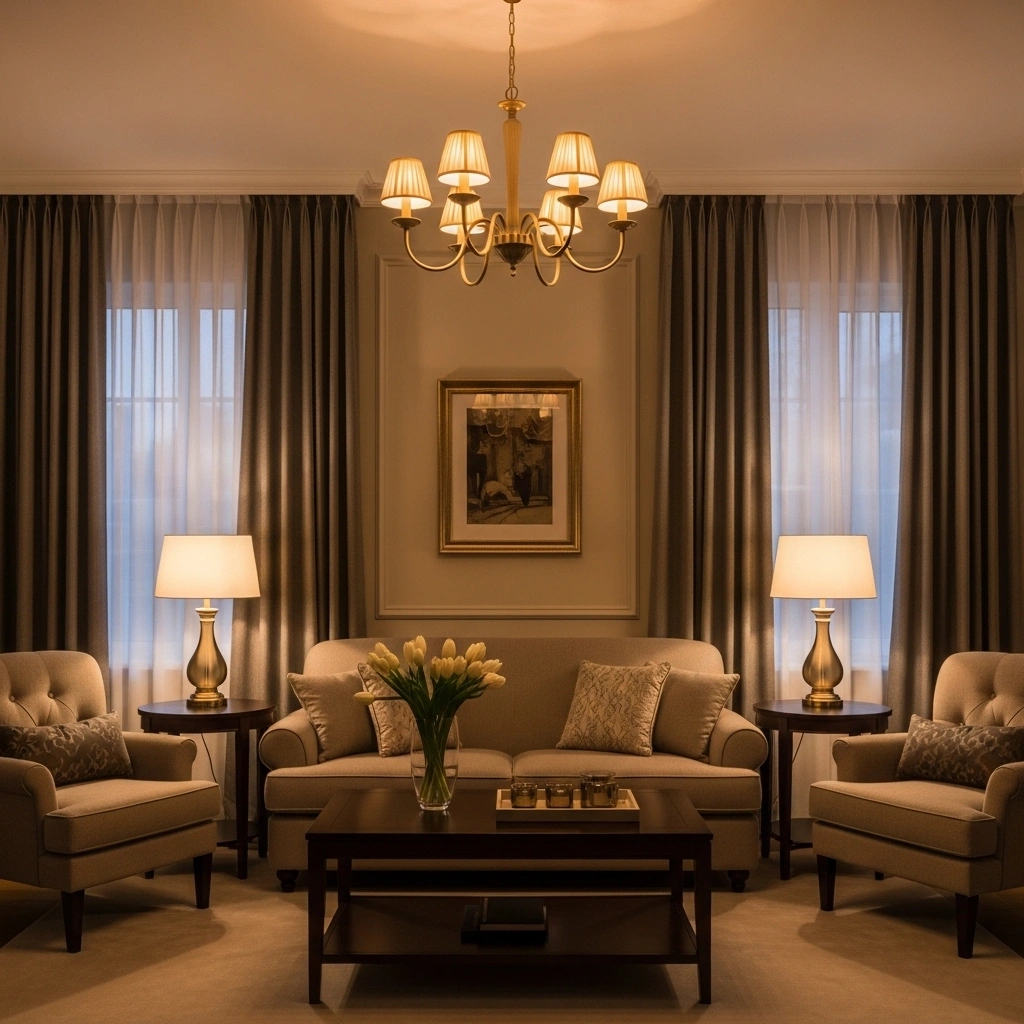
Layered lighting is essential for making beige feel warm instead of flat. Relying only on overhead lights can create harsh shadows. Combine floor lamps, table lamps, and wall sconces to build depth. Warm white bulbs enhance beige undertones beautifully. Soft lighting makes textures more visible and inviting. The space feels intimate and relaxed at night.
Start by placing floor lamps in darker corners to eliminate shadows. Add table lamps beside seating areas for task lighting. Use dimmers to control brightness throughout the day. Avoid cool-toned bulbs that make beige appear gray. Choose fabric or linen shades for softer diffusion. Lighting is one of the most powerful tools in a cozy living room beige design.
11.Linen Lamp Shades for Soft Glow
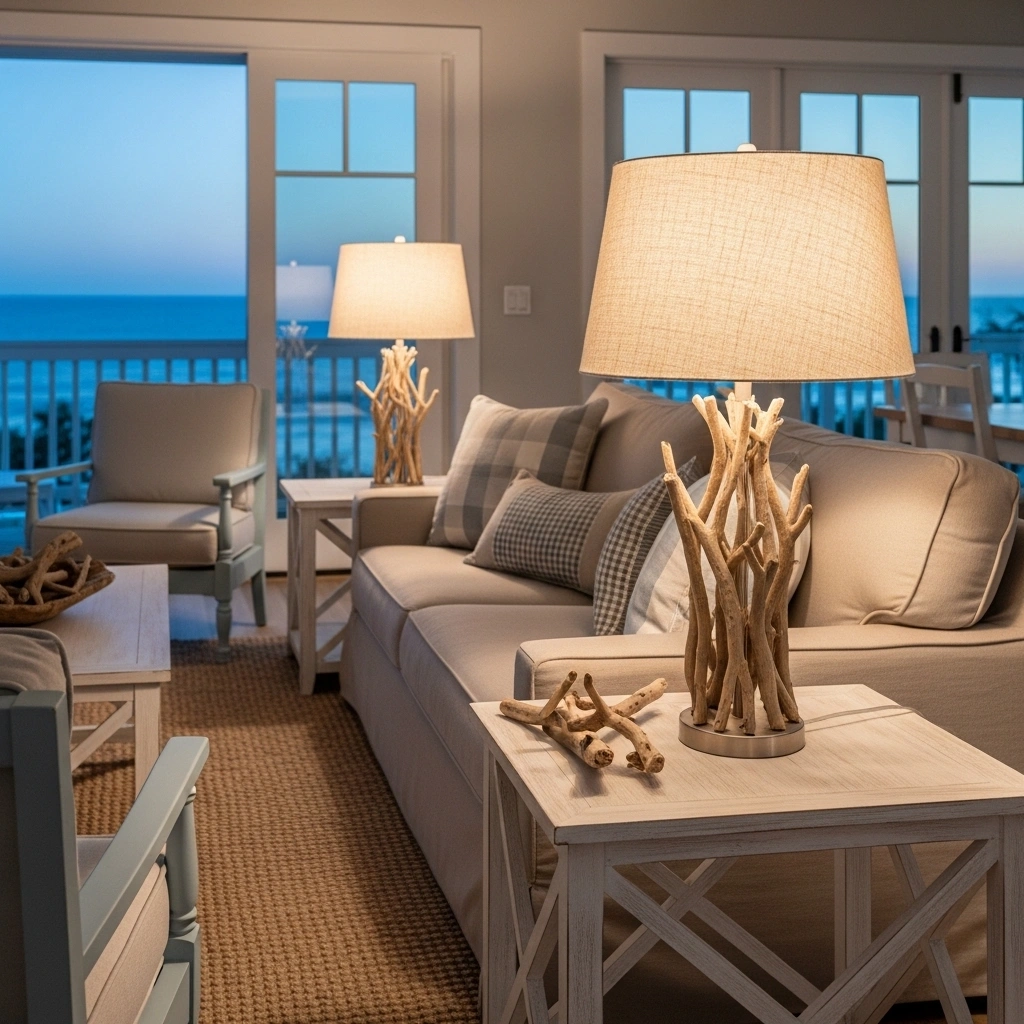
Linen lamp shades gently diffuse light and add texture at the same time. The fabric softens brightness and creates a warm ambient glow. Beige walls reflect this light beautifully, enhancing depth. The layered lighting effect makes the room feel calm and inviting. This detail may seem small, but it transforms the atmosphere significantly. It adds both comfort and visual warmth.
Place matching linen lamps on either side of the sofa for symmetry. Use warm white bulbs to maintain consistency. Choose ceramic or brass bases to complement the neutral palette. Keep shade colors within the beige family for cohesion. Avoid stark white shades that create contrast. This simple update makes your beige living room feel intentionally styled.
12. Statement Neutral Pendant Light
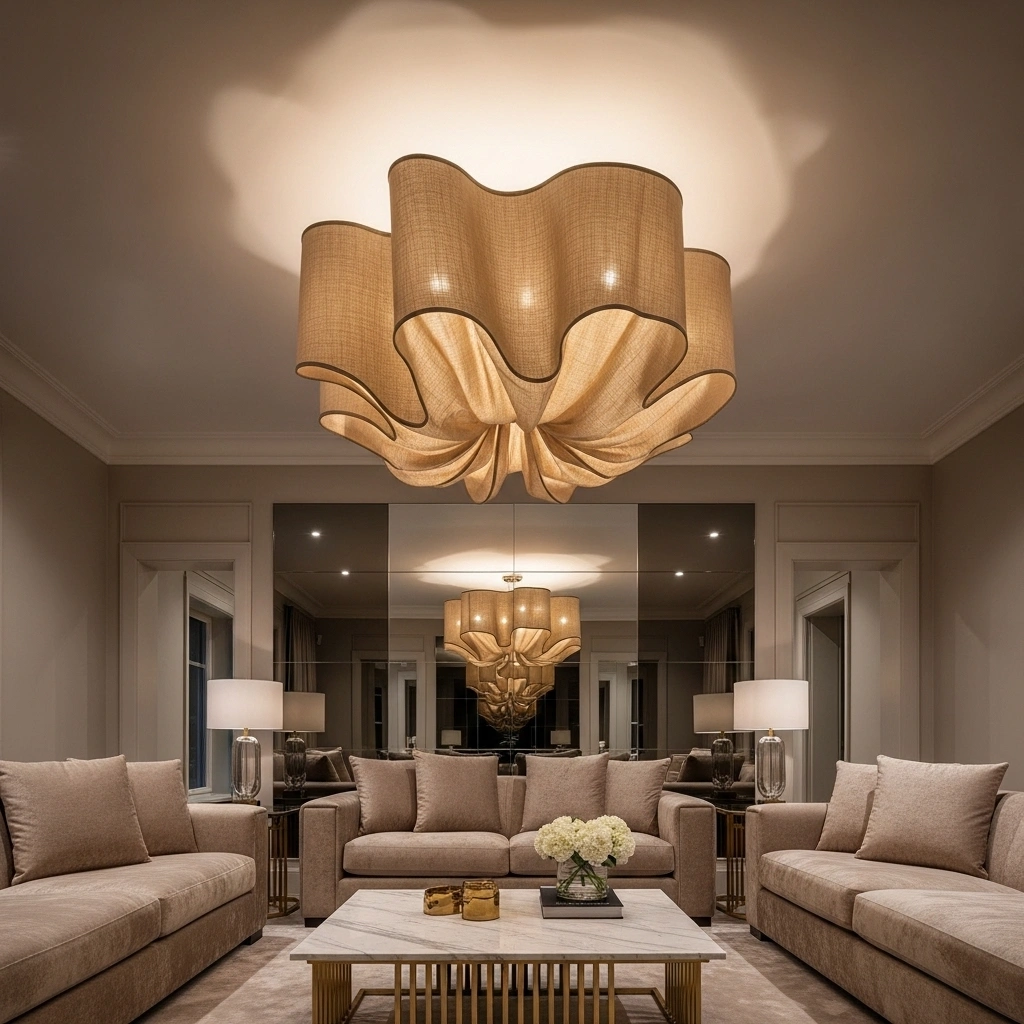
A statement pendant in a soft neutral tone draws attention upward while maintaining warmth. Woven rattan, fabric, or textured beige shades add subtle visual interest. The pendant becomes a focal point without overwhelming the room. It enhances vertical space and balances lower furniture pieces. Soft shadows from textured shades create cozy patterns on walls. The effect feels curated yet relaxed.
Hang the pendant centered above the seating area for balance. Ensure the size matches the room scale to avoid overpowering the space. Pair it with layered floor lighting for complete illumination. Choose warm bulbs to enhance beige undertones. Keep ceiling color consistent for cohesion. This finishing touch elevates the entire cozy beige living room effortlessly.
13.Light Oak Coffee Table for Organic Warmth
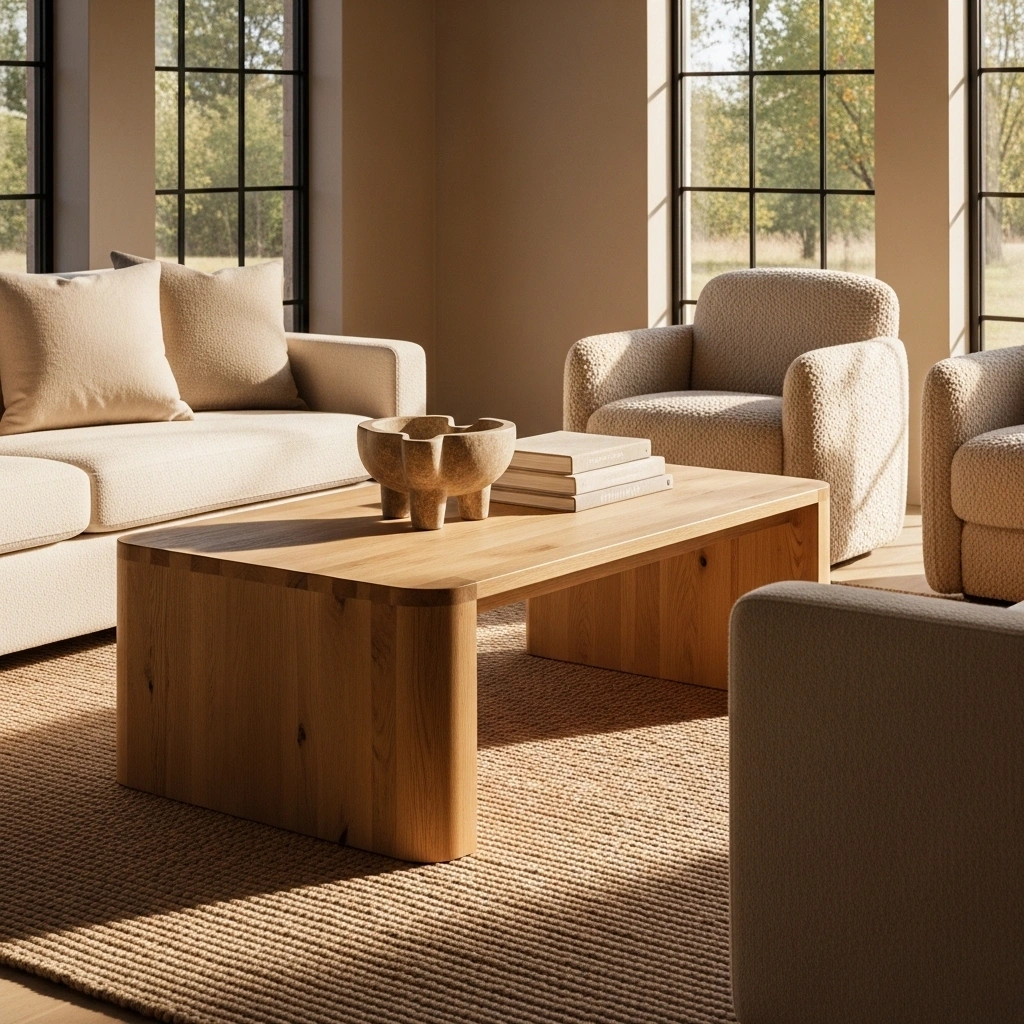
A light oak coffee table instantly brings organic warmth into a beige living room. The natural wood grain adds movement and prevents the neutral palette from feeling flat. Oak’s soft golden undertone pairs beautifully with beige upholstery and cream walls. When sunlight hits the surface, it highlights the texture and creates a welcoming glow. The combination feels earthy, balanced, and timeless without being rustic. This natural material helps the room feel grounded and connected to nature.
To style this effectively, choose a simple rectangular or round oak table with visible grain detail. Keep décor minimal by layering neutral books, a ceramic bowl, or a textured tray on top. Avoid dark-stained woods that create harsh contrast against beige tones. Position the table centrally on a soft area rug to anchor the seating area. Add a small plant or dried stems for subtle height variation. This wood addition brings depth and authenticity to a cozy living room beige design.
14. Beige and Stone Fireplace Surround
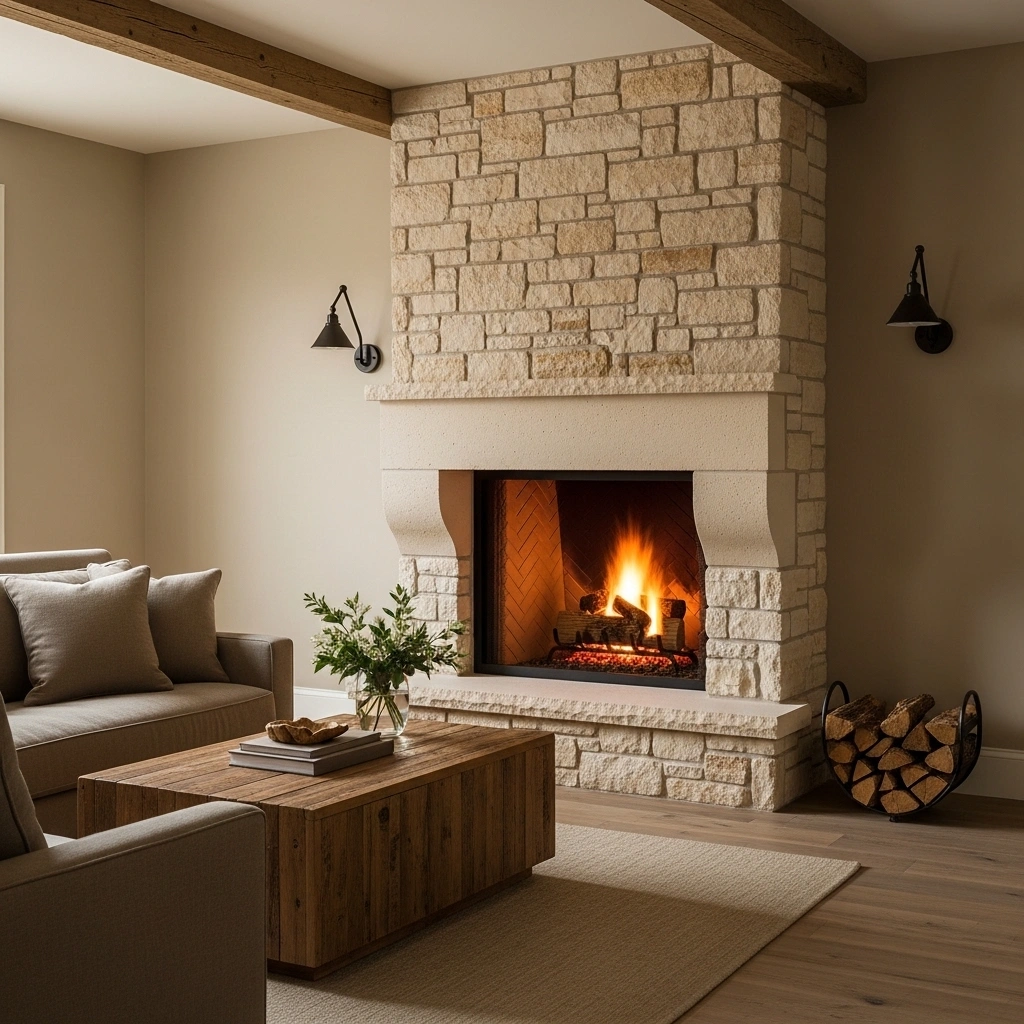
A stone fireplace surround adds architectural character while blending seamlessly with beige interiors. Soft limestone, travertine, or light stacked stone enhances the warmth of neutral walls. The natural texture creates subtle shadows that shift throughout the day. Firelight reflecting off stone surfaces makes the space feel intimate and inviting. This feature becomes a calming focal point without introducing bold color. It works beautifully in both modern and traditional living rooms.
To incorporate this idea, choose stone with warm undertones rather than cool gray shades. Keep the mantel styling simple with neutral ceramics or framed art in soft tones. Add wall sconces or nearby lamps to highlight the texture in the evening. Avoid overcrowding the fireplace area with heavy décor pieces. Pair the stone with beige upholstered seating to maintain harmony. This design element elevates the entire living room while preserving a soft, cohesive palette.
15. Indoor Plants Against a Beige Backdrop
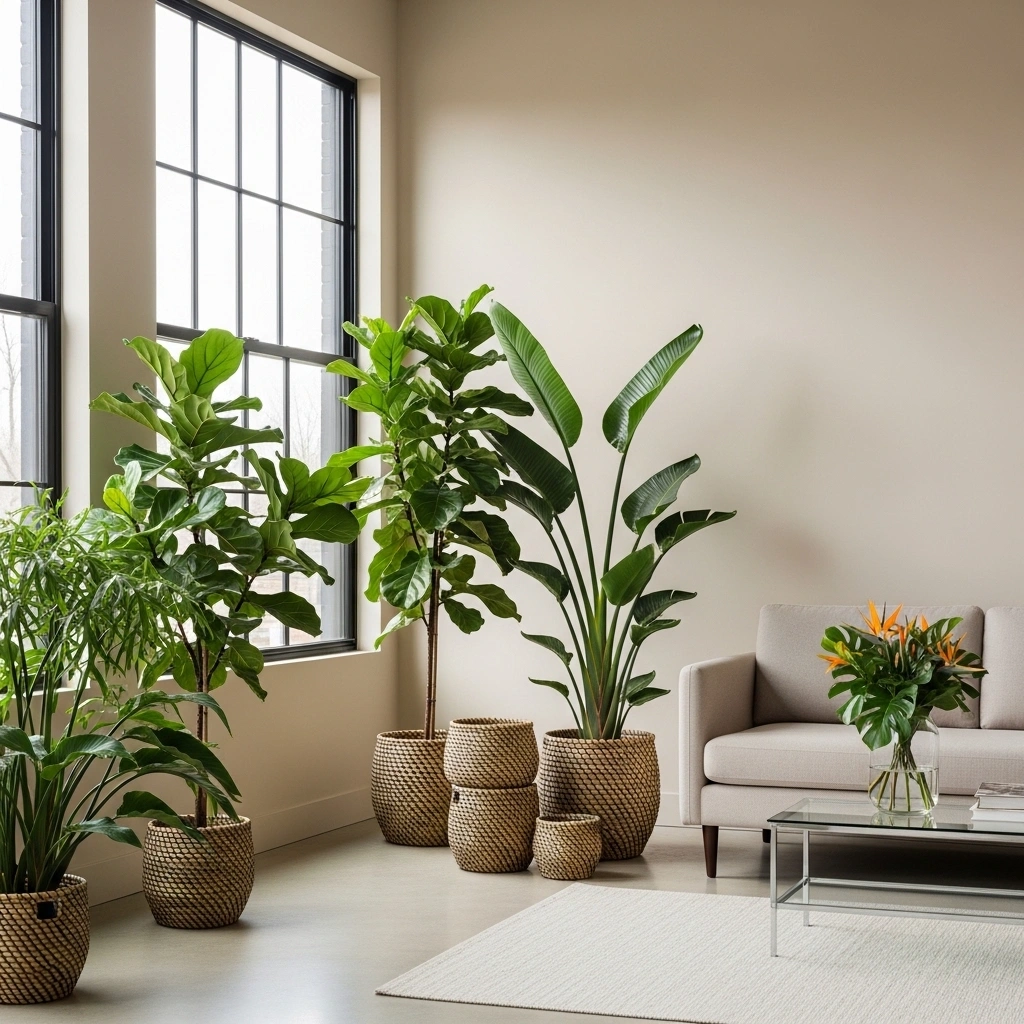
Indoor plants stand out beautifully against beige walls and furniture. The soft neutral background allows green leaves to pop without overwhelming the room. Natural shapes and organic lines bring life and freshness to the space. Light filtering through leaves adds soft shadows that enhance the cozy atmosphere. This contrast between beige and greenery feels calm, balanced, and refreshing. Plants make the room feel cared for and intentionally styled.
To apply this idea, choose a mix of tall floor plants and smaller tabletop varieties. Use woven baskets or ceramic planters in neutral tones for consistency. Place larger plants near windows where natural light enhances their color. Avoid overly colorful pots that distract from the calm palette. Group plants in odd numbers for a more natural look. This simple addition keeps your beige living room vibrant yet grounded.
16. Layered Beige Curtains for Depth
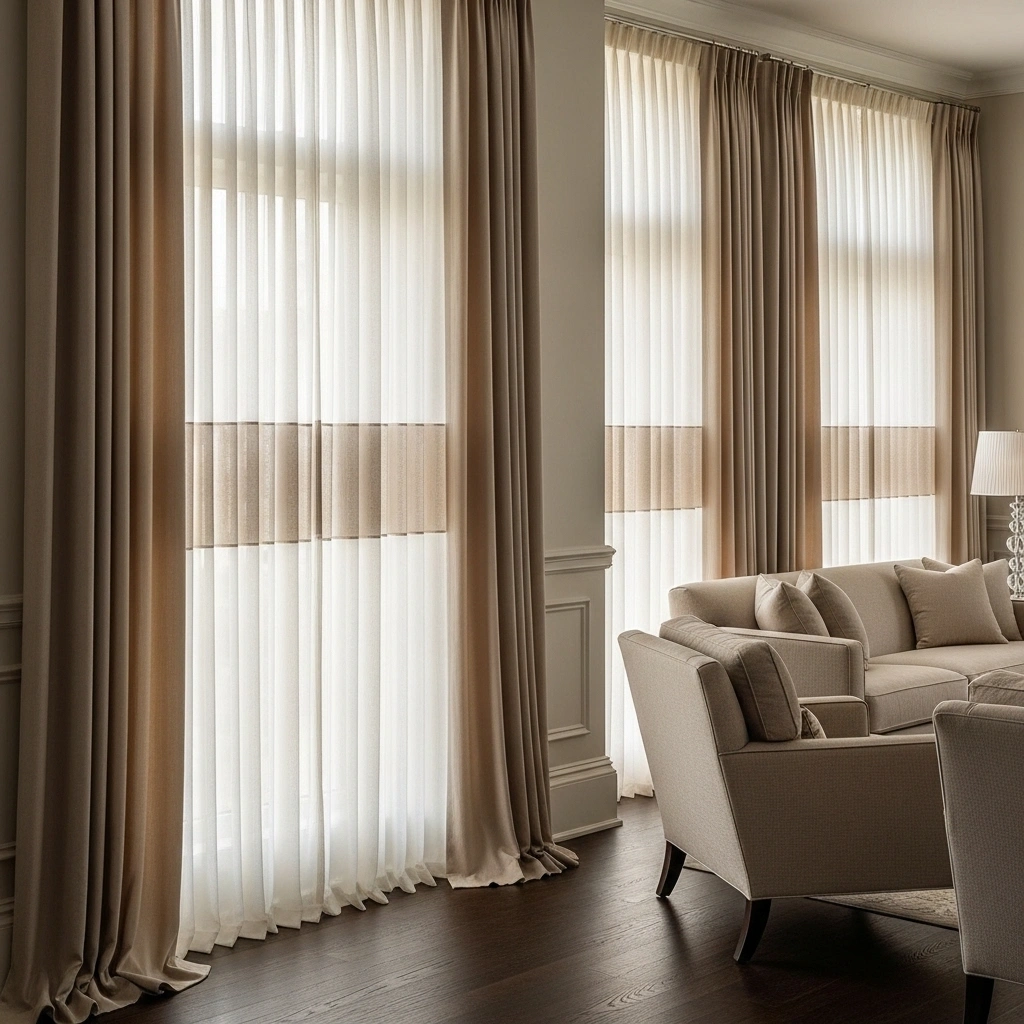
Layering sheer and heavier beige curtains adds softness and visual depth to your windows. Sheer panels allow daylight to filter gently into the room, creating a warm glow. Thicker outer curtains add insulation and coziness during evenings. The subtle variation in fabric weight creates dimension without introducing new colors. Floor-length drapes make the ceiling appear taller and the room more elegant. This layering technique feels refined yet comfortable.
Install curtain rods slightly higher than the window frame to enhance vertical space. Choose fabrics in similar undertones but different textures for interest. Let the curtains lightly touch or slightly puddle on the floor for a relaxed feel. Avoid stiff materials that block softness. Use tiebacks sparingly to maintain flow. This detail enhances the atmosphere of a beige living room without adding clutter.
17. Oversized Beige Ottoman as a Centerpiece
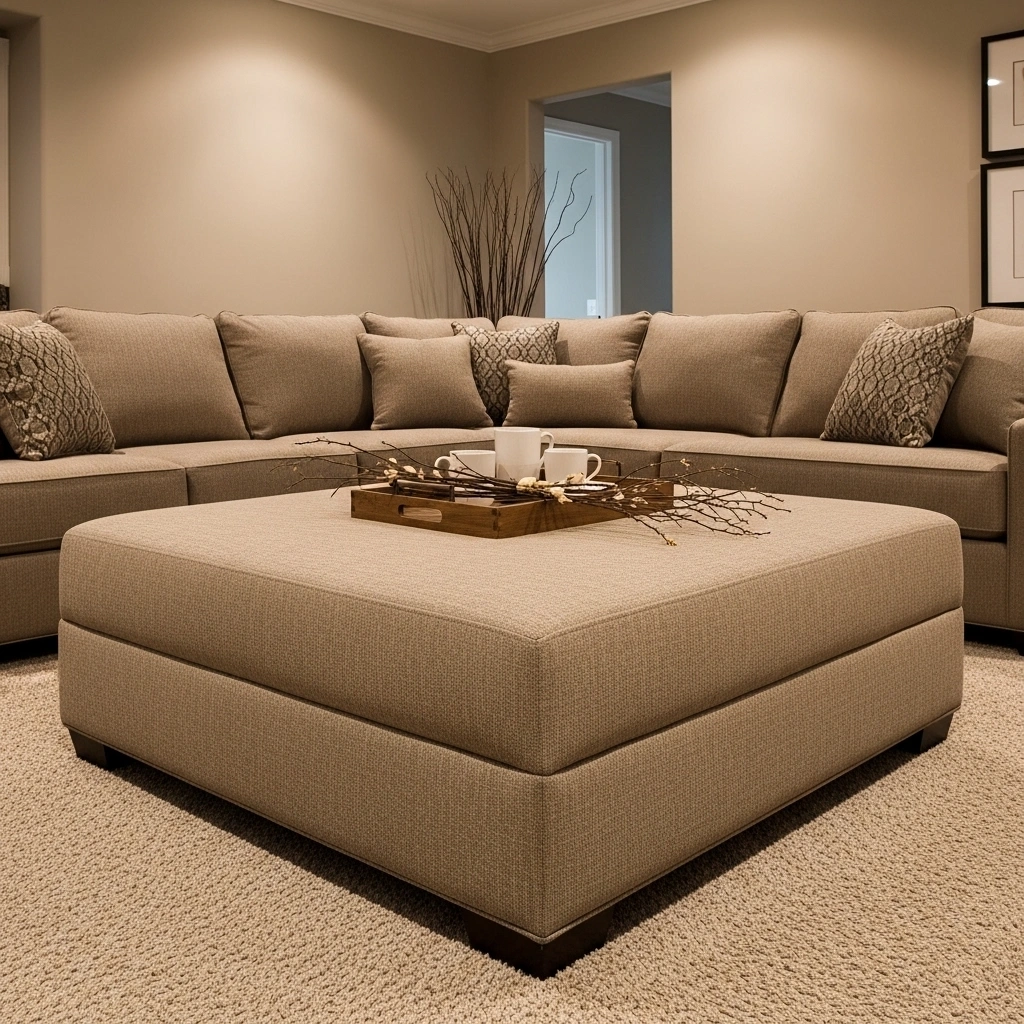
An oversized beige ottoman creates both comfort and functionality in the living room. Its soft upholstered surface adds texture while maintaining color harmony. The larger scale anchors the seating area and encourages relaxation. It can serve as a footrest, extra seating, or a coffee table alternative. The plush look makes the space feel welcoming and lived-in. This piece blends beauty with everyday usability.
Place the ottoman centrally and pair it with a decorative tray for structure. Choose durable fabric that handles daily use without losing shape. Keep surrounding furniture slightly lighter to avoid heaviness. Add a soft throw folded neatly on one corner for layering. Ensure enough walking space around it for flow. This versatile addition enhances both style and comfort in a cozy beige living room.
18. Mixed Neutral Throw Pillows for Subtle Contrast
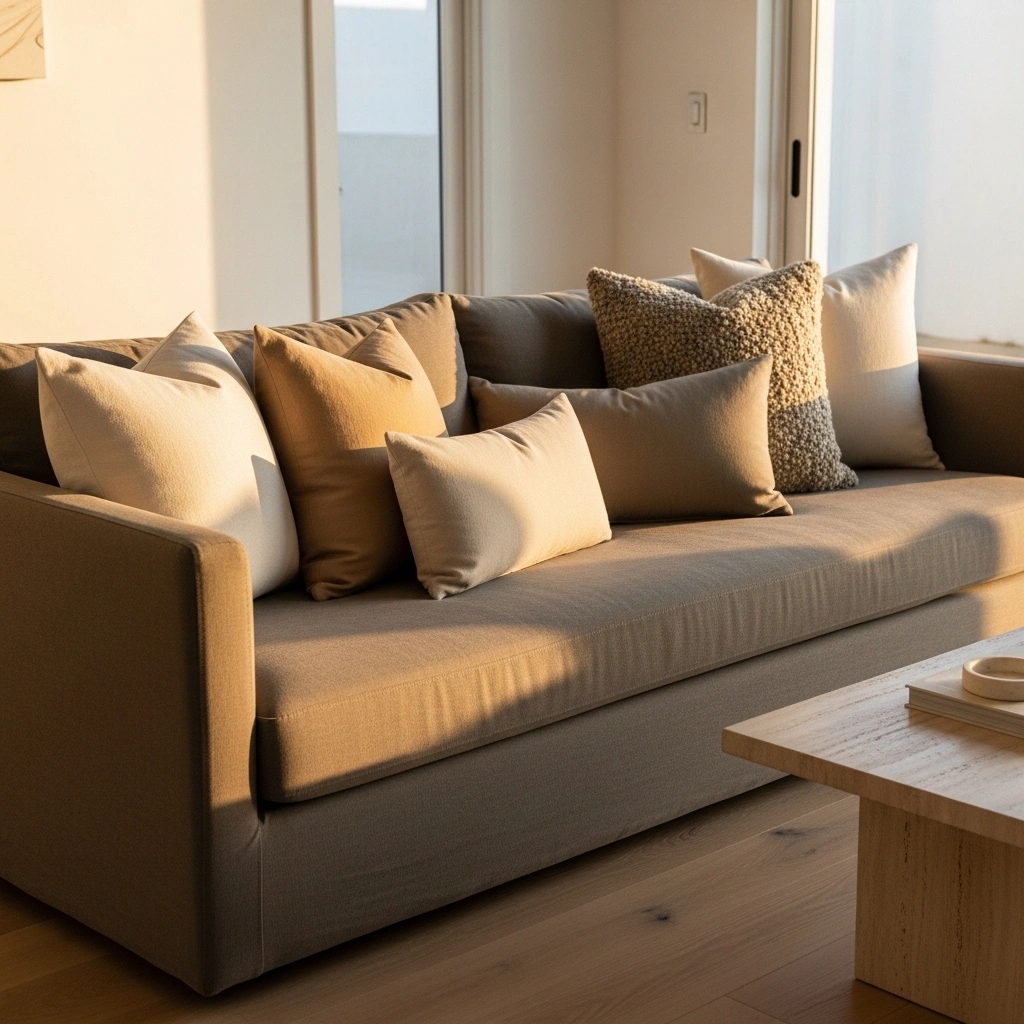
Mixing multiple neutral pillow tones creates visual interest without bold color. Combine ivory, sand, taupe, and light brown in different textures such as linen, velvet, and boucle. The subtle contrast prevents the sofa from looking flat or uniform. Texture variation becomes the main design feature instead of pattern. This layered approach feels curated but still relaxed. The effect is soft, elegant, and inviting.
Avoid buying matching pillow sets that look too coordinated. Instead, vary sizes and shapes to build depth naturally. Place larger pillows at the back and smaller ones in front. Keep patterns minimal and within the neutral family. Rotate pillow covers seasonally for freshness. This simple styling method keeps your beige living room visually dynamic while remaining cohesive.
19.Black Accent Details for Definition
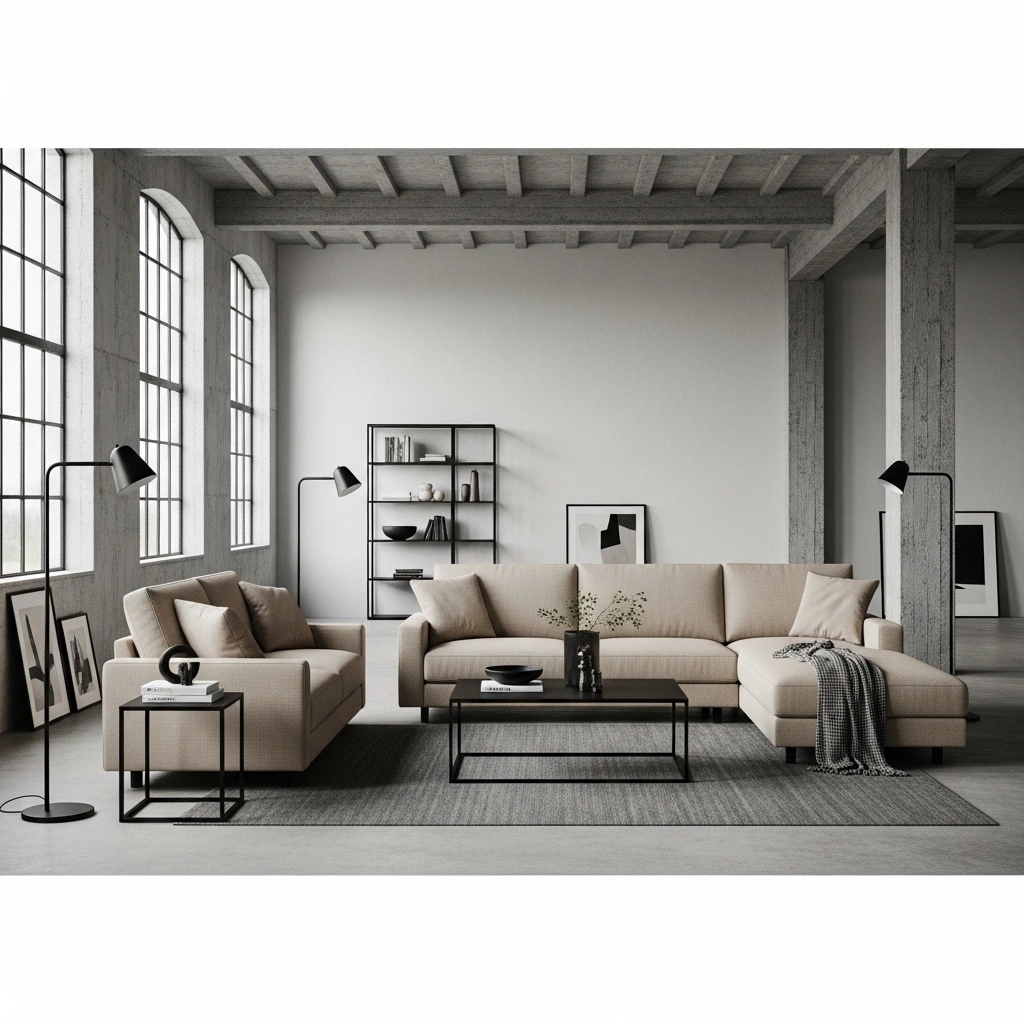
Small black accents add definition to a beige living room without overpowering it. Thin black frames, lamp bases, or hardware create crisp outlines that sharpen the soft palette. This contrast prevents the room from feeling washed out. When used sparingly, black enhances rather than dominates. It introduces a modern touch while maintaining warmth. The balance feels intentional and polished.
To execute this properly, limit black to small decorative items rather than large furniture pieces. Pair black accents with warm metals or wood tones for harmony. Avoid cool gray combinations that dull beige undertones. Keep walls and main upholstery light to preserve softness. Distribute black elements evenly across the room for balance. This approach adds structure while keeping the space cozy.
20. Brass and Beige for Warm Elegance
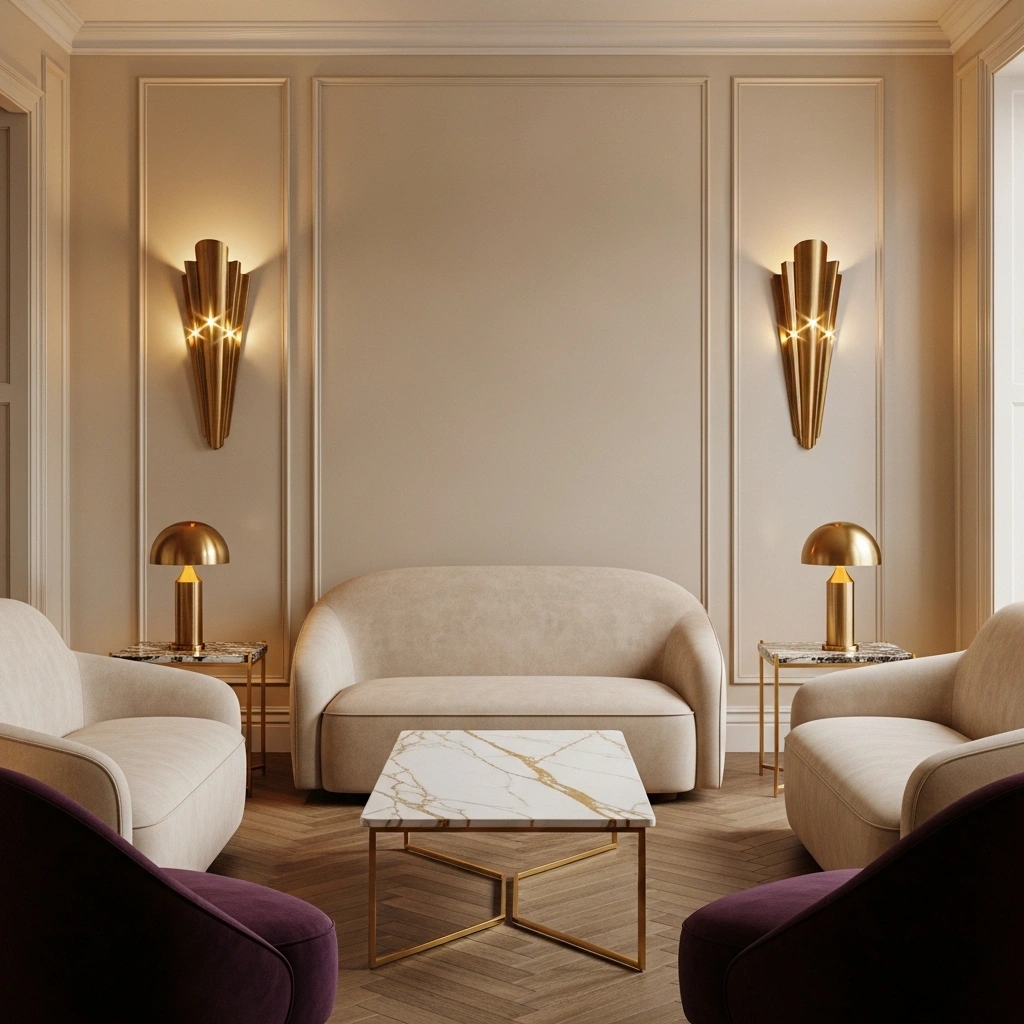
Brass accents naturally enhance the warmth of beige interiors. The soft golden sheen reflects light beautifully and adds a subtle glow. Whether used in lighting fixtures, side tables, or decorative bowls, brass feels timeless and refined. It elevates a neutral palette without introducing color. The combination of beige and brass feels warm, welcoming, and slightly luxurious. It works in both classic and contemporary spaces.
Choose brushed or antique brass finishes instead of highly polished versions. Incorporate brass in lighting to maximize reflection and warmth. Keep other metals minimal to maintain cohesion. Pair brass with light wood and soft textiles for balance. Avoid overcrowding the room with shiny pieces. This pairing transforms a simple beige living room into a thoughtfully styled retreat.
21. Textured Beige Wallpaper Accent Wall
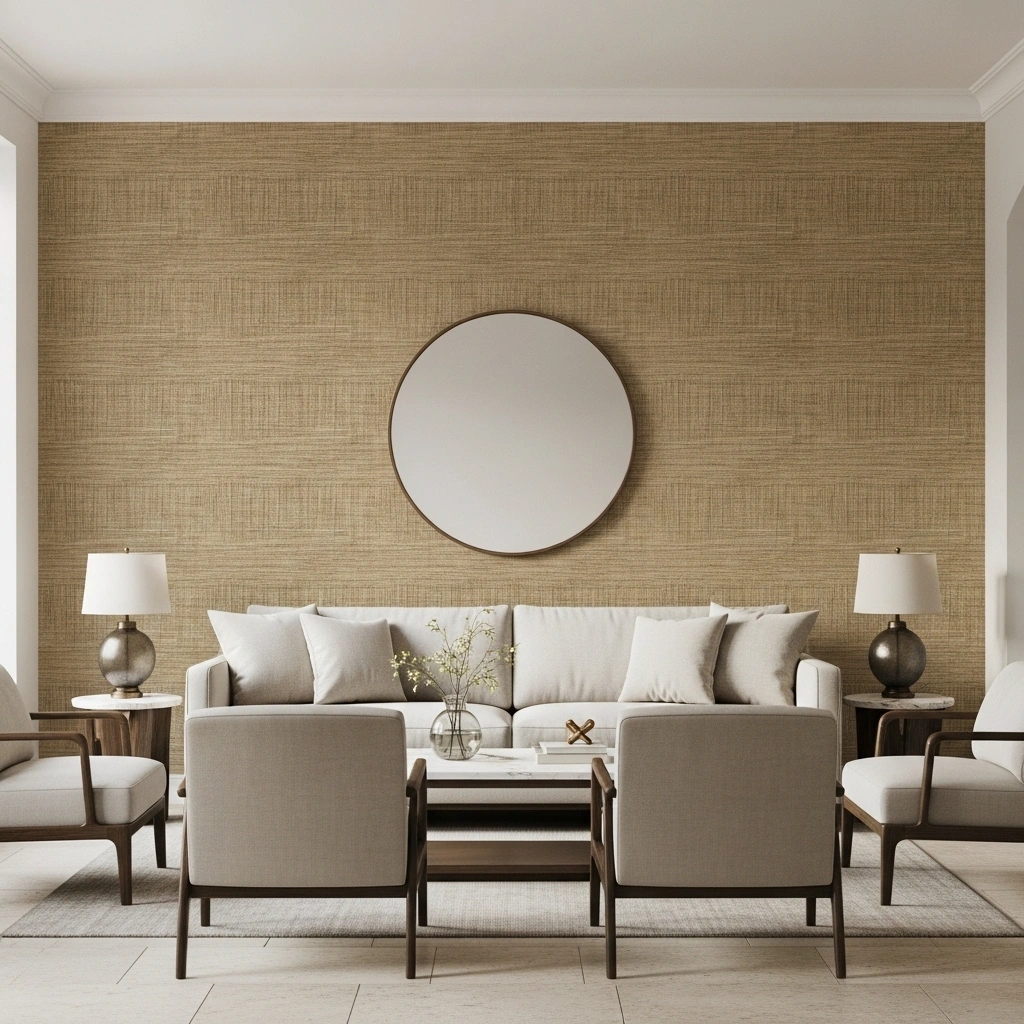
A textured beige wallpaper adds depth without overwhelming the neutral palette. Grasscloth or fabric-inspired wallpaper introduces subtle pattern and tactile interest. The texture catches light differently throughout the day, creating gentle dimension. This approach keeps the room calm while adding personality. It works especially well behind a sofa or fireplace. The result feels curated and layered rather than flat.
Apply wallpaper to one accent wall to maintain balance. Pair it with simple furniture silhouettes so the texture remains the highlight. Keep artwork minimal and within the same color range. Add layered lighting to emphasize the surface details. Avoid bold patterns that disrupt the softness. This design choice enriches a cozy beige living room with quiet sophistication.
22. Soft Neutral Gallery Wall
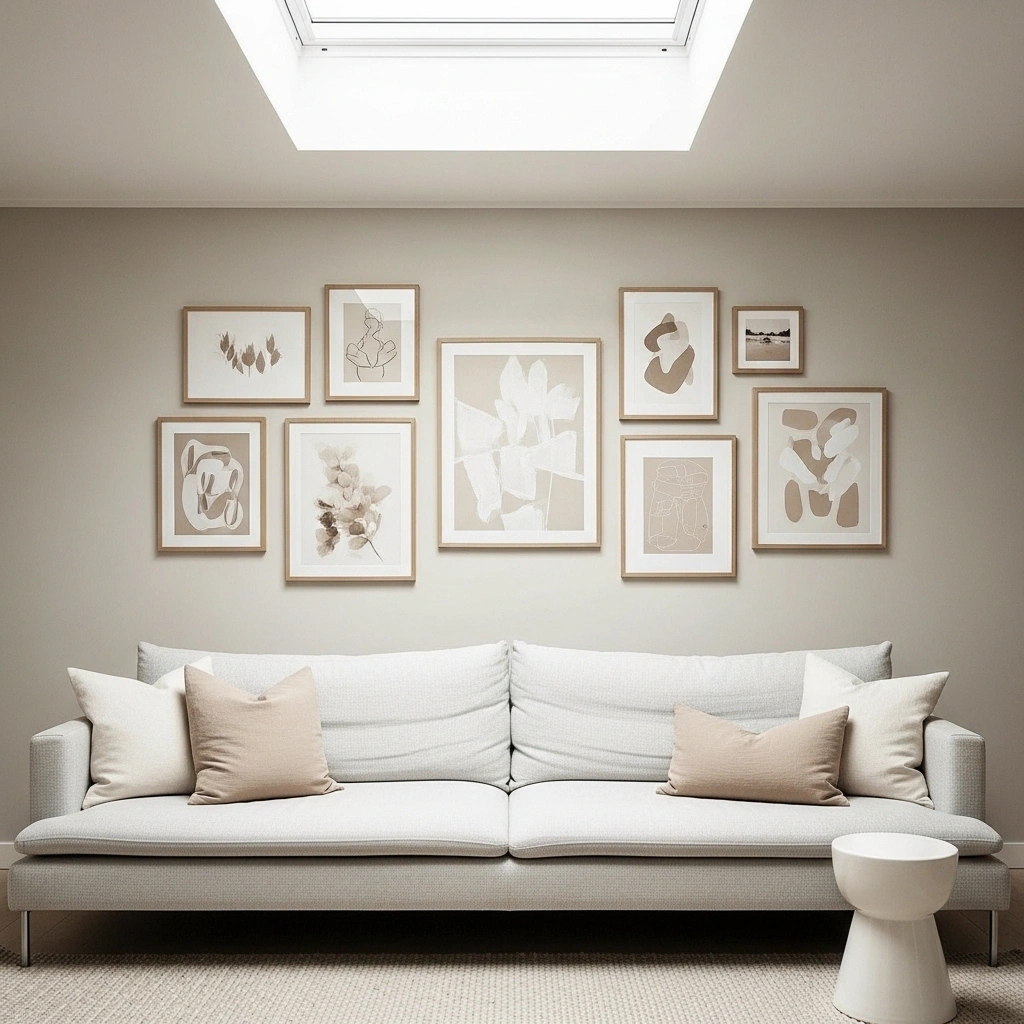
A neutral gallery wall adds personality while maintaining color harmony. Choose artwork in shades of beige, cream, soft brown, and muted gray. The consistent palette keeps the look cohesive and calm. Wooden or brass frames enhance warmth without overpowering the wall. This feature draws attention while still feeling soft and inviting. It personalizes the room without introducing chaos.
Arrange frames evenly with consistent spacing for a clean finish. Mix larger and smaller pieces to create rhythm. Avoid bright or overly saturated artwork that breaks cohesion. Add a nearby table lamp to highlight the display in the evening. Keep surrounding furniture simple to avoid visual clutter. This gallery wall becomes a refined focal point in your beige living room.
23. Cozy Sensory Corner with Texture and Scent
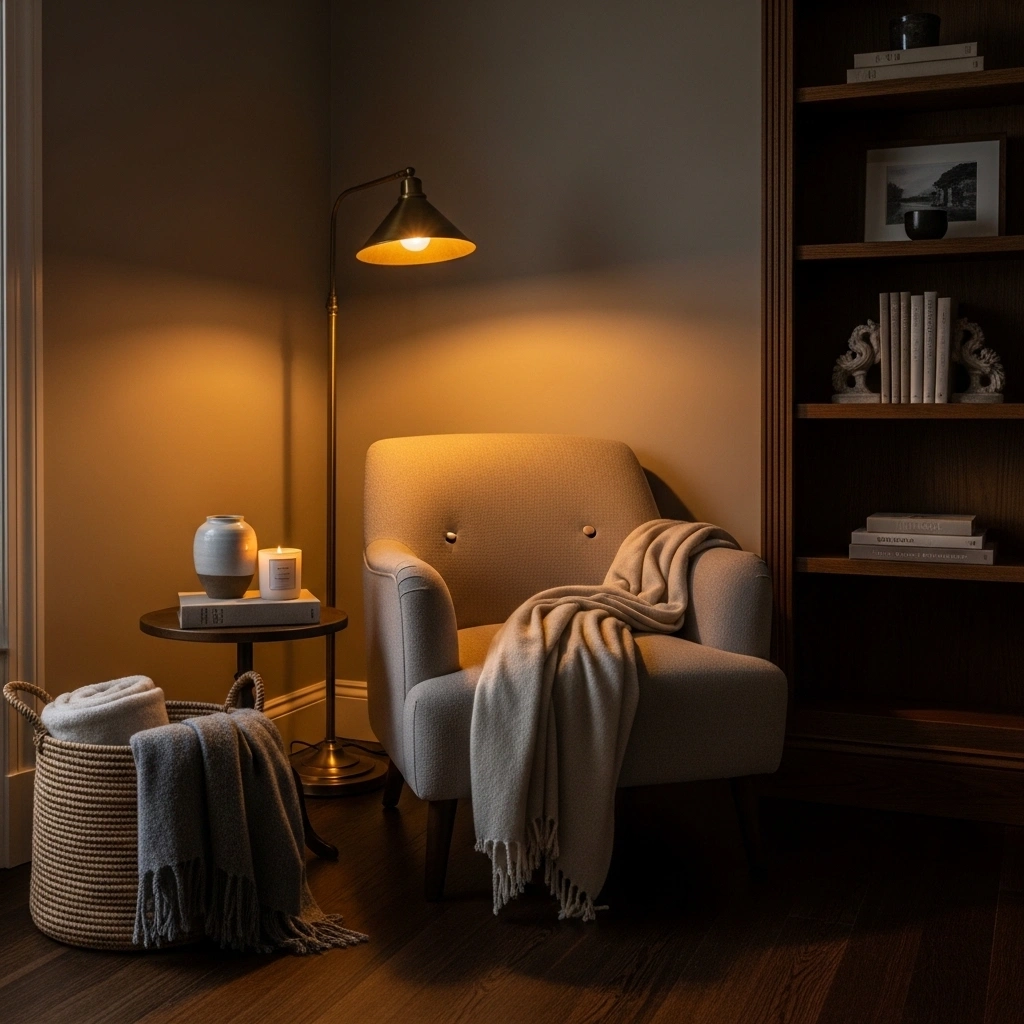
Creating a sensory corner enhances comfort beyond visual design. Place a soft beige armchair in a quiet corner layered with a textured throw and a small lumbar pillow. Add a side table with neutral candles, stacked books, and a ceramic diffuser. Warm lighting enhances the softness of surrounding tones. The layered textures invite relaxation and calm. This corner becomes a retreat within your living room.
To style it properly, choose candles in neutral containers that blend seamlessly with the palette. Add a woven basket nearby for extra throws or magazines. Keep the area uncluttered to maintain serenity. Use warm, dimmable lighting to adjust mood throughout the evening. Rotate seasonal scents for variety without changing décor. This final detail makes your cozy living room beige design feel complete and deeply personal.
Conclusion
A cozy living room beige design proves that neutral does not mean boring. When you layer texture, warm lighting, natural materials, and subtle contrast, beige becomes rich and inviting. It creates a soft foundation that allows furniture shapes, fabrics, and architectural details to stand out naturally. Instead of relying on bold colors, you build depth through tone, material, and thoughtful styling. This approach makes the space feel calm, balanced, and deeply comfortable. Beige works because it supports the mood rather than competing for attention.
The beauty of a beige living room is its flexibility. You can introduce warmth with caramel leather, elegance with brass accents, or freshness with greenery without disrupting the palette. Small layout changes, layered rugs, and proper lighting can completely transform how the room feels. Every idea in this guide focuses on practical updates that work in real homes. Start with one change, build gradually, and allow the space to evolve. With intention and layering, your beige living room can become the coziest and most loved space in your home.