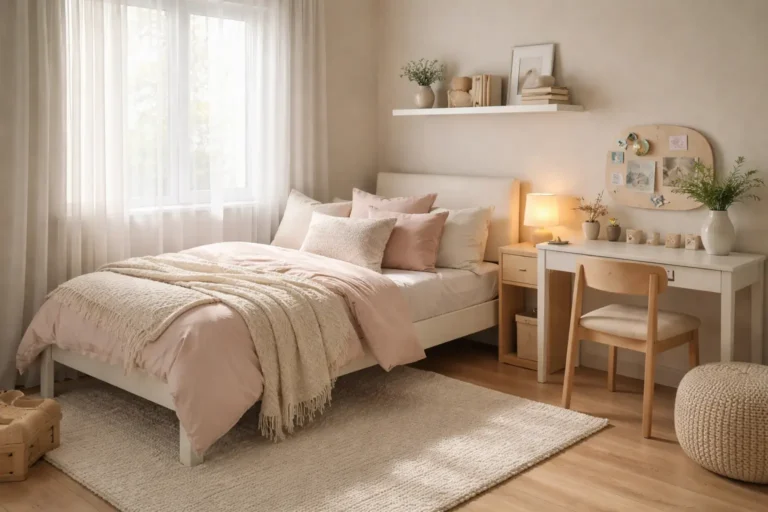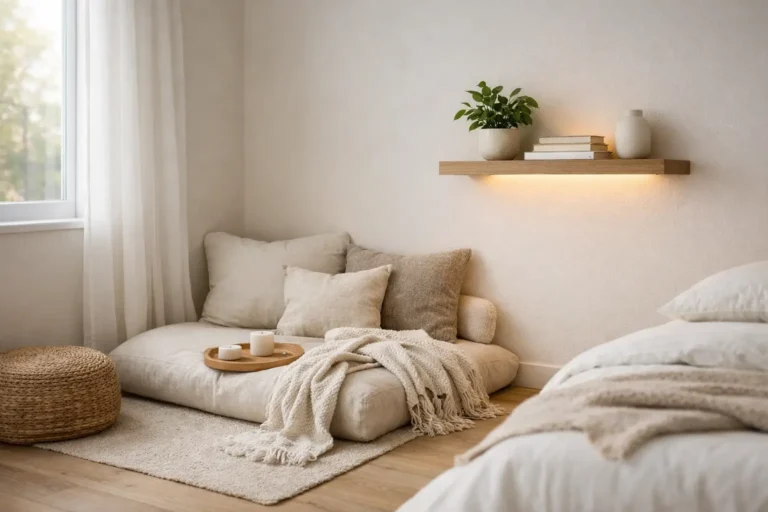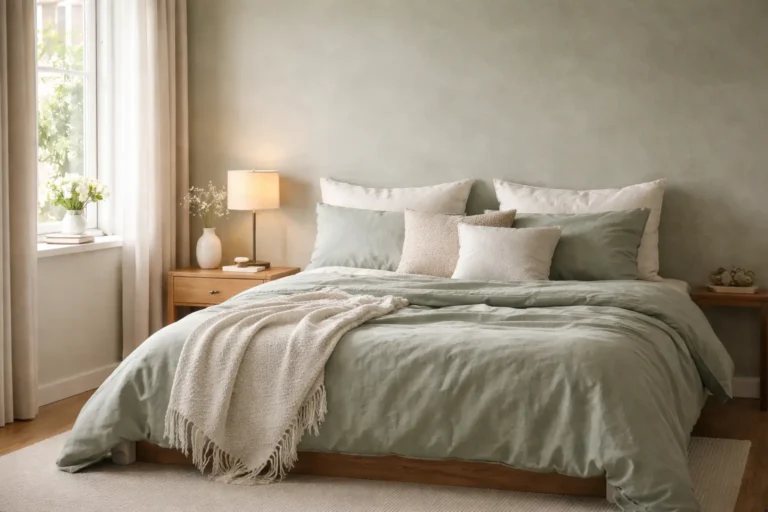
24 Shabby Chic Bedroom Ideas That Feel Soft, Romantic, and Dreamy
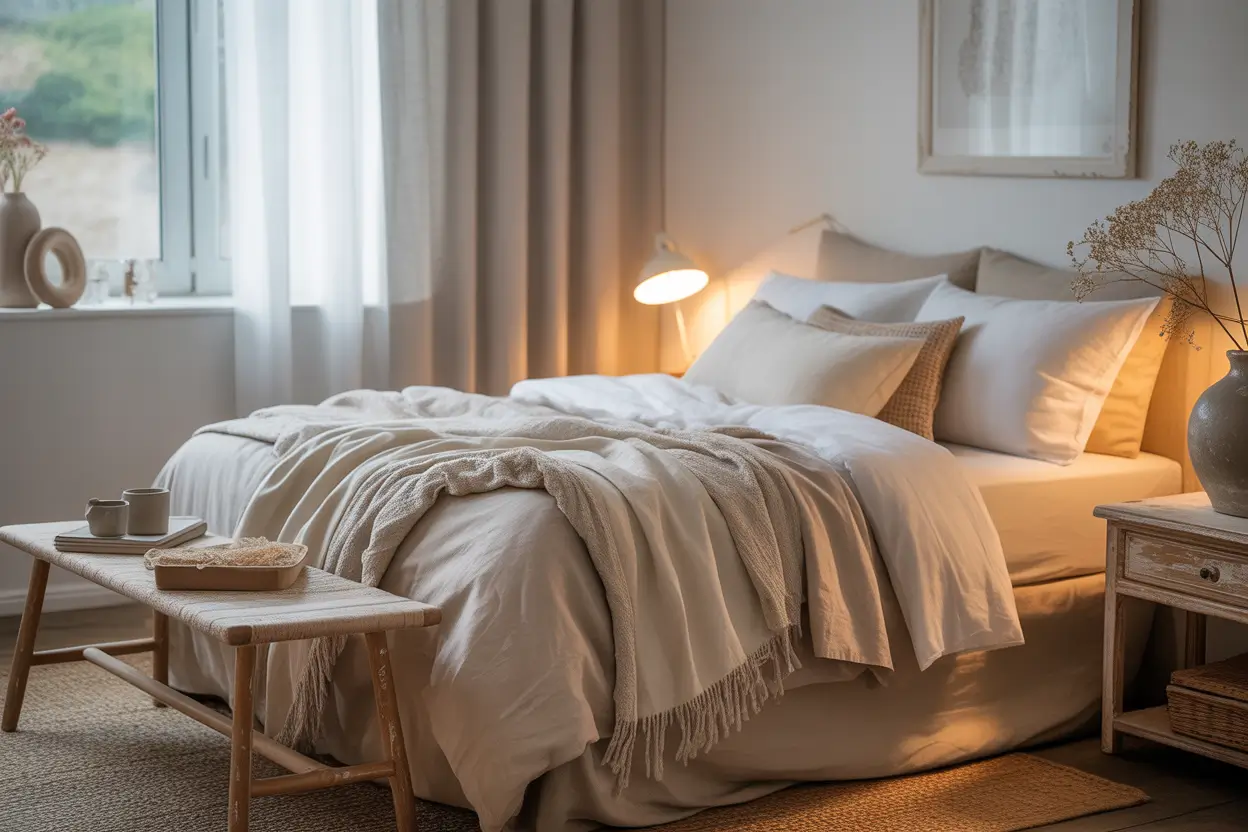
A shabby chic bedroom should feel soft, calm, and full of quiet charm. It is not about filling your space with random vintage pieces. It is about creating a room that feels warm, slightly worn, and beautifully relaxed at the same time.
If your bedroom feels too plain or too modern, small changes in color, texture, and layout can completely shift the mood. The right mix of faded tones, cozy fabrics, and imperfect details can make your space feel personal and comforting without needing a big budget.
In this guide, you will find carefully thought-out and practical shabby chic bedroom ideas that you can actually use. Each idea focuses on real design choices like how to layer fabrics, place furniture, and use light to create that soft, dreamy feel. You can pick one idea or combine several to design a bedroom that feels peaceful every single day.
1. Layer Warm Whites for Depth Instead of Flat Color
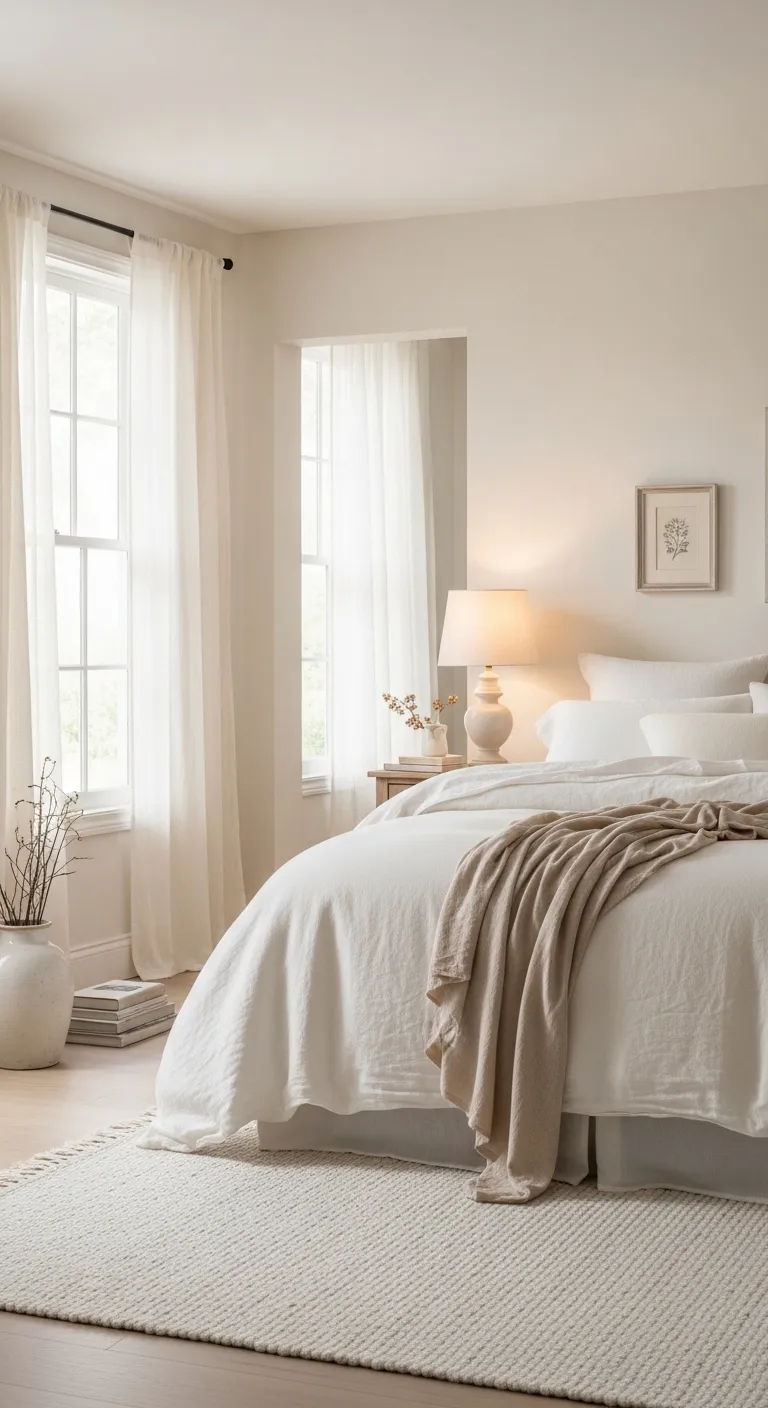
Build your entire room around warm white tones so the space feels soft and calming instead of plain or empty. Start with a base like cream or ivory on the walls, then layer slightly different shades through bedding, curtains, and upholstery. This variation creates depth without adding strong color, which keeps the room light and peaceful. Avoid using one exact shade everywhere because that can make the room feel flat and lifeless.
Focus on texture to make these tones stand out. Use a mix of linen sheets, cotton duvets, and lightly woven throws to add visual interest without changing the color palette. A soft white rug with a subtle pattern or raised texture can ground the room while still blending in. You can also bring in a slightly darker beige or antique white through furniture or cushions to break the uniform look. In a shabby chic bedroom, this layered approach makes the space feel cozy, elegant, and naturally styled without needing bold colors.
2. Use Gently Worn Furniture That Feels Naturally Aged
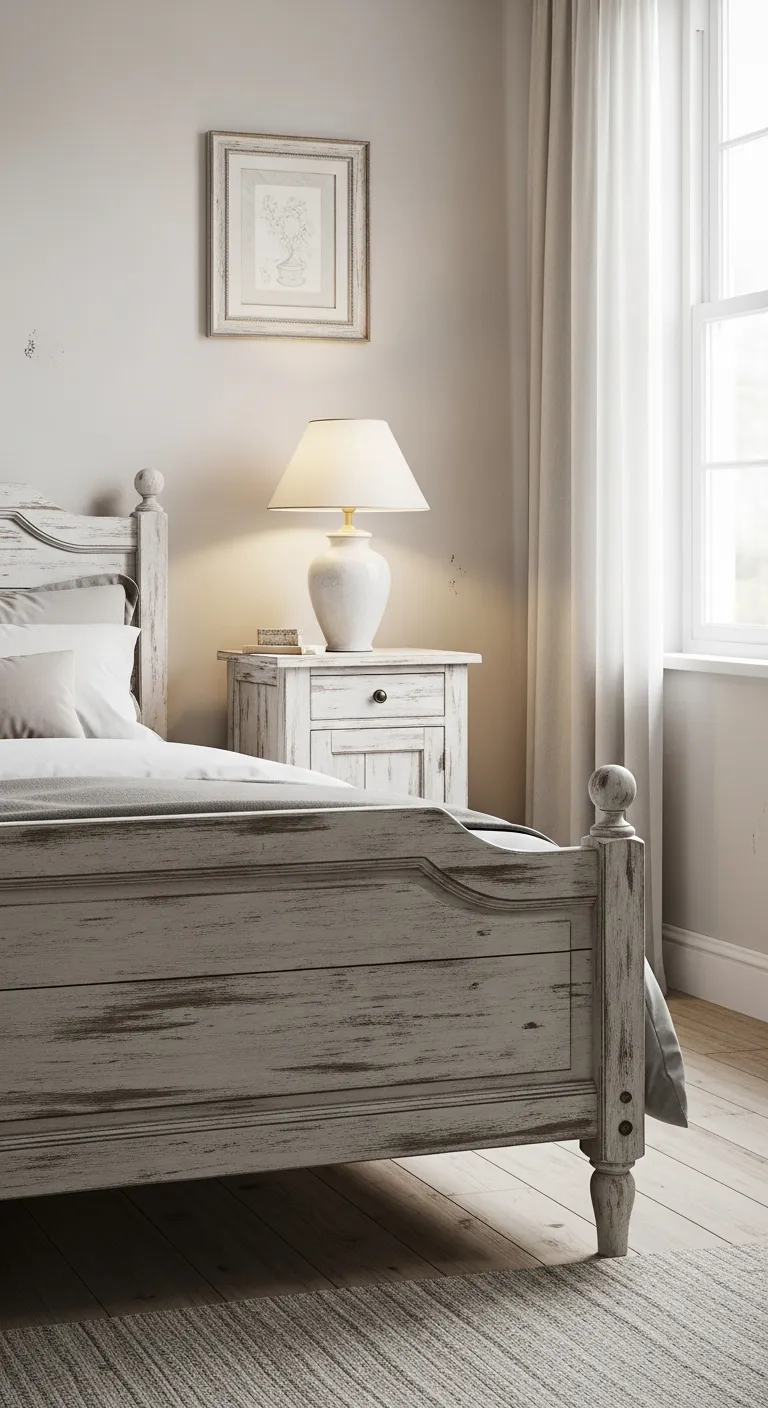
Bring in furniture that feels softly aged instead of perfectly polished so your room gains character without looking messy. A wooden bed with faded paint, a dresser with slightly muted edges, or a nightstand with a soft worn finish instantly creates that relaxed, lived-in feel. Focus on pieces that look naturally used over time rather than heavily distressed. The charm comes from subtle imperfections, not dramatic damage.
Balance these pieces with lighter elements so the room stays airy. Pair an aged wood bed with soft white bedding or light curtains to prevent the space from feeling heavy. If you already have modern furniture, you can update it using chalk paint in muted tones like pale grey, off white, or soft blush. Lightly sanding corners and edges will give it a gentle aged effect without overdoing it. In a shabby chic bedroom, furniture should feel calm and effortless, as if it has slowly evolved over time instead of being newly styled all at once.
3. Mix Soft Florals With Calm Solid Fabrics for a Balanced Look
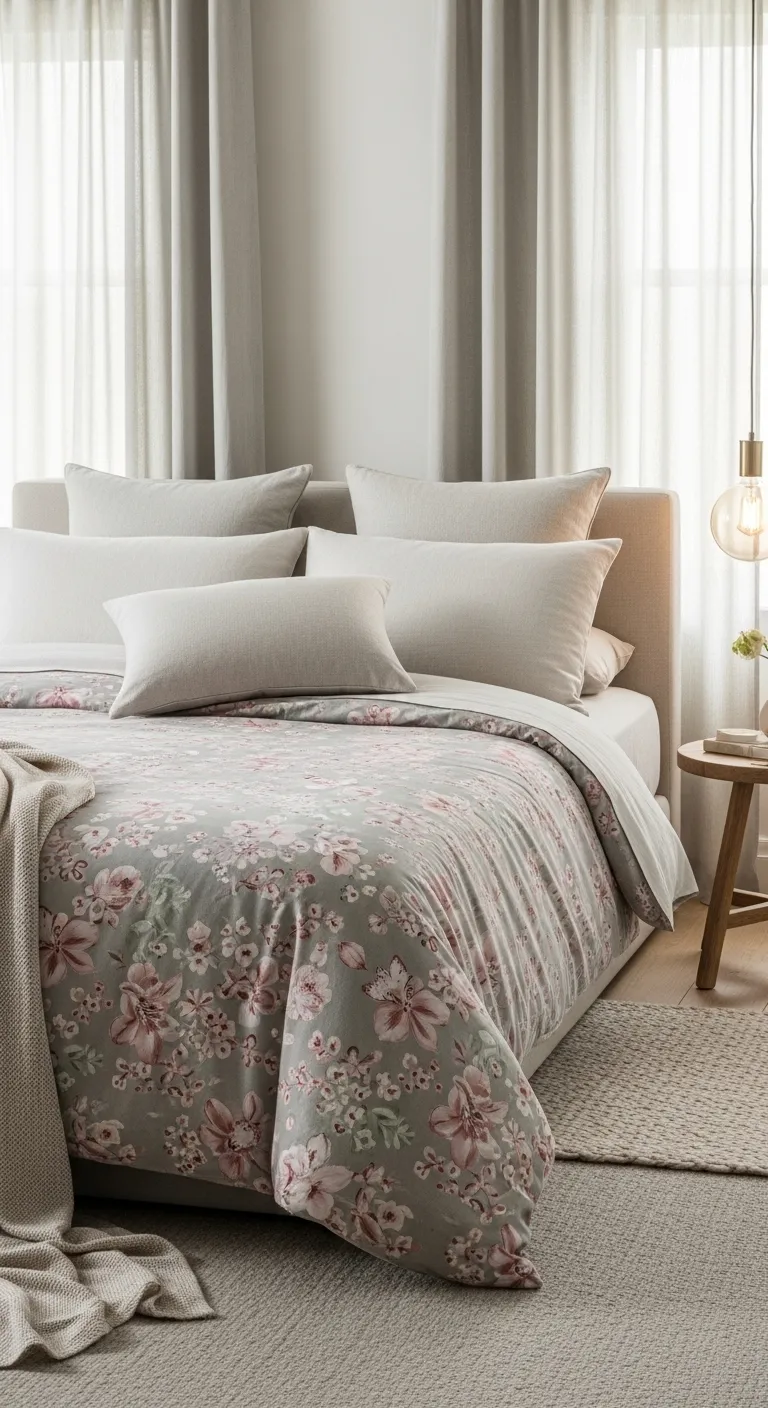
Add floral patterns in a controlled and thoughtful way so they enhance the room instead of overpowering it. Choose small, faded floral prints in soft colors like dusty pink, sage green, or muted lavender. These work best on bedding, cushion covers, or even a single accent chair. Keep the prints delicate and slightly washed out so they blend naturally with the rest of the space.
Balance these patterns with solid fabrics to keep everything visually calm. For example, pair a floral duvet with plain linen pillows or a solid throw in a matching tone. This prevents the room from feeling too busy while still adding personality. You can also repeat one color from the floral pattern in other parts of the room, like curtains or rugs, to create a subtle connection. This approach makes your shabby chic bedroom feel soft and cohesive, with just enough detail to keep it interesting without overwhelming the space.
4. Add Light Sheer Curtains to Soften Natural Light
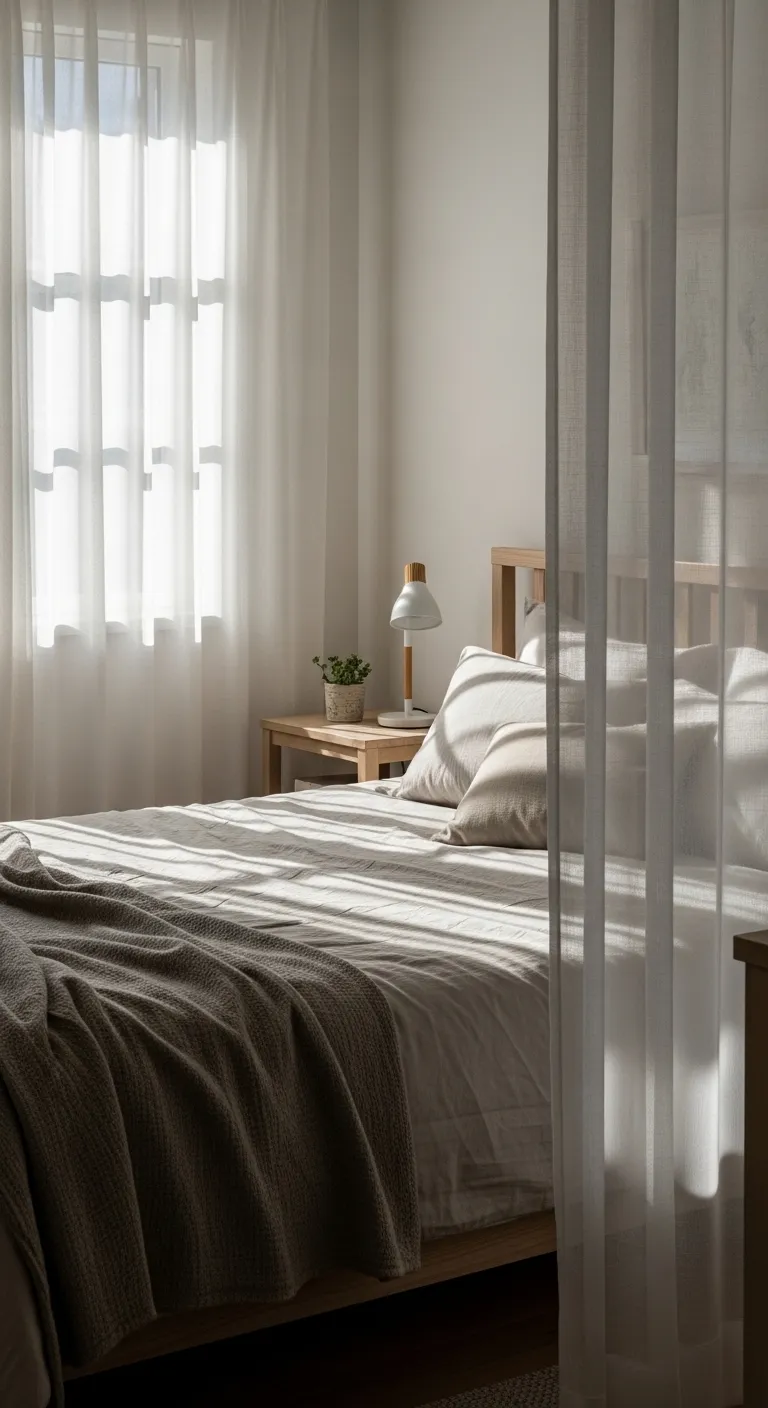
Use sheer curtains to gently filter sunlight and create a soft, glowing effect in your bedroom. Instead of heavy drapes, choose lightweight fabrics like voile or thin linen in shades of white or cream. These allow natural light to pass through while slightly diffusing it, which makes the entire room feel calm and dreamy. The soft light helps highlight textures and gives everything a gentle, relaxed look.
Hang curtains slightly higher than the window frame to make the room feel taller and more open. Let them fall loosely to the floor for a natural flow instead of keeping them stiff or perfectly straight. You can also layer sheer curtains with slightly thicker panels in a similar tone for added depth. This setup allows flexibility while keeping the aesthetic soft. In a shabby chic bedroom, lighting should never feel harsh, and sheer curtains help maintain that peaceful, airy atmosphere throughout the day.
5. Use Vintage Inspired Lighting for a Warm Glow
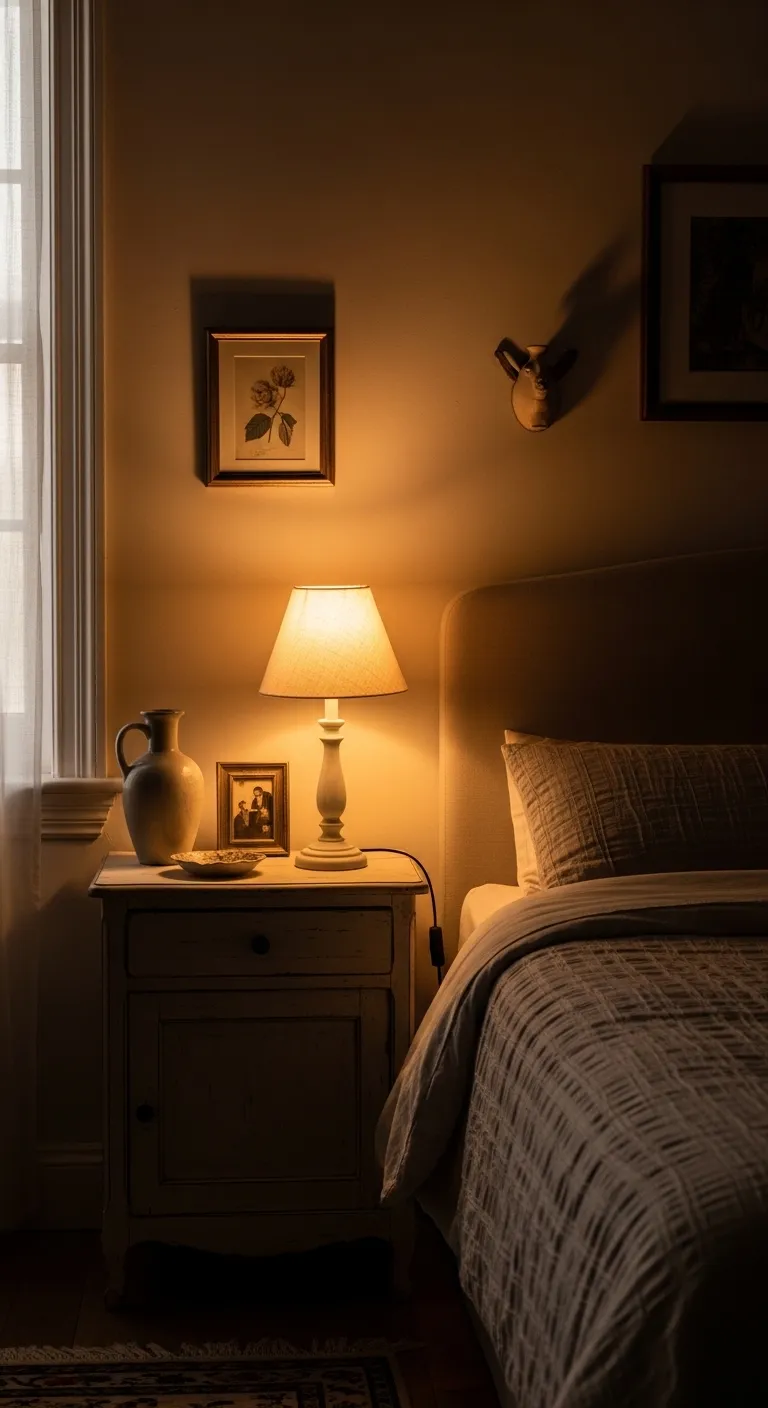
Lighting plays a big role in shaping the mood, so choose fixtures that give off a warm and gentle glow. Instead of bright white lights, go for warm bulbs that create a soft golden tone. A small table lamp with a fabric shade, a delicate chandelier, or even a wall sconce with an antique finish can add charm without overpowering the space.
Focus on spreading light across different areas instead of relying on one central source. Place a lamp near your bed, another on a dresser, and possibly a small accent light in a corner. This layered lighting approach creates a cozy and inviting environment, especially in the evening. Choose finishes like brushed metal, ceramic, or lightly aged wood to keep the look consistent. In a shabby chic bedroom, lighting should feel soft and comforting, helping the space transition smoothly from day to night.
6. Incorporate Soft Textured Bedding for Comfort and Depth
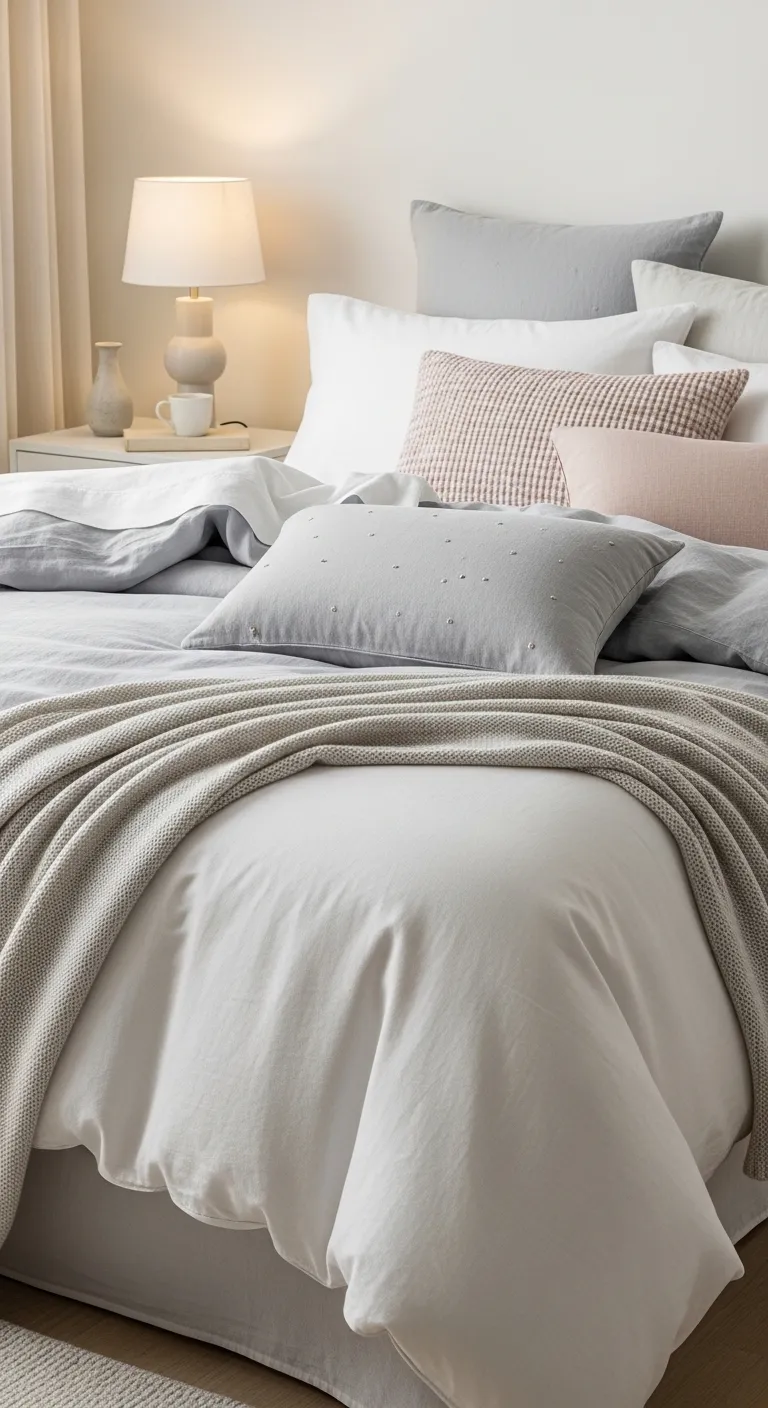
Your bed should feel like the softest and most inviting part of the room. Use layered bedding with different textures such as linen sheets, a cotton duvet, and a lightweight knit throw. Stick to soft tones like ivory, blush, or pale grey to keep the look cohesive while still adding variation through texture.
Avoid overly structured bedding. Instead, let it look slightly relaxed and natural, with gentle folds and layers. Add a few cushions in different fabrics like lace, embroidery, or subtle patterns to enhance the visual interest. The goal is to make the bed feel comfortable and effortless rather than perfectly arranged. In a shabby chic bedroom, texture replaces bold color, so focus on how fabrics feel and look together to create that cozy and welcoming effect.
7. Introduce Faded Wood Elements for Natural Warmth
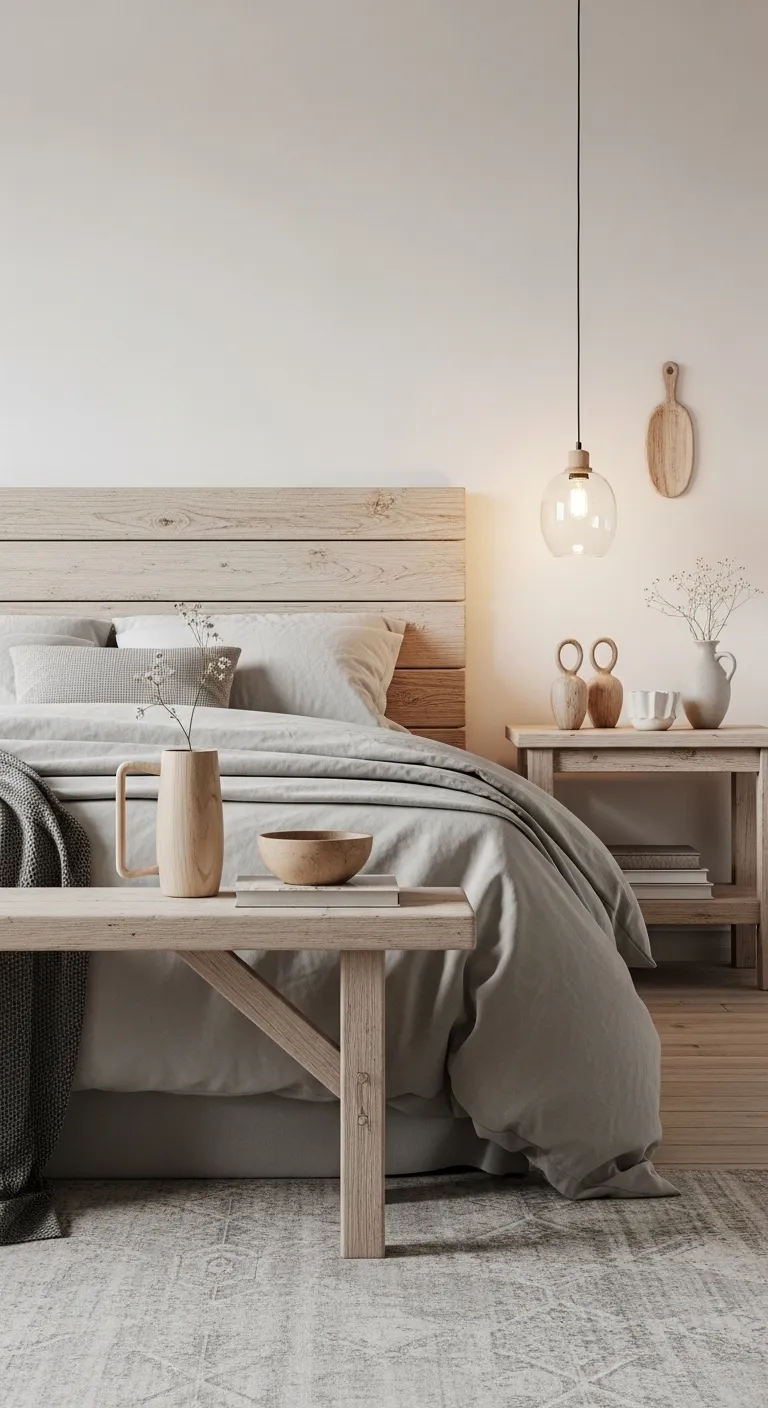
Bring in wooden elements with a soft, faded finish to add warmth without making the space feel heavy. Light-toned woods or slightly weathered finishes work best because they blend easily with neutral colors. A wooden bench at the foot of the bed, a small stool, or even a simple headboard can anchor the room while keeping it light.
Avoid dark or glossy finishes, as they can disrupt the soft and airy look. Instead, look for wood that has a matte or slightly worn appearance. You can also mix wood tones as long as they stay within a similar light and muted range. This creates a more natural and collected feel rather than a perfectly matched setup. In a shabby chic bedroom, wood should add warmth and balance while still feeling gentle and understated.
8. Create a Cozy Corner With a Simple Seating Area
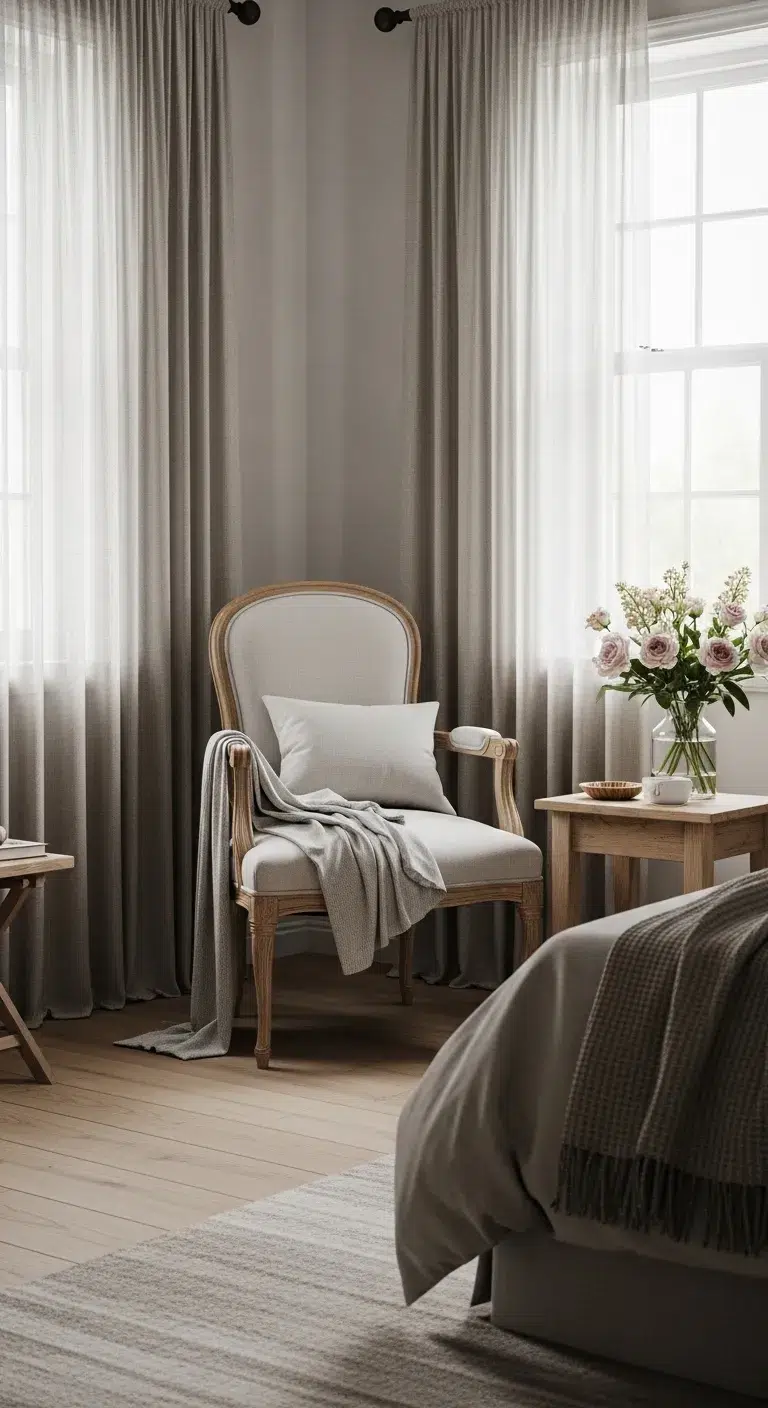
Turn an unused corner into a soft and relaxing seating space. Add a small upholstered chair or a cushioned bench in a light fabric, then pair it with a simple side table. Keep the colors neutral and the materials soft so the area blends seamlessly with the rest of the room.
Enhance the space with a light throw or a small cushion to make it feel more inviting. Position the seating near a window if possible so it benefits from natural light. This corner can be used for reading, relaxing, or simply adding visual interest to the room. Even in smaller bedrooms, a compact setup can work well if arranged thoughtfully. In a shabby chic bedroom, small details like this create a sense of comfort and purpose without overcrowding the space.
9. Use Soft Rugs to Ground the Space Without Heavy Contrast
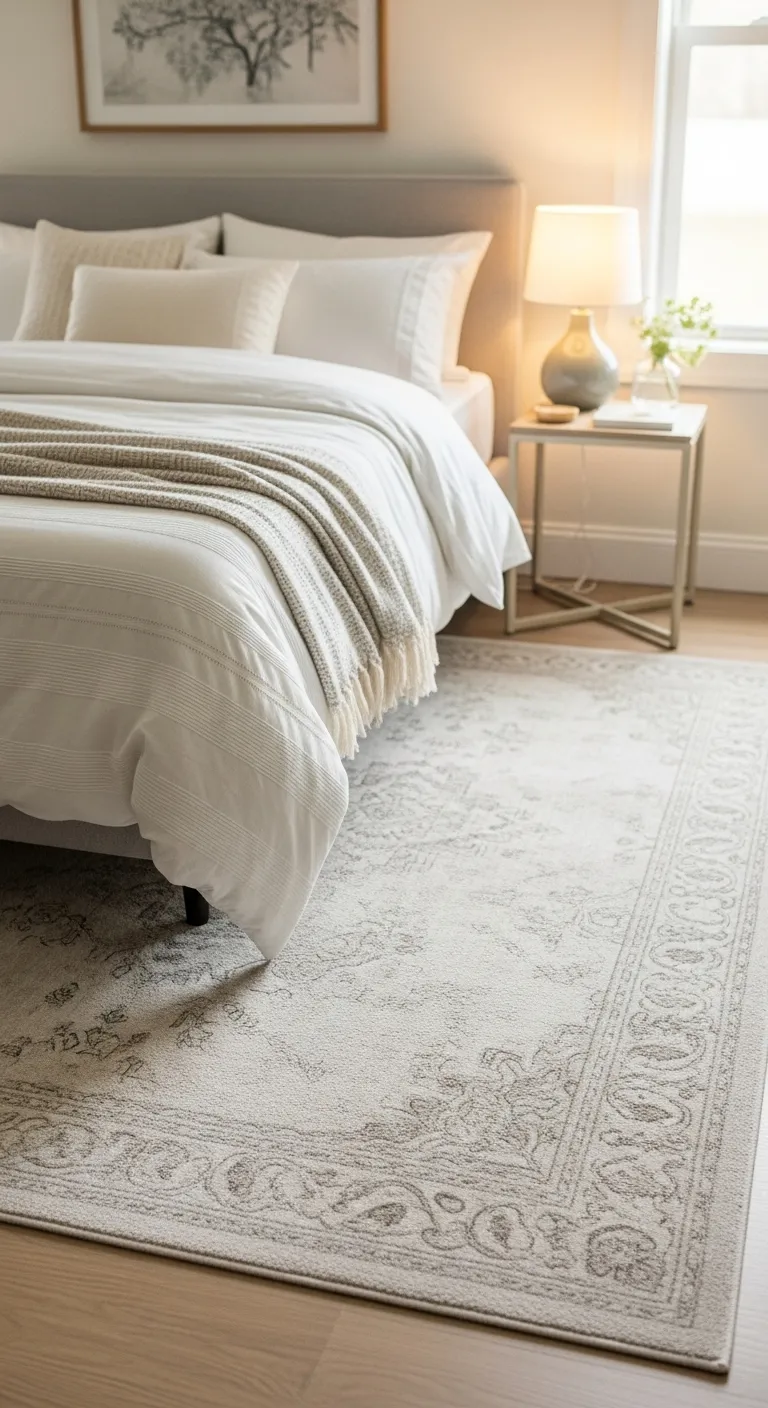
Add a rug that feels soft underfoot and blends gently with the room’s color palette. Choose light tones like cream, beige, or faded pastel shades with subtle patterns. Avoid bold or high-contrast designs, as they can take away from the calm and cohesive look.
Place the rug partially under the bed so it extends outward, creating a soft landing area when you step down. This also helps define the sleeping space visually. Look for materials like cotton or low-pile weaves that feel comfortable but not too thick or heavy. A slightly worn or vintage-style rug can also add character without overpowering the design. In a shabby chic bedroom, rugs should quietly support the overall look while adding warmth and softness to the floor.
10. Keep Decor Minimal but Thoughtfully Chosen
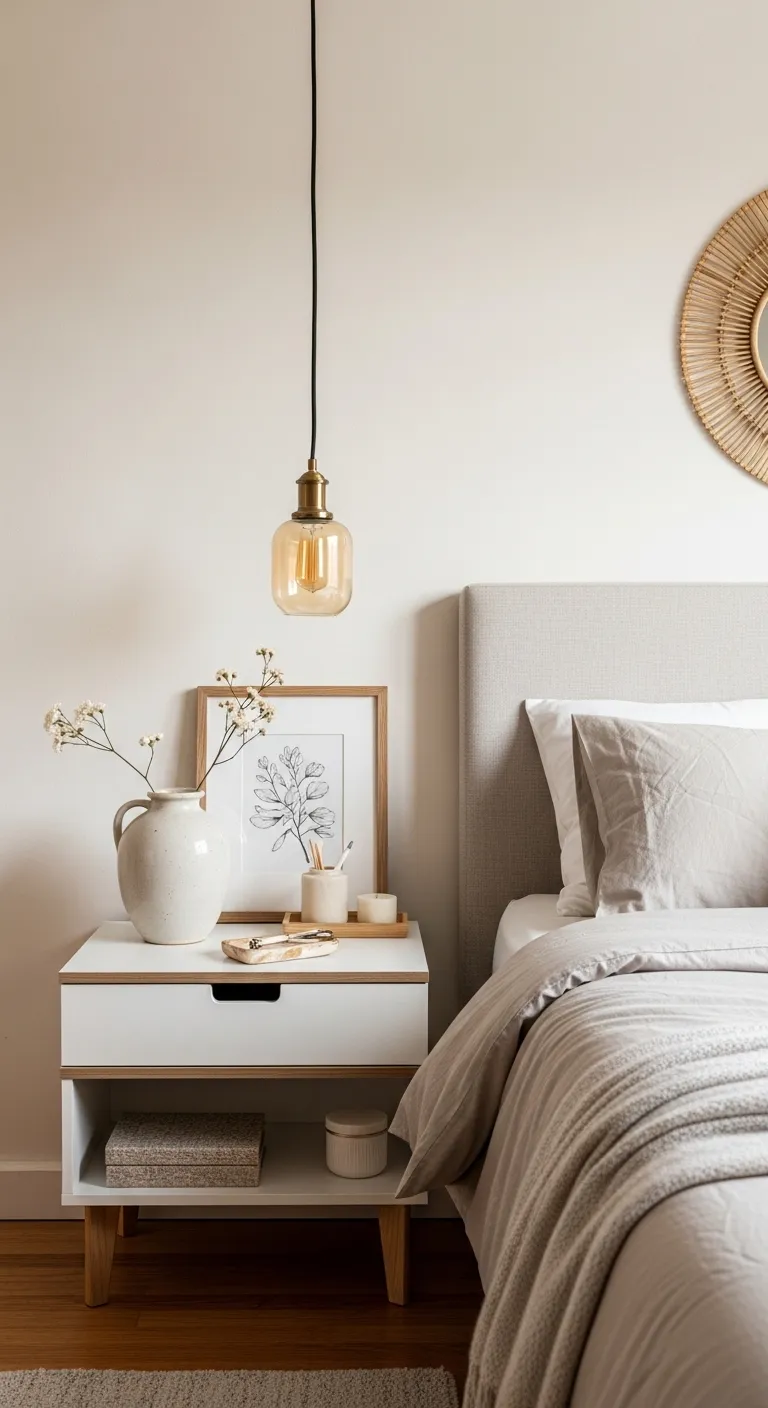
Avoid overcrowding your room with too many decorative items. Instead, choose a few meaningful pieces that add charm without creating clutter. A small vase with dried flowers, a simple framed print, or a delicate mirror can make a big impact when placed thoughtfully.
Focus on spacing and placement so each item has room to stand out. Keep surfaces like nightstands and dressers clean, with only a few carefully selected objects. This helps maintain a calm and organized feel while still adding personality. Stick to soft colors and natural materials to keep everything cohesive. In a shabby chic bedroom, less decoration often creates a stronger effect because it allows textures, light, and subtle details to shine.
11. Use Antique Style Mirrors to Reflect Soft Light
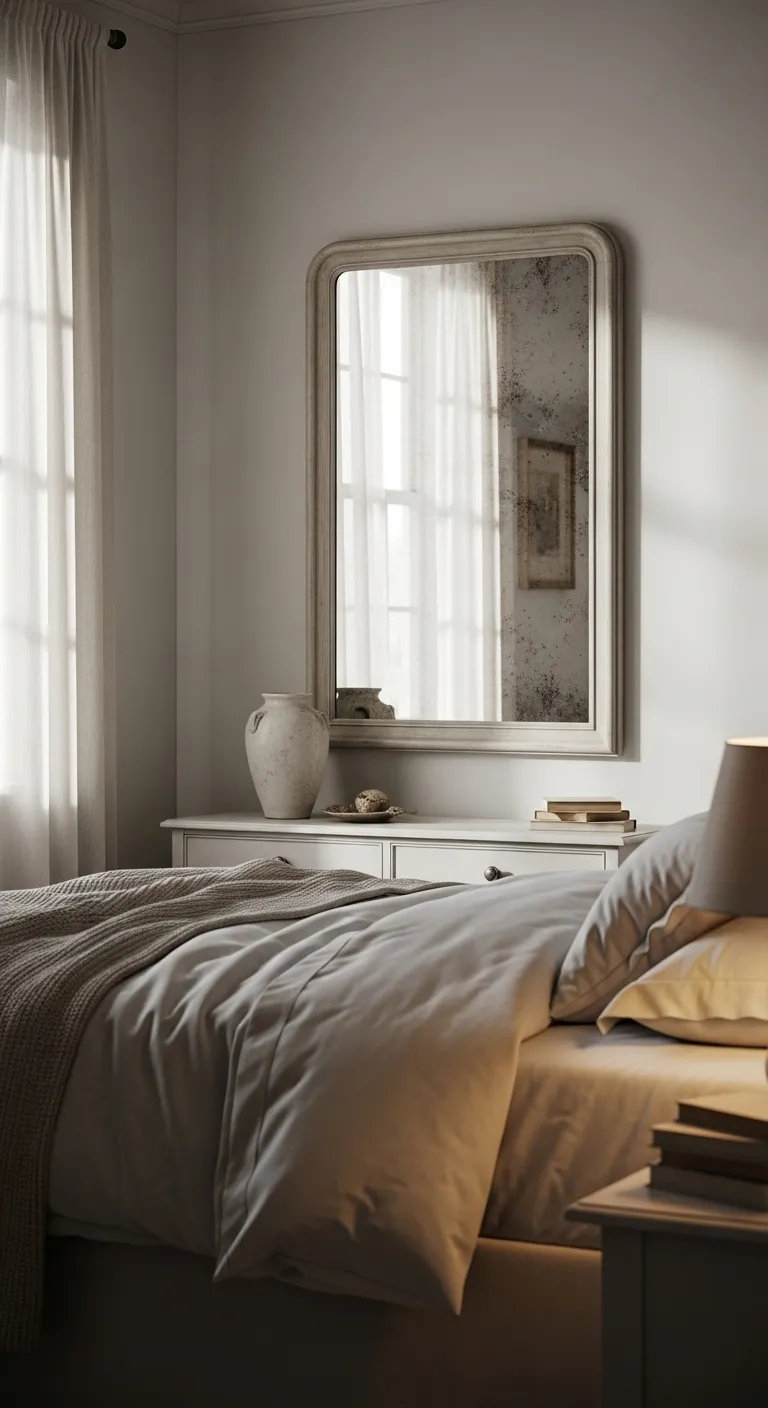
Place an antique style mirror where it can catch natural light and gently reflect it across the room. This instantly makes the space feel brighter and more open without adding harsh lighting. Choose mirrors with slightly aged frames in soft tones like off white, faded gold, or light wood. The frame should look delicate rather than bold so it blends into the overall design.
Position the mirror opposite a window or near a light source to maximize its effect. You can lean a tall mirror against the wall for a relaxed look or hang a smaller one above a dresser. Avoid overly shiny or modern finishes, as they break the soft aesthetic. In a shabby chic bedroom, mirrors should enhance light and create a calm glow while adding a subtle vintage touch.
12. Add Subtle Lace Details for a Soft Romantic Feel
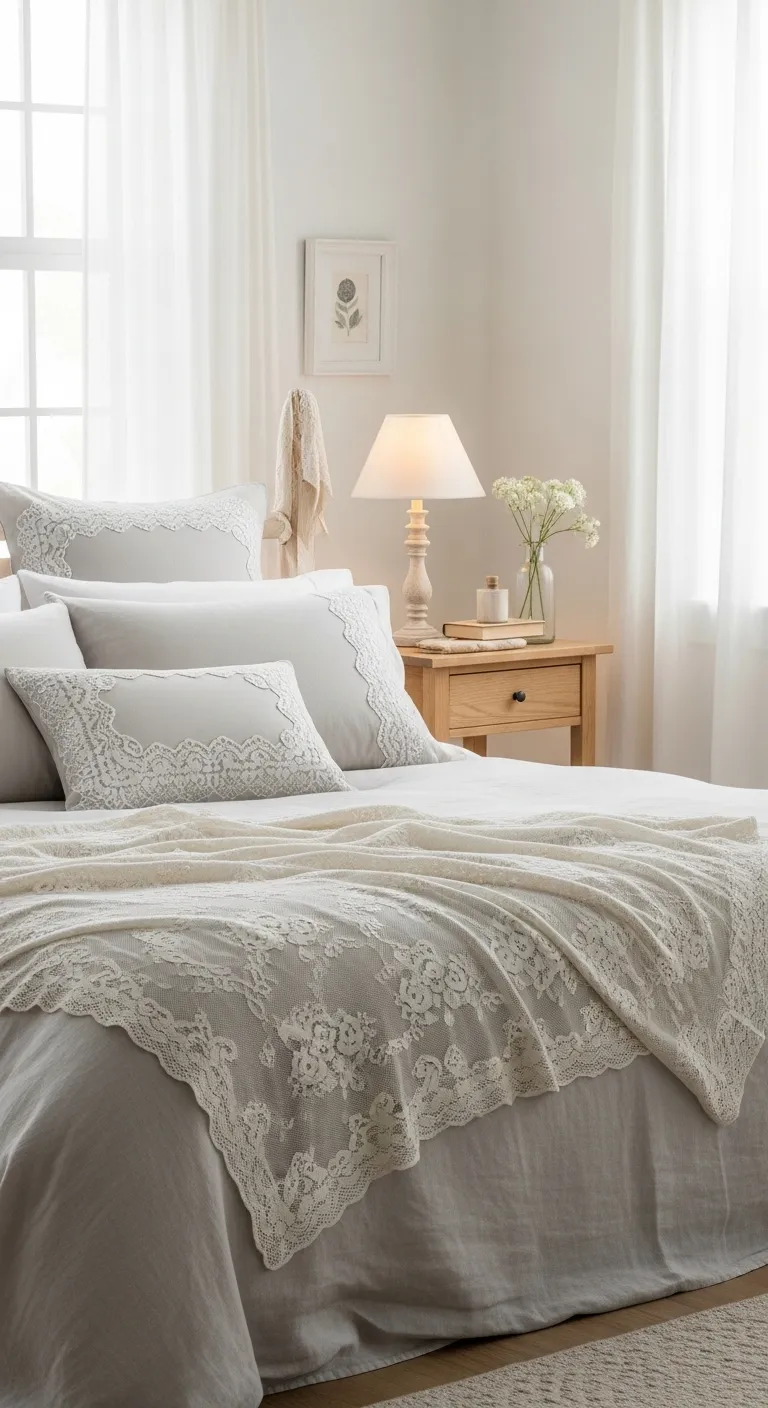
Incorporate lace in small and controlled ways to bring softness without making the room feel outdated. Use lace trims on pillowcases, a light lace throw, or even a table runner on a bedside table. The key is to keep it minimal so it feels elegant rather than overly decorative.
Choose neutral or faded tones like cream or soft white so the lace blends naturally with other fabrics. Pair it with plain materials like linen or cotton to balance the look. This contrast keeps the space modern while still adding that romantic touch. In a shabby chic bedroom, lace works best as a quiet detail that enhances texture rather than dominating the design.
13. Blend Muted Pastel Accents Without Overloading Color
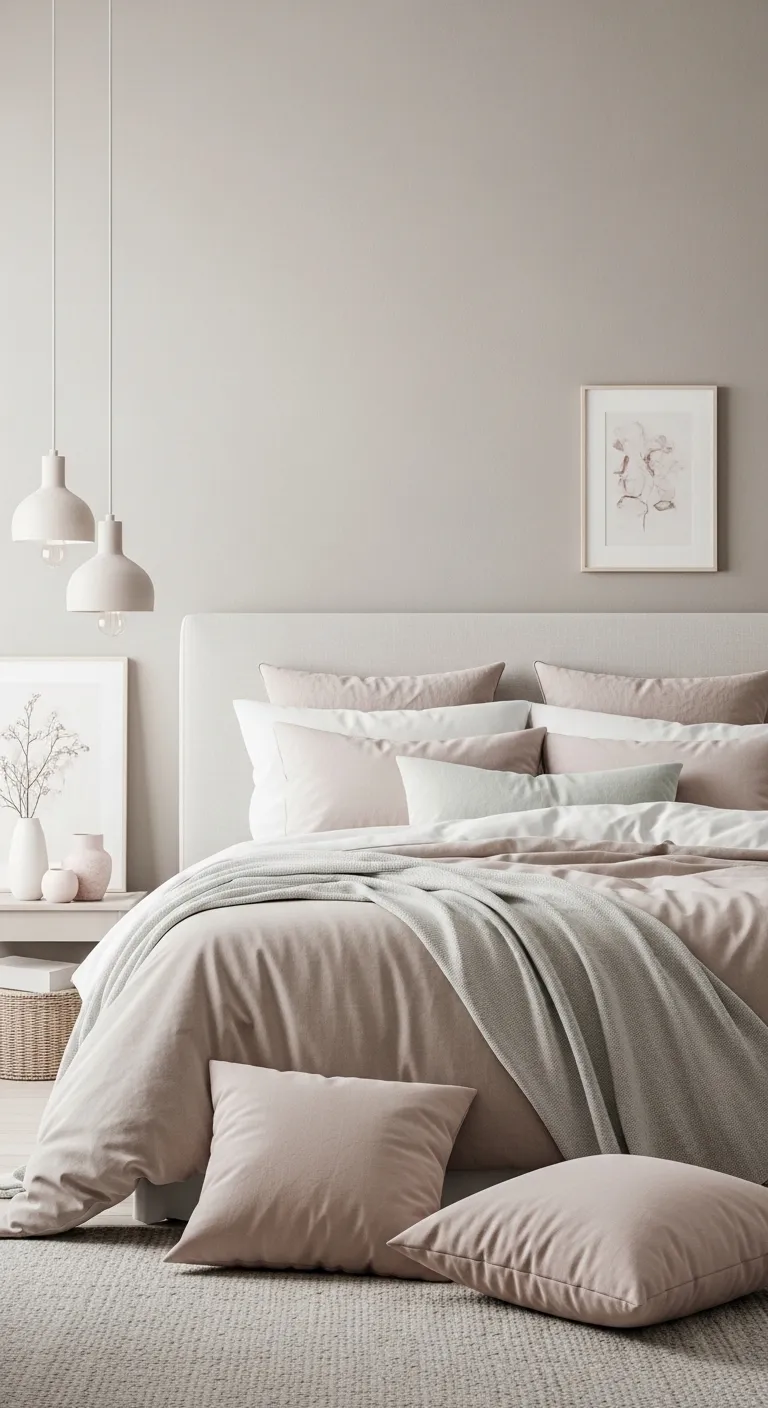
Introduce soft pastel shades like dusty pink, pale blue, or light sage to add gentle color while keeping the room calm. Use these tones in small accents such as cushions, throws, or decorative pieces. Avoid using too many different colors at once to maintain a cohesive look.
Repeat one or two shades throughout the room so everything feels connected. For example, a blush cushion can be paired with a similar tone in a rug or artwork. Keep the colors slightly faded rather than bright to stay within the shabby chic style. This approach adds warmth and personality without overpowering the neutral base of your shabby chic bedroom.
14. Style Your Bed With Relaxed, Slightly Unstructured Layers
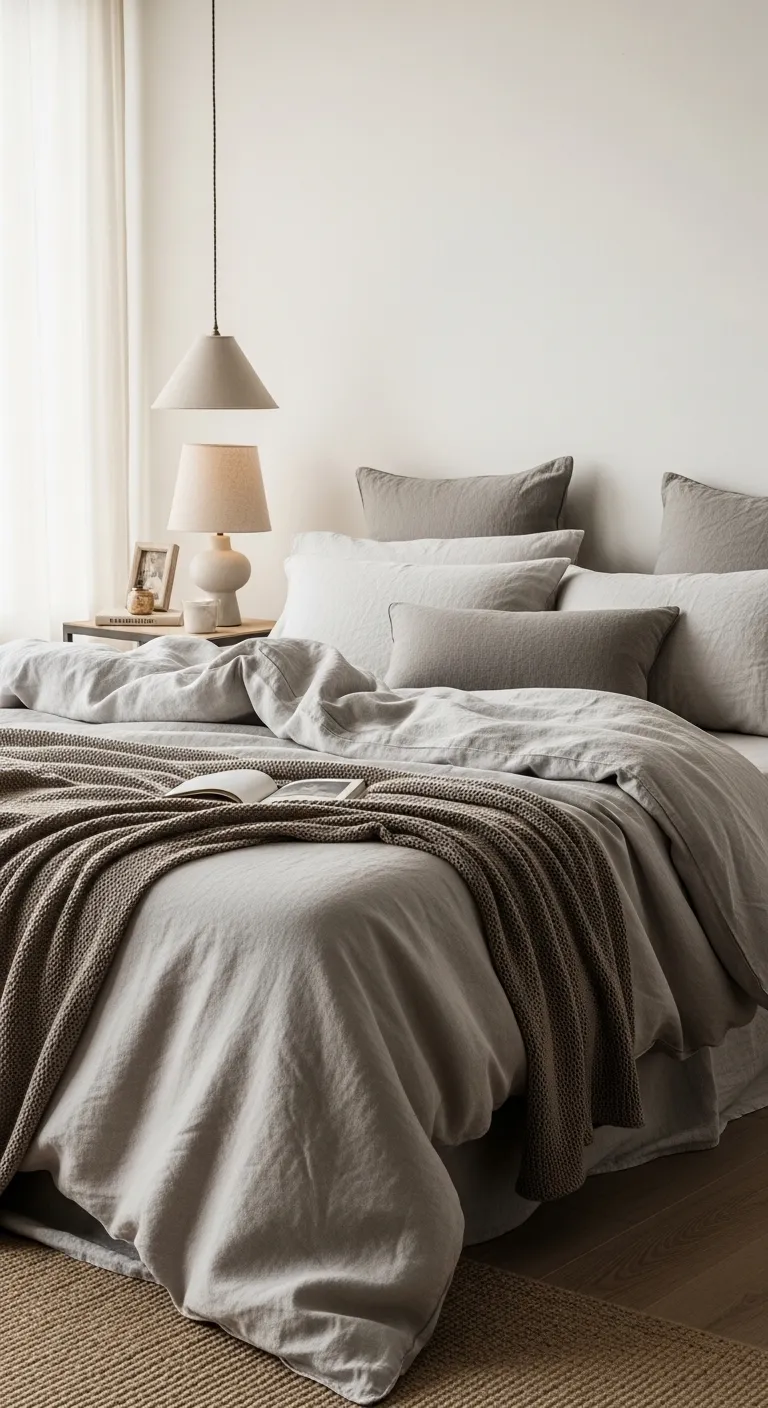
Arrange your bedding in a way that feels natural rather than perfectly styled. Let sheets and blankets fall softly instead of tucking everything tightly. This creates a relaxed and inviting look that feels comfortable and lived in.
Layer a lightweight throw across the foot of the bed and place a few cushions casually rather than symmetrically. Mix textures like soft cotton, linen, and light knits to add depth. Stick to a soft color palette so the layers blend smoothly. In a shabby chic bedroom, the bed should feel effortless and cozy, as if it naturally came together without too much planning.
15. Use Painted Furniture in Soft, Faded Tones
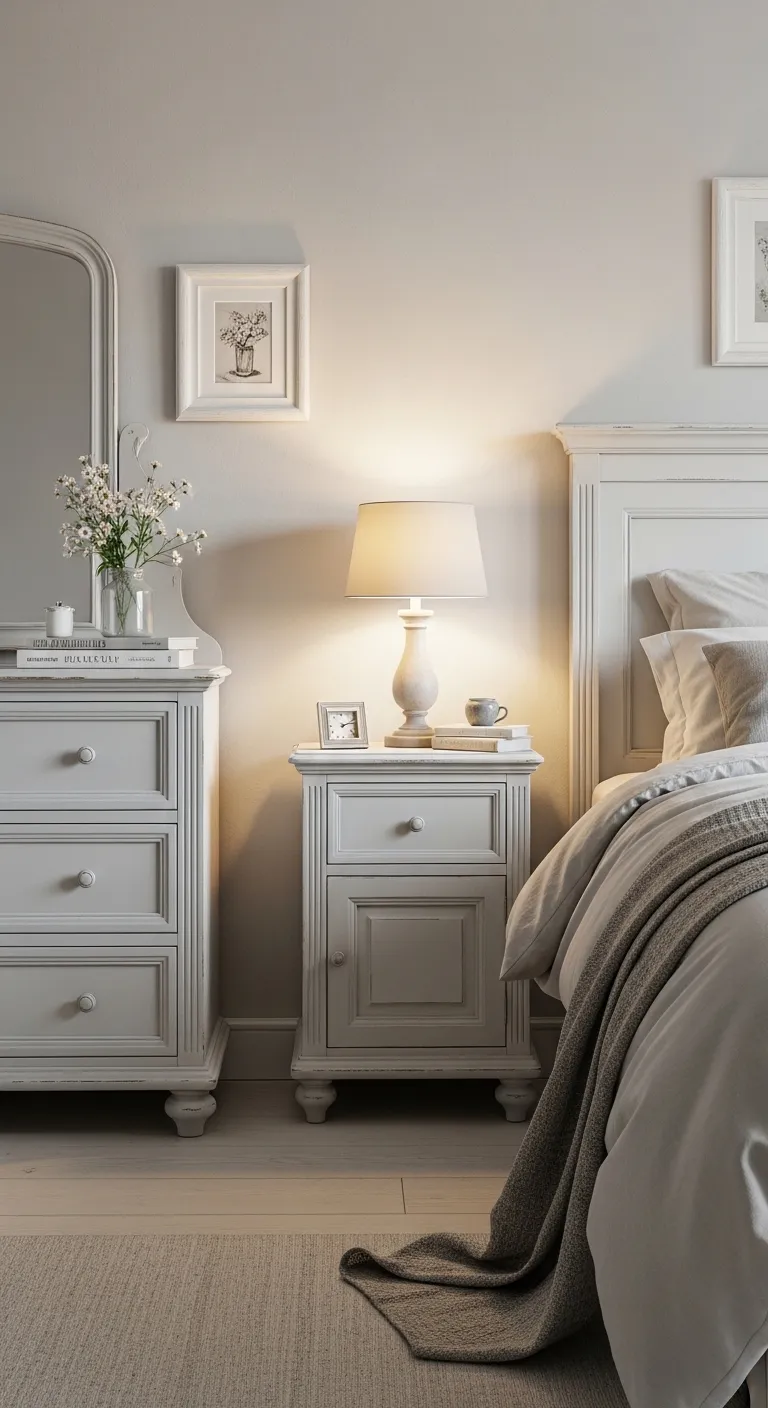
Refresh furniture with paint in muted shades like antique white, pale grey, or soft blush. This is an easy way to transform pieces without replacing them. Use matte or chalk paint to achieve a soft finish that fits the overall aesthetic.
After painting, lightly sand edges and corners to create a natural worn effect. Keep the distressing subtle so it looks authentic rather than forced. Pair painted furniture with simple hardware like ceramic or brushed metal knobs. This keeps the look balanced and refined. In a shabby chic bedroom, painted furniture helps unify the space while adding a gentle vintage feel.
16. Introduce Soft Wall Art With Minimal Contrast
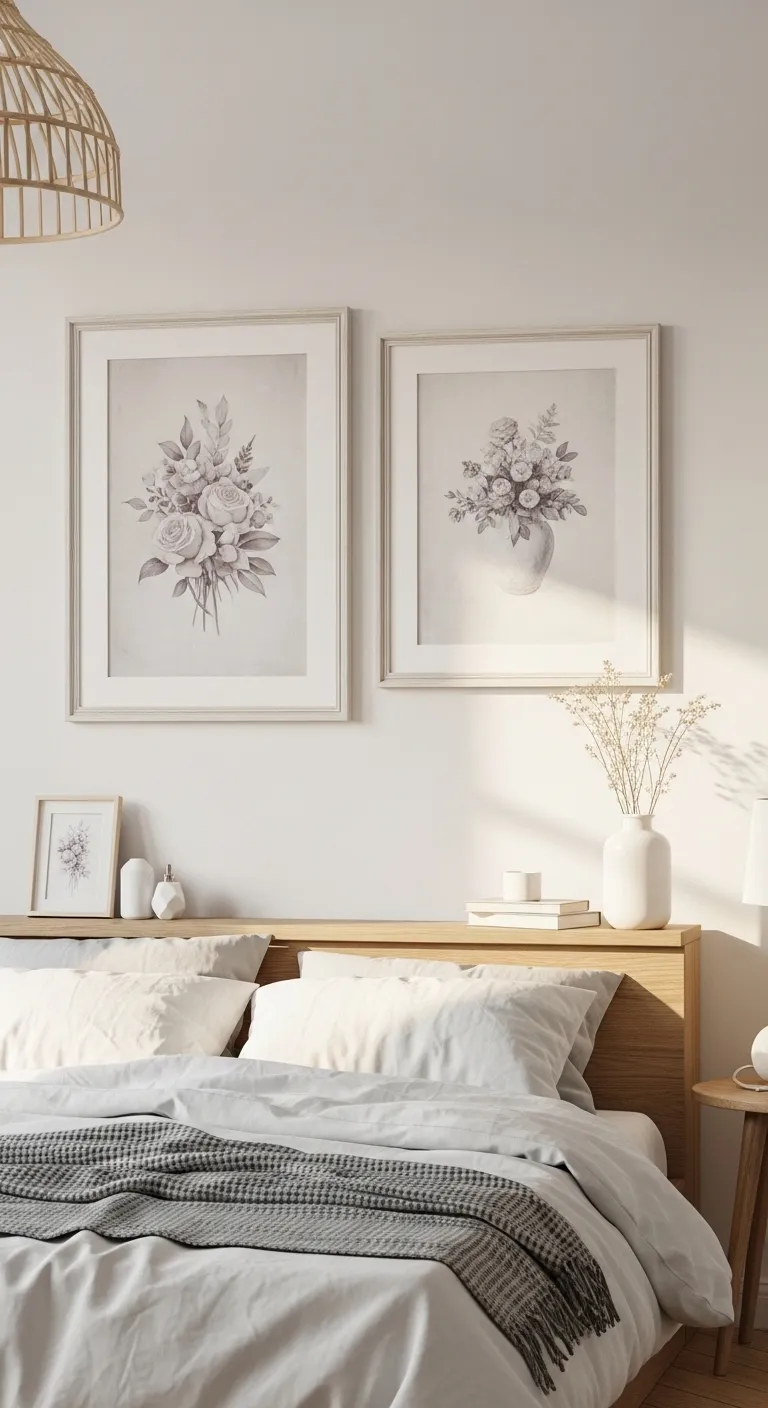
Choose wall art that blends into the room rather than standing out too strongly. Look for prints with soft tones, faded patterns, or simple illustrations. Avoid bold colors or sharp contrasts that can disrupt the calm atmosphere.
Frame artwork in light wood or white frames to keep everything cohesive. Arrange a small gallery wall or place one larger piece above the bed for a focal point. Keep spacing even and uncluttered so the display feels clean. In a shabby chic bedroom, wall art should quietly support the overall mood while adding a personal touch.
17. Use Light Upholstery to Keep the Room Airy
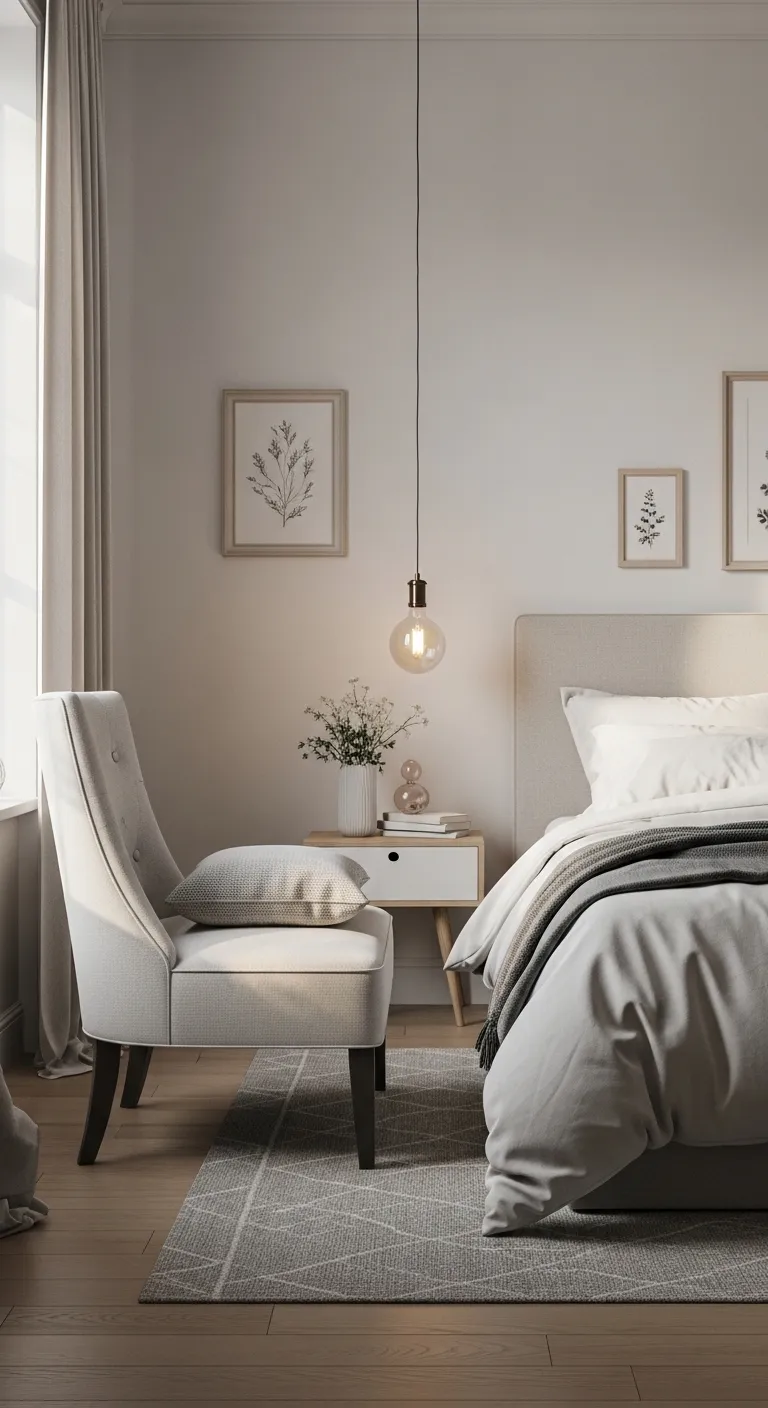
If your bedroom includes upholstered furniture, choose fabrics in light and breathable tones. Linen, cotton, or soft blends in shades like cream, beige, or pale grey work best. These materials keep the space feeling open and comfortable.
Avoid heavy or dark fabrics that can make the room feel closed in. Even a small upholstered chair or bench can impact the overall look, so keep it consistent with the rest of the palette. Add a simple cushion or throw for extra comfort without cluttering the design. In a shabby chic bedroom, upholstery should enhance softness and maintain a light, relaxed feel.
18. Keep Storage Simple and Visually Light

Use storage solutions that blend into the room instead of standing out. Choose open shelves, light-colored baskets, or small cabinets in soft tones. This keeps the space organized while maintaining the overall aesthetic.
Avoid bulky or overly dark storage pieces, as they can make the room feel heavy. Instead, opt for furniture with simple lines and a slightly aged finish. You can also use fabric-lined baskets to add texture while keeping items hidden. In a shabby chic bedroom, storage should be practical but also visually soft and unobtrusive.
19. Add Fresh or Dried Flowers for a Natural Touch
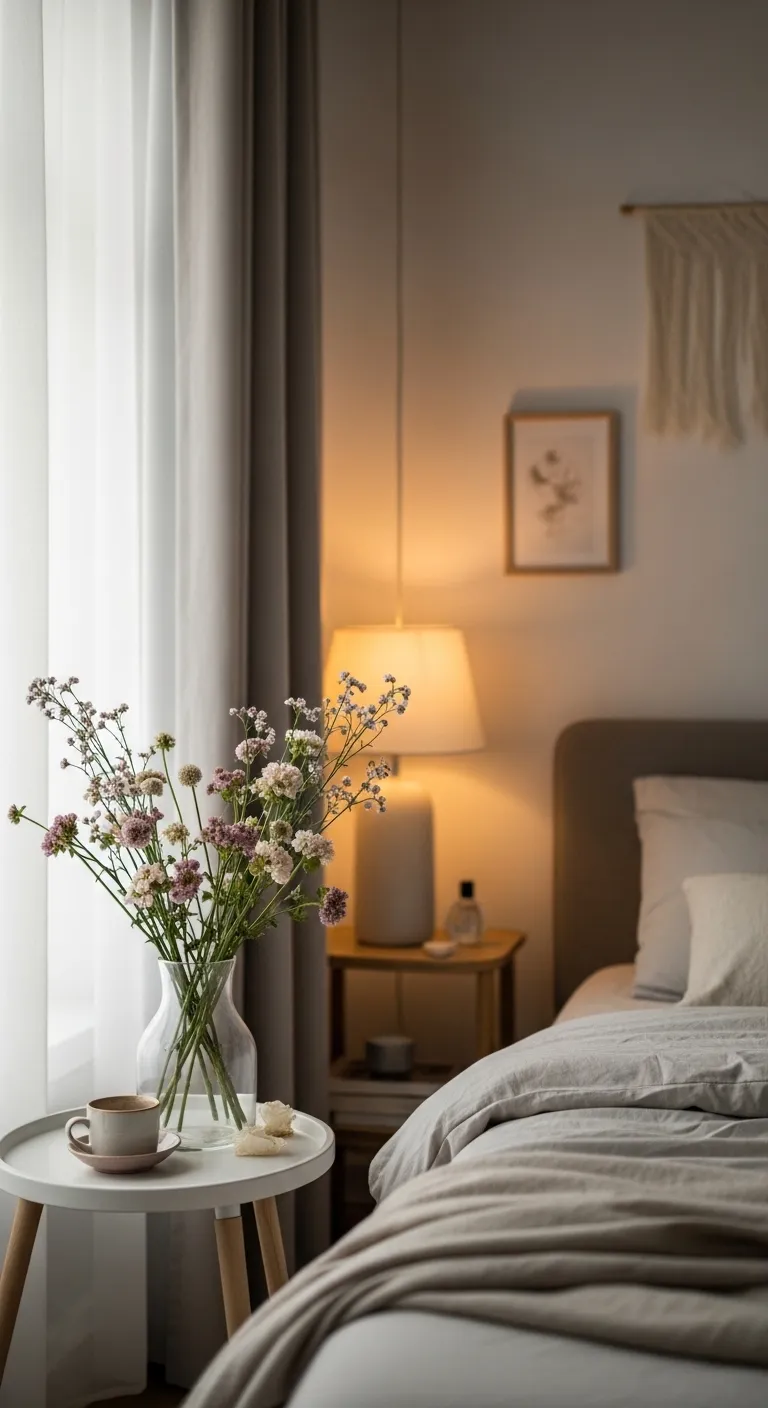
Bring in flowers to add life and softness to your space. Fresh flowers in light colors like white, blush, or lavender work beautifully, but dried arrangements can also create a lasting effect. Place them in simple vases made of glass, ceramic, or lightly aged metal.
Keep arrangements loose and natural rather than tightly styled. Position them on a bedside table, dresser, or near a window for a gentle visual accent. Avoid overly bright or artificial colors so they blend with the room’s palette. In a shabby chic bedroom, flowers help create a calm and welcoming atmosphere with minimal effort.
20. Maintain Open Space to Let the Room Breathe
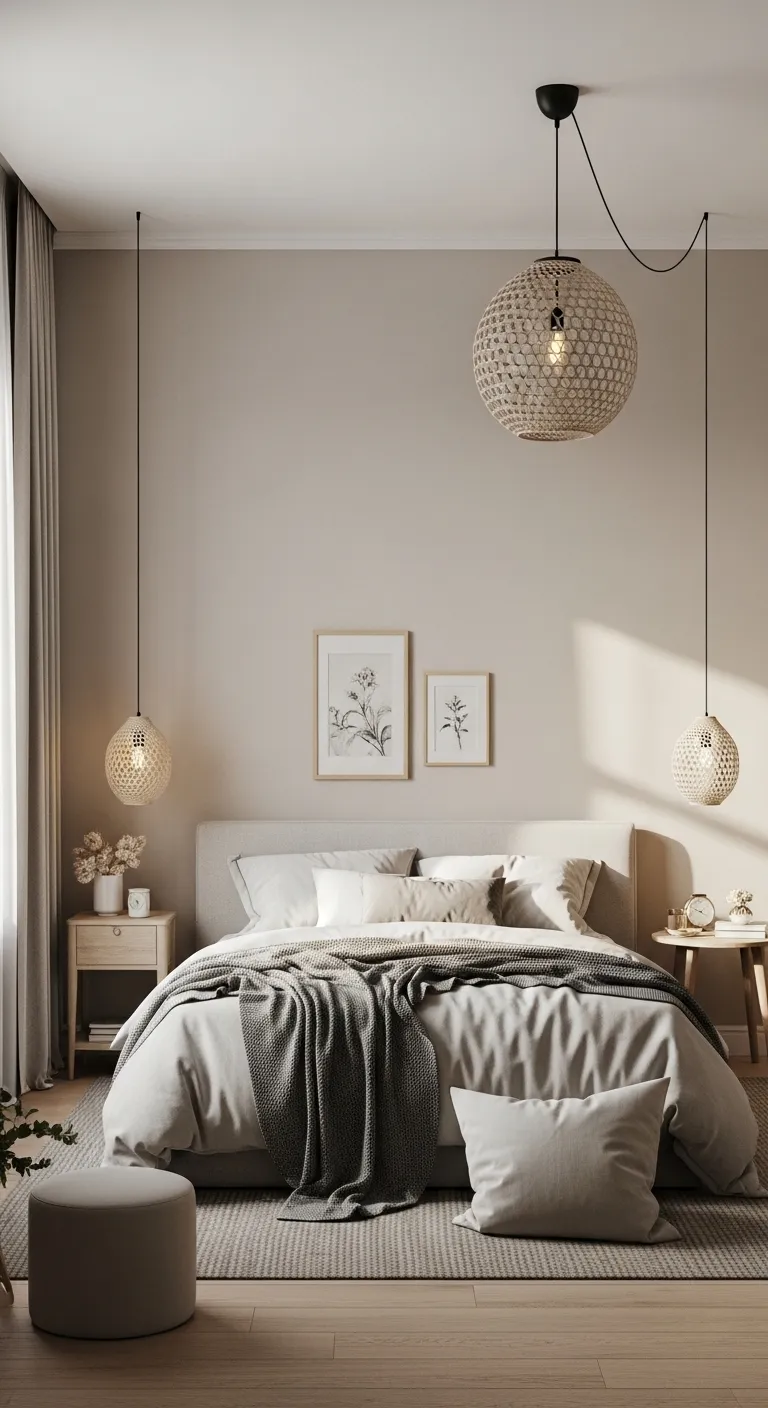
Leave enough empty space in your room so it feels open and relaxed rather than crowded. Avoid filling every corner with furniture or decor. This helps highlight the textures, colors, and details you have already chosen.
Arrange furniture with small gaps between pieces to create a sense of flow. Keep walkways clear and surfaces uncluttered. This not only improves the look but also makes the room more comfortable to use. In a shabby chic bedroom, simplicity plays a key role in creating a peaceful and balanced environment.
21. Layer Soft Canopy or Light Fabric Above the Bed for a Dreamy Focus
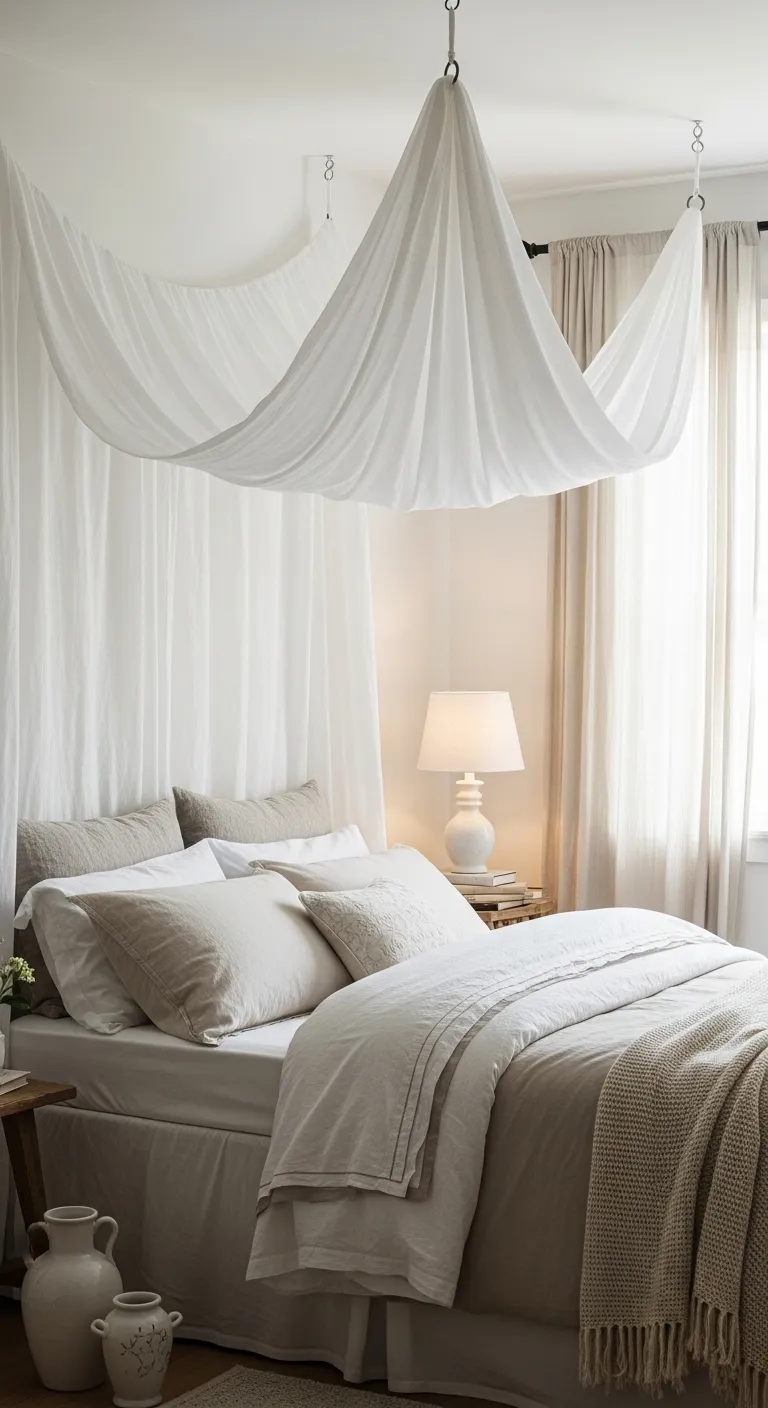
Create a gentle focal point by adding a light canopy or loosely draped fabric above your bed. Use sheer materials like voile or thin cotton in soft white or cream so the look stays airy instead of heavy. You do not need a full canopy frame. A simple rod, ceiling hook, or even a wall-mounted rail can hold the fabric and let it fall naturally around the headboard area.
Keep the draping relaxed rather than perfectly styled. Let the fabric flow slightly unevenly so it feels soft and effortless. This adds height to the room and draws attention to the bed without using bold decor. You can also pair it with warm lighting nearby to enhance the soft glow. In a shabby chic bedroom, this detail creates a cozy and slightly romantic atmosphere while keeping everything light and breathable.
22. Mix Subtle Metal Accents With Soft Finishes
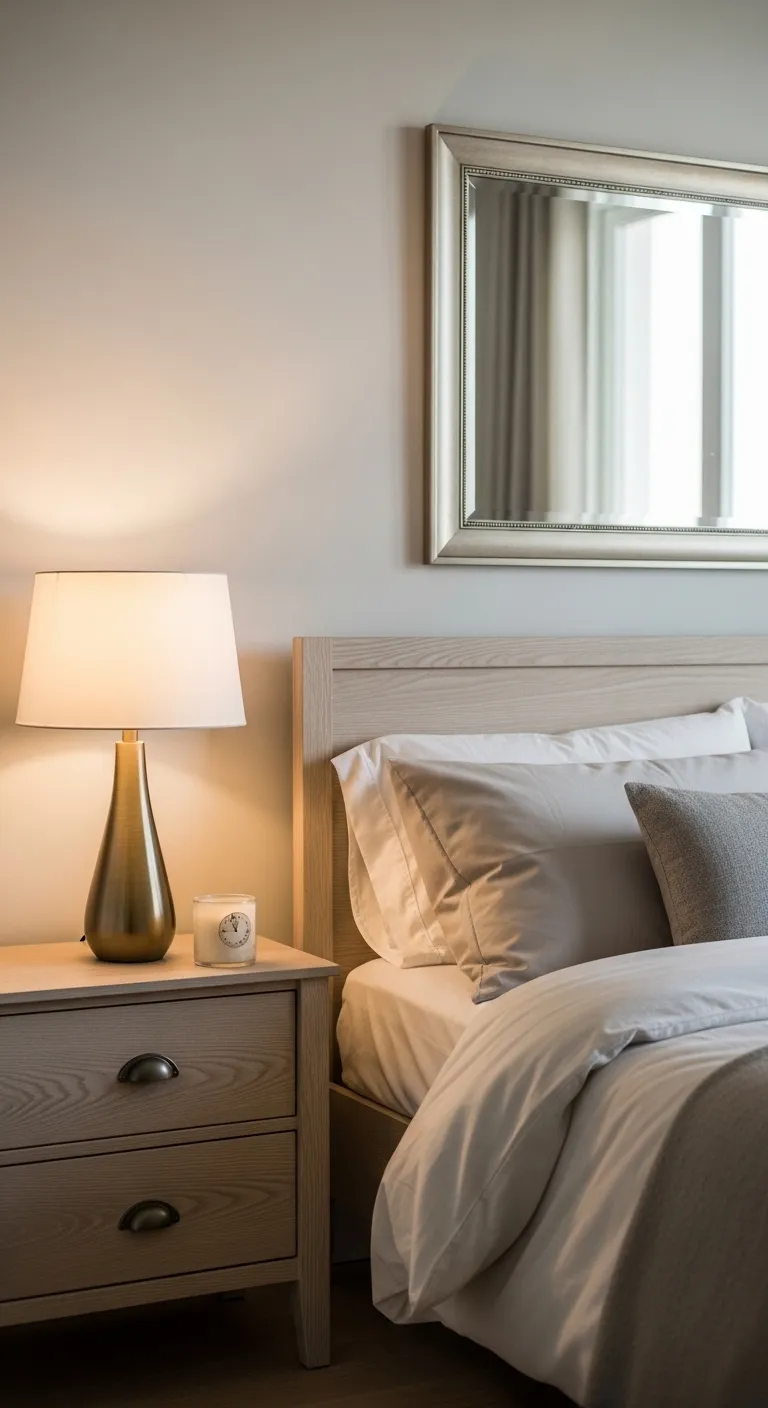
Introduce small metal elements to add quiet contrast without making the room feel modern or sharp. Choose finishes like brushed gold, antique brass, or soft matte silver. Use them in small touches such as drawer handles, lamp bases, or a simple mirror frame.
Keep these accents minimal so they do not overpower the soft textures in the room. Pair them with fabrics like linen and cotton to balance the look. Avoid overly shiny or reflective surfaces, as they can break the calm aesthetic. The goal is to add a hint of structure while maintaining softness. In a shabby chic bedroom, metal accents should feel warm and understated, blending naturally with the overall design.
23. Create Gentle Contrast With Slightly Darker Neutrals
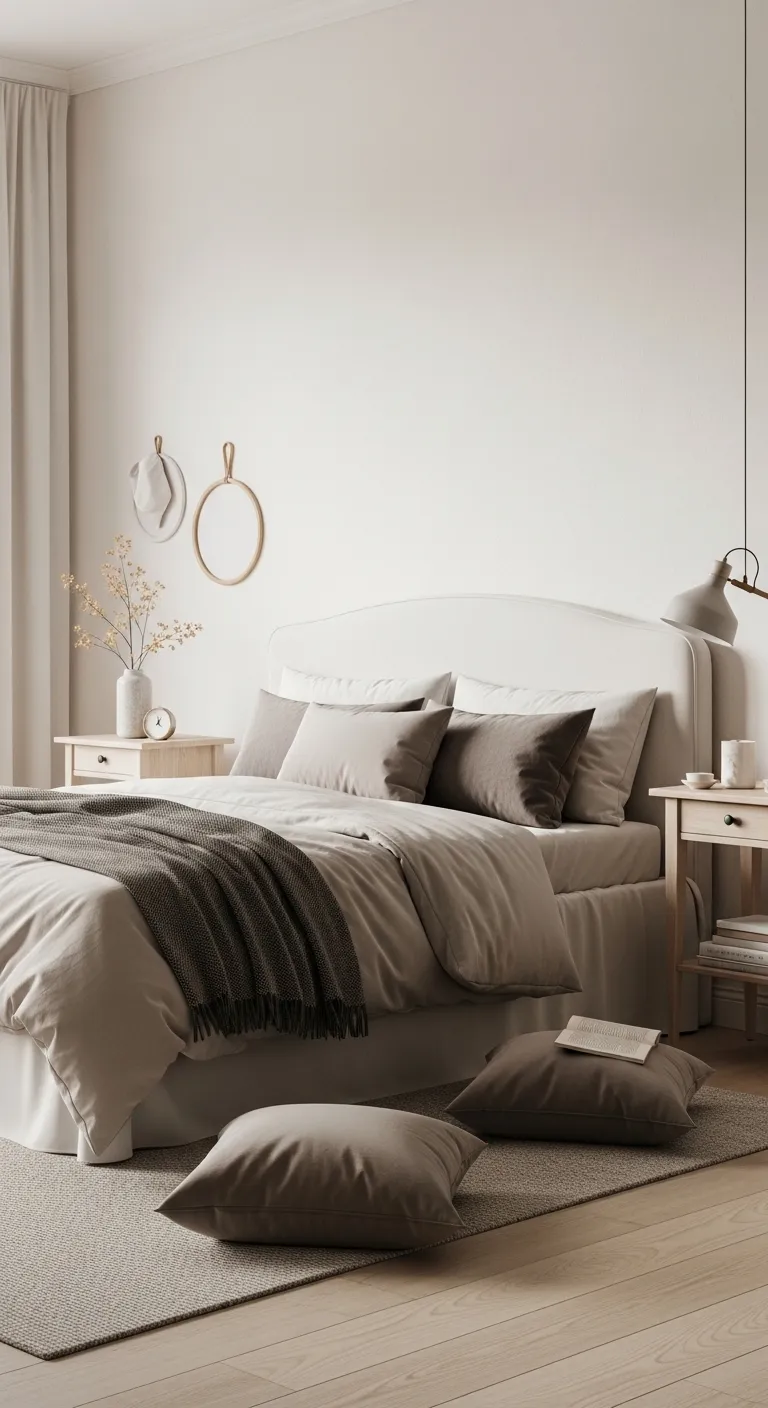
Add depth to your room by introducing slightly darker neutral tones like taupe, soft grey, or muted brown. Use these colors in small amounts through cushions, throws, or a piece of furniture. This creates contrast without disrupting the calm and light feel of the space.
Place these darker tones strategically so they anchor certain areas, such as the bed or a seating corner. Keep the rest of the palette light so the contrast feels balanced rather than heavy. This approach helps prevent the room from looking too washed out while still maintaining a soft aesthetic. In a shabby chic bedroom, contrast should feel gentle and blended, not bold or sharp.
24. Add Personal Touches That Feel Soft and Meaningful
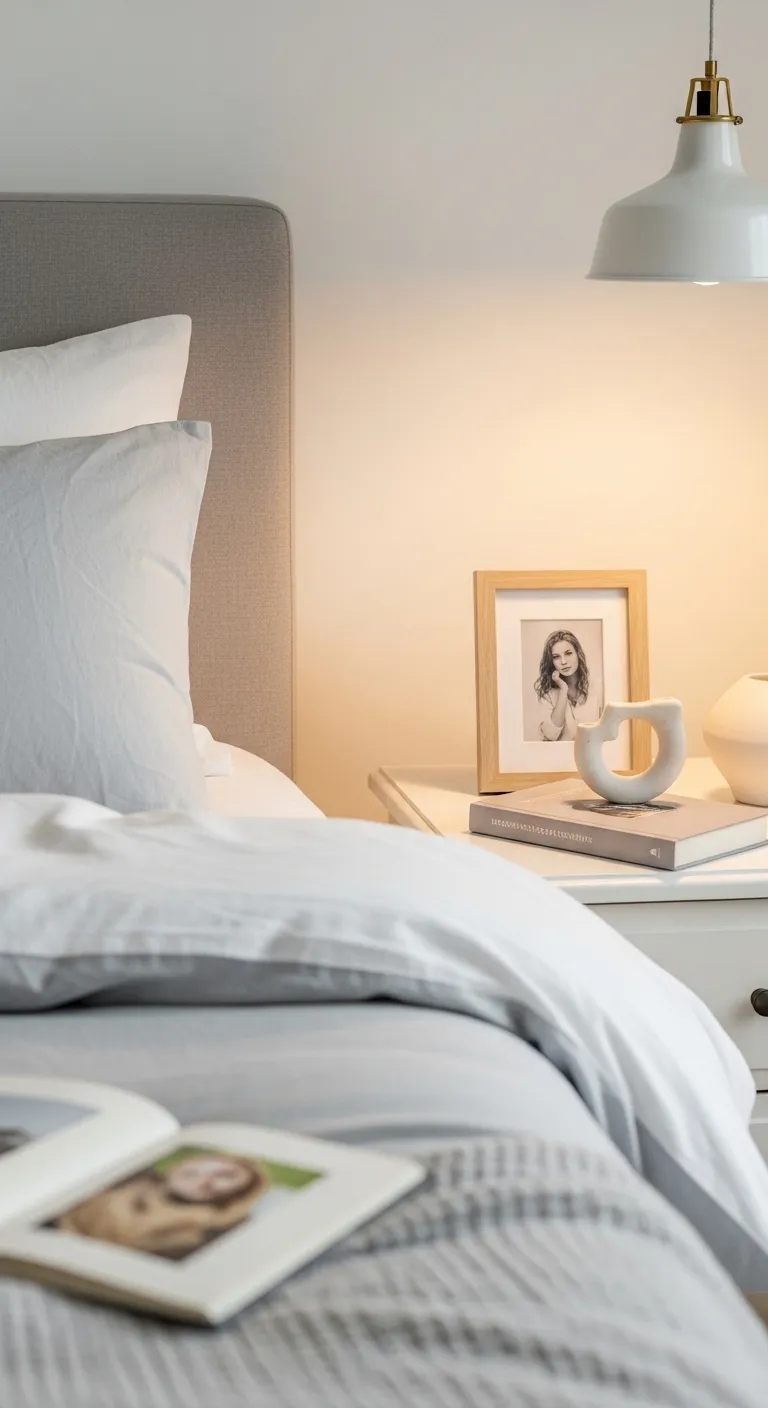
Finish your room by including a few personal items that reflect your style while staying within the soft aesthetic. This could be a favorite book placed on a bedside table, a framed photo in muted tones, or a small decorative piece that holds meaning.
Choose items that match the color palette and materials already in the room so everything feels cohesive. Avoid overcrowding surfaces, and instead focus on a few carefully placed objects. This makes each item stand out while keeping the space calm and organized. In a shabby chic bedroom, personal touches should enhance the feeling of comfort and familiarity without creating visual clutter.
Conclusion
Designing a shabby chic bedroom is all about balance. Soft colors, gentle textures, and slightly aged elements come together to create a space that feels calm and inviting. You do not need to change everything at once. Even small updates like layering fabrics, adjusting lighting, or adding subtle decor can make a noticeable difference.
Focus on creating a room that feels comfortable and natural rather than perfectly styled. Let textures, light, and simple details do most of the work. Start with a few ideas that fit your space, then build from there over time.
Save your favorite ideas, try them step by step, and turn your bedroom into a place that feels peaceful every single day.