25 Dreamy Boho Farmhouse Kitchen Ideas for a Warm, Lived-In Look
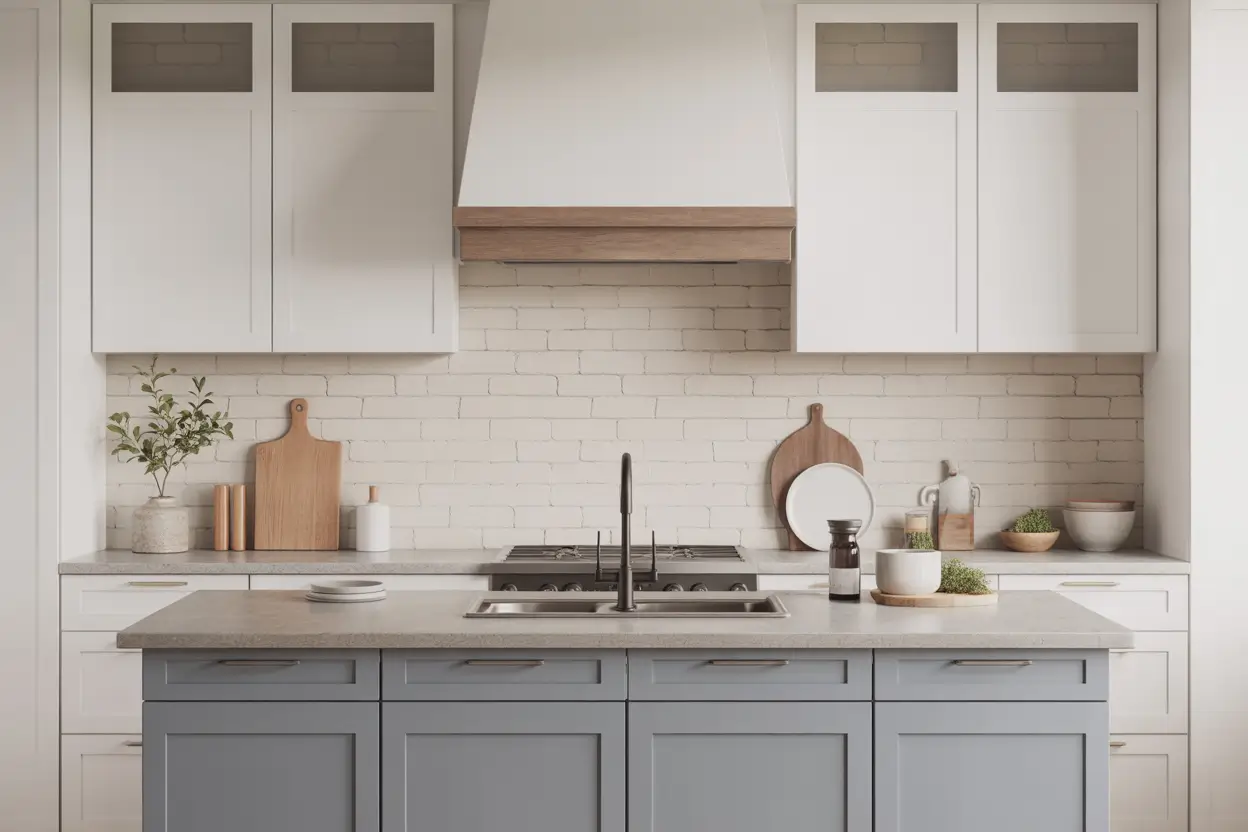
A kitchen should feel warm, personal, and easy to live in. If your space feels too plain or too perfect, boho farmhouse kitchen ideas can help you bring in softness, texture, and character without making it look cluttered. This style blends rustic charm with relaxed details, creating a space that feels collected over time instead of designed in one day.
In this guide, you will find practical and fresh ideas you can actually use. Each idea focuses on how to combine materials, colors, lighting, and layout in a way that feels natural and functional. Whether your kitchen is small or spacious, these ideas will help you create a warm, lived-in look that feels inviting every single day.
1. Layer Natural Wood with Soft White Surfaces
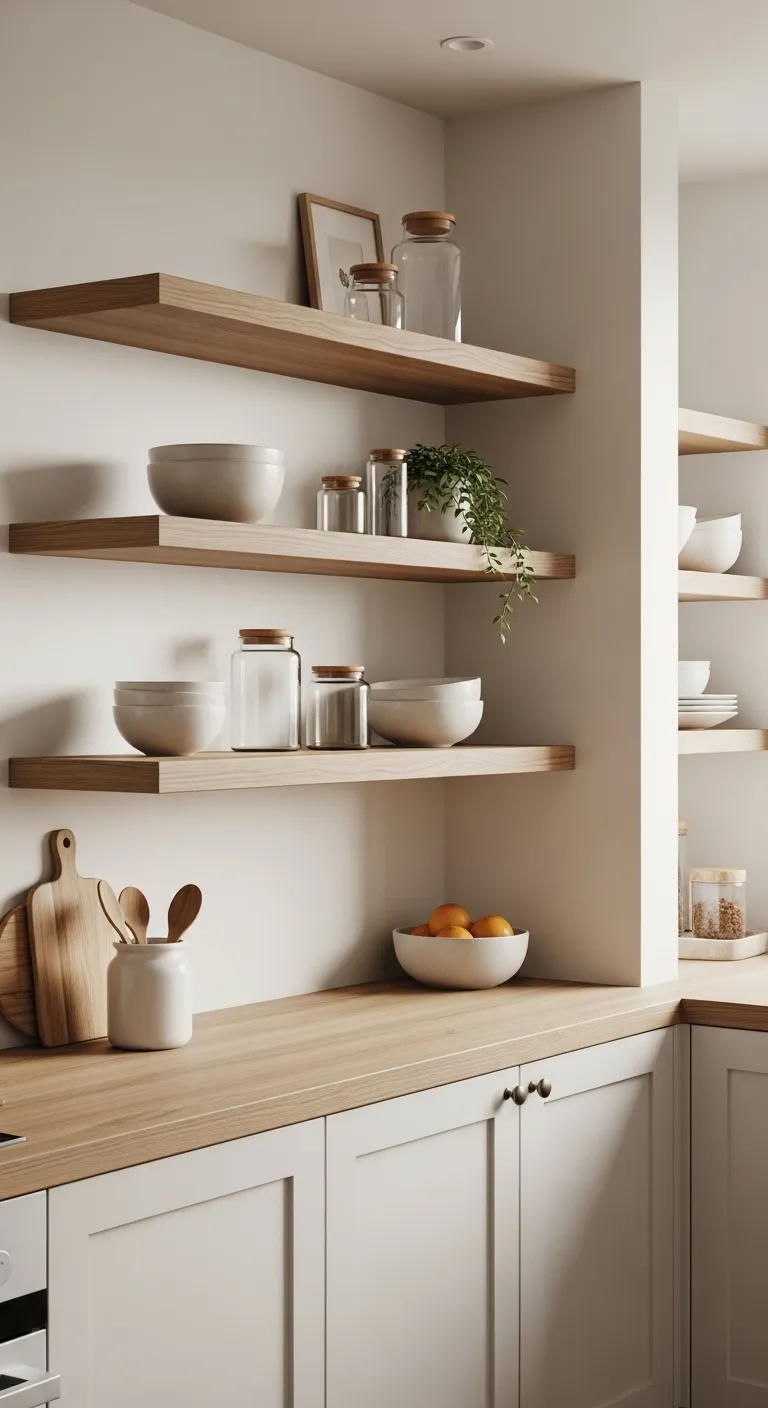
Start by building a calm base using a mix of wood and soft white tones. Choose wooden cabinets or shelves with visible grain and pair them with creamy white walls or countertops. This mix keeps the kitchen bright while still feeling grounded and warm. Avoid matching everything exactly. Instead, combine slightly different wood tones like light oak with deeper brown accents to create a relaxed, collected look.
Use matte finishes instead of shiny ones so surfaces feel soft and natural. Add subtle texture through limewash or slightly uneven paint to keep the walls from looking flat. This layered base allows other elements like pottery, textiles, and greenery to stand out without overwhelming the space. The goal is to create a kitchen that feels balanced, where every surface looks inviting and easy to touch.
2. Add Woven Details Beyond Basic Decor
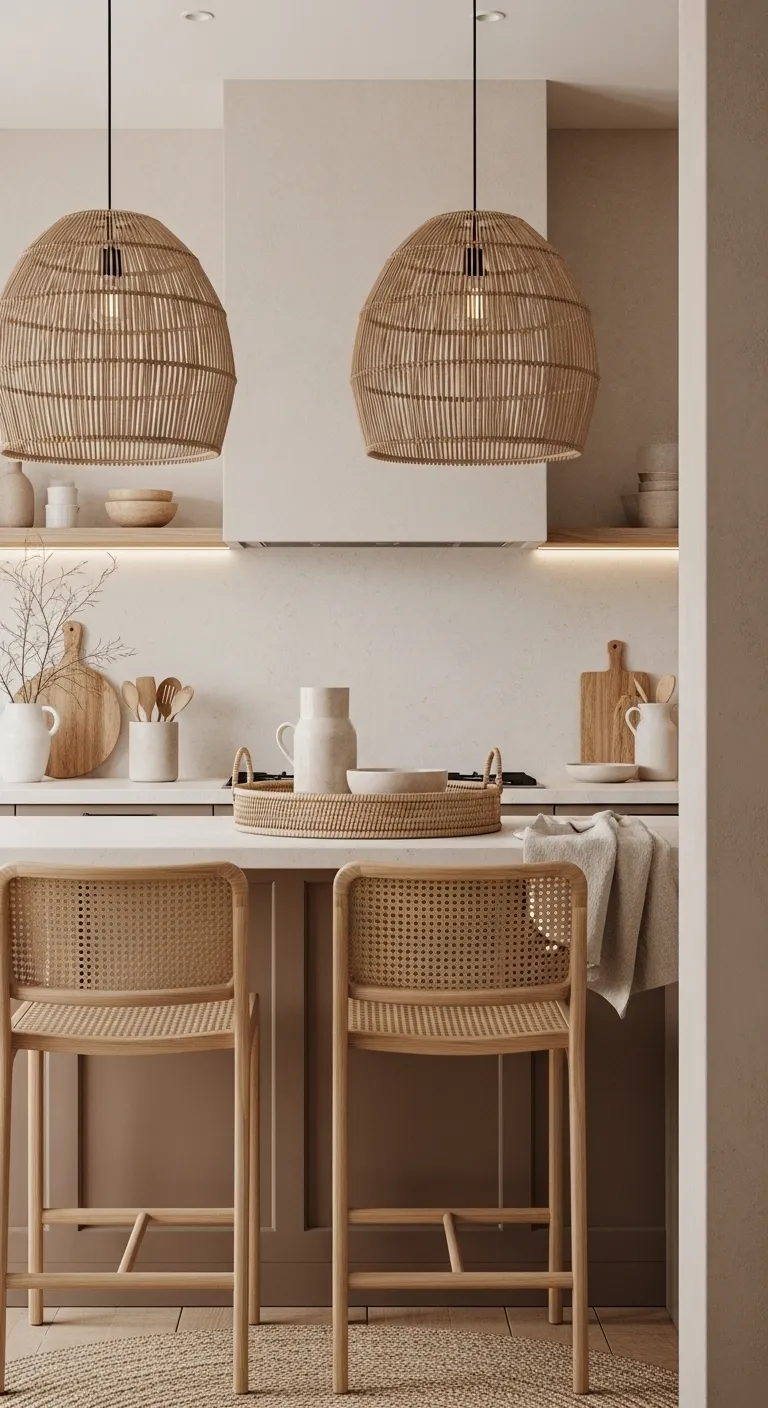
Woven textures instantly make a kitchen feel warm, but instead of limiting them to baskets, spread them across functional elements. Use cane inserts in cabinet doors or add rattan panels to a kitchen island. These touches bring texture into areas that are usually plain and overlooked.
Choose bar stools with woven backs or seats to create visual depth without adding bulk. You can also use woven trays to organize oils, spices, or utensils on the counter. Stick to natural shades like sand, beige, and soft brown so everything blends smoothly with wood tones. This approach keeps the space cohesive while adding layers that feel intentional. By placing woven textures in unexpected spots, your kitchen starts to feel more styled and personal without adding unnecessary clutter.
3. Mix Open Shelving with Closed Storage
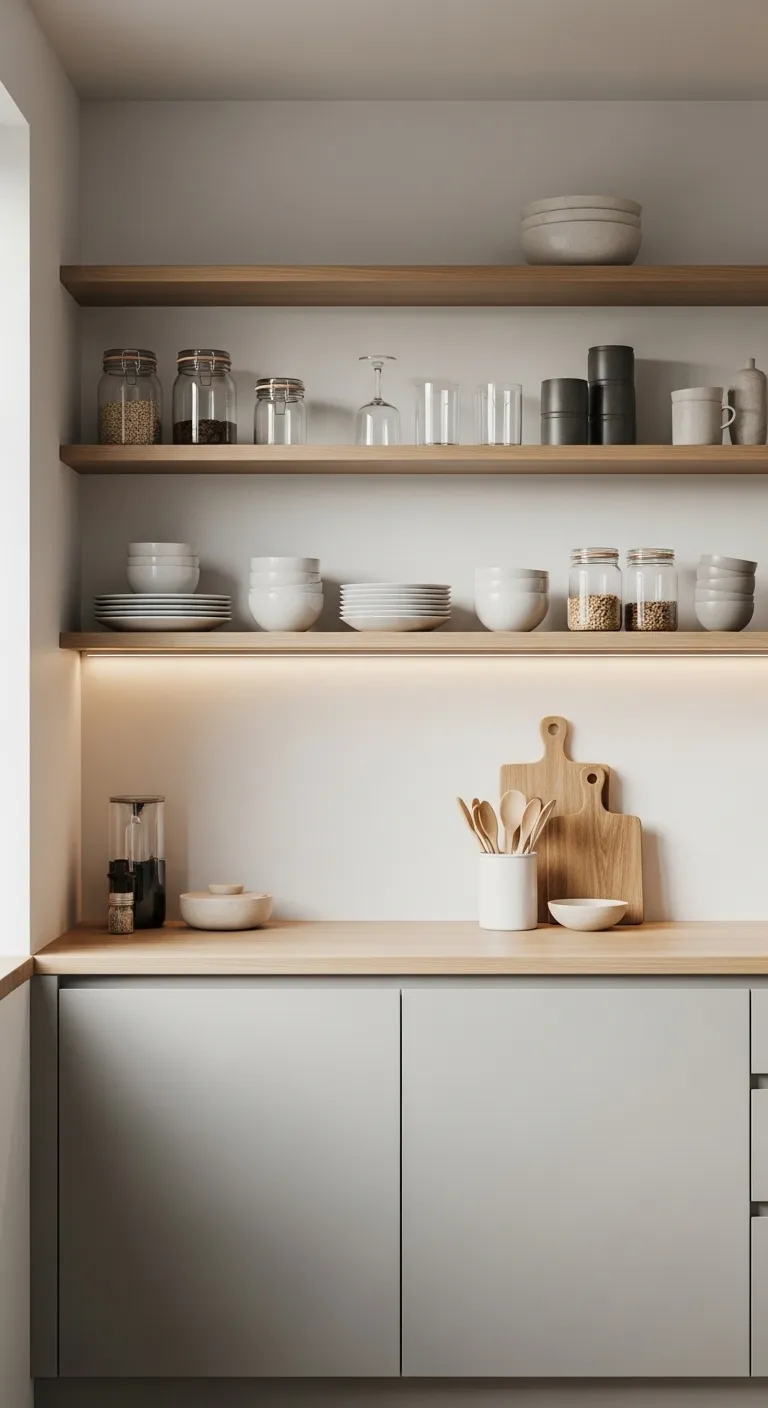
A balanced kitchen never feels overcrowded or empty. Combine open shelves with closed cabinets to create both display and storage. Use open shelves for items that look beautiful, like handmade bowls, neutral ceramics, or glass jars filled with dry ingredients.
Keep closed cabinets for everyday clutter like appliances or bulk storage. This mix allows your kitchen to feel styled without losing function. Arrange shelf items in small groups instead of lining everything up. This creates a more relaxed and natural look.
Choose wood shelves with simple brackets or hidden supports to maintain a clean appearance. Leave some empty space on each shelf so it does not feel heavy. This balance between open and closed storage helps your kitchen feel airy while still staying practical for daily use.
4. Use Soft Earth-Toned Color Layers
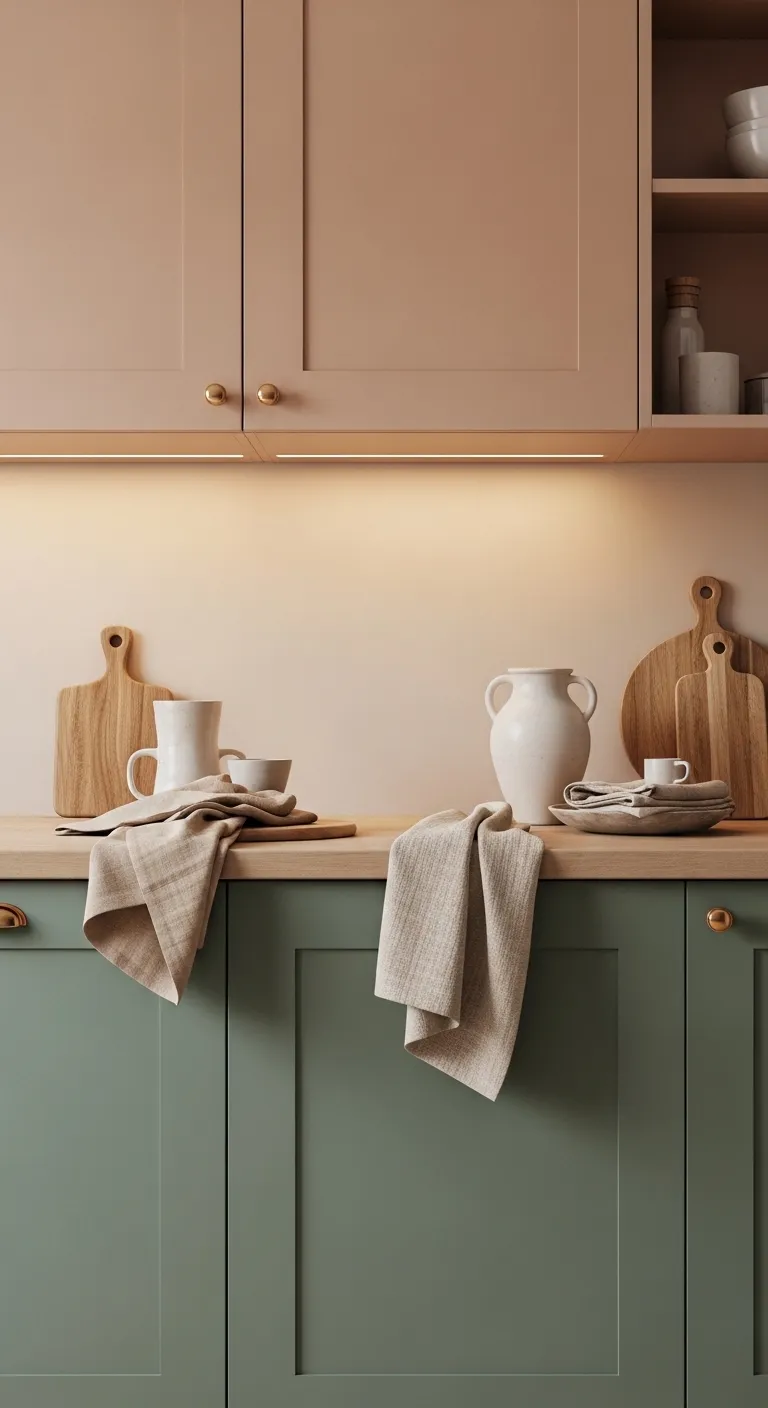
Instead of bold colors, focus on soft earth tones that create warmth without overpowering the space. Think muted clay, dusty green, warm beige, and soft terracotta. These colors work well with both wood and white surfaces, making the kitchen feel connected and calm.
Apply these tones through painted cabinets, backsplash tiles, or even smaller accents like textiles and pottery. Avoid using too many strong contrasts. Instead, blend colors that sit close together so the space feels smooth and easy on the eyes. You can also bring color through natural materials like stone or aged metal. These tones age well and do not feel outdated quickly. This approach creates a cozy environment where everything feels intentional and visually connected without being loud.
5. Introduce Vintage Pieces with Purpose

A lived-in kitchen feels collected, not brand new. Add vintage or slightly worn pieces that serve a purpose. This could be an old wooden stool, a weathered cutting board, or a classic metal tray used for serving. Focus on items that you will actually use, not just display. For example, hang vintage utensils on a wall rail or use an old crate for storing produce. These pieces add character while staying functional.
Mixing old and new elements creates contrast and depth. Keep the color palette consistent so the space does not feel random. The goal is to make the kitchen feel like it has grown over time, with each piece adding a story without making the space look cluttered.
6. Create a Soft Lighting Layer Instead of Harsh Brightness
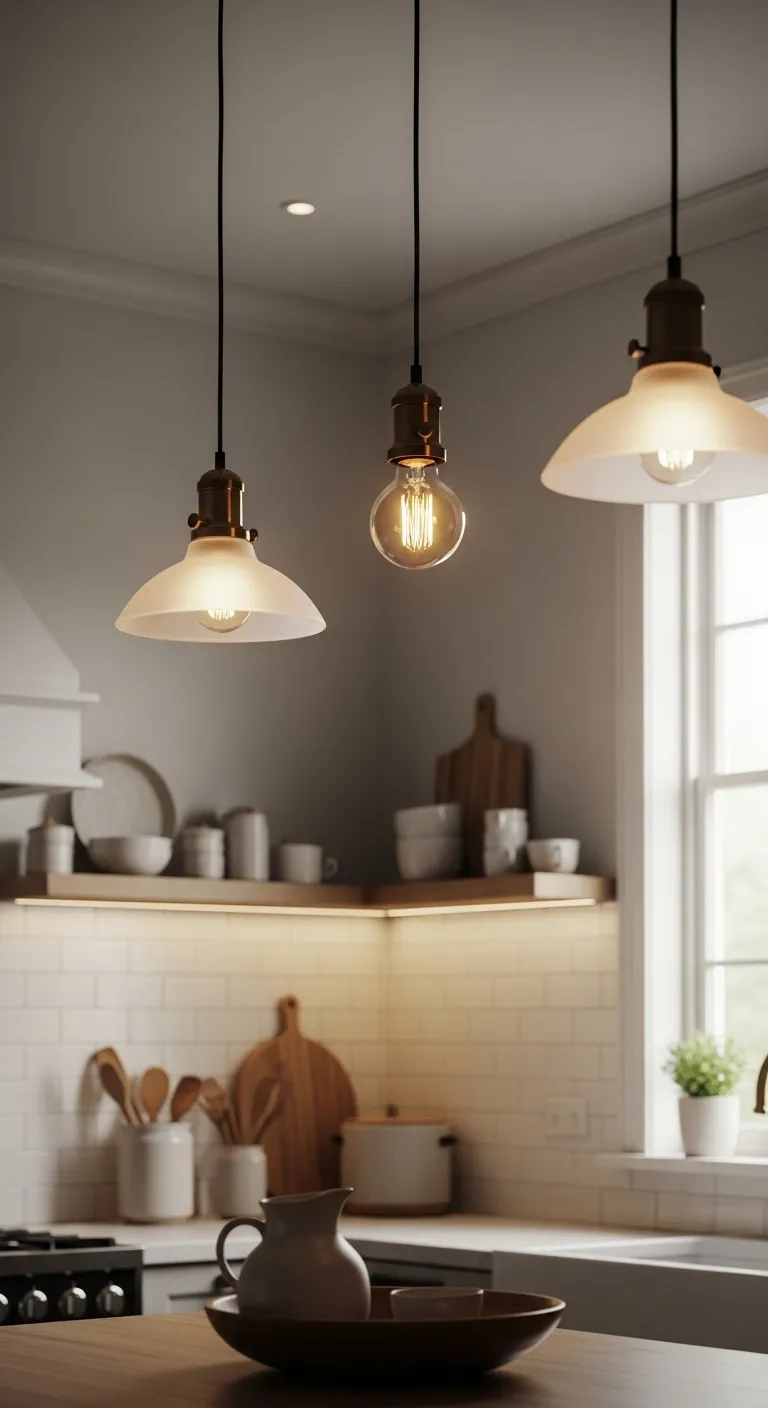
Lighting plays a huge role in how your kitchen feels. Instead of relying only on bright overhead lights, layer softer lighting sources. Use warm-toned bulbs to create a cozy glow that feels inviting, especially in the evening.
Add pendant lights over the island or dining area with simple, natural materials. Under-shelf lighting can also create a subtle glow that highlights textures without being too strong. Avoid overly white or blue-toned lights as they can make the space feel cold. Place lighting in different zones so the entire kitchen feels balanced. This layered approach helps you control the mood depending on the time of day. A well-lit kitchen should feel soft and warm, not harsh or overly bright.
7. Use Textiles to Soften Hard Surfaces
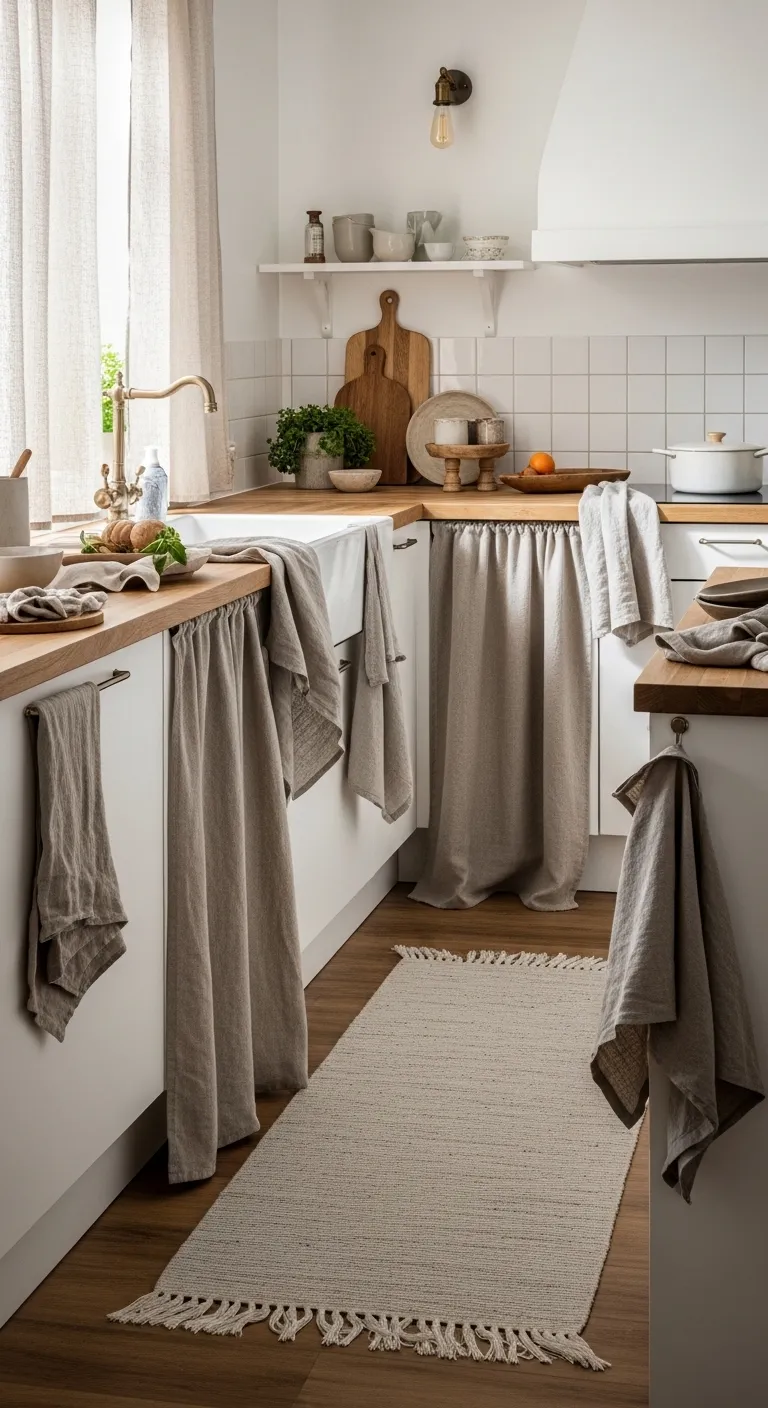
Kitchens often have hard surfaces like stone, tile, and wood, so adding textiles helps soften the overall look. Use cotton or linen curtains in light, neutral shades to filter natural light gently.
Add a small runner rug with subtle patterns near the sink or cooking area. Choose washable materials so they stay practical for daily use. You can also use fabric seat cushions or simple table linens to bring in comfort. Stick to natural fabrics that feel breathable and relaxed. Avoid heavy or overly bold patterns. These soft layers help balance the harder materials in the kitchen, making the space feel more comfortable and lived-in without affecting functionality.
8. Style Countertops with Intentional Simplicity
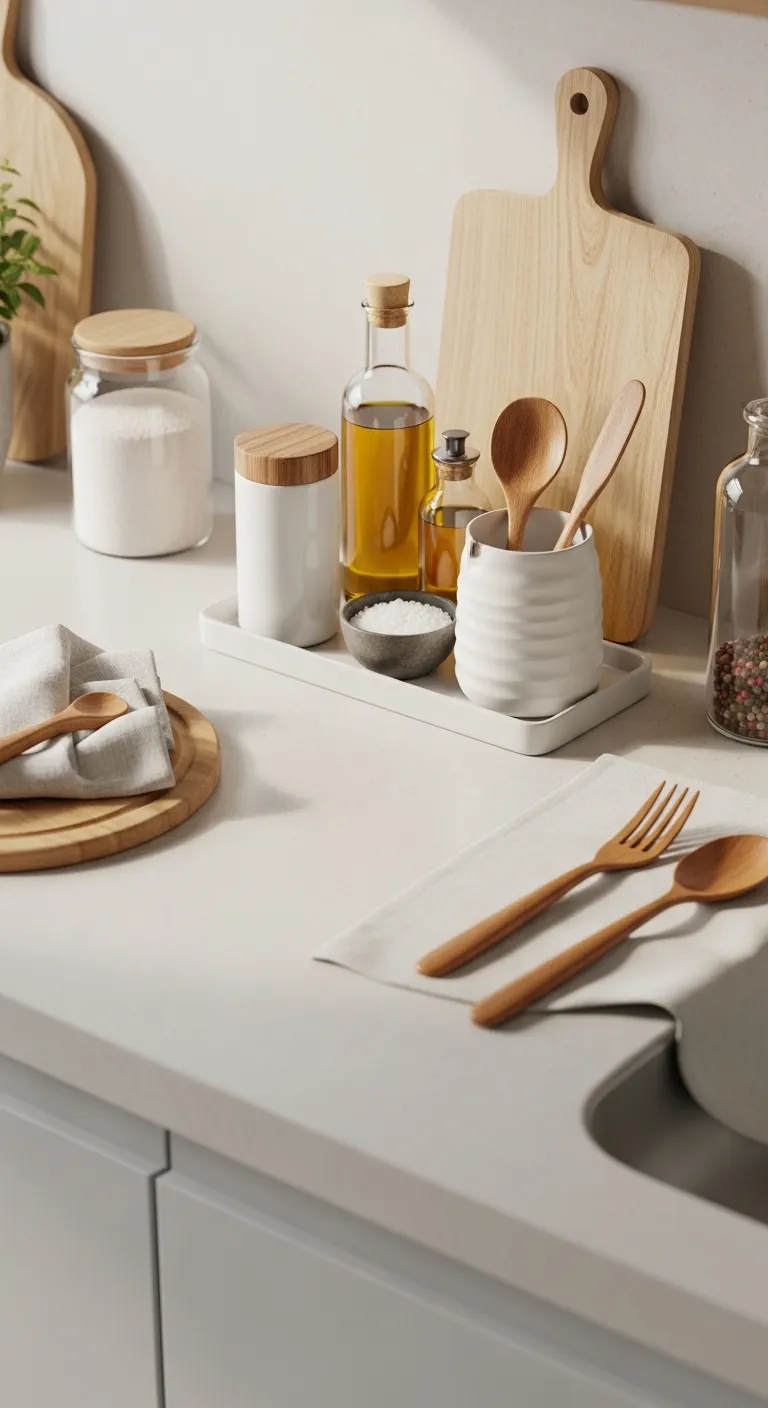
A cluttered countertop can ruin the calm feeling of a kitchen. Instead of filling every space, choose a few functional items and style them with purpose. Group items like oils, salt, and utensils on a tray to keep them organized and visually clean.
Use materials like wood, ceramic, or glass to keep everything cohesive. Leave some empty space so the kitchen feels breathable. This makes cleaning easier and keeps the focus on key elements. Rotate small decor items occasionally to keep the space feeling fresh. This simple styling approach ensures your kitchen looks put together without feeling staged. The key is to balance usability with visual calmness.
9. Blend Rustic and Smooth Materials Together
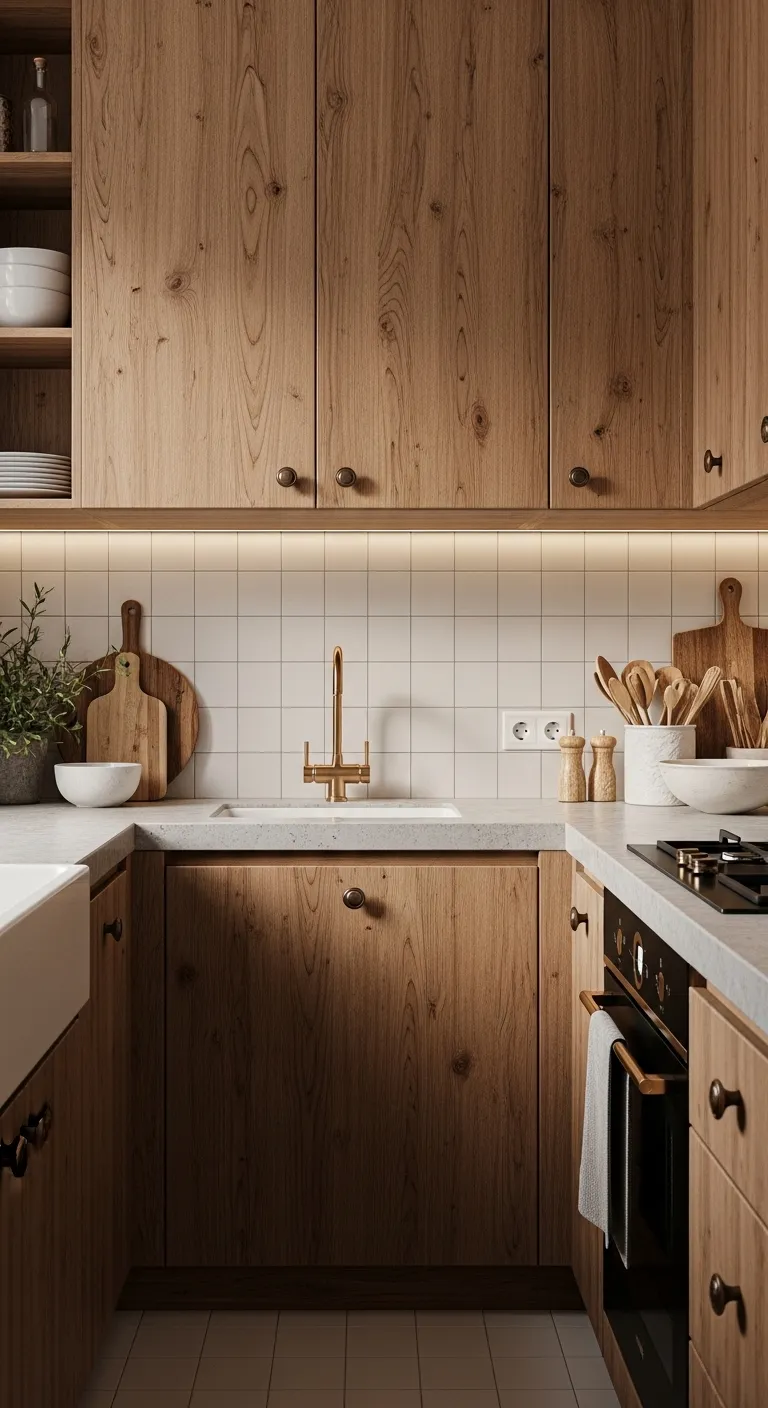
A strong boho farmhouse kitchen balances rough and smooth textures. Pair slightly rough wooden surfaces with smooth stone countertops or sleek ceramic tiles. This contrast adds depth without needing extra decoration.
You can also combine matte finishes with subtle polished details like metal handles or fixtures. Keep these accents minimal so they do not overpower the space. The mix of textures should feel natural, not forced. This balance makes the kitchen more visually interesting while still maintaining a calm and cohesive look. When done right, every surface complements the others, creating a space that feels layered and thoughtfully designed.
10. Bring Life with Simple Greenery and Herbs
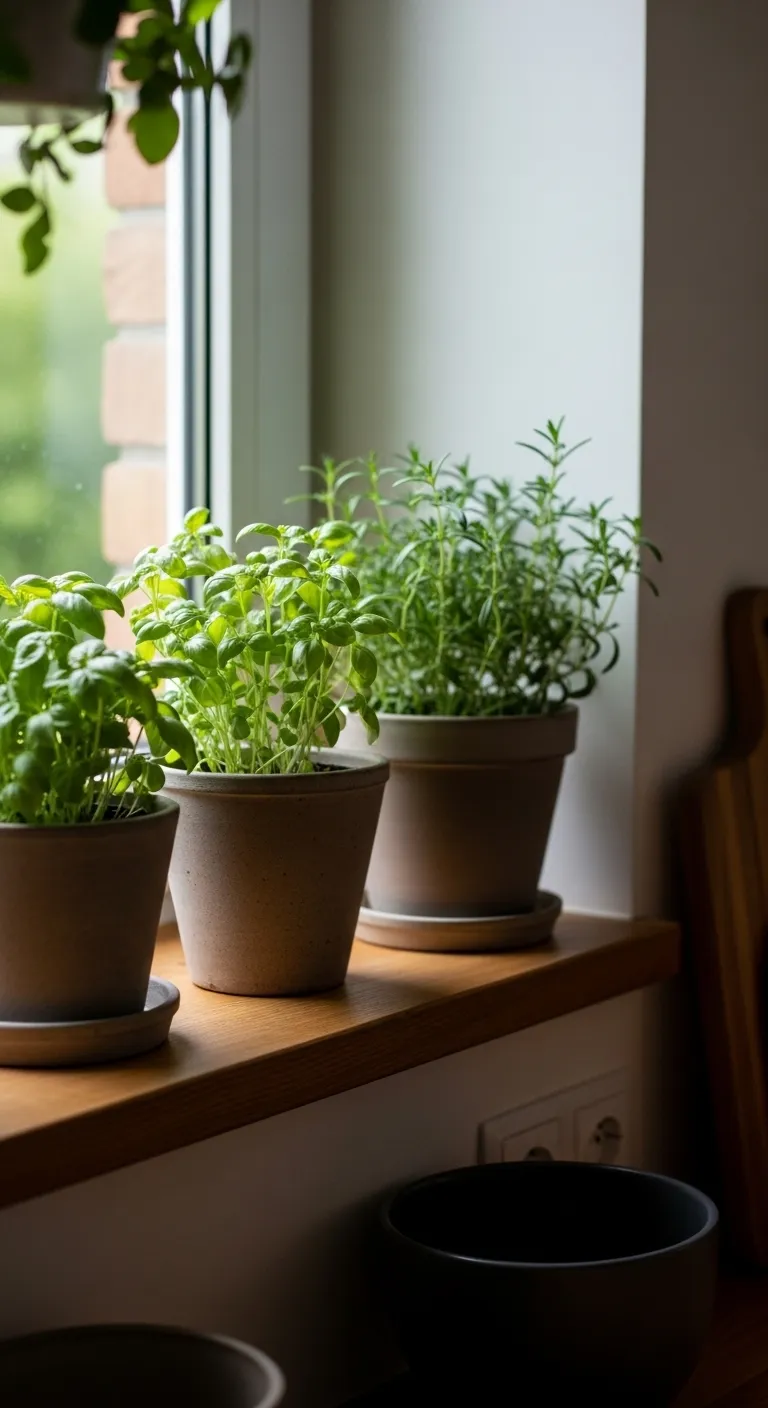
Adding greenery is one of the easiest ways to make a kitchen feel alive. Use small potted herbs like basil or mint near windows where they can get natural light. These not only look good but are also useful for cooking. Choose simple pots in neutral tones like clay, white, or stone. Avoid overly decorative planters so the focus stays on the plants. You can also hang a few small plants or place them on open shelves for added depth.
Keep the arrangement minimal and easy to maintain. Fresh greenery adds color and softness without disrupting the overall aesthetic. It also helps the kitchen feel more connected to nature, which is a key part of creating a warm and lived-in environment.
11. Combine Stone and Wood for a Grounded Look
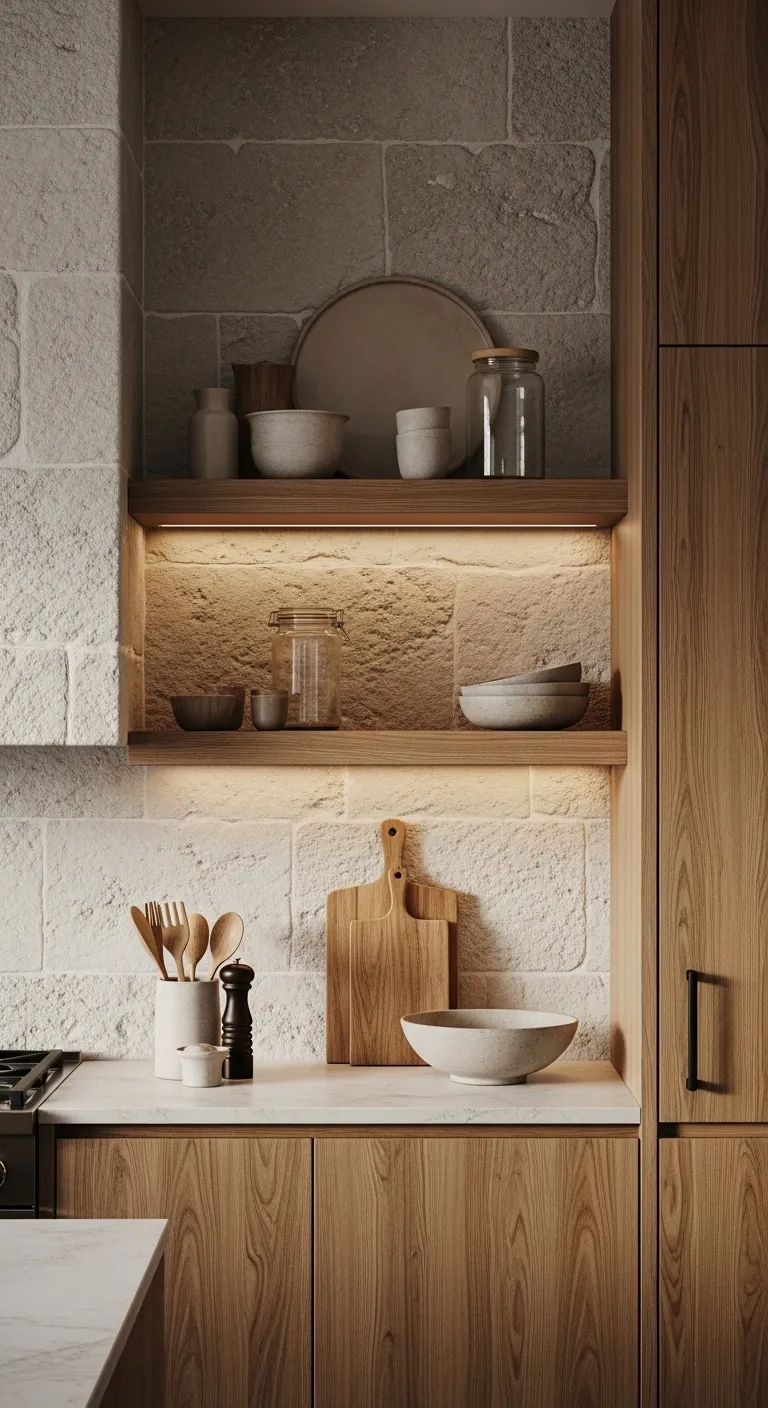
Create a strong visual base by pairing natural stone with warm wood elements. Use a stone backsplash with subtle variation in tone and texture, then balance it with wooden shelves or cabinets. This pairing makes the kitchen feel stable and connected to nature without looking heavy. Choose stones with soft, uneven patterns instead of sharp contrasts. This keeps the look relaxed and easy on the eyes. Pair this with wood that has visible grain so both materials feel authentic. Avoid polished stone surfaces that reflect too much light, as they can break the cozy mood.
This combination works well in both small and large kitchens because it adds depth without requiring extra decor. It creates a natural flow where materials complement each other, helping the space feel warm, layered, and visually complete.
12. Use Mismatched Seating for a Relaxed Feel
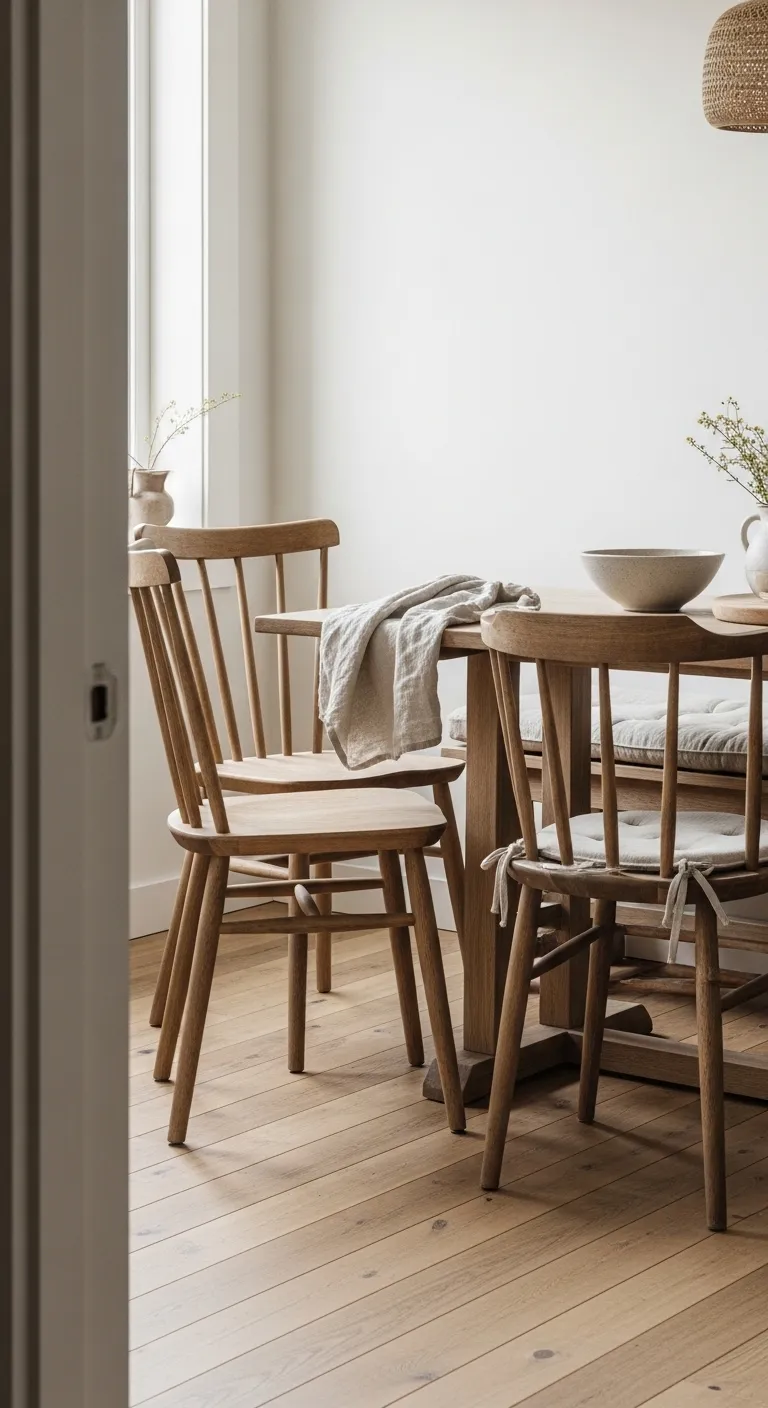
Instead of matching all your chairs or stools, mix different styles that share a similar tone or material. For example, pair a wooden bench with two simple stools or combine chairs with slightly different shapes but the same color palette. Keep the mix controlled so it feels intentional, not random. Stick to natural materials like wood, cane, or linen to maintain consistency. This approach adds personality and breaks the rigid look of perfectly matched furniture. It also makes the space feel more flexible and lived-in, as if pieces were collected over time. This works especially well in small kitchens where seating can double as both functional and decorative. The result is a setup that feels inviting, comfortable, and less formal.
13. Add a Softly Textured Backsplash
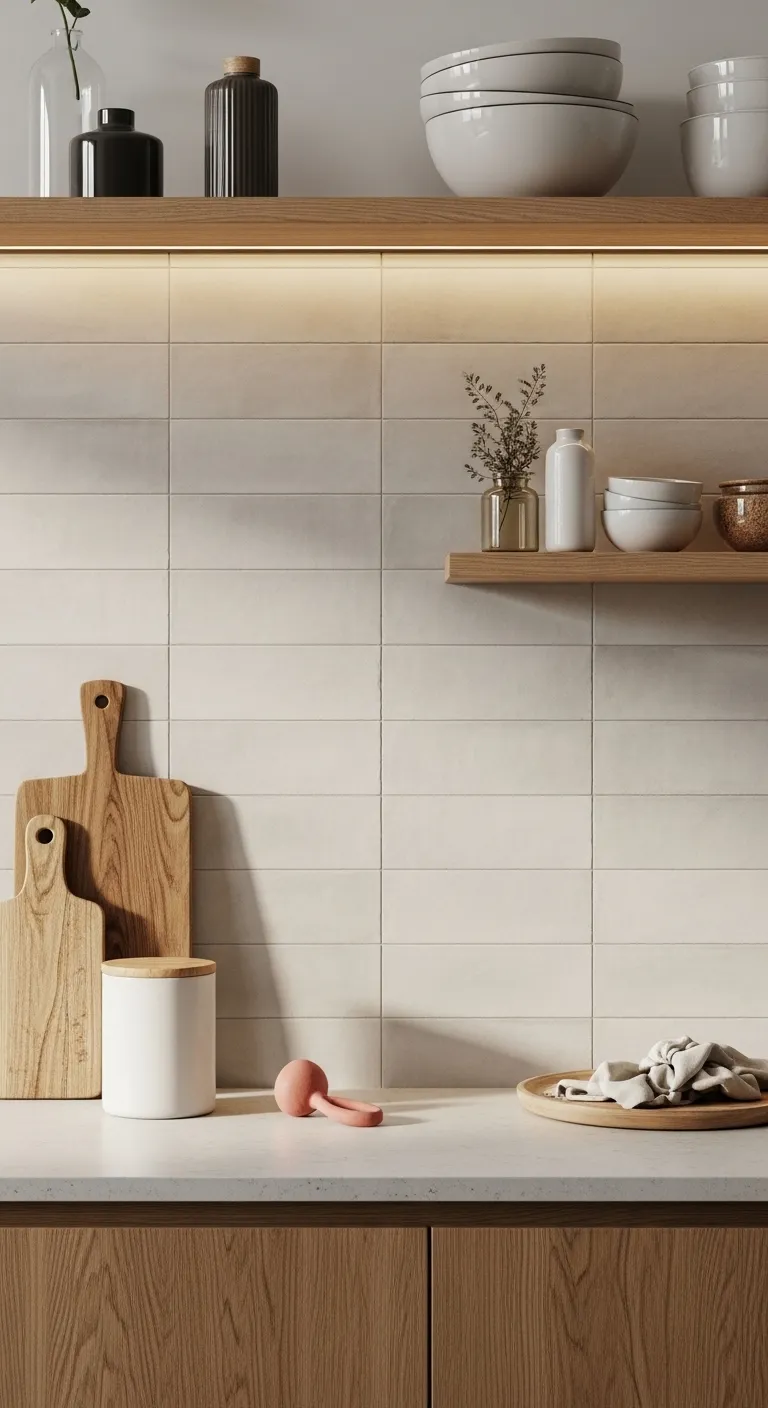
A backsplash does not have to be bold to stand out. Choose tiles with a soft texture or slight variation in finish to create depth without strong contrast. Handmade-style tiles or slightly uneven surfaces work well for this look.
Stick to neutral tones like off-white, warm beige, or muted gray so the texture becomes the focus instead of the color. Arrange tiles in simple layouts to keep the design clean and balanced. This subtle detail adds interest without overwhelming the space. It also reflects light in a softer way, helping the kitchen feel calm and cohesive. A textured backsplash can quietly elevate the entire design while keeping the overall style relaxed and natural.
14. Use Open Hooks for Everyday Items
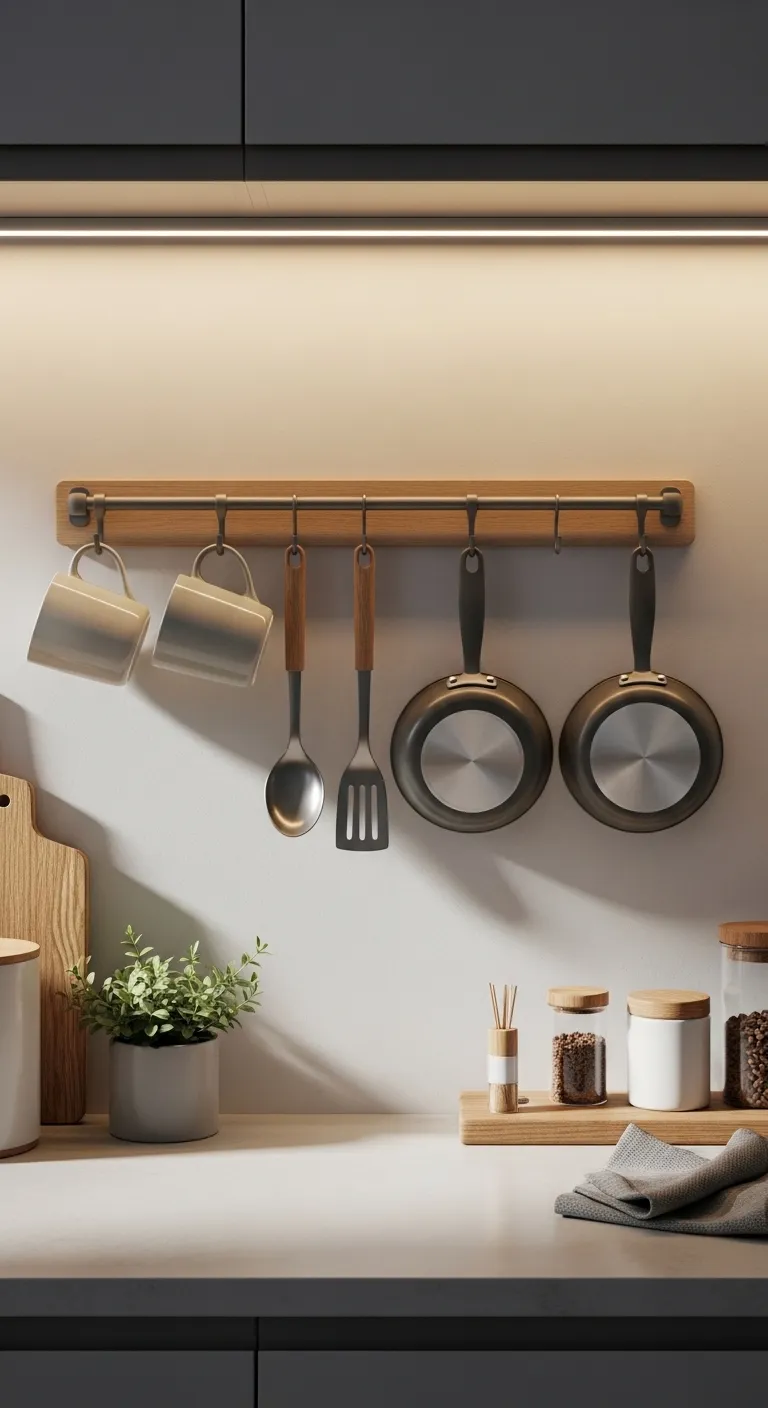
Instead of hiding everything in drawers, use simple hooks or rails to display everyday tools like mugs, utensils, or small pans. This keeps frequently used items within reach while also adding visual detail to empty walls. Choose metal or wooden hooks with a simple finish that blends into your kitchen style. Keep the arrangement neat by spacing items evenly and avoiding overcrowding. This setup adds function without extra furniture, making it ideal for smaller kitchens. It also gives your space a slightly rustic feel while staying practical. When everyday items become part of the design, the kitchen feels more natural and easier to use.
15. Introduce Soft Contrast with Light and Dark Tones
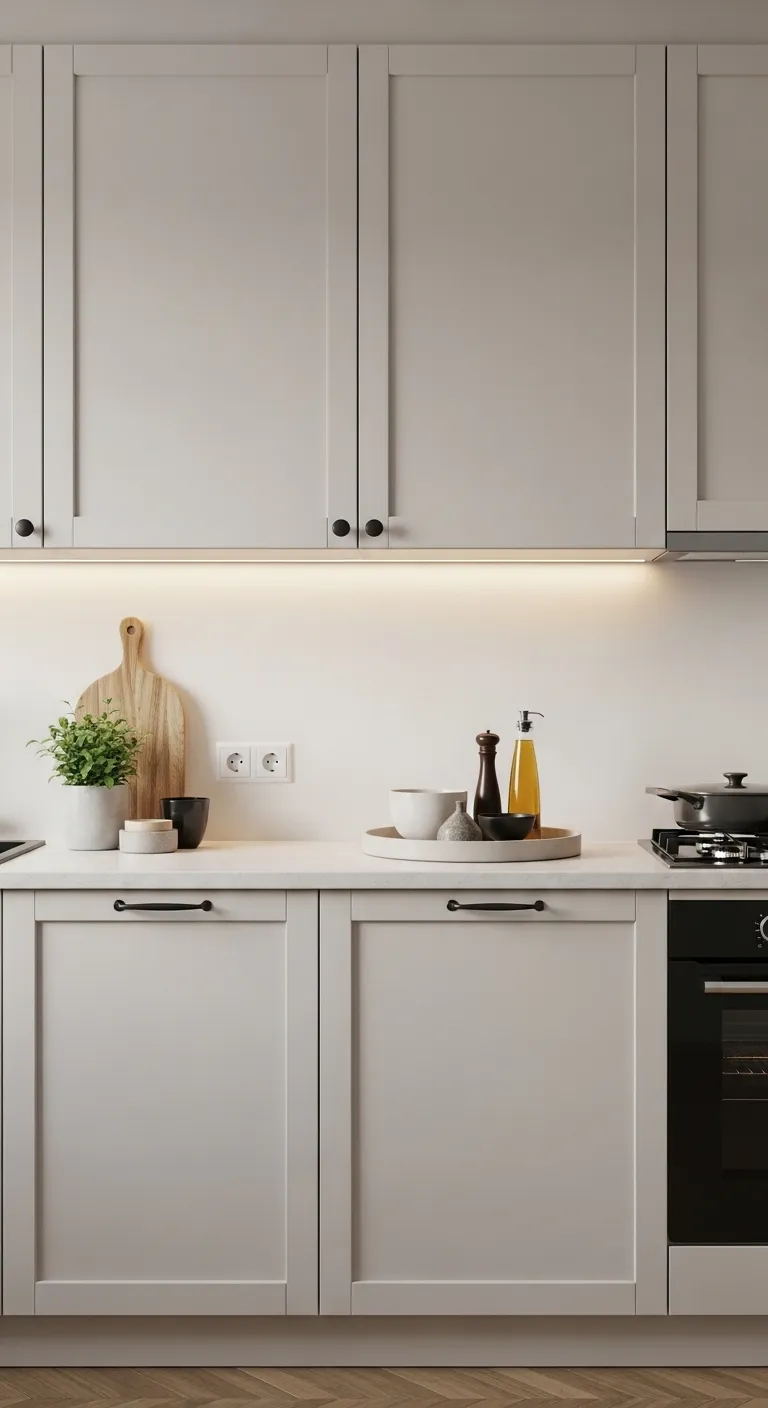
Balance your kitchen by mixing light and dark elements in a subtle way. Use lighter tones for larger surfaces like walls or cabinets, and introduce darker accents through handles, lighting fixtures, or small decor pieces.
Avoid strong contrasts that feel sharp. Instead, choose softer variations like warm gray against beige or deep brown against light wood. This creates depth without making the space feel divided. This approach helps highlight different areas of the kitchen while keeping everything connected. It also allows each element to stand out without overpowering the others. The result is a space that feels balanced, calm, and visually layered.
16. Create a Cozy Corner with a Small Dining Nook

Even a small kitchen can feel special with a dedicated corner for sitting. Use a compact table with simple chairs or a bench placed against the wall. Add a soft cushion or light fabric to make the area more inviting. Keep the setup minimal so it does not crowd the space. Use natural materials and neutral tones to blend it with the rest of the kitchen. A small pendant light above the table can define the area without adding bulk. This corner becomes a quiet spot for meals, coffee, or quick breaks. It adds warmth and function while making the kitchen feel more personal. Even in limited space, this simple addition can change how the room feels and is used.
17. Use Glass and Ceramics to Reflect Light Softly
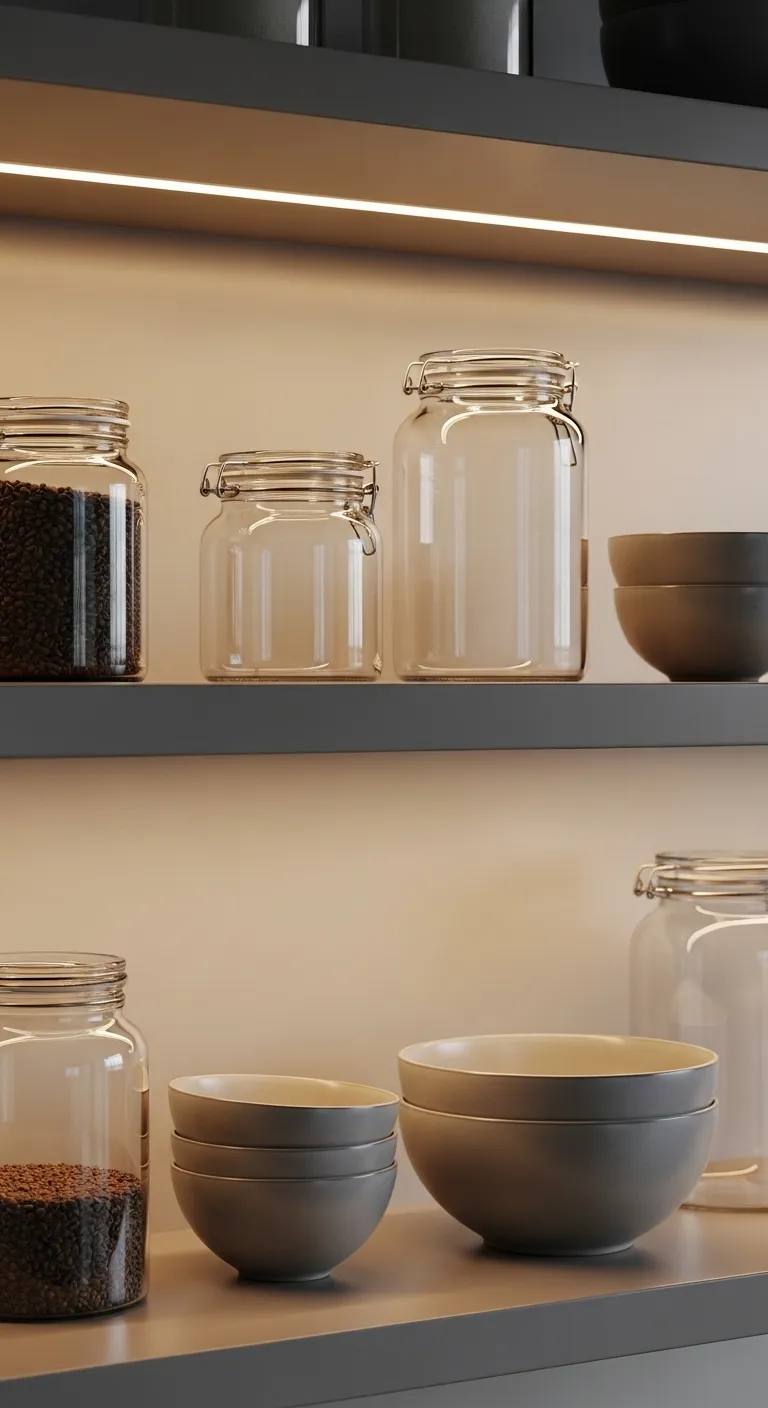
Bring in glass jars, ceramic bowls, and simple dishware to add gentle reflection without harsh shine. These materials catch light in a soft way, helping the kitchen feel brighter without needing stronger lighting. Use clear or slightly tinted glass for storage so ingredients become part of the decor. Choose ceramics in neutral or earthy tones to keep everything cohesive. Avoid overly glossy finishes that can feel too sharp. Place these items on open shelves or countertops in small groups. This creates a layered look without clutter. The mix of glass and ceramic adds subtle variation, making the space feel detailed while still calm and easy to maintain.
18. Add Subtle Patterns Through Functional Elements
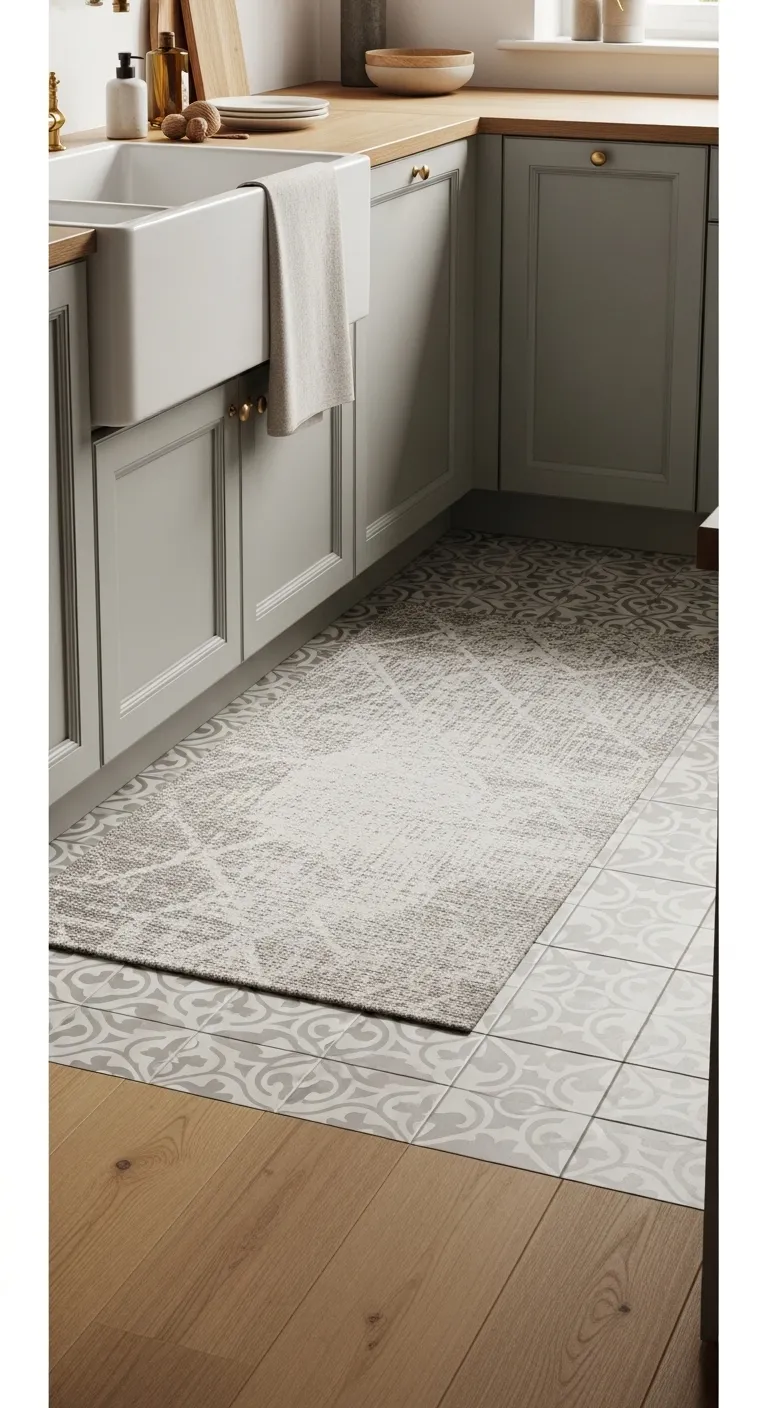
Patterns can add life to a kitchen, but they should feel soft and natural. Use them in areas like floor tiles, rugs, or textiles instead of large surfaces. Choose patterns that are simple and slightly faded rather than bold and sharp.
Stick to colors that match your overall palette so the pattern blends instead of standing out too much. This keeps the kitchen feeling relaxed while still adding visual interest. Patterns work best when used in small doses. They help break up solid surfaces and add movement without making the space busy. This approach keeps your kitchen visually engaging while maintaining a calm and cohesive atmosphere.
19. Highlight Imperfections for a Natural Feel
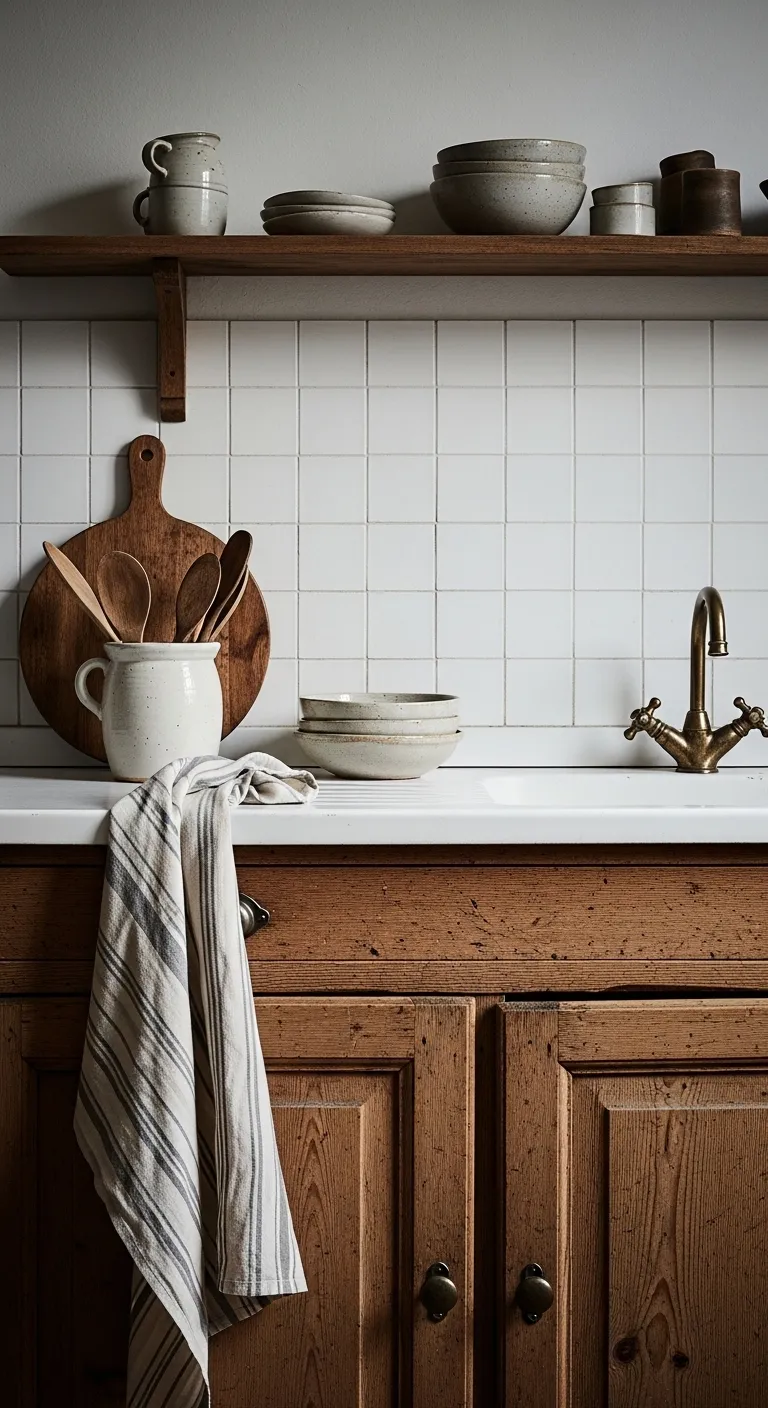
A perfect kitchen can feel cold and uninviting. Allow small imperfections to show, like slightly worn wood edges, uneven finishes, or handmade items with subtle variations. These details make the space feel real and lived-in. Choose materials that age well and develop character over time. Avoid overly processed or perfectly smooth finishes that remove natural texture. Let surfaces tell a story through use.
This approach creates warmth without adding extra decor. It makes the kitchen feel comfortable and authentic, where every detail contributes to the overall mood. A space that embraces imperfections always feels more welcoming and easier to live in.
20. Keep Layout Open and Easy to Move Through
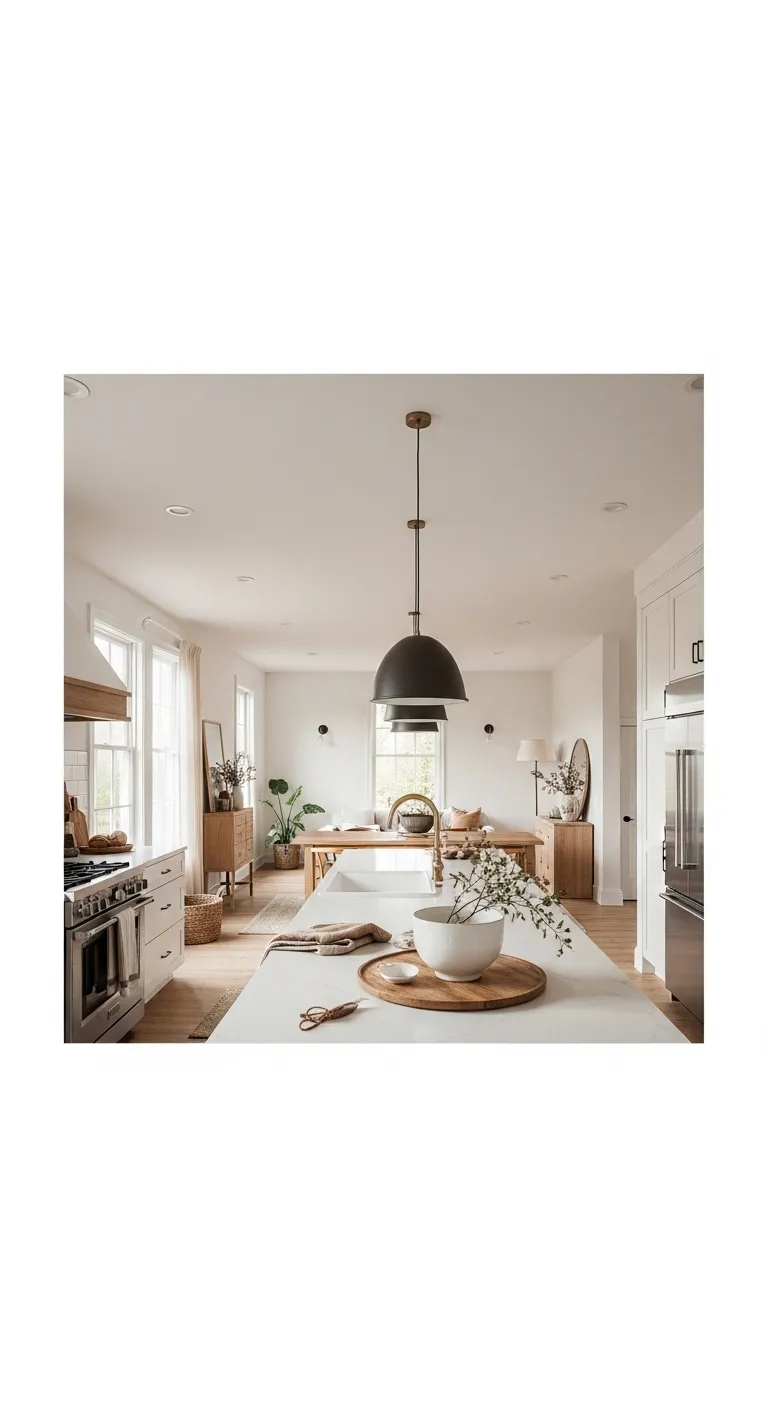
A functional layout is key to making your kitchen feel relaxed. Arrange furniture and work areas so movement feels natural and unobstructed. Leave enough space between counters and islands for easy flow.
Avoid overfilling the kitchen with too many elements. Focus on what you actually use and remove anything unnecessary. This keeps the space feeling light and manageable.
An open layout also allows light to move freely, making the kitchen feel brighter and more spacious. It improves both function and comfort, ensuring the space works well for daily use while still looking visually balanced and calm.
21. Use Low-Height Decor to Keep the Space Open
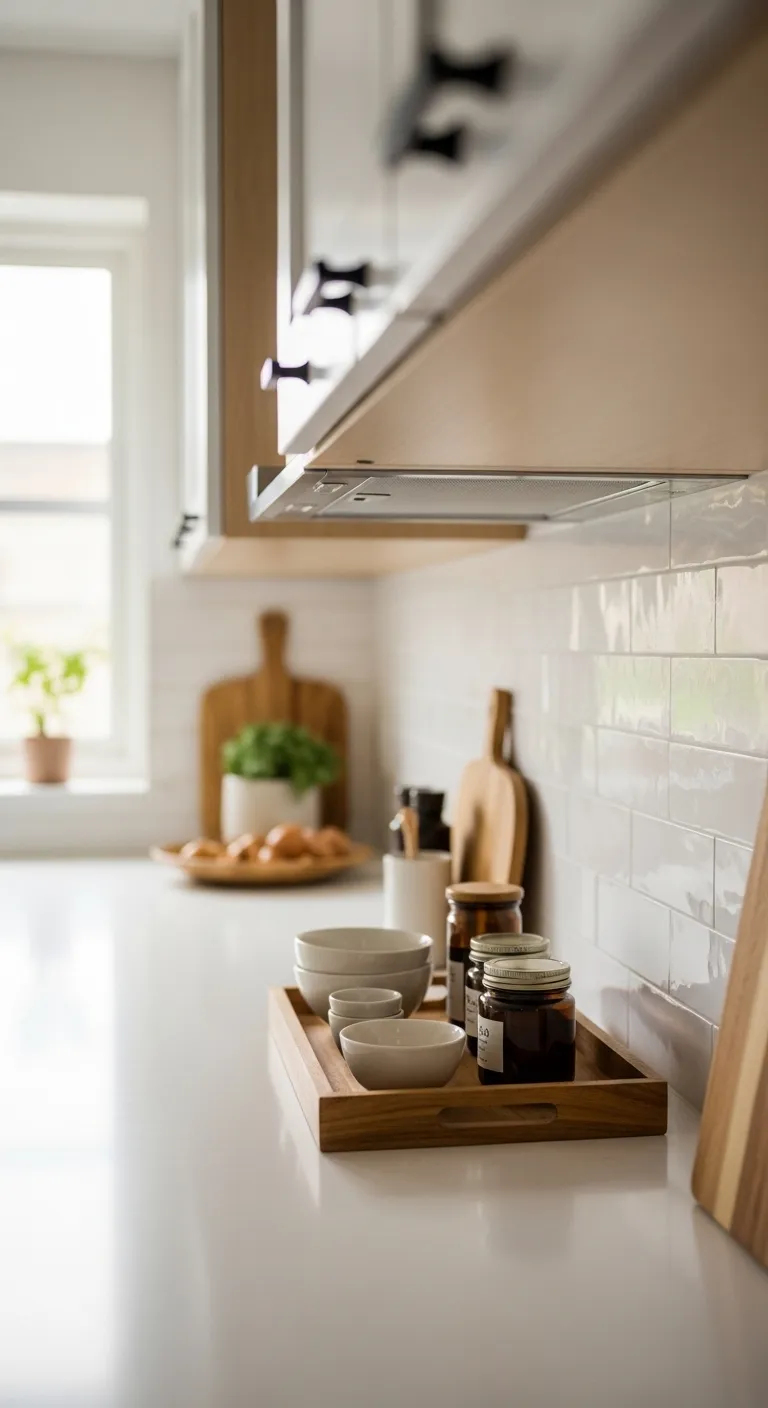
Keep your kitchen feeling open and relaxed by choosing decor that stays low and close to surfaces. Instead of tall vases or bulky items, use shorter pieces like small ceramic bowls, low-profile trays, or compact jars. This keeps sightlines clear and allows the space to feel wider and less crowded.
Place these items in small, intentional groupings rather than spreading them everywhere. Stick to a consistent color palette so everything feels connected. Low-height decor works especially well on islands and countertops where visual clutter can build quickly. This approach creates a calm and breathable environment while still adding personality. It allows your kitchen to feel styled without interrupting flow, making the space both functional and visually balanced.
22. Blend Soft Curves with Straight Lines
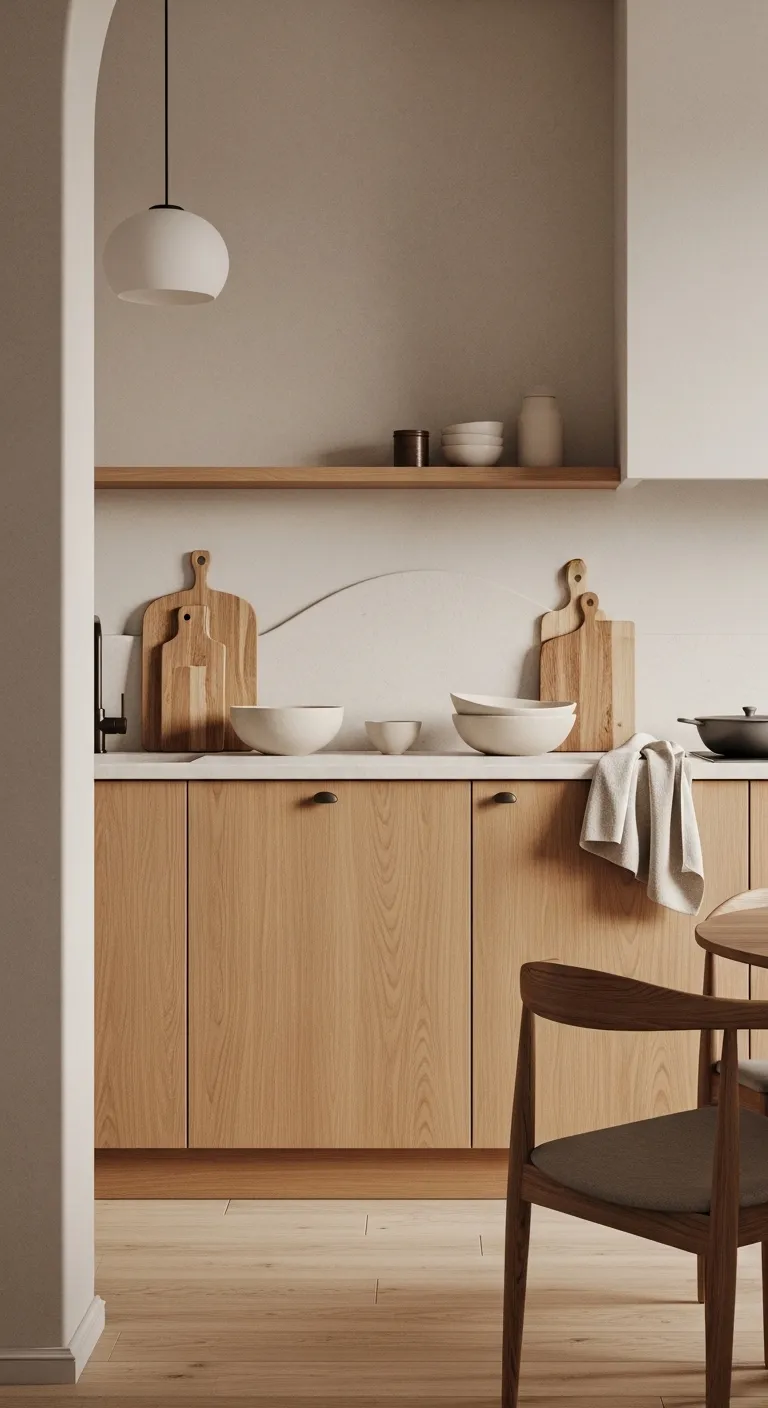
A kitchen full of sharp edges can feel stiff. Balance this by introducing soft curves through decor and furniture. Use rounded bowls, curved chair backs, or gently shaped handles to break up straight lines from cabinets and counters. Keep the curves subtle so they blend naturally with the overall design. For example, pair a rectangular table with slightly rounded edges or use arched details in small accents like mirrors or shelving supports.
This mix creates a smoother visual flow and makes the space feel more relaxed. It also adds a quiet softness that enhances the cozy atmosphere. When curves and straight lines work together, the kitchen feels more inviting and thoughtfully designed.
23. Add Depth with Layered Neutral Shades
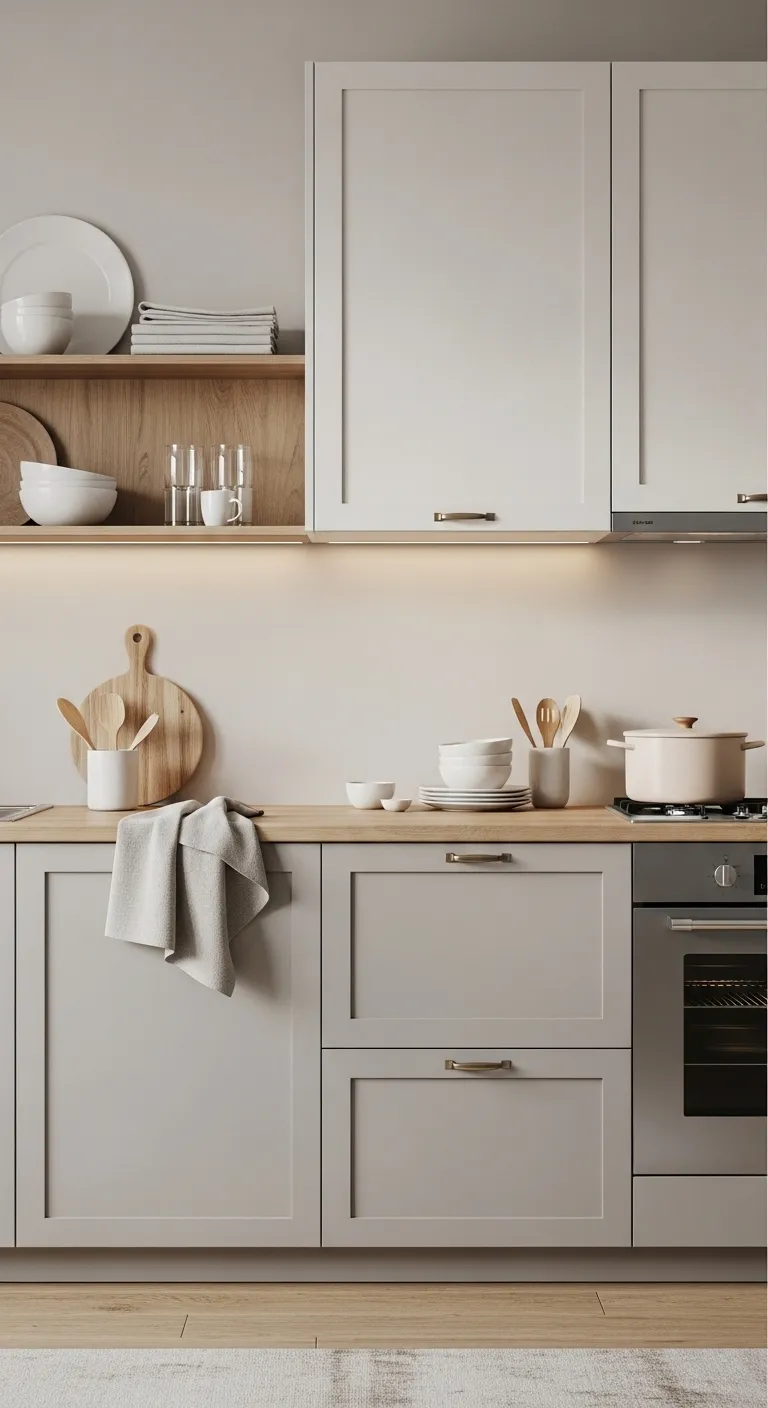
Instead of relying on one neutral color, layer multiple shades within the same palette. Combine off-white, warm beige, soft gray, and light brown to create depth without strong contrast. This keeps the space interesting while maintaining a calm look.
Apply these shades across different materials like walls, cabinets, textiles, and decor. Make sure each tone blends smoothly with the others so nothing feels out of place. Avoid sharp color breaks that can divide the space. Layering neutrals helps your kitchen feel rich and complete without needing bold colors. It also allows textures and materials to stand out more clearly. This creates a warm, cohesive environment that feels easy to live in.
24. Keep Everyday Items Visible but Organized
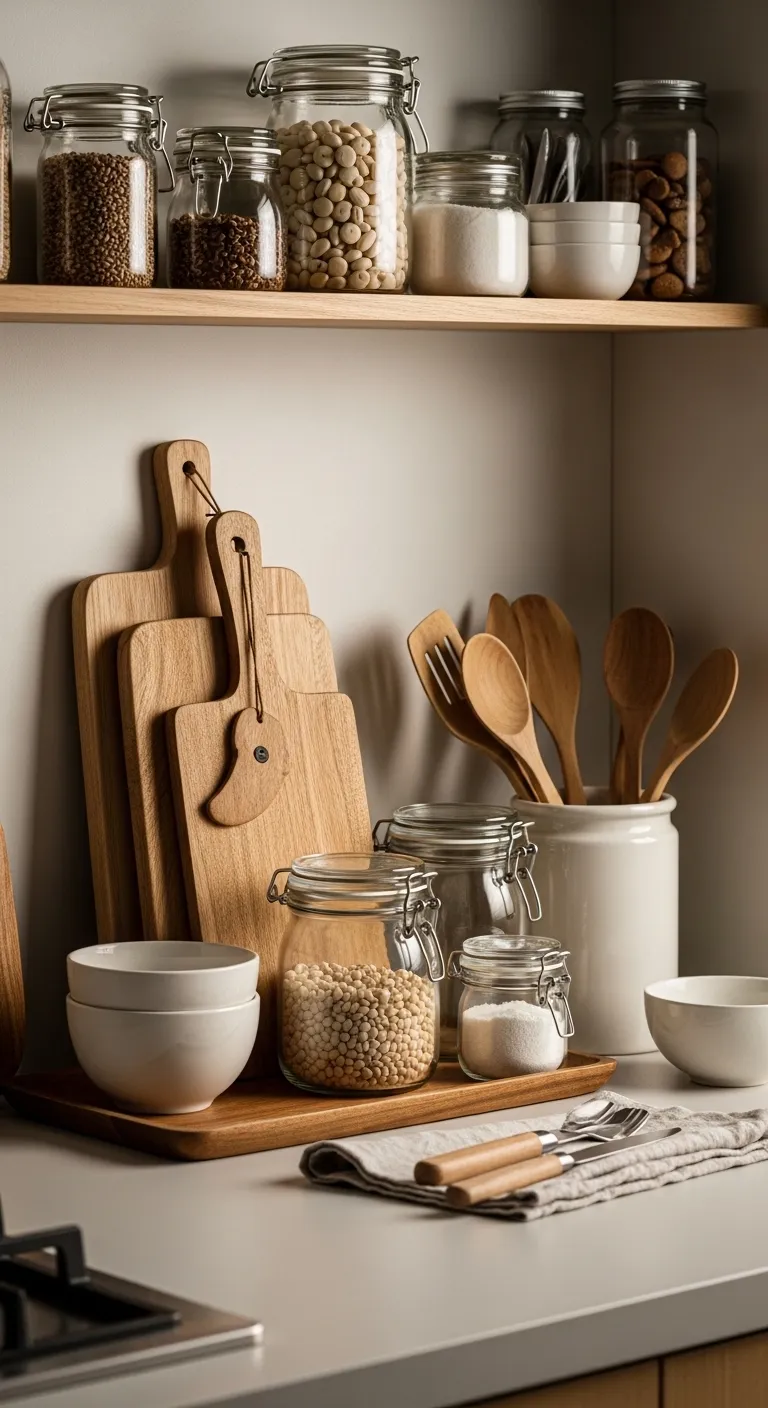
A lived-in kitchen should feel active, not empty. Keep frequently used items like cutting boards, jars, or utensils visible, but arrange them in a clean and intentional way. This adds character while maintaining order.
Group similar items together and place them on trays or in containers to avoid a scattered look. Choose materials that match your overall style, such as wood, ceramic, or glass. Leave some empty space around these groups so the area feels balanced. This method allows your kitchen to feel functional and personal at the same time. It shows daily use without creating clutter, helping the space stay practical while still looking visually pleasing.
25. Let Natural Light Shape the Mood
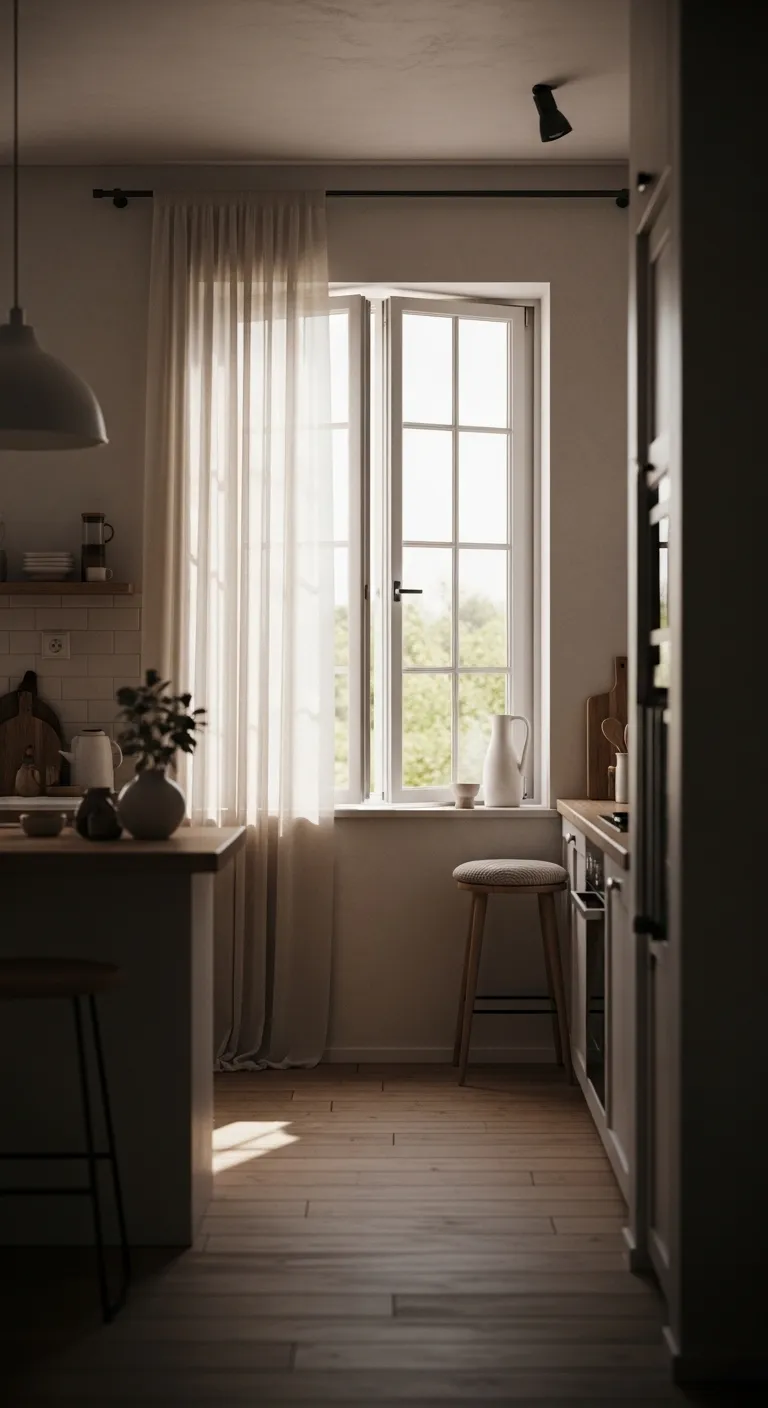
Natural light plays a major role in how your kitchen feels throughout the day. Keep windows as open as possible by using light, breathable curtains or no coverings at all. This allows sunlight to move freely and highlight textures and colors.
Place reflective but soft materials like ceramics or light wood near windows to enhance brightness without glare. Arrange key areas like prep spaces or seating where they can benefit from daylight.
Natural light changes the look of your kitchen from morning to evening, adding depth and warmth without extra effort. A well-lit space feels more welcoming and comfortable, making it easier to enjoy everyday moments in your kitchen.
Conclusion
Creating a warm and inviting space with boho farmhouse kitchen ideas is all about balance, texture, and thoughtful details. By layering natural materials, soft colors, and practical elements, you can design a kitchen that feels relaxed and personal without losing functionality.
Each idea in this guide focuses on simple changes that make a real impact, from lighting and layout to textures and everyday styling. You do not need a complete renovation to achieve this look. Small, intentional updates can transform how your kitchen feels and functions.
Start with a few ideas that fit your space and build from there. Save the ones you love, try them step by step, and create a kitchen that truly feels like home.