30 Aesthetic Room Decor Ideas That Make Your Space Feel Calm and Beautiful
Your room should feel like your own world the moment you walk in. Not perfect, not expensive, but calm, beautiful, and you. That’s what makes aesthetic room decor ideas so powerful. They turn simple spaces into something warm, expressive, and visually satisfying without needing a full makeover.
In this guide, you’ll find ideas that go beyond basic trends. Each one focuses on mood, texture, lighting, and layout so you can actually feel the difference, not just see it. These ideas are easy to try, even if you’re working with a small room or a tight budget.
Let’s start with the first 30 ideas you can use right away.
1. Build a Multi-Layer Lighting System That Shapes the Mood
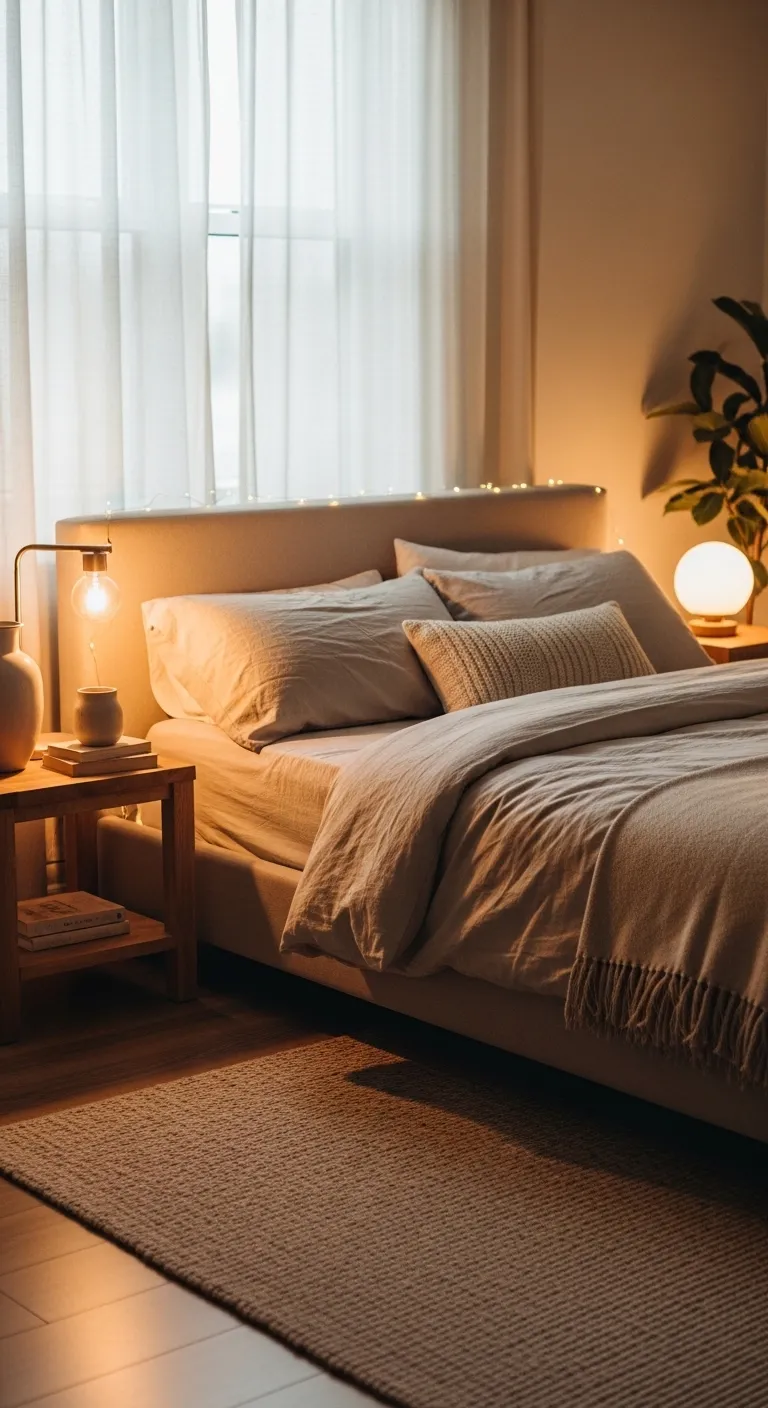
Lighting defines how your room feels more than any furniture. A single overhead light makes the space look flat and harsh. Instead, create multiple light sources at different levels to build depth and softness. Place a warm table lamp near your bed for focused light, add a floor lamp in a corner to remove shadows, and use subtle LED strips or fairy lights behind furniture to create a background glow. Warm white lighting works best because it softens the room and reduces eye strain. You can also use dimmable lights to adjust brightness depending on your mood. This layered setup turns your room into a calm and flexible space where lighting supports both relaxation and productivity.
2. Let Natural Light Become Part of Your Decor
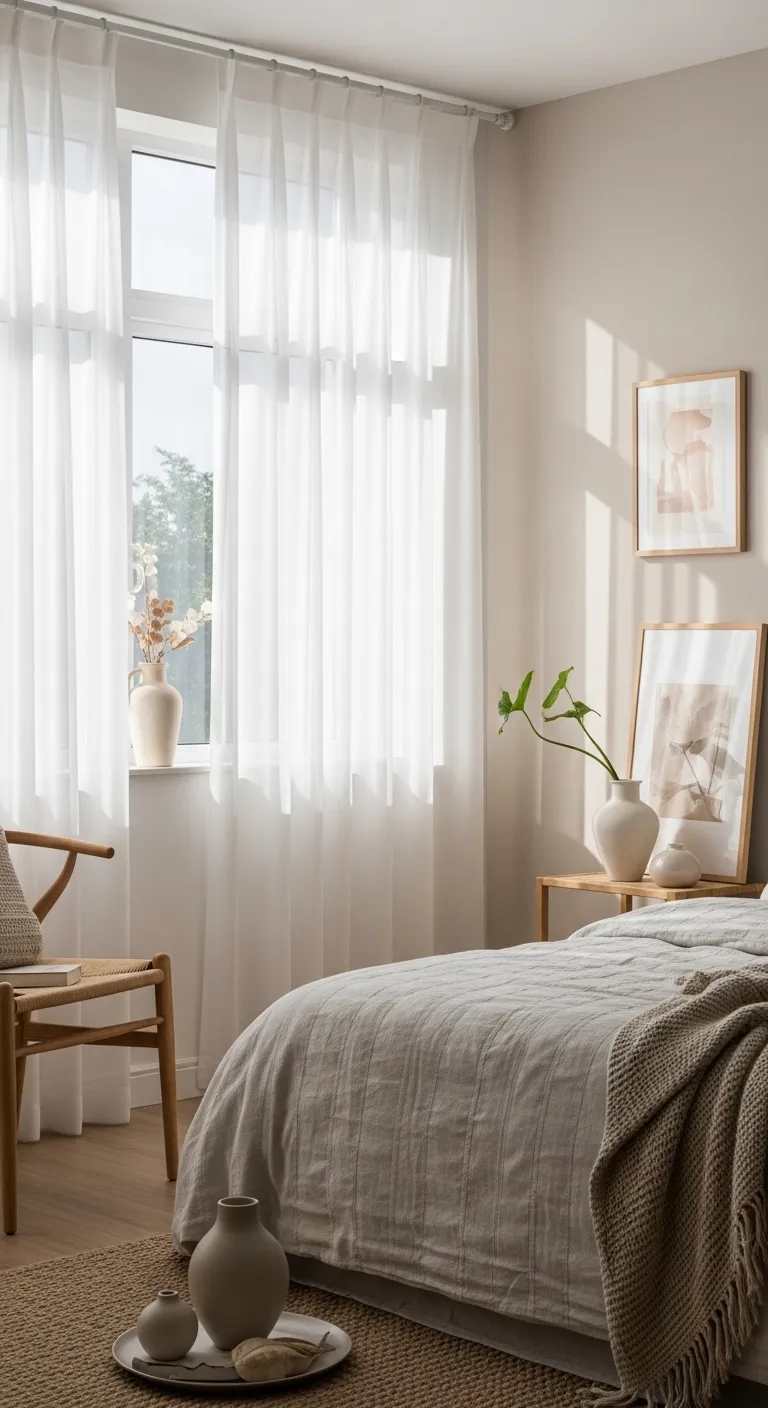
Natural light should be treated as a design element, not just a necessity. Heavy curtains block light and make your room feel smaller. Replace them with sheer or lightweight fabrics that allow sunlight to pass through gently. This creates a soft glow across your walls and furniture. Position key areas like your bed or desk where natural light falls during the day. This helps your room feel alive as the light changes throughout the day. Light-colored curtains such as white or beige amplify brightness and make the room feel open. This simple adjustment improves both the look and the energy of your space.
3. Design a Ground-Level Relaxation Zone That Feels Intentional

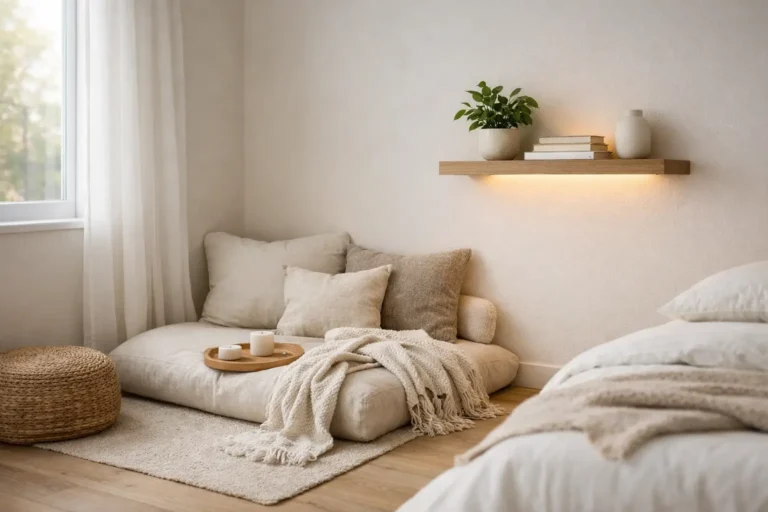
A low seating setup adds a new function to your room without taking extra space. Use a soft rug as a base and layer it with cushions, floor pillows, or a folded throw. This creates a comfortable area where you can relax, read, or spend quiet time. The key is combining textures. Mix cotton cushions with knitted or woven fabrics to create a cozy feel. Keep colors consistent with the rest of your room so the space feels connected. This type of setup makes your room feel more relaxed and less rigid, while also adding visual depth through different height levels.
4. Combine Natural Materials to Add Quiet Depth
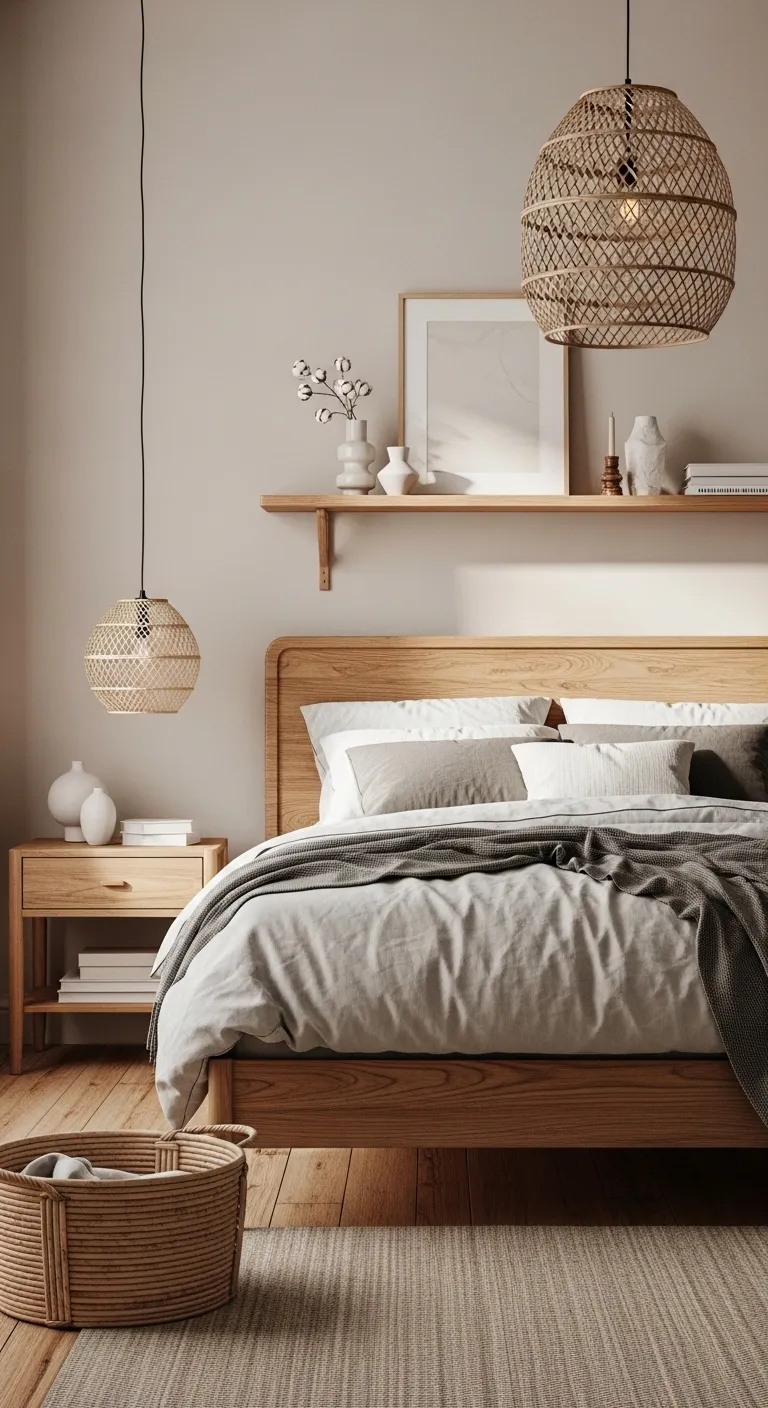
Rooms feel more balanced when they include a mix of materials. Combine wooden elements with soft fabrics like linen or cotton to create contrast. Wood brings warmth and structure, while fabrics add softness and comfort. Use earthy tones such as beige, cream, or light brown to keep everything cohesive. You can add small elements like a wooden tray, woven basket, or fabric throw to introduce variety without overwhelming the space. This combination creates a calm and grounded environment that feels natural and inviting.
5. Create a Clean Focal Wall That Guides the Eye

Instead of decorating every wall, focus on one main area that becomes the visual center of your room. This could be behind your bed or above your desk. Arrange artwork, prints, or photos in a structured and balanced way so the eye naturally moves toward it. Maintain equal spacing between items to keep the layout clean. Choose a consistent color palette so everything feels connected. A well-designed focal wall makes your room look organized and intentional without adding clutter.
6. Use Mirrors to Expand Light and Space
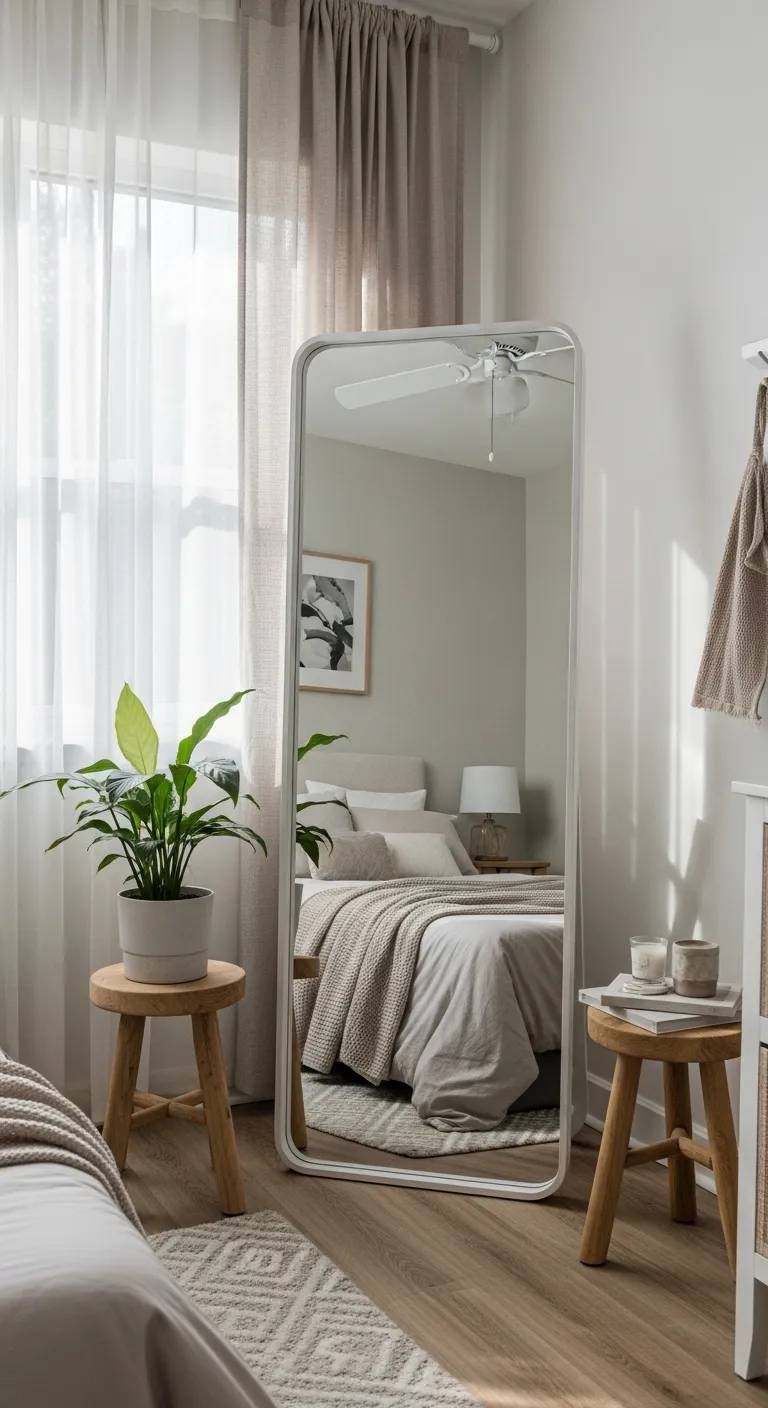
Mirrors are one of the most effective tools for making a room feel bigger and brighter. Place a mirror where it can reflect natural light, such as opposite a window or near a light source. This helps distribute light across the room. A full-length mirror adds both function and style, while smaller mirrors can act as decorative elements. Positioning matters more than size. When used correctly, mirrors create the illusion of depth and openness, especially in smaller rooms.
7. Build a Neutral Base and Add Controlled Color Accents

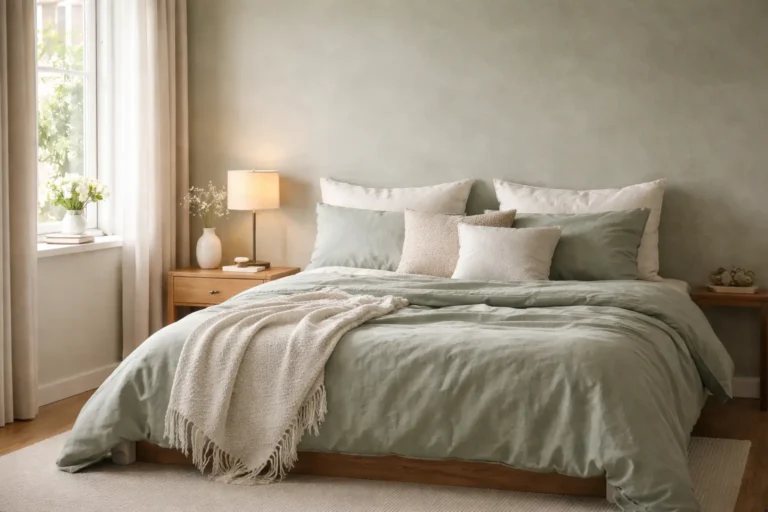
Start with a neutral foundation using colors like white, beige, or soft gray. This creates a calm background that makes your room feel clean and spacious. Once the base is set, add small accents of color through cushions, throws, or decor items. Choose muted tones like sage green, dusty pink, or soft blue so they blend naturally with the neutral base. This approach allows you to update your room easily by changing small elements instead of redesigning everything.
8. Style Open Shelves with Balance and Breathing Space
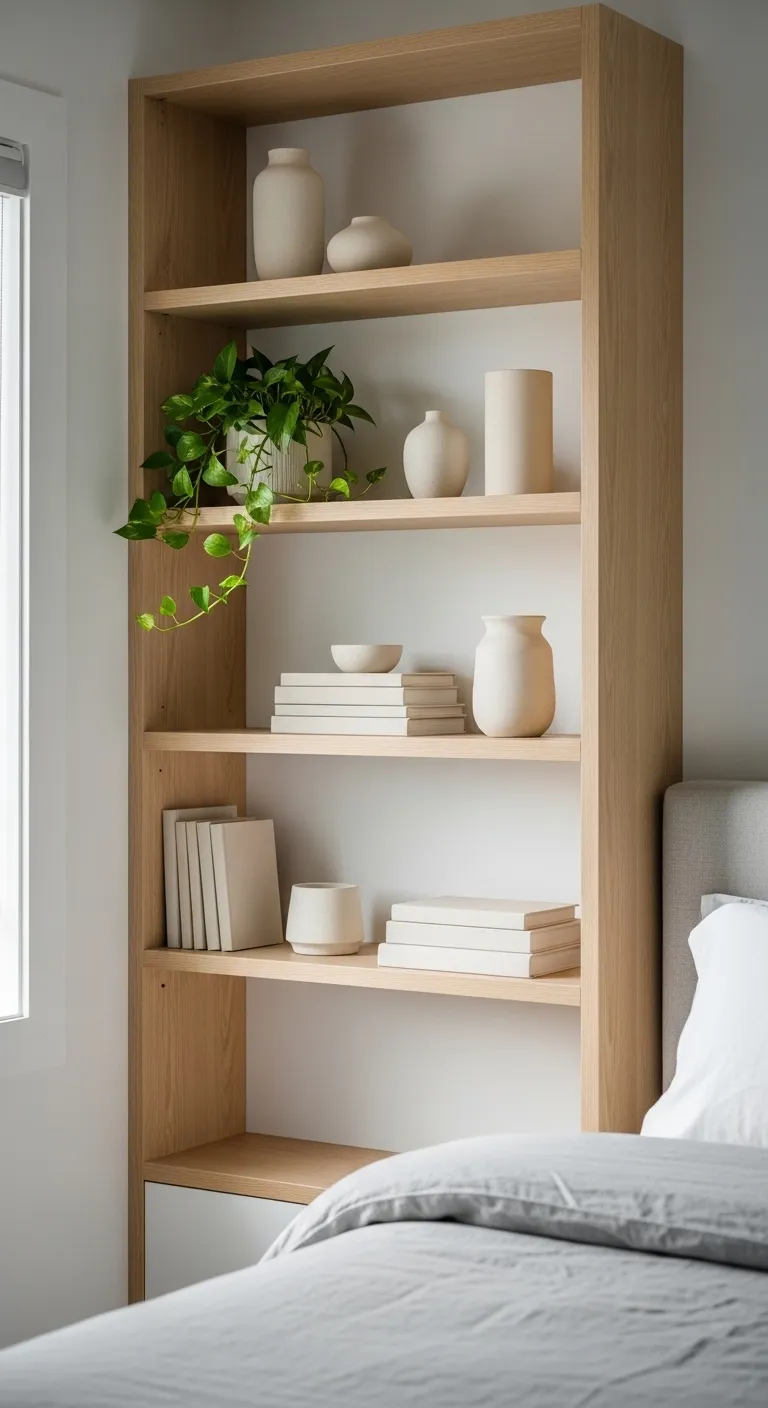
Open shelves should look curated, not crowded. Instead of filling every inch, arrange items with space in between so each piece stands out. Combine books, small decor items, and plants to create variety. Use groups of two or three items to keep the arrangement natural. Leave some empty areas to avoid visual overload. This approach makes your shelves feel organized and intentional rather than messy.
9. Add Indoor Plants to Introduce Freshness

Plants bring life and movement into your room. Even one or two plants can change the overall feel by adding natural color and texture. Place them near windows, on shelves, or beside your bed. Choose low-maintenance plants if you want something easy to manage. The green tones create a refreshing contrast against neutral backgrounds and make the space feel more alive and balanced.
10. Use Rugs to Define Areas and Add Warmth
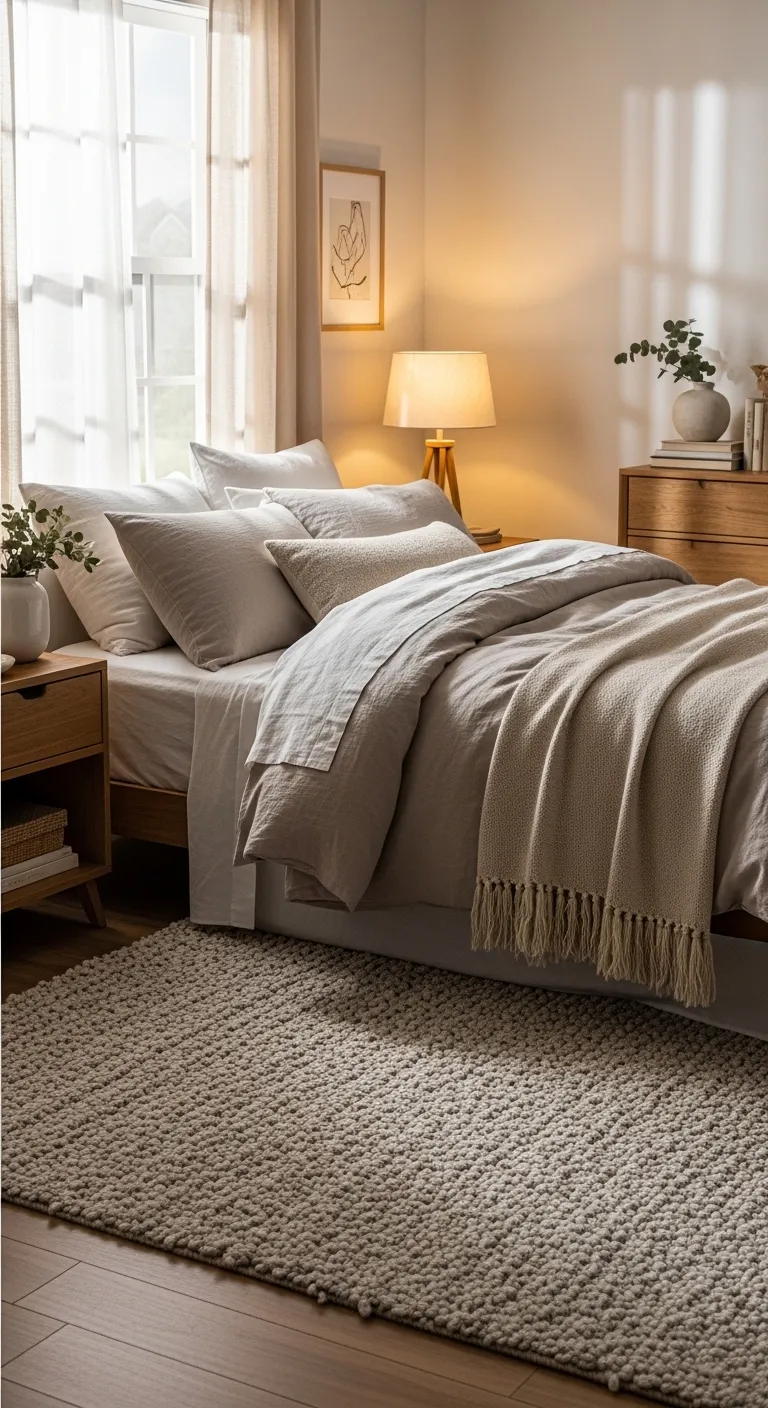
Rugs help structure your room and make it feel complete. Place a rug under your bed or in a seating area to define that space visually. This creates clear zones within your room without adding walls or furniture.Choose soft textures to make the space feel comfortable. Layering rugs can also add depth and interest. Stick to colors that match your overall palette so everything feels connected and cohesive.
11. Use Vertical Space to Add Style Without Crowding
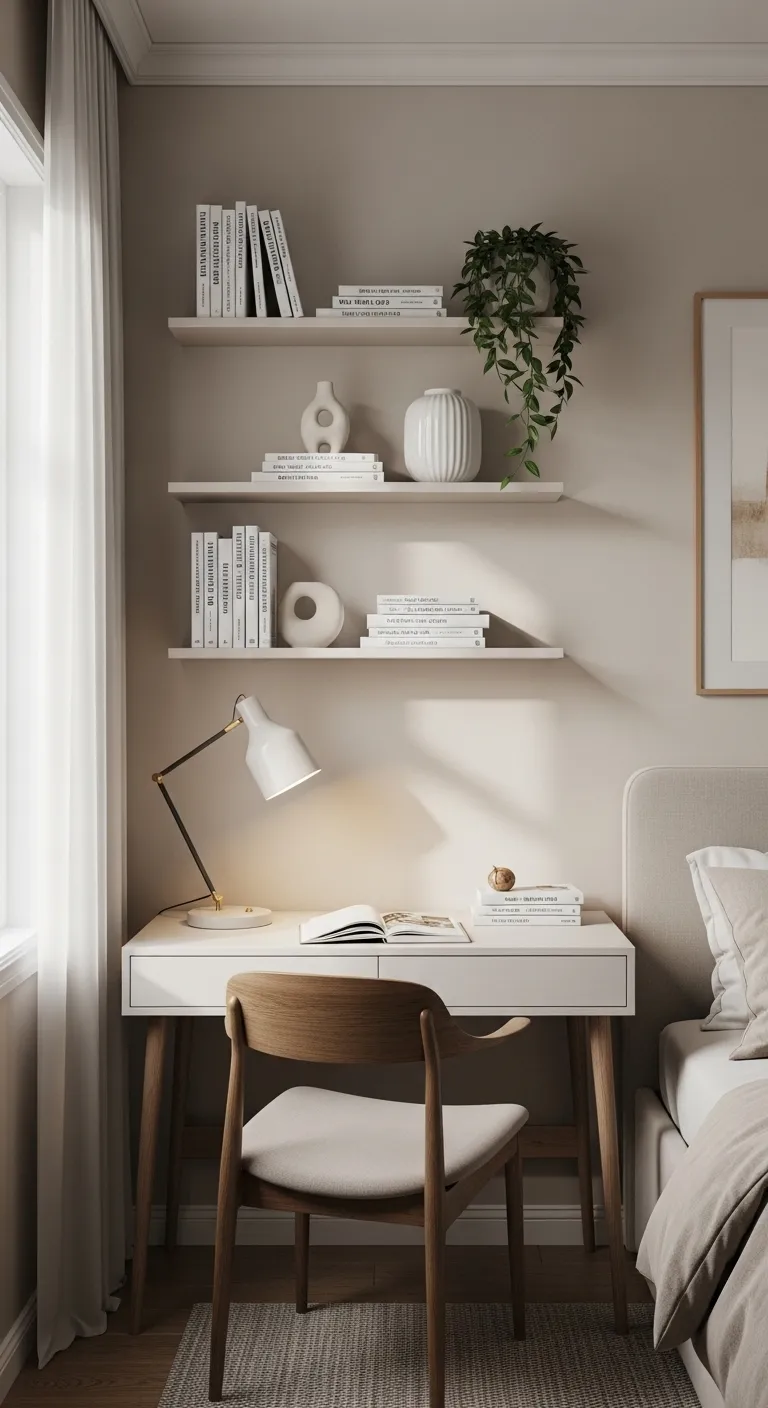
When floor space feels limited, the smartest move is to design upward. Most rooms waste vertical space, leaving walls empty while surfaces become cluttered. Install slim shelves, hanging organizers, or vertical grids to shift attention upward and free your floor. The key is keeping it visually light. Use thin wooden shelves or metal frames so the wall does not feel heavy. Place a mix of books, small decor pieces, and one or two hanging elements like a plant or fabric piece. Keep spacing consistent so everything looks aligned. This approach makes your room feel taller, cleaner, and more structured without adding bulk.
12. Create a Soft Bed Layering System That Feels Inviting
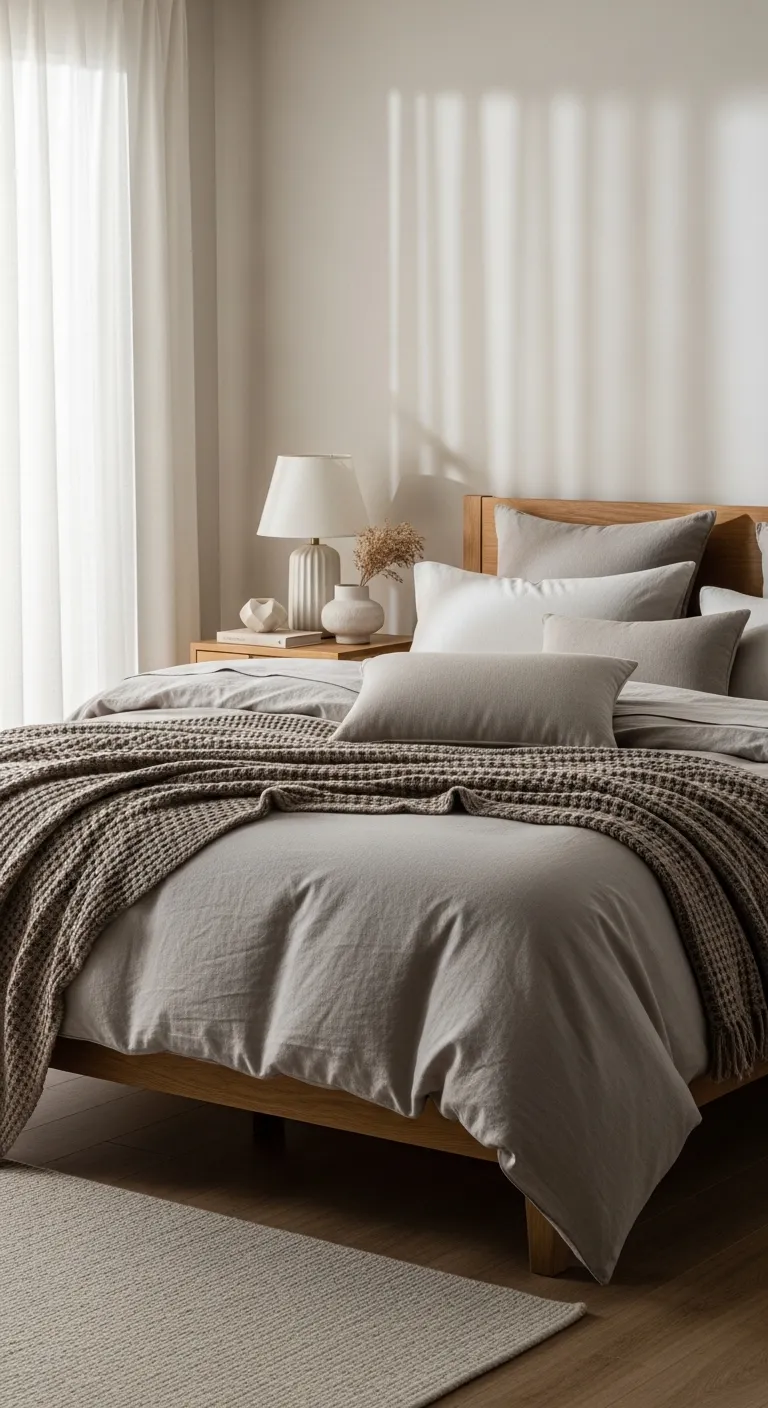
Your bed is the largest visual element in your room, so it should feel rich and comfortable, not flat. Instead of using a single bedsheet and pillow, build layers that add depth. Start with a neutral base sheet, then add a slightly textured blanket, followed by a throw in a different fabric. Use two to four pillows in varying sizes to create a balanced arrangement. Mix textures like cotton, knit, or velvet while keeping colors in the same palette. This layering creates a soft, hotel-like feel that instantly upgrades your room without changing furniture.
13. Introduce One Unexpected Material for Contrast
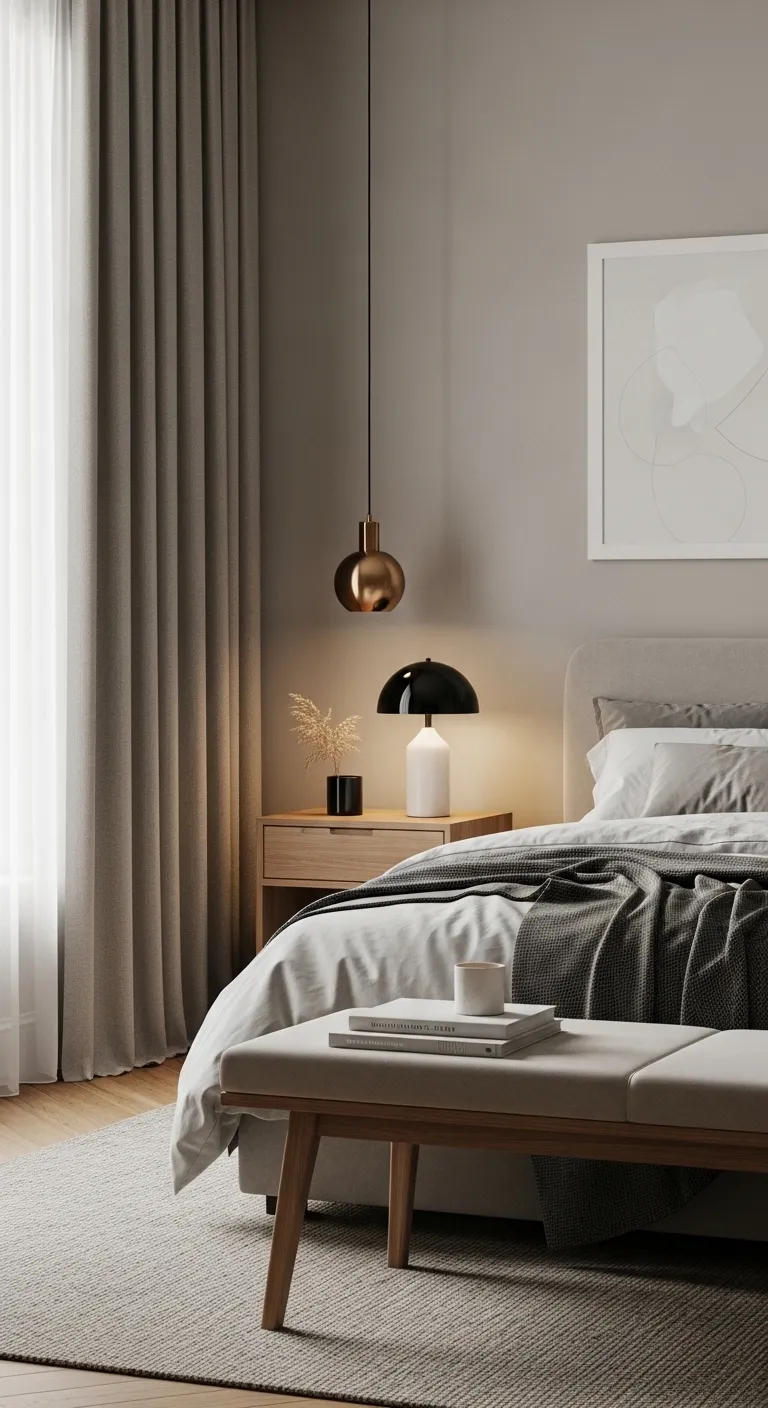
Aesthetic rooms often feel too safe when everything matches perfectly. Adding one unexpected material creates interest without disrupting harmony. For example, if your room is mostly soft and neutral, introduce a metal lamp, a glass decor piece, or even a slightly raw wooden element. This contrast adds character and prevents the space from looking overly styled or predictable. The key is control. Use only one or two contrasting elements so they stand out without overpowering the room. This small shift creates a more dynamic and visually engaging space.
14. Use Scent as Part of the Room Experience
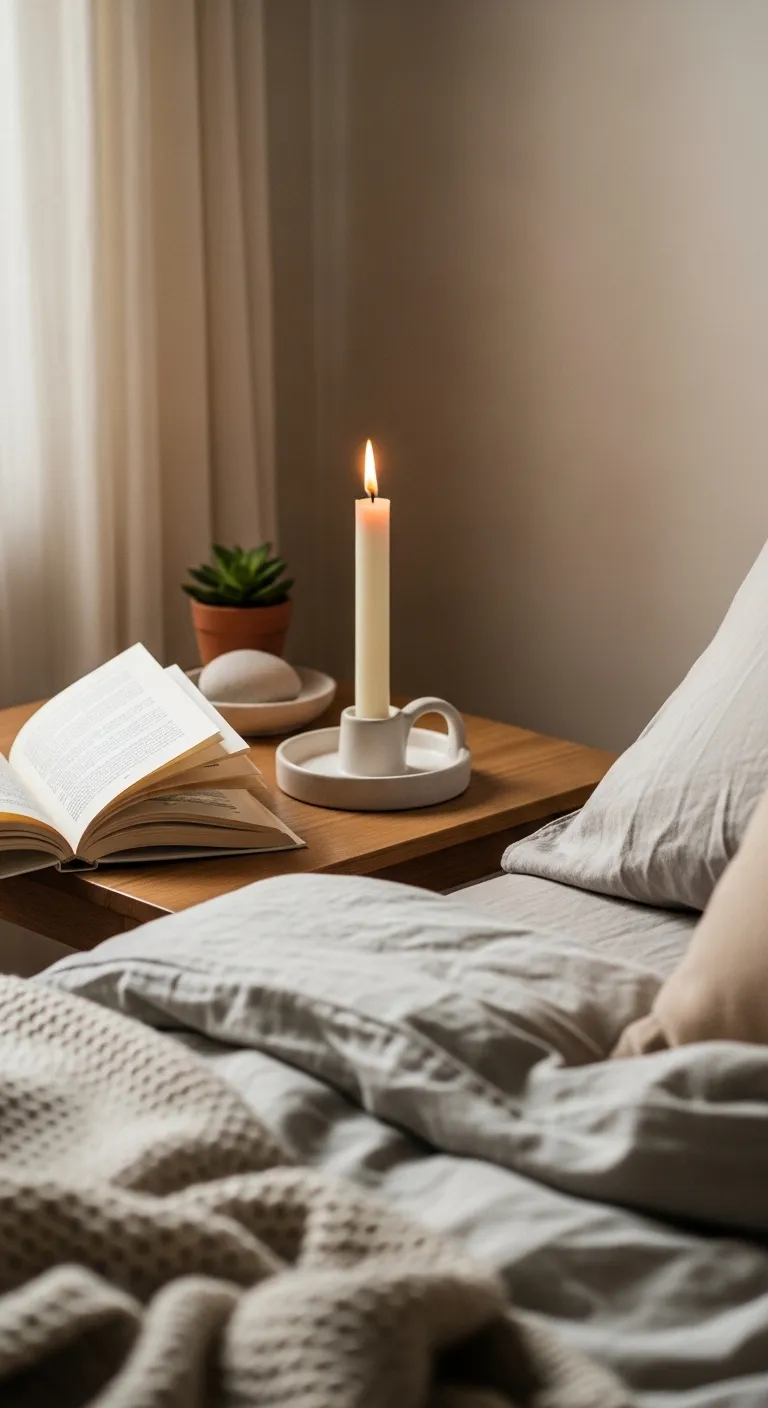
Aesthetic design is not only visual. It also includes how your space feels overall. Adding a subtle scent can completely change the mood of your room. Use candles, diffusers, or incense to introduce calming fragrances like vanilla, lavender, or sandalwood. Place them in areas where the scent can spread naturally but not feel overwhelming. A consistent scent creates a signature feel for your room, making it more personal and memorable. This detail is often ignored, but it plays a strong role in how comfortable your space feels.
15. Keep Surfaces Partially Empty for a Clean Look
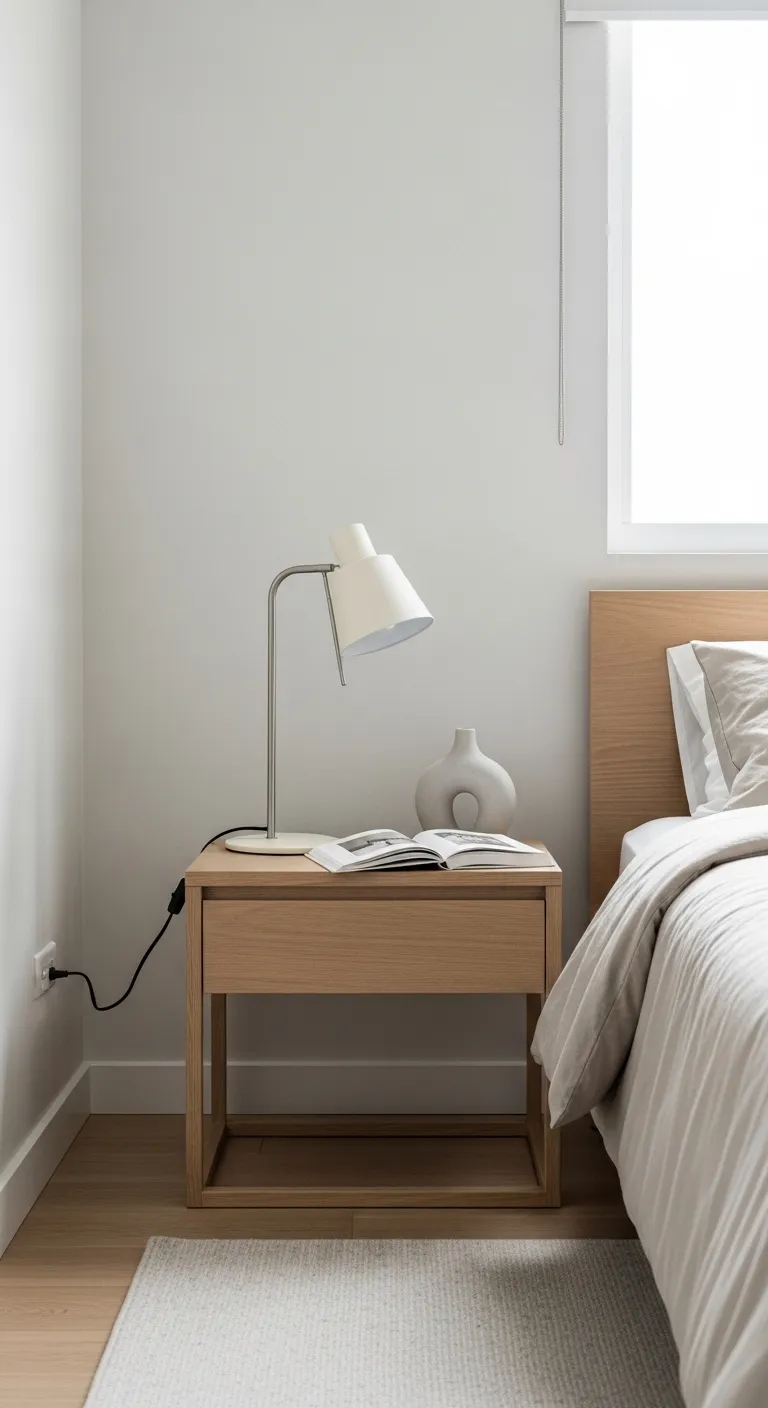
Many people think adding more decor makes a room aesthetic, but the opposite is often true. Leaving some surfaces empty creates breathing space and makes your decor stand out more. Instead of filling every table or shelf, choose a few meaningful items and let them shine. For example, a bedside table can hold just a lamp, a book, and one small decor piece. This creates balance and prevents visual overload. Empty space is not wasted space. It is what makes your room feel calm and organized.
16. Use Fabric to Soften Hard Edges in the Room
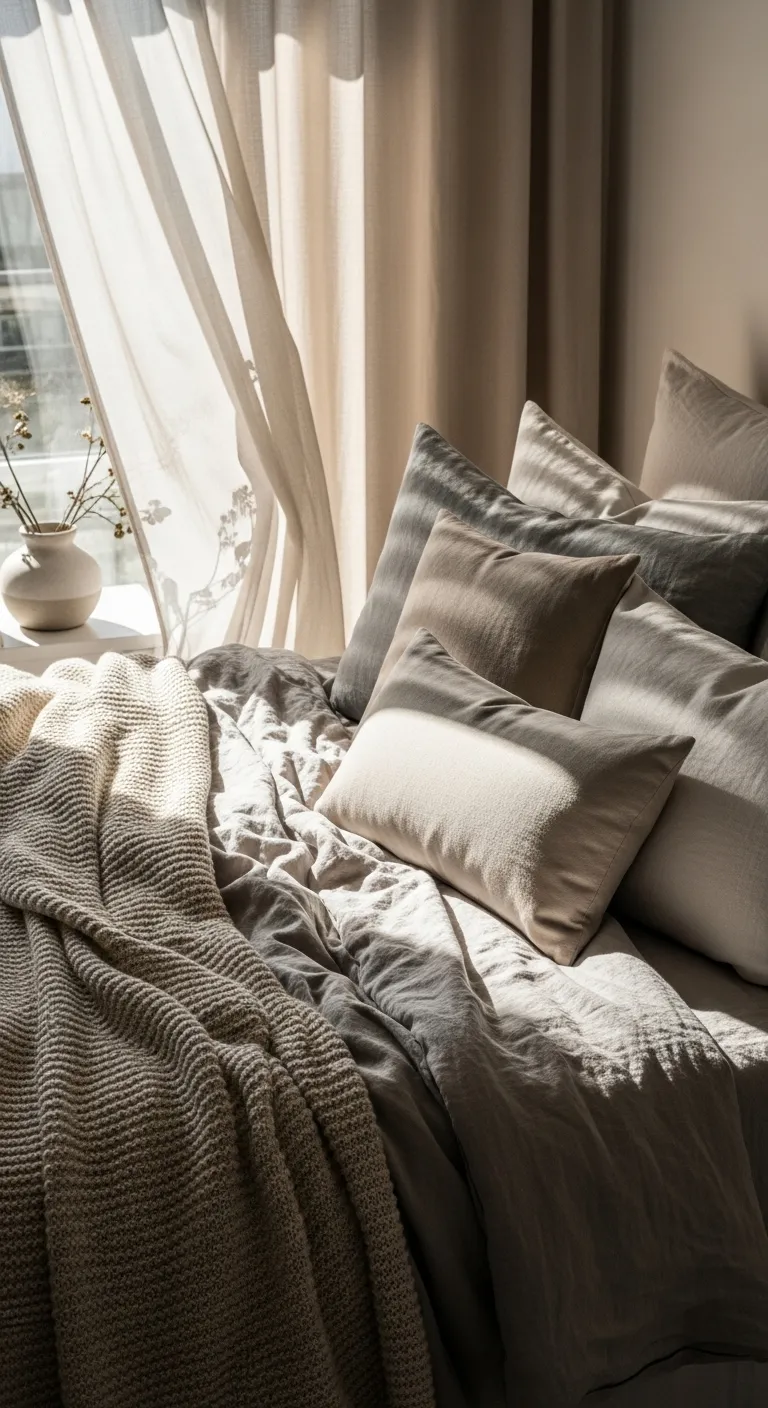
Rooms with too many hard surfaces like walls, furniture, and floors can feel cold. Adding fabric elements helps soften these edges and create a more comfortable environment. Use curtains, throws, cushions, or even a fabric wall hanging to introduce softness. Focus on areas that feel too sharp or empty. A simple fabric drape over a chair or bench can change how the entire corner feels. Choose soft textures and neutral tones to maintain a cohesive look while improving comfort.
17. Design a Small Personal Display Area

Instead of spreading personal items across the room, create one dedicated area for them. This could be a small shelf, a corner of your desk, or a section of your wall. Display items like photos, small keepsakes, or meaningful objects in a clean arrangement. This keeps your room organized while still reflecting your personality. Limit the number of items so the space feels curated rather than cluttered. A focused display area creates emotional connection without affecting the overall balance of the room.
18. Use Light Shadows to Add Depth to Plain Walls
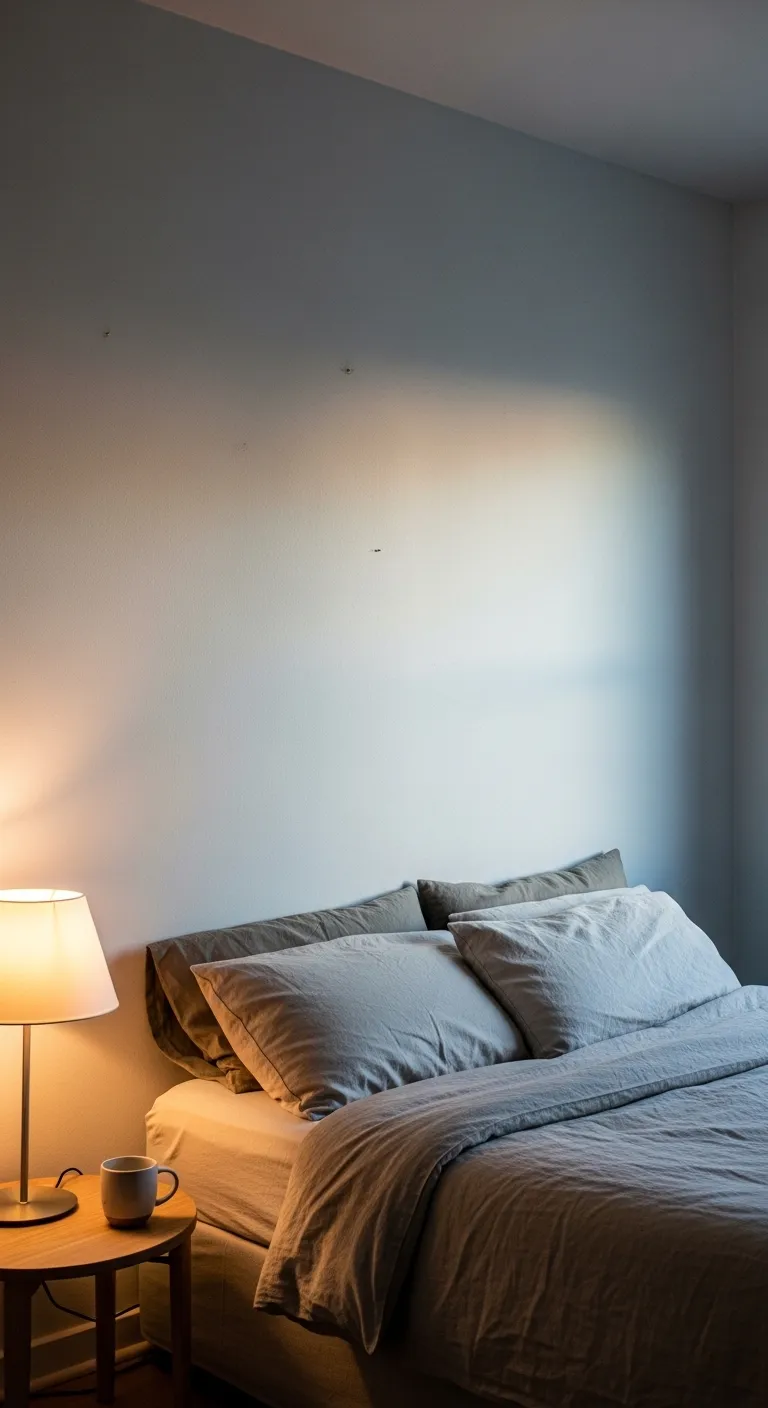
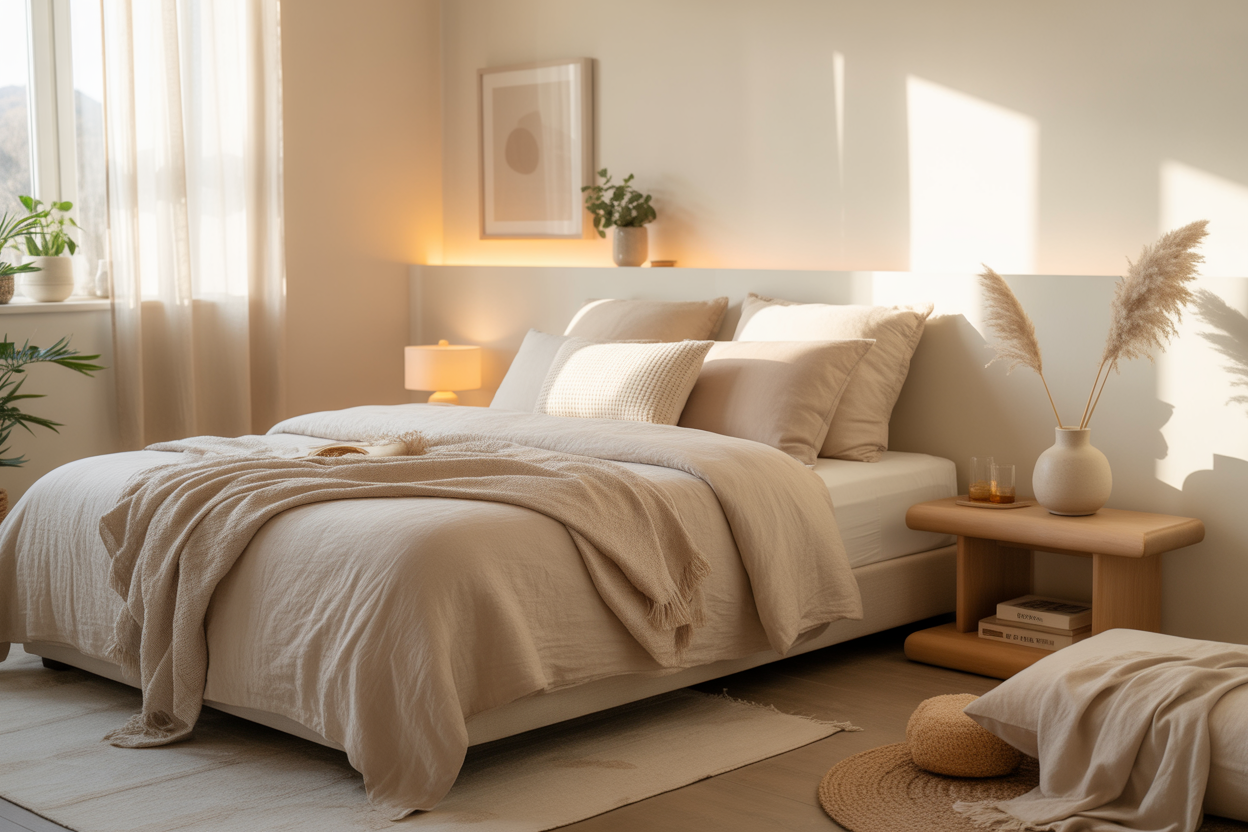
Flat walls can feel lifeless even when painted in good colors. Instead of adding more decor, use lighting to create soft shadows that add depth. Place a lamp near a wall or use indirect lighting to cast gentle patterns and gradients. This technique works especially well in neutral rooms. The shadows create visual interest without adding physical objects. It also changes throughout the day, giving your room a more dynamic feel. This is a subtle but powerful way to elevate your space.
19. Rearrange Furniture to Improve Flow Instead of Adding More
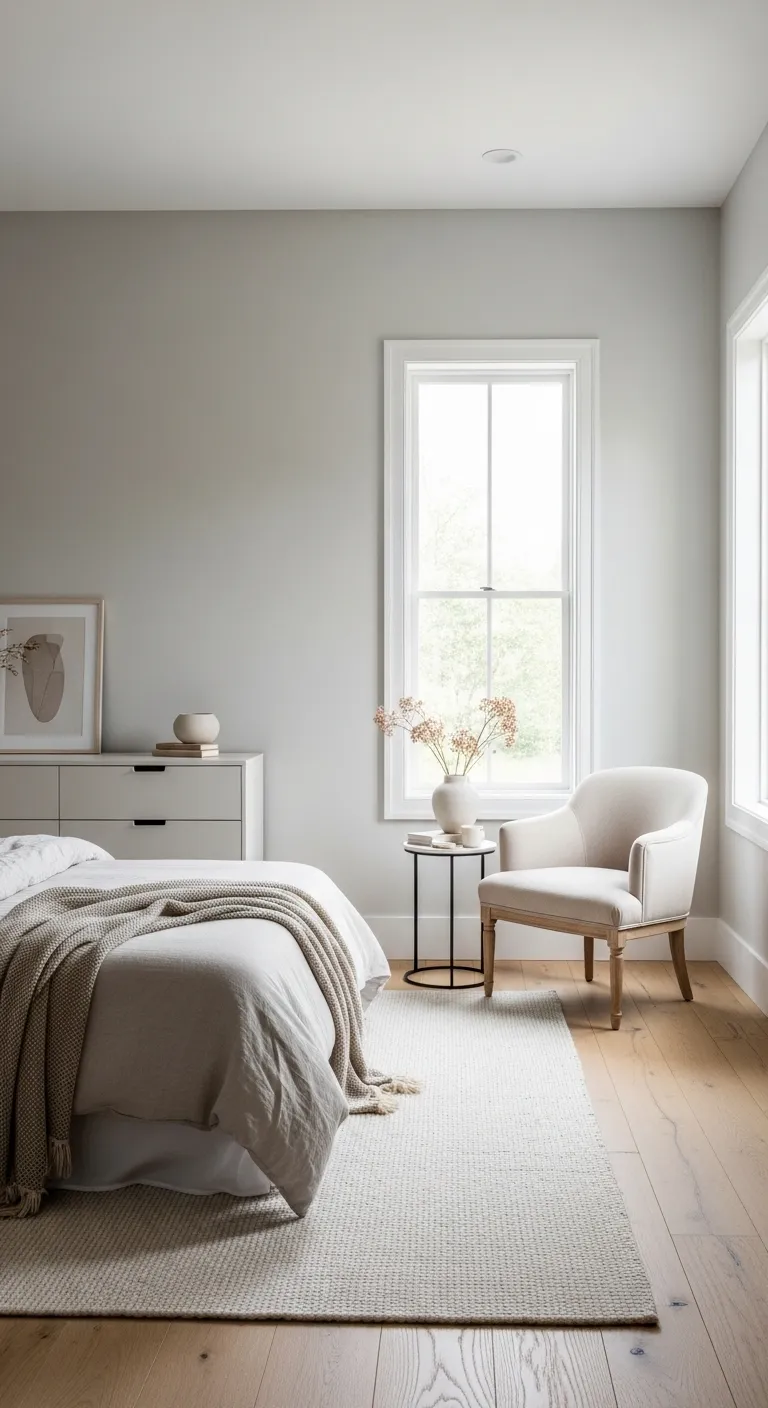
Sometimes your room does not need more decor. It needs a better layout. Move your furniture to create smoother movement and better balance. Avoid pushing everything against the walls. Instead, create small zones where each area has a clear purpose. For example, angle a chair slightly or shift your bed to create space for a small corner setup. This makes your room feel more intentional and less rigid. A good layout improves both function and visual appeal without spending anything.
20. Add One Soft Statement Piece That Anchors the Room
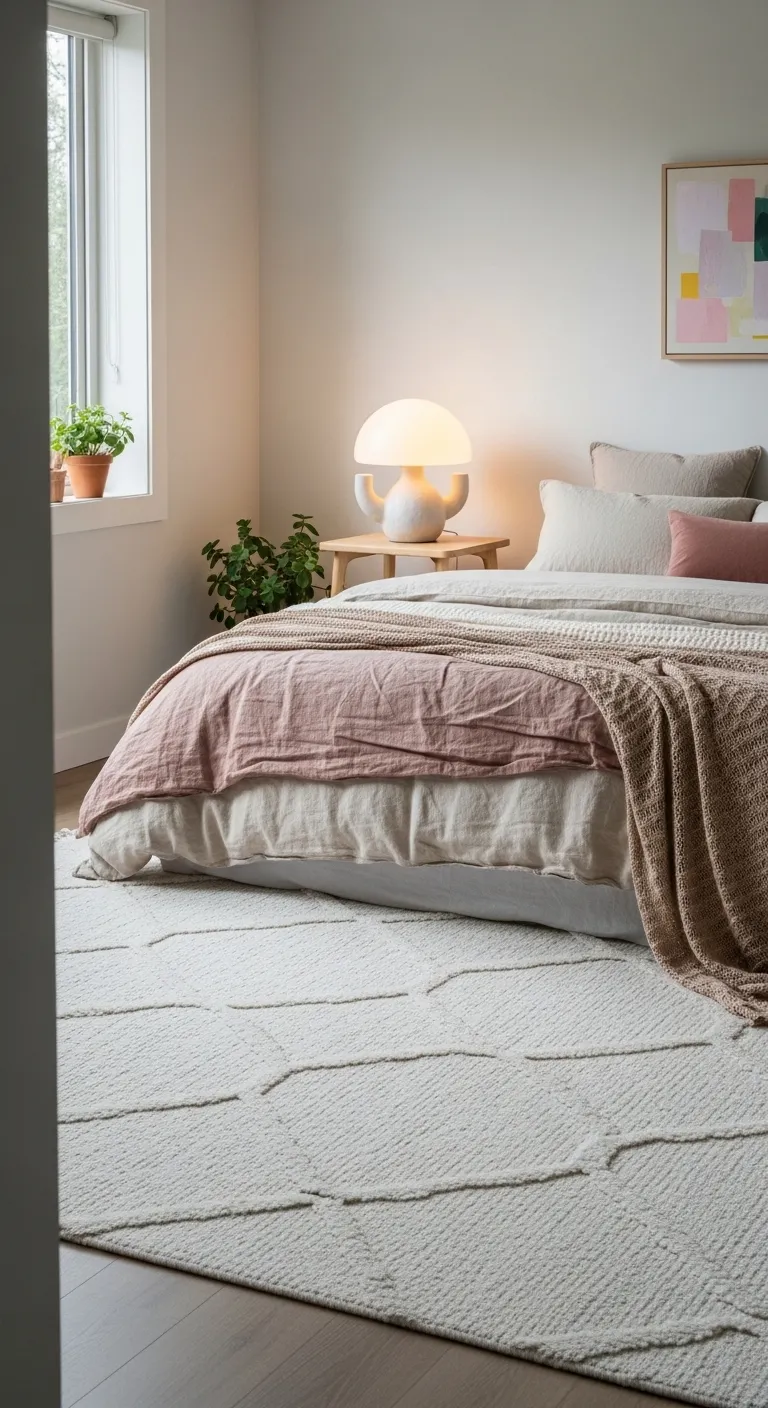
Every aesthetic room needs one element that quietly stands out. This could be a textured rug, a unique lamp, or a slightly bold piece of furniture. The goal is not to dominate the room but to anchor it visually. Choose something that fits your overall style but has enough presence to catch attention. Keep everything else simple so this piece can stand out naturally. This creates a focal point that ties the entire room together.
21. Create a Soft Color Gradient Instead of Sharp Contrast

A smooth color transition makes your room feel calm and visually connected. Instead of using strong, separate colors, build a gentle gradient across your space. Start with a light base like off-white or cream, then slowly introduce slightly deeper tones through bedding, curtains, and decor pieces. For example, you can move from beige to warm brown or from soft pink to muted rose across different elements. This technique removes visual breaks and creates flow, which makes your room feel larger and more relaxing. Keep the transitions subtle so nothing feels forced. Even small details like matching shades between pillows and rugs can support this effect. A gradient-based palette helps your room look intentional, balanced, and professionally styled without needing bold or overpowering colors.
22. Use Corners as Functional and Visual Highlights

Corners are often ignored, but they hold strong potential for both function and style. Instead of leaving them empty, turn them into small feature areas. You can place a slim chair, a floor lamp, and a soft throw to create a quiet sitting spot. Another option is adding a tall plant with a small stool or basket nearby to build height variation. The goal is to make the corner feel complete without overcrowding it. Keep the arrangement simple and balanced so it blends with the rest of the room. Corners help break the boxy feel of a space and add depth to your layout. When used correctly, they guide the eye around the room and make the entire area feel more thoughtfully designed.
23. Incorporate Subtle Patterns Without Overloading the Space
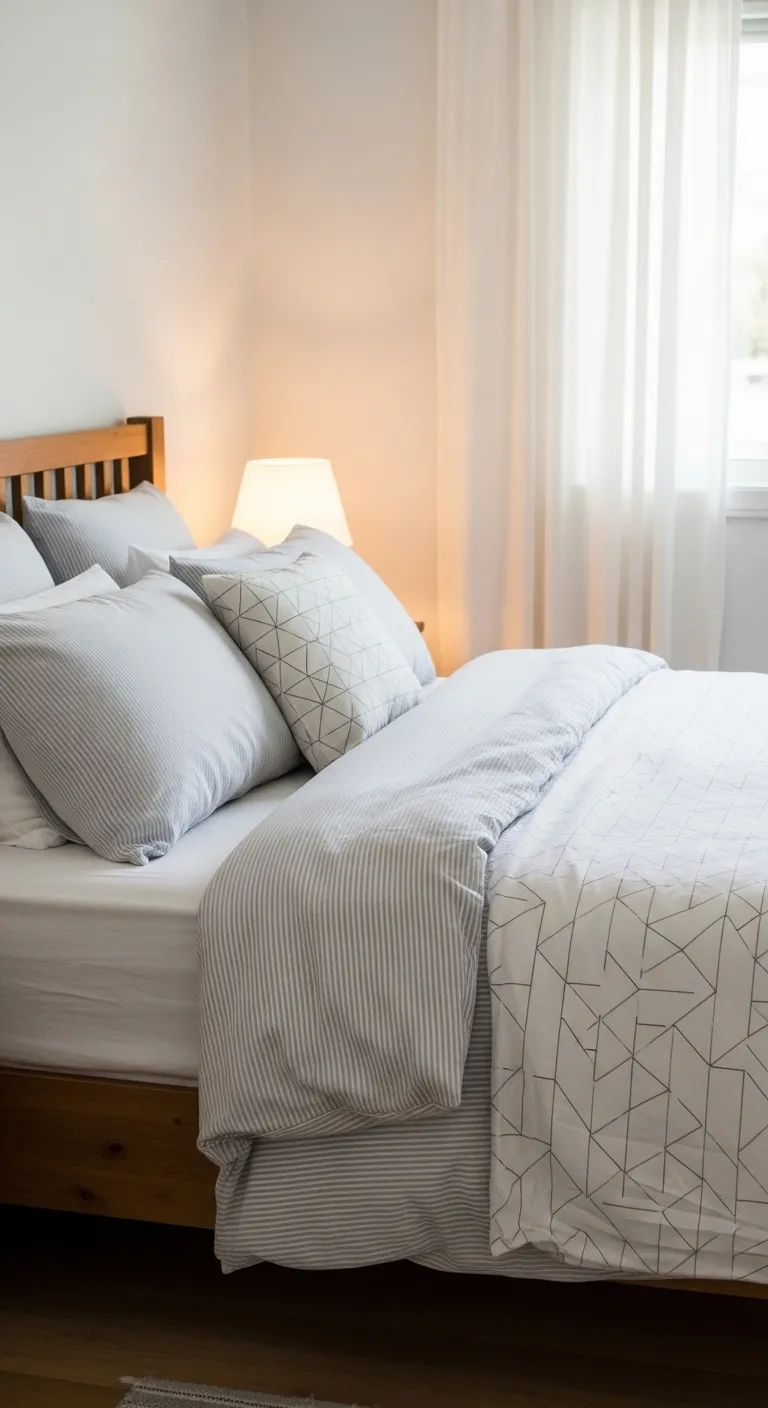
Patterns can add personality, but too many can quickly make a room feel chaotic. The key is to use subtle patterns that blend into your overall design. Choose soft stripes, small florals, or minimal geometric designs in muted colors. Add them through cushions, rugs, or bedding instead of large surfaces. Keep the color palette consistent so the patterns do not compete with each other. For example, a soft striped pillow in beige tones can add interest without drawing too much attention. This approach allows you to introduce variety while maintaining a calm and clean aesthetic. Patterns should support the room’s mood, not dominate it, which is why restraint is important.
24. Balance Empty Space with Intentional Placement
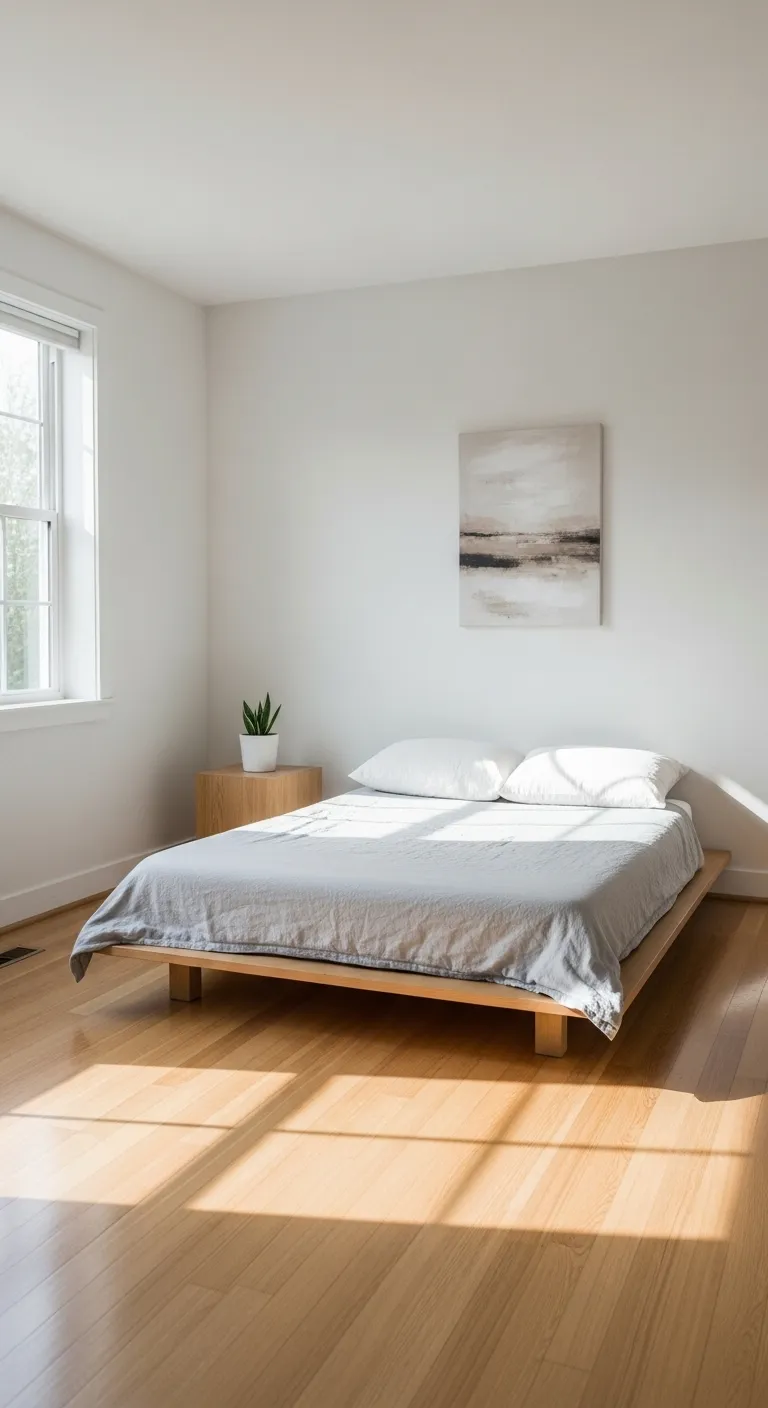
Empty space plays an important role in making a room feel calm and organized. Instead of trying to fill every area, focus on placing fewer items with more intention. Give each piece enough room to stand out so the eye can rest between elements. This creates a sense of order and clarity. For example, instead of adding multiple small items to a table, choose one or two pieces and leave the rest open. This makes the space feel lighter and more refined. Empty space also highlights textures and materials more effectively. When used properly, it enhances the overall aesthetic rather than making the room feel incomplete or lacking.
25. Use Lighting Temperature to Define Different Moods
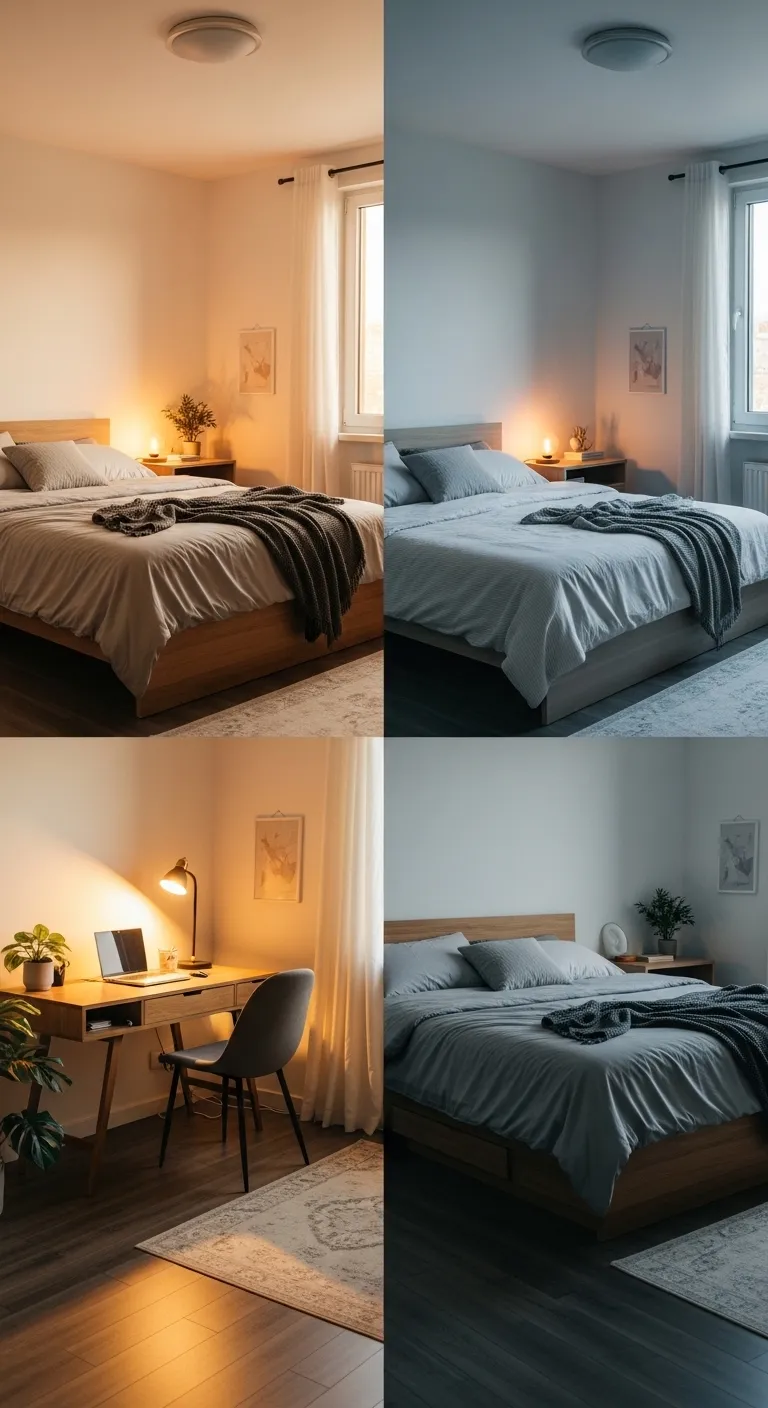
Different lighting tones can completely change how your room feels at different times of the day. Warm lighting creates a cozy and relaxing environment, while slightly cooler lighting works better for focus and productivity. Instead of using one type of light everywhere, assign different tones to different areas. For example, keep warm lights near your bed or relaxation areas and slightly neutral lights near your desk. This creates zones within your room without needing physical dividers. It also helps your body adjust naturally between rest and activity. Controlling lighting temperature adds a deeper level of design that goes beyond appearance and improves how your space functions daily.
26. Introduce Soft Movement Through Lightweight Elements
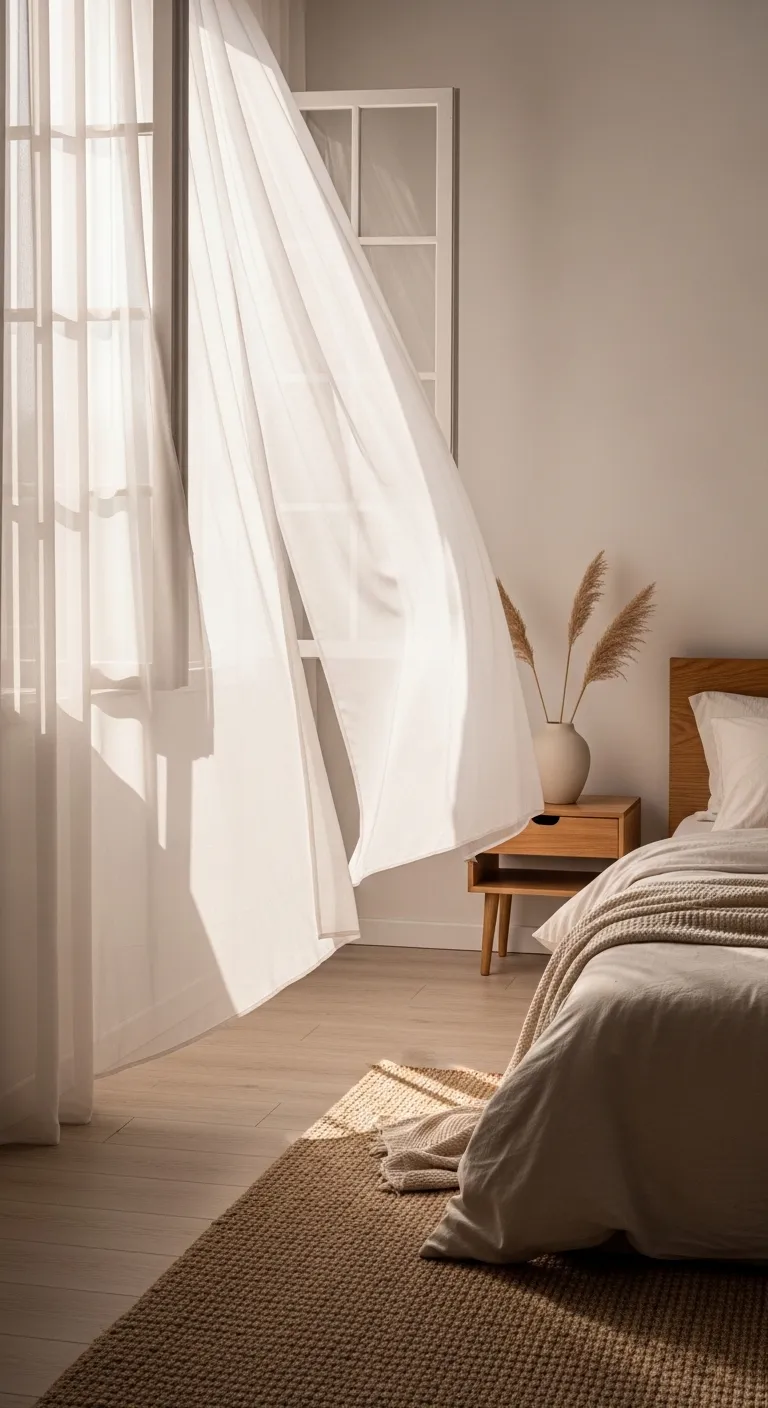
Aesthetic spaces feel more alive when there is a sense of gentle movement. You can achieve this by adding lightweight elements that respond to air and motion. Sheer curtains, light fabric drapes, or even hanging decor pieces can create this effect. When air flows through the room, these elements move slightly, adding a dynamic quality without being distracting. This works especially well near windows or open areas. Choose soft and neutral fabrics so the movement feels calming rather than busy. This small detail makes your room feel more natural and less static, improving both its look and atmosphere.
27. Keep Cables and Small Items Visually Hidden
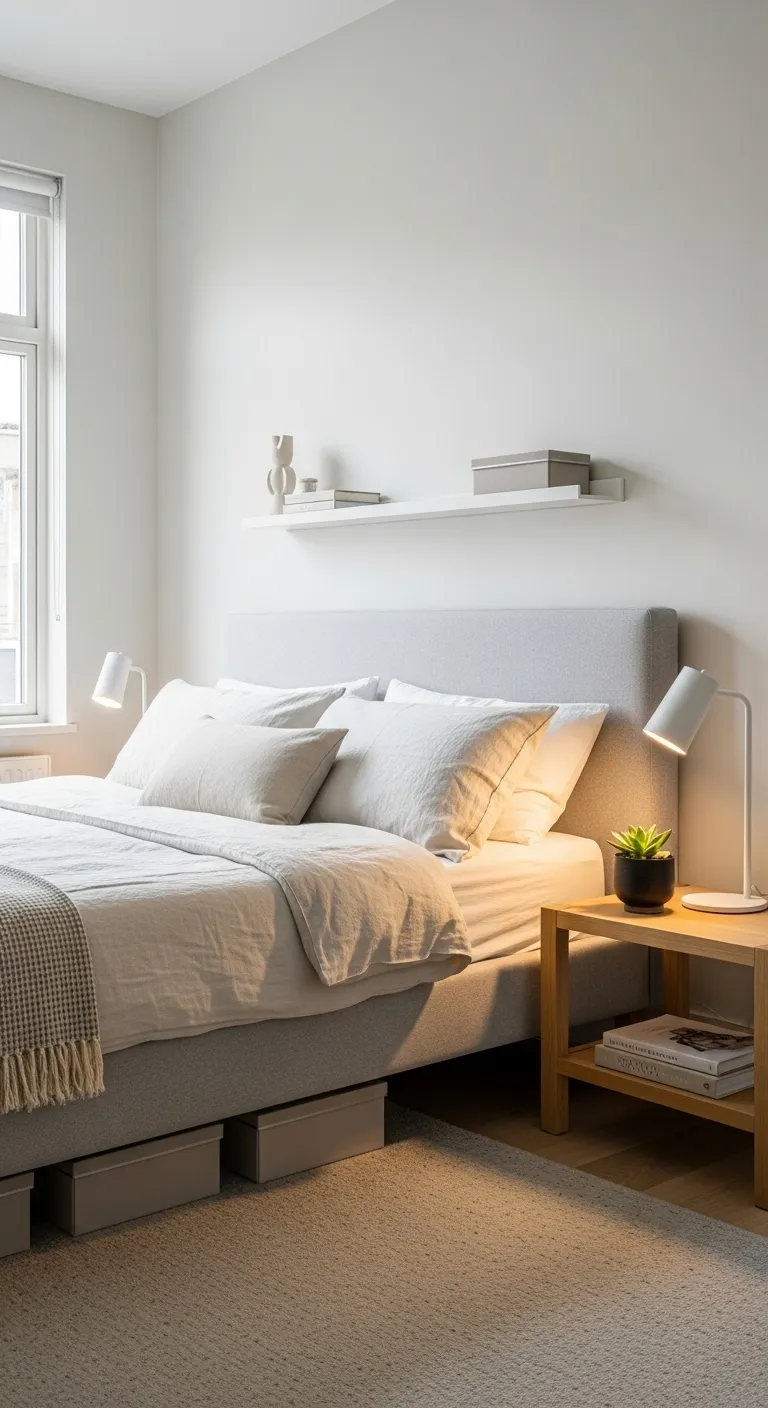
Visible clutter, especially cables and small scattered items, can quickly ruin the aesthetic of a room. Even if your decor is well designed, these details break the visual flow. Use simple solutions like cable organizers, boxes, or clips to keep everything hidden and tidy. Group small items into trays or containers instead of leaving them spread out. This keeps surfaces clean while still being functional. A clutter-free environment allows your main decor elements to stand out. It also makes the room feel more organized and easier to maintain over time.
28. Use Layered Wall Textures Instead of More Decor Items
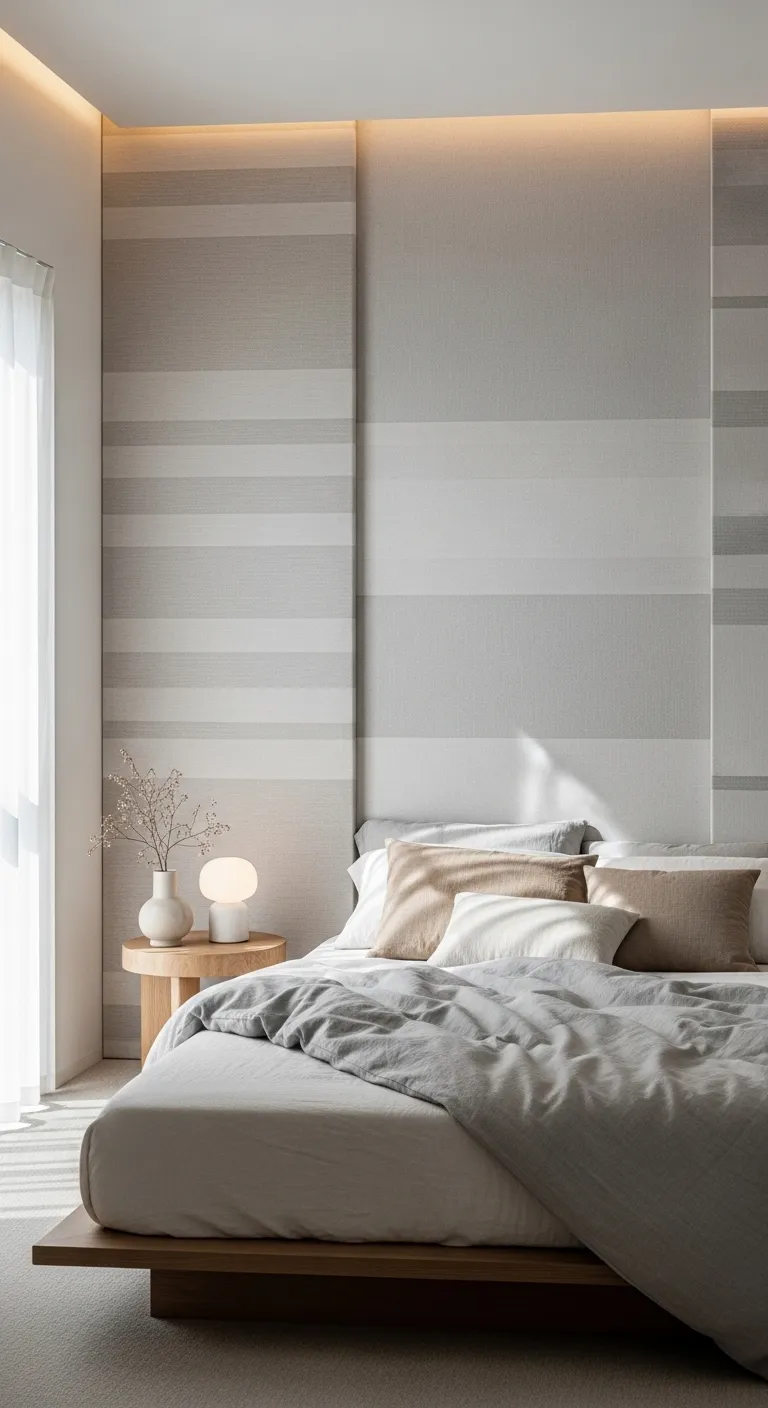
Instead of adding more objects to your room, focus on enhancing your walls through texture. You can use fabric hangings, subtle paneling, or even textured paint finishes to create depth. This approach adds interest without increasing clutter. Layering textures on walls creates a rich background that supports the rest of your decor. It also makes the room feel more complete without relying on multiple decorative pieces. Keep the textures soft and consistent with your color palette so everything blends smoothly. This method is effective for maintaining a clean yet visually engaging space.
29. Align Furniture for Visual Symmetry and Calmness
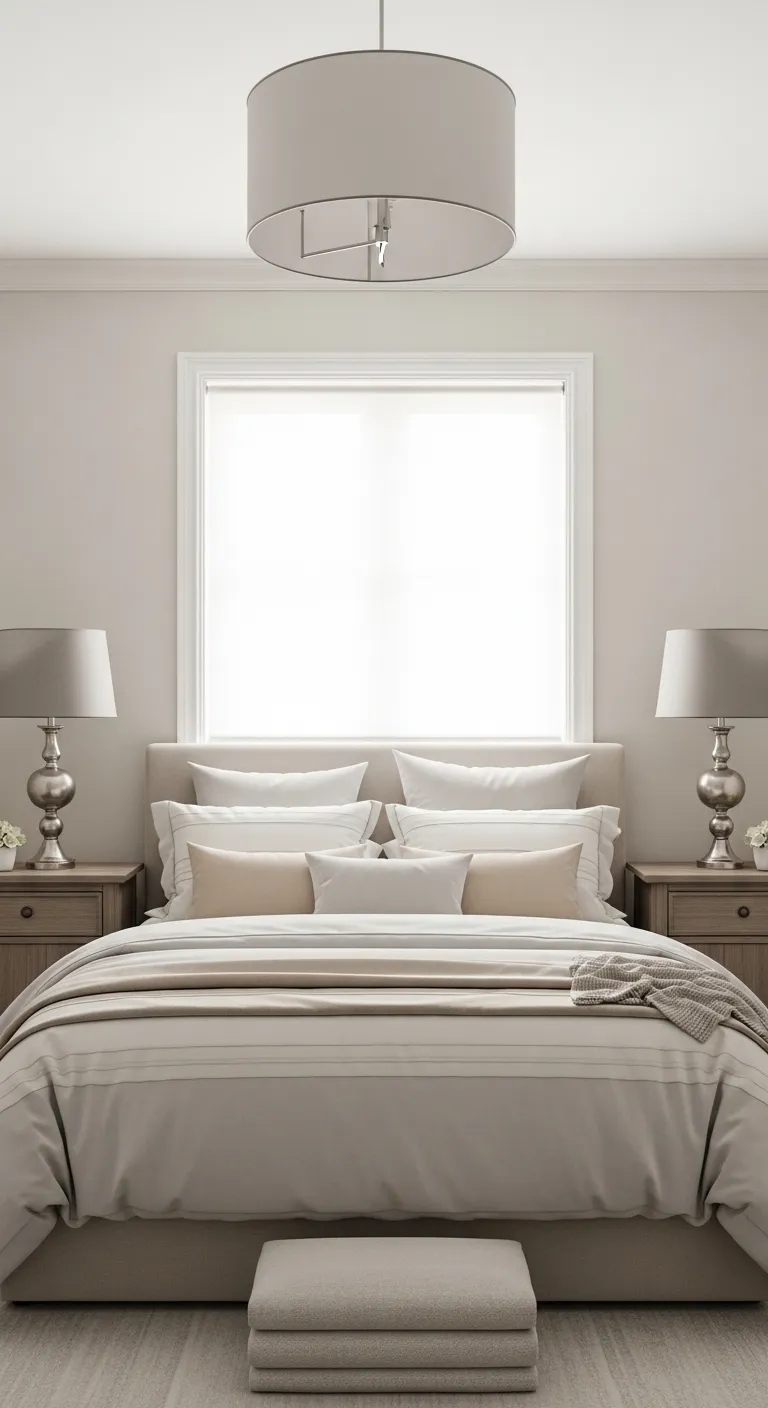
Symmetry brings a sense of order and balance to your room. Align key furniture pieces in a way that feels even and structured. For example, place matching items on both sides of your bed or keep equal spacing between major elements. This does not mean everything has to be identical, but there should be a sense of visual balance. Symmetry helps reduce visual noise and makes your room feel more organized. It also guides the eye naturally, creating a smoother and more pleasant viewing experience.
30. Add a Personal Touch That Reflects Your Identity
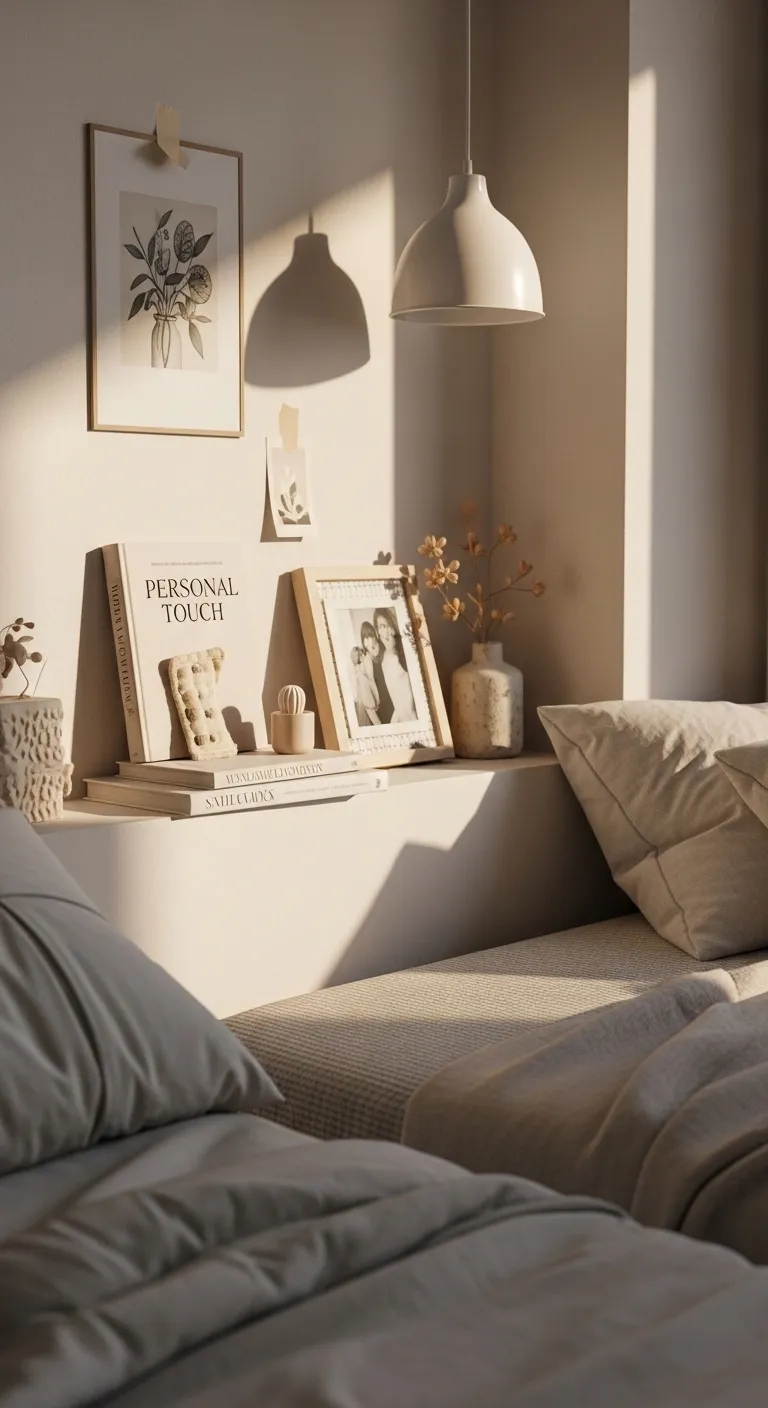
An aesthetic room should not feel generic. It should reflect who you are. Add one or two elements that have personal meaning, such as a favorite book collection, a handmade item, or something that connects to your interests. Keep it subtle so it blends with the overall design rather than overpowering it. This makes your space feel authentic and lived-in. A personal touch is what turns a well-designed room into a meaningful one. It completes the aesthetic by adding emotional value along with visual appeal.
Conclusion
These aesthetic room decor ideas are not about copying trends. They are about understanding how space, light, texture, and layout work together to create a room that feels right. Each idea builds on the previous one, helping you design a space that is both functional and visually satisfying.
Start small, apply what fits your space, and adjust over time. Save your favorite ideas and experiment step by step. Your room will gradually transform into a place that truly feels like your own.