20 Small Living Room Ideas That Make Tiny Spaces Look Huge
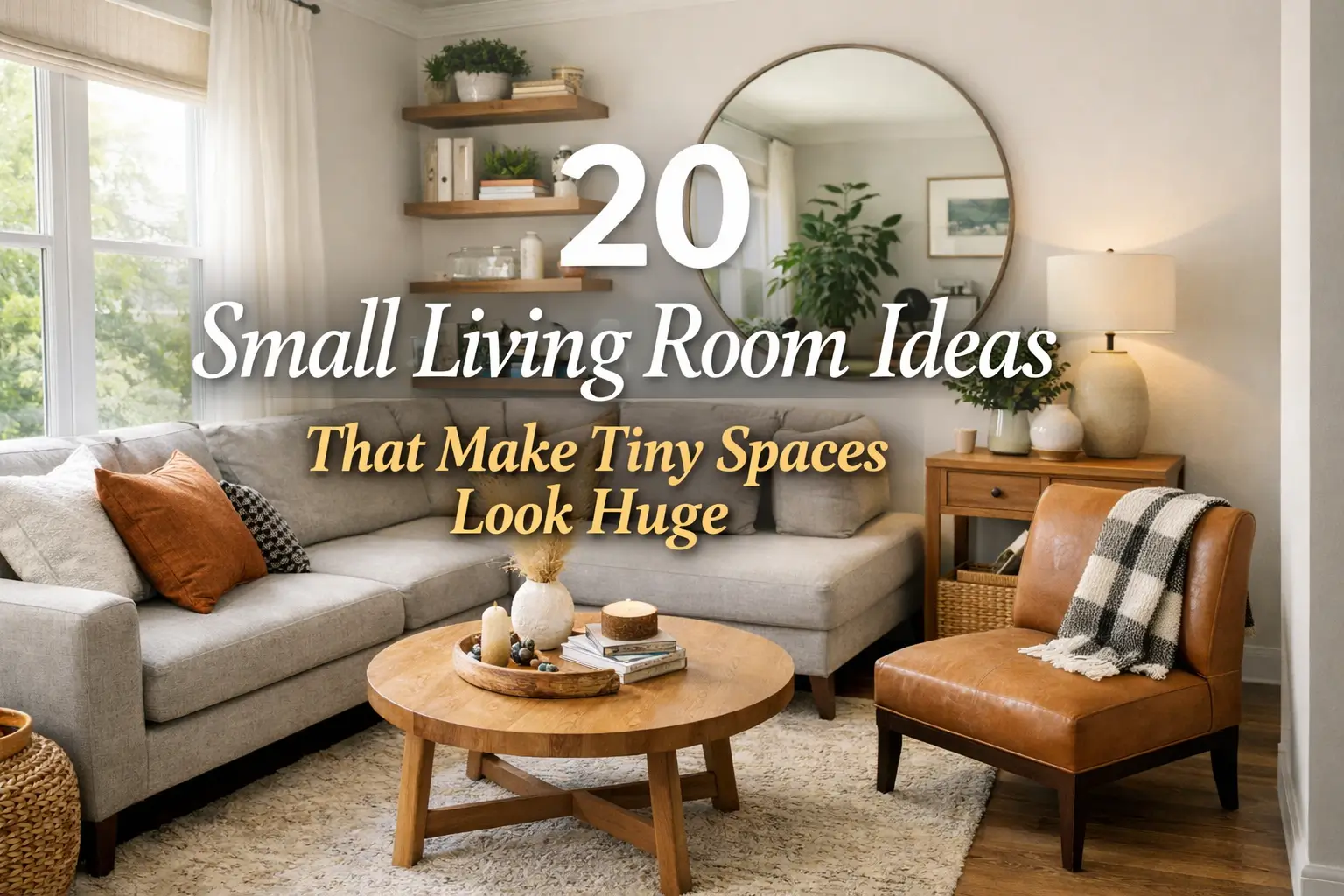
A small living room can feel tight, dark, and crowded. But it does not have to stay that way. With the right layout, light, color, and furniture choices, even the tiniest space can look open and airy.
If you are searching for small living room ideas that make tiny spaces look huge, you likely want practical changes that truly work. Not tricks that look good in photos but fail in real homes. This guide gives you clear, realistic ideas you can apply today. Each idea focuses on space planning, visual flow, and smart styling so your living room feels bigger without knocking down walls.
Let’s start with the 20 powerful ideas.
1. Use a Low Profile Sofa to Expand Vertical Space
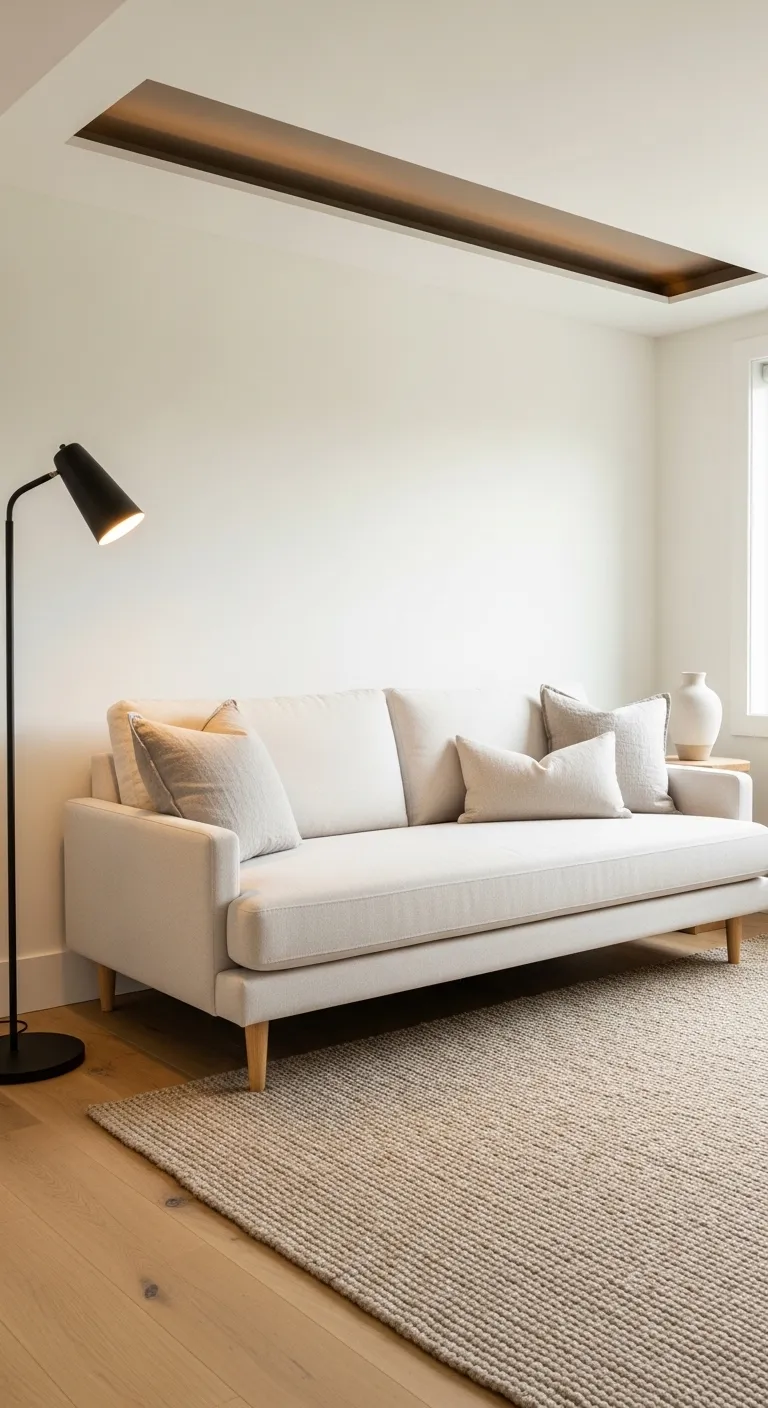
The fastest way to make a small room feel taller is to lower the furniture. A low profile sofa instantly creates more visible wall above it. That extra blank space gives your eyes room to breathe.
Choose a sofa with slim arms and short legs in light beige, warm gray, or soft cream. Avoid bulky rolled arms or deep backs. Pair it with a simple rug in a slightly lighter tone than the floor to create gentle contrast.
Add one tall floor lamp in brushed brass or matte black to draw the eye upward. The contrast between low seating and a tall lamp stretches the room visually. This technique works especially well in apartments with standard ceiling height.
2. Float Furniture Away from the Walls
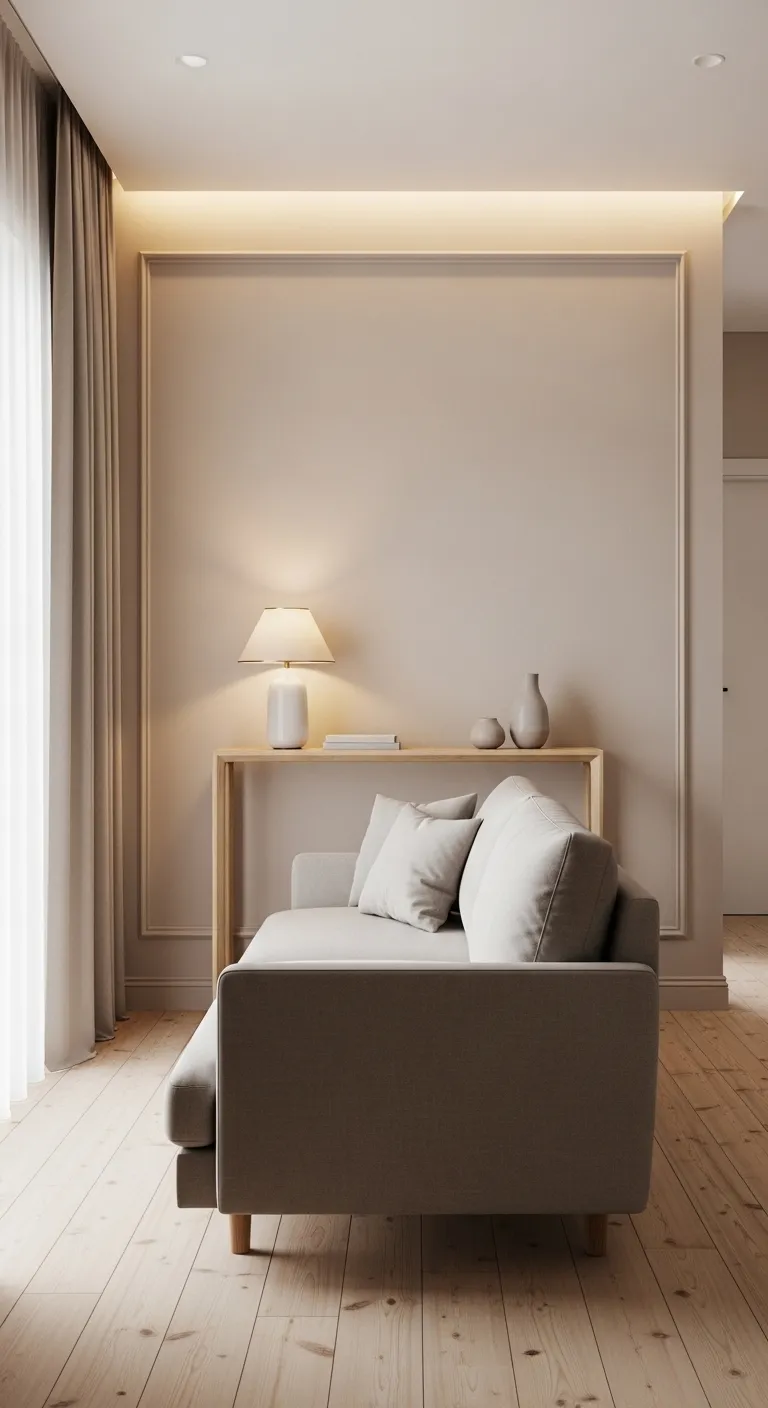
Most people push everything against the wall to save space. This actually makes the room look smaller.
Instead, pull your sofa forward just a few inches. Even six inches creates breathing space. Place a narrow console table behind the sofa in light wood or white lacquer. Style it with one ceramic vase and a small table lamp.
This layout creates depth. The gap behind the sofa adds shadow and dimension, which tricks the eye into seeing a larger room. It also improves flow and makes the space feel intentional rather than cramped.
3. Choose a Rug That Is Bigger Than You Think
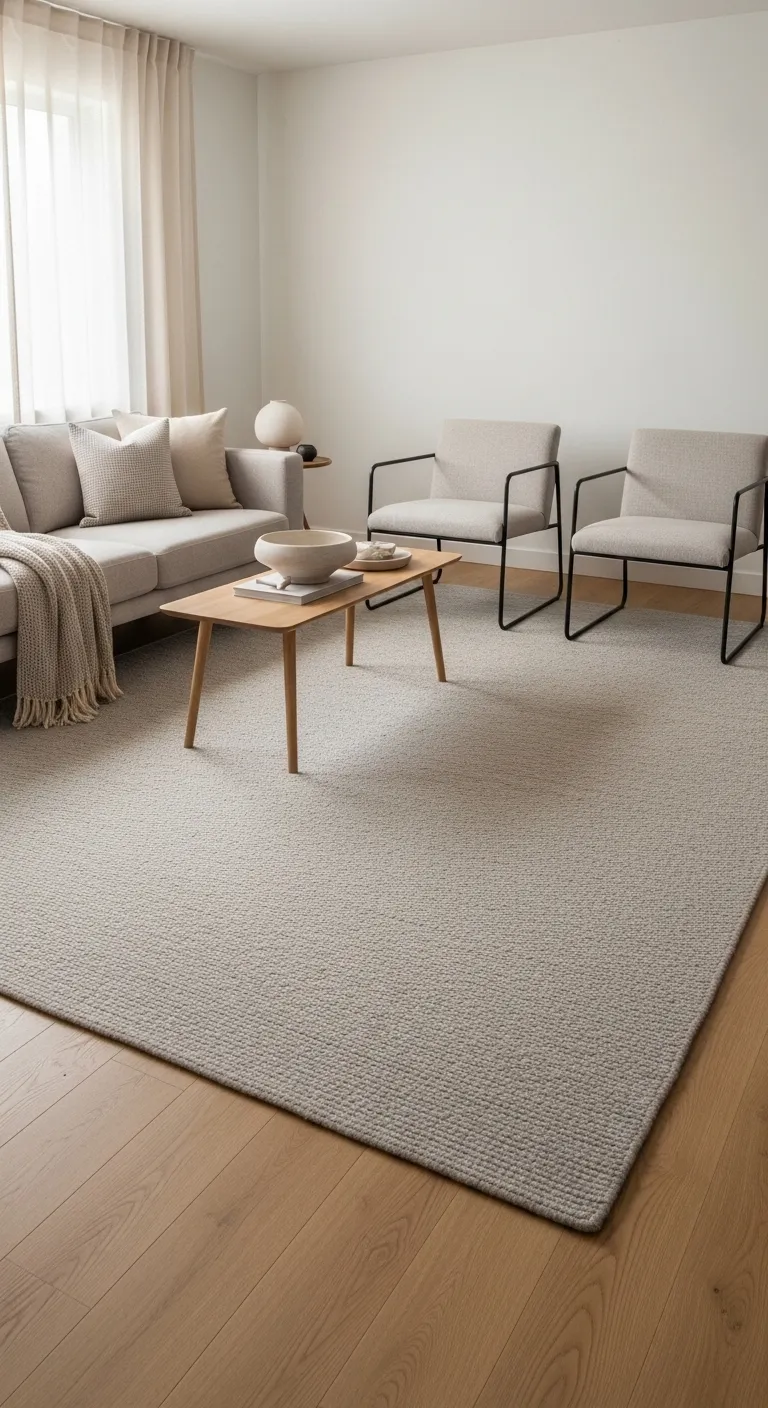
Tiny rugs shrink rooms. A small rug floating in the center breaks the space visually. Select a rug large enough for at least the front legs of all seating to sit on it. A neutral rug with subtle texture like woven jute, soft wool, or flat weave cotton works beautifully. Light greige, warm sand, or muted ivory tones help reflect light.
A properly sized rug anchors the entire layout. It connects furniture pieces and makes the room feel unified. When everything sits on one visual foundation, the space feels bigger and more organized.
4. Paint Walls and Trim the Same Color
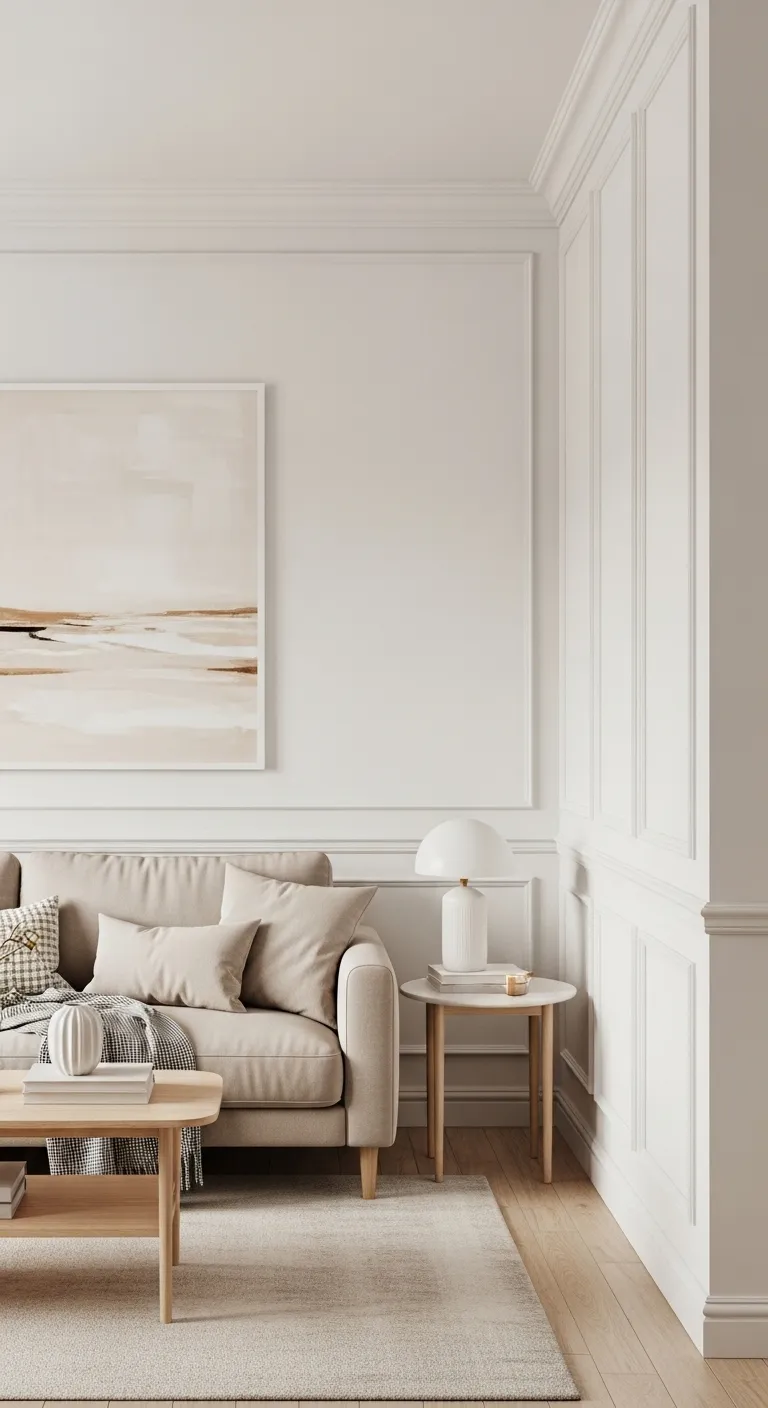
High contrast trim cuts the room into pieces. That visual break makes walls feel shorter. Paint the walls and trim the same soft color. Try warm white, pale taupe, or light sage. This creates a seamless envelope effect. The edges blur and the walls appear longer.
If you want subtle depth, choose eggshell finish on walls and satin on trim in the same shade. The difference in sheen adds interest without shrinking the space. This technique works especially well in tiny living room decorating ideas for modern homes.
5. Add One Oversized Art Piece Instead of Many Small Frames
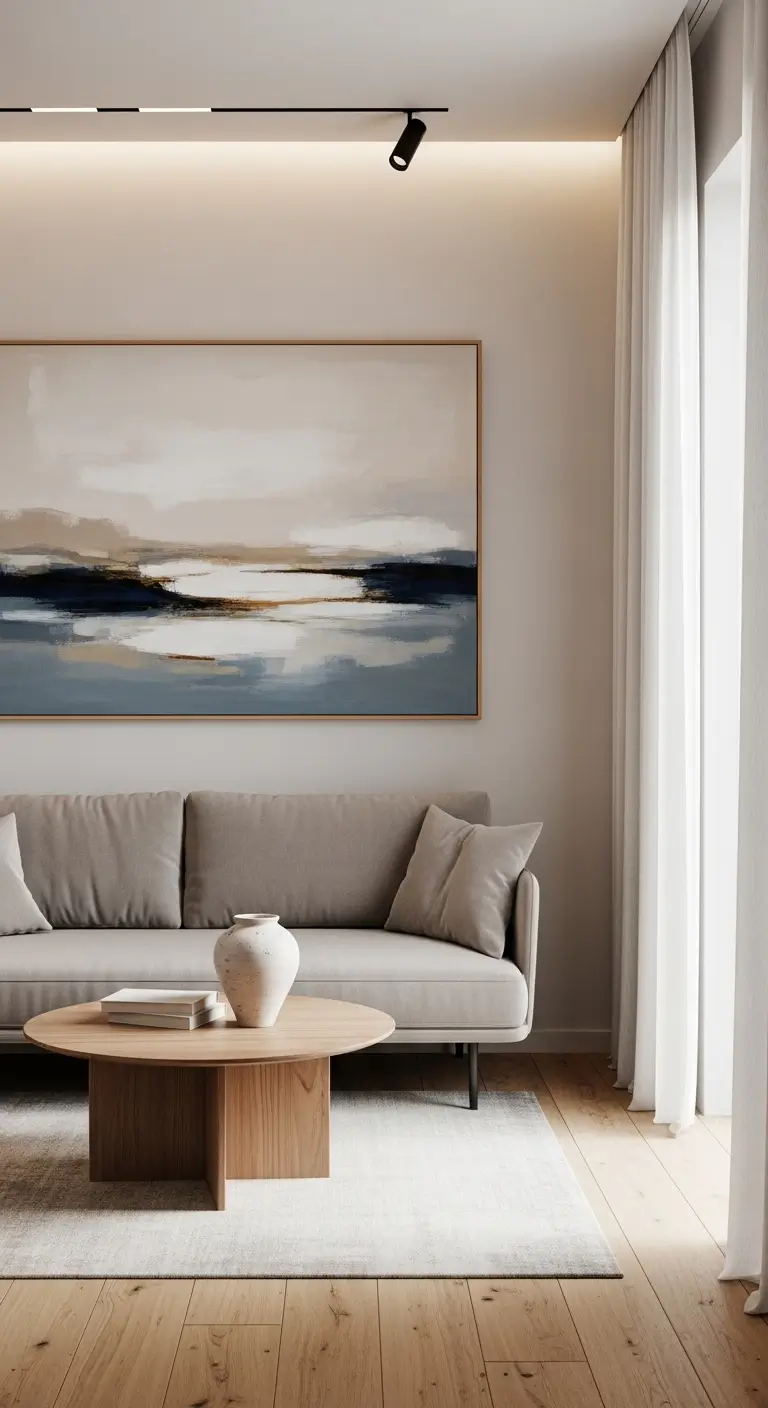
Gallery walls can feel busy in a small room. Too many frames create visual clutter. Instead, hang one large art piece above the sofa. Choose something with light background tones and soft movement like abstract brush strokes, watercolor landscapes, or minimal line art.
An oversized piece simplifies the visual field. It gives the room a focal point without overwhelming it. Make sure it spans about two thirds of your sofa width for balanced proportions. This creates calm energy and makes your small living room feel intentional and open.
6. Use Glass and Lucite Furniture to Reduce Visual Weight
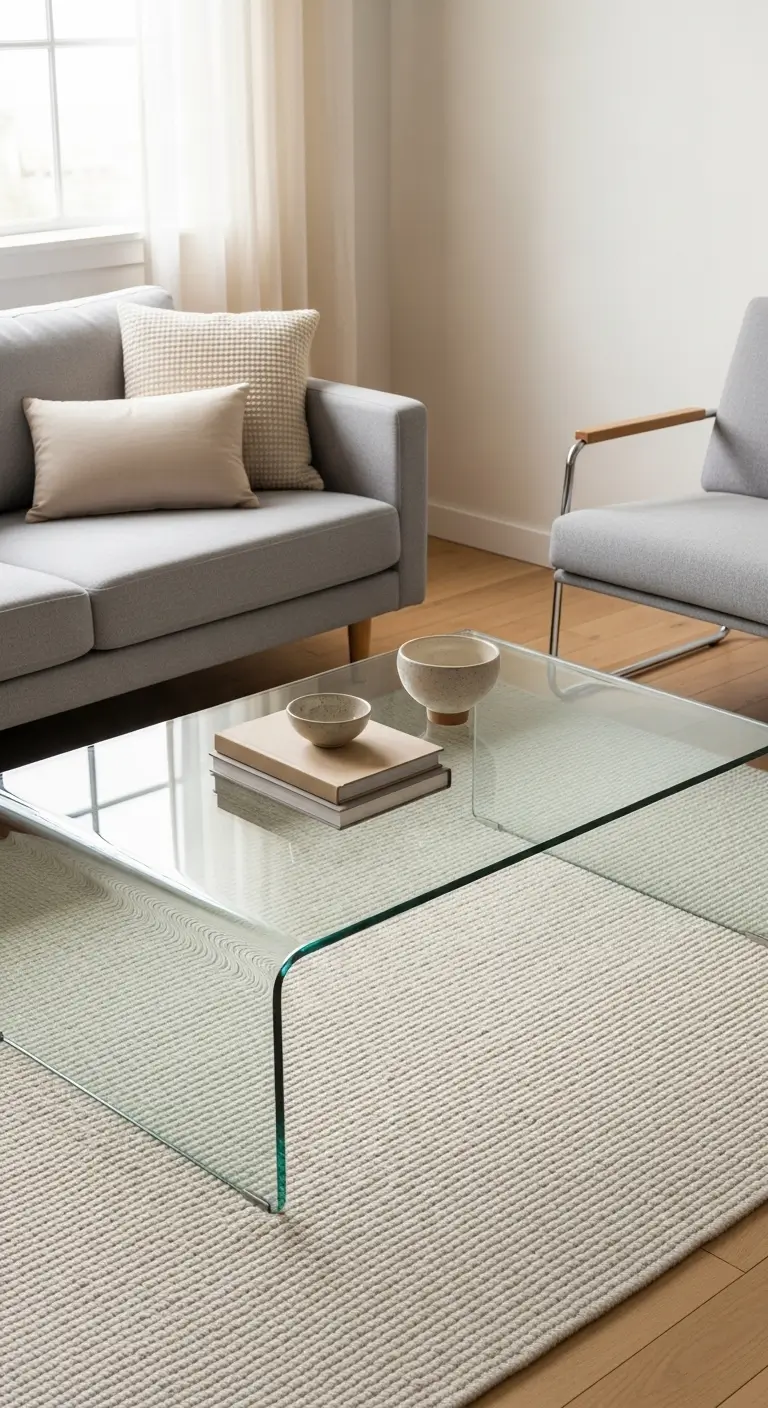
Heavy wood tables take up visual space. Transparent materials do the opposite. Choose a glass coffee table or a clear acrylic side table. Because you can see through them, they do not block sight lines. Your eye travels further across the room, making it feel larger.
Pair glass with soft textures like boucle pillows or a woven throw to avoid a cold look. The mix of transparency and cozy fabric keeps the room balanced. This trick is especially effective in small apartment living room ideas where every inch counts.
7. Install Floor to Ceiling Curtains Even on Small Windows
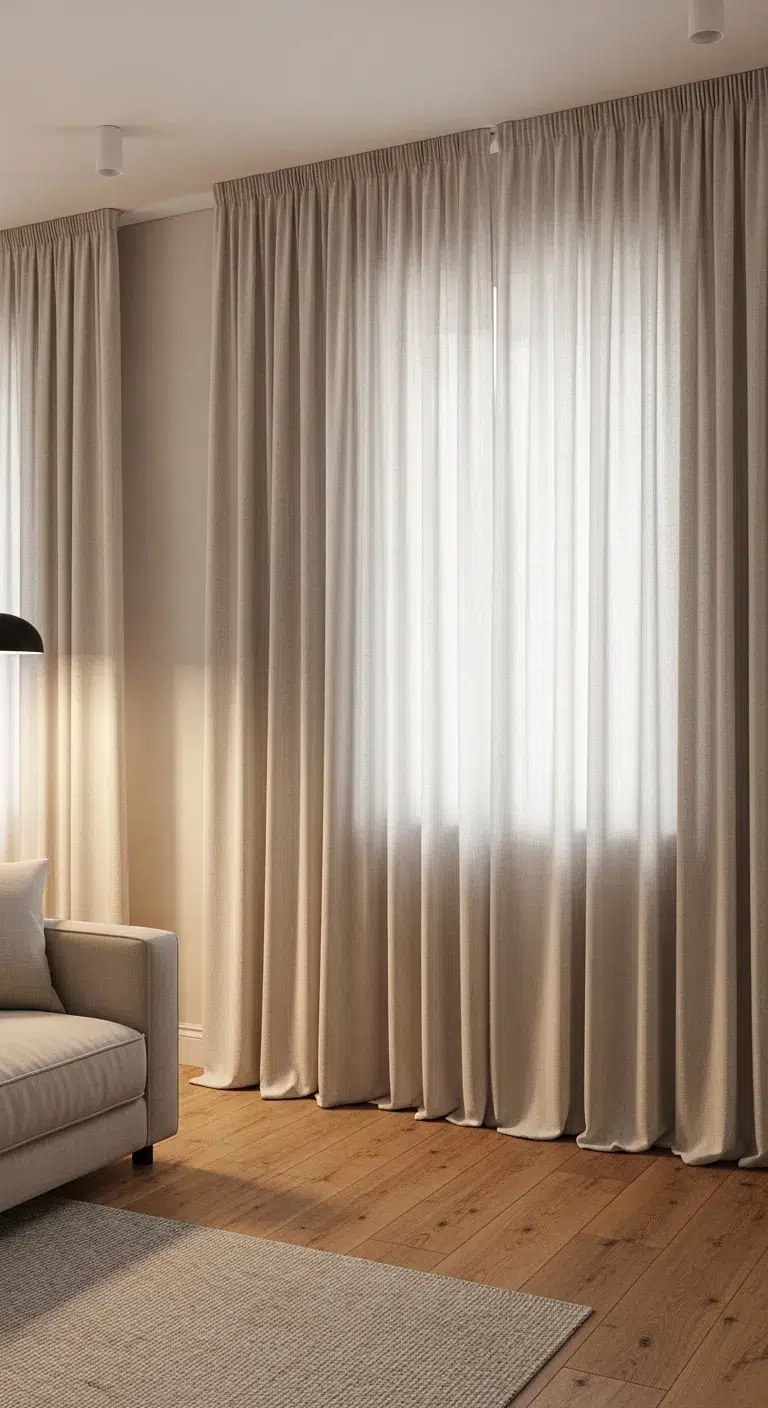
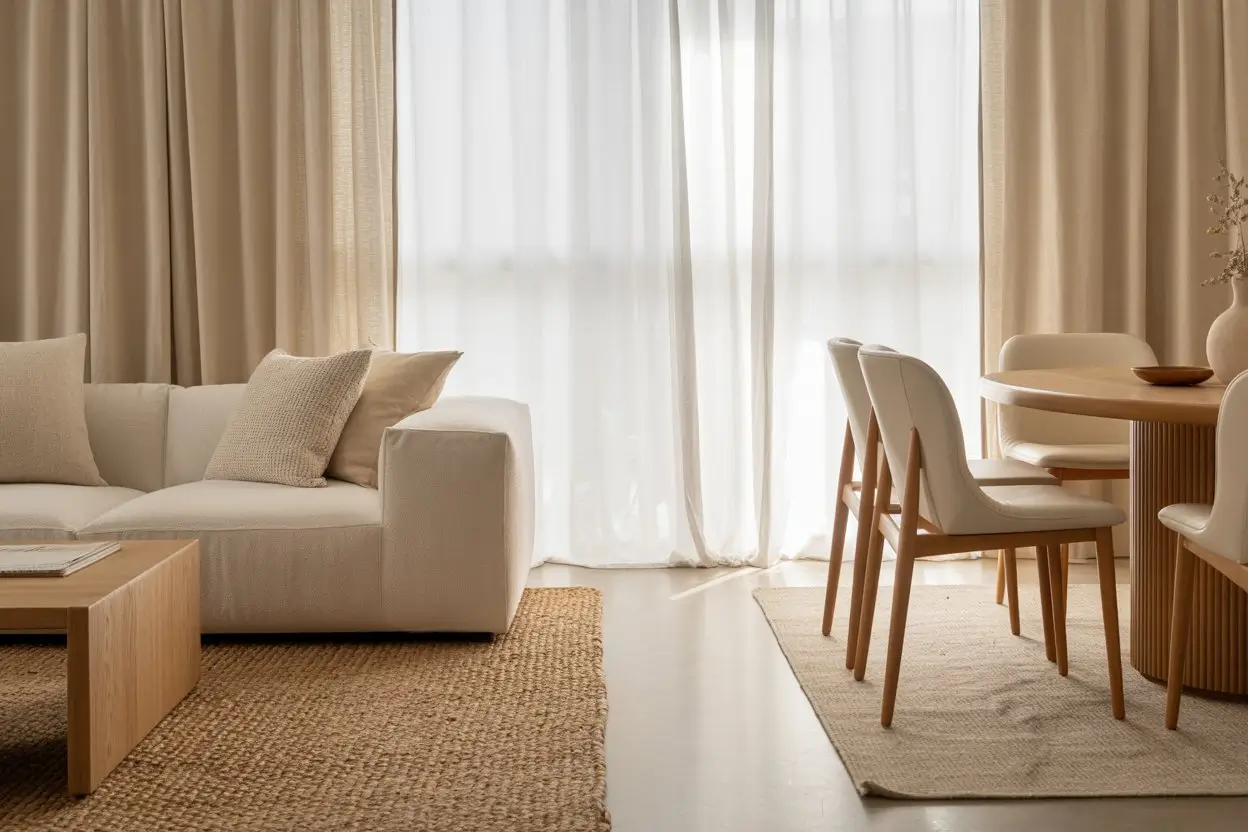
Short curtains make ceilings feel low. Floor to ceiling curtains elongate the wall. Mount the curtain rod close to the ceiling, not right above the window frame. Let the curtains fall all the way to the floor. Choose light fabrics like linen or cotton in off white or pale beige.
Even if your window is small, tall curtains create the illusion of height. They frame the wall vertically and draw the eye upward. For extra brightness, pick fabrics that gently filter light. Natural daylight bouncing off soft fabric makes the entire room glow.
8. Create a Light and Dark Balance Instead of All White
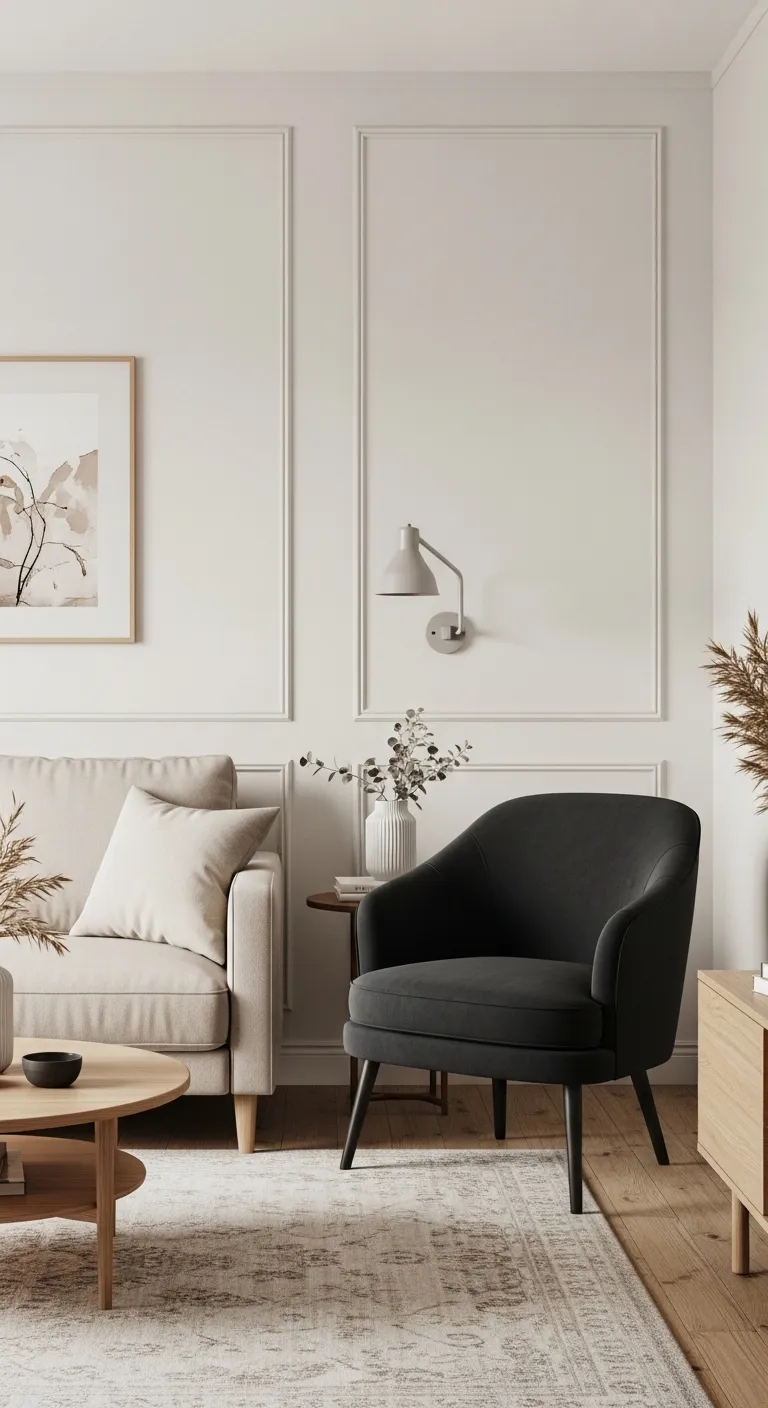
All white can sometimes look flat. A flat room can feel smaller. Instead, keep walls light but introduce one deeper tone through a slim console, coffee table, or accent chair. Try charcoal gray, deep olive, or navy blue.
This contrast adds depth. Depth creates dimension. Dimension makes rooms look larger. Keep the darker color grounded near the floor. That anchors the space while allowing upper walls and ceilings to stay bright and airy.
9. Use Vertical Storage That Blends with the Wall
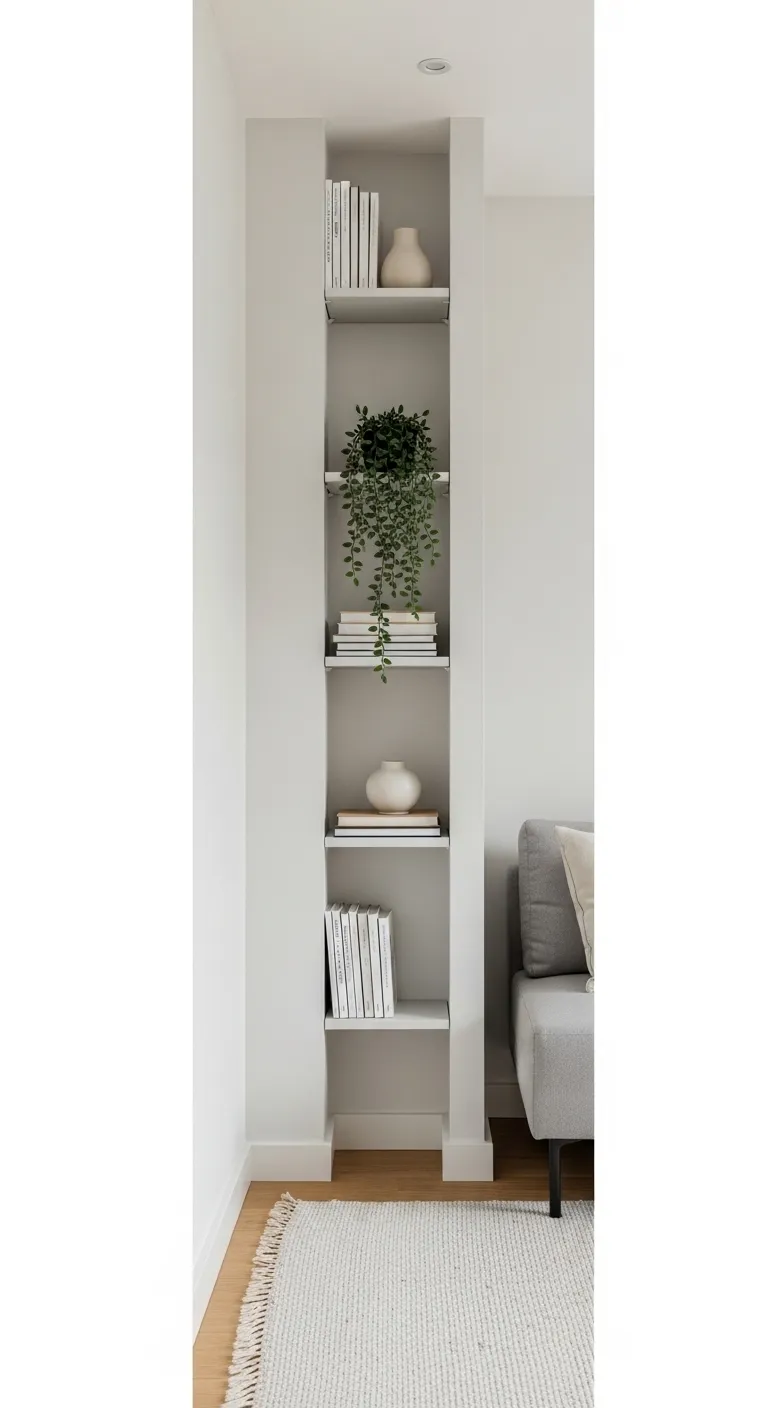
Clutter shrinks a room fast. Smart storage makes it feel open.
Install tall, slim shelving painted the same color as your wall. When shelves match the wall tone, they visually disappear. Style them minimally. Stack books horizontally and vertically. Add one plant with trailing greenery. Leave open space between items.
Avoid overfilling shelves. Empty space is powerful in small rooms. It allows the eye to rest and prevents visual noise. This is one of the most effective small living room storage ideas because it maximizes height without crowding the floor.
10. Layer Lighting Instead of Relying on One Ceiling Fixture
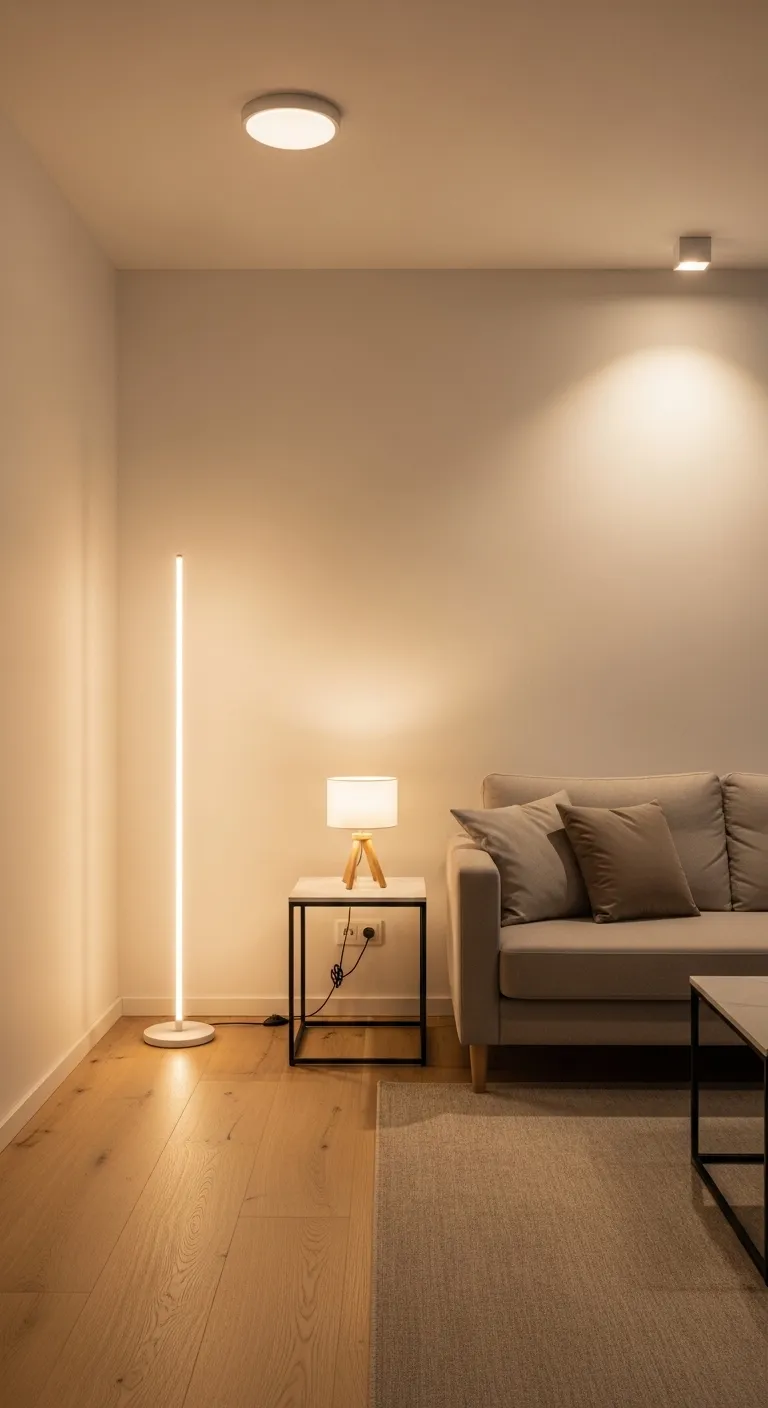
One harsh overhead light flattens the room. Flat light makes spaces look smaller. Instead, use three light sources at different heights. Add a floor lamp in one corner, a table lamp on a side table, and a soft wall sconce if possible.
Choose warm white bulbs for a cozy glow. Light bouncing from multiple directions reduces dark corners. When shadows soften, the room feels wider and more inviting. Layered lighting also adds mood. A warm, evenly lit space feels welcoming and open rather than cramped.
11. Use One Continuous Flooring Surface
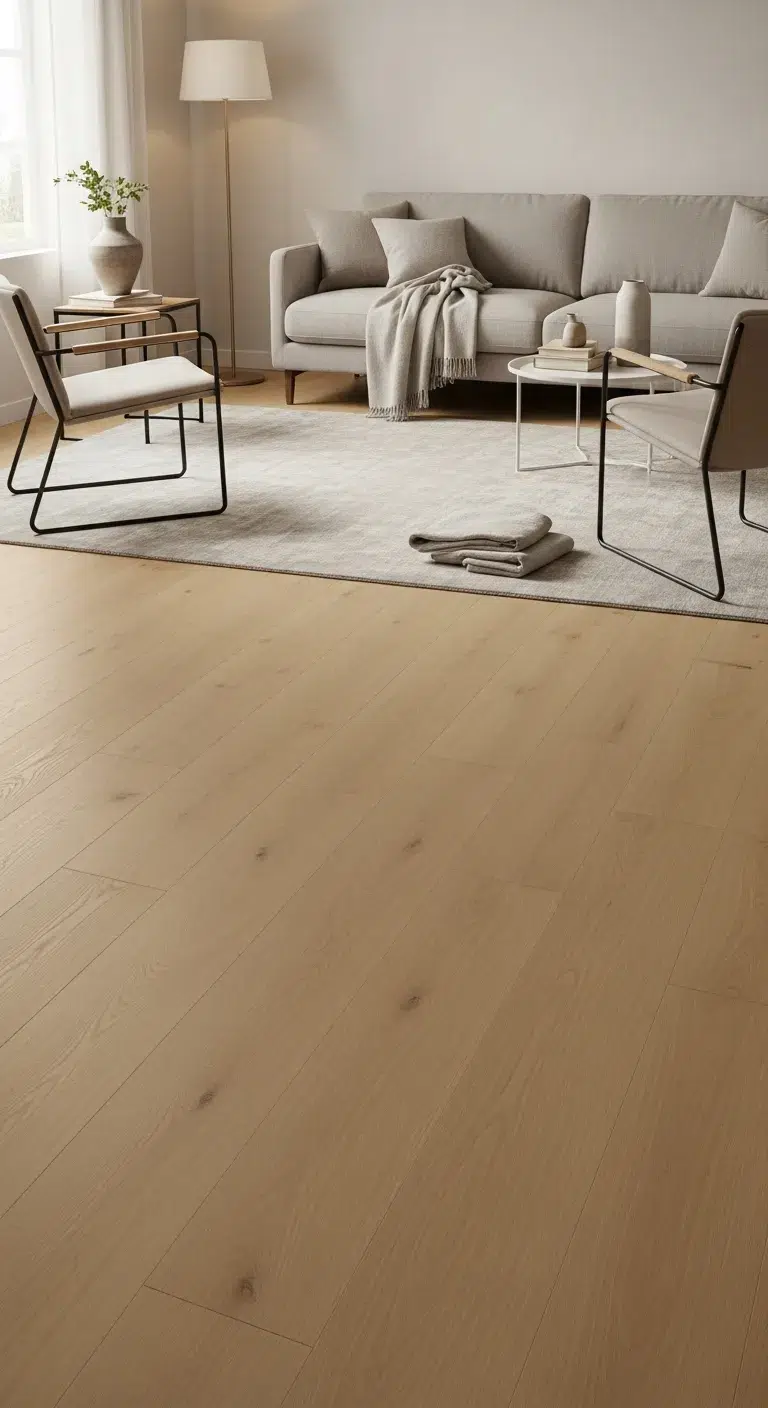
The fastest way to shrink a small room is to break the floor into sections. Different tiles, rugs that stop abruptly, or color changes cut the space visually.
Use one consistent flooring material across the entire living area. Light oak, soft walnut, or warm beige tile works beautifully. If you live in a rental, choose a large area rug that covers most of the visible floor instead of layering small rugs.
Continuity makes the eye travel smoothly from one end of the room to the other. The longer your eye moves without interruption, the bigger the space feels. This simple strategy dramatically improves small living room layout ideas without changing furniture.
12. Angle One Key Furniture Piece Slightly
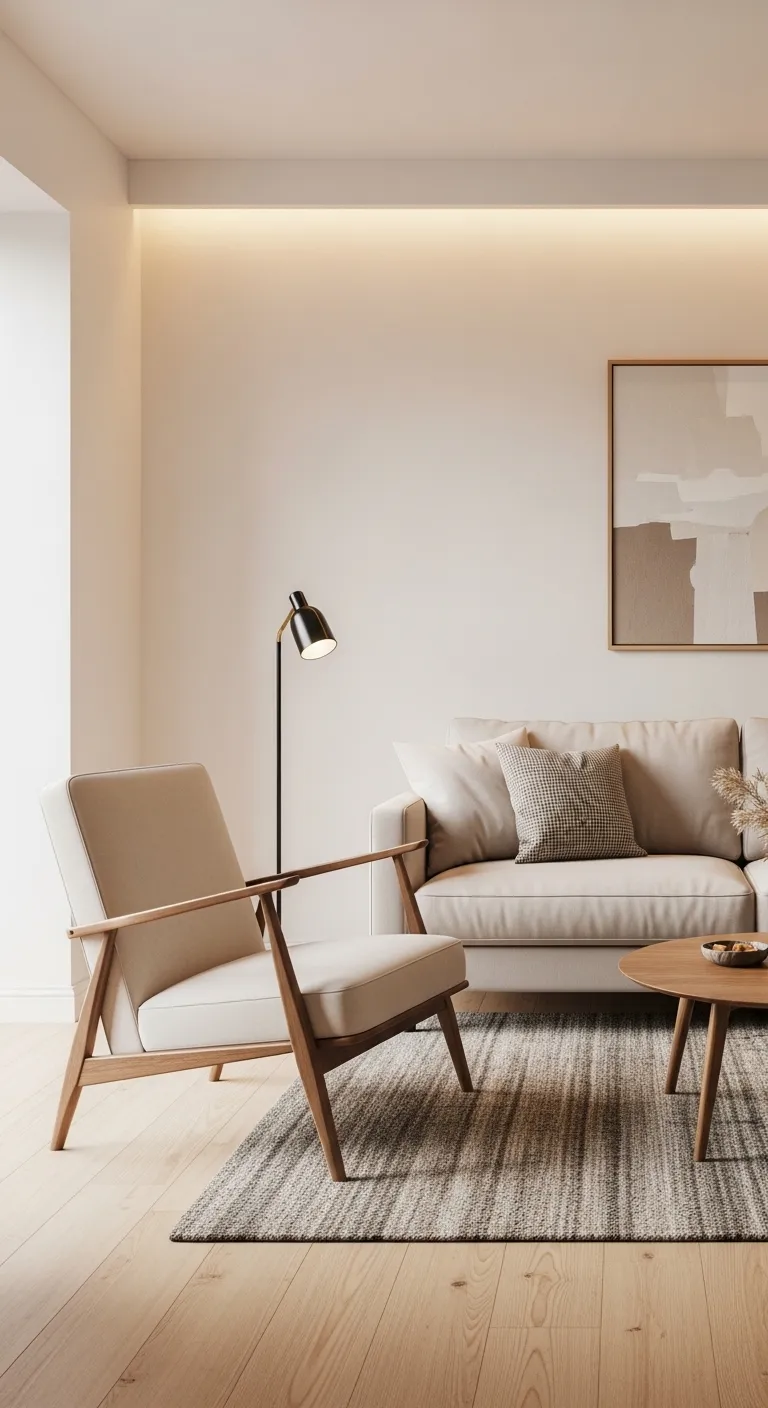
Perfectly straight layouts sometimes emphasize narrow dimensions. A subtle angle creates movement and depth.
Turn one accent chair slightly toward the sofa instead of placing it parallel to the wall. Even a 10 to 15 degree shift adds dynamic energy. It softens rigid lines and makes the room feel less boxed in.
Choose a chair with visible legs in light wood or black metal. Keep upholstery neutral so the angle feels intentional, not chaotic. This trick works especially well in square rooms that feel tight.
13. Add a Large Mirror Opposite Natural Light
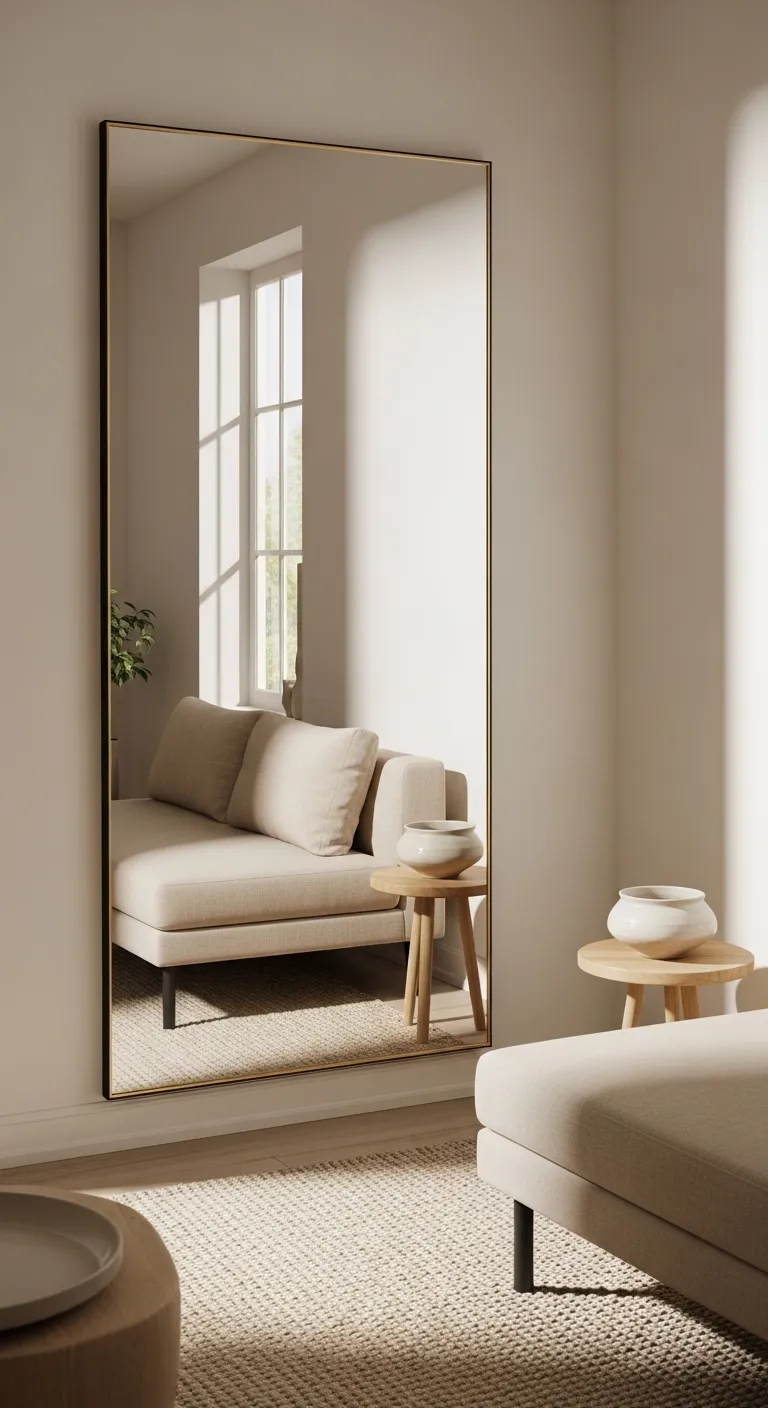
A mirror only works when placed strategically. Hanging it randomly will not expand the room.
Place a large mirror directly across from a window. It should reflect daylight and part of the room. Choose a thin frame in black, brass, or soft wood. Avoid heavy ornate styles in small spaces.
The mirror doubles the visible light and extends the view. Reflected brightness reduces shadow pockets and visually stretches the walls. This remains one of the most powerful small living room decorating ideas when executed properly.
14. Choose Armless or Slim Arm Seating
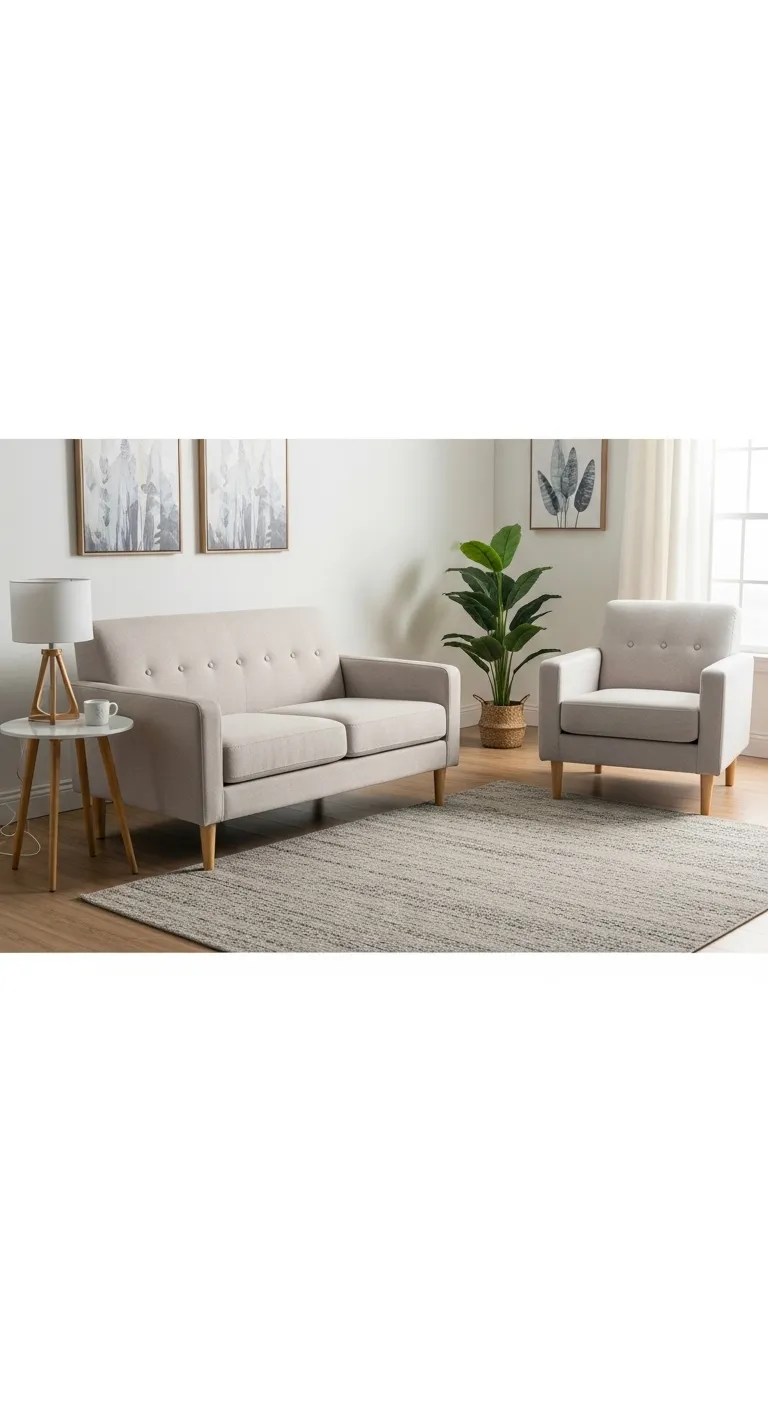
Bulky arms consume precious width. Slim silhouettes create breathing room. Select armless chairs or a loveseat with narrow track arms. Even saving four inches on each side adds noticeable space. Look for exposed legs to maintain openness underneath.
Soft textured fabrics like linen blend or smooth performance fabric keep the look clean. Avoid oversized cushions that spill outward. Precision in proportions makes your furniture feel tailored to the room rather than overpowering it.
This adjustment alone can transform how spacious your living room feels.
15. Paint the Ceiling Slightly Lighter Than the Walls
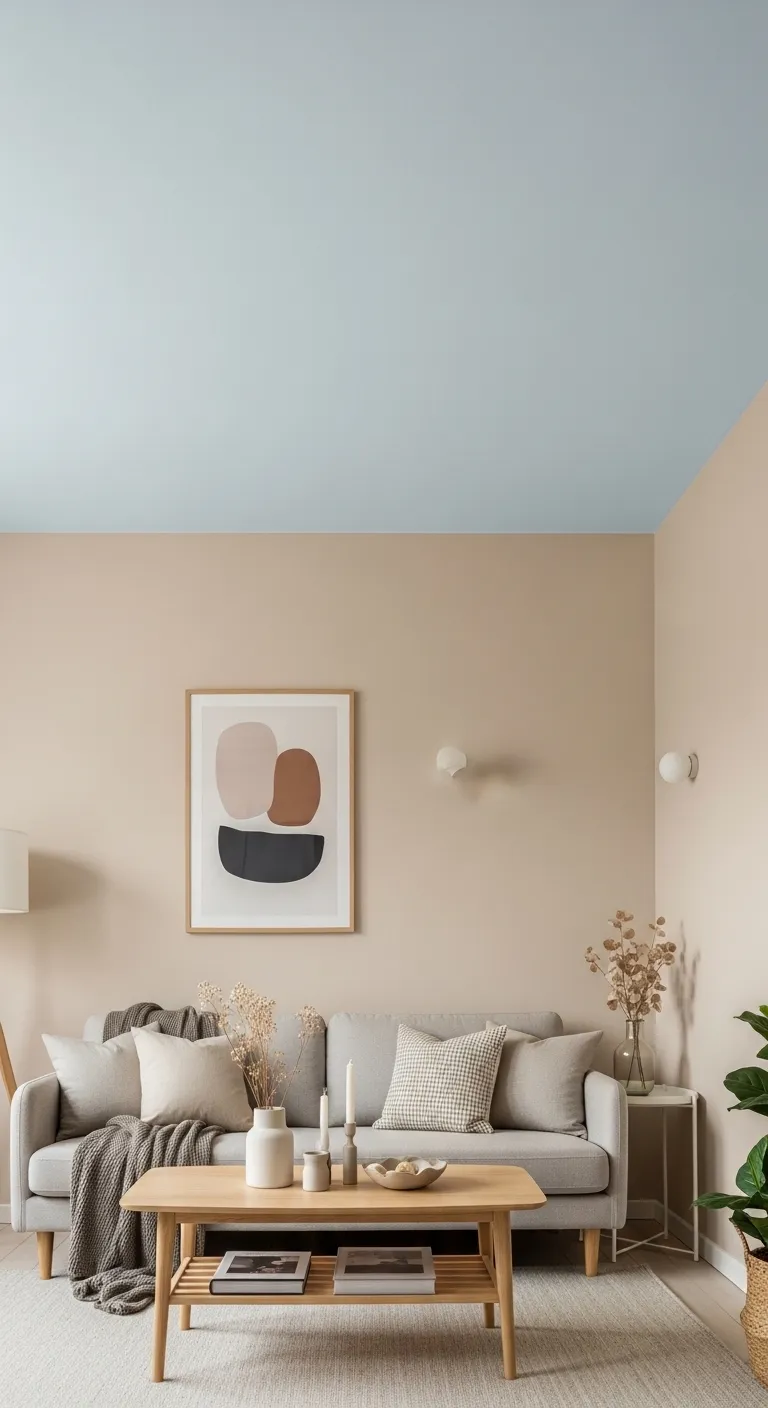
Many people ignore the ceiling. In small spaces, it matters. Paint the ceiling one shade lighter than your wall color. If your walls are warm beige, use a softer creamy white above. If your walls are pale gray, choose a lighter mist gray.
The lighter ceiling reflects more light downward and visually lifts the height. This subtle shift enhances the perception of vertical space without bold contrast. Avoid bright white ceilings with warm walls. That harsh line shortens the visual height instead of extending it.
16. Use Nested or Stackable Tables
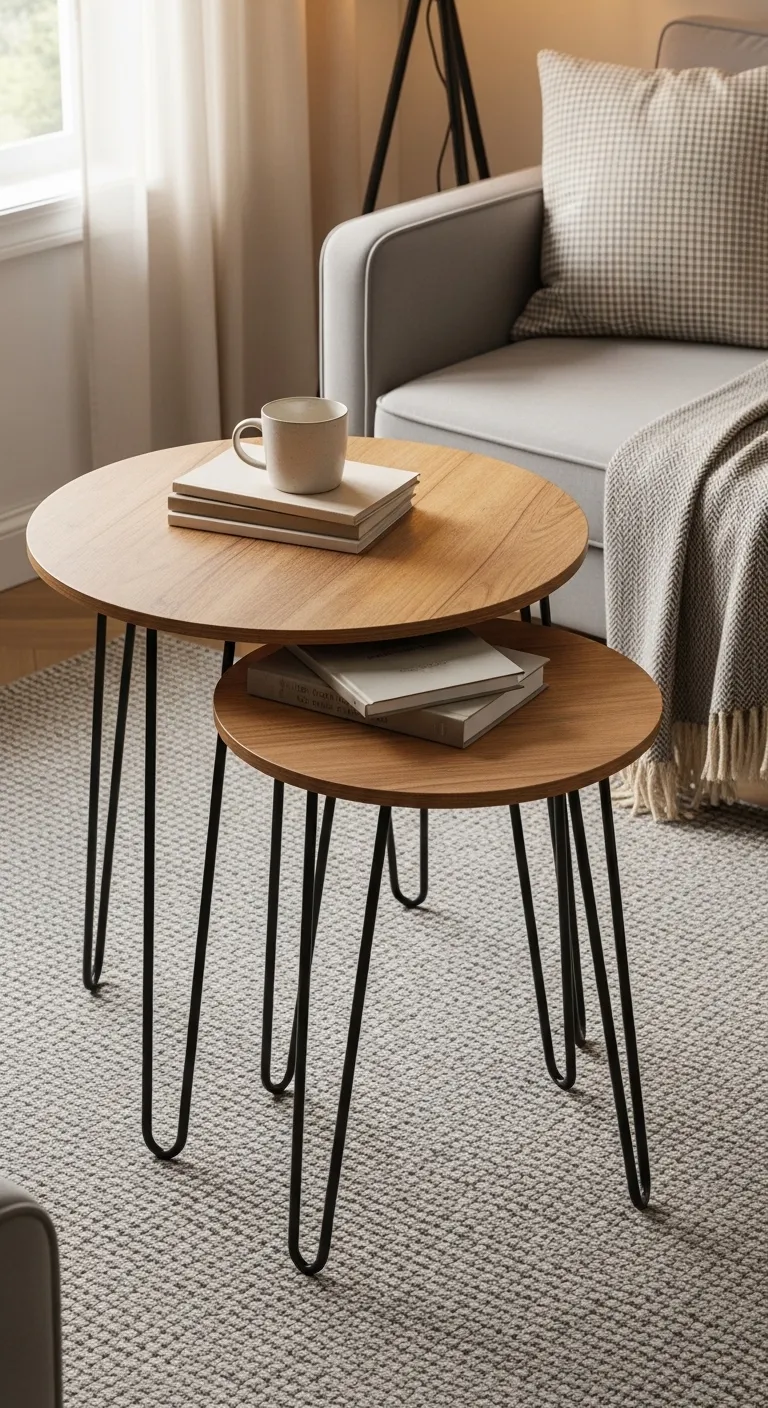
Large coffee tables can overwhelm tight rooms. Flexible furniture solves that problem. Choose nesting tables in wood and metal or marble and black steel. You can spread them out when entertaining and tuck them together when not in use.
Round shapes work especially well because they improve traffic flow. Sharp corners in small rooms interrupt movement. Curves keep the room feeling smooth and open. Flexible surfaces give you function without permanent bulk. That flexibility makes a big difference in tiny living room furniture ideas.
17. Introduce One Vertical Stripe or Panel Detail
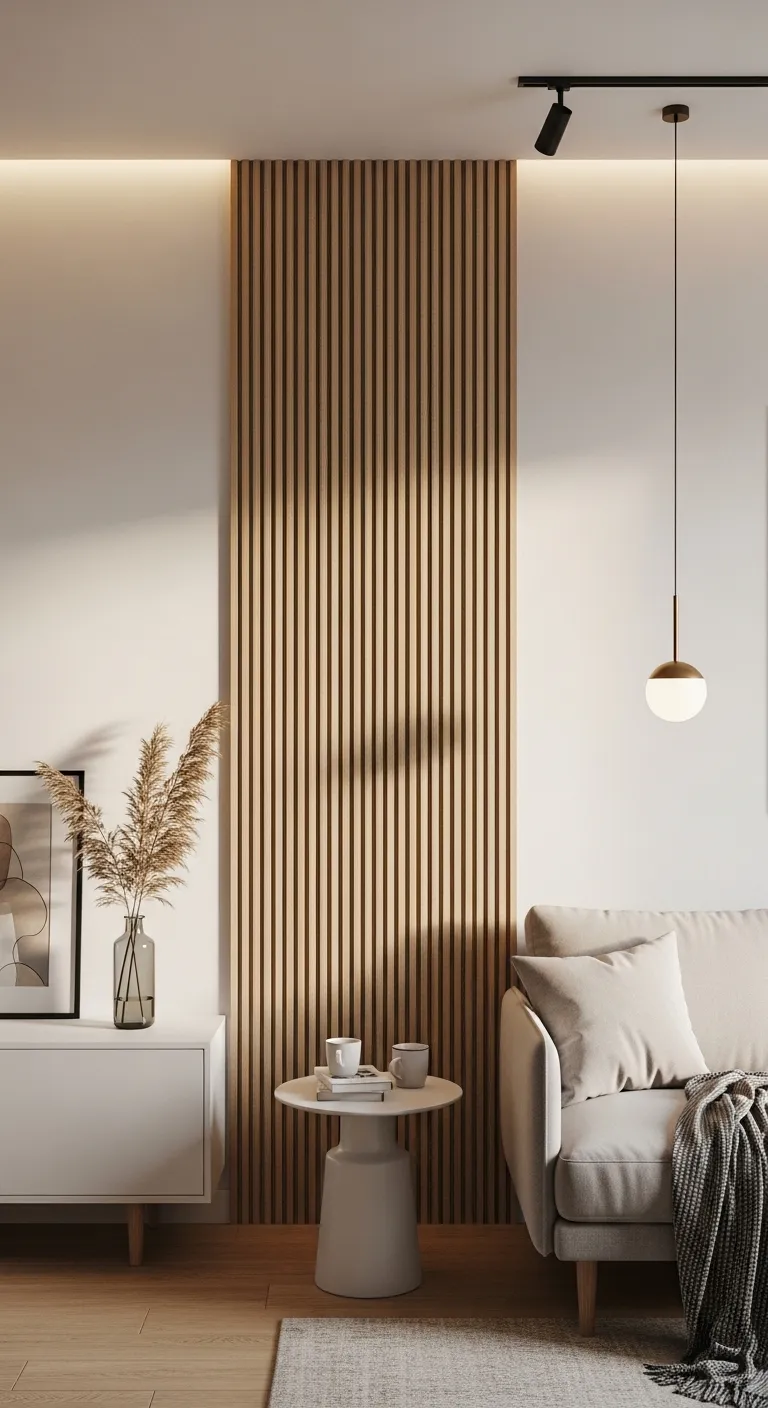
Horizontal lines widen. Vertical lines heighten. Add subtle vertical wall molding or paint a soft vertical stripe behind your sofa. Keep the stripe tone close to the wall color for a gentle effect. Think warm sand with slightly deeper beige stripes.
This visual lift draws the eye upward, increasing perceived ceiling height. You can also use vertical wood slats in light oak for texture without heaviness. The key is restraint. One focused vertical detail works better than an entire patterned wall.
18. Keep Window Treatments Minimal and Light
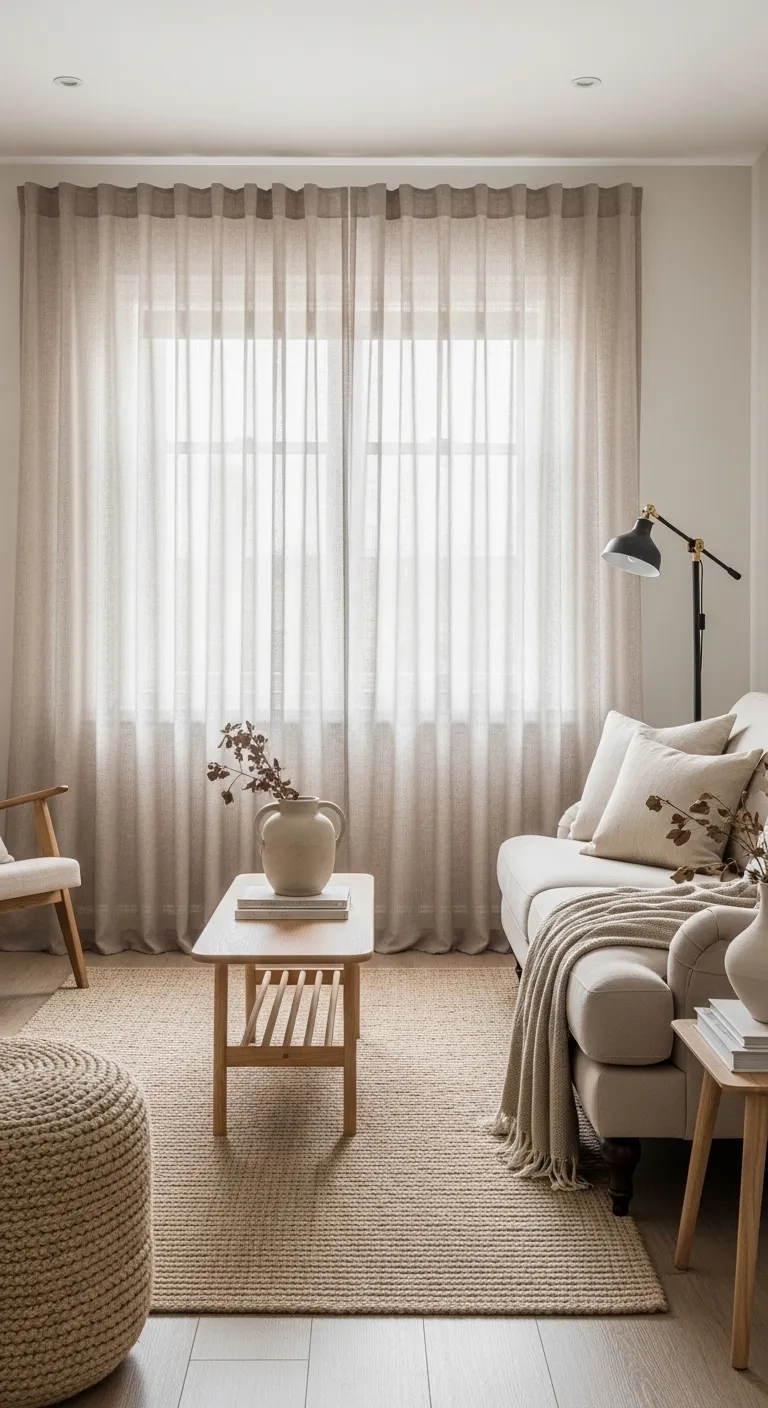
Heavy curtains shrink windows. Shrunk windows reduce perceived space. If privacy allows, skip bulky drapes and use sheer linen panels or simple roller shades. Choose light neutral tones that blend with the wall.
Allow as much natural light as possible to enter. Natural light creates depth and makes surfaces feel expansive. When light spreads evenly across the walls, the room automatically feels larger. Bright windows visually push the walls outward.
19. Create a Monochrome Base with Textural Contrast
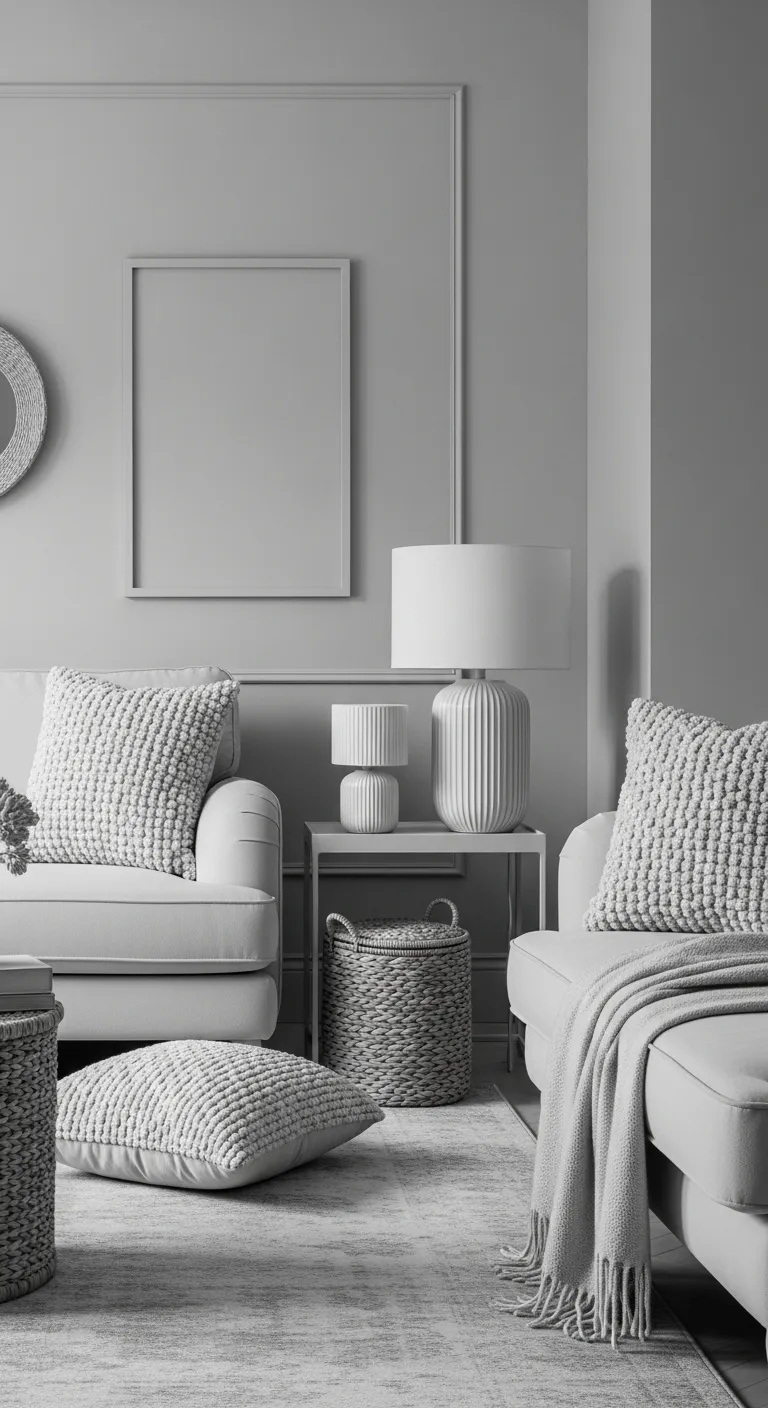
Too many color changes break the space visually. A controlled palette feels expansive.
Choose one main neutral such as soft greige or creamy white. Use it on walls, sofa, and large furniture pieces. Then add texture instead of color. Mix boucle pillows, woven baskets, ribbed ceramic lamps, and soft wool throws.
Texture creates interest without dividing the room into visual blocks. This method keeps the space cohesive while still feeling layered and inviting. It is one of the smartest strategies for modern small living room ideas that look calm but not boring.
20. Leave Strategic Empty Space
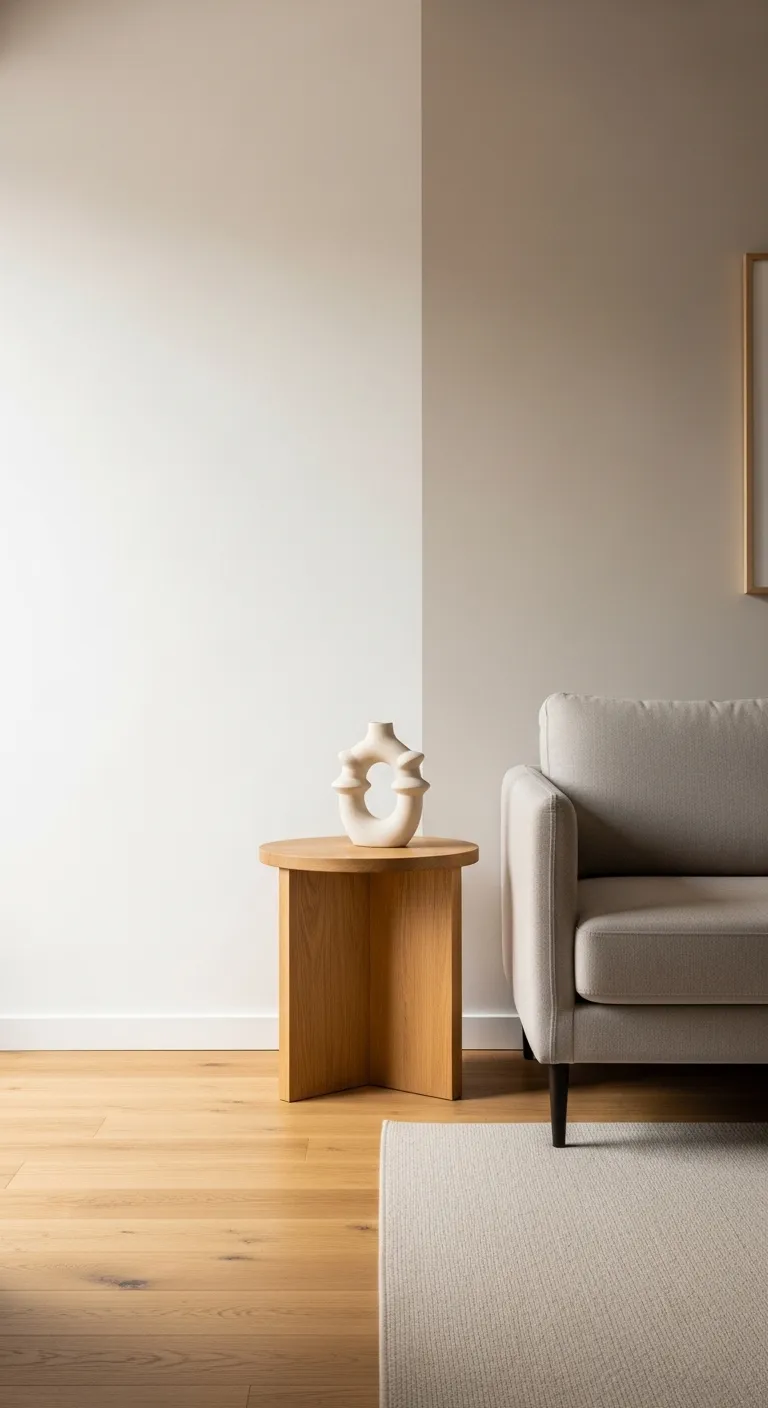
The final trick is intentional restraint.
Do not fill every corner. Leave at least one wall partially empty. Keep one surface clear except for a single sculptural object. Allow floor space around furniture instead of squeezing extra pieces in.
Empty space acts like visual oxygen. It allows the eye to rest and perceive openness. In small rooms, less truly expands more. Edit your décor like you are curating a gallery. Every piece should earn its place.
Final Thoughts
A small living room does not need more square footage. It needs smarter design decisions. Lower furniture, continuous flooring, layered lighting, light ceilings, slim silhouettes, and intentional empty space all work together to create openness.
These 20 small living room ideas that make tiny spaces look huge focus on layout, proportion, light control, and visual flow. They are realistic, practical, and achievable without renovation.
Start with one or two changes this week. Pull furniture slightly forward. Swap bulky arms for slimmer seating. Adjust lighting layers. Paint the ceiling lighter.
Small moves create big visual impact. Save your favorite ideas, apply them step by step, and watch your tiny living room transform into a space that feels open, calm, and beautifully designed.