23 DIY Dog Bed Projects to Spoil Your Pup This Weekend
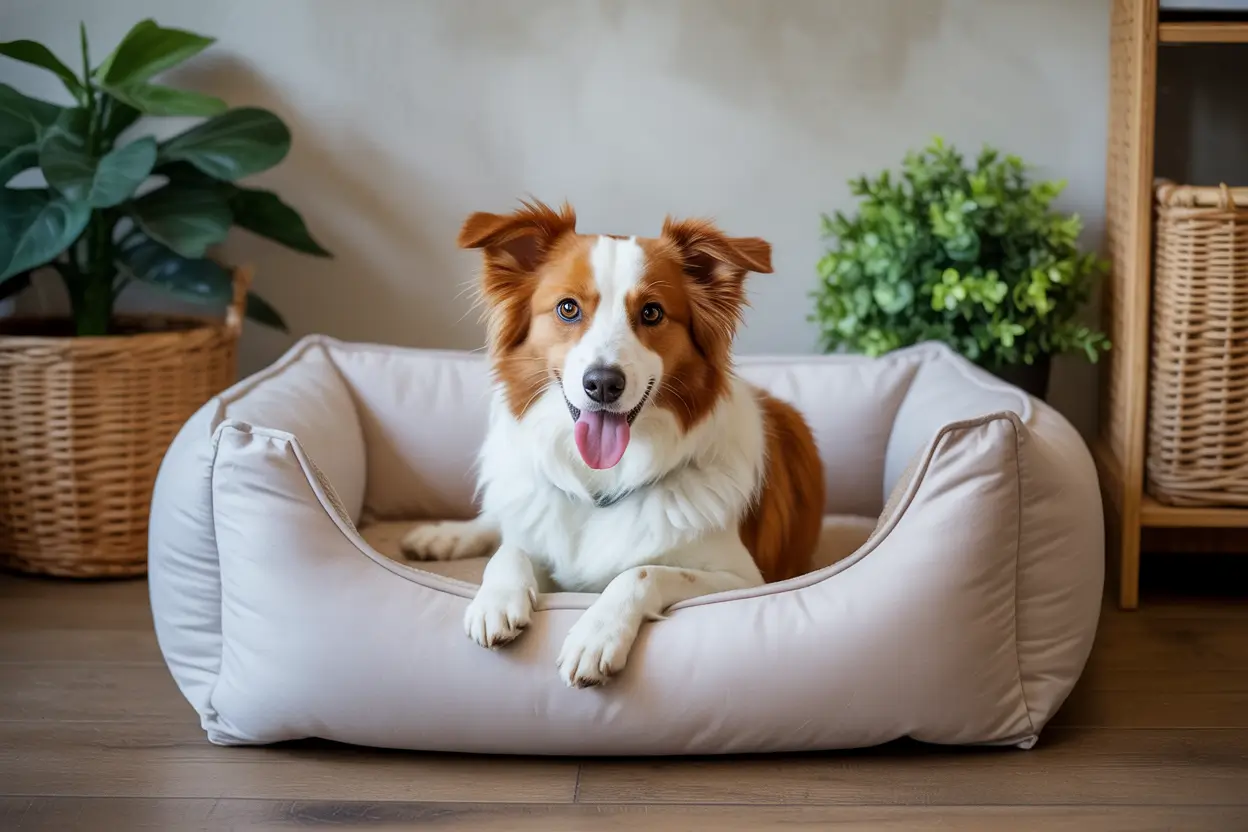
Your dog deserves a bed that feels as warm as your love for them. The best DIY dog bed projects combine comfort, durability, and design that actually fits your home—not something that looks out of place in your living room.
The good news is you don’t need advanced skills or expensive tools. Most of these ideas use simple materials, easy assembly, and budget-friendly supplies you can find locally. Whether you have a tiny puppy, a large breed, or a senior dog needing extra support, there’s something here that works.
1. Vintage Suitcase Pet Bed
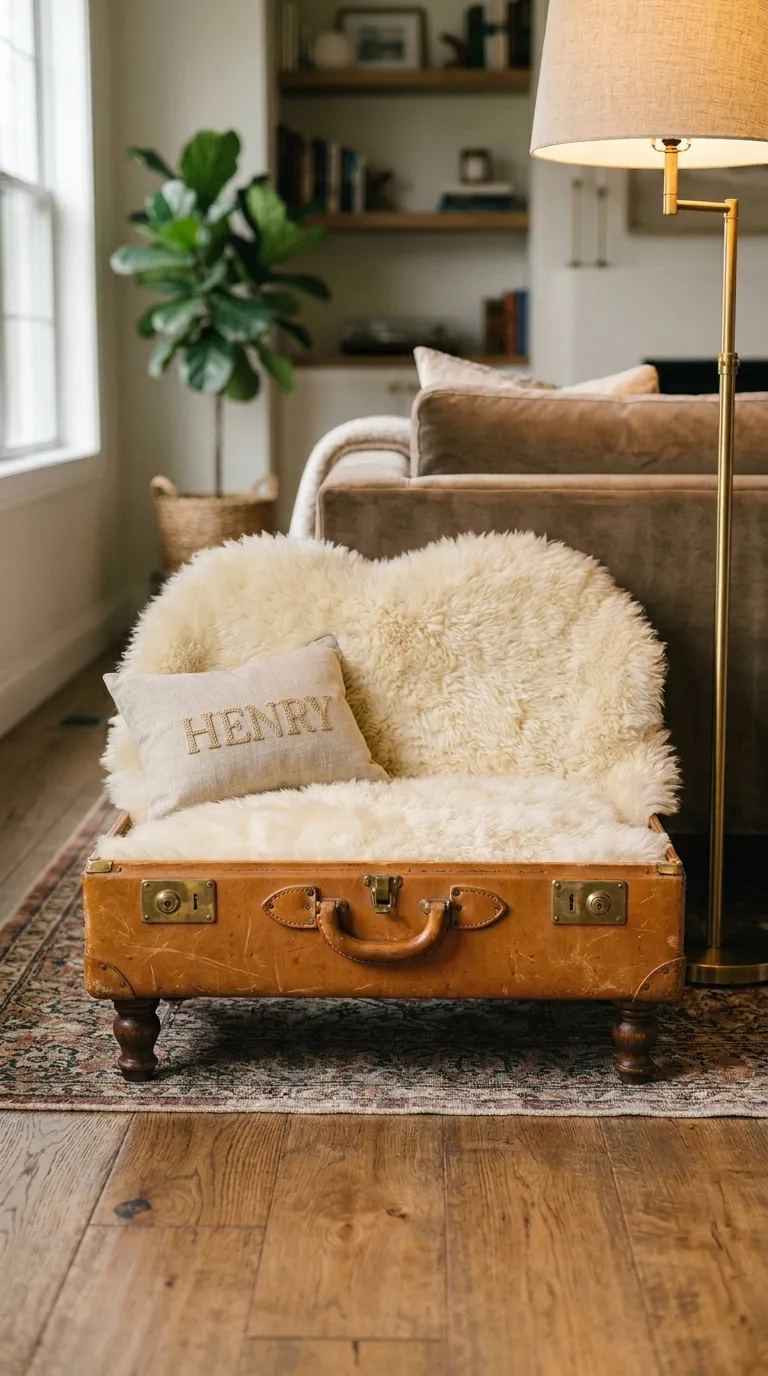
A vintage suitcase pet bed is one of the easiest ways to create something unique without building from scratch. Start by choosing a sturdy hard-shell suitcase that still holds its shape. Older suitcases with firm frames work best because they provide proper support and structure.
You can remove the top lid completely for an open design or keep it attached to act as a cozy backrest. Adding short wooden legs elevates the bed slightly, which improves airflow and keeps it off cold floors. This also gives it a more furniture-like look.
2. Wood Crate Bed With Cushion
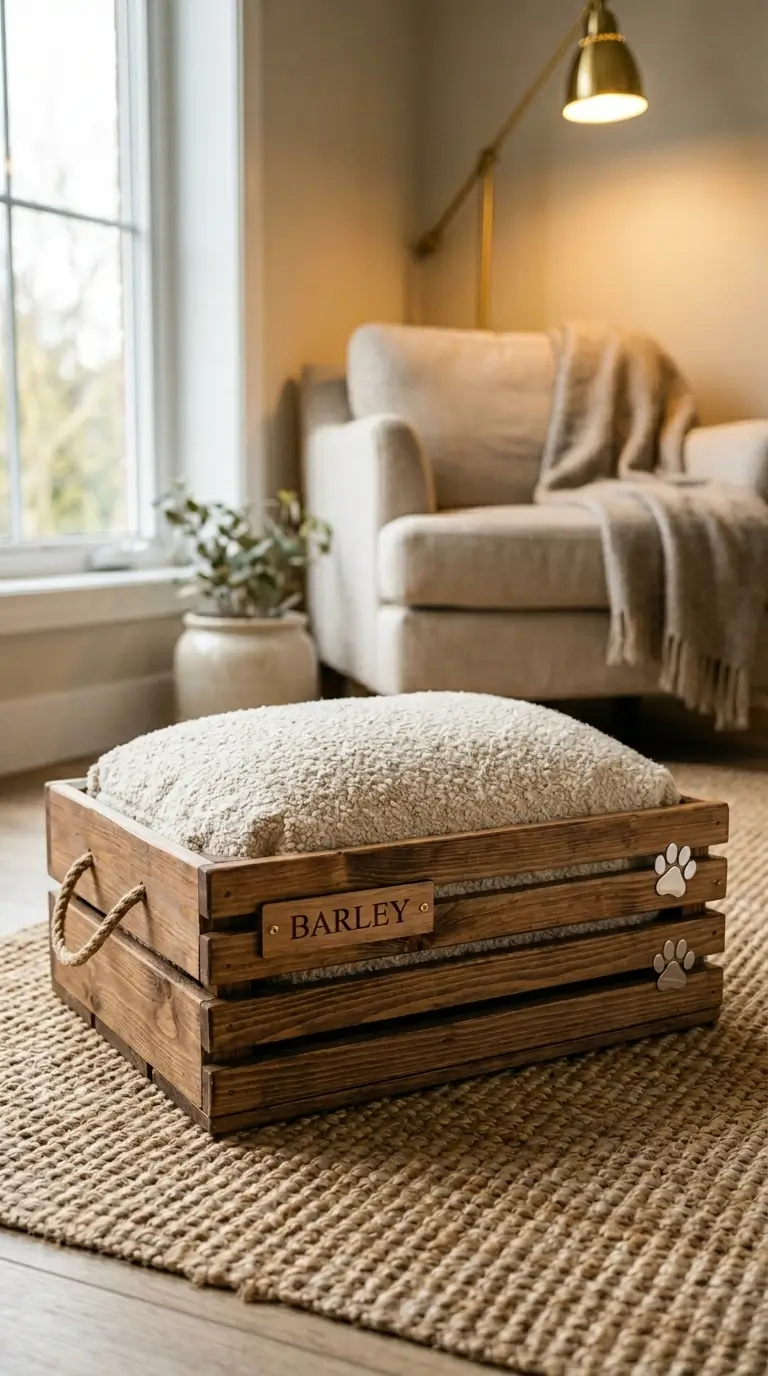
A wooden crate bed is a simple and reliable option that balances durability with design. Start with a solid crate and sand down all rough edges to ensure safety for your dog. You can keep the natural wood finish for a rustic feel or stain it in a tone that matches your interior. A thick, well-fitted cushion is essential here, especially for dogs that spend long hours resting.
3. Sweater Cocoon Bed for Small Pups
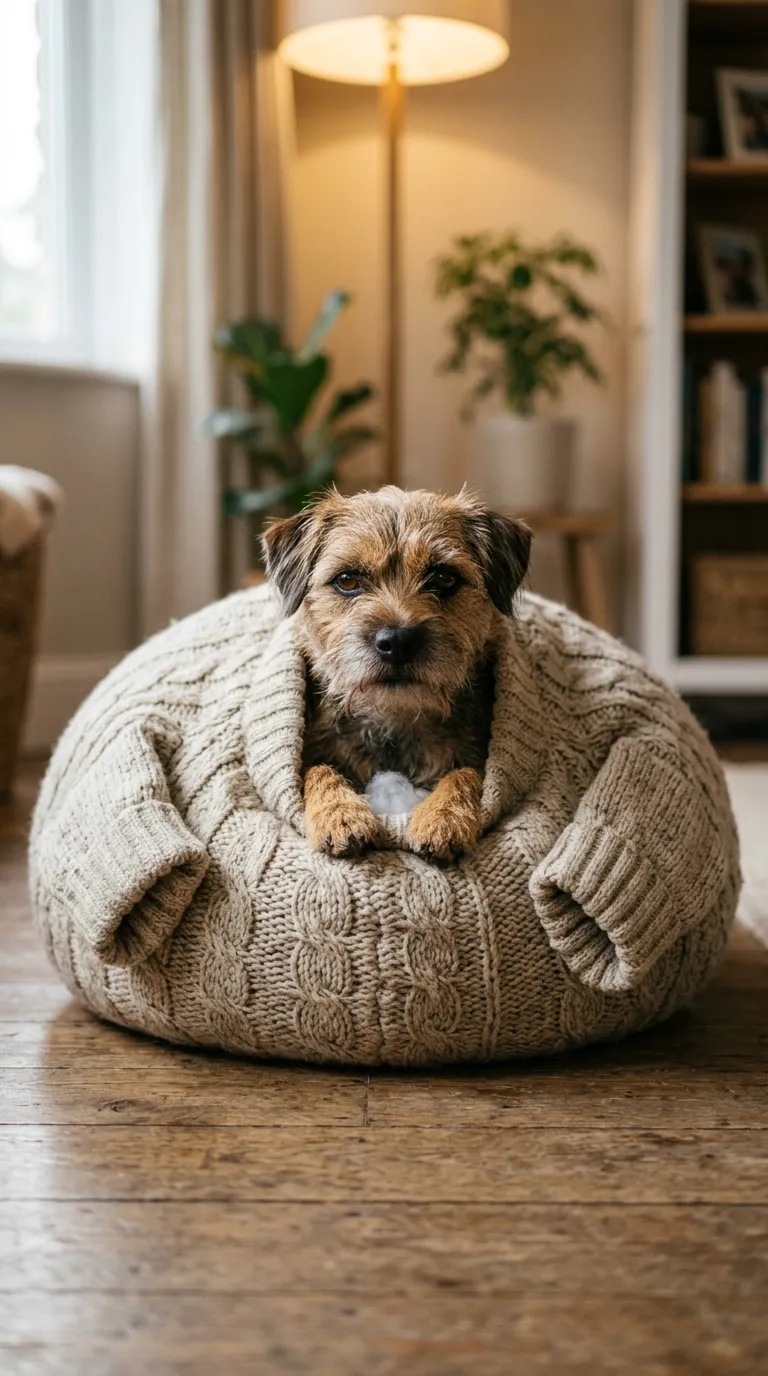
This is a practical and eco-friendly option that uses materials you already have. A sweater cocoon bed works especially well for small dogs that prefer enclosed, nest-like sleeping spaces.
Start with a thick sweater and fill the body with soft stuffing like old pillows or fiberfill. Shape the sleeves around the edges to form raised sides, then stitch everything securely in place. The enclosed design helps dogs feel safe and supported, which is particularly useful for anxious pets. Choosing soft, breathable fabric ensures comfort while maintaining warmth.
4. Pallet Wood Frame Bed
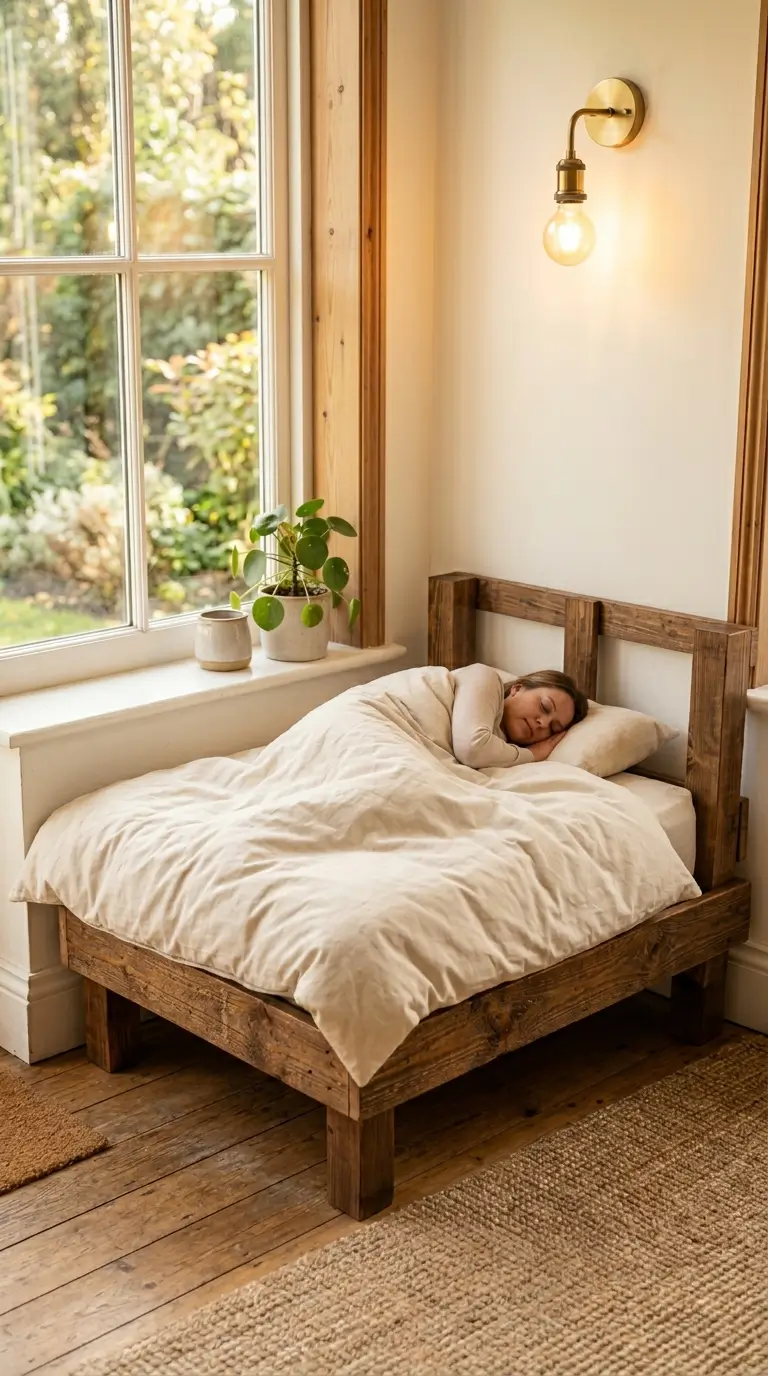
A pallet wood frame bed offers a strong, structured sleeping area while keeping costs low. Start by selecting clean pallets and sanding them thoroughly to remove splinters and rough surfaces. You can build a simple rectangular frame and stain it to enhance the wood grain. Adding short legs lifts the bed slightly, which improves hygiene and airflow. Inside the frame, place a thick foam cushion with a removable cover for easy cleaning.
This design is ideal for medium to large dogs because it provides proper support and keeps them off the floor. It also maintains its shape better than fully soft beds. The combination of sturdy wood and soft cushioning creates a balanced look that fits well in modern or rustic interiors. It’s a practical long-term solution that looks much more expensive than it actually is.
5. Hooded Tent Bed With Wood Dowels
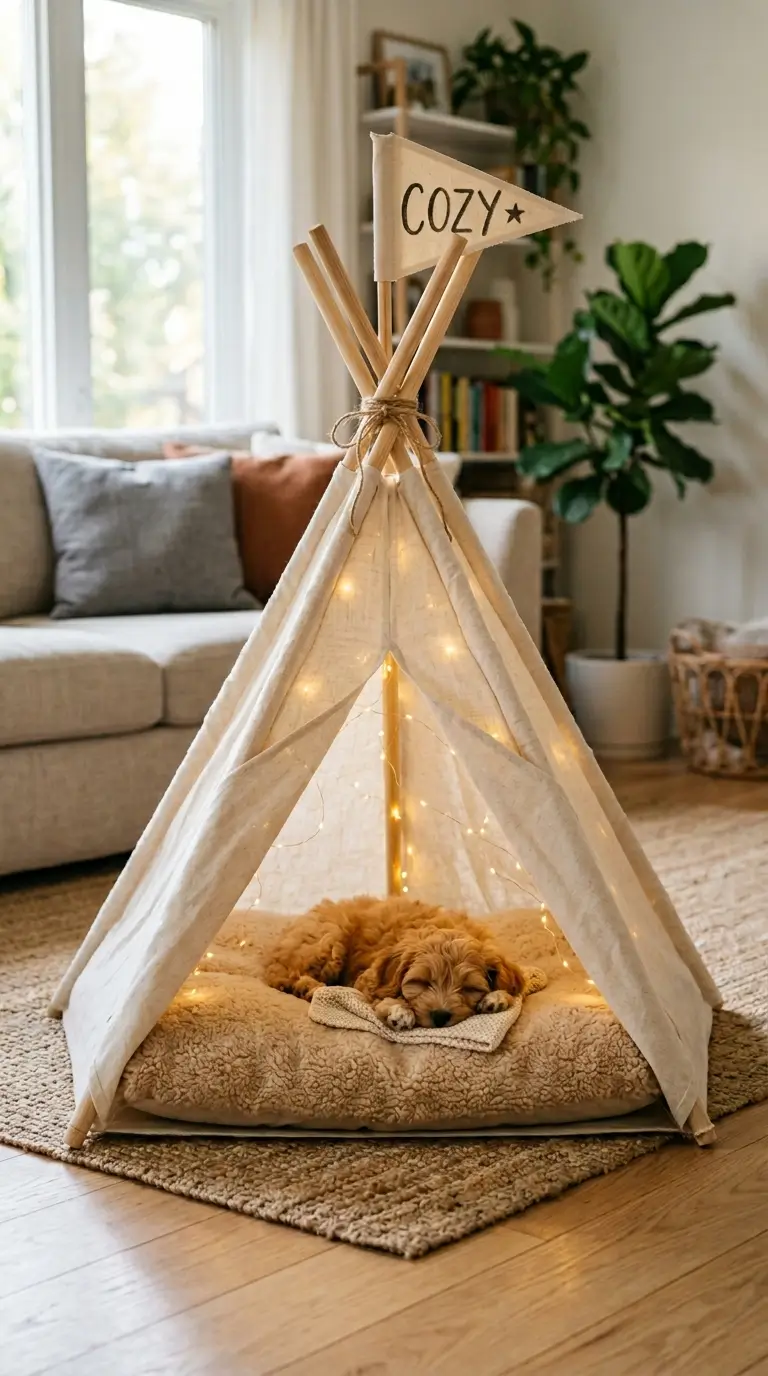
A hooded tent bed creates a cozy, enclosed space that many dogs naturally prefer. Using wooden dowels, you can build a simple frame and cover it with fabric to form a tent-like structure.
Choose durable, breathable fabric such as canvas or cotton for the outer layer. Inside, place a thick cushion to ensure comfort. The enclosed design helps reduce external distractions, making it ideal for dogs that need a quiet resting spot. This setup works best for small dogs and puppies. It’s lightweight, easy to move, and doesn’t require permanent installation. You can also fold or disassemble it when not needed.
6. Old Drawer Bed With Legs
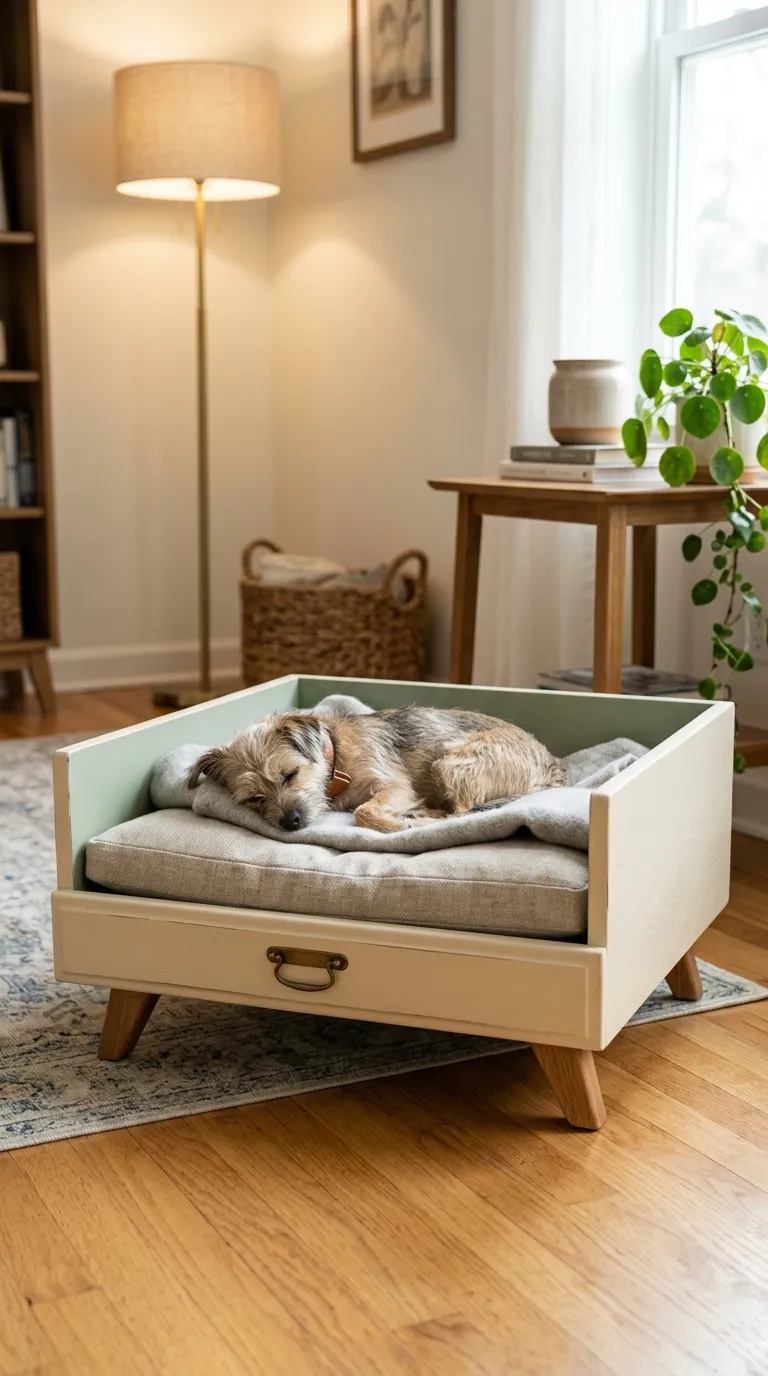
Repurposing an old drawer into a dog bed is both practical and sustainable. Choose a sturdy drawer, then sand and clean it properly before use. Adding small furniture legs elevates the drawer, improving airflow and keeping it off cold or damp floors. You can paint or stain the exterior to match your interior design while keeping the inside lighter for a softer look.
A custom-fit cushion ensures comfort and prevents shifting. The raised edges of the drawer naturally create a sense of security for your dog. This design works well for small to medium dogs and is especially useful if you want to reuse old furniture instead of discarding it. It’s a simple upgrade that turns something unused into a functional and attractive piece.
7. Round Macramé Hanging Bed
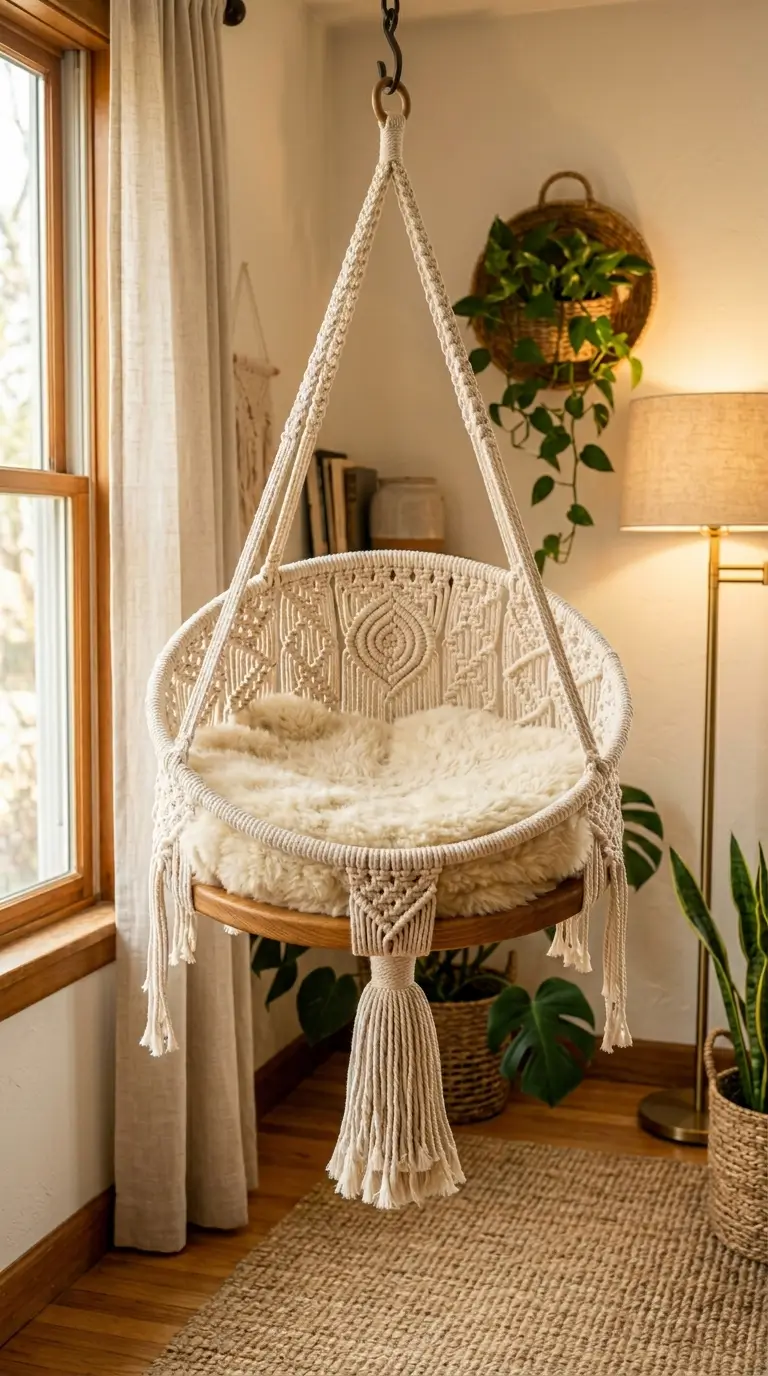
A macramé hanging bed is a more advanced DIY option but offers a unique and visually striking result. It works best for small dogs under 15 pounds. The structure is created using strong macramé cord woven into a deep bowl shape, supported by a sturdy ring. It must be securely hung from a ceiling hook or stable frame to ensure safety.
Inside, add a soft cushion or sheepskin layer for comfort. The slight swinging motion can have a calming effect, helping some dogs relax more easily. This design should only be used if the installation is strong and secure. While it’s not suitable for all dogs, it creates a cozy and elevated resting spot for smaller breeds.
8. Outdoor Patio Wood Bed
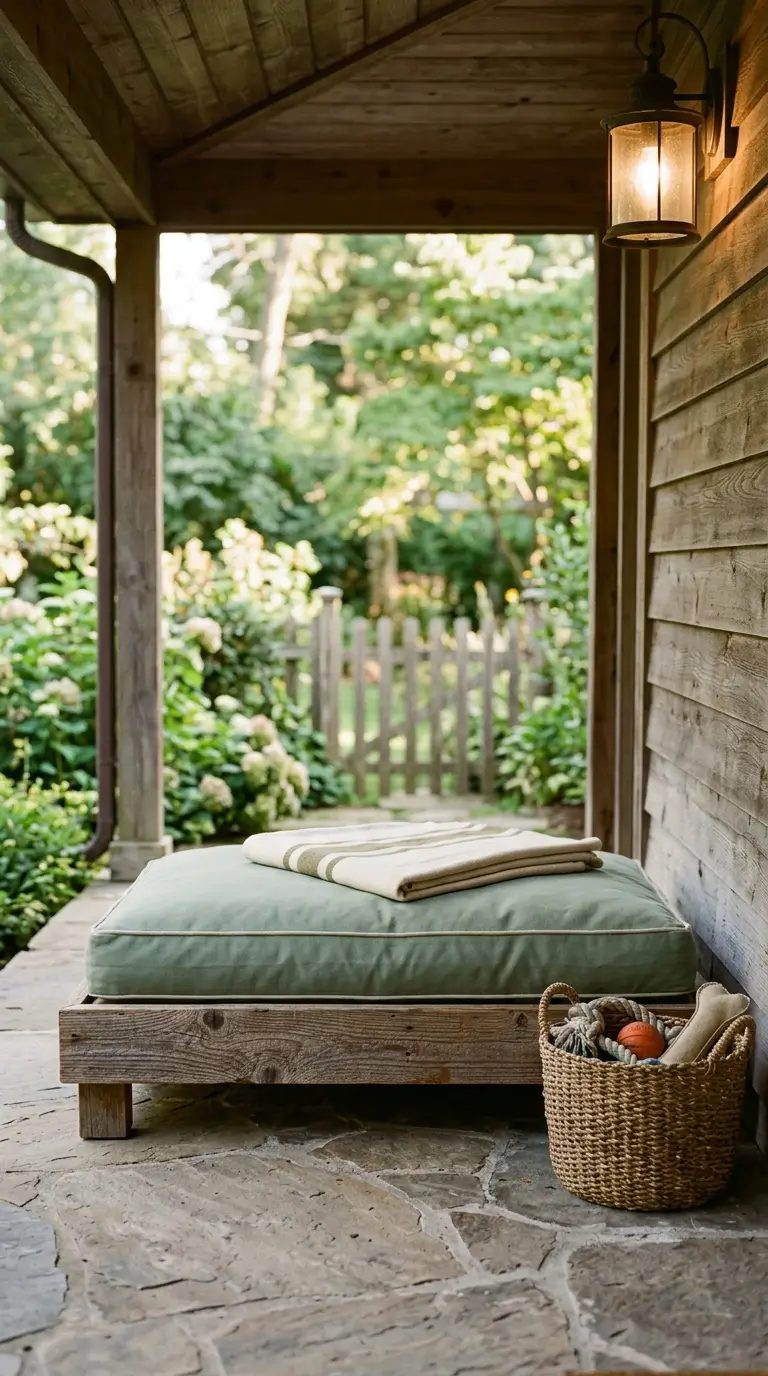
An outdoor wood bed is designed specifically for durability and weather resistance. Cedar or treated wood works best because it naturally resists moisture and pests. Build a low platform structure and pair it with a waterproof cushion. Elevated designs help keep the bed dry and prevent contact with hot or cold surfaces.
Place it in a shaded or covered area to extend its lifespan. This setup is ideal for dogs that spend time outdoors but still need a comfortable resting spot. The structure remains stable over time and requires minimal maintenance. It’s a practical option that combines comfort with durability, especially for larger dogs.
9. T-Shirt Pillow Bed
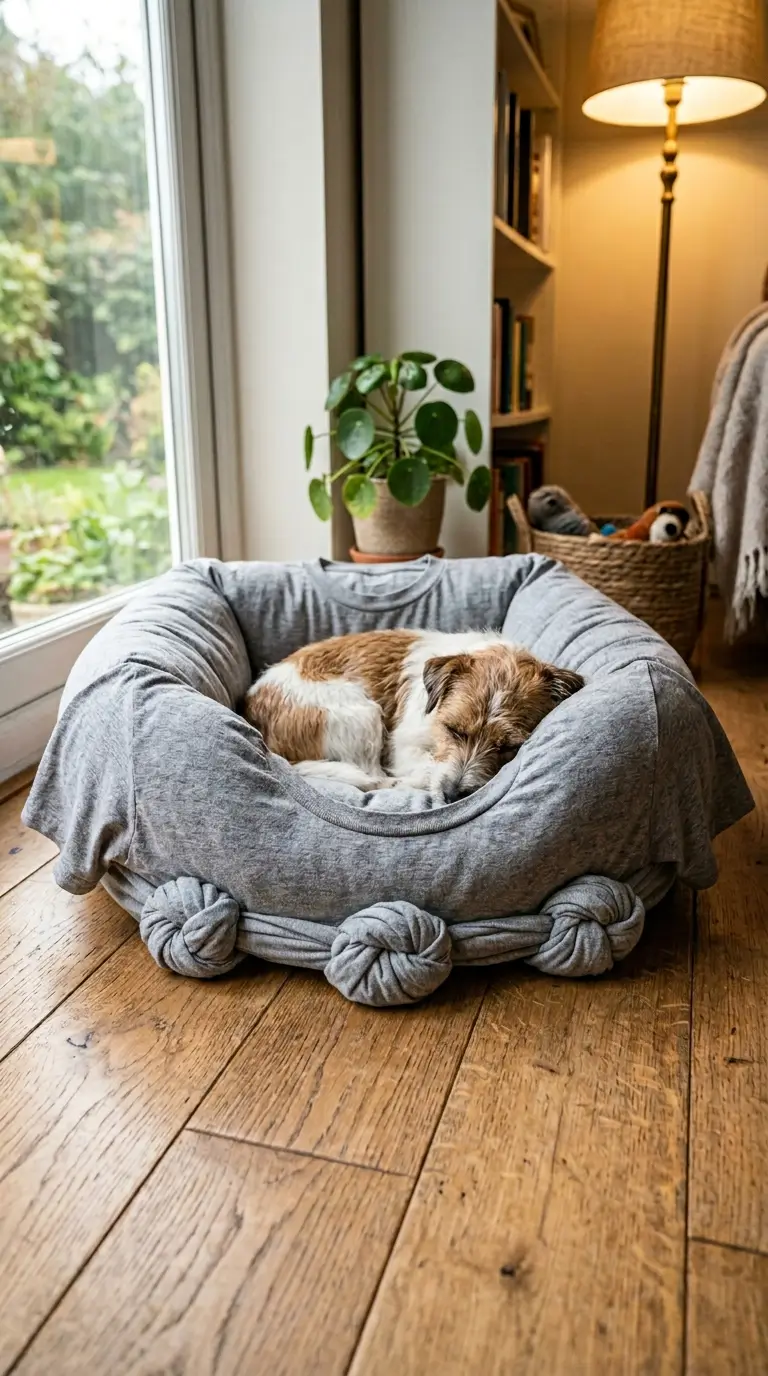
A T-shirt pillow bed is one of the quickest and simplest DIY options. It requires no sewing and can be completed in minutes. Fill a large T-shirt with soft stuffing, then tie or secure the ends to create a compact cushion. The softness of cotton fabric combined with familiar scents can help dogs feel more relaxed. This bed is lightweight and easy to move, making it ideal for temporary use or travel. It’s also easy to wash or replace when needed.
10. Bunting-Topped Cradle Bed
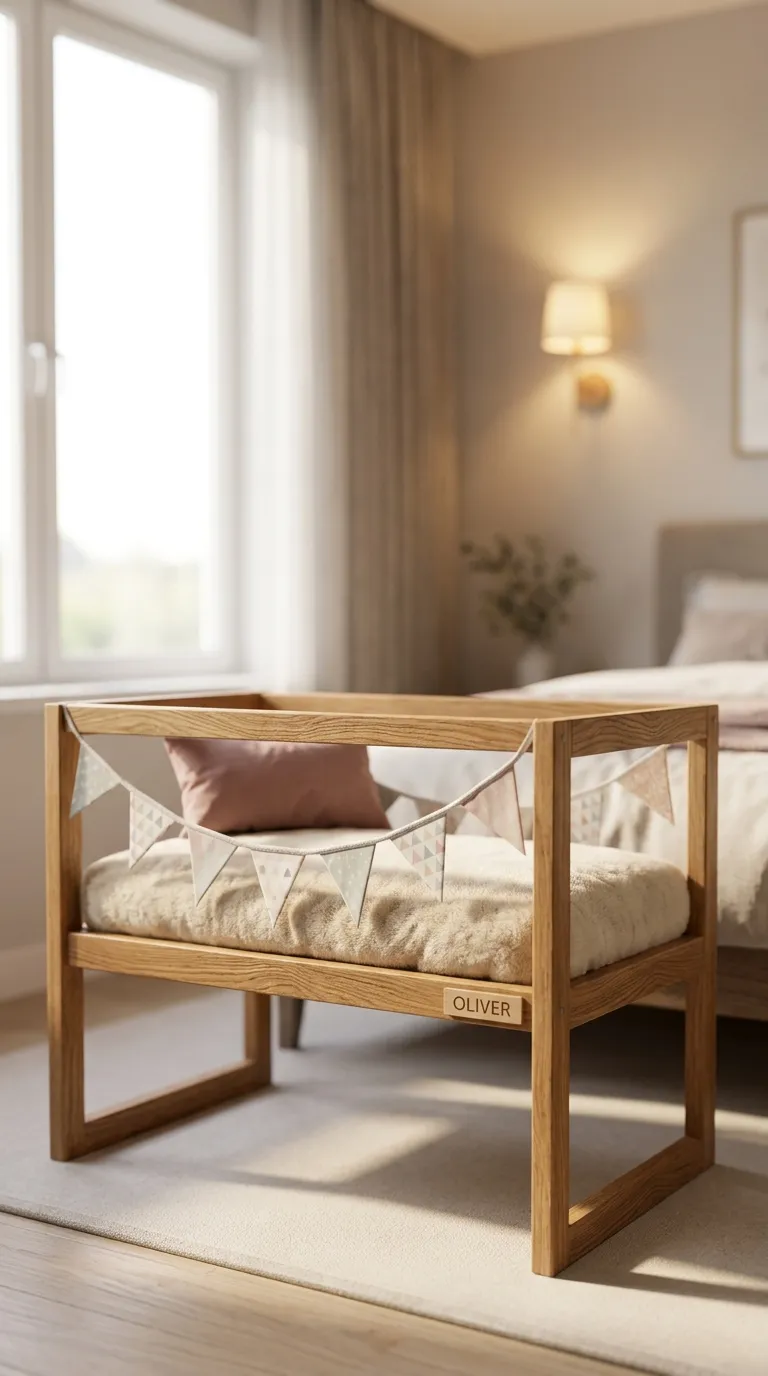
A cradle-style bed creates a defined sleeping area with a slightly raised structure. Using wood, you can build a low frame that keeps the cushion contained and stable.
Adding a bunting detail introduces a decorative element without affecting functionality. The key focus should remain on comfort, so use a thick cushion that supports your dog properly. This design works best for small dogs and fits well in well-lit areas like near windows. Keeping the structure low ensures easy access while maintaining a cozy feel.
11. Tire Bed Painted Soft Sage
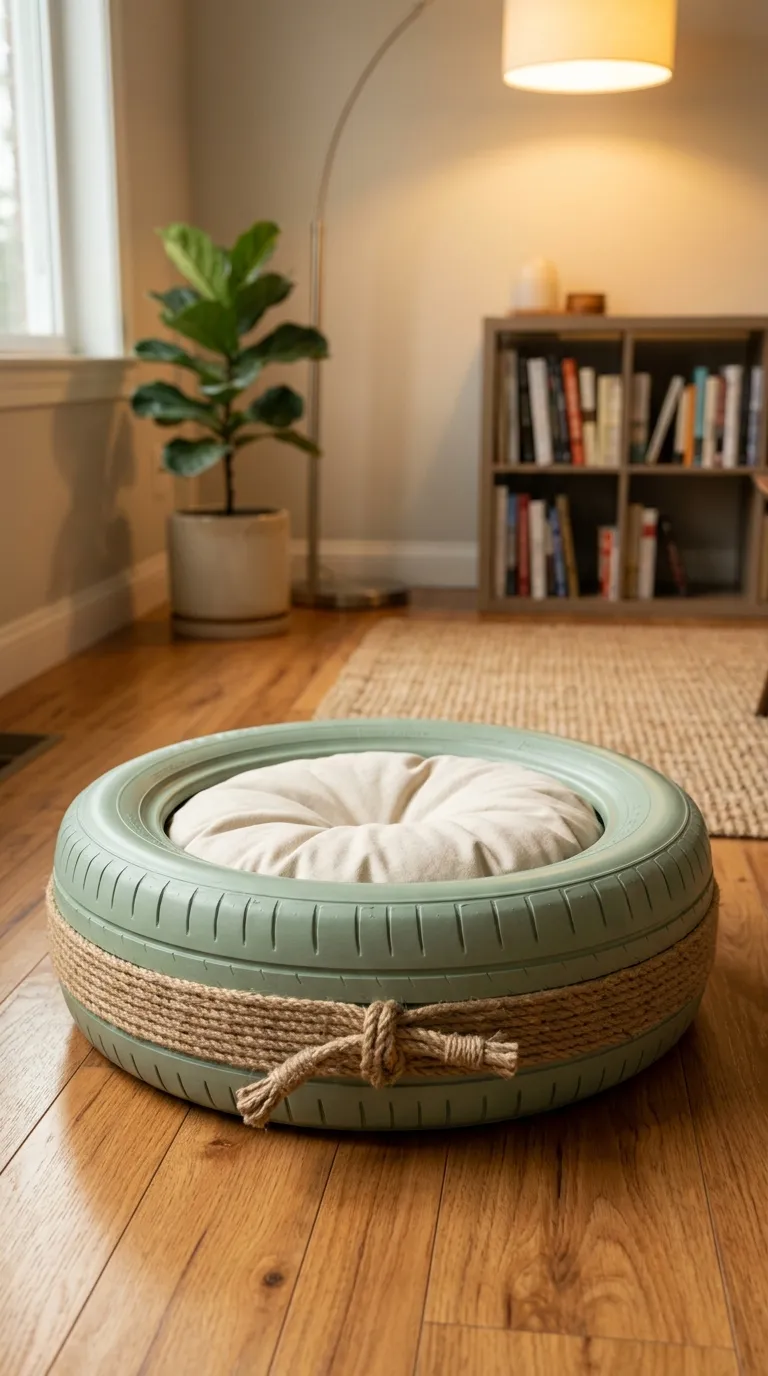
A tire bed is a creative way to recycle materials while building something durable and long-lasting. Start by selecting a clean, undamaged tire and washing it thoroughly to remove dirt and grease.
Once dry, apply a coat of paint in a soft, neutral tone like sage green or terracotta. This helps the tire blend with your home decor instead of looking industrial. After the paint cures, place a round cushion inside that fits securely within the opening. You can also add rubber pads underneath to prevent slipping and protect your floors. The sturdy structure makes it suitable for both indoor and outdoor use.
12. Stacked Quilt Layered Bed
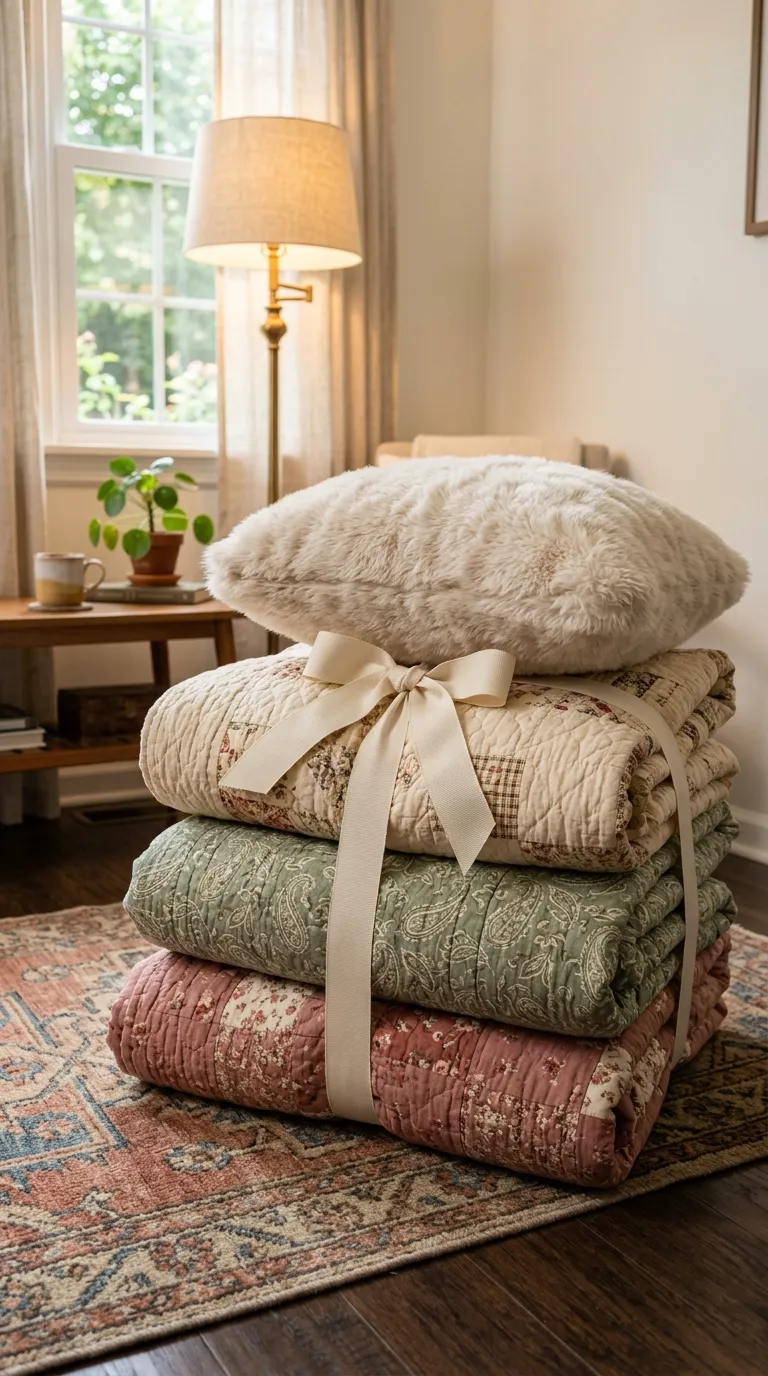
A stacked quilt bed is one of the simplest options, requiring no tools or construction. It’s ideal if you want something quick, comfortable, and easy to maintain. Start by layering two or three folded quilts to create a soft base. Choose breathable fabrics like cotton to ensure comfort, especially in warmer climates. Adding a pillow on top provides extra support.
To keep everything in place, you can loosely tie the stack with a ribbon or fabric strap. This prevents shifting while maintaining flexibility. The layered design distributes weight evenly, making it comfortable for dogs of different sizes. It’s also easy to wash, as each piece can be cleaned separately.
13. Old Coffee Table Bed Hack
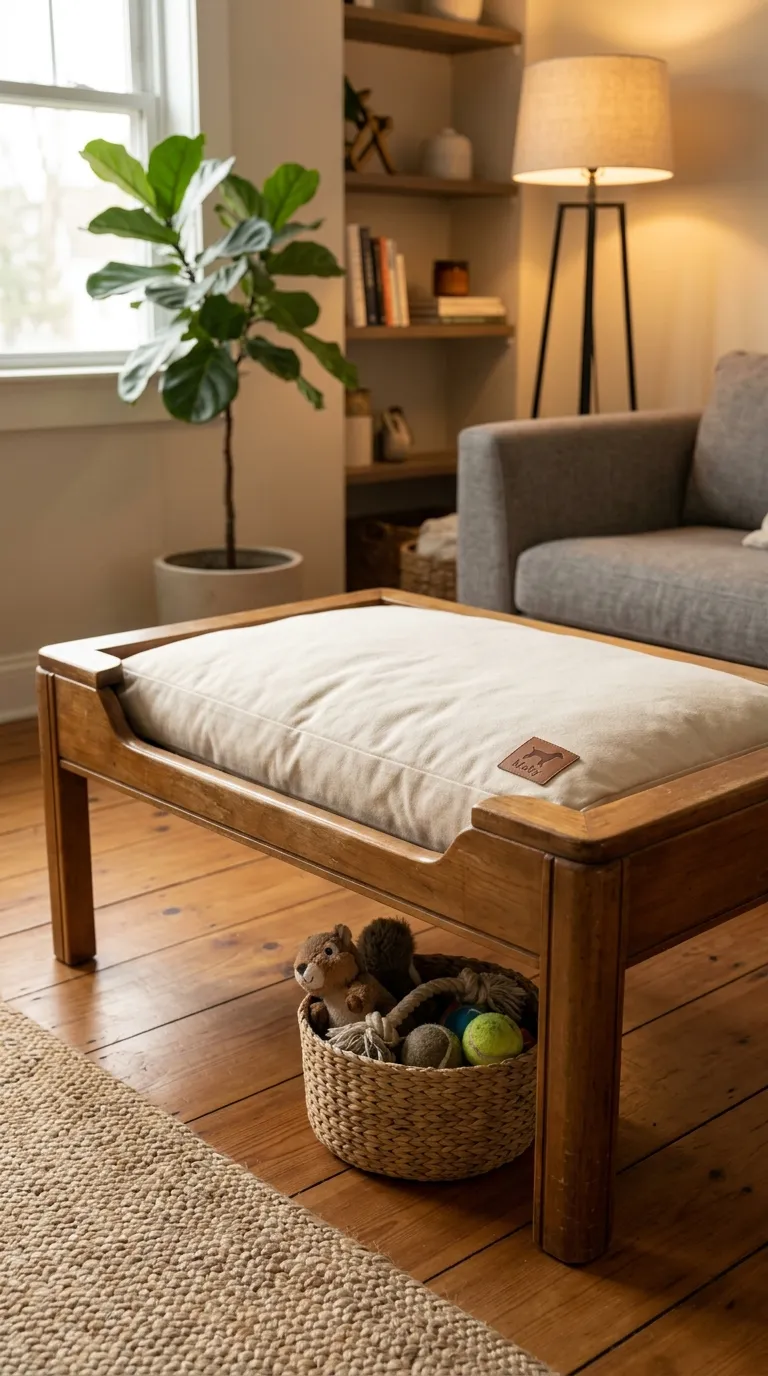
Repurposing an old coffee table into a dog bed is a smart way to reuse furniture while creating something functional. Start by removing the tabletop if needed, leaving the frame as the base. Sand and refinish the wood to match your interior style. Inside the frame, place a thick cushion that fits snugly. The raised structure keeps your dog off the floor and provides better airflow. You can also use the space underneath for storage, such as baskets for toys or blankets. This adds practicality without increasing clutter.
14. Ottoman Bed With Storage
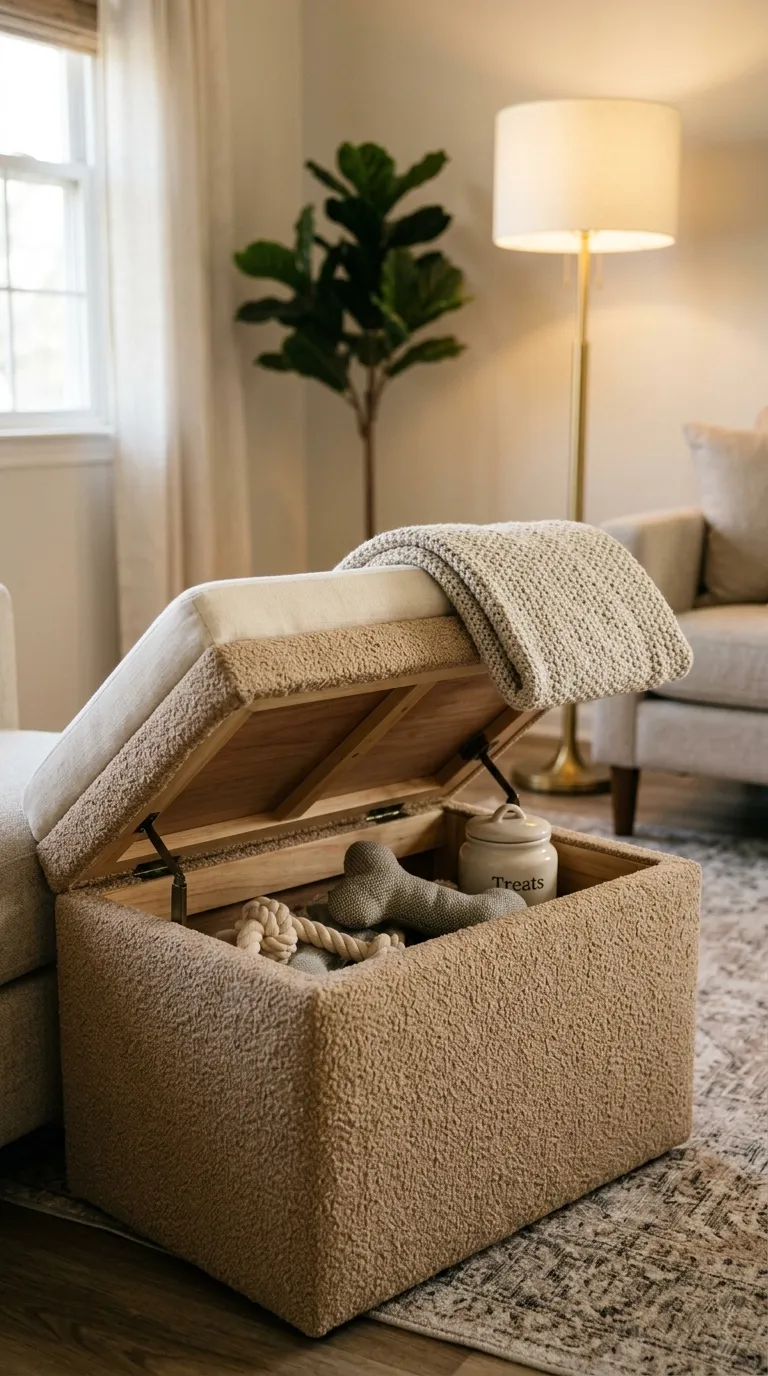
An ottoman bed combines comfort with hidden storage, making it ideal for small homes. Choose or build an ottoman with a hinged lid so you can store toys, blankets, or grooming items inside. On top, place a thick cushion that provides enough support for your dog. Using durable, washable fabric ensures the bed stays clean over time.
The structure is stable and works best for small to medium dogs. It’s especially useful in living rooms where space efficiency is important. This option balances function and aesthetics, offering a clean and organized solution for everyday use.
15. PVC Pipe Raised Bed
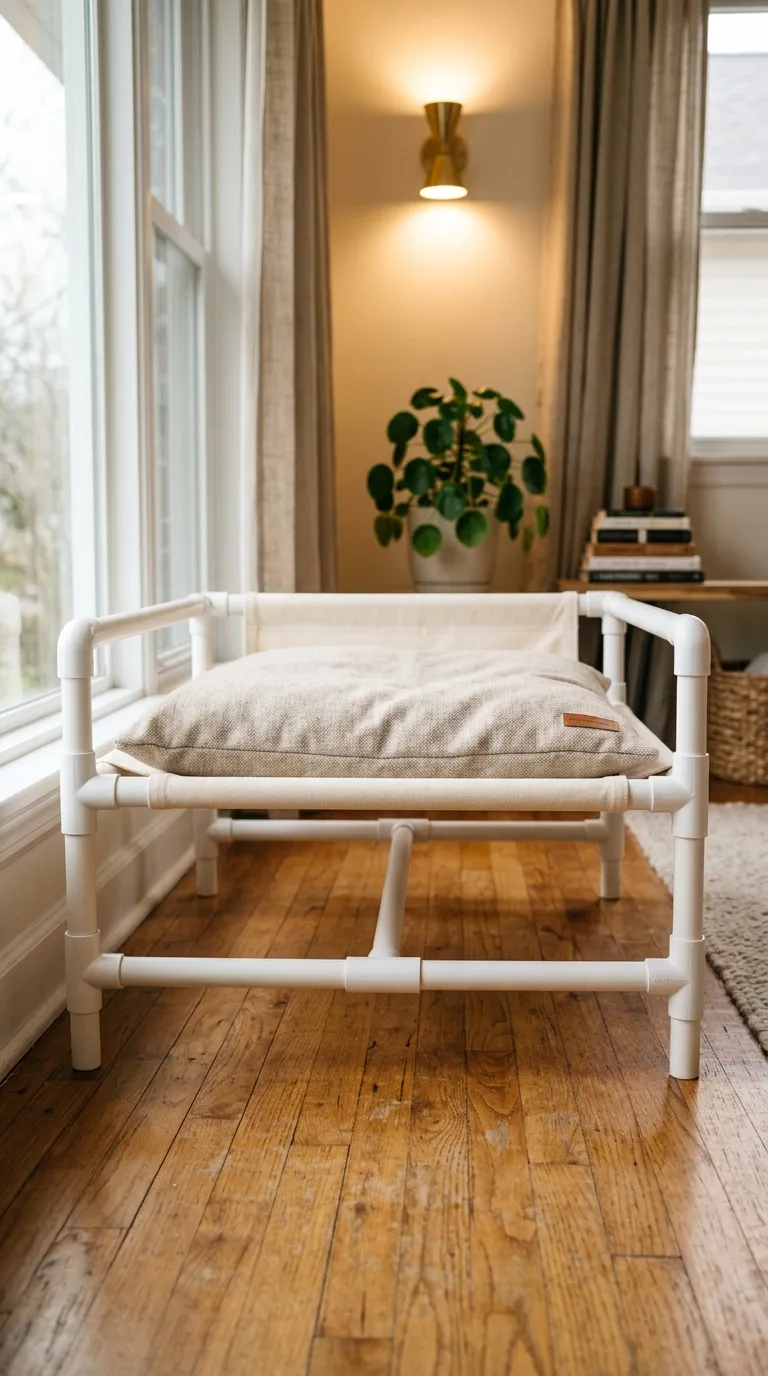
A PVC pipe bed is lightweight, durable, and easy to assemble. Using connectors and pipes, you can create a simple rectangular frame elevated above the ground. Stretch a strong fabric, such as canvas, across the frame to form a hammock-style base. This design provides slight flexibility, which can be more comfortable for dogs with joint issues.
The raised structure keeps your dog off cold or hard floors and improves airflow underneath. It’s also easy to clean since you can remove and wash the fabric.bThis bed works well for medium to large dogs and is especially useful in warmer climates. It’s a practical option that combines comfort, hygiene, and durability in a simple build.
16. Round Basket Bed
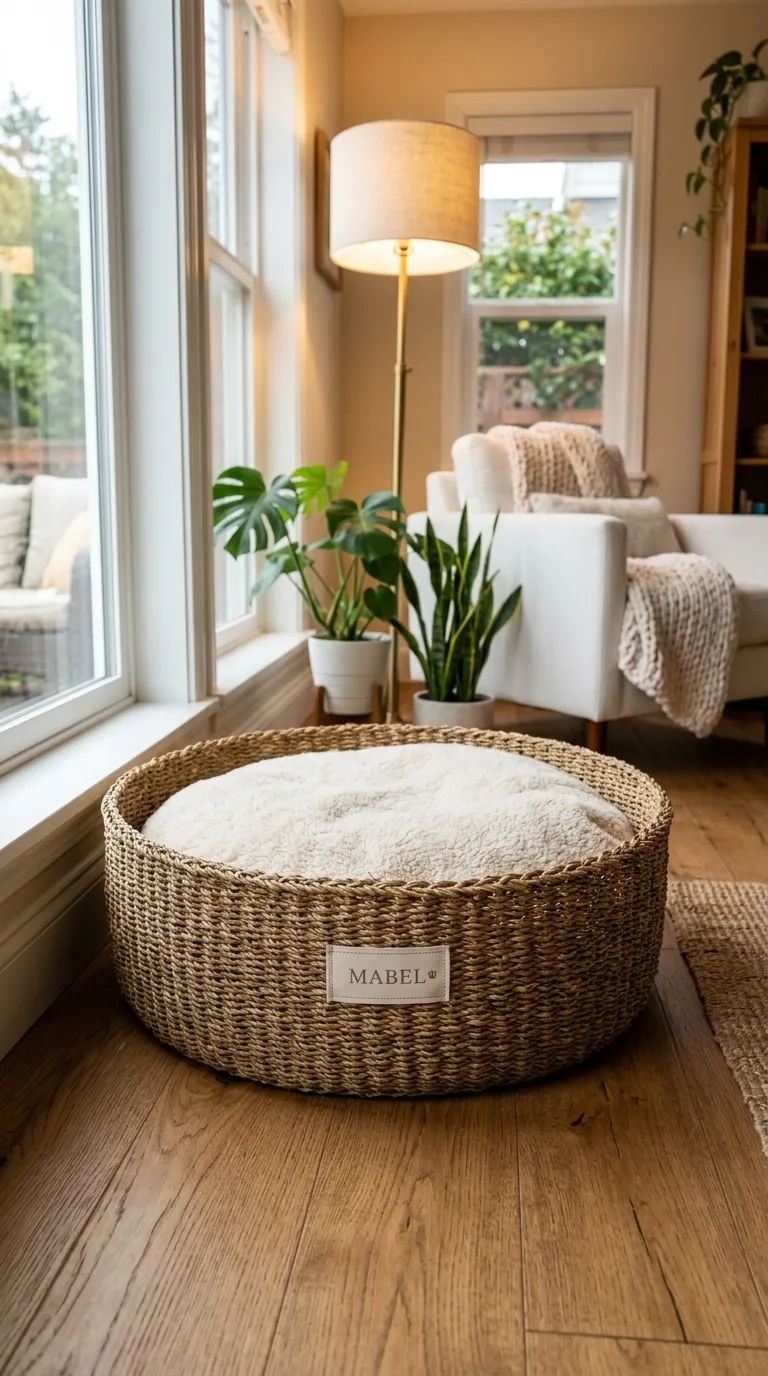
A basket bed is a no-build solution that still looks polished and intentional. Choose a sturdy basket made from materials like seagrass or wicker. Place a circular cushion inside that fits well without leaving gaps. Soft fabrics like fleece or cotton add comfort while maintaining breathability.
This option works best for small to medium dogs and fits easily into different spaces around the home. It’s lightweight and can be moved without effort. The combination of natural texture and soft cushioning makes it both practical and visually appealing.
17. Bunk Bed for Multi-Dog Homes
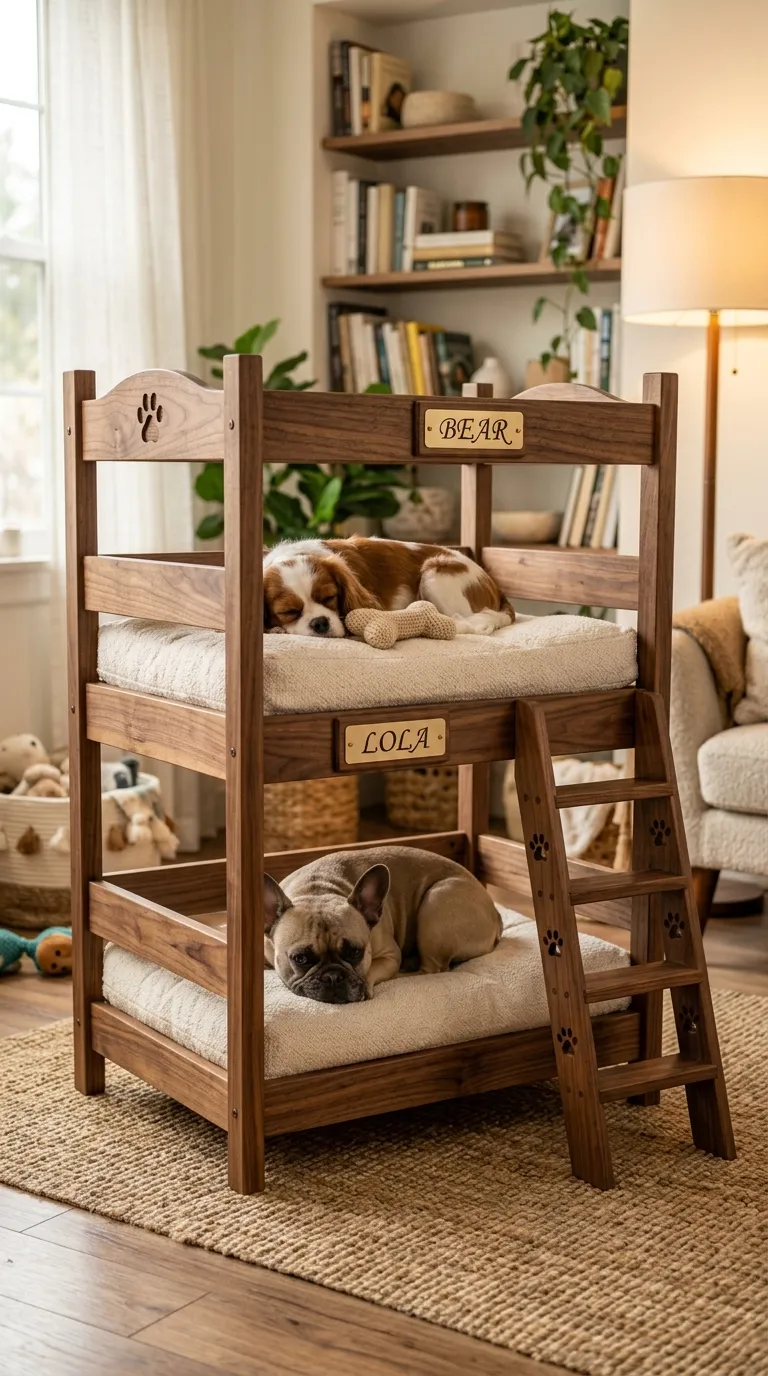
A bunk bed is a great solution for homes with multiple small dogs. It allows each pet to have its own sleeping space while using vertical space efficiently. Build a two-level frame using sturdy wood and ensure both levels are strong enough to support weight. Add thick cushions to each level for comfort.
This design keeps sleeping areas organized and reduces competition between pets. It also saves floor space compared to placing multiple beds side by side. It’s a practical solution for multi-dog households that want both structure and efficiency.
18. Hammock Bed Between Two Tree Trunks
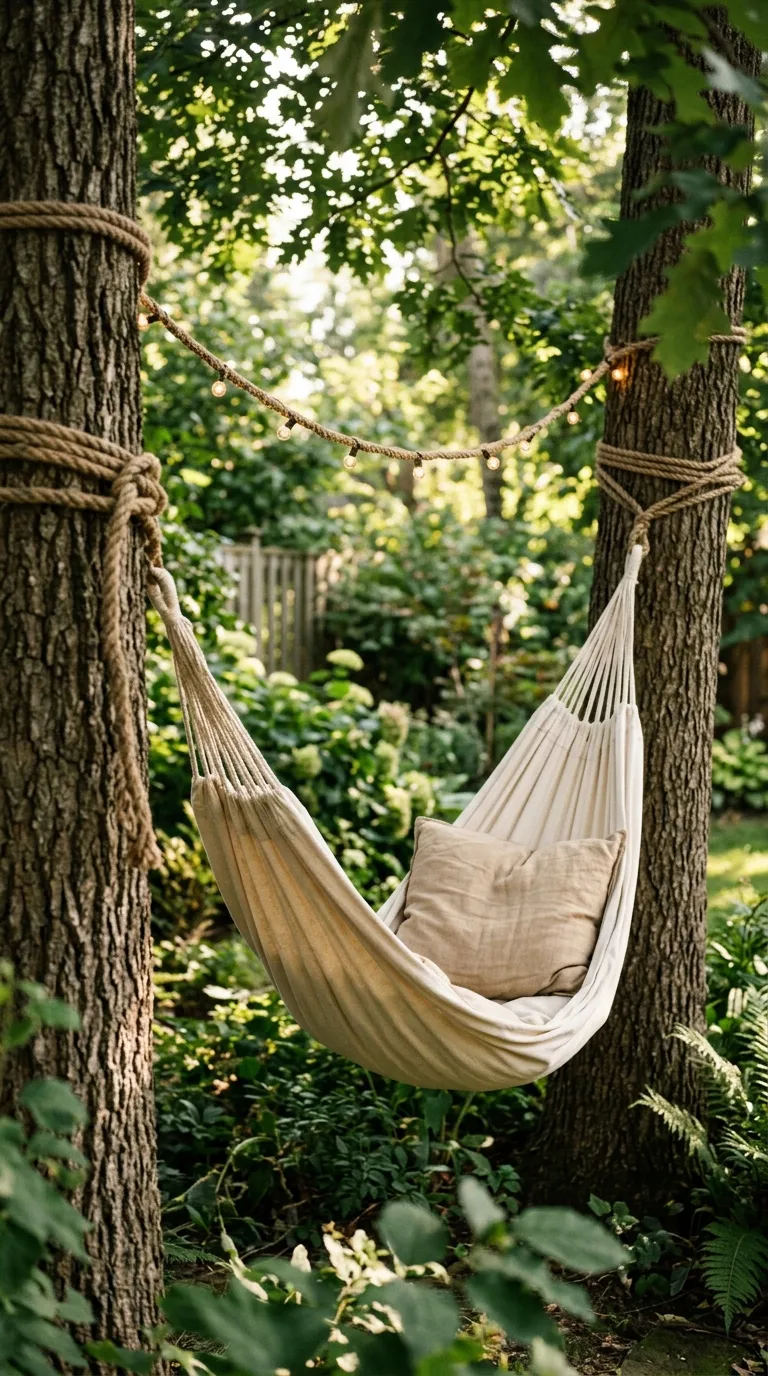
This outdoor hammock bed creates a relaxing resting spot for dogs in a natural setting. Secure a durable fabric hammock between two stable supports like trees or posts. The elevated design keeps your dog off the ground, which helps with airflow and reduces exposure to dirt or moisture. The gentle movement can also be calming.
This setup is best suited for supervised outdoor use and should be taken down during harsh weather conditions. It’s a unique option that provides comfort while allowing your dog to enjoy fresh air in a shaded environment.
19. Repurposed TV Cabinet Bed
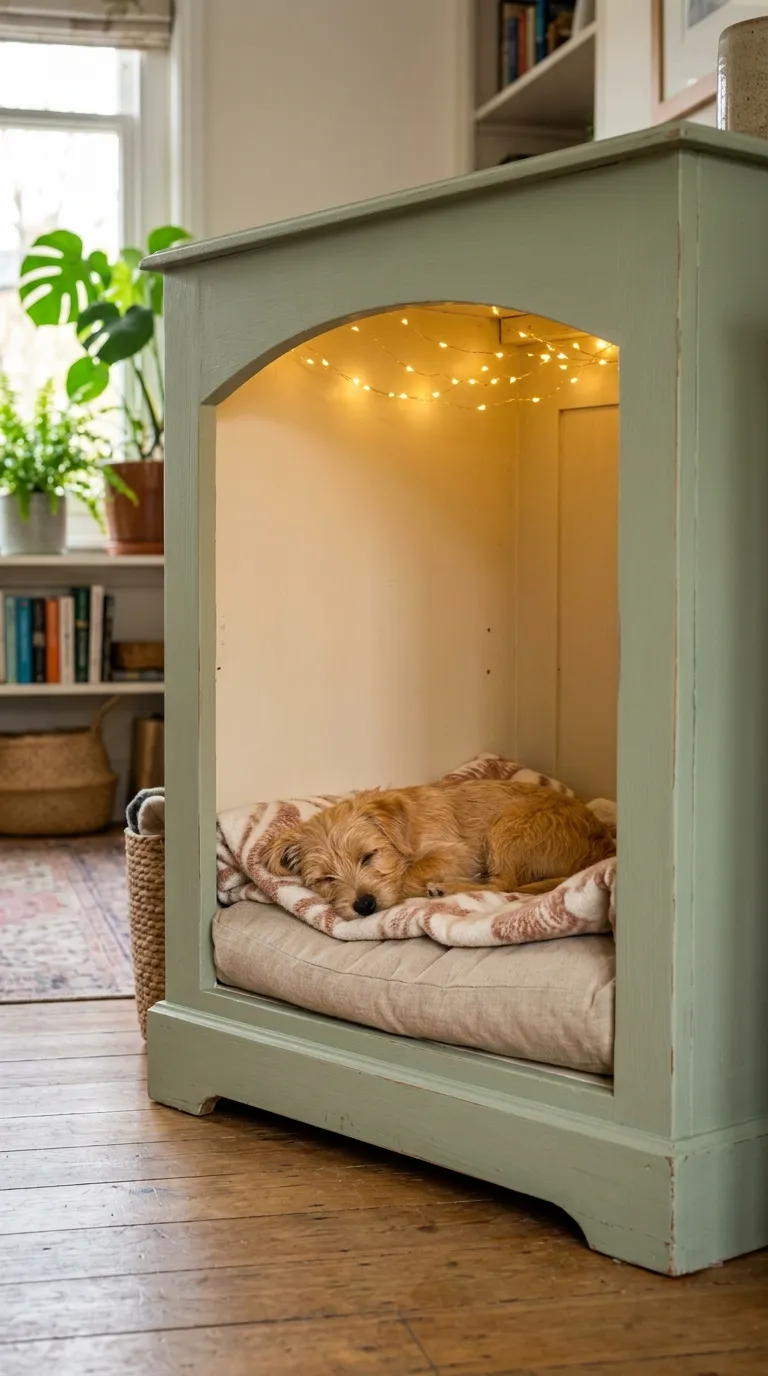
An old TV cabinet can be transformed into a structured and enclosed dog bed. Remove any unnecessary shelves or doors to create an open interior space. Refinish the exterior to match your decor and place a thick cushion inside. The enclosed design provides a sense of security, making it suitable for dogs that prefer quiet, contained spaces.
You can also add soft lighting or keep storage compartments for toys and accessories. This makes the setup more functional without adding clutter. This design works well for small to medium dogs and integrates seamlessly into living areas. It’s a practical way to reuse old furniture while creating a comfortable resting space.
20. Felt Cave Bed for Cats and Small Dogs
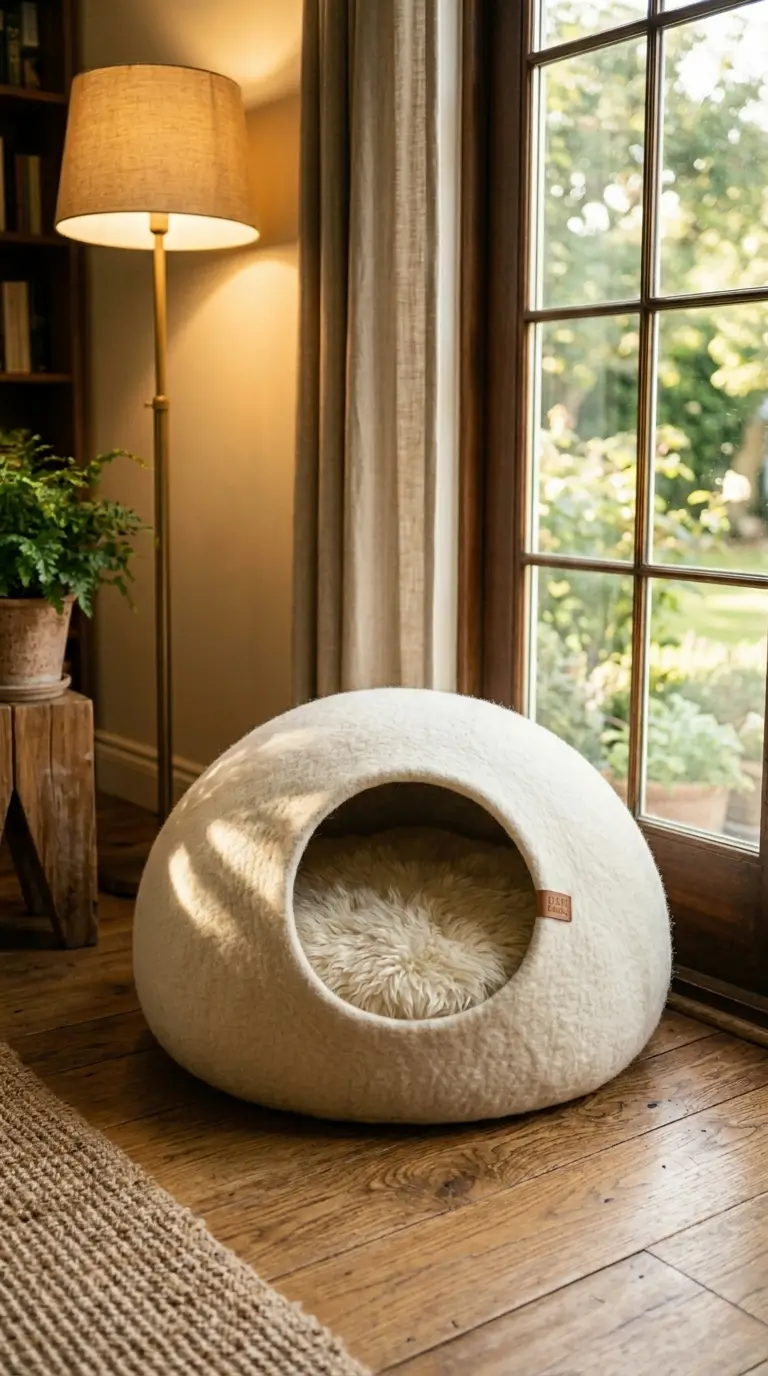
A felt cave bed provides a warm, enclosed environment that many small dogs and cats naturally prefer. The dome shape helps retain warmth while offering a sense of security. Use thick felted wool or similar material to create a sturdy structure that holds its shape. Inside, add a soft cushion for additional comfort.
The enclosed design reduces noise and distractions, making it ideal for pets that are easily disturbed. It also works well in cooler environments due to its insulating properties. This bed is best suited for small breeds and should be placed in a quiet area of the home. It’s a compact yet highly comfortable option that supports restful sleep.
21. Wicker Hamper Bed
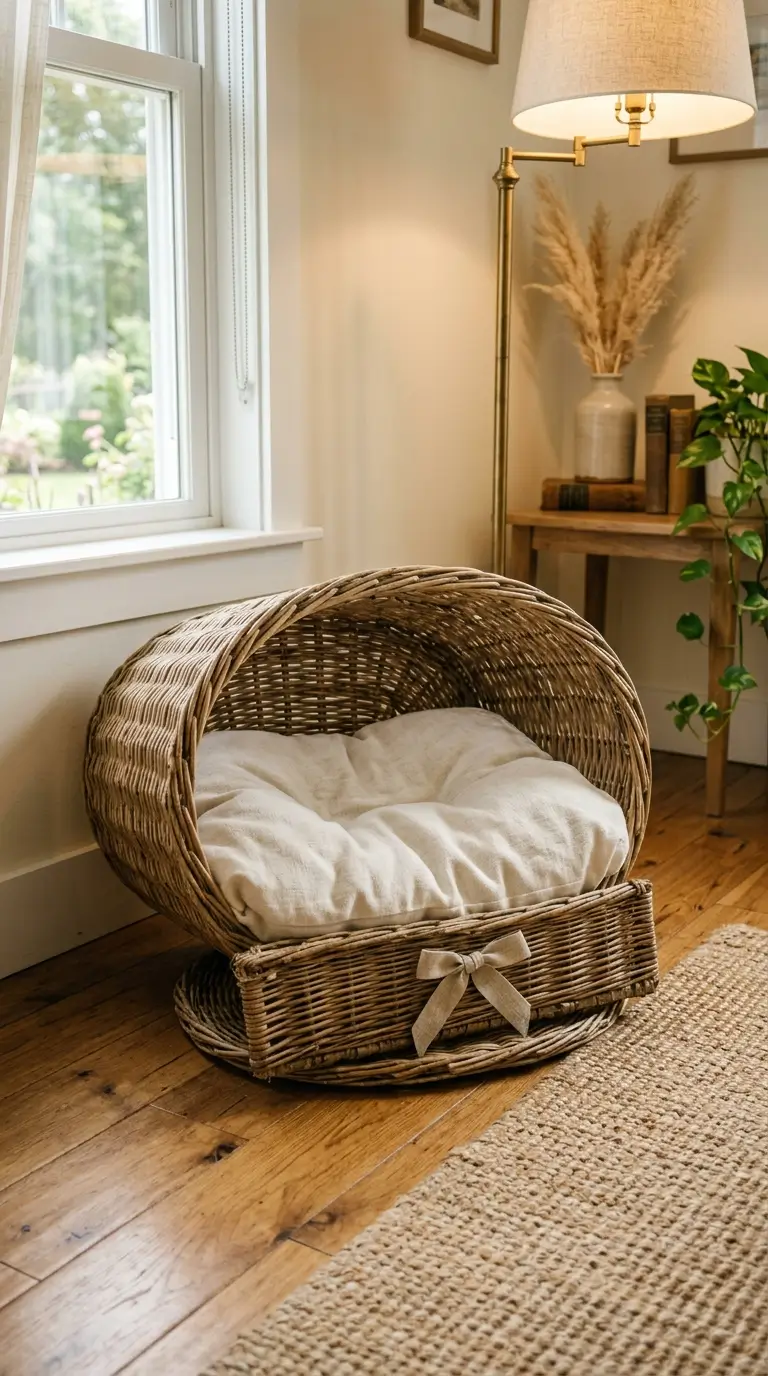
A wicker hamper can be repurposed into a comfortable and structured dog bed with minimal effort. Lay it on its side and adjust the opening if needed to create easy access. Place a thick cushion inside to provide proper support. The sturdy frame keeps the bed stable while the woven material allows airflow.
This design works well for small to medium dogs and fits naturally into most home interiors. It’s lightweight, making it easy to reposition when needed. The enclosed shape also offers a sense of security, helping dogs feel more relaxed while resting. It’s a simple upgrade that turns an unused item into a functional space.
22. Floor Pillow Stack Bed
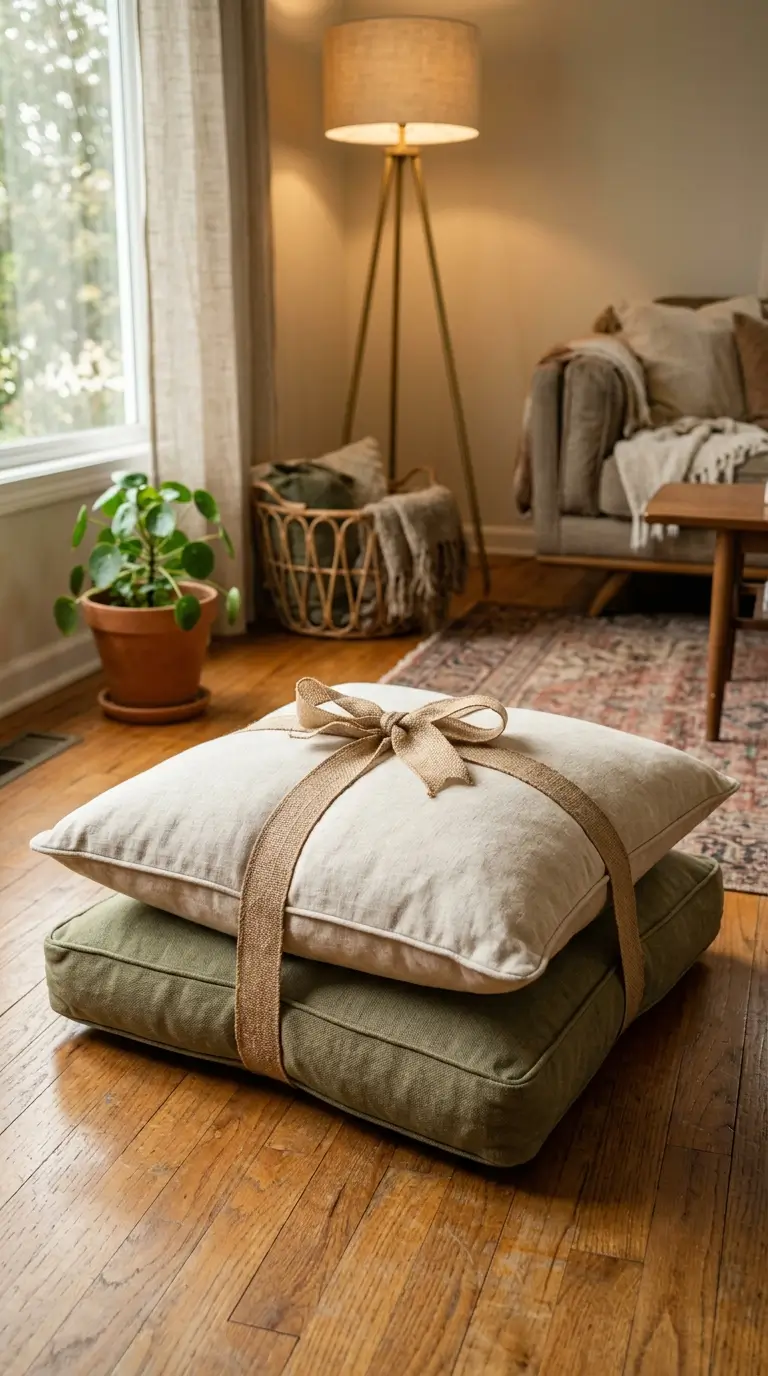
A floor pillow stack is one of the easiest and most flexible options available. Simply layer two or more large cushions to create a soft resting area. Choose durable, washable covers to maintain hygiene. Securing the pillows together with straps or ties helps prevent slipping.
This setup works for dogs of all sizes, depending on the number and thickness of cushions used. It’s easy to adjust, replace, or move around as needed. While it lacks a rigid structure, it provides excellent comfort and adaptability. It’s a good choice for casual use or as an additional resting spot in different areas of the home.
23. Mid-Century Style Wood Bed
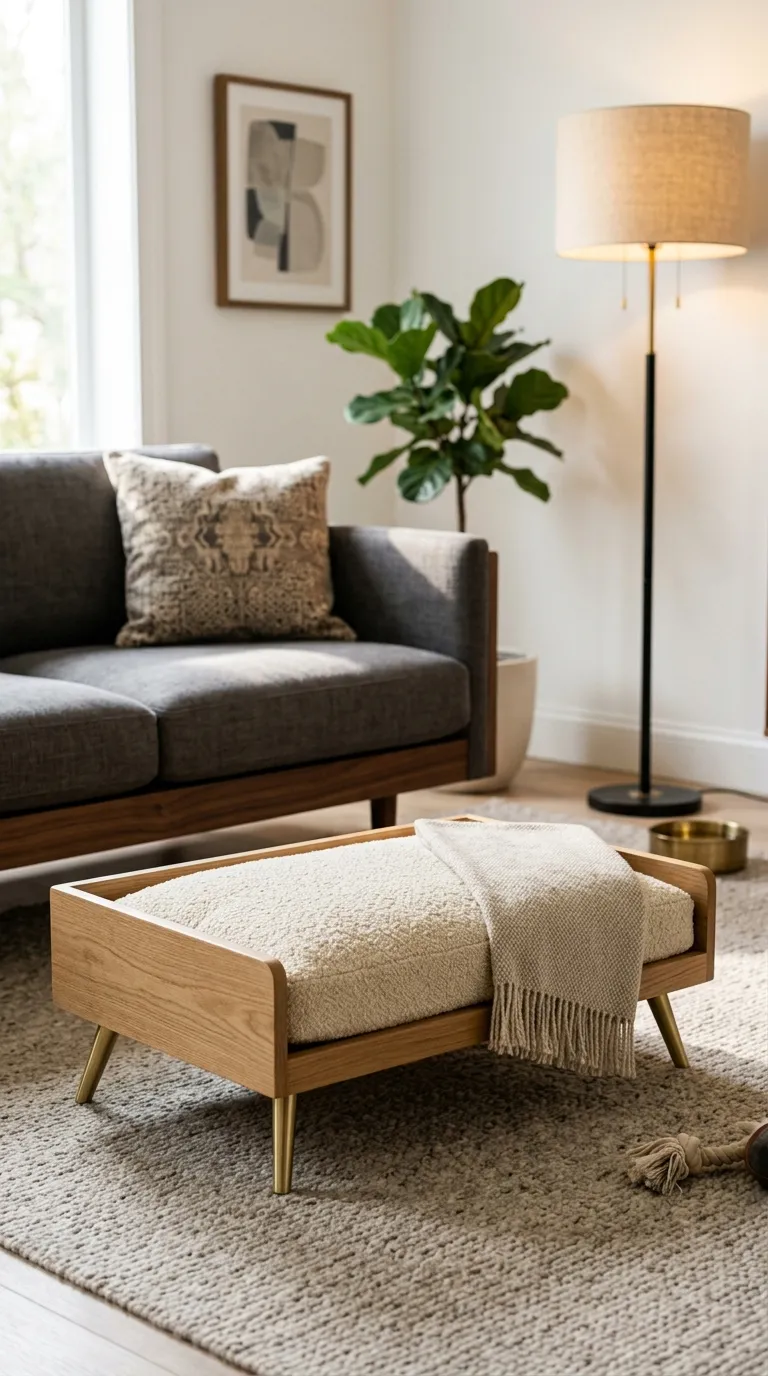
A mid-century style dog bed focuses on clean lines and a furniture-like appearance. Build a low rectangular frame using quality wood for durability. Adding angled legs elevates the bed slightly, improving airflow and making cleaning easier. Inside, place a thick cushion that fits securely within the frame. This design blends seamlessly with modern interiors and doesn’t look out of place next to other furniture. It’s both functional and visually refined.
Pulling It All Together
A well-designed dog bed is not just about comfort—it should also fit your space and be practical for daily use. The best DIY options balance durability, ease of cleaning, and proper support for your dog’s size and habits. Start with a simple project that matches your skill level, then improve or customize it over time. Focus on materials that are safe, washable, and long-lasting.
FAQs
What is the best material for a DIY dog bed cushion?
A thick foam pad wrapped in a removable canvas or boucle cover works best for most dogs. Foam holds shape well and supports joints. Pick a fabric that can be machine-washed for easy cleaning after muddy paws.
How do I make a DIY dog bed for a large dog?
Start with a sturdy wood frame like pallet wood, cedar planks, or an old coffee table base. Use a thicker foam cushion (4-6 inches) and a heavy-duty canvas cover. Big dogs need more support and a wider sleep zone, so size the DIY dog bed at least 36 inches across.
How can I make a dog bed without sewing?
Try the T-shirt no-sew pillow, the stacked quilt bed tied with ribbon, or the basket bed with a store-bought round cushion. These three projects need zero sewing skills and finish in under an hour. They look cute and are easy to wash.
Are DIY dog beds safe for pets?
Yes, when built with non-toxic paint, smooth sanded edges, and washable fabrics. Avoid loose strings, small buttons, or sharp staples. Always check the bed for any chewed or loose pieces every few weeks.
What is the cheapest DIY dog bed I can make?
The old T-shirt pillow bed and the sweater cocoon bed cost almost nothing because they use clothes you already own. Both projects take 10 to 20 minutes and need no special tools. Stuff with old pillows or polyester fill from a craft store.