20 Stylish Indoor Plant Ideas to Create a Fresh and Beautiful Home
Key Takeaways
- Indoor plants add instant freshness and beauty to any room while bringing natural color and texture into your home.
- Layering plants at different heights creates a more dynamic and professionally styled look than placing all plants at the same level.
- Natural materials such as wood, rattan, linen, and woven baskets pair beautifully with greenery and help create a warm, cohesive design.
- Vertical displays like floating shelves, hanging planters, and plant ladders maximize greenery without taking up extra floor space.
- Strategic plant placement in entryways, reading nooks, bedrooms, kitchens, and home offices can completely transform the mood of a space.
- Mixing leaf shapes, sizes, and textures adds visual depth and keeps plant arrangements interesting and balanced.
- Good lighting is essential for both healthy plant growth and creating beautiful Pinterest-worthy displays.
- Small spaces can benefit just as much as large homes by using compact plants and creative vertical styling solutions.
- Decorative planters and baskets help plants feel like intentional design elements rather than simple accessories.
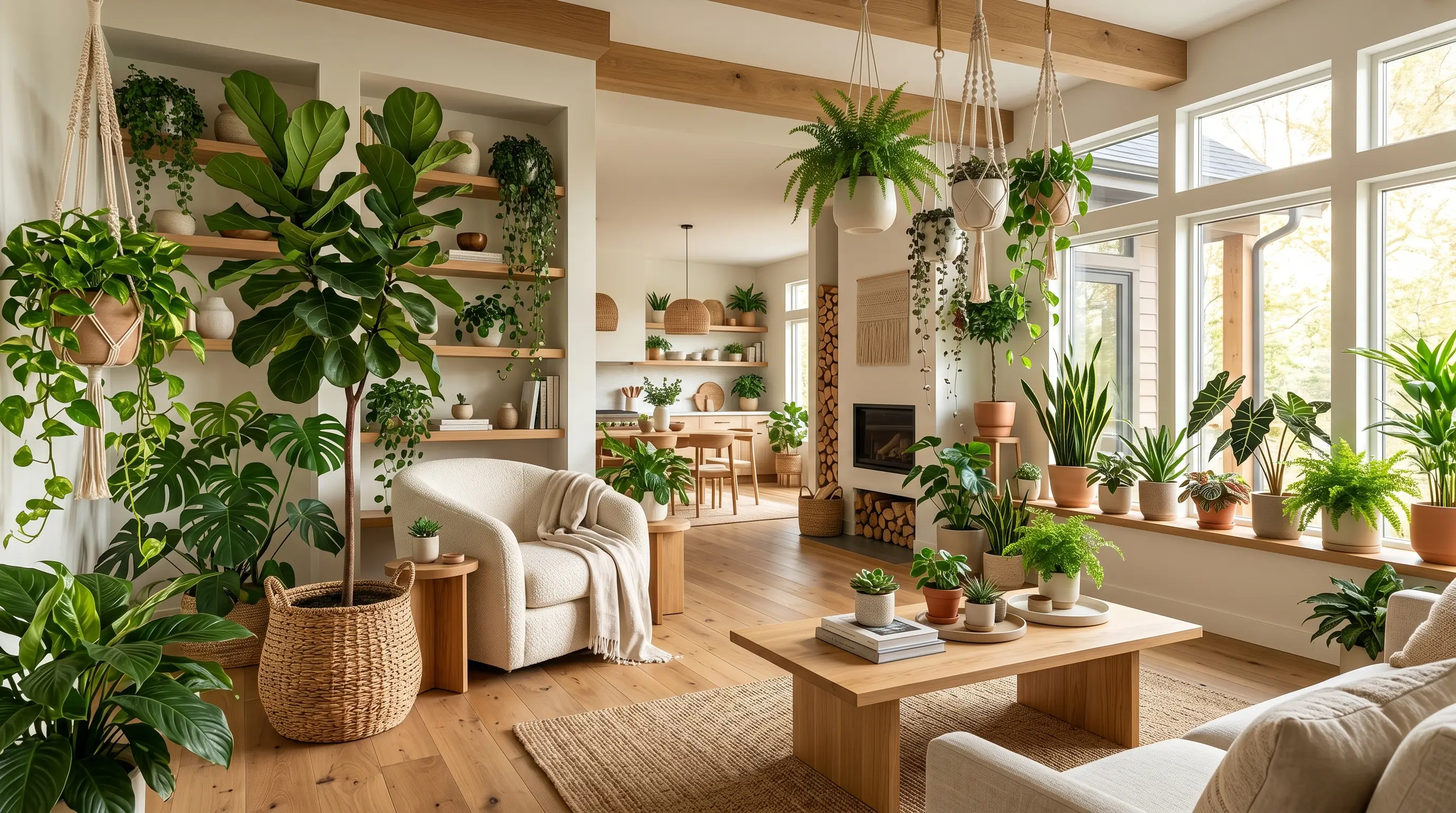
A few well-placed plants can completely change the feel of a room. They add color, texture, and life while making your home feel calm and welcoming. The best part is that you do not need a huge budget or a large house to enjoy the beauty of indoor greenery.
In this guide, you will discover stylish indoor plant ideas that go beyond simply placing a plant in a corner. From creative shelf displays to unexpected plant arrangements, these ideas combine design, function, and visual appeal. Each suggestion focuses on practical ways to bring nature indoors while creating spaces that look beautiful in photos and feel even better in real life.
Whether you love modern, cozy, minimalist, or natural interiors, these ideas will help you create a home filled with fresh energy and Pinterest-worthy inspiration.
1. Create a Living Plant Shelf Wall
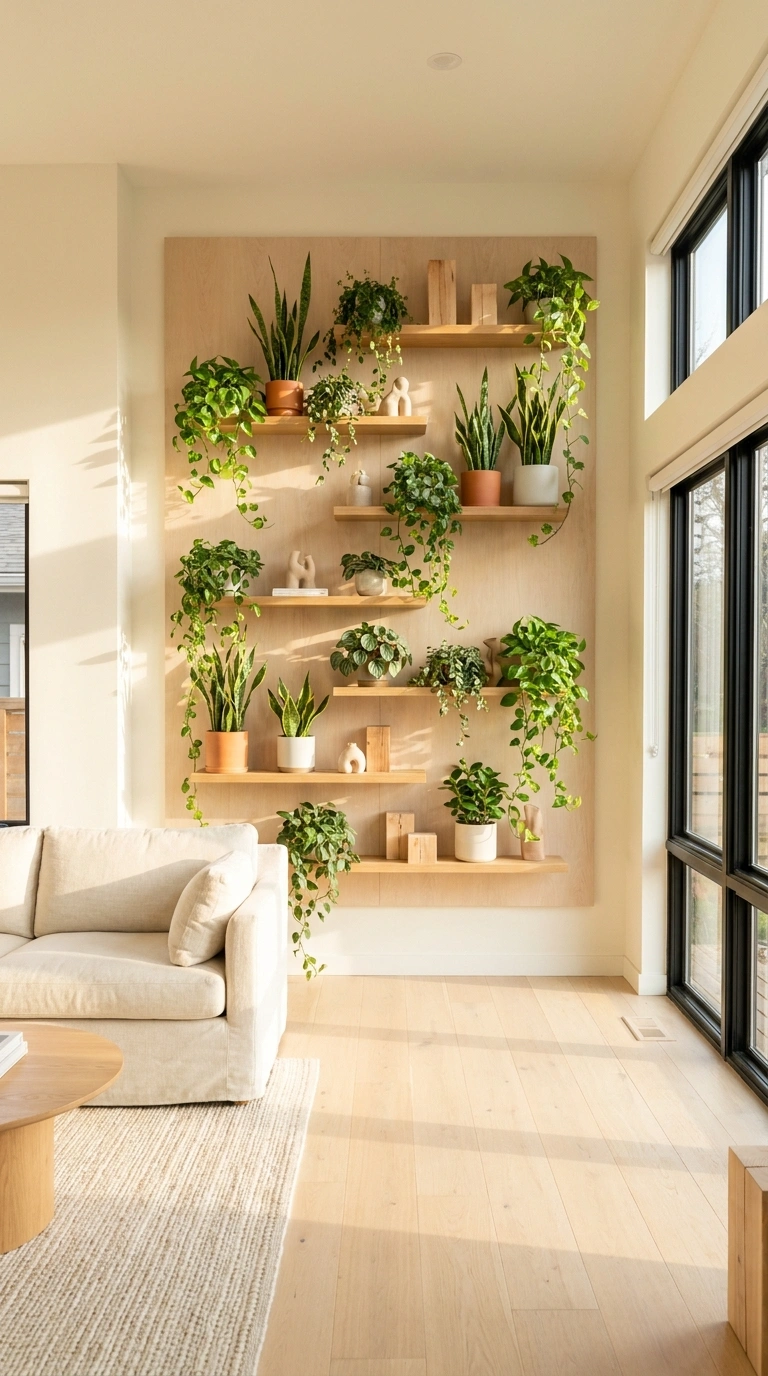
A living plant shelf wall turns an empty wall into a beautiful focal point. Install floating wood shelves in different lengths and arrange plants at varying heights. Mix trailing vines, upright foliage, and compact plants to create depth and movement. The layered greenery makes the wall feel full without looking crowded. Natural oak shelves paired with white walls create a clean and fresh look that works in almost any room.
Place larger plants on lower shelves and lighter trailing plants on upper levels. Add woven baskets, ceramic pots, and small decorative books between the greenery to break up the display. Position the shelves near a bright window so every plant receives enough light. This setup works especially well in living rooms, home offices, and dining areas where you want a strong visual feature without adding bulky furniture.
2. Style Plants Around a Reading Corner
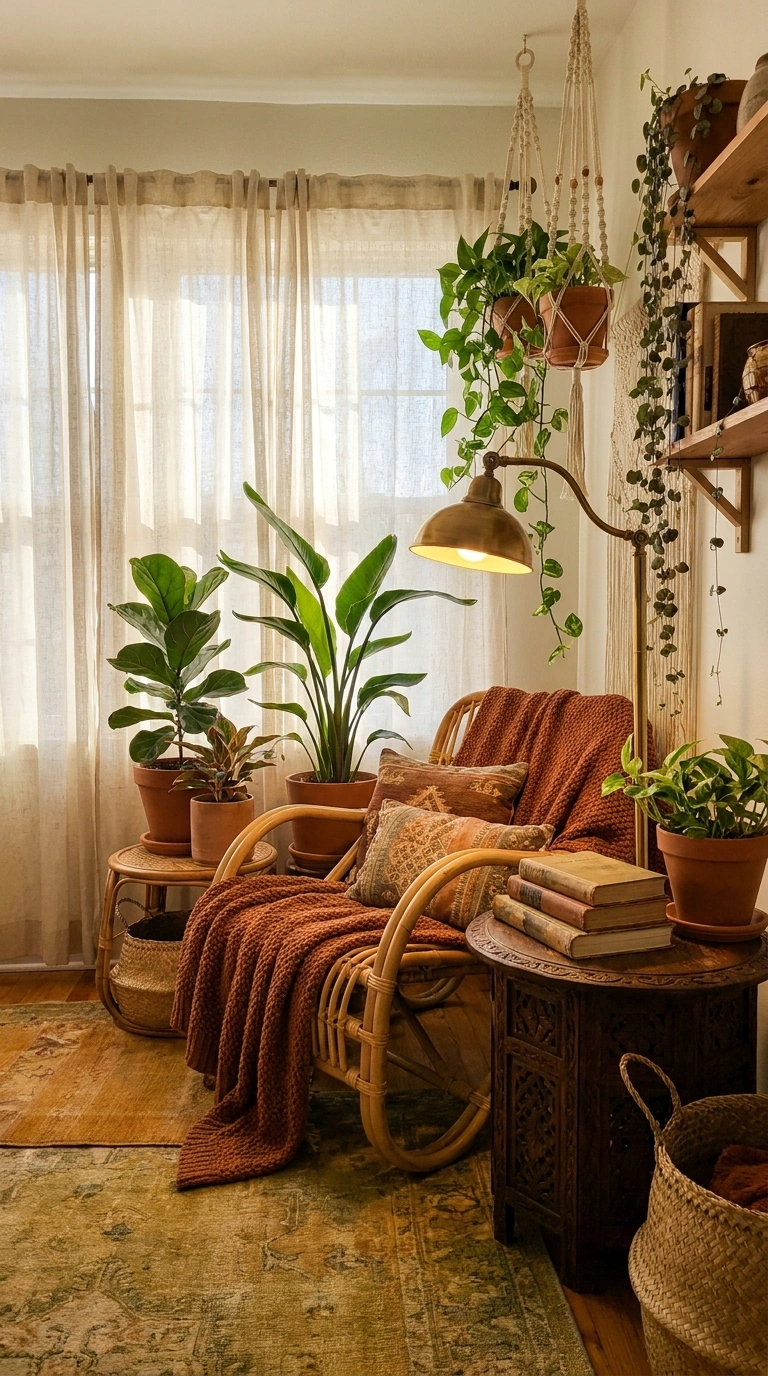
Plants can make a reading corner feel peaceful and inviting. Start with a comfortable chair, a soft throw blanket, and a floor lamp. Then surround the space with plants that have different leaf shapes and sizes. Large leafy plants create a cozy backdrop, while smaller varieties soften nearby surfaces and shelves. The greenery helps define the reading area without needing walls or room dividers.
Use warm neutral colors such as cream, beige, and light wood tones to keep the space relaxing. Place one tall plant beside the chair and a smaller plant on a side table for balance. Add a textured basket planter to introduce natural warmth. During the day, natural sunlight highlights the leaves, while evening lamp light creates gentle shadows that make the entire corner feel calm and comfortable.
3. Use Hanging Plants Above Furniture
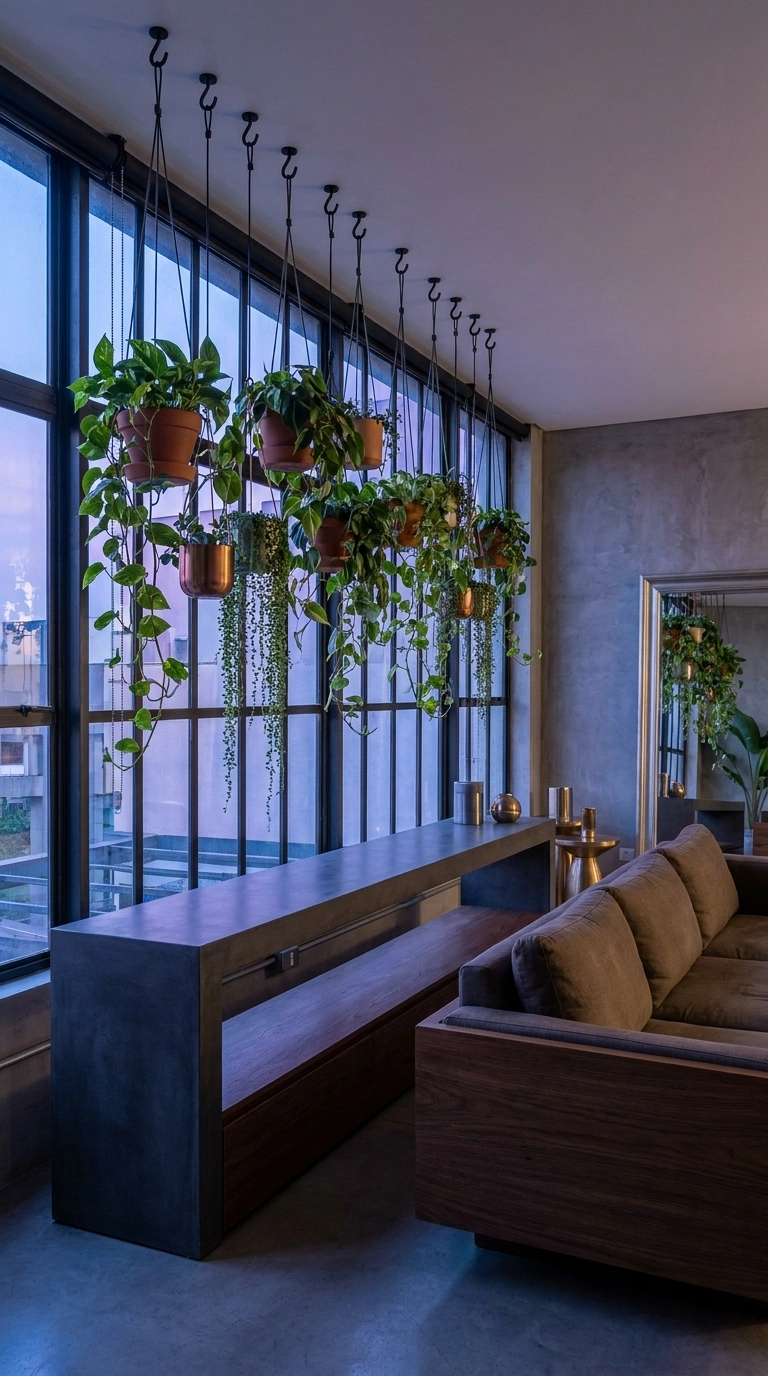
Hanging plants draw the eye upward and add interest to unused vertical space. Install ceiling hooks above a console table, bench, or sofa and let trailing plants cascade downward. The flowing greenery softens furniture lines and makes the room feel more dynamic. This approach works especially well in apartments where floor space is limited but ceiling space remains available.
Choose simple planters in matte ceramic, woven rope, or natural fibers to keep the display stylish. Position the plants where they receive bright indirect light while remaining easy to water. Pair hanging greenery with wood furniture and soft textiles for a balanced look. The contrast between structured furniture and flowing plant vines creates a visually interesting arrangement that feels natural rather than overly decorated.
4. Design a Kitchen Herb Display
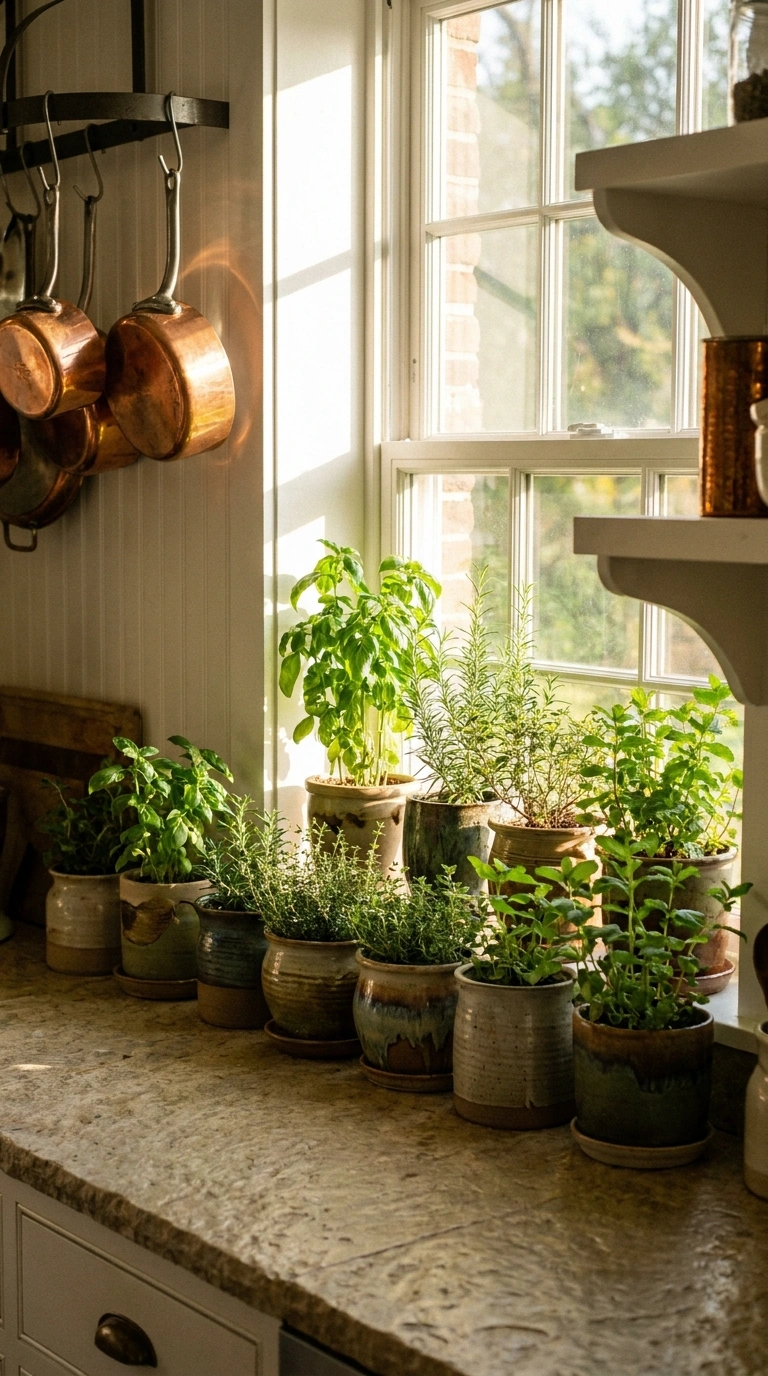
A kitchen herb display combines beauty and function in one practical setup. Fresh herbs add vibrant green color while providing ingredients for everyday cooking. Arrange small pots of basil, mint, parsley, and rosemary along a sunny windowsill or open shelf. The collection instantly brings life to the kitchen while making the space feel fresh and active.
Use matching containers to create a clean and organized appearance. White ceramic pots look bright against wood countertops, while black planters create a modern contrast. Place a small watering can nearby for convenience and style. The scent of fresh herbs adds another layer of comfort to the room. This simple display works in both large and small kitchens and provides daily visual enjoyment along with practical benefits.
5. Build a Plant Ladder Display
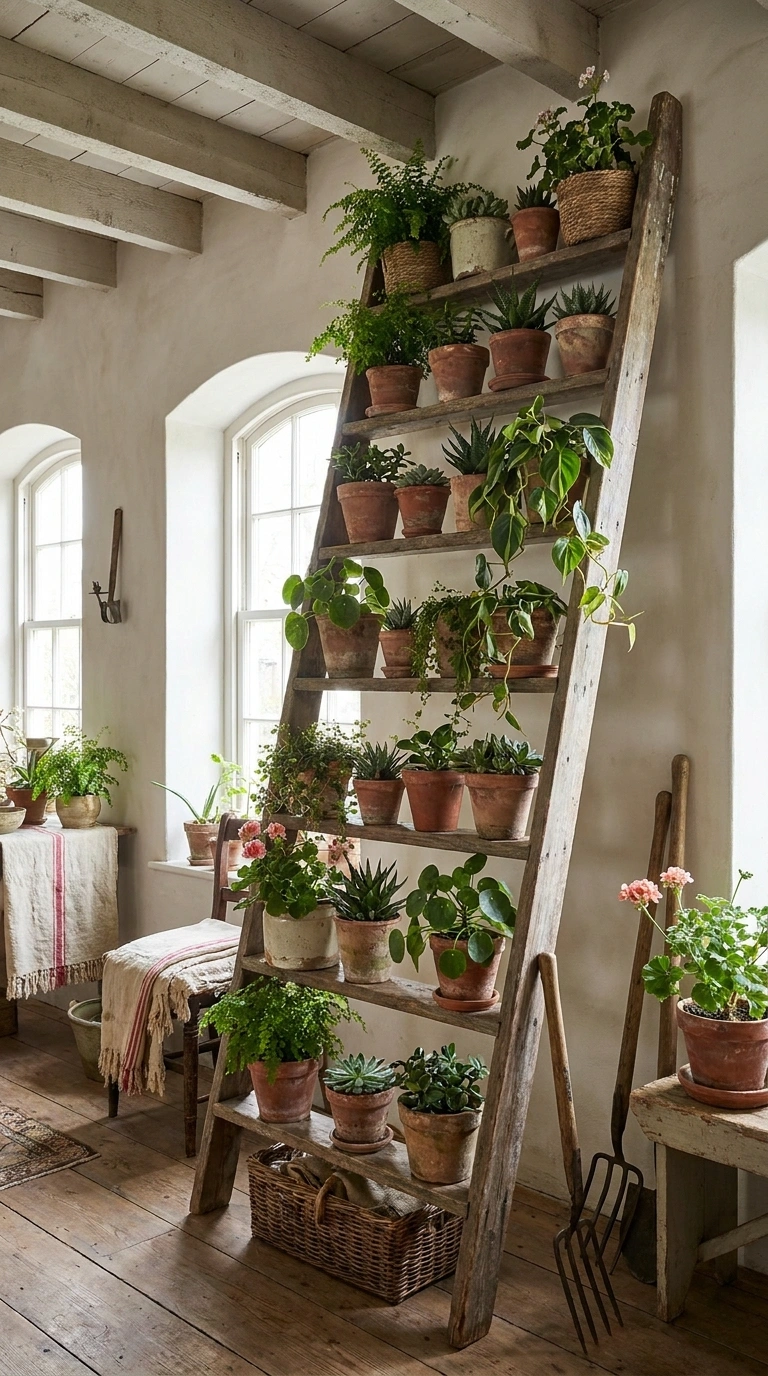
A plant ladder display creates height variation without requiring permanent installation. Lean a wooden ladder against a wall and use each step as a platform for plants. The gradual arrangement naturally draws attention upward while displaying multiple varieties in a compact footprint. This setup works especially well in bedrooms, entryways, and small living rooms.
Mix plant sizes to create visual balance from top to bottom. Place lighter and smaller plants near the upper steps while keeping larger pots closer to the floor. Choose a ladder with a natural wood finish to complement the organic feel of the greenery. Add small decorative accents such as candles or framed prints between plants. The result feels curated and stylish while remaining easy to update whenever you want a fresh look.
6. Create a Plant-Filled Entryway
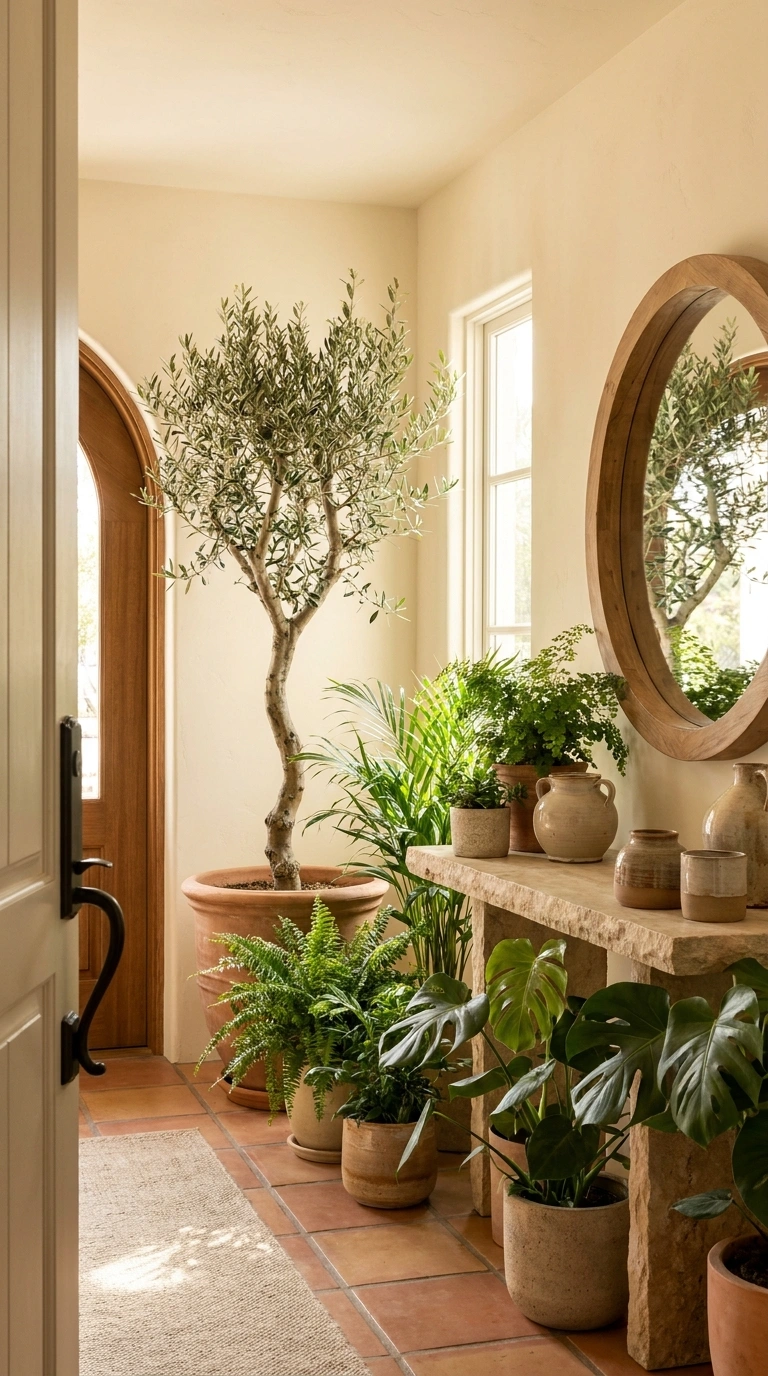
A plant-filled entryway creates a welcoming first impression the moment someone enters your home. Position a statement plant near the front door and layer smaller plants on benches, shelves, or console tables. The greenery immediately adds freshness and helps soften hard surfaces often found in entry spaces.
Choose durable planters that complement your home’s style. Woven baskets create a relaxed natural look, while sleek ceramic containers feel modern and polished. Place a mirror behind the plants to reflect light and make the greenery appear even fuller. If the entryway lacks natural light, use low-light plant varieties that thrive in shaded conditions. This simple arrangement transforms an overlooked area into a stylish and inviting part of the home.
7. Mix Plants with Open Shelving
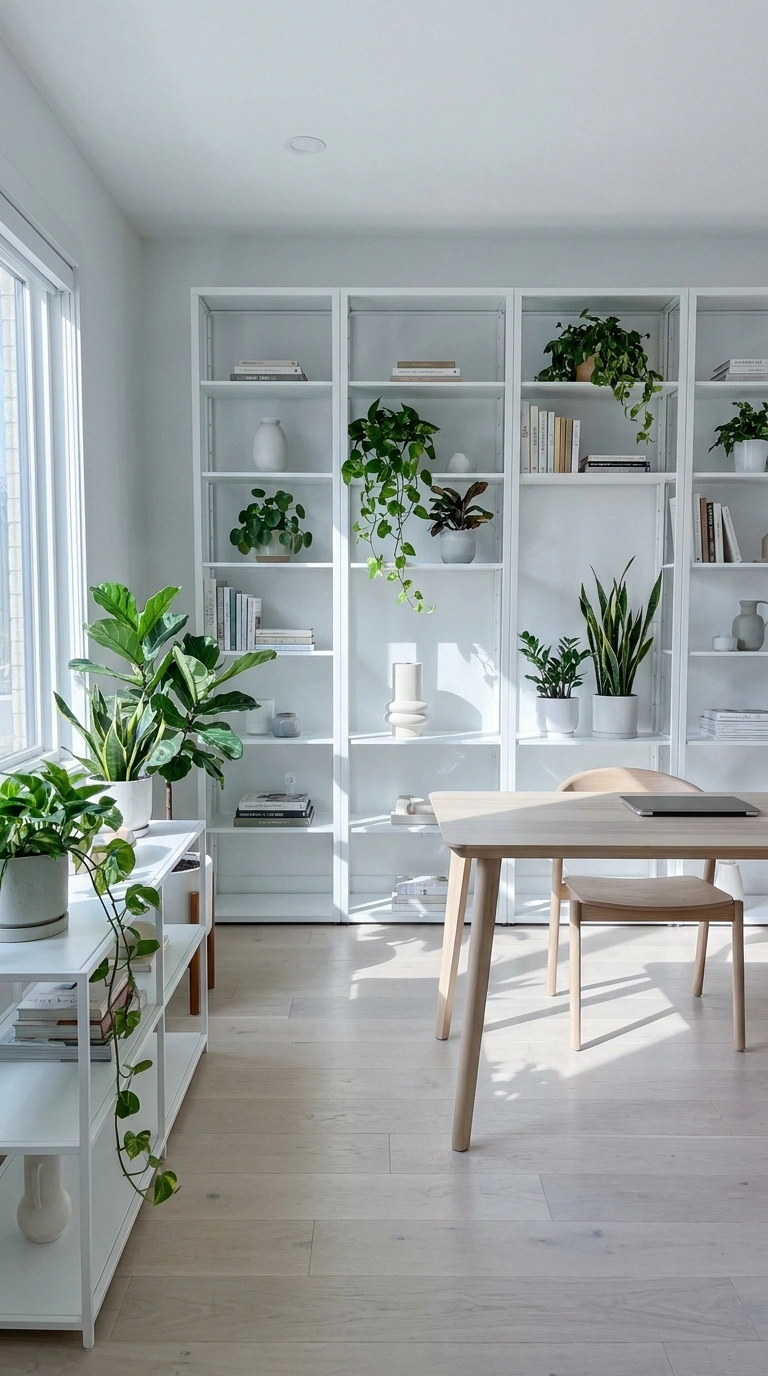
Open shelving becomes more attractive when plants share space with books, artwork, and decorative objects. The greenery breaks up straight lines and adds softness to structured shelving units. Place small plants between stacked books or beside framed photographs to create a balanced display that feels collected over time.
Focus on variety when selecting plants for shelves. Combine trailing vines, compact foliage plants, and textured leaves for visual contrast. Use planters in complementary colors rather than matching every container exactly. Leave some empty space between items so the shelves do not appear overcrowded. This method works beautifully in living rooms, bedrooms, and home offices where shelving already exists and simply needs more personality.
8. Turn a Sunny Window into a Plant Feature
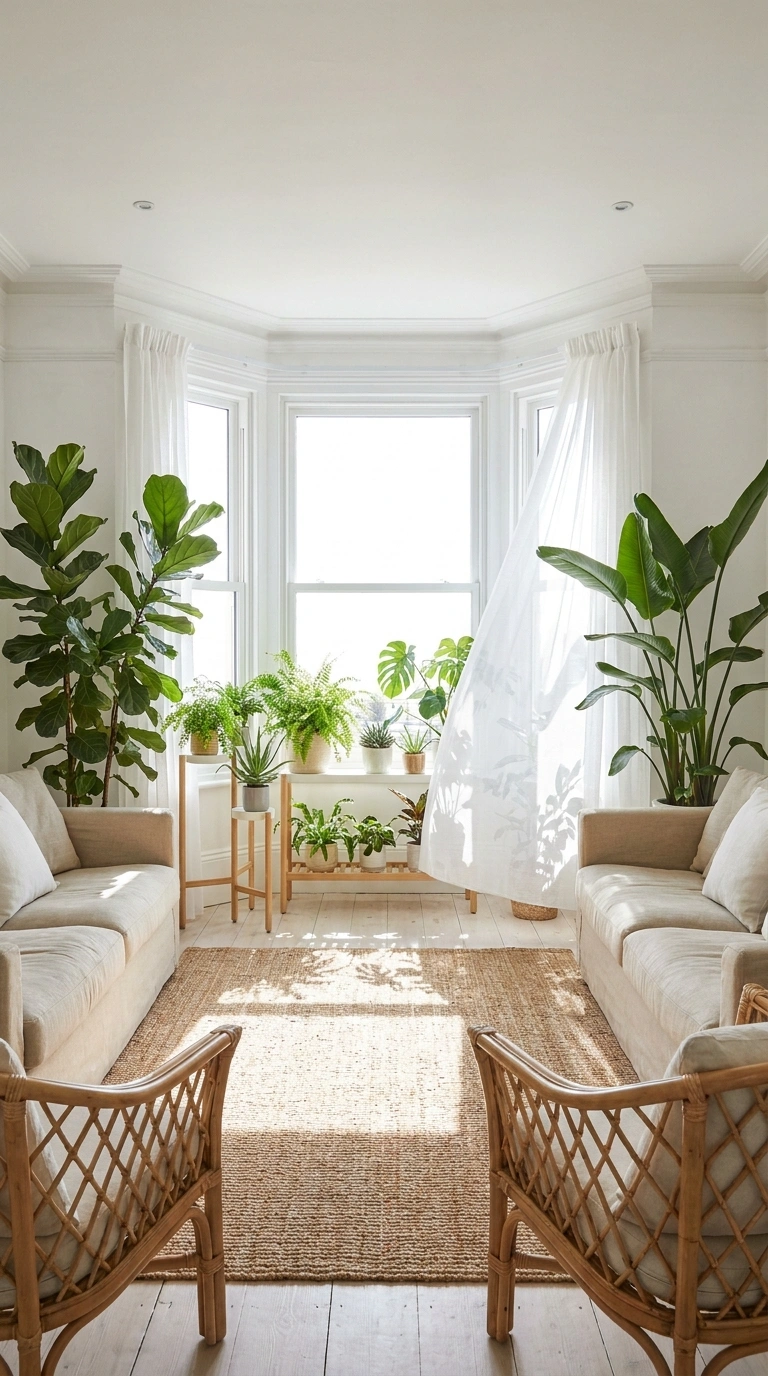
A sunny window can become one of the most beautiful areas in your home when filled with plants. Arrange different plant heights along the windowsill and nearby stands to create a layered garden effect indoors. The natural sunlight highlights leaf textures and creates beautiful shadows throughout the day.
Combine tall floor plants with smaller tabletop varieties to maximize visual interest. Use lightweight stands to elevate selected plants and create varying levels. Choose containers that complement your window trim and surrounding decor. During morning and afternoon hours, sunlight passing through the leaves creates a warm and inviting atmosphere. This setup works especially well in living rooms and breakfast nooks where natural light already plays a major role.
9. Pair Plants with Natural Materials
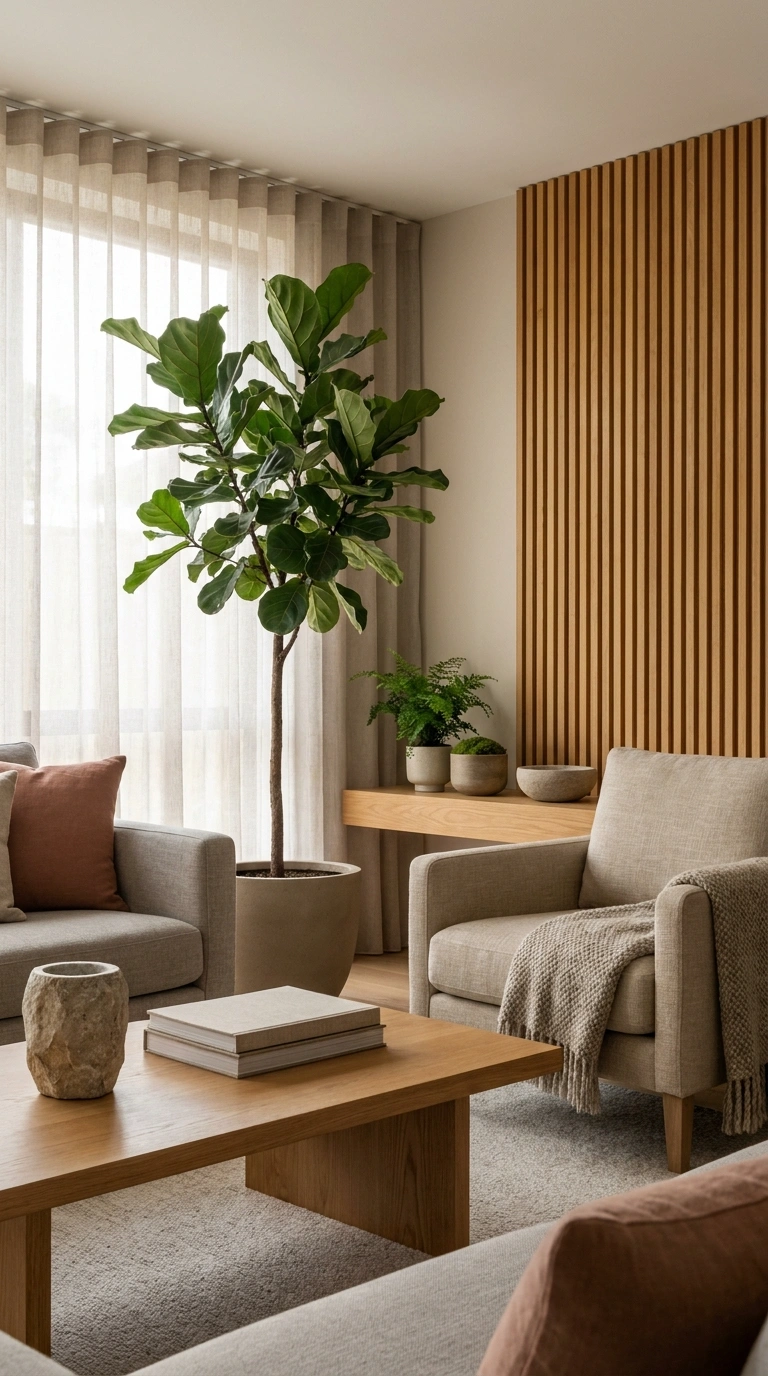
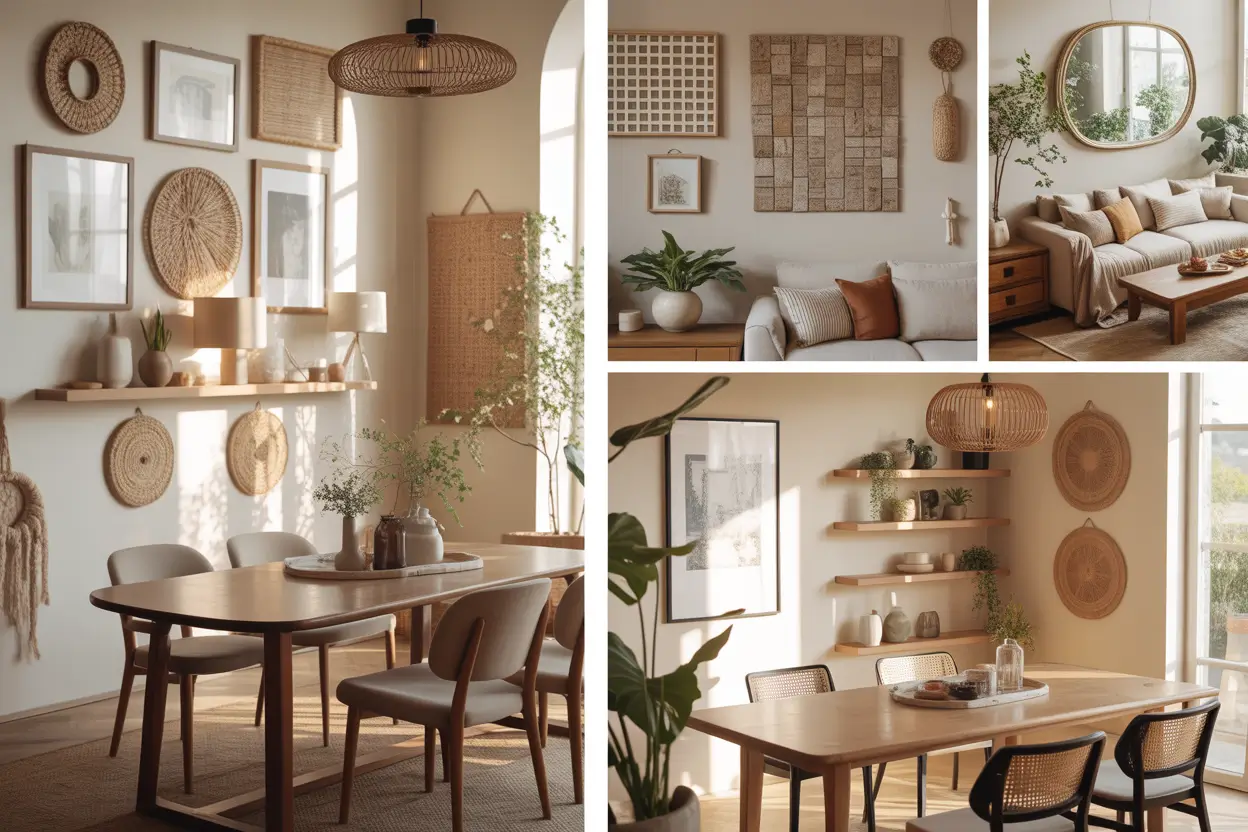
Plants look especially beautiful when paired with natural materials such as wood, stone, rattan, and linen. The combination creates a relaxed and grounded atmosphere that feels connected to nature. Use wood furniture, woven baskets, and textured fabrics alongside greenery to create visual harmony throughout the room.
Mix different textures to prevent the space from feeling flat. Smooth ceramic pots can sit beside woven baskets, while leafy plants soften stone surfaces and wooden tables. Keep the color palette simple with earthy tones such as beige, warm brown, soft gray, and muted green. These natural combinations make indoor plants feel like an intentional part of the design rather than an afterthought placed in the room.
10. Create a Bathroom Plant Retreat
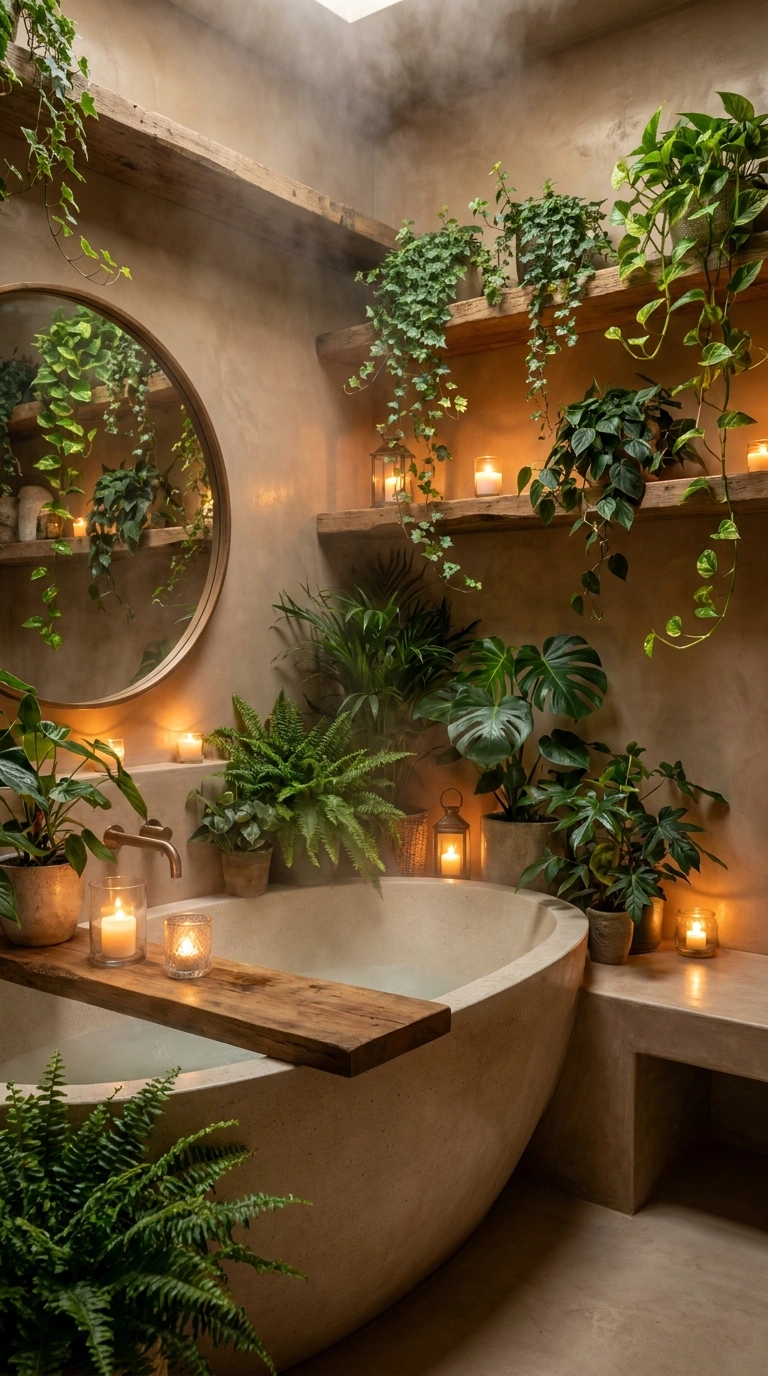
A bathroom plant retreat turns an ordinary space into a relaxing escape. Many plants enjoy the extra humidity found in bathrooms, making this room an excellent place for greenery. Position plants on shelves, countertops, or window ledges to add softness and natural beauty.
Use white towels, light-colored walls, and natural wood accessories to highlight the green foliage. Hanging plants work particularly well in bathrooms because they save counter space while adding movement. Place moisture-loving varieties near the shower area where humidity remains higher. The combination of fresh greenery, clean surfaces, and soft lighting creates a spa-like atmosphere that feels refreshing every day. Even a small bathroom can benefit from a few carefully chosen plants arranged with purpose.
11. Style a Coffee Table with Mini Plants
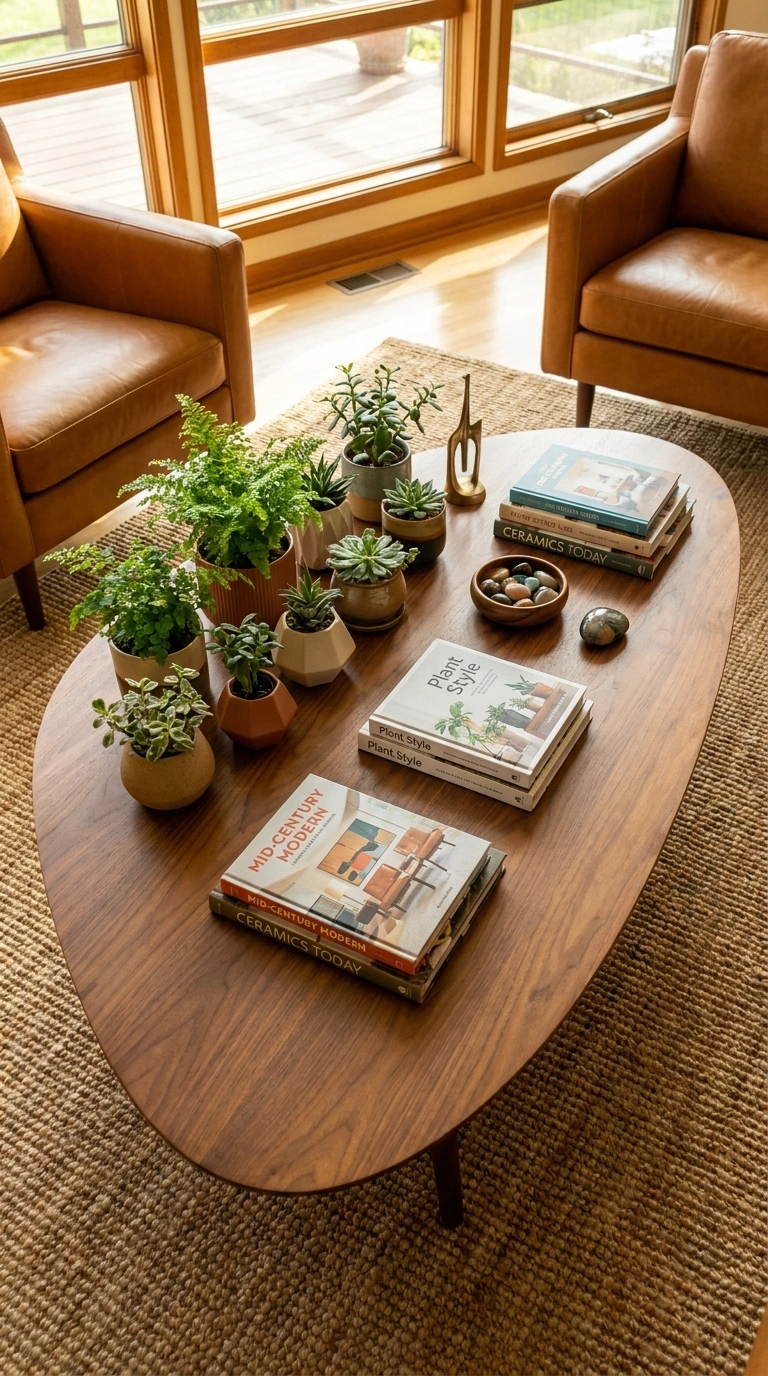
Mini plants can make a coffee table feel fresh and thoughtfully styled. Instead of filling the table with large decorative pieces, create a simple arrangement using small potted plants with different leaf textures. A compact plant placed beside books, candles, or a decorative tray adds natural color without taking up too much space. This approach keeps the table functional while introducing greenery into the center of the room.
Choose low-maintenance plants that stay compact and neat throughout the year. Use ceramic, concrete, or textured stone planters that complement your furniture. Group plants in odd numbers to create a balanced display that feels natural. Keep enough open space for everyday use so the table remains practical. The mix of greenery and decorative accents creates a relaxed living room focal point that looks polished from every angle.
12. Create a Bedroom Plant Headboard Effect
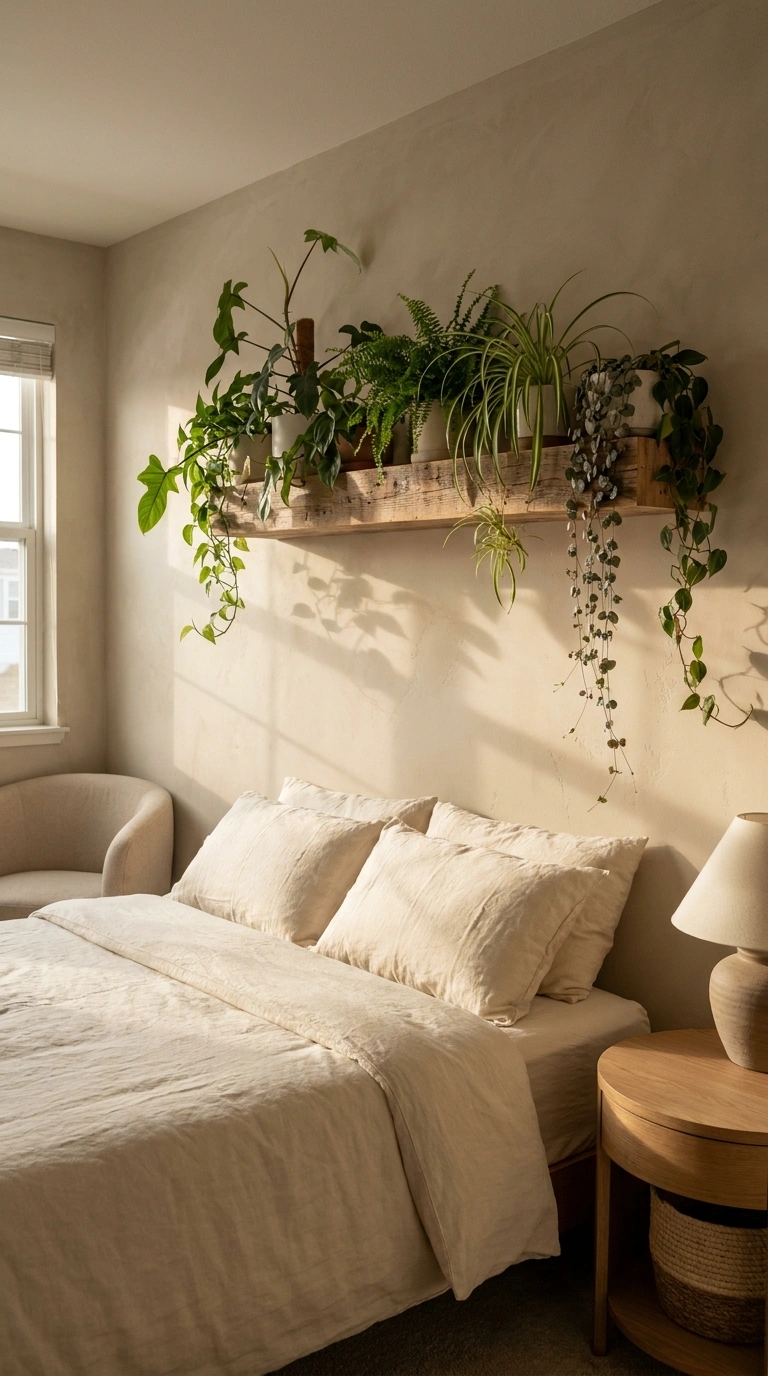
A plant headboard effect adds softness and visual interest behind the bed. Instead of relying only on artwork, place a row of plants on a narrow shelf mounted above the headboard. The greenery frames the bed and creates a calming atmosphere that feels connected to nature. Soft green leaves paired with neutral bedding create a peaceful space that encourages rest.
Select plants that thrive in indirect light and do not require constant attention. Use matching planters for a clean look or mix textures for a more relaxed style. Add warm bedside lighting that gently highlights the leaves during the evening. The combination of greenery, soft fabrics, and warm light transforms the bed into the main feature of the room while maintaining a simple and uncluttered appearance.
13. Build a Plant Corner with Different Heights
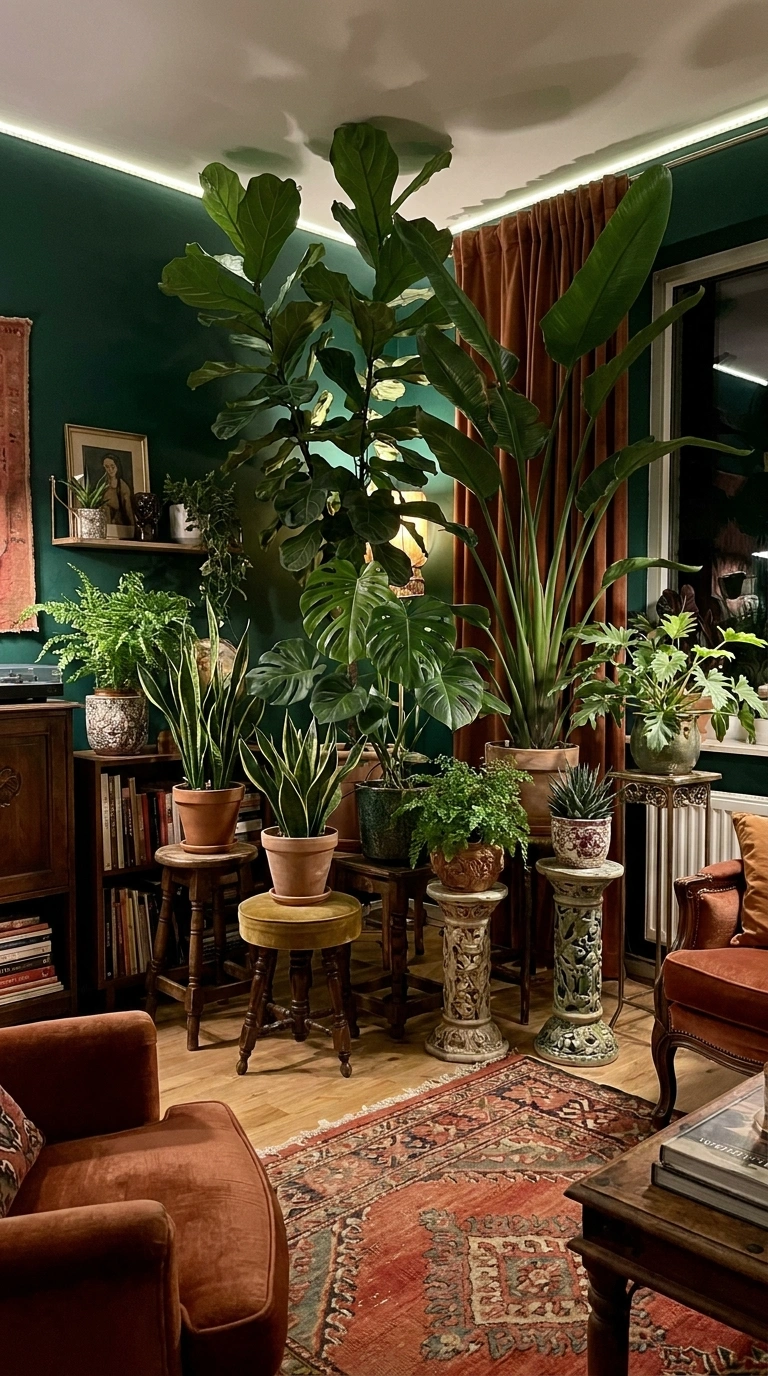
A plant corner filled with varying heights creates an impressive indoor garden without needing an entire room. Start with a tall floor plant as the anchor and gradually add medium and smaller plants around it. This layered arrangement creates depth and makes a forgotten corner feel intentional and alive. The variation in height keeps the display visually interesting from every angle.
Use plant stands, stools, or small side tables to elevate selected pots. Mix leaf shapes and sizes to create contrast while keeping the overall color palette cohesive. Place the arrangement near natural light to encourage healthy growth. A soft rug beneath the plants can help define the area and make it feel like a dedicated design feature. This simple setup works beautifully in living rooms, bedrooms, and home offices.
14. Add Plants to Open Kitchen Shelves
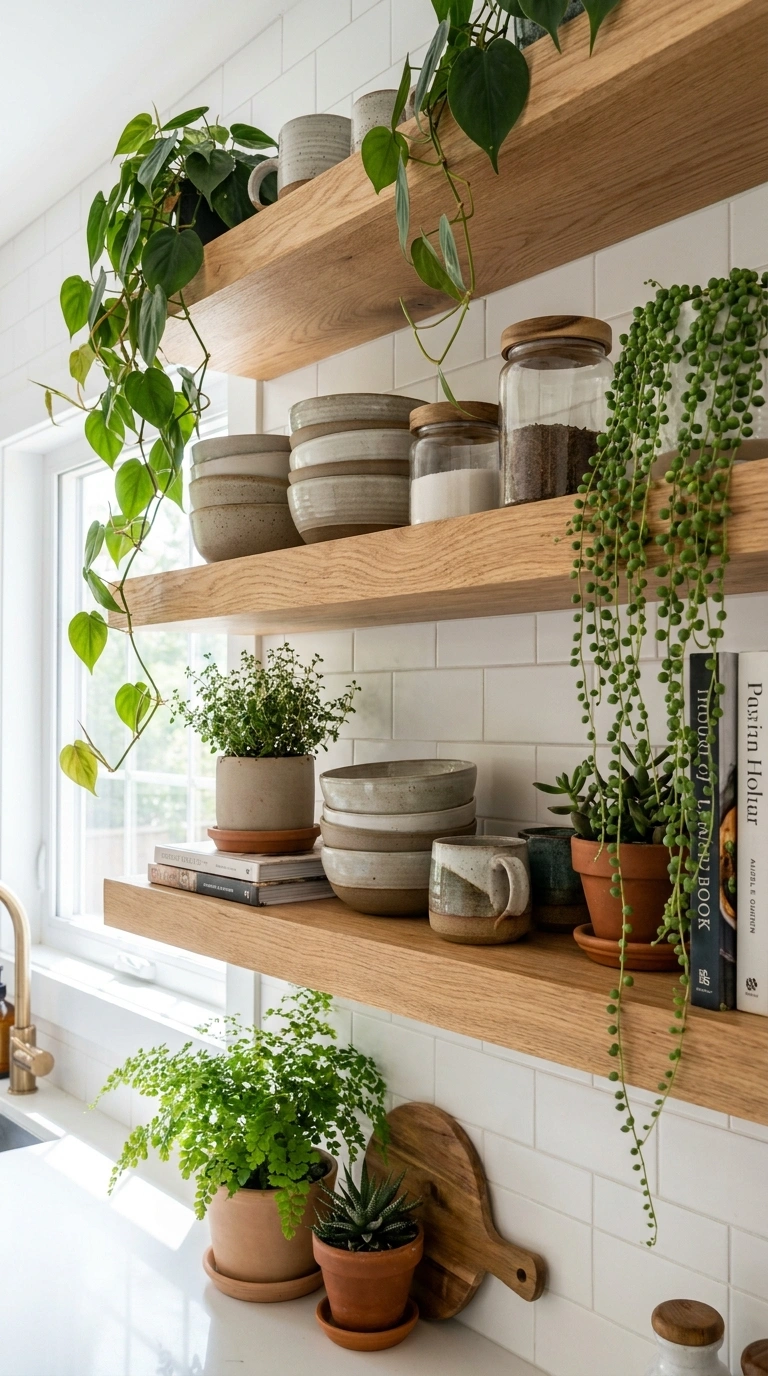
Plants bring warmth and color to open kitchen shelving. The greenery breaks up rows of dishes, glassware, and storage containers while making the kitchen feel more welcoming. Small trailing plants can gently spill over shelf edges, adding movement and softness to an otherwise structured space. This approach creates a balanced look that feels both functional and decorative.
Choose compact plants that fit comfortably between everyday kitchen items. Pair green foliage with natural wood shelves and light-colored ceramics for a fresh appearance. Keep the arrangement simple so the shelves remain practical and easy to clean. Position plants where they receive enough light without interfering with cooking activities. The result is a kitchen that feels brighter, more inviting, and full of natural charm.
15. Design a Plant-Focused Dining Table Centerpiece
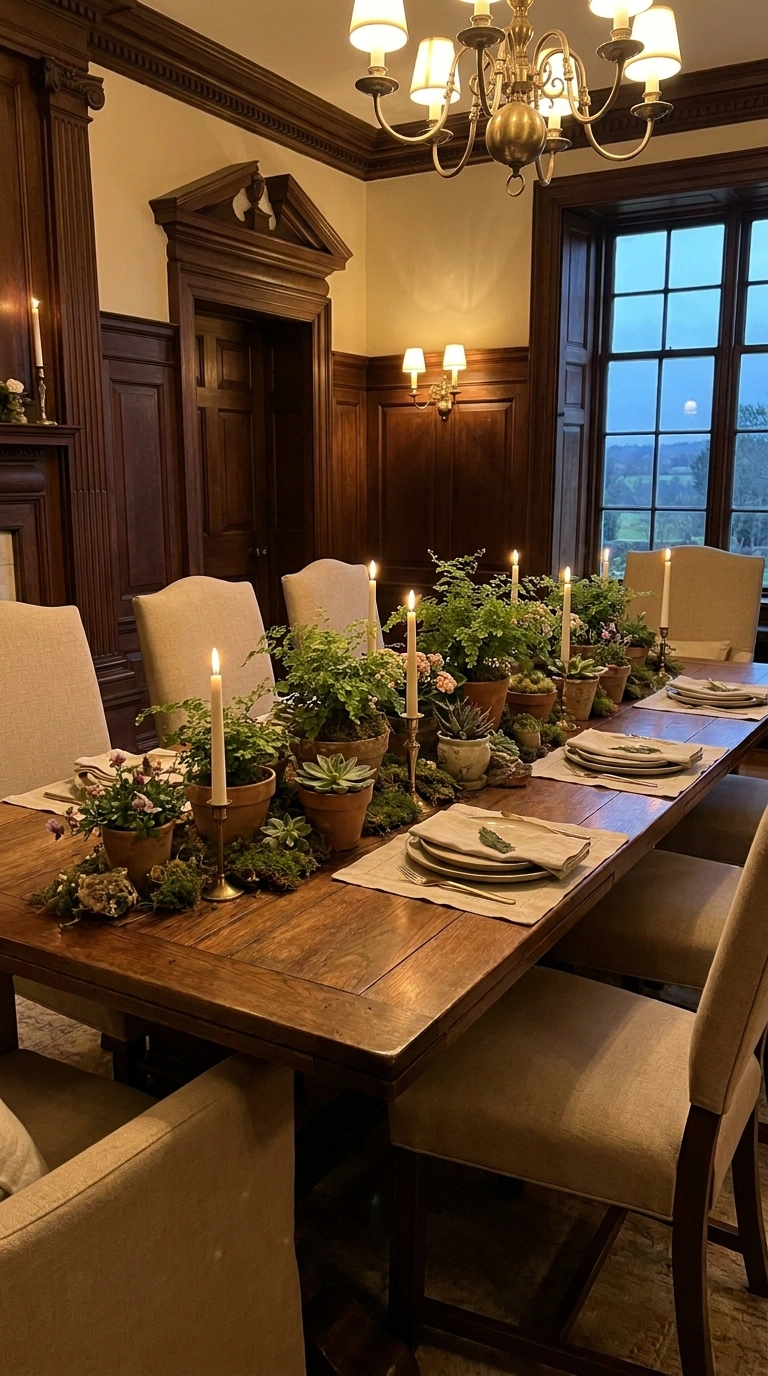
A plant-focused centerpiece creates a fresh dining table display that lasts longer than cut flowers. Arrange several small plants in the center of the table using containers with complementary colors and textures. The living greenery adds visual interest while keeping the table practical for everyday meals and gatherings.
Use low-growing plants that do not block conversation across the table. Pair ceramic pots with woven placemats and natural wood surfaces to create a balanced design. Add candles or small decorative objects between the plants for extra texture. During daytime meals, natural light highlights the foliage and creates beautiful reflections on nearby surfaces. This arrangement feels relaxed, stylish, and easy to update throughout the year.
16. Frame a Large Window with Tall Plants
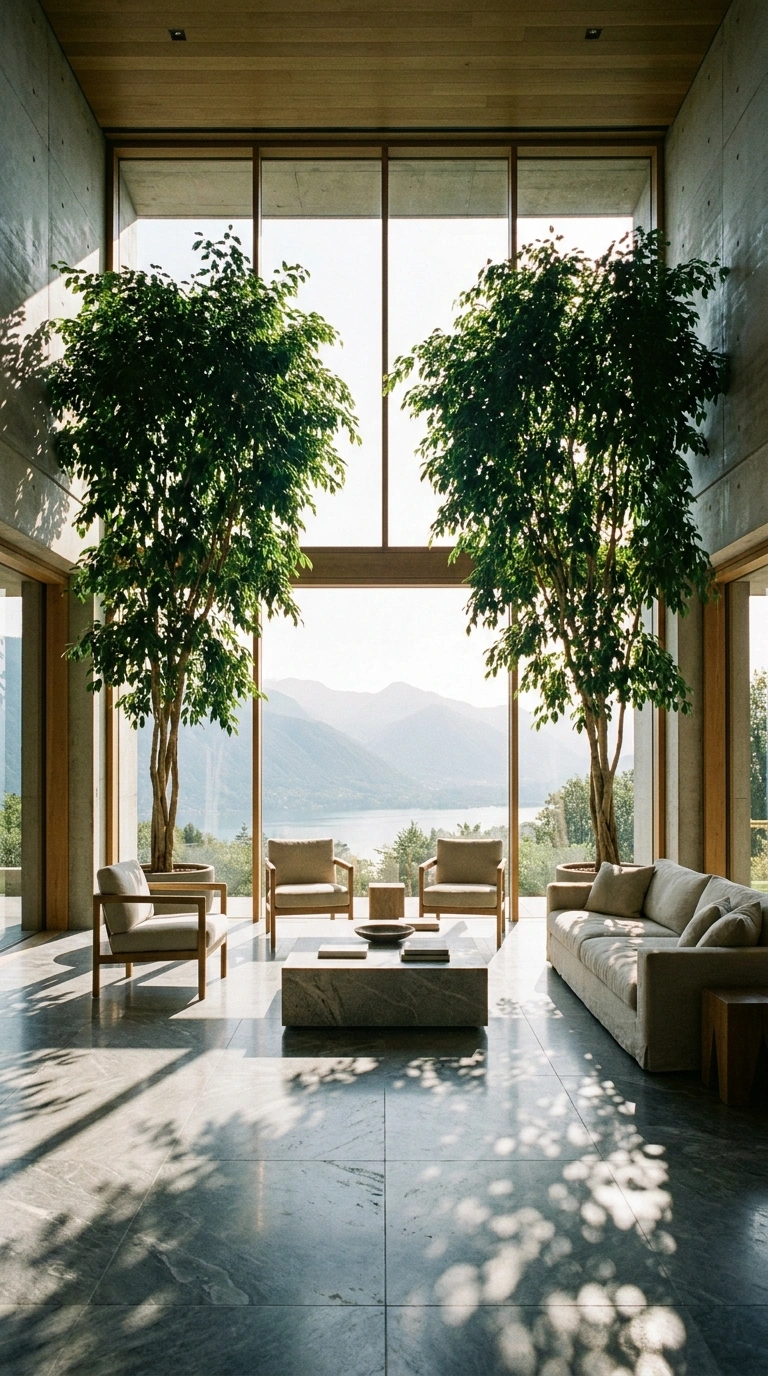
Tall plants placed on both sides of a large window create a dramatic and balanced look. The greenery naturally frames the view outside while drawing attention to the window as an architectural feature. This arrangement works particularly well in rooms with abundant sunlight and open floor space.
Choose plants with strong vertical growth to emphasize height and structure. Place them in substantial planters that complement the room’s overall style. Light-colored curtains paired with green foliage create a bright and airy atmosphere. The plants help soften hard window lines while making the room feel larger and more connected to nature. This simple design technique creates a high-impact visual feature without requiring major changes to the space.
17. Combine Plants with Decorative Baskets
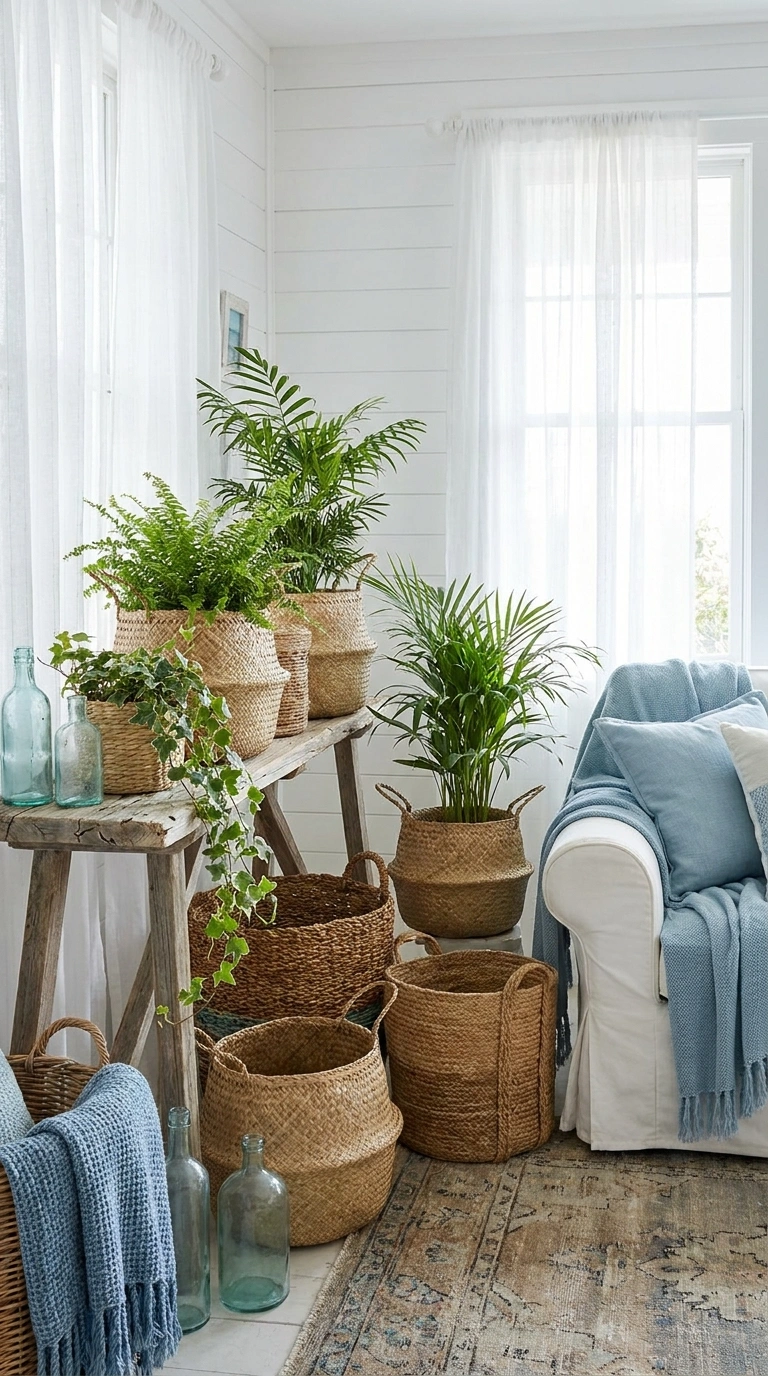
Decorative baskets can instantly elevate the appearance of indoor plants. Natural woven textures add warmth while hiding plain nursery pots and creating a more finished look. The combination of greenery and basket texture introduces depth and character to a room without overwhelming the existing decor.
Choose baskets in different sizes and weaving patterns to add subtle variation. Pair them with plants that have bold foliage for maximum visual contrast. Place basket planters beside sofas, beds, or entryway benches to soften furniture edges. Earthy tones such as tan, beige, and warm brown blend beautifully with green leaves. This simple styling technique creates a cozy atmosphere while making plants feel fully integrated into the room design.
18. Create a Home Office Green Zone
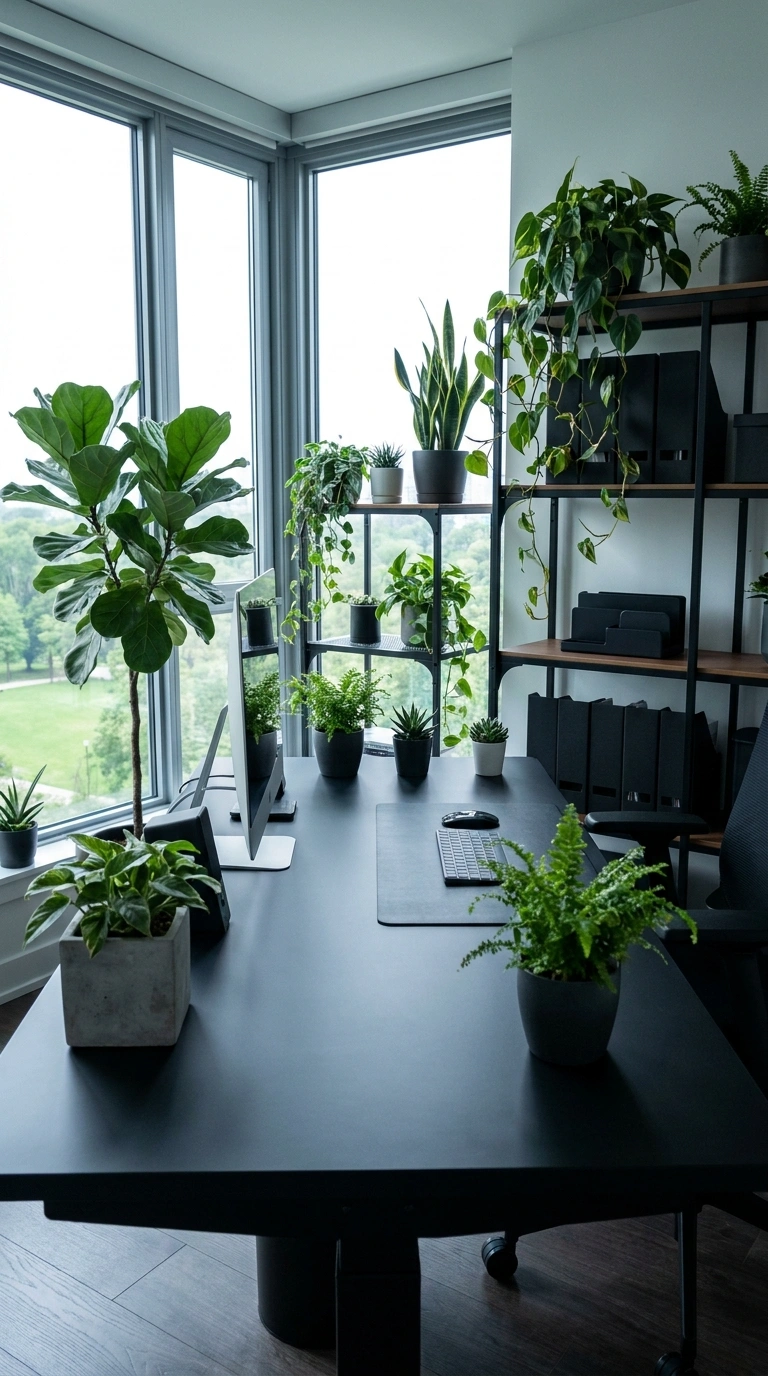
A home office green zone can improve the look and feel of your workspace. Plants help soften screens, desks, and office furniture while adding natural color to the room. Position greenery around your desk to create a dedicated work area that feels fresh and inspiring throughout the day.
Place a medium-sized plant beside the desk and smaller varieties on nearby shelves. Use clean-lined planters that complement the office design without creating clutter. Position plants where they benefit from natural light but do not interfere with daily tasks. The combination of greenery, organized storage, and good lighting creates a workspace that feels comfortable and productive. Even a small office corner can benefit from the energy and visual interest plants provide.
19. Layer Plants Along a Staircase
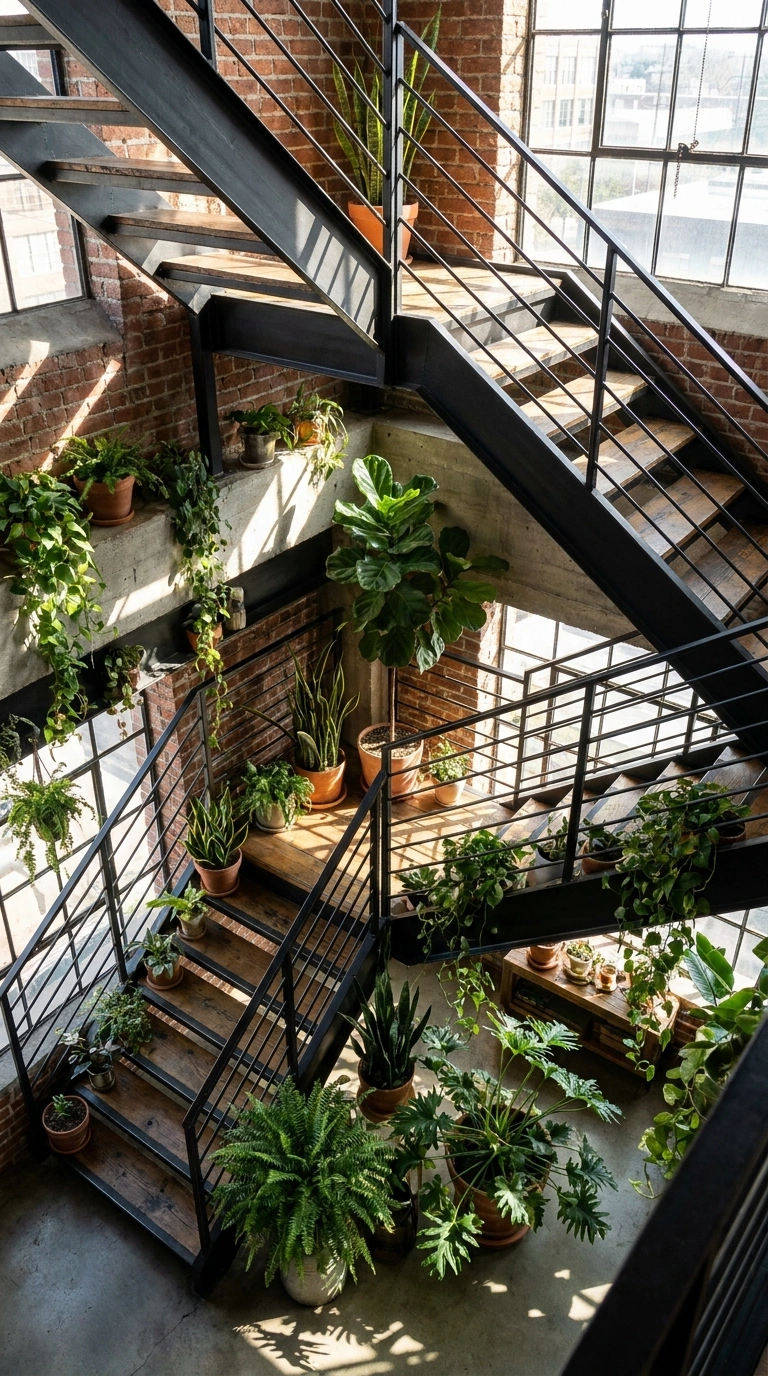
A staircase offers an excellent opportunity to display plants in a creative way. Arrange plants on selected steps, nearby landings, or shelving that follows the staircase line. The gradual rise naturally showcases different plant heights and creates movement throughout the home. This approach turns a functional area into an attractive design feature.
Use sturdy containers and ensure plants do not obstruct walking paths. Mix upright and trailing varieties to create visual variety without making the display feel busy. Natural light from nearby windows can help support healthy growth while enhancing the appearance of the greenery. The layered arrangement guides the eye upward and adds life to an area that often receives little decorative attention.
20. Create a Seasonal Plant Styling Display
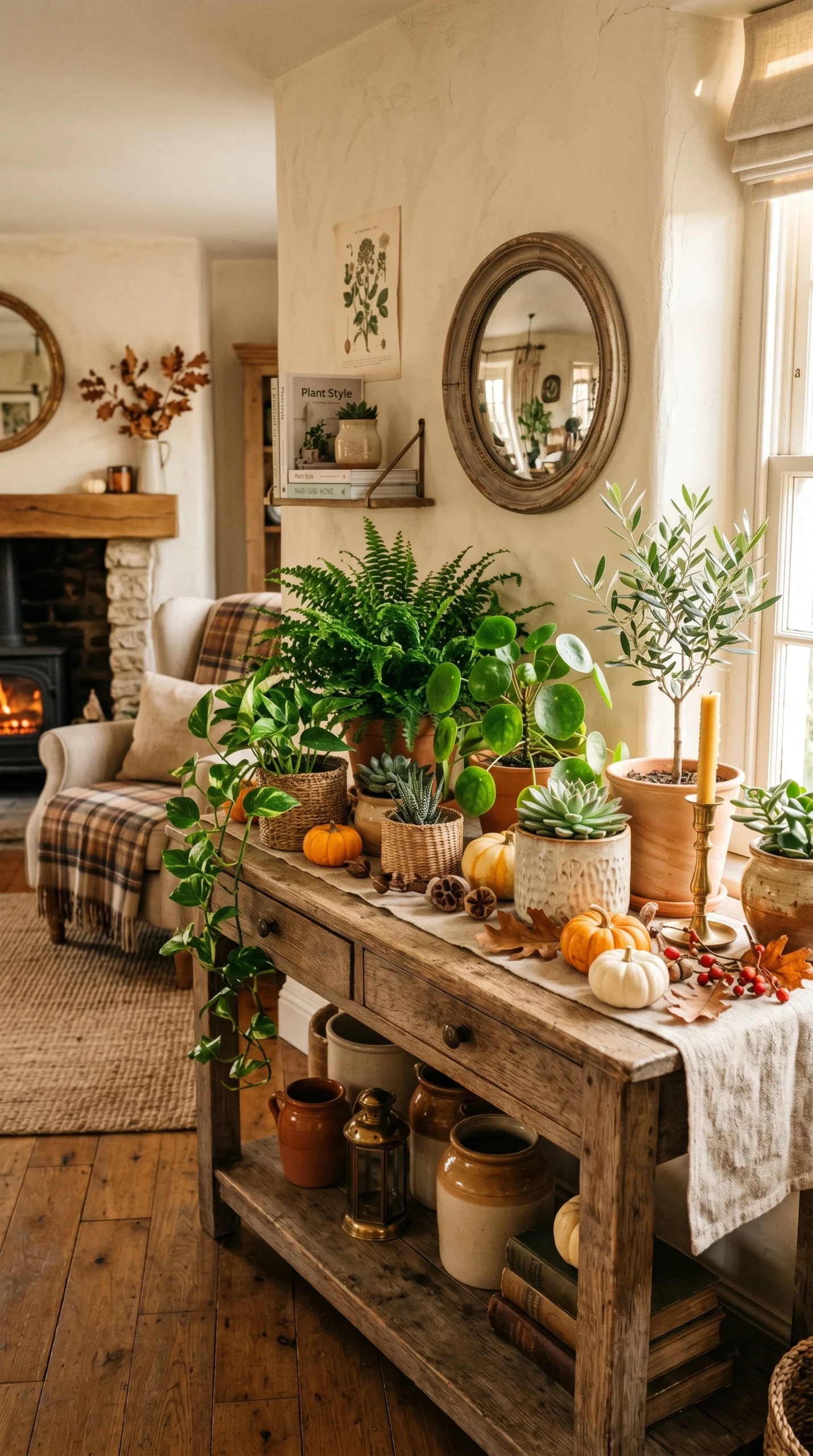
A seasonal plant styling display keeps your home feeling fresh throughout the year. Instead of changing major decor items, update the accessories surrounding your plants to reflect the season. The greenery remains constant while small decorative details create a new mood and visual story.
In spring, pair plants with light fabrics and soft pastel accents. During summer, introduce woven textures and bright natural materials. Autumn works beautifully with warm wood tones and textured ceramics, while winter pairs well with cozy fabrics and soft lighting. This approach allows you to refresh your home without replacing plants or making large purchases. The display evolves naturally throughout the year while keeping greenery at the center of the design.
Conclusion
The best indoor plant ideas do more than fill empty corners. They add texture, color, warmth, and personality to every room in your home. From creating a living shelf wall and styling a reading nook to designing a plant-filled entryway and seasonal displays, each idea offers a practical way to bring nature indoors while improving your overall decor.
Start with one or two ideas that fit your space and lifestyle. Focus on thoughtful placement, varied heights, natural materials, and lighting that highlights your greenery. Small changes can create a noticeable difference.
Save your favorite ideas, try them in your own home, and enjoy a fresher, more beautiful space filled with living plants.
Frequently Asked Questions
1. What are the best indoor plants for beginners?
Some of the easiest indoor plants for beginners include snake plants, pothos, ZZ plants, spider plants, and peace lilies. These plants adapt well to different indoor conditions and do not require constant care. They are a great choice if you want stylish greenery without a demanding maintenance routine.
2. How many indoor plants should I have in one room?
The ideal number depends on the room size and layout. A small room may look balanced with three to five plants, while larger spaces can accommodate several grouped displays. Focus on creating visual balance rather than filling every empty corner with greenery.
3. Where should indoor plants be placed for the best effect?
Place indoor plants near natural light sources whenever possible. Windows, shelving units, reading corners, entryways, and empty floor corners often work well. Vary plant heights and positions to create depth and make the arrangement look intentional.
4. Which indoor plants grow well in low-light rooms?
Plants such as snake plants, ZZ plants, cast iron plants, and pothos can thrive in lower-light conditions. While all plants benefit from some natural light, these varieties generally adapt better to shaded indoor spaces than many other houseplants.
5. How do I make indoor plants look more stylish?
Use decorative planters, plant stands, woven baskets, and layered arrangements. Mixing different leaf shapes, heights, and textures creates a curated look. Pairing plants with natural materials like wood, linen, and rattan can also enhance the overall design.
6. Can indoor plants improve the feel of a room?
Yes. Indoor plants add color, texture, and visual softness. They help rooms feel more welcoming, relaxing, and connected to nature. Even a few carefully placed plants can make a space feel fresher and more inviting.
7. What are the best rooms for indoor plants?
Living rooms, bedrooms, kitchens, home offices, bathrooms, and entryways can all benefit from indoor plants. Choose plant varieties based on the light and humidity levels available in each room for the best results.
8. How often should indoor plants be watered?
Watering needs vary by plant type, pot size, season, and indoor conditions. A good rule is to check the soil before watering. Many indoor plants prefer the top layer of soil to dry slightly before receiving more water.
9. What type of planters work best for indoor plants?
Ceramic pots, terracotta planters, woven baskets, and modern concrete containers are popular choices. Select planters that complement your home’s style while providing proper drainage to support healthy plant growth.
10. How can I decorate with indoor plants in a small apartment?
Use vertical space with wall shelves, hanging planters, ladder displays, and window arrangements. Compact plants and multi-level displays help maximize greenery without taking up valuable floor space, making small apartments feel fresh and stylish.