25 Glass Door Ideas That Transform Your Space with Light and Style
Glass doors can completely change how your home looks and feels. They bring in more natural light, create a sense of openness, and make even small spaces feel bigger. But choosing the right design is not just about appearance, it also depends on function, privacy, and how each room connects with another. A well-placed glass door can improve airflow, brighten dark corners, and create a smooth visual transition between spaces.
In this guide, you will explore 25 glass door ideas that are practical, visually detailed, and easy to apply in real homes. Each idea focuses on layout, lighting, materials, and how you can actually use it in your space. You will also find tips on textures, finishes, and styling so you can picture the final look clearly. Whether you want a modern upgrade or a subtle design change, these ideas will help you make a smart and stylish decision.
1. Frameless Sliding Glass Doors for Seamless Views
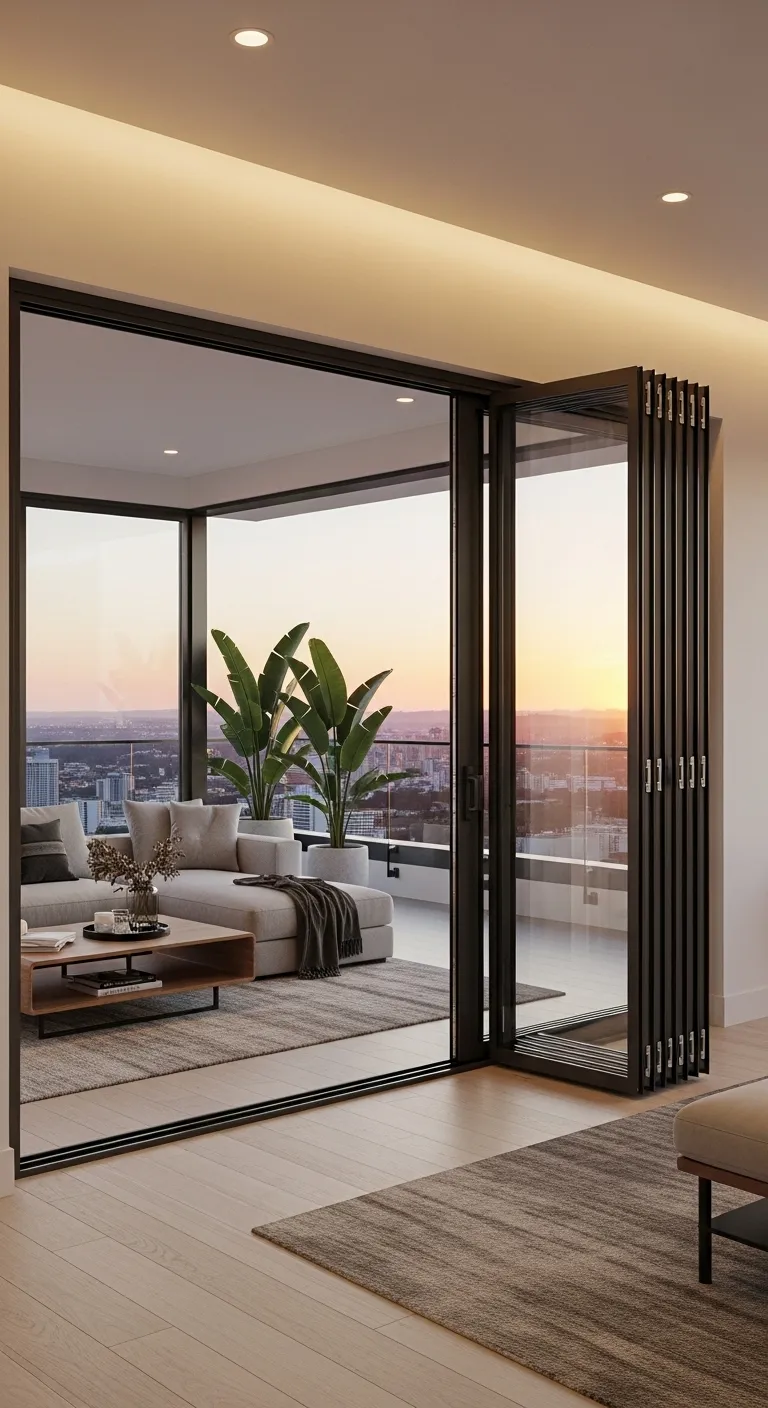
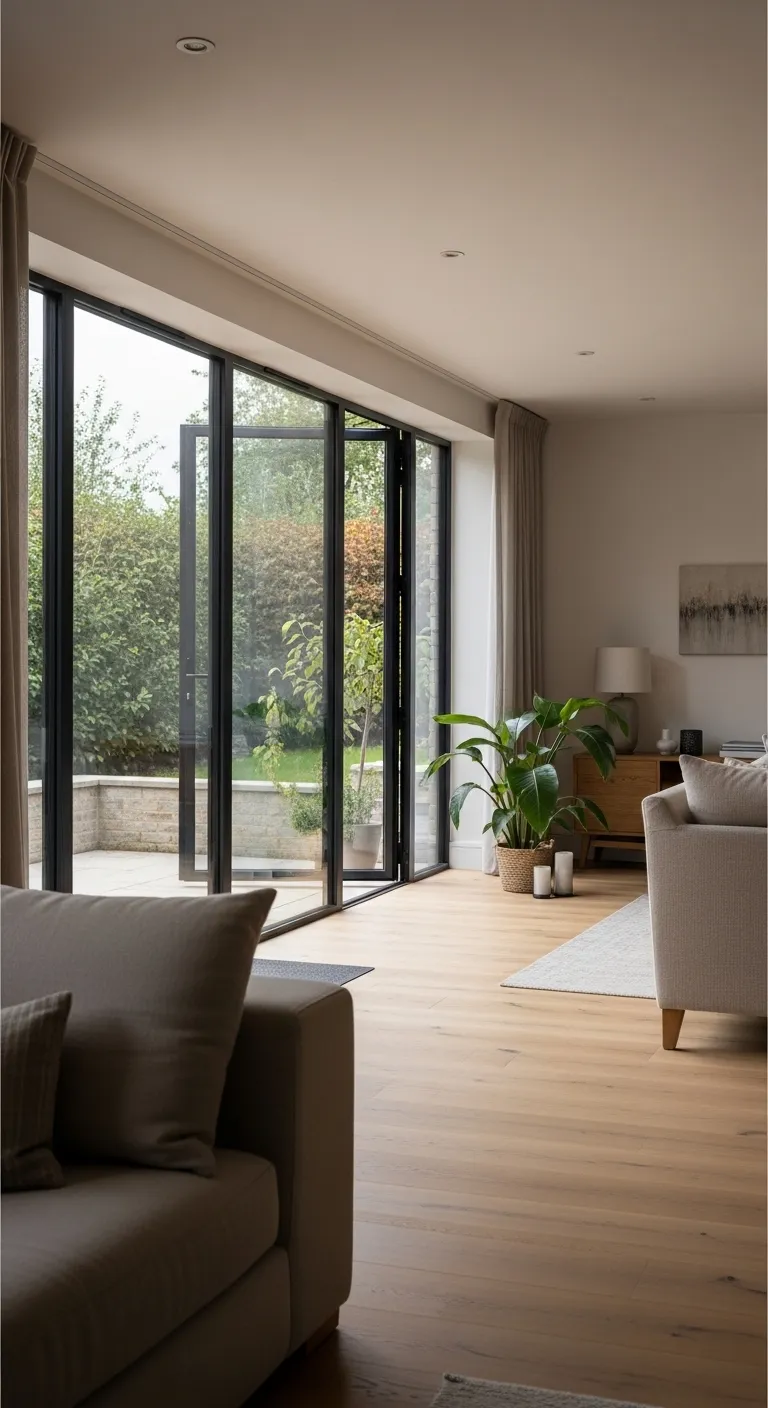
Frameless sliding glass doors create a smooth and uninterrupted look that instantly makes a room feel larger and more open. Without thick borders, the glass becomes the main focus and allows your eyes to travel easily from one space to another. This design works especially well in living rooms that open to a patio or garden area. It helps connect indoor and outdoor spaces while keeping everything bright and visually light.
Choose tempered clear glass with slim aluminum tracks to maintain a clean and modern finish. Pair it with light wood flooring or neutral tiles to reflect sunlight and enhance the airy feel. You can also add sheer curtains for privacy without blocking natural light completely. This idea works best in small or medium homes where visual openness can make a noticeable difference.
2. Frosted Glass Doors for Soft Privacy
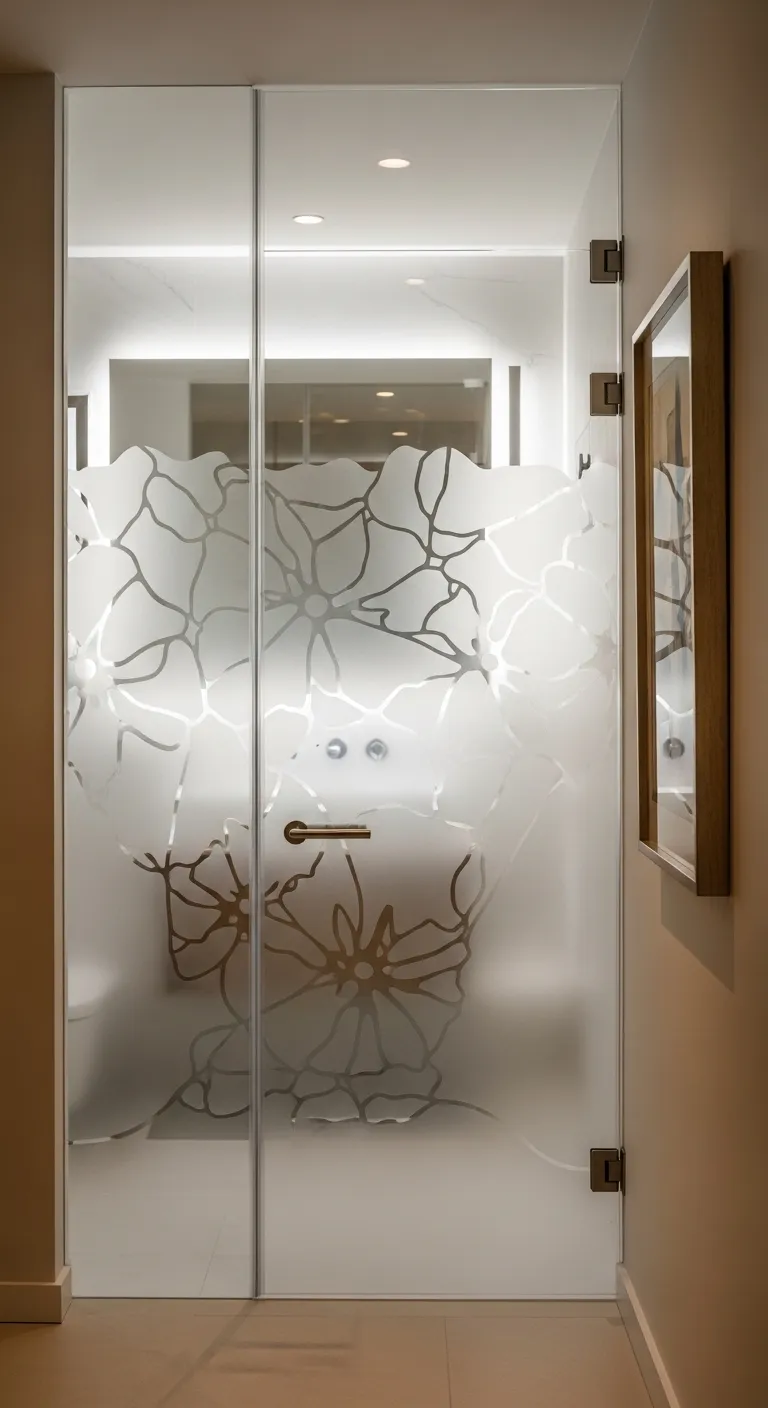
Frosted glass doors provide privacy while still allowing light to pass through, making them perfect for spaces that need separation without darkness. The surface blurs visibility, so shapes and movement are visible but details stay hidden. This makes them ideal for bathrooms, home offices, or shared rooms where you want quiet privacy. They create a soft and calm atmosphere instead of a closed or heavy look.
You can choose full frosted panels for a minimal style or add partial designs like stripes or patterns for extra detail. Pair these doors with matte black or brushed metal handles for a modern contrast. Adding warm lighting behind the glass can create a soft glowing effect in the evening. This setup works well when you want both functionality and a clean visual appearance.
3. Black Frame Grid Glass Doors for Bold Structure
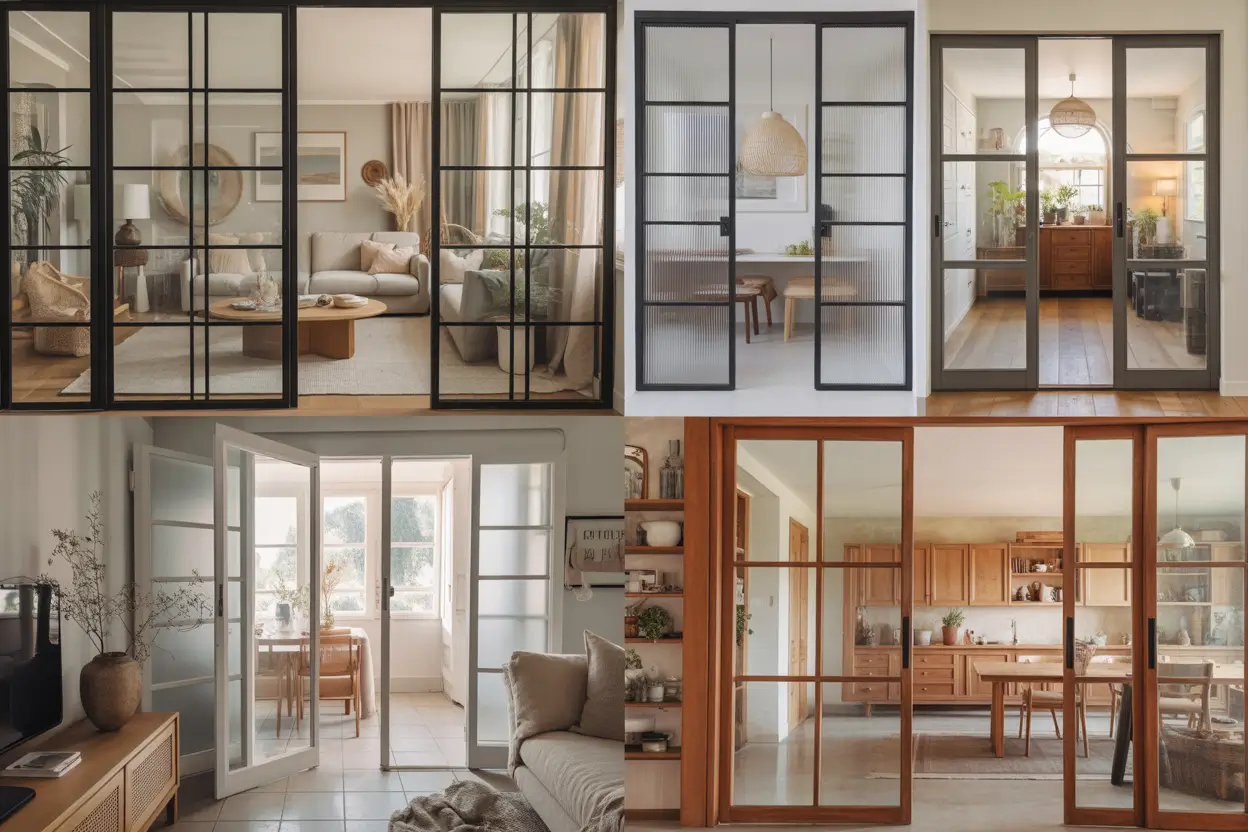
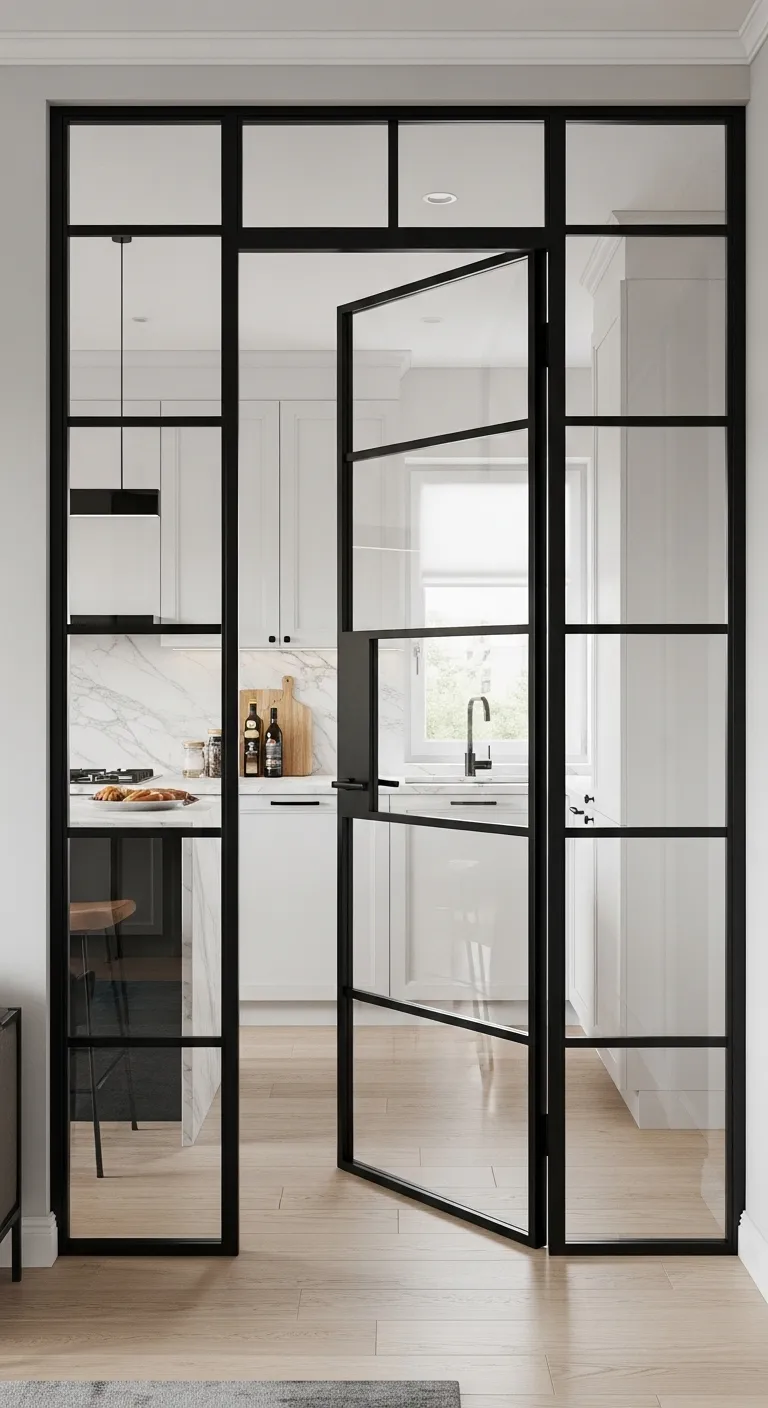
Black frame grid glass doors add strong visual definition to any room by dividing the glass into neat sections. This grid pattern creates a bold yet organized look that fits modern and industrial interiors. It works well in open-plan homes where you want to separate spaces without completely closing them off. The dark frame adds contrast and becomes a focal point in the design.
Install these doors between the kitchen and dining area or as a divider in living spaces. Pair them with neutral walls, wood textures, or concrete finishes to balance the bold frame. Keep surrounding furniture simple so the door design stands out clearly. Adding warm lighting nearby can soften the contrast and make the space feel more inviting.
4. Pocket Glass Doors for Space Saving Layouts
Pocket glass doors slide inside the wall, which makes them perfect for small spaces where traditional doors take up too much room. This design helps you use your floor area more efficiently and keeps the layout clean. It also creates a seamless transition between rooms when opened. This makes it ideal for apartments or compact homes.
Use clear or lightly tinted glass to keep the space bright and visually connected. Choose minimal hardware and hidden handles to maintain a sleek look. These doors work well between bedrooms and bathrooms or kitchens and hallways. Adding soft wall lighting near the opening can highlight the sliding feature and enhance the overall design.
5. Ribbed Glass Doors for Texture and Light Control
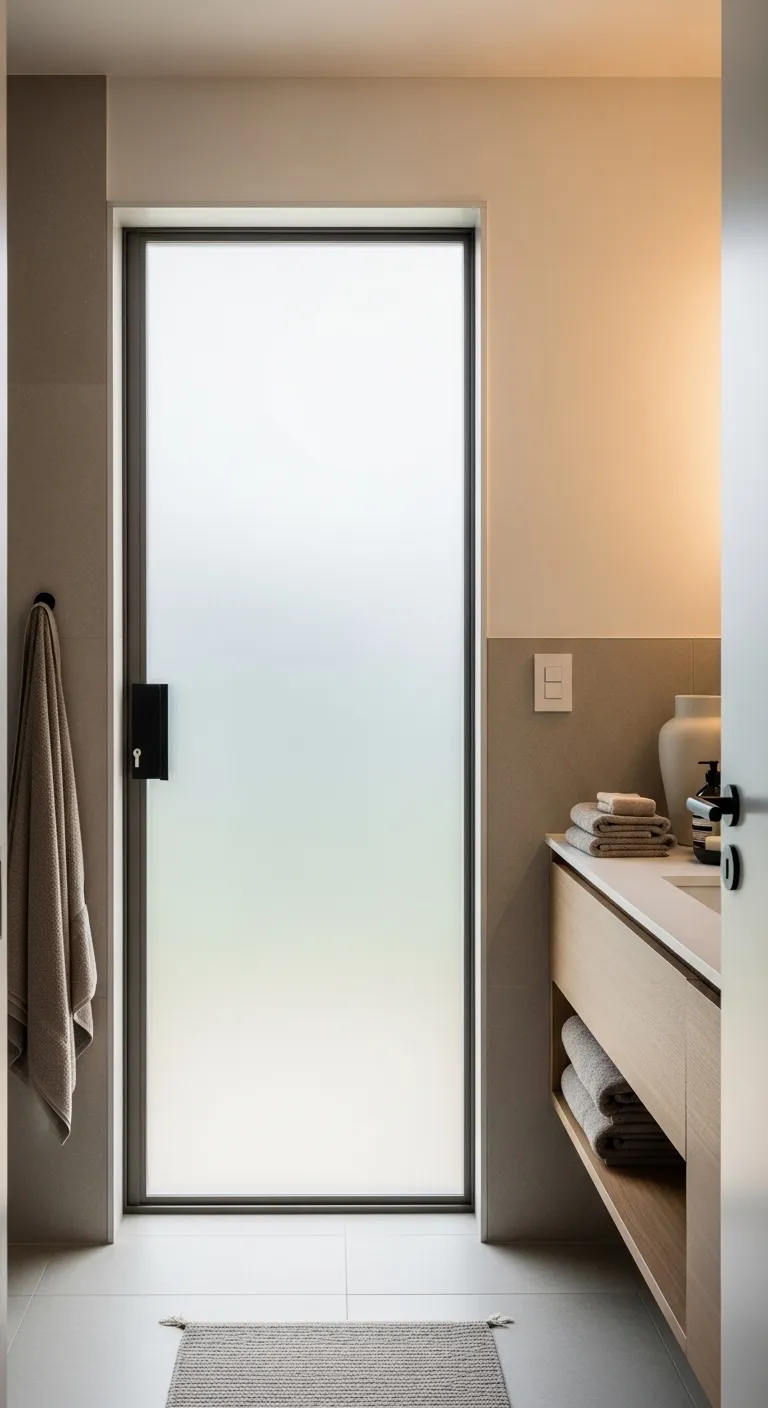
Ribbed glass doors add texture and visual interest while still allowing light to pass through. The vertical lines blur the view slightly, giving you privacy without blocking brightness completely. This makes them a great choice for areas where you want both style and function. They also create soft light patterns that change throughout the day.
Use ribbed glass in bathrooms, wardrobes, or entryways to add depth without using bold colors. Pair it with wooden frames for a warm feel or metal frames for a modern look. When sunlight hits the surface, it creates subtle shadows that bring movement into the space. This design works best when you want a balance between openness and privacy.
6. Floor-to-Ceiling Glass Doors for Vertical Space Impact
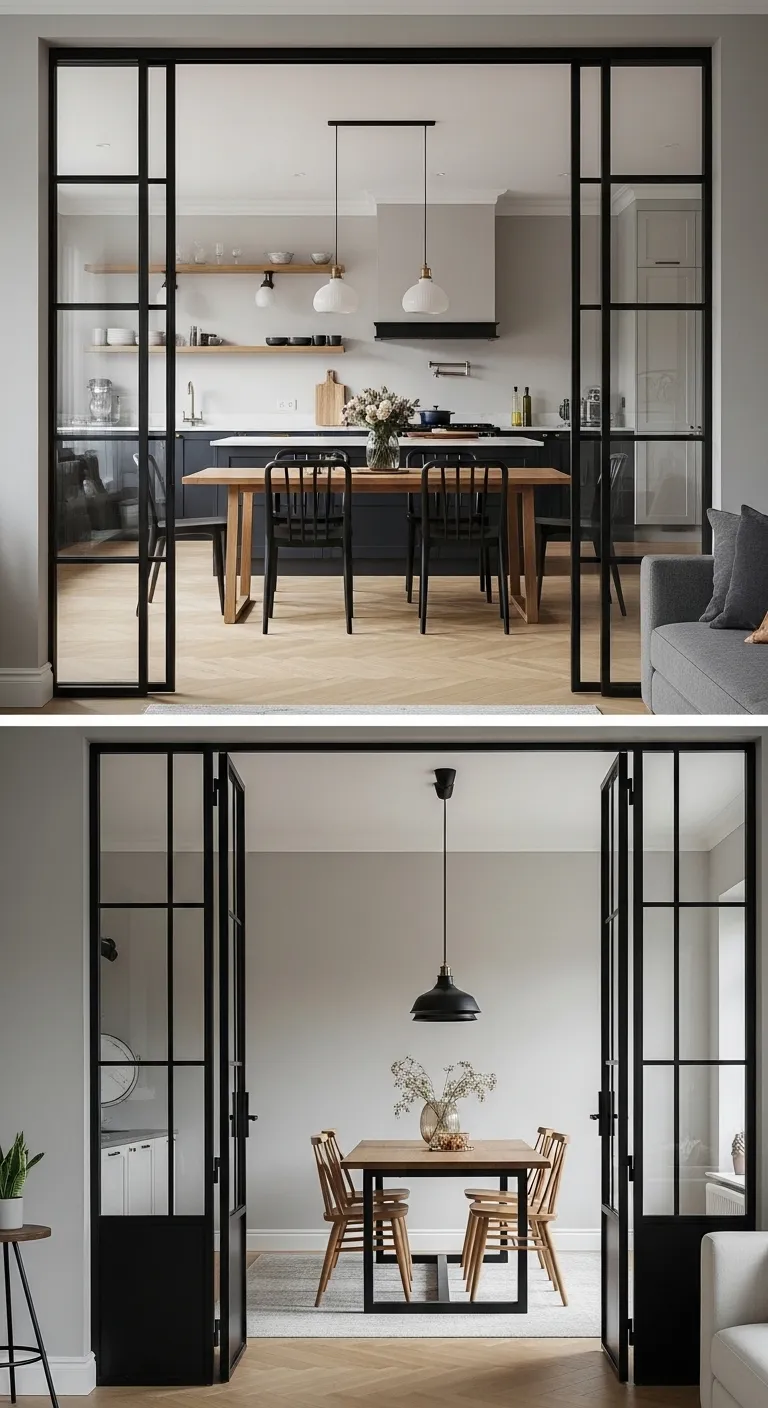
Floor-to-ceiling glass doors make a room feel taller by drawing the eye upward and removing visual breaks. This design creates a strong sense of height and openness, especially in modern interiors. It works well in spaces with limited square footage but good vertical space. The continuous glass panel makes the room feel more expansive.
Use clear glass with minimal framing to keep the design clean and sharp. Pair it with tall curtains or vertical wall panels to enhance the height effect. This idea works well for balconies or garden-facing rooms where natural light is important. Adding ceiling lights can further highlight the height and create a balanced look at night.
7. Pivot Glass Doors for a Modern Architectural Look
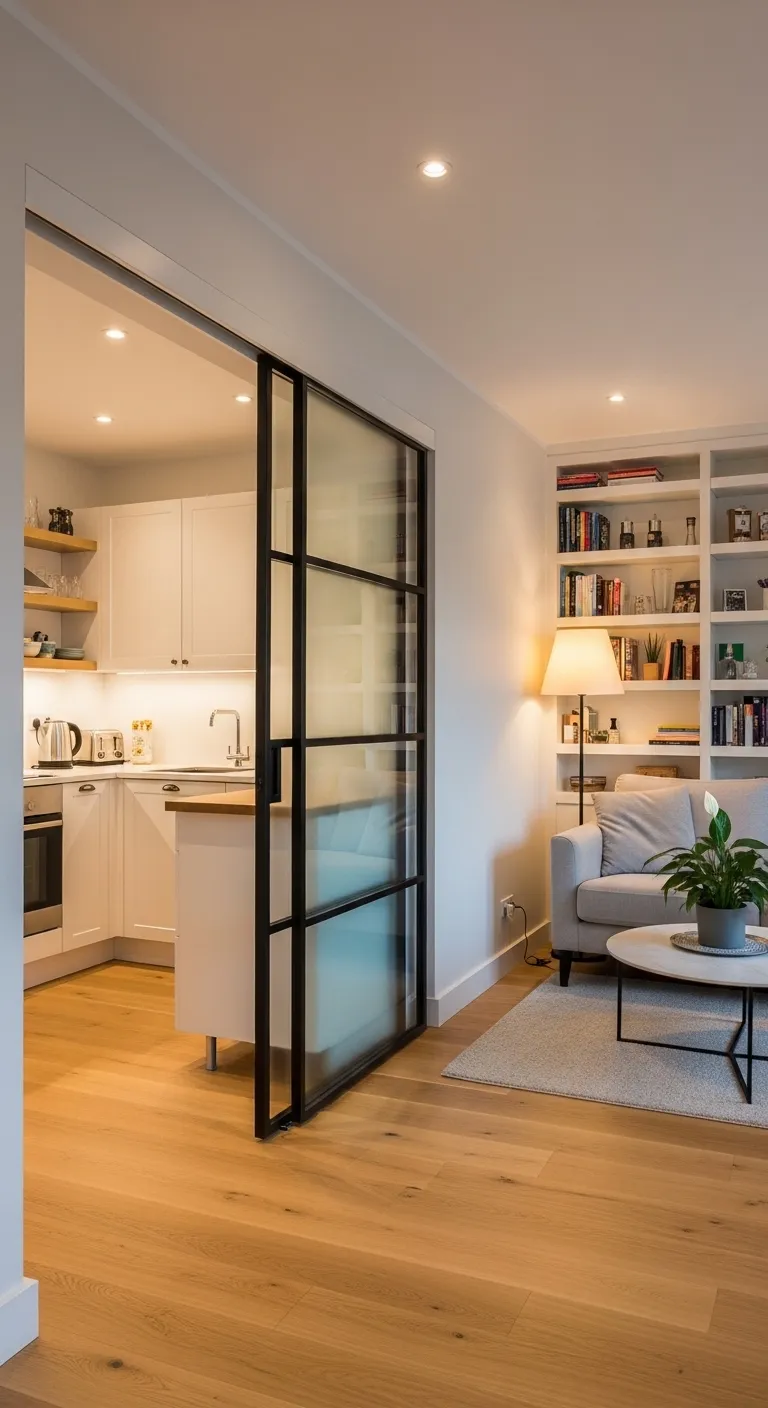
Pivot glass doors rotate on a central hinge instead of swinging from the side, which gives them a unique and modern movement. This design feels more like a feature element rather than just a functional door. It instantly adds a high-end touch to your home. The smooth motion also makes it visually interesting.
Use thicker glass panels and bold handles to emphasize the design. These doors work best at main entrances or large interior openings where there is enough space. Pair them with stone or tile flooring to ground the overall look. You can also add subtle floor lighting near the pivot point to enhance the effect.
8. Tinted Glass Doors for Soft Color Effects
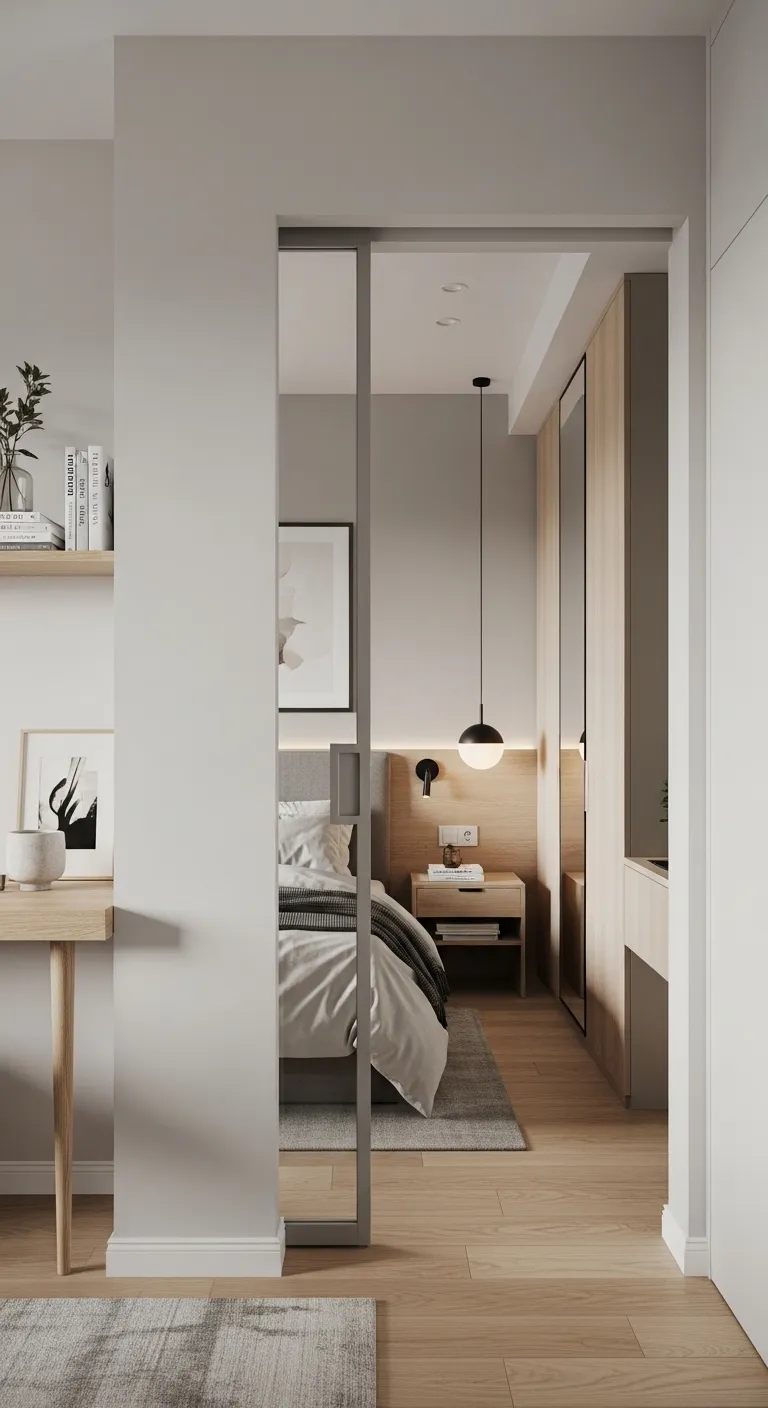
Tinted glass doors introduce a gentle color tone while controlling the amount of light entering the room. Shades like bronze, grey, or green can reduce glare and create a relaxed atmosphere. This makes them suitable for bedrooms or lounge areas. They add mood without making the space feel dark.
Pair tinted glass with neutral walls and soft fabrics to keep the look balanced. Avoid using too many strong colors around it so the tint remains subtle. This design works especially well in sunny areas where direct light can feel too harsh. It allows you to enjoy brightness in a more comfortable way.
9. Double Glass Doors for Symmetrical Openings
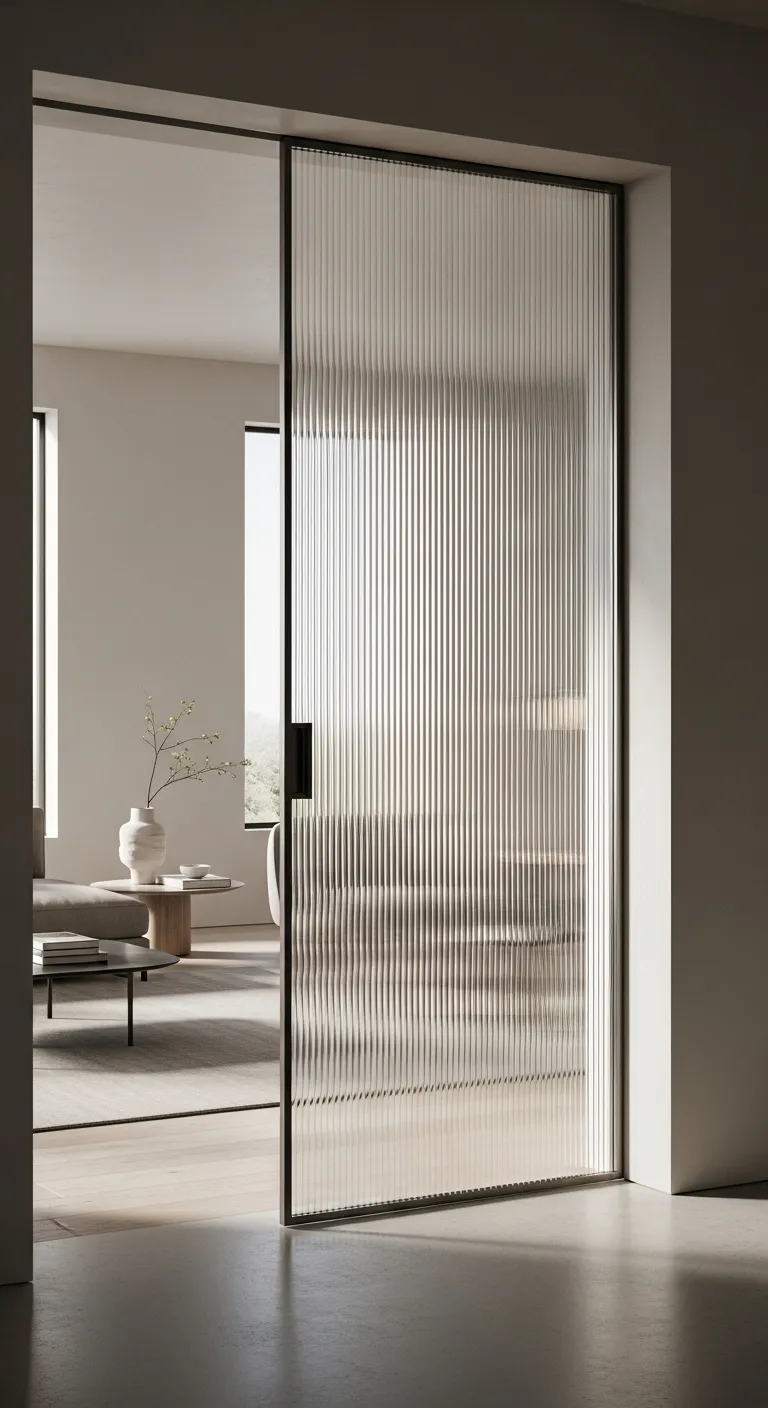
Double glass doors create a balanced and welcoming look by opening from the center. They allow wider access and improve airflow between spaces. This design works well for entrances, patios, or large room connections. It adds a sense of openness and symmetry.
Choose clear or lightly frosted panels depending on your privacy needs. Use matching handles and frames to keep the design consistent. Adding plants near the doorway can enhance the natural connection between spaces. This setup works well in homes where you want both style and functionality.
10. Sliding Barn Glass Doors for Rustic Modern Style
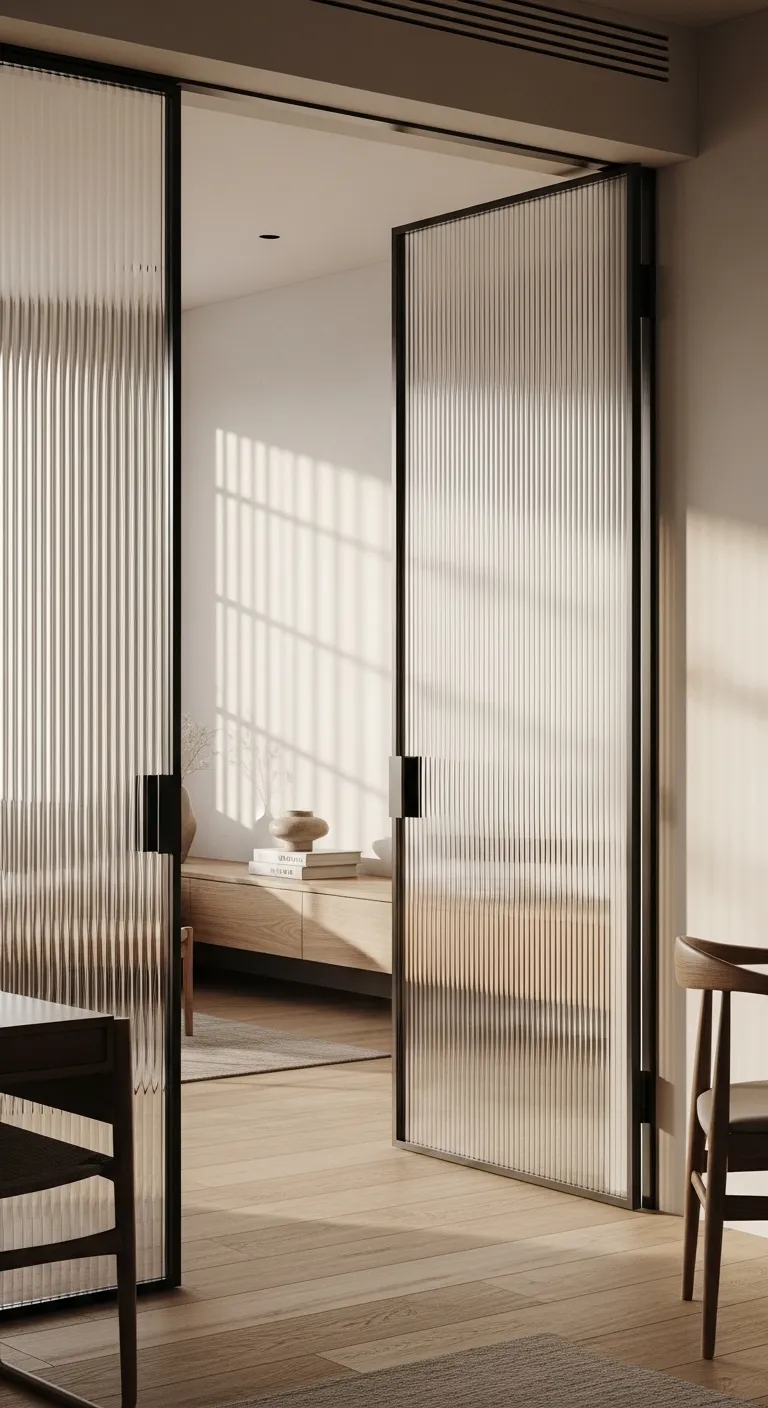
Sliding barn glass doors combine rustic design with modern materials, creating a unique and stylish look. The exposed track system adds character while the glass keeps the space light and open. This makes them a great choice for bedrooms or home offices. They offer both function and visual interest.
Use wooden frames with clear or frosted glass panels to balance warmth and brightness. Pair them with textured rugs or neutral walls to complete the look. The sliding mechanism also saves space compared to traditional doors. This idea works best when you want a mix of cozy and modern design.
11. Etched Glass Doors for Personalized Patterns
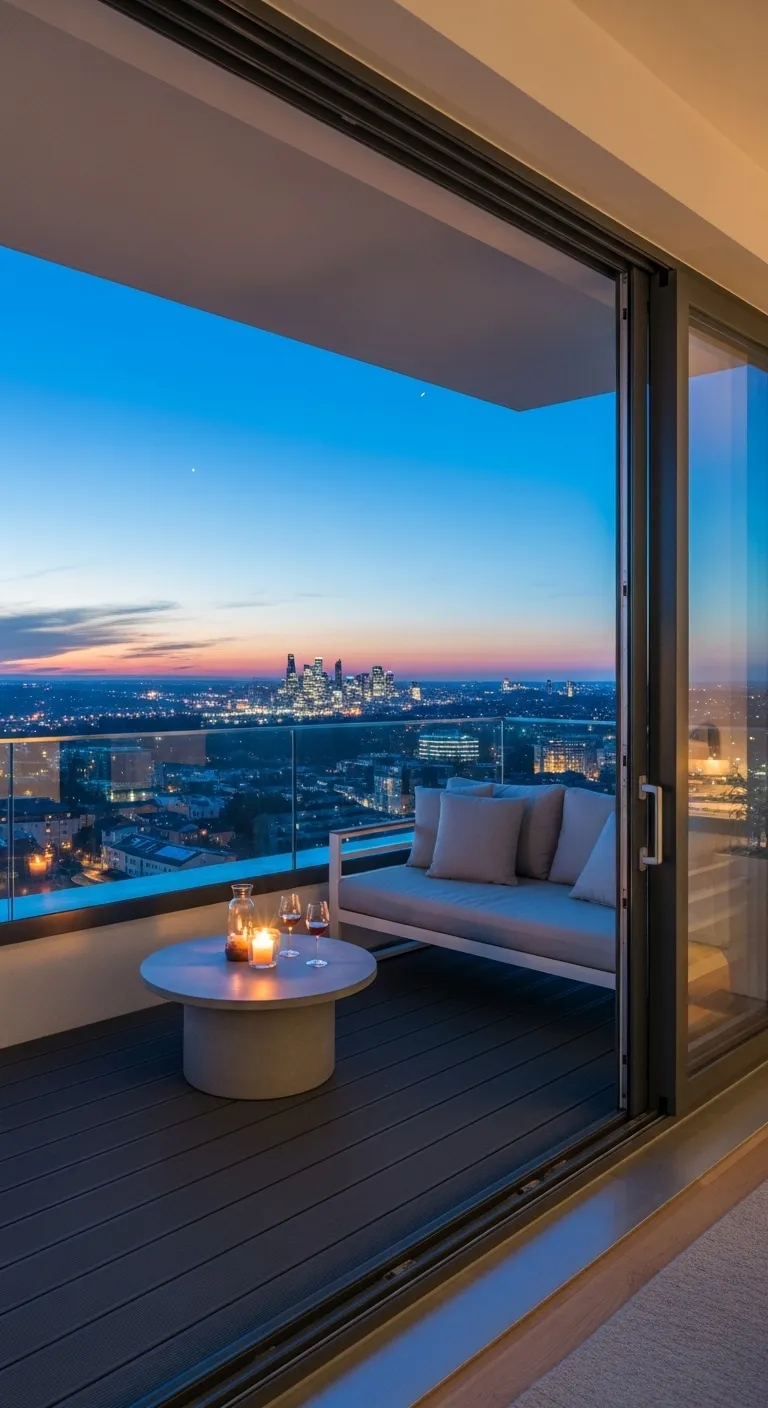
Etched glass doors add custom detail while keeping the design light and refined. The surface features patterns that can range from simple lines to floral or geometric shapes. This allows you to introduce personality without using bold colors or heavy materials. The result feels decorative but still clean and modern. Use etched panels in entryways, bathrooms, or study rooms where you want subtle privacy. Pair with slim metal or painted wood frames so the pattern remains the highlight. Soft wall lighting will bring out the etched texture and create a gentle shadow effect. This option works well when you want a unique touch that still feels timeless.
12. Smart Glass Doors for Adjustable Privacy
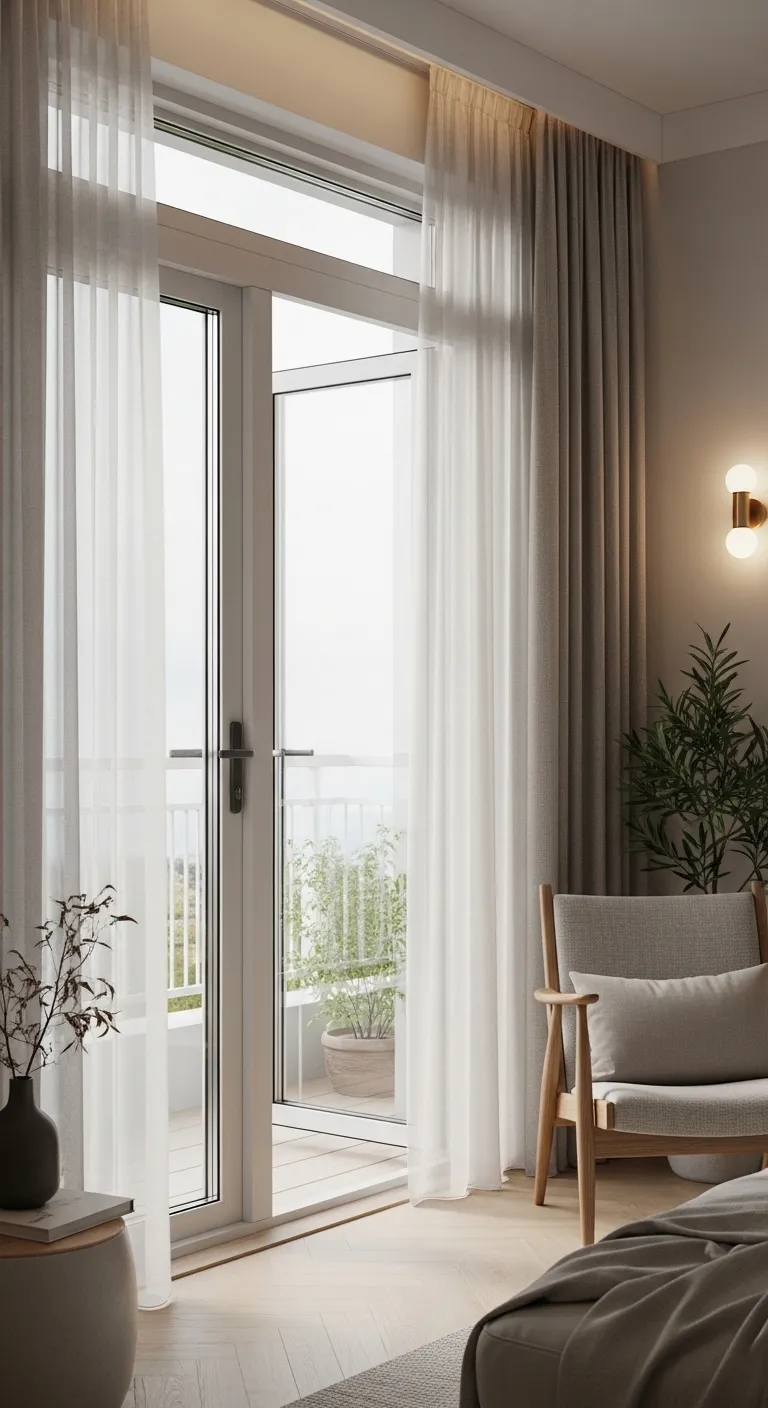
Smart glass doors switch from clear to opaque with a simple control, giving you instant privacy when needed. This technology makes one door serve multiple functions without changing the layout. It is ideal for modern homes where flexibility and clean design matter. The glass looks sleek in both states. Install smart glass in home offices, bedrooms, or meeting areas where privacy needs change throughout the day. Pair with minimal frames and hidden wiring for a seamless finish. Use warm ambient lighting so the opaque mode feels soft rather than dull. This solution is perfect when you want high functionality without adding extra layers like curtains.
13. Arched Glass Doors for Soft Architectural Curves
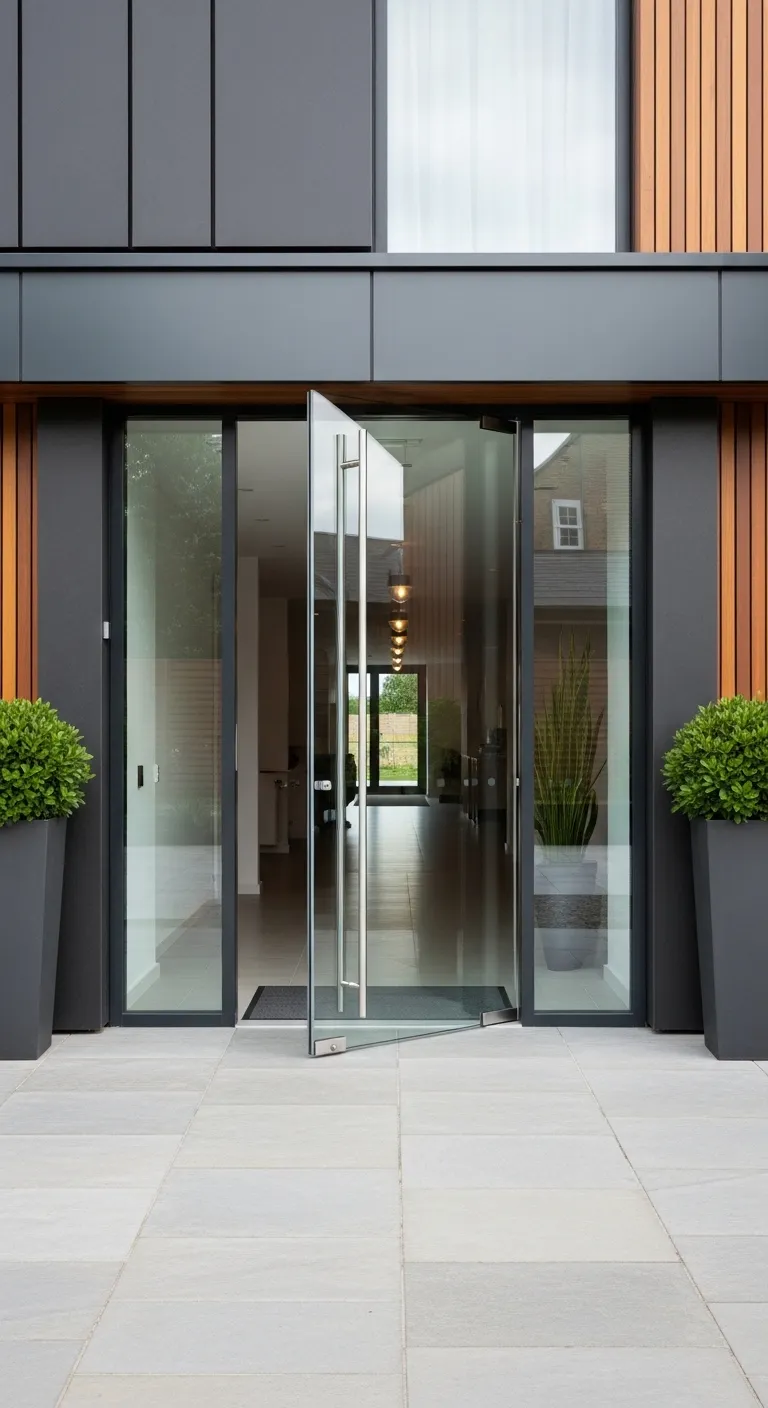
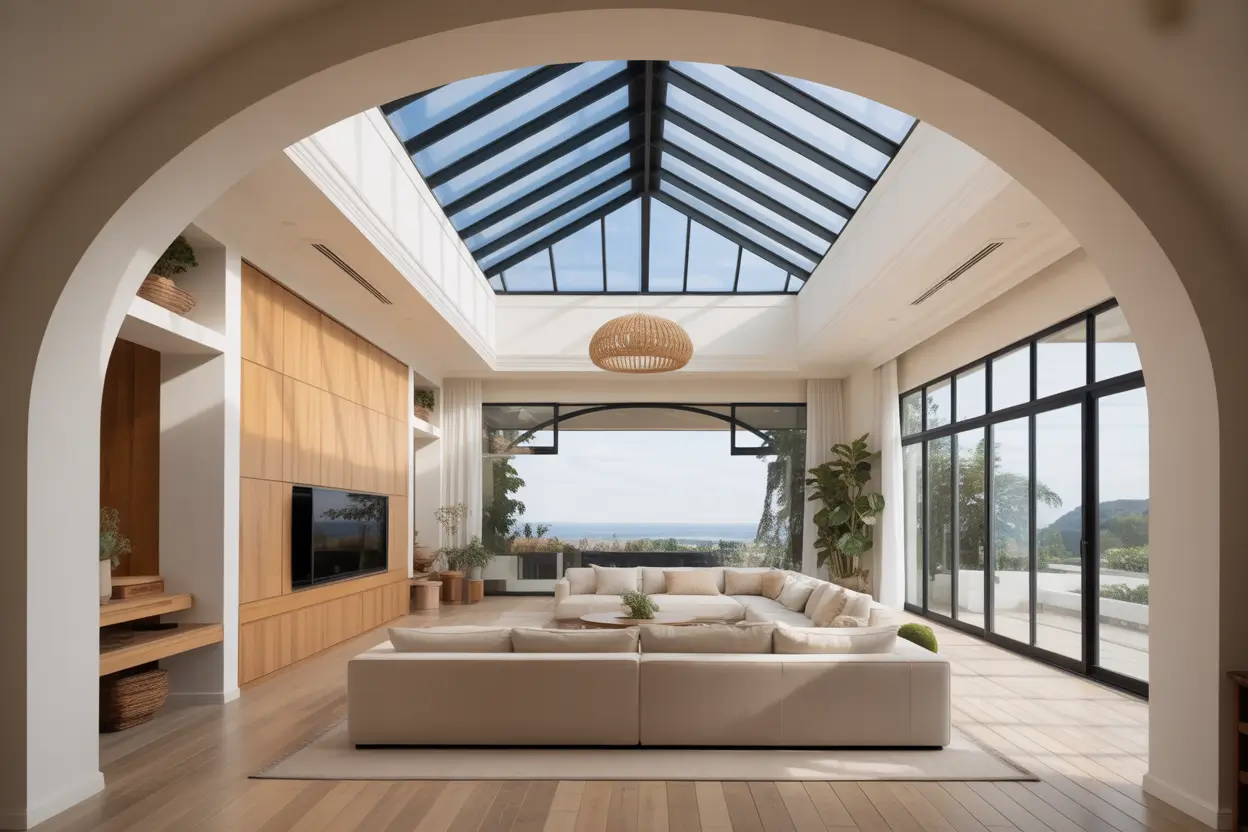
Arched glass doors introduce gentle curves that soften the overall look of a space. The rounded top creates a classic yet fresh feel that stands out from standard rectangular doors. This shape adds visual interest without needing bold colors or patterns. It works well in both modern and traditional interiors. Use clear or lightly tinted glass within an arched frame to highlight the shape. Pair with plaster walls, warm neutrals, or natural wood to keep the look balanced. Adding wall sconces near the arch can enhance the curve and create a cozy glow. This idea suits entryways or transitions where you want a subtle architectural feature.
14. Crittall Style Glass Doors for Classic Contrast
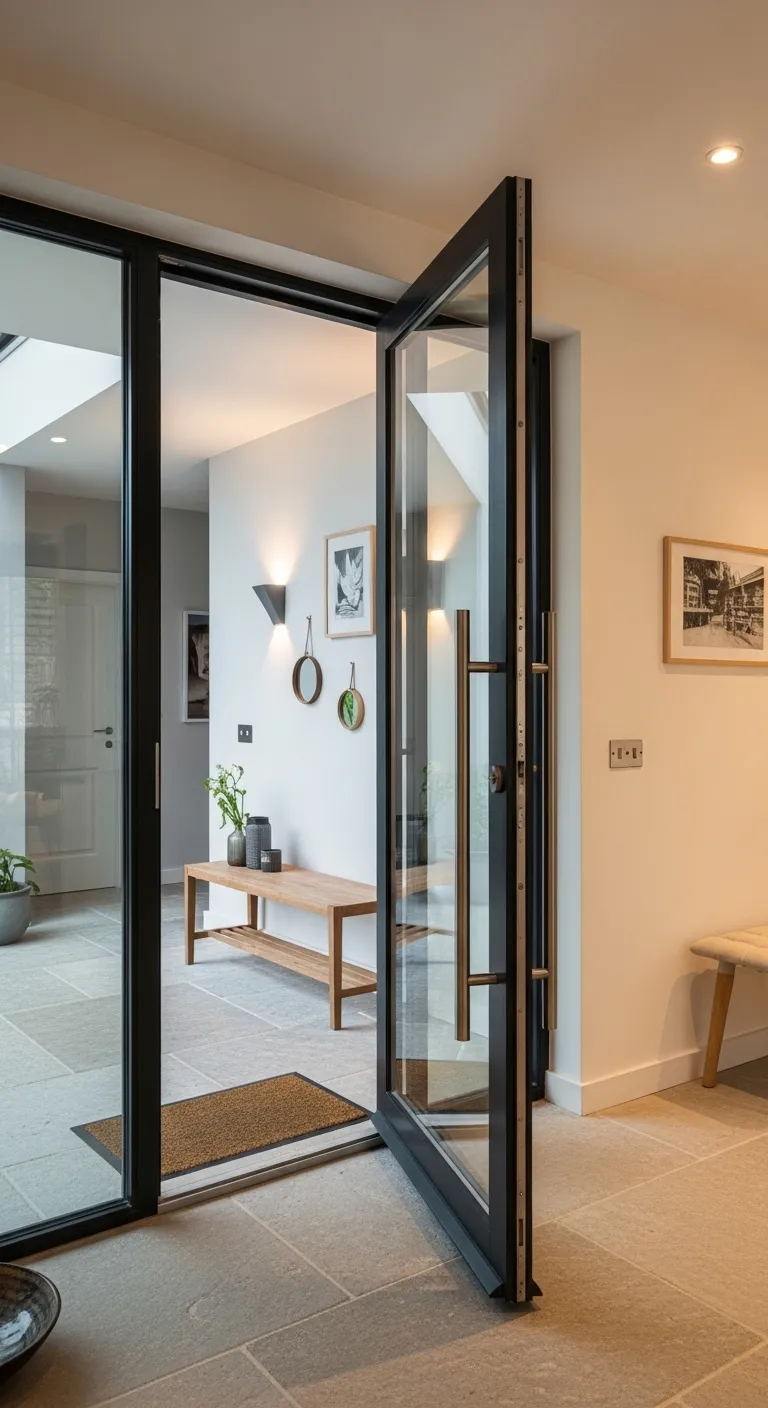
Crittall-style glass doors feature slim metal frames with multiple small panes, offering a refined industrial look. The thin lines create structure without making the door feel heavy. This design blends well with both vintage and modern interiors. It adds character while keeping the space open. Use dark metal frames with clear glass to create contrast against light walls. Pair with brass or matte black handles for a polished finish. These doors work well as room dividers or hallway entrances. Adding soft lighting nearby will prevent the metal lines from feeling too sharp and keep the space inviting.
15. Sliding Corner Glass Doors for Open Transitions
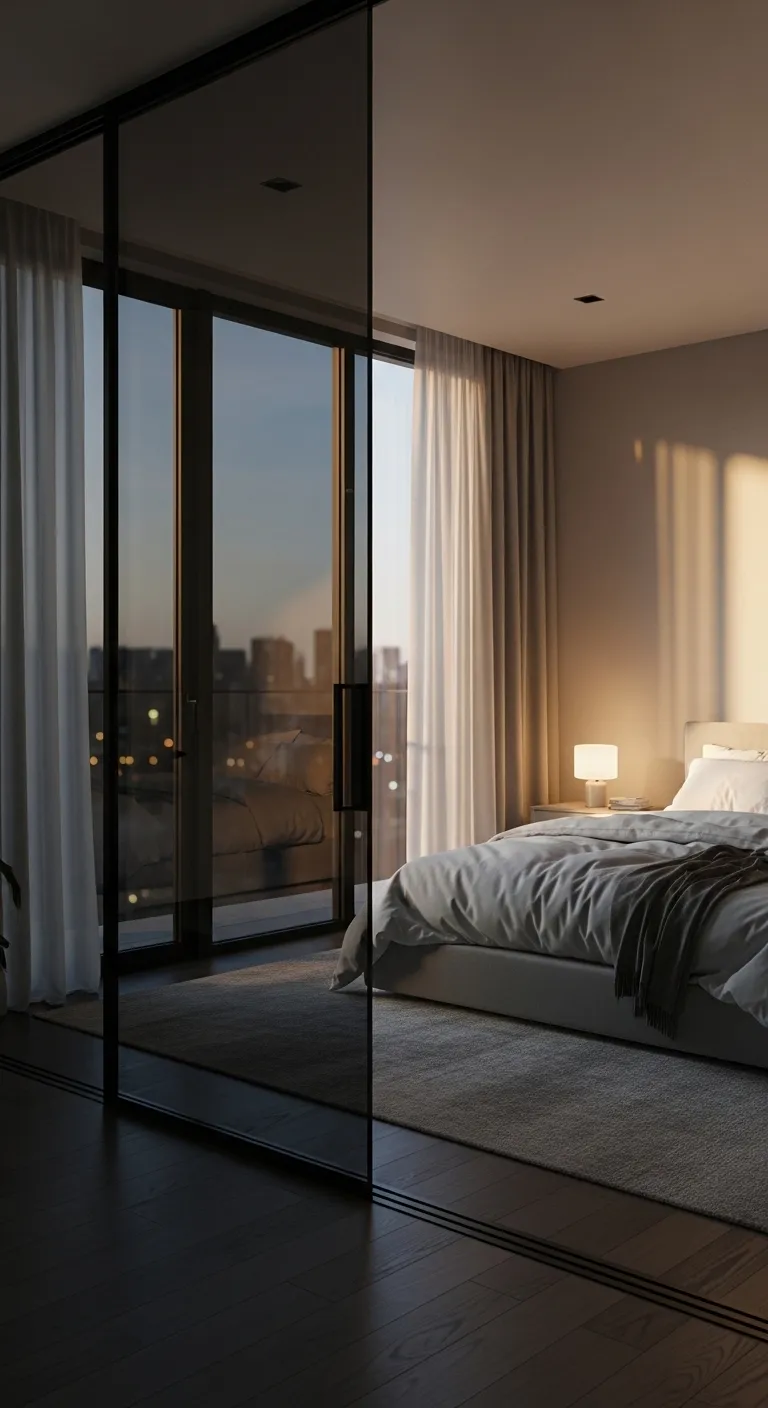
Sliding corner glass doors remove the barrier between two walls, opening up an entire corner of the room. This creates a wide and seamless connection to outdoor spaces or adjacent areas. It makes the room feel larger and more connected. The effect is especially strong in living rooms and dining spaces. Use clear glass panels with smooth sliding tracks that meet at the corner. Pair with continuous flooring to maintain flow between spaces. Outdoor decking or tiles in similar tones can extend the visual line. This idea works best when you want to blur the boundary between inside and outside.
16. Glass French Doors for Timeless Elegance
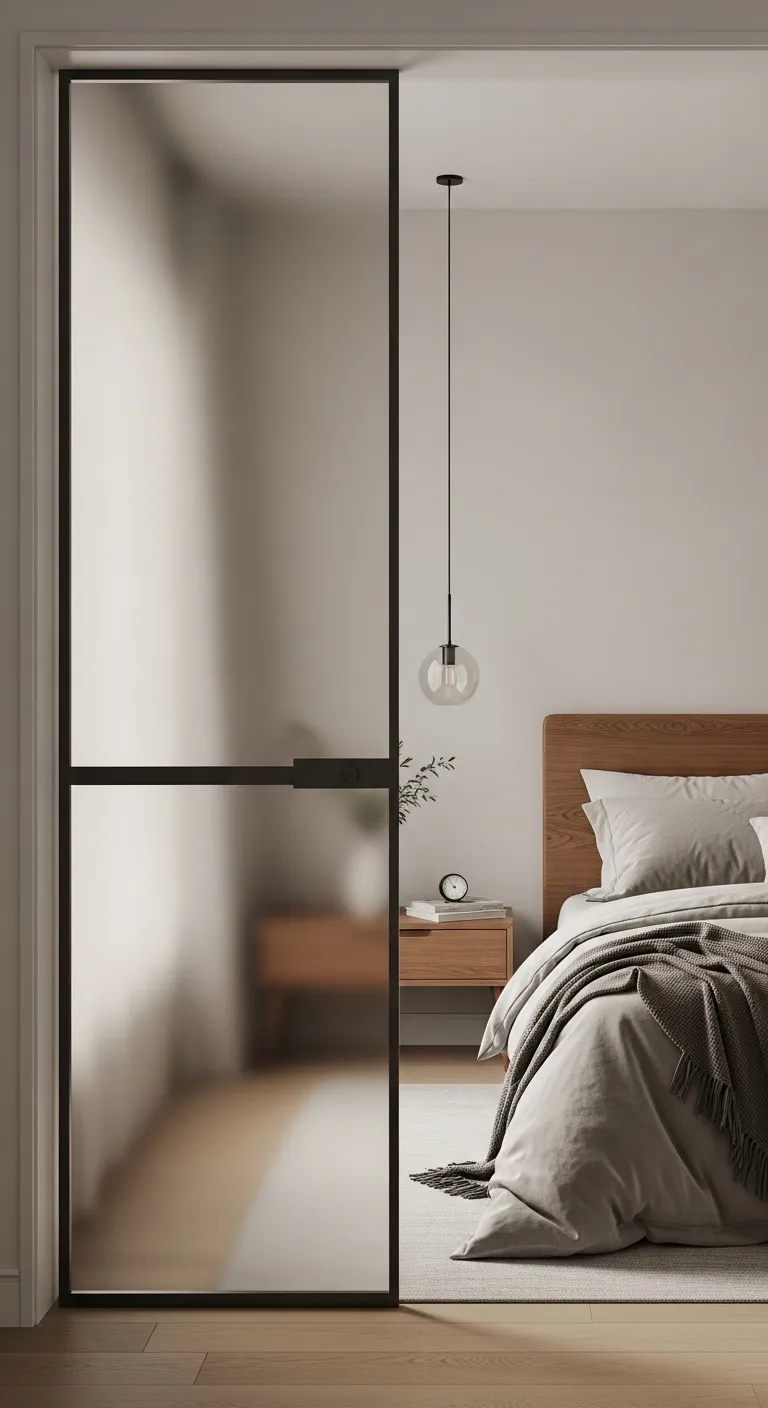
Glass French doors bring a classic look with multiple glass panes and symmetrical design. They allow light to pass through while still defining separate spaces. This style works well in both modern and traditional homes. It creates a balanced and welcoming feel. Use white or soft neutral frames for a light and airy appearance. Pair with sheer curtains for added softness and flexibility. These doors work well between living rooms and dining areas or as patio access. Adding warm lighting will enhance the cozy and elegant atmosphere.
17. Minimalist Single Panel Glass Doors for Clean Design
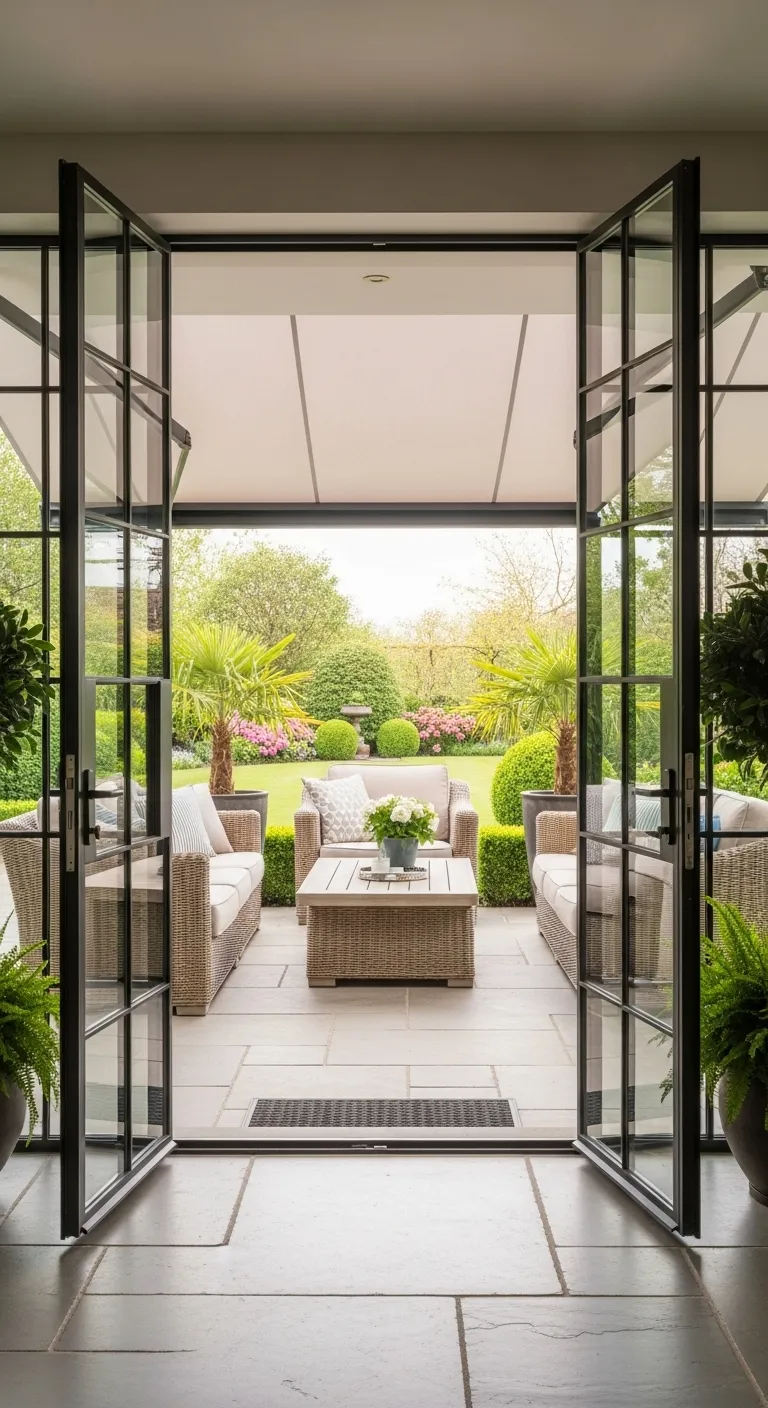
Single panel glass doors focus on simplicity by using one large uninterrupted surface. This design removes visual clutter and keeps the space feeling calm and organized. It works especially well in modern interiors. The clean lines make the room look more refined. Choose frameless or very thin frame options to keep the look minimal. Pair with neutral walls and simple furniture to maintain balance. Hidden hinges or handles can enhance the sleek effect. This idea is perfect when you want a quiet and uncluttered design.
18. Colored Gradient Glass Doors for Artistic Effect
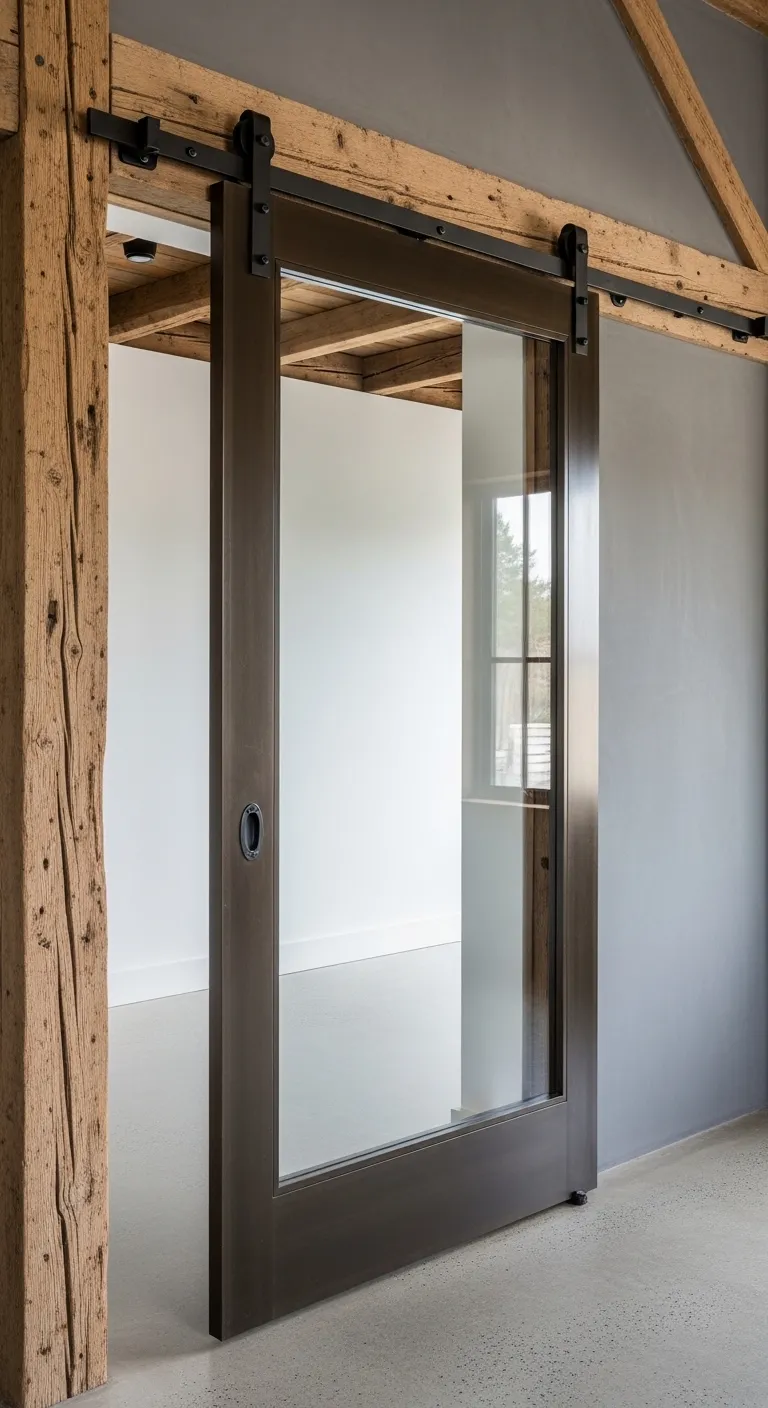
Gradient glass doors feature a smooth transition from one shade to another, adding a soft artistic touch. The color fades gradually, creating depth without being too bold. This makes the door feel like a design feature rather than just a function. It works well in creative or modern spaces. Use subtle gradients like clear to grey or blue to maintain balance. Pair with simple surroundings so the color effect stands out gently. Soft lighting can enhance the gradient and create a layered look. This idea suits spaces where you want something visually different but still practical.
19. Folding Glass Doors for Flexible Openings
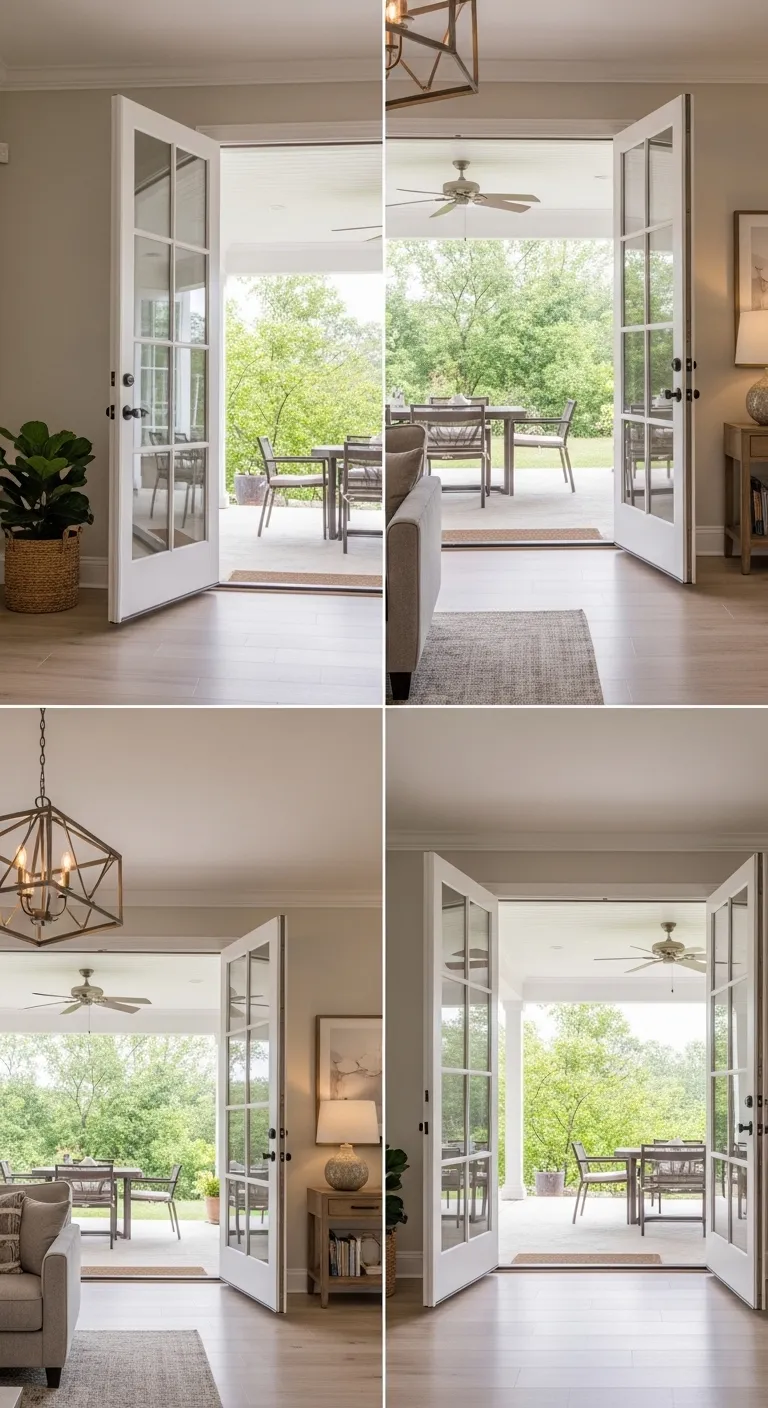
Folding glass doors, also known as bi-fold doors, open in sections and stack neatly to one side. This allows you to fully open a wall and create a wide connection between spaces. It is perfect for indoor-outdoor transitions or large rooms. The flexibility makes it highly functional.
Use clear panels with slim frames to keep the design light. Pair with outdoor seating or indoor layouts that align with the opening. Matching floor materials inside and outside will enhance the seamless effect. This idea works best when you want both openness and control.
20. Glass Doors with Metal Inlays for Detail
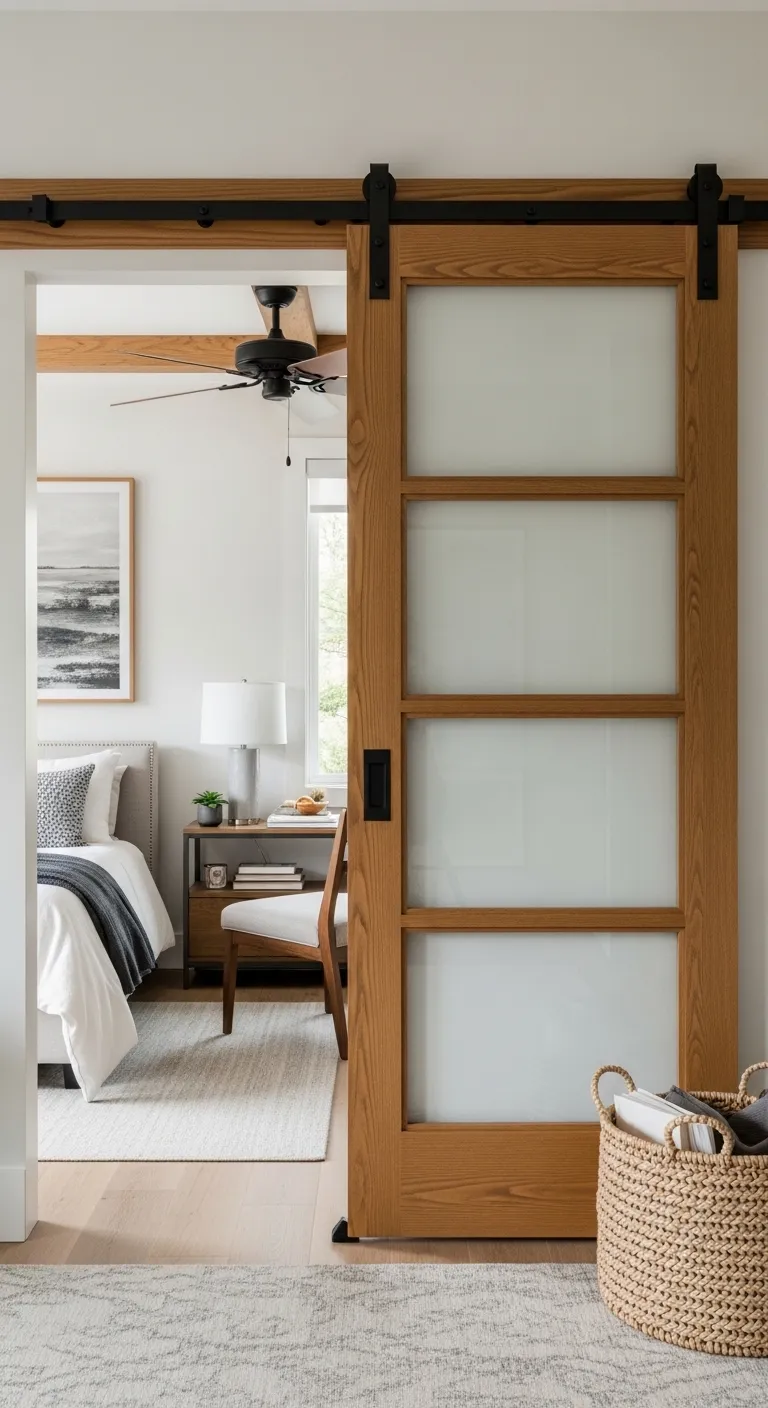
Glass doors with metal inlays add subtle detailing through thin lines or patterns embedded in the glass. These lines can create geometric or linear designs without overwhelming the space. The result feels modern and decorative at the same time. It adds interest without using heavy textures. Choose finishes like brass, black, or brushed steel for the inlays. Pair with neutral tones so the detailing stands out clearly. Soft lighting will highlight the lines and create a refined look. This option is ideal when you want a small design feature that still feels unique.
21. Mirrored Glass Doors for Space Illusion
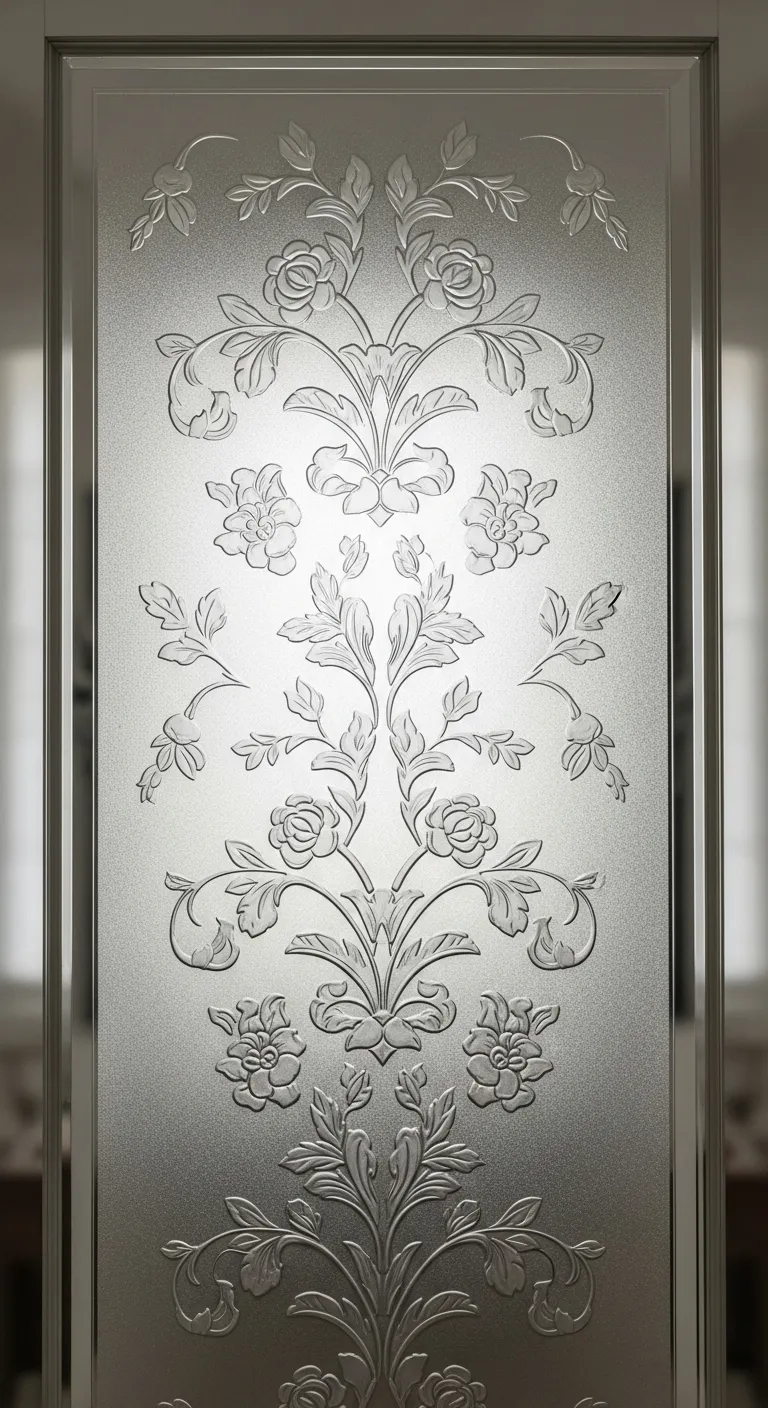
Mirrored glass doors reflect light and surroundings, making a room appear larger and brighter. They work especially well in small or narrow spaces where depth is needed. The reflection adds a sense of openness without changing the layout. It also enhances natural light.
Use mirrored panels in wardrobes, hallways, or bedrooms. Pair with simple decor to avoid visual clutter in the reflection. Soft lighting can create a warm and balanced effect. This idea is practical when you want to expand the feel of a room.
22. Sandblasted Glass Doors for Soft Patterns
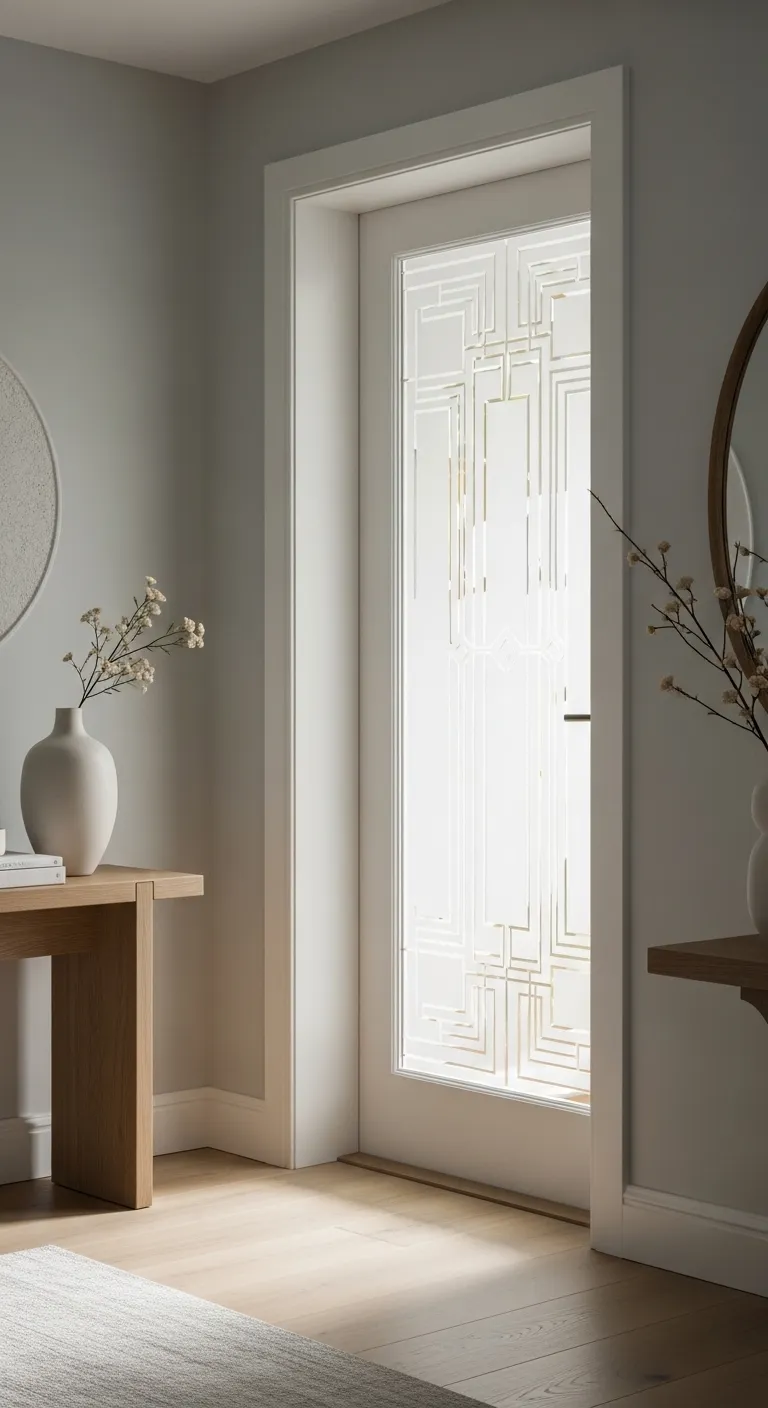
Sandblasted glass doors create a smooth matte surface with subtle patterns. The finish diffuses light while adding a gentle decorative touch. This makes them suitable for spaces that need both privacy and style. The look feels calm and understated.
Use simple patterns like lines or soft shapes to keep the design clean. Pair with light-colored frames for a fresh appearance. Warm lighting behind the door can enhance the texture. This idea works well in bathrooms or quiet areas.
23. Glass Doors with Wooden Frames for Warm Balance
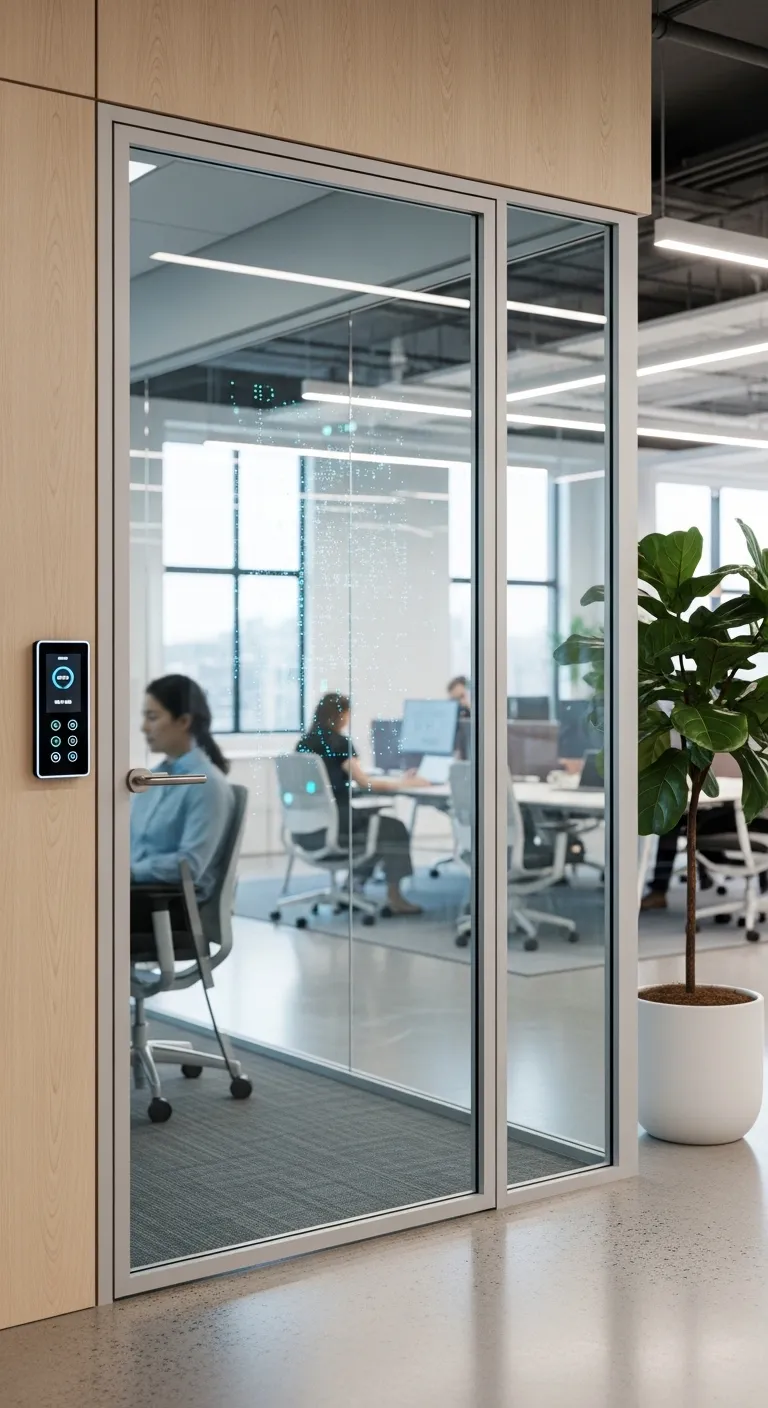
Glass doors with wooden frames combine transparency with natural warmth. The wood adds texture and softness while the glass keeps the space open. This balance works well in many interior styles. It creates a welcoming and comfortable feel.
Choose light or medium wood tones depending on your decor. Pair with natural fabrics and neutral colors to enhance the warmth. This design works well in living areas, bedrooms, or kitchens. It is a great option when you want both openness and coziness.
24. Industrial Steel Glass Doors for Strong Character
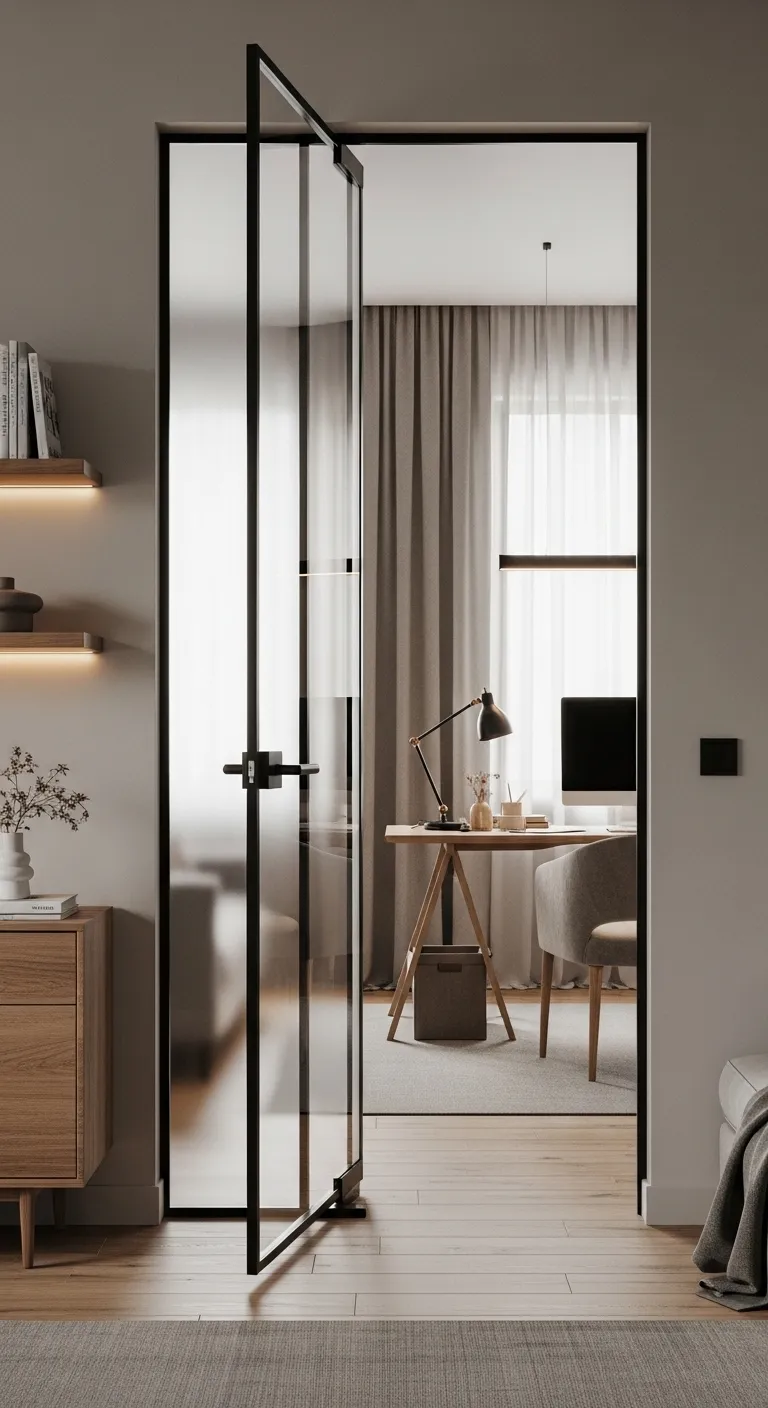
Industrial steel glass doors use thick metal frames and large glass panels to create a bold look. The strong lines add character and structure to the space. This design works well in lofts or modern homes. It creates a striking visual impact.
Pair with exposed brick, concrete, or dark tones to match the industrial style. Use warm lighting to soften the strong materials. Keep surrounding decor simple so the door stands out. This idea is perfect when you want a statement feature.
25. Pivot Corner Glass Doors for Luxury Flow
Pivot corner glass doors combine pivot movement with corner opening to create a wide and elegant transition. This design removes barriers and allows spaces to flow smoothly. It feels modern and high-end. The opening motion adds a unique experience.
Use clear glass with minimal frames to keep the design clean. Pair with continuous flooring and open layouts for best results. Add subtle lighting to highlight the movement and edges. This idea works best in large spaces where flow and openness matter.
Conclusion
Glass doors are more than just entry points, they shape how your home feels and functions. Each design offers a different way to balance light, privacy, and style while improving the flow between spaces. From simple panels to advanced smart glass, there is an option for every need and layout.
Focus on what your space needs most and choose a design that supports that goal. Save the ideas that match your style and test what works best in your home. Small changes like the right glass door can make a big difference in how your space looks and feels.