23 Cozy Beige Living Room Ideas for a Warm, Inviting Space
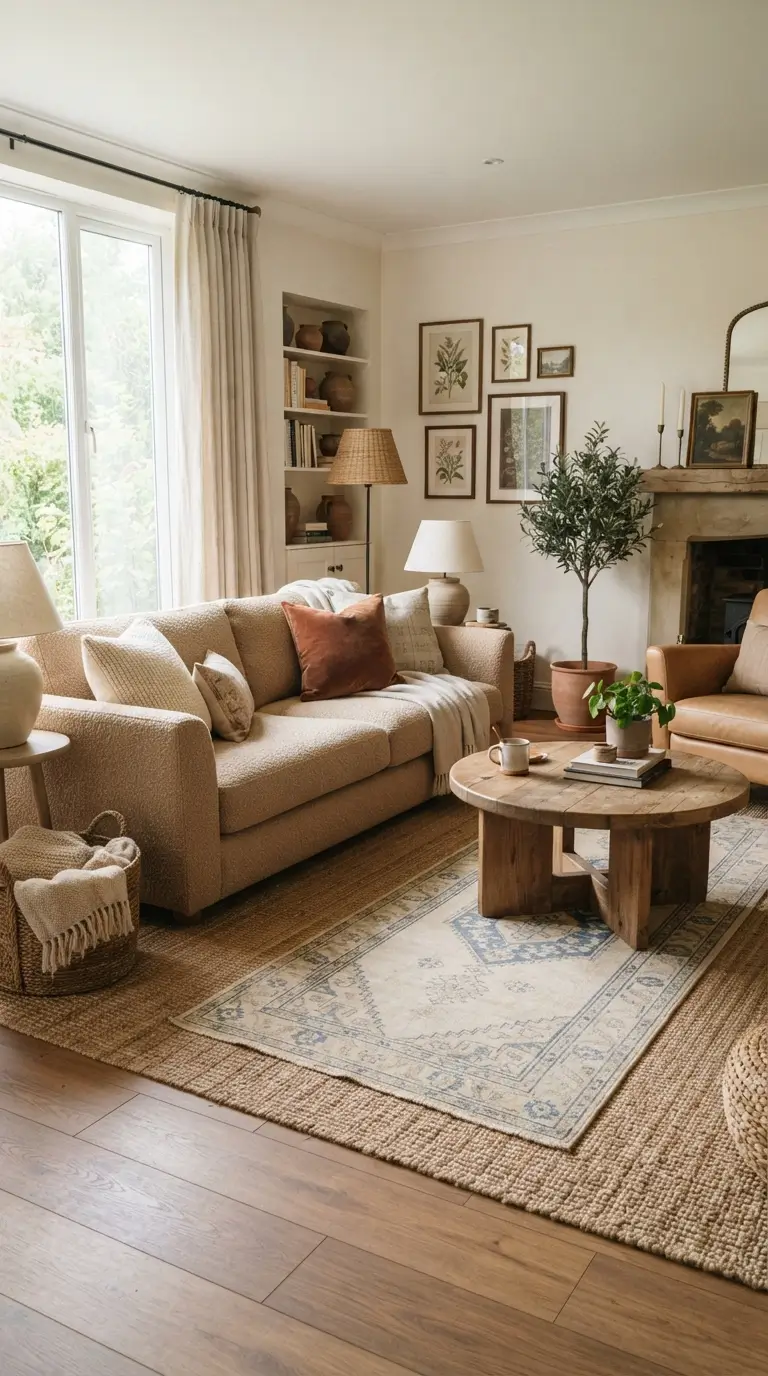
People sometimes tell me beige feels like a safe choice, the color you pick when you cannot decide on anything else. I understand where that idea comes from, but a well done beige living room is anything but boring once you get the layering right. The secret is texture. A room full of flat beige paint and flat beige furniture will feel flat, but a room with boucle, linen, jute, and warm wood layered on top of that same beige base feels rich and inviting instead. Beige also has a quiet confidence to it, since it never competes with your art, your books, or the people sitting in the room. It just makes everything else look good. Below are 23 real ways to build a beige living room that feels cozy rather than plain, using texture, warm materials, and a few thoughtful details to keep the whole space from blending into itself. Start with two or three ideas and build from there.
1. Beige Boucle Sofa
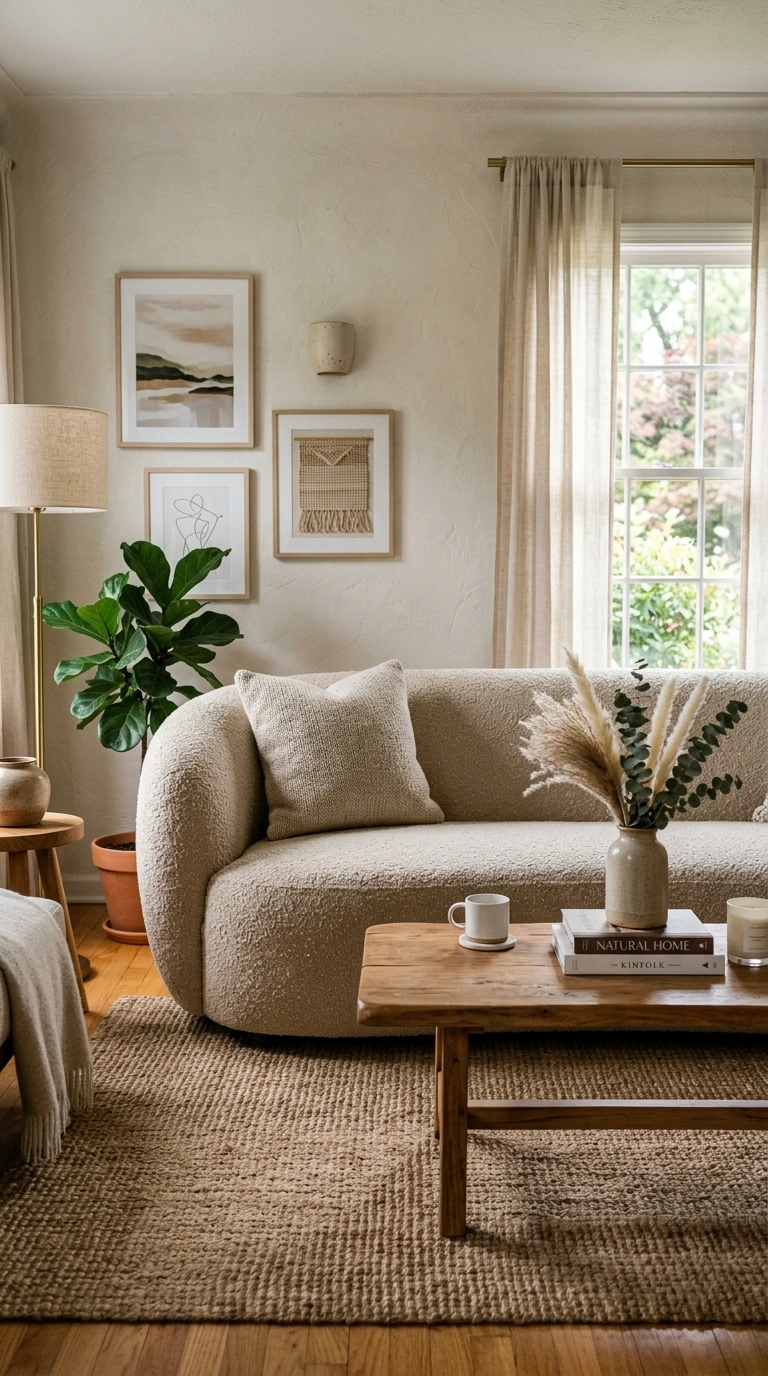
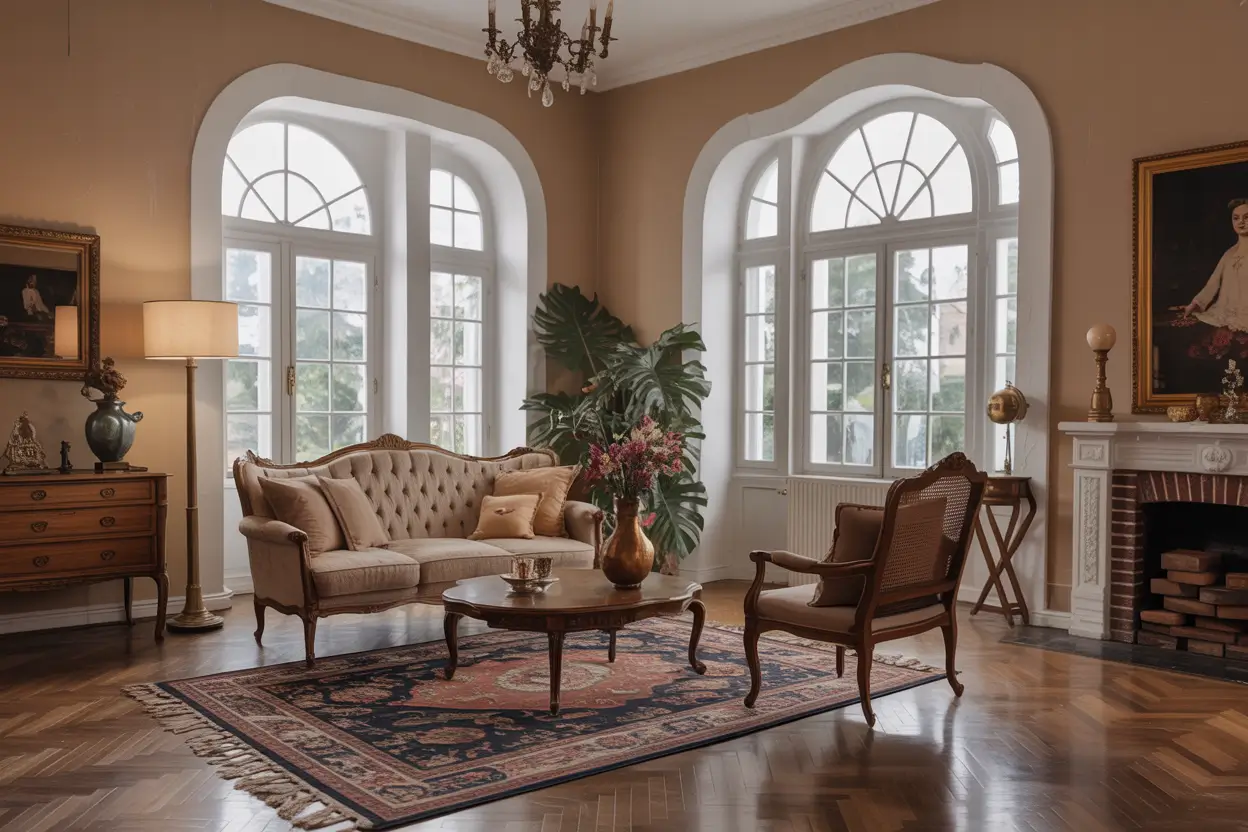
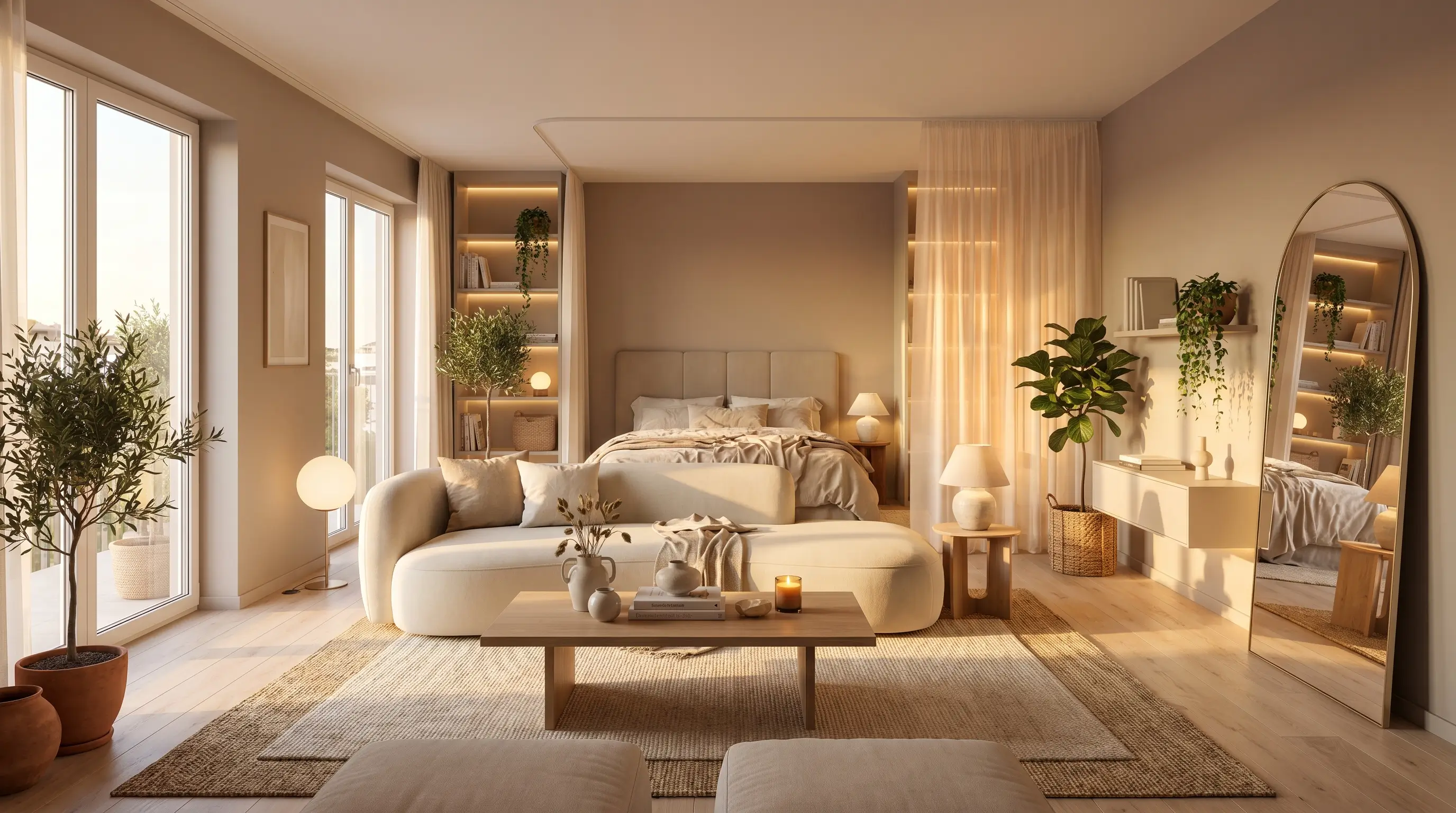
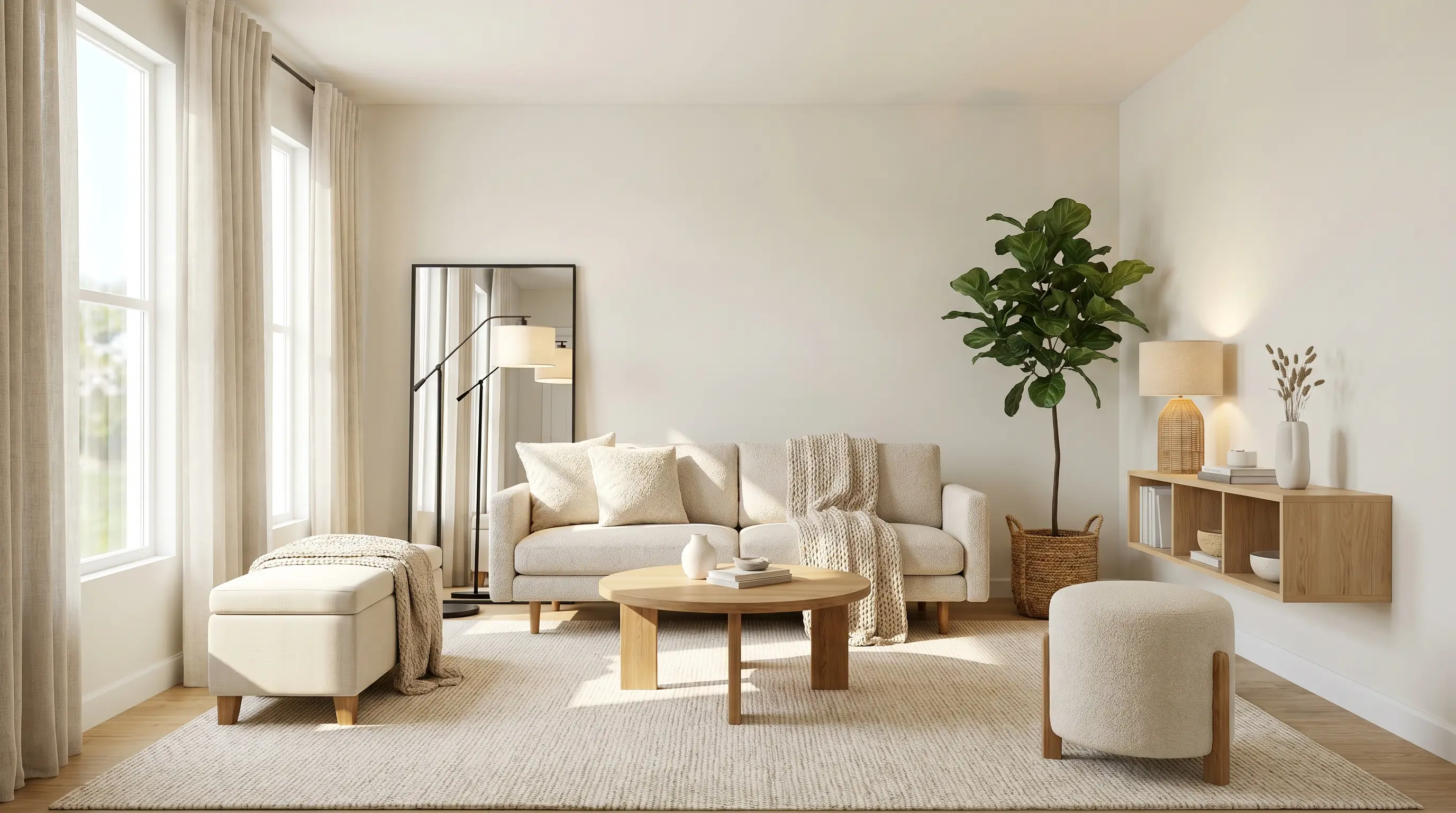
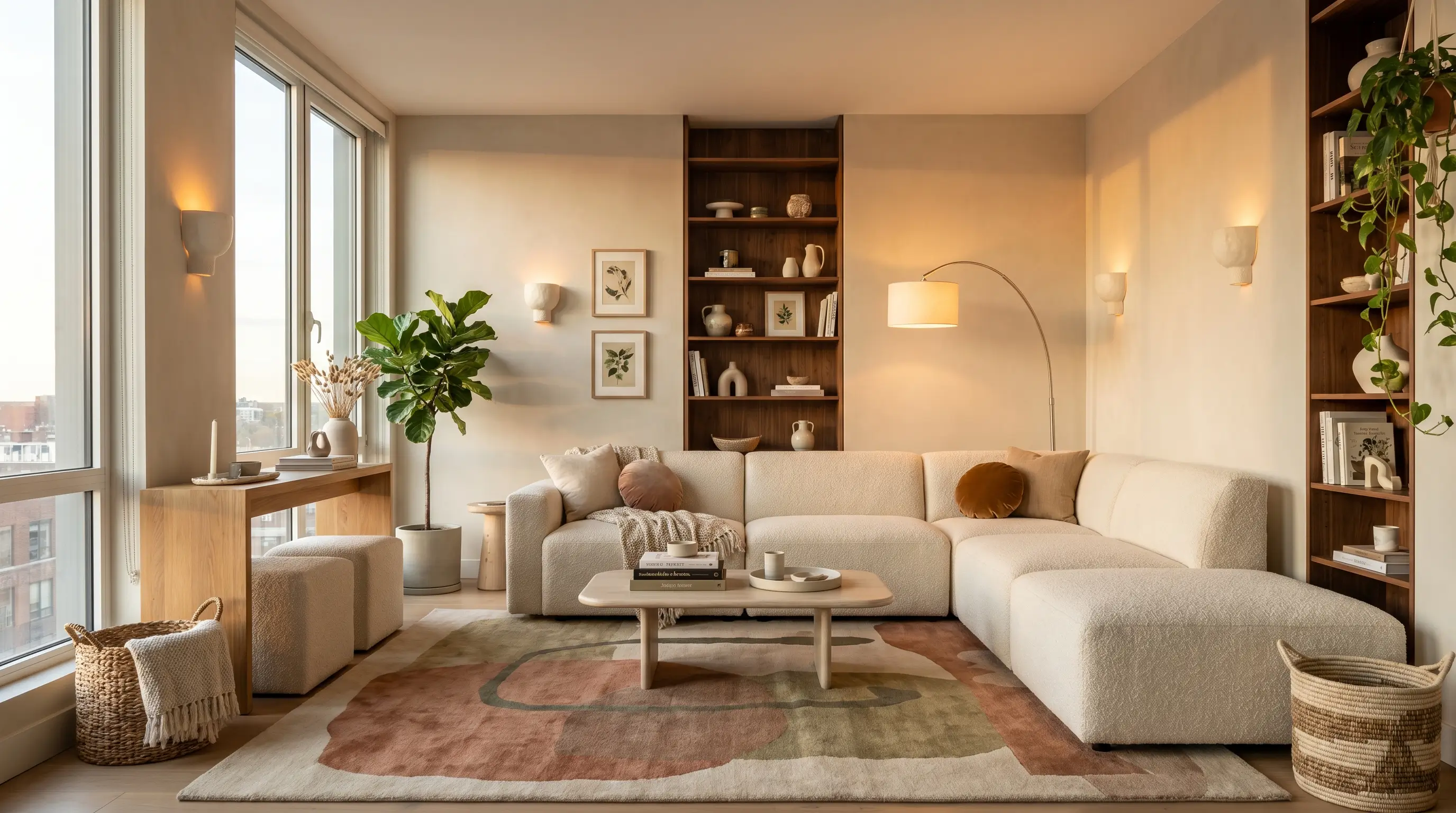
A boucle sofa in a warm beige tone brings texture into the room the moment you walk in. The nubby, looped fabric catches light differently than a flat linen or cotton sofa, which keeps a neutral piece from reading as plain or forgettable. Choose a rounded arm style for a softer, more current silhouette, or a straight track arm for something more classic. Pair it with a wood or rattan coffee table so the room has some visual contrast against all that softness. Add one or two pillows in a slightly deeper tan or oatmeal tone so the sofa does not disappear entirely into the walls behind it. This piece works especially well as the anchor of a room, since everything else, from the rug to the art, can build around its soft, tactile presence. Keep the surrounding walls a similar warm beige so the whole space feels cohesive rather than choppy.
2. Layered Beige Textiles
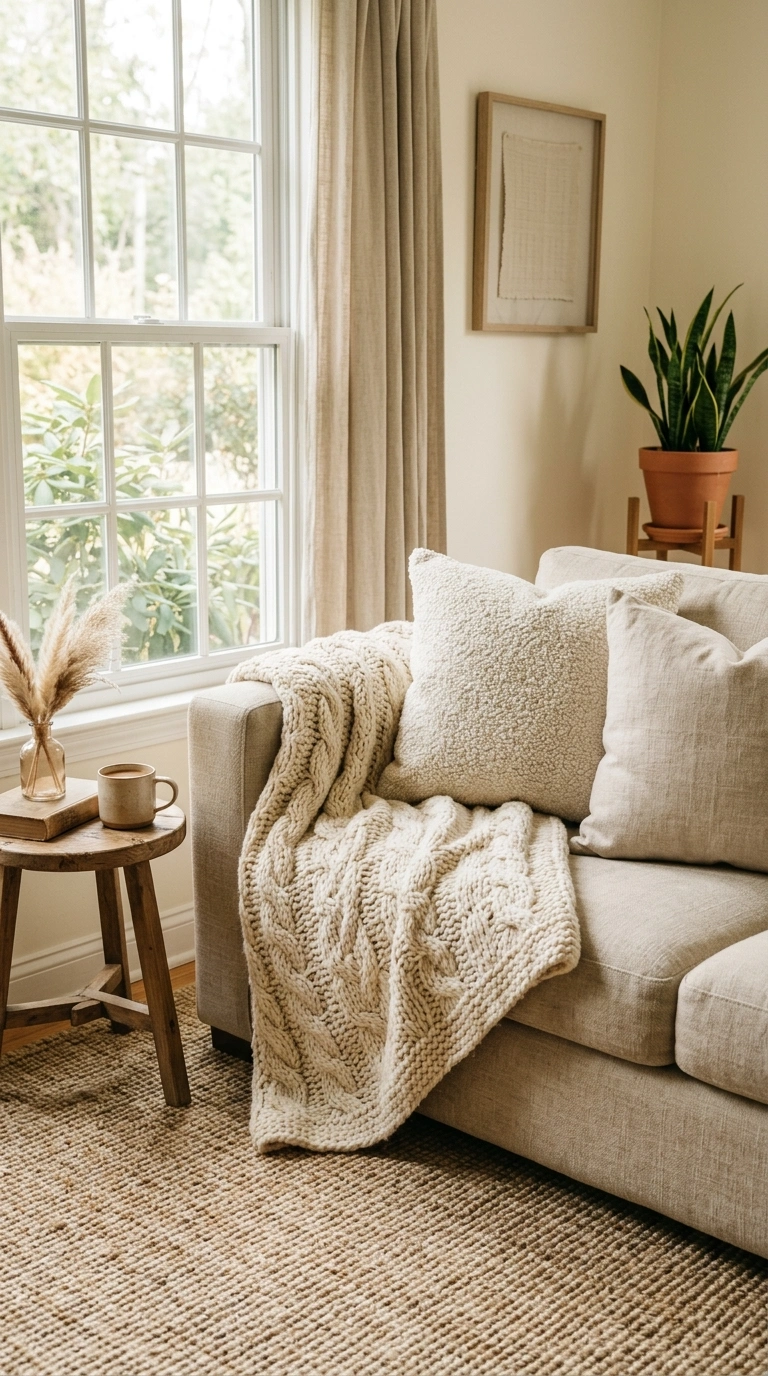
Mixing several shades and textures of beige throughout a room, rather than relying on one flat tone, is what keeps a neutral living room from feeling like an empty canvas. Combine a linen sofa with a boucle throw pillow, a woven jute rug, and a knit blanket, all in slightly different shades of beige, cream, and tan. This layering trick works because your eye reads texture as detail even when there is no color contrast to notice. Add one item in a slightly darker tone, like a warm caramel leather ottoman or a deep tan pillow, to ground the lighter layers around it. This idea does not require any single expensive piece, just an intentional mix of materials that already tend to exist in most homes. It is one of the most important concepts on this list, since almost every other idea here works better once this layering principle is in place.
3. Beige Linen Curtains
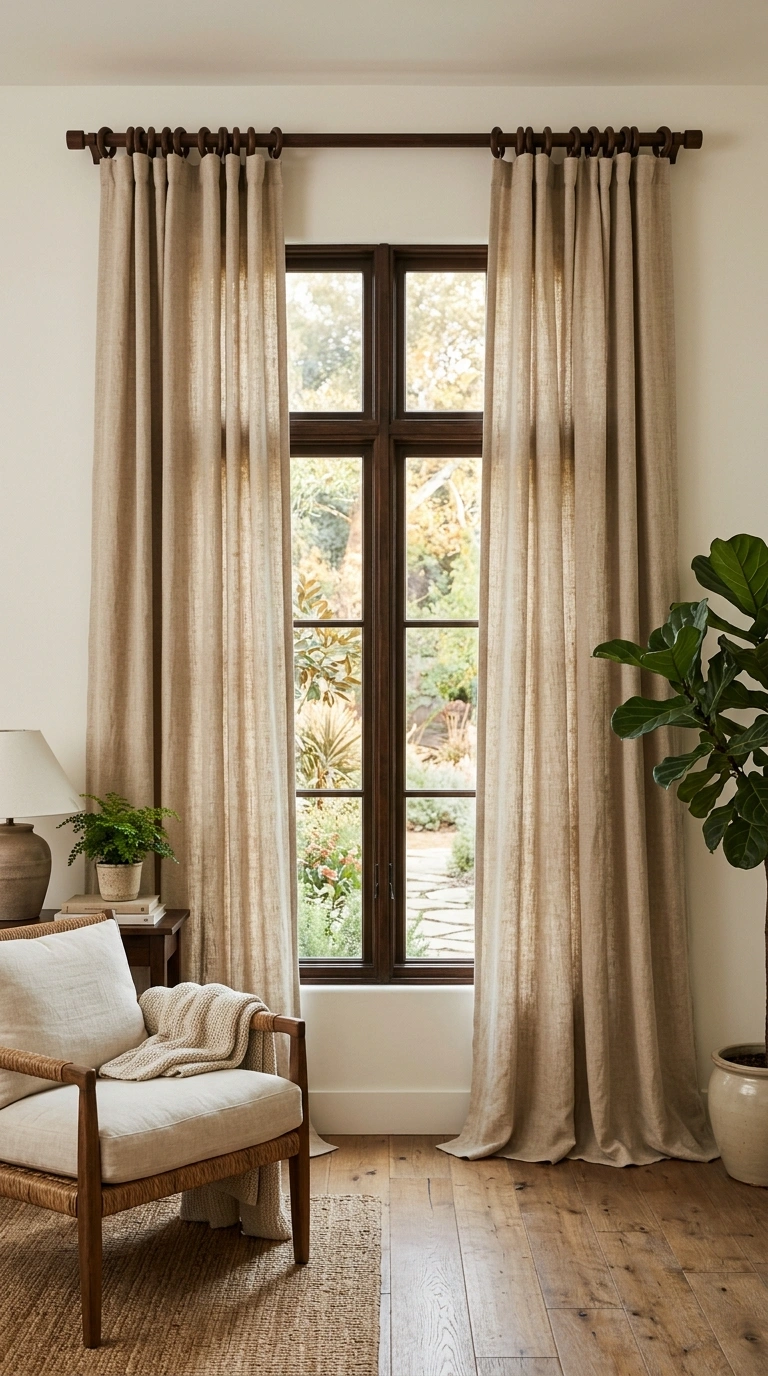
Floor length curtains in a soft beige linen soften a living room window while adding a warm, textural layer to the room. Hang the rod a few inches above the window frame and let the curtains fall just past the floor for a tailored, finished look. Linen fabric lets in soft, diffused daylight, which keeps the room bright even with the curtains fully closed during the day. Pair the curtains with simple wood or brass curtain rings rather than clip on hooks for a more polished finish. This idea works in almost any beige living room and is one of the easier updates on this list, since swapping curtains takes far less effort than repainting or replacing furniture while still making a noticeable difference in how finished the whole room feels once the fabric is hanging in place.
4. Warm Wood Coffee Table
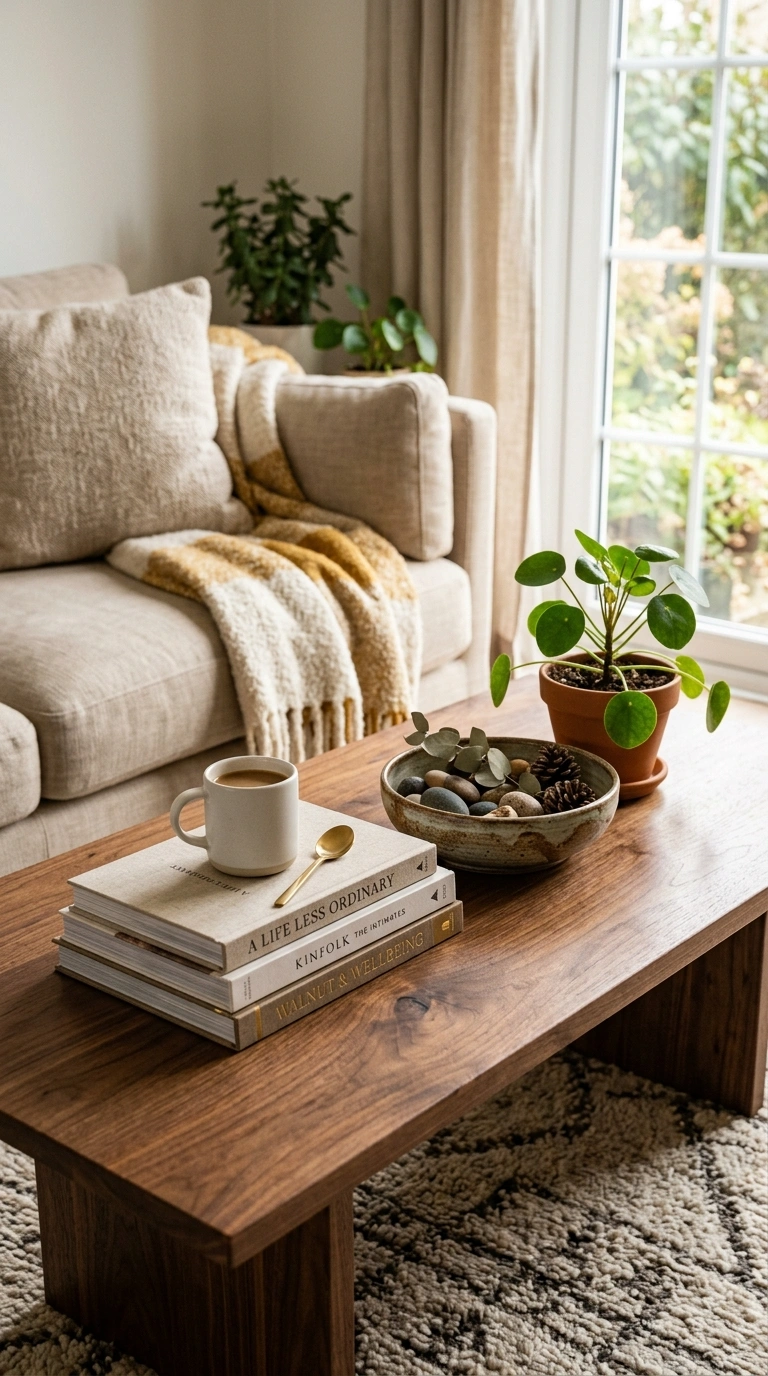
A coffee table in a warm wood tone, like walnut or reclaimed oak, grounds a beige living room and keeps the space from feeling flat or one dimensional. Choose a table with simple, clean lines so it does not compete with a boucle sofa or patterned rug nearby. Style the top with a stack of books, a low ceramic bowl, and a small plant, keeping the arrangement simple rather than cluttered. The contrast between the warm wood grain and the soft beige furniture around it adds depth without introducing any new color into the room. This idea works especially well as a grounding piece in a room where the walls, rug, and furniture are already fairly light, giving the eye a slightly deeper tone to rest on in the middle of the room and tying the whole space together visually.
5. Beige Wall Paneling
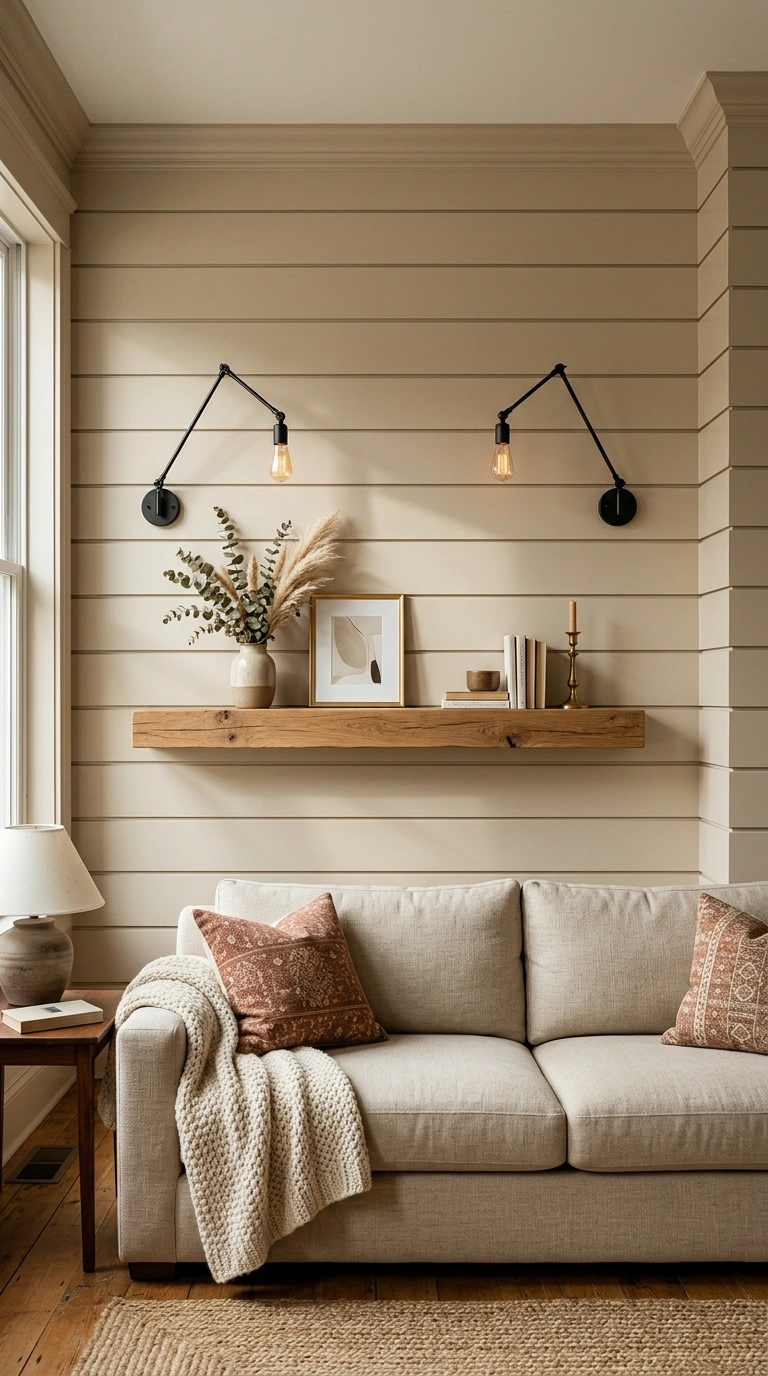
Simple wood wall paneling, painted a warm beige rather than stark white, adds architectural texture to a living room wall without introducing any bold color. This detail works particularly well behind a sofa or around a fireplace, giving the room a built in, custom look. Keep the paneling in a matte or eggshell finish so it reads as texture rather than shine under natural light. Pair the paneled wall with simple black metal sconces or a plain wood mantel shelf for a bit of contrast. This is a weekend project for anyone comfortable with basic tools, and it adds real resale value to a home, not just a temporary decorating trend. It photographs beautifully in natural light, since the shadow lines created by the paneling grooves add depth and warmth that a flat painted wall cannot offer on its own.
6. Beige Ottoman Bench
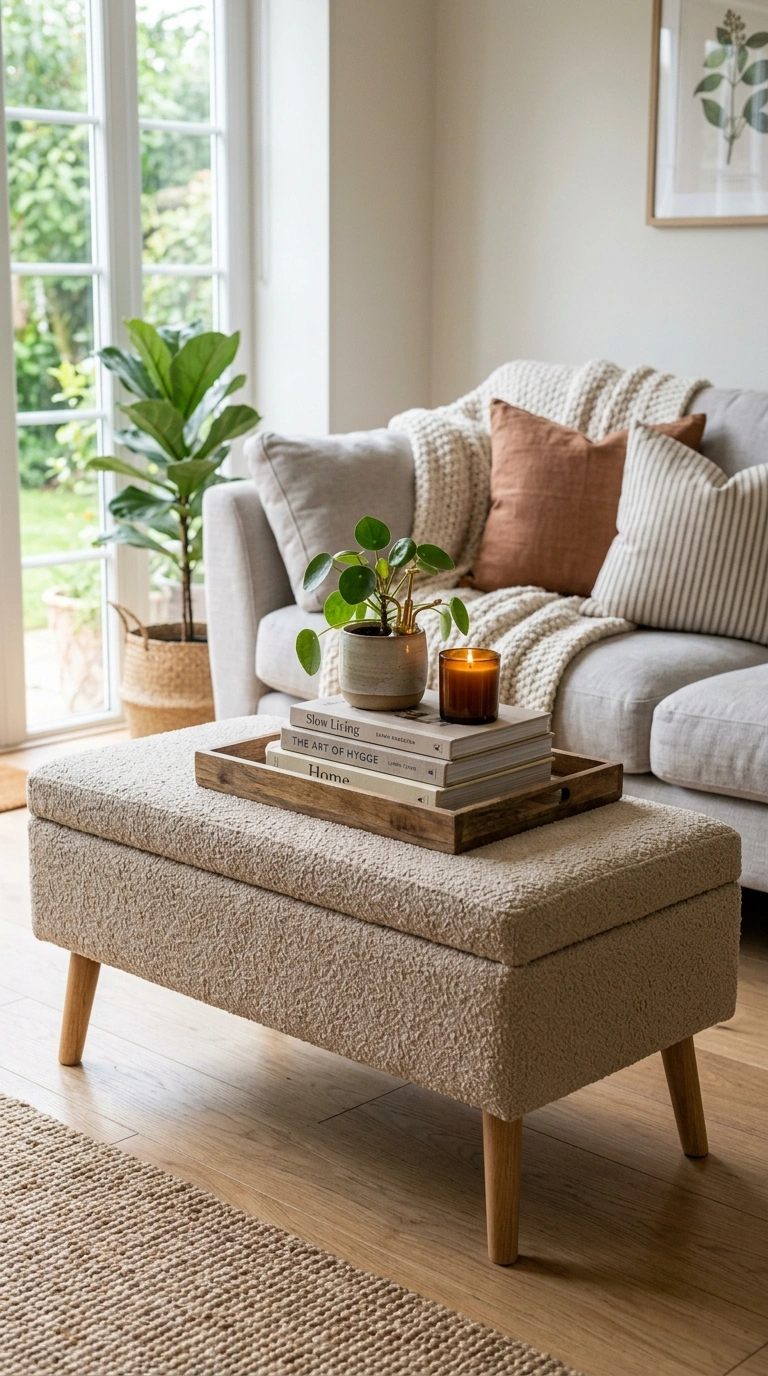
An upholstered ottoman bench in beige boucle or linen, placed in front of a sofa, serves as a coffee table alternative and offers a softer, more casual surface for feet, drinks, or a stack of trays. Choose a bench with simple wood or brass legs for a bit of visual contrast against the soft upholstery. Style the top with a large wood tray holding a stack of books and a small plant, giving you a functional surface even without a traditional hard coffee table. This idea works especially well in living rooms with young kids, since the soft, upholstered surface is safer than a hard edged coffee table. It also adds a plush, inviting texture to a room that might otherwise be dominated by hard surfaces like wood floors and a leather sofa nearby.
7. Woven Jute Rug
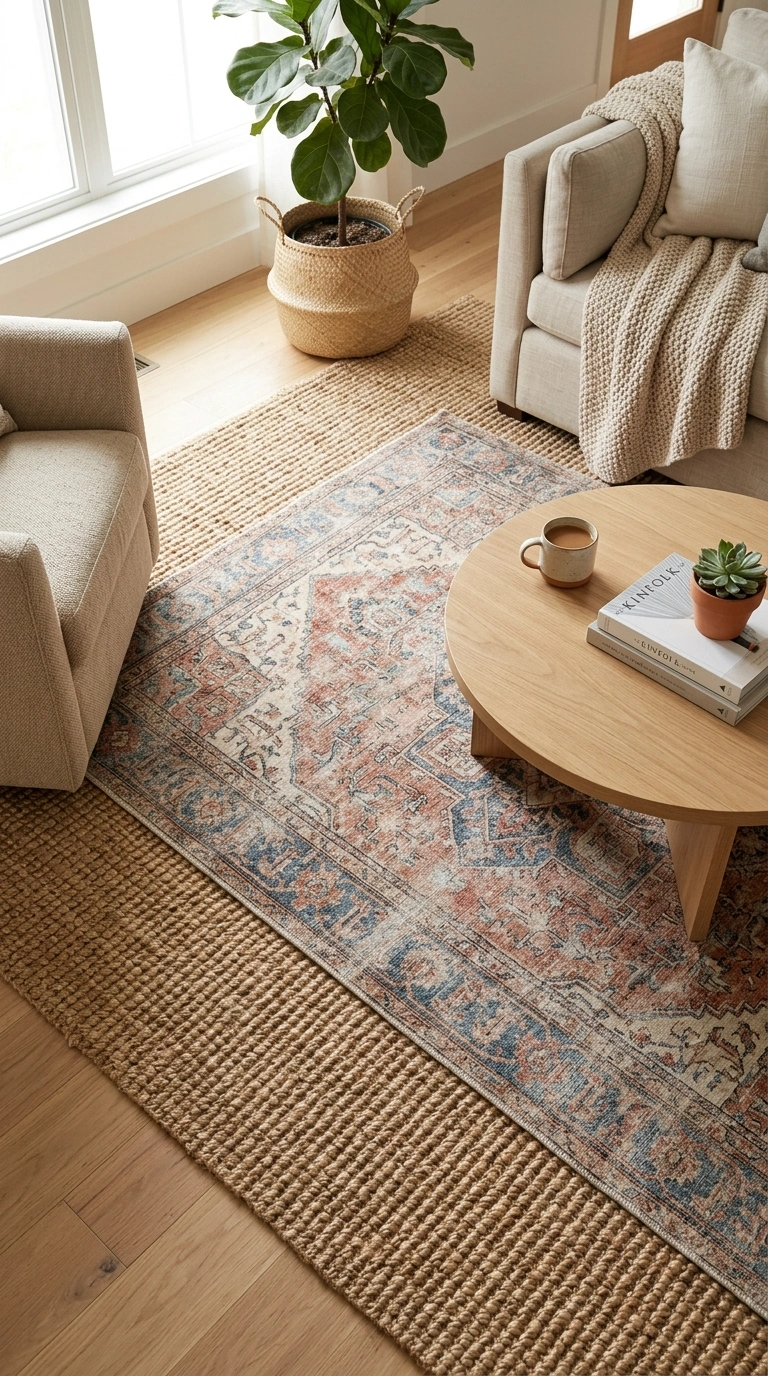
A large jute or sisal rug adds natural texture and warmth to a beige living room floor without introducing any color at all. The rough, woven texture contrasts nicely against a soft boucle or linen sofa, giving the room a layered, collected feeling rather than a matched, flat one. Place the rug so it extends at least two feet beyond each side of your seating area, which makes the room feel larger and more grounded. Layer a smaller vintage style rug in a muted pattern on top near the coffee table for added depth. This idea works especially well in living rooms with light wood or beige colored flooring, since the jute rug creates a subtle textural boundary that defines the seating area without needing a bold pattern or contrasting color to do the visual work.
8. Beige Ceramic Lamp
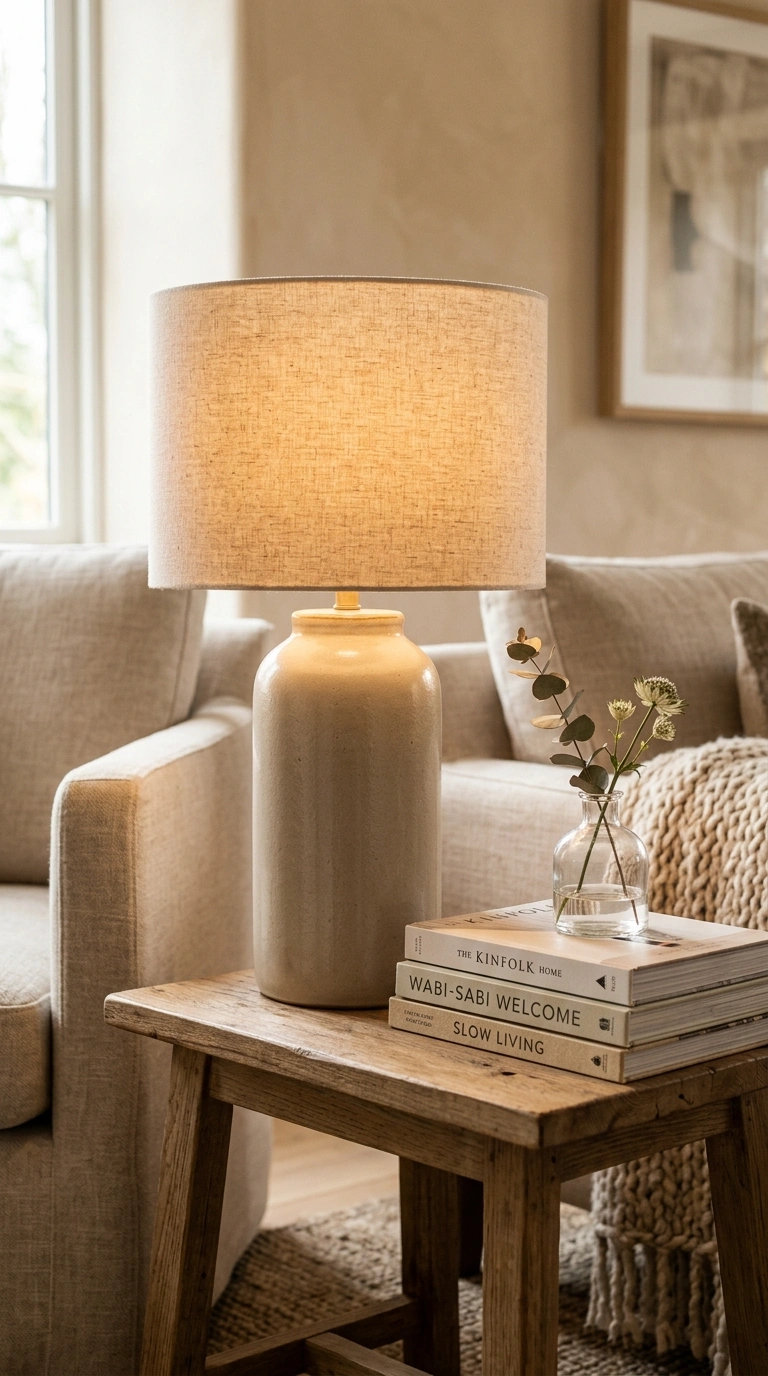
A simple beige or cream ceramic table lamp, whether a classic column shape or a more organic, hand thrown form, adds soft light and a bit of sculptural interest to a side table or console. Choose a linen or cream lamp shade rather than a bright white one, since a slightly warmer shade tone gives off a softer, more flattering glow in the evening. Group the lamp with one or two other objects, like a small stack of books or a single stem in a bud vase, so it does not sit alone and look sparse. This idea works in nearly any beige living room and is one of the simplest ways to add warm, ambient light in the evening, which matters especially in a neutral room that can otherwise feel a bit flat once natural daylight fades.
9. Beige Bookshelf Styling
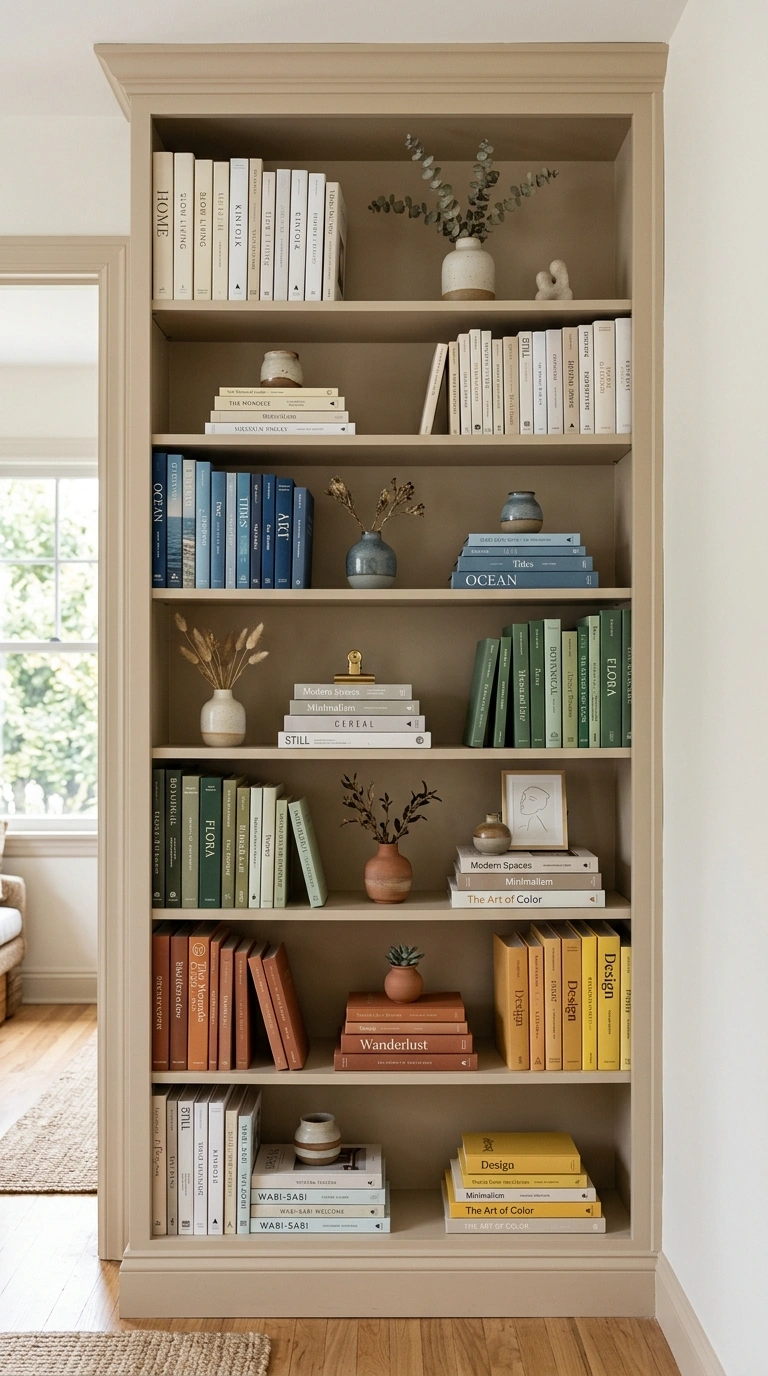
A beige or whitewashed wood bookshelf becomes a design feature once you style it with intention instead of just shoving books onto every shelf. Group books by color, keeping mostly cream, tan, and neutral spines visible, and turn a few books sideways to create horizontal stacks that break up the vertical lines of standing books. Leave every third or fourth shelf mostly empty, styled with just one object, like a small vase or a piece of art leaning against the back of the shelf. This creates breathing room and keeps the whole piece from feeling cluttered. This idea works with almost any existing bookshelf and requires no new furniture, just an afternoon of rearranging what you already own into a more considered, gallery like display.
10. Rattan Accent Chair
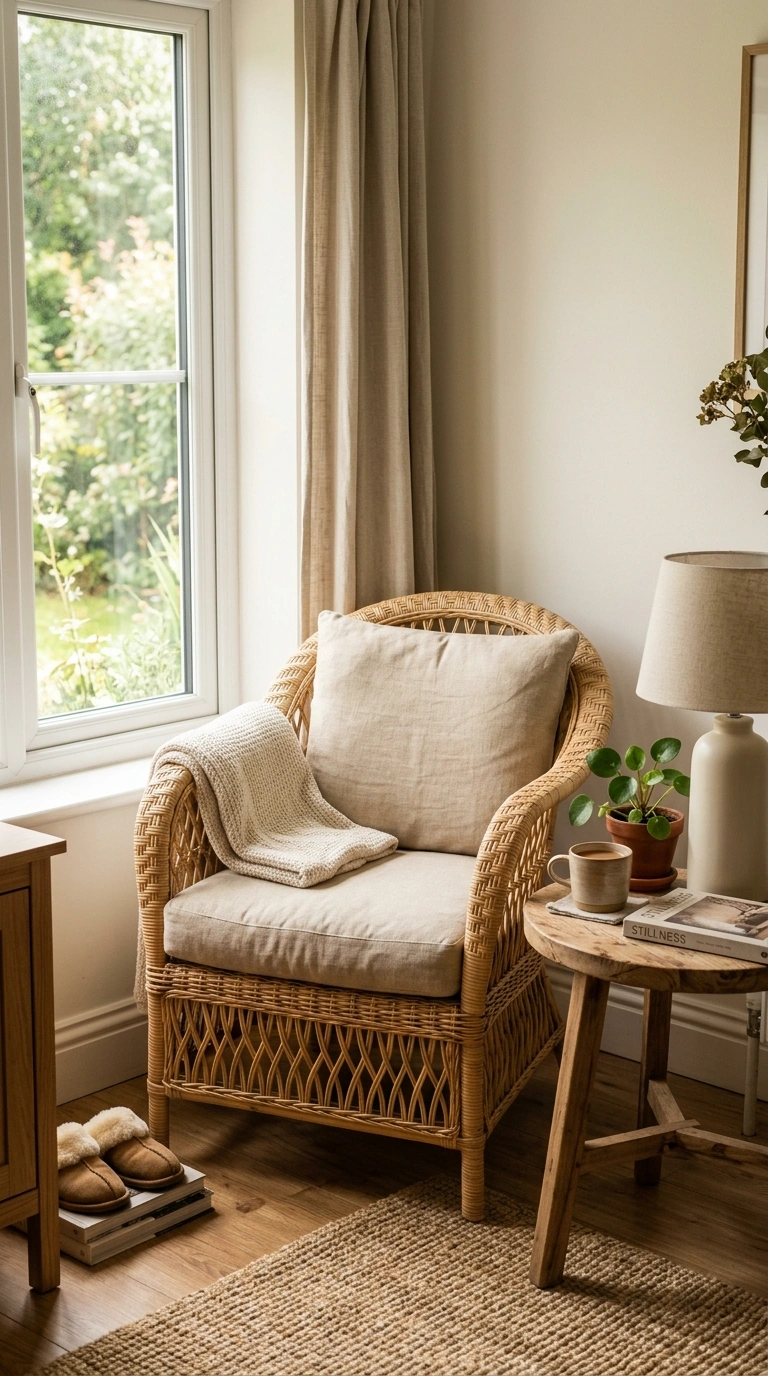
A natural rattan accent chair with a beige cushion brings warmth and texture into a living room without adding another solid color to the mix. The woven texture of the rattan frame contrasts nicely against a boucle sofa or linen curtains, adding visual interest without competing for attention. Place the chair near a window where natural light can highlight the woven pattern throughout the day. Add a small round side table beside it, topped with a lamp or a stack of books, to make the spot feel like an intentional reading corner rather than an afterthought. This idea works especially well in living rooms with a relaxed, casual feel, since rattan has a naturally organic, easygoing quality that softens the crispness of an all beige color scheme and keeps the room from feeling too matched or formal.
11. Beige Console Table
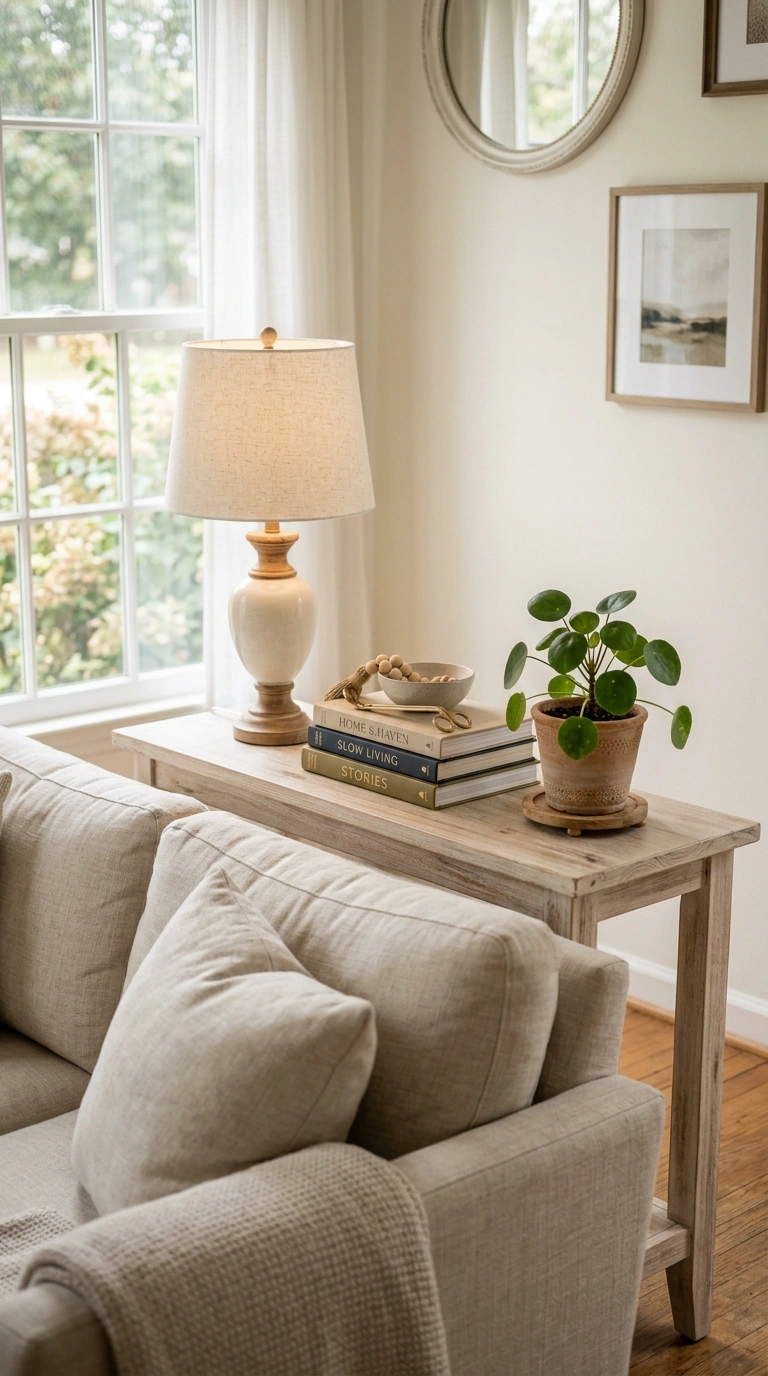
A beige or whitewashed wood console table behind a sofa gives you a spot for lamps, books, and a few decorative objects while defining the back edge of your seating area. Choose a table with turned or tapered wood legs for a classic look, or a simple slab style base for something more modern. Style the top with a table lamp on one end, a stack of books in the middle, and a small plant or ceramic object on the other end, keeping the arrangement asymmetrical rather than perfectly centered. This piece works especially well in open concept living rooms, where it helps create a visual boundary between the living area and a dining space or hallway beyond it. A console table is also a practical addition, giving you extra surface space and storage in a room that otherwise relies entirely on a coffee table.
12. Textured Throw Pillows
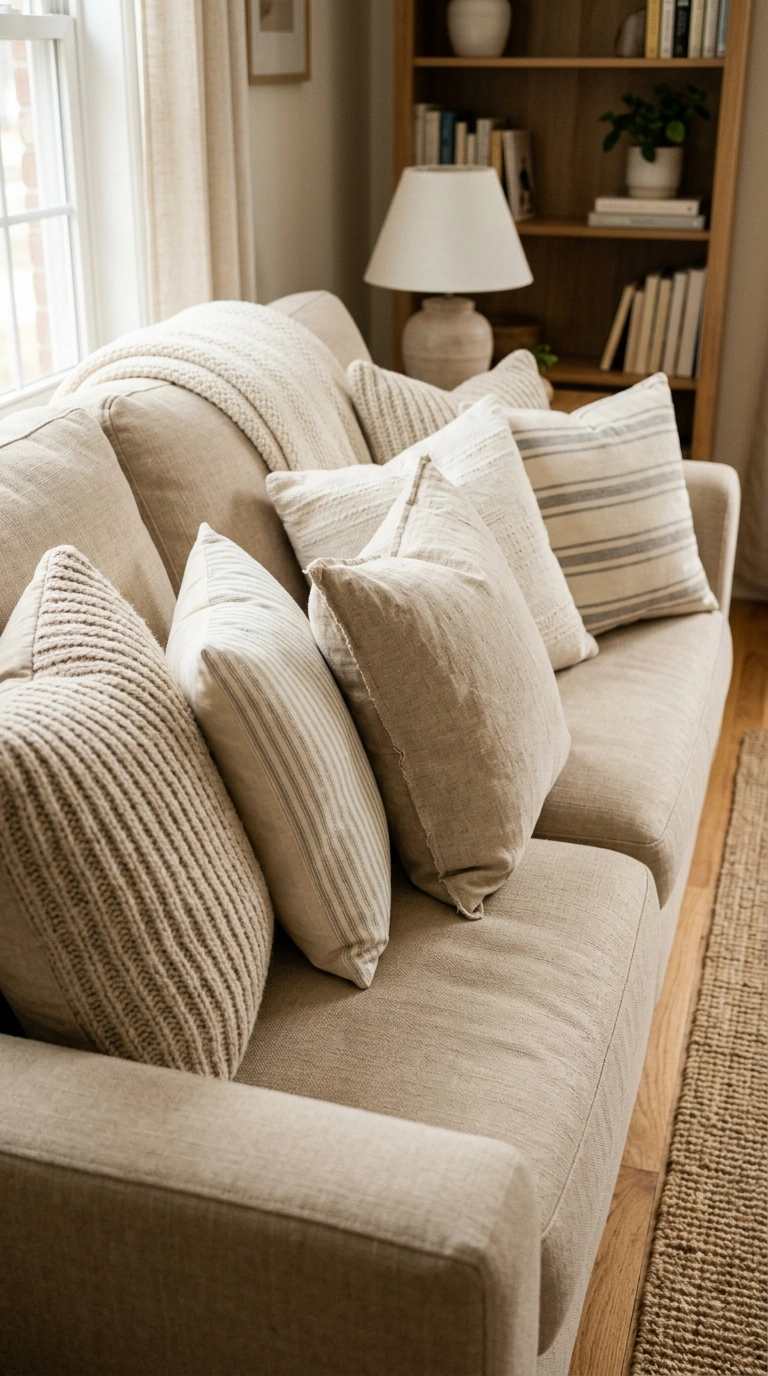
A collection of pillows in varying beige, cream, and tan tones and textures gives a plain sofa depth and interest without adding any color to the room. Mix a ribbed knit pillow, a plain linen pillow, and one with a subtle woven stripe, choosing slightly different shades so the grouping does not look too matched or flat. Vary the sizes too, using one larger 22 inch pillow paired with two smaller 18 inch pillows for a more natural, layered arrangement. This idea is one of the easiest and least expensive updates on this list, since it works with almost any existing sofa and can be swapped out seasonally if you want a slightly different texture mix later. It proves that an all beige color scheme does not have to feel plain, since texture alone can carry a huge amount of visual interest in a room.
13. Beige Fireplace Surround
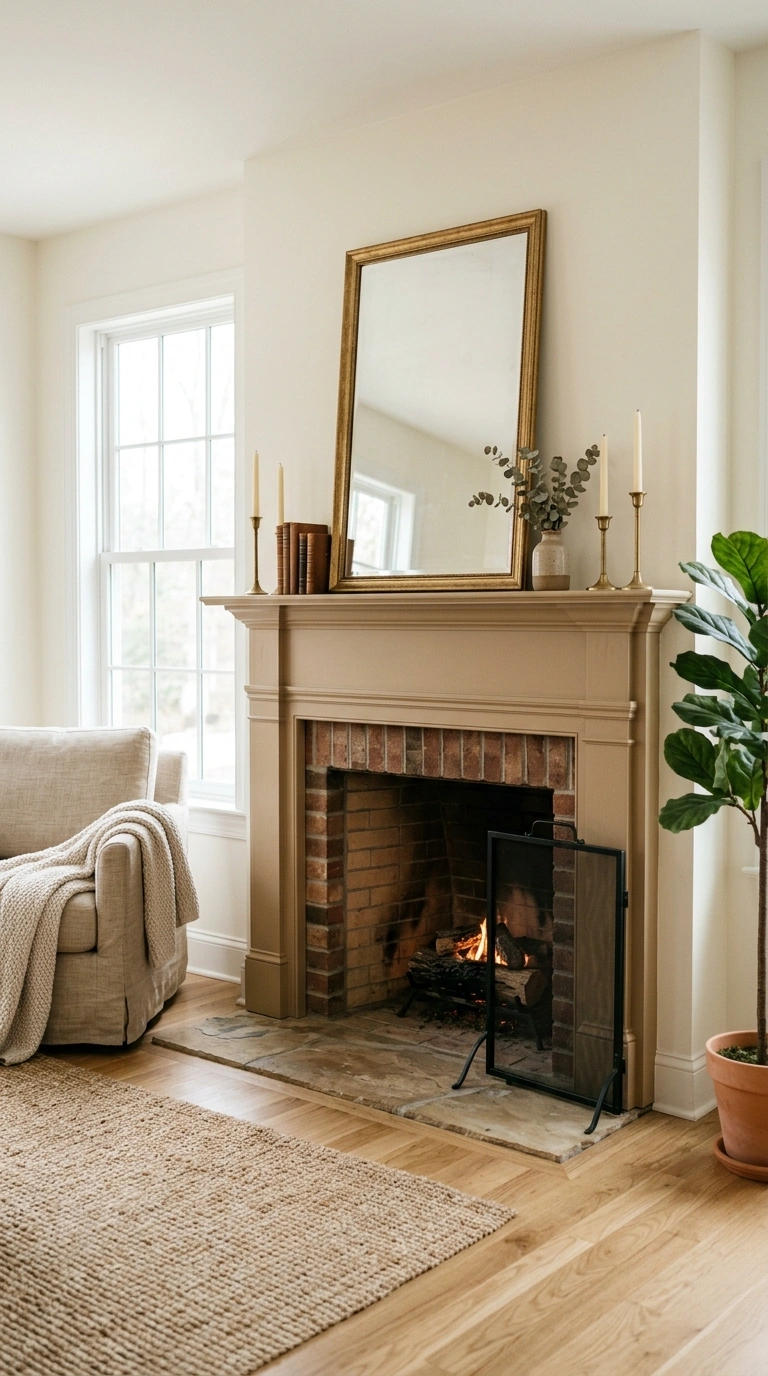
A beige painted or natural stone fireplace surround softens what is often the darkest, heaviest feature in a living room. If your fireplace currently has dark brick or a contrasting material surrounding it, refinishing the surface in a warm beige unifies it with the rest of the room and makes the space feel calmer overall. Use a heat resistant paint rated for fireplace surfaces if you are painting, and keep the finish matte for a soft, chalky look rather than a glossy one. Style the mantel with a large mirror or piece of art leaning against the wall, flanked by two candlesticks or a small plant on either side. This update is one of the most noticeable transformations you can make, since a fireplace is usually the visual anchor of the whole room, and softening it changes how the entire space feels in both photos and daily life.
14. Layered Neutral Rugs
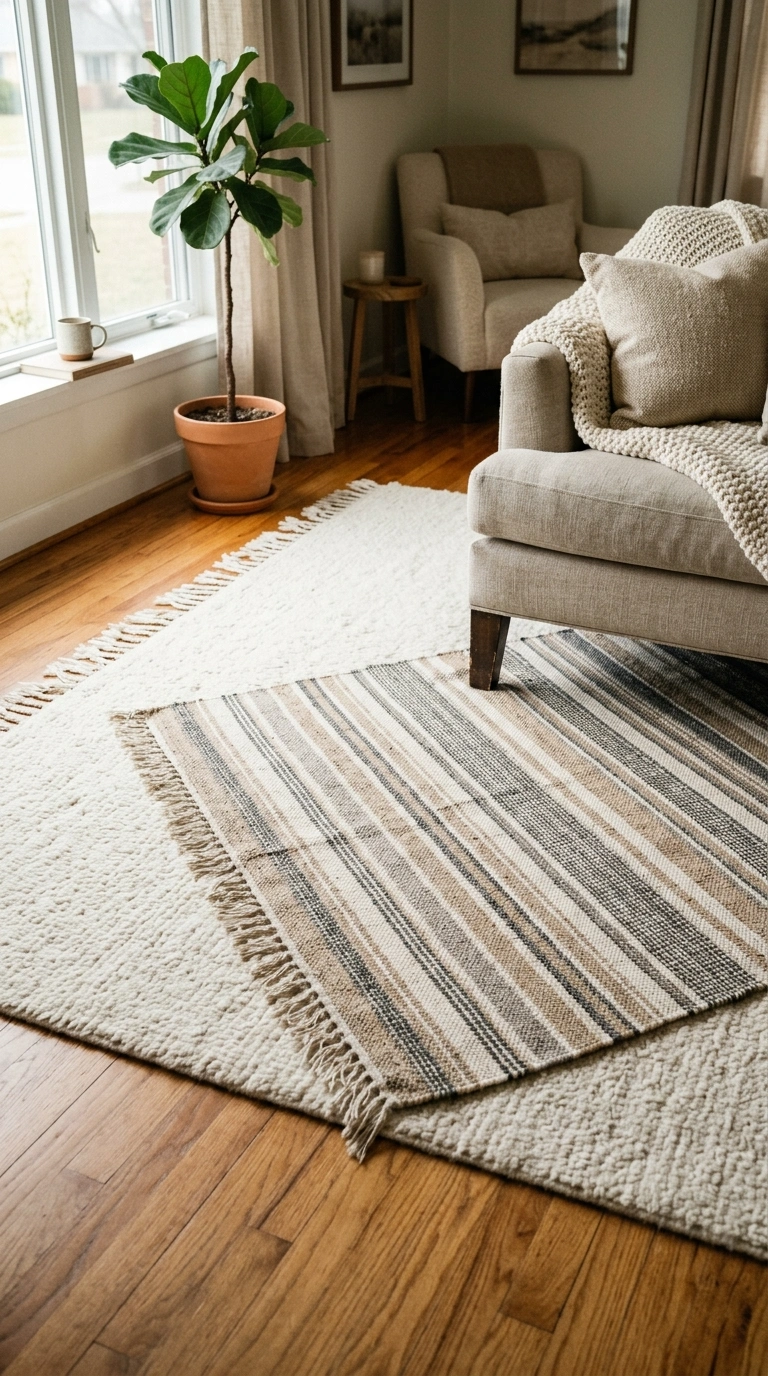
A large beige or ivory wool rug, layered with a smaller neutral patterned rug placed at an angle, adds texture to the floor without introducing any new color into the room. Choose a rug with a subtle woven texture or a low pile shag for the base layer, then add a flatweave rug in a soft geometric or striped pattern on top near the seating area. This layered look keeps the floor from feeling flat or plain, which matters even more in a room without much color elsewhere. Position the rugs so all the front legs of your furniture sit on top of them, which makes the seating area feel grounded and intentional rather than floating in the middle of the room. This idea works especially well in living rooms with light wood flooring, since the layered rugs create warmth and texture against the lighter surface below.
15. Beige Media Console
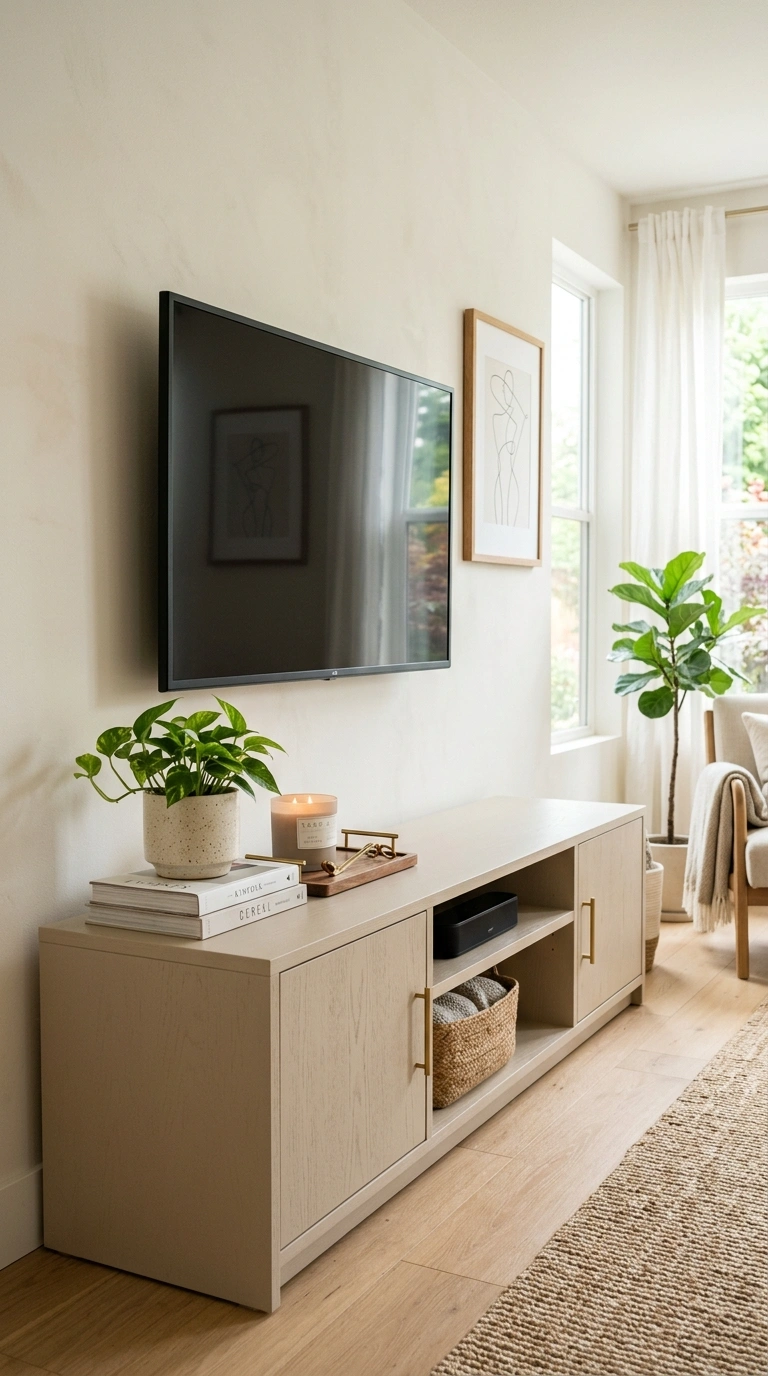
A low, beige painted media console under the television keeps the room feeling light and warm, especially compared to a dark wood or black entertainment center. Choose a simple design with clean lines and a few closed cabinet doors to hide cords and electronics, keeping the visible surface clear for styling. Add a small plant, a stack of books, or a low ceramic bowl on top, positioned to one side rather than centered under the screen. This piece works especially well in smaller living rooms, since a light colored console visually takes up less space than a dark one, even at the same physical size. Pair it with simple brass or matte black hardware for a small contrast detail, keeping the technology in the room from becoming the dominant visual feature.
16. Beige Wall Molding
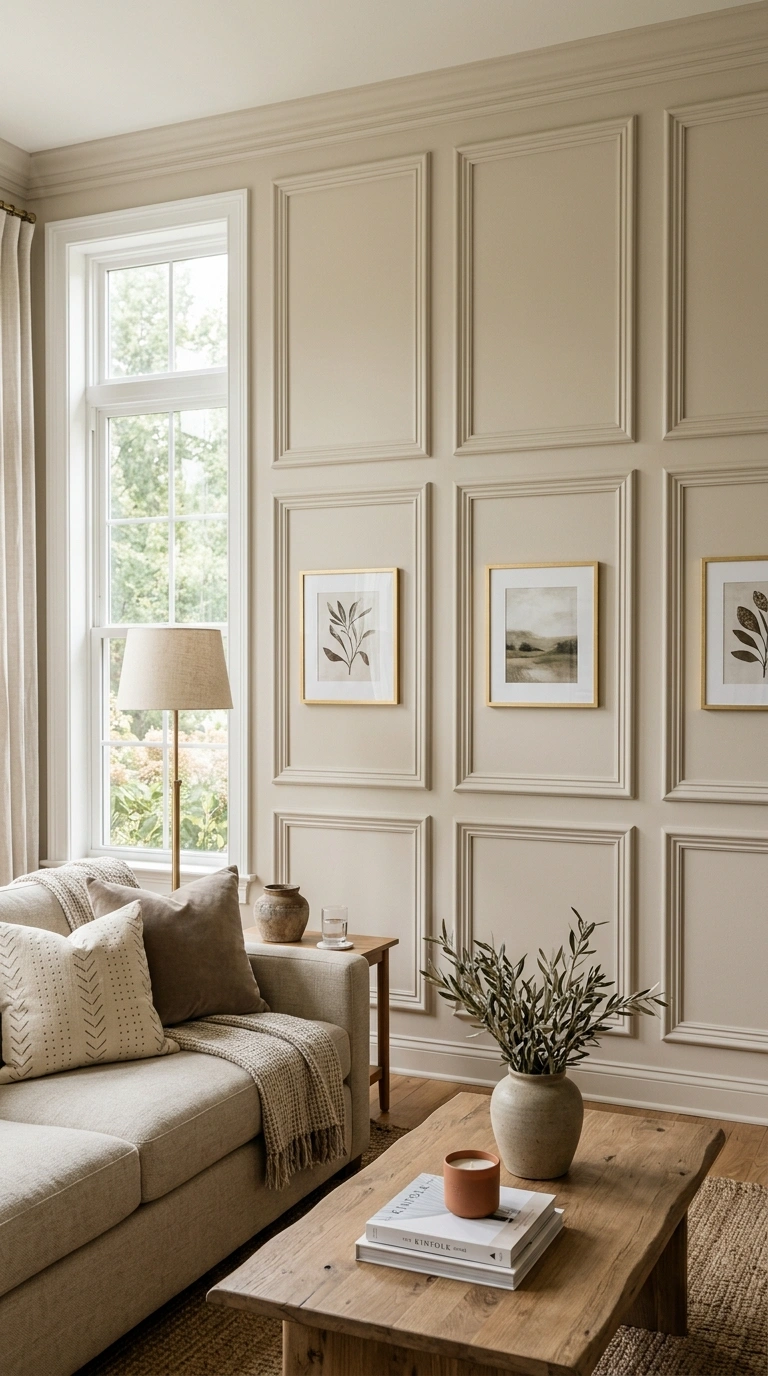
Simple picture frame molding, painted the same warm beige as the wall, adds subtle architectural detail to an otherwise plain living room without requiring any color or wallpaper. Install rectangular molding panels in a grid pattern around the room at a consistent height, then paint the molding and the wall behind it the exact same beige tone so the detail reads as texture rather than a separate design element. This works particularly well in rooms with high ceilings, since the molding draws the eye up and adds a sense of formality and intention. Pair the wall with simple furniture in natural materials, like a wood coffee table or a linen sofa, so the molding remains the quiet star of the room. This is a moderate weekend project that adds real architectural value beyond a typical decorating trend.
17. Beige Slipcovered Sofa
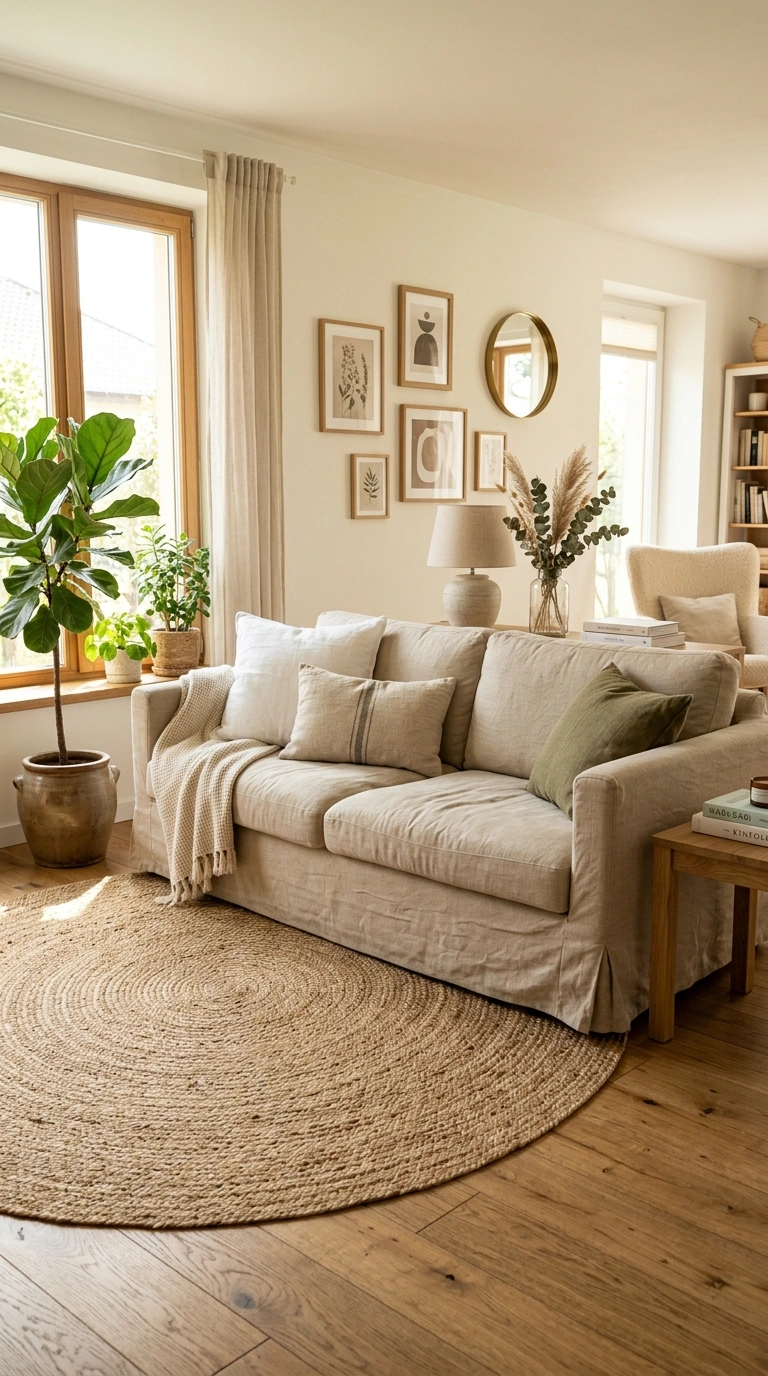
A slipcovered sofa in washable beige linen or cotton gives a living room an effortless, relaxed feel that a stiff, structured sofa cannot match. The loose, slightly rumpled fabric drapes naturally over the frame, creating soft folds that catch light and shadow in a way that feels collected rather than showroom perfect. This is also a practical choice for households with kids or pets, since most slipcovers can be removed and washed. Pair the sofa with a wood coffee table and a jute or wool rug to ground the soft beige fabric with some texture underfoot. Add a few pillows in natural linen or a soft striped pattern to keep the look from feeling too plain. This idea works especially well in casual, sunlit living rooms, where the relaxed drape of the fabric matches the overall easygoing mood of the space.
18. Woven Storage Baskets
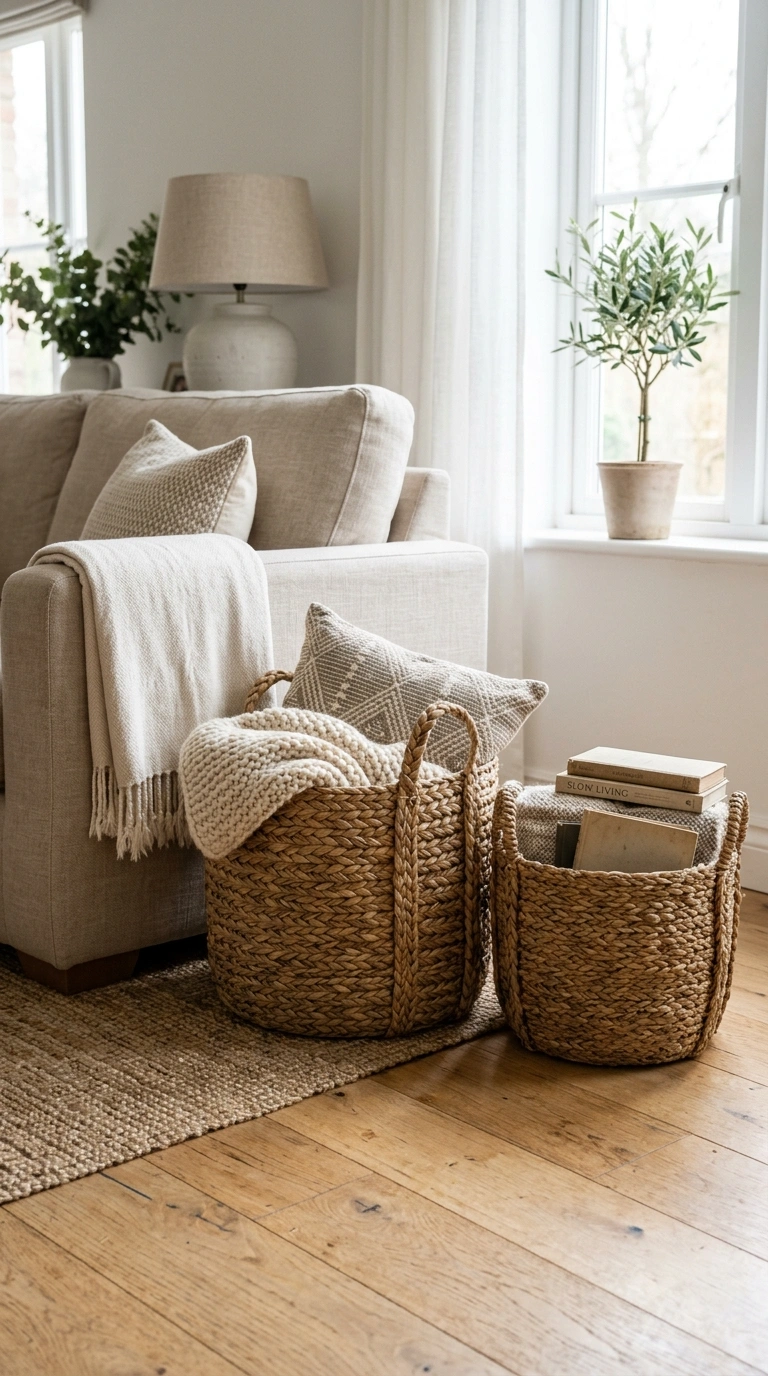
Large woven baskets in a natural beige tone, placed beside a sofa or under a console table, add texture and practical storage for blankets, magazines, or toys. Choose baskets with a simple, sturdy weave rather than anything too delicate, since they need to hold up to daily use in a living room. Group two baskets of slightly different sizes together for a more layered look than a single basket alone. This idea is both functional and decorative, giving you a place to corral clutter while still contributing to the overall warmth of the room. It works especially well in family living rooms, where extra storage is always useful, and it is one of the more budget friendly ideas on this list, since a couple of baskets do more visual and practical work than their low cost would suggest.
19. Beige Gallery Wall
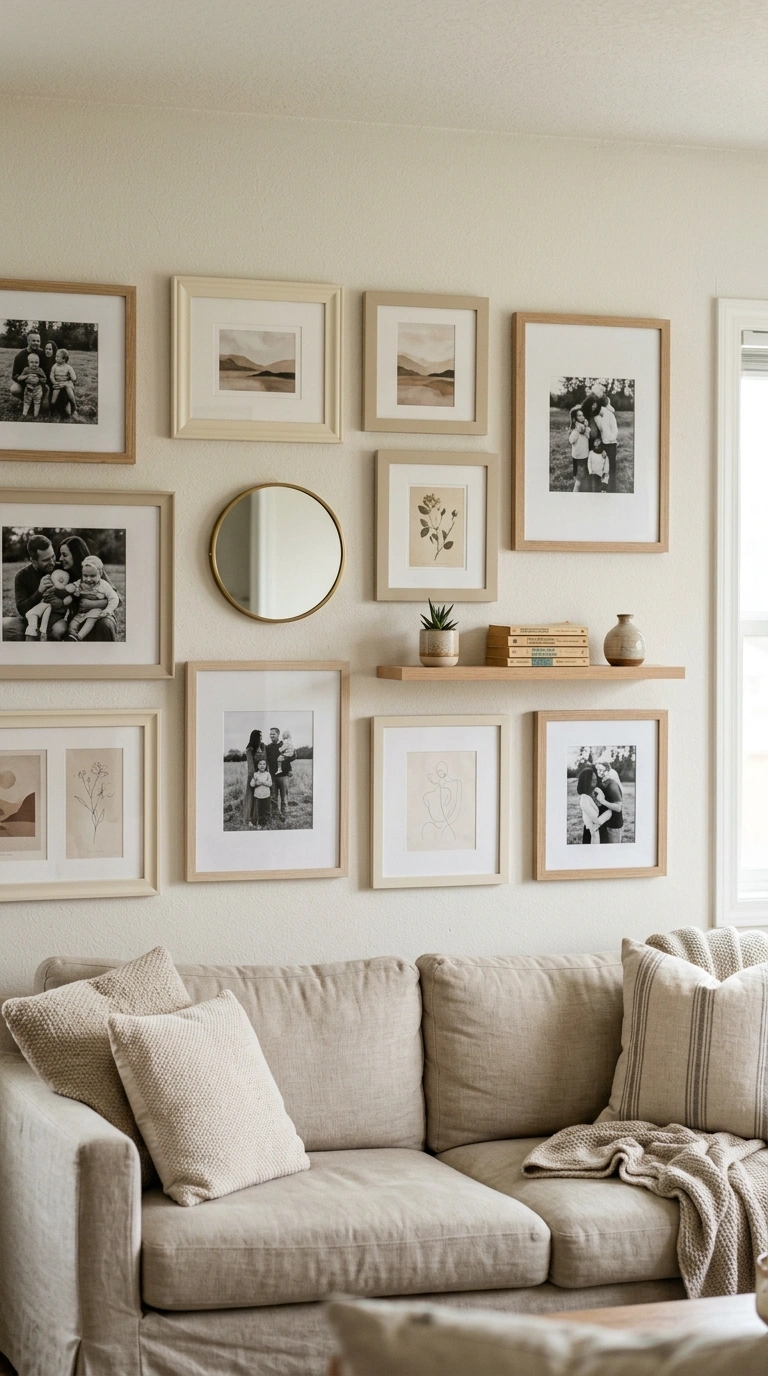
A gallery wall built entirely around beige and cream frames, mixing a few pieces of art, one mirror, and a small shelf, adds personality to a living room wall without introducing bold color. Keep the frame finishes consistent, mostly natural wood, with maybe one black frame for contrast. Lay the pieces out on the floor first to plan the spacing, aiming for two to three inches between each frame so the arrangement feels intentional rather than crowded. This works especially well on a wall behind the sofa, where it becomes a natural focal point for anyone sitting across the room. Because everything in the gallery is a similar tone, the wall reads as calm and cohesive rather than busy, even with several pieces grouped together, making it one of the more personal ideas on this list.
20. Beige Accent Chair
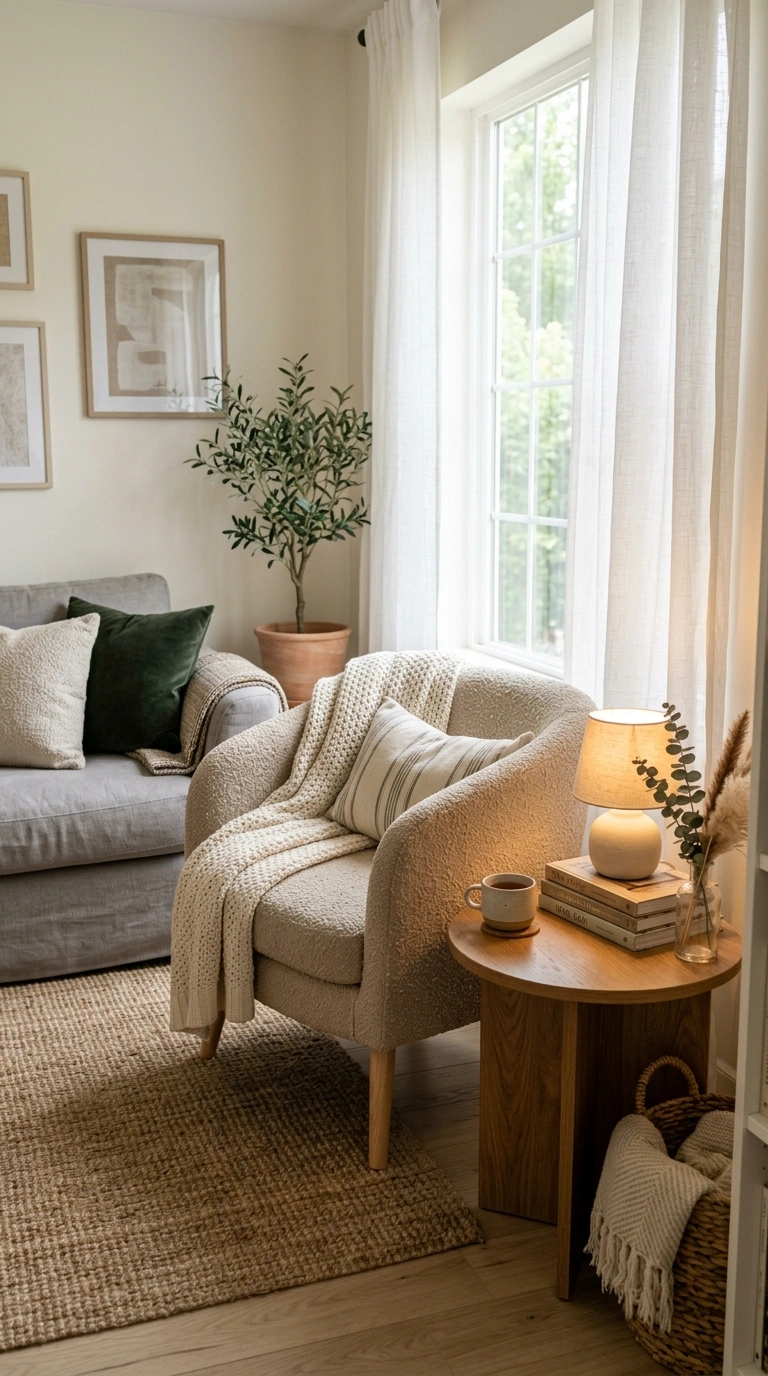
A single beige boucle or linen accent chair, placed at an angle to the main sofa, adds another seating option while keeping the room’s palette light and cohesive. Choose a chair with a slightly different silhouette than your sofa, like a rounded barrel shape or a wingback style, so the two pieces complement rather than compete with each other. Add a small round side table beside the chair, topped with a lamp or a stack of books, to make the spot feel like an intentional reading corner rather than an afterthought. This idea works especially well in living rooms that need a second seating zone, whether for conversation or for a quiet corner to sit alone. Keep the chair’s cushion or pillow in a similar beige or cream tone, letting the shape and texture of the chair do the visual work instead of color.
21. Beige Window Seat
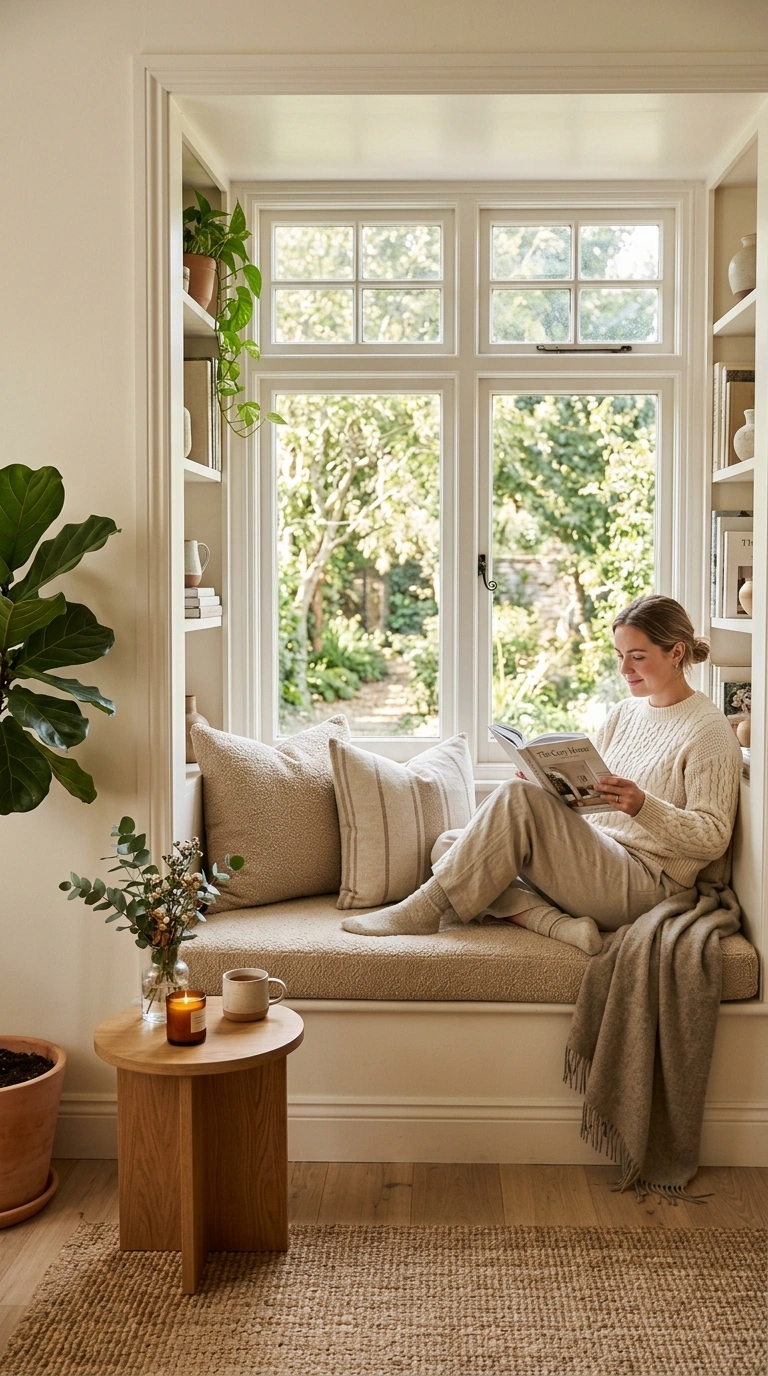
A built in or freestanding window seat cushioned in beige fabric turns an underused window area into a cozy reading or lounging spot. If you have a bay window or a deep windowsill, add a custom cushion in a durable beige fabric like canvas or boucle, along with two or three coordinating pillows. For rooms without a built in ledge, a simple bench with a beige cushion placed under the window creates a similar effect. This idea works especially well in living rooms with good natural light, since the window seat becomes a favorite spot to read or relax during the day. Pair it with a small round side table nearby for a cup of coffee or a stack of books, giving you both a design feature and genuinely usable extra seating in the room.
22. Ceramic Vase Grouping
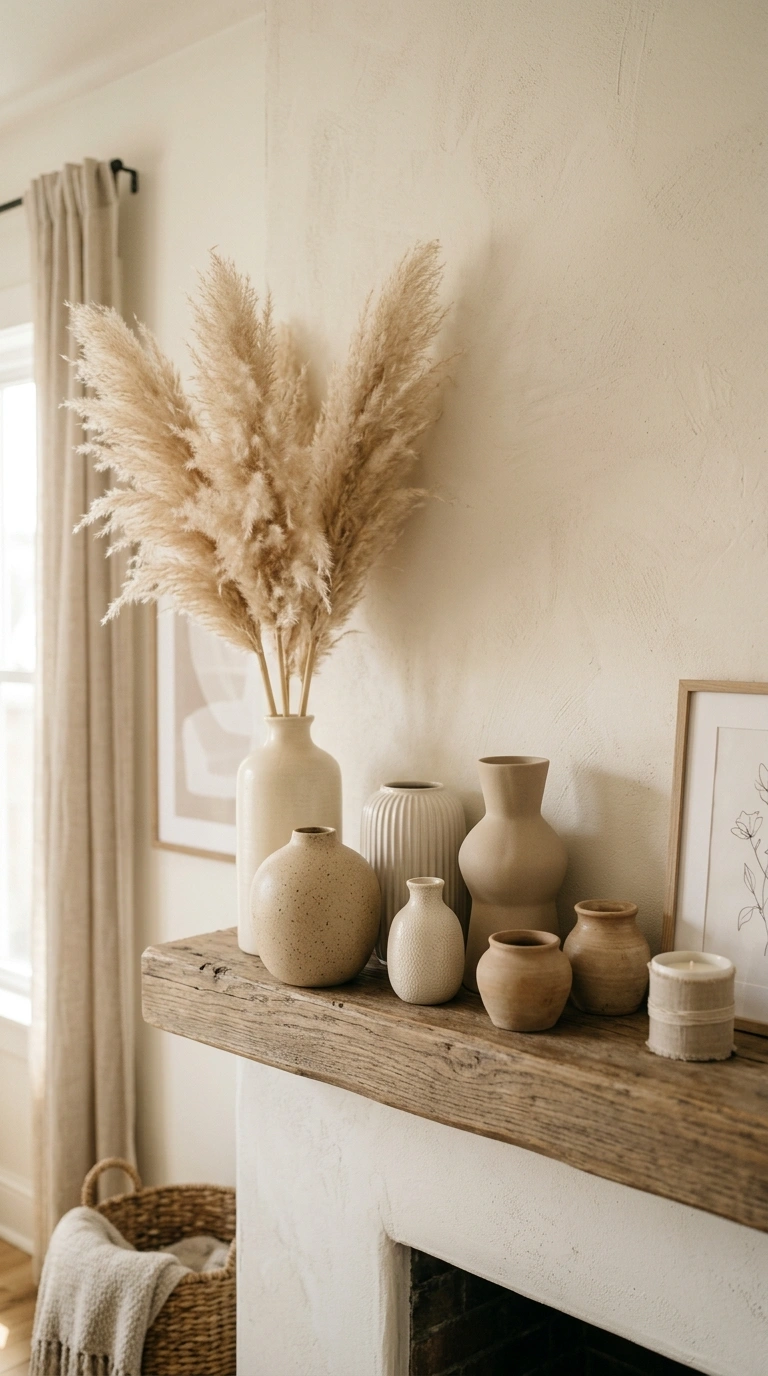
A collection of ceramic vases in varying shades of beige, cream, and soft white, displayed on a shelf, mantel, or console table, creates a simple still life that adds dimension to a living room without any color at all. Mix a tall narrow vase, a short round one, and one with a slightly textured or ribbed surface, so the grouping feels curated rather than matched. Leave most of the vases empty, and add just one or two stems of dried greenery or pampas grass to a single vase in the group. This idea works especially well on a mantel or open shelf where natural light can highlight the subtle texture differences between each piece. It is a low cost, flexible way to add visual interest to a room where you might not want to commit to color, and the arrangement can be rearranged anytime.
23. Beige Wood Shelving
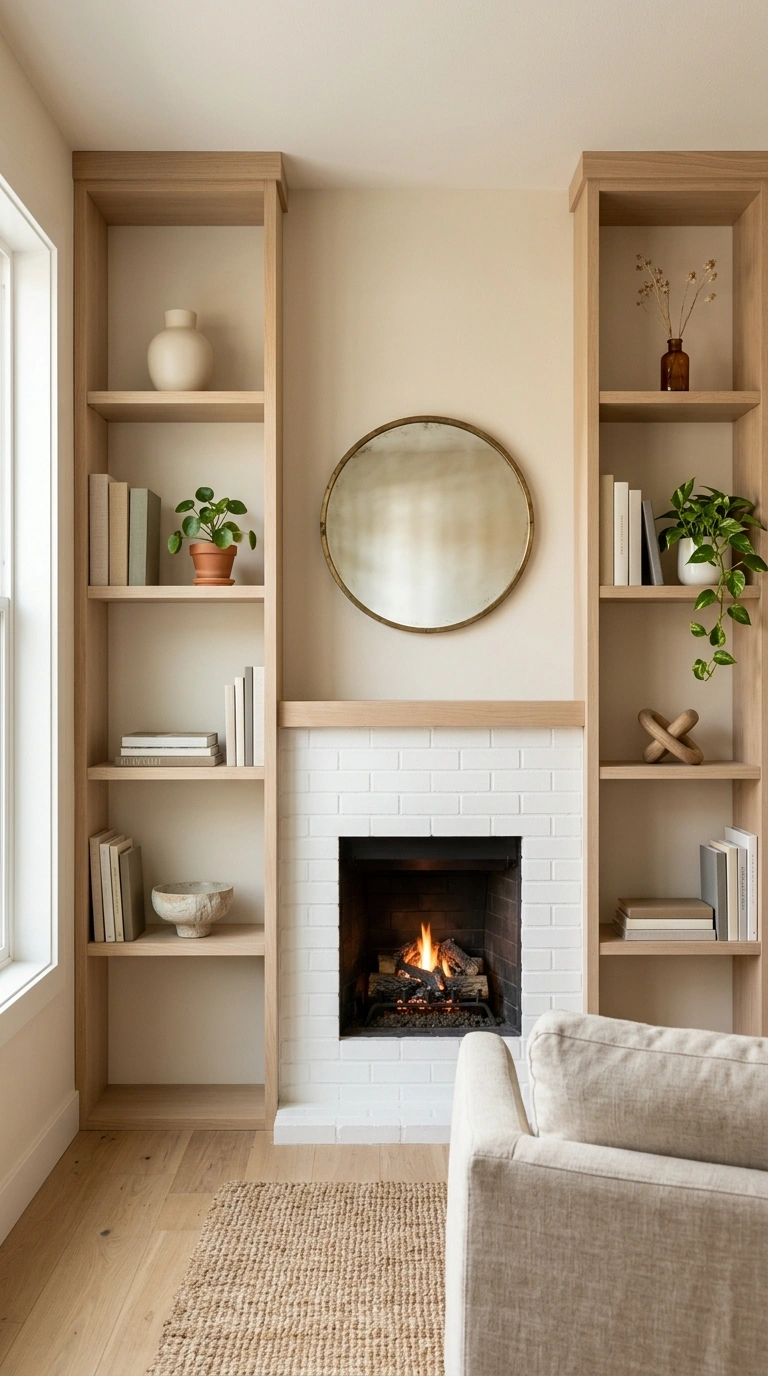
Open wood shelving in a warm beige or natural finish, mounted on either side of a fireplace or window, gives you a spot to display books, ceramics, and a few small plants. Style each shelf with a mix of items, leaving some negative space so the arrangement does not feel crowded, and group items in odd numbers for a more natural, collected look. Keep the color palette on the shelves limited to beige, cream, and natural wood tones, letting the varied textures carry the visual interest instead of color. This idea works especially well in living rooms with awkward nooks or unused corners, turning wasted space into both storage and a design feature. It is a moderate weekend project for anyone comfortable with basic tools, and it adds real function alongside the calm, layered look the rest of the room is working toward.
You do not need to change everything about your living room at once to make it feel warmer and cozier. Start with something simple, like new pillows or a jute rug, and build from there as you go. Save this list to Pinterest so you have it ready the next time you are planning your next living room update.