12 Cozy Bedroom Ideas You Will Actually Love
My bedroom used to be the last room in my house I ever bothered with. It had a bed, a lamp, and not much else, because I always figured no one else was going to see it anyway. Then one winter I finally sat down and actually decorated it on purpose, and I could not believe how much it changed the way I slept and the way I started and ended each day. A cozy bedroom is not about spending a lot of money or filling the room with stuff. It comes down to a handful of small choices, the right textures, the right light, the right layout, that make a room feel like a place you actually want to spend time in. These 12 ideas are the ones that made the biggest difference in my own room and in the rooms I have helped friends put together. Try even two or three of them and you will notice the shift.
Layered Bedding Textures
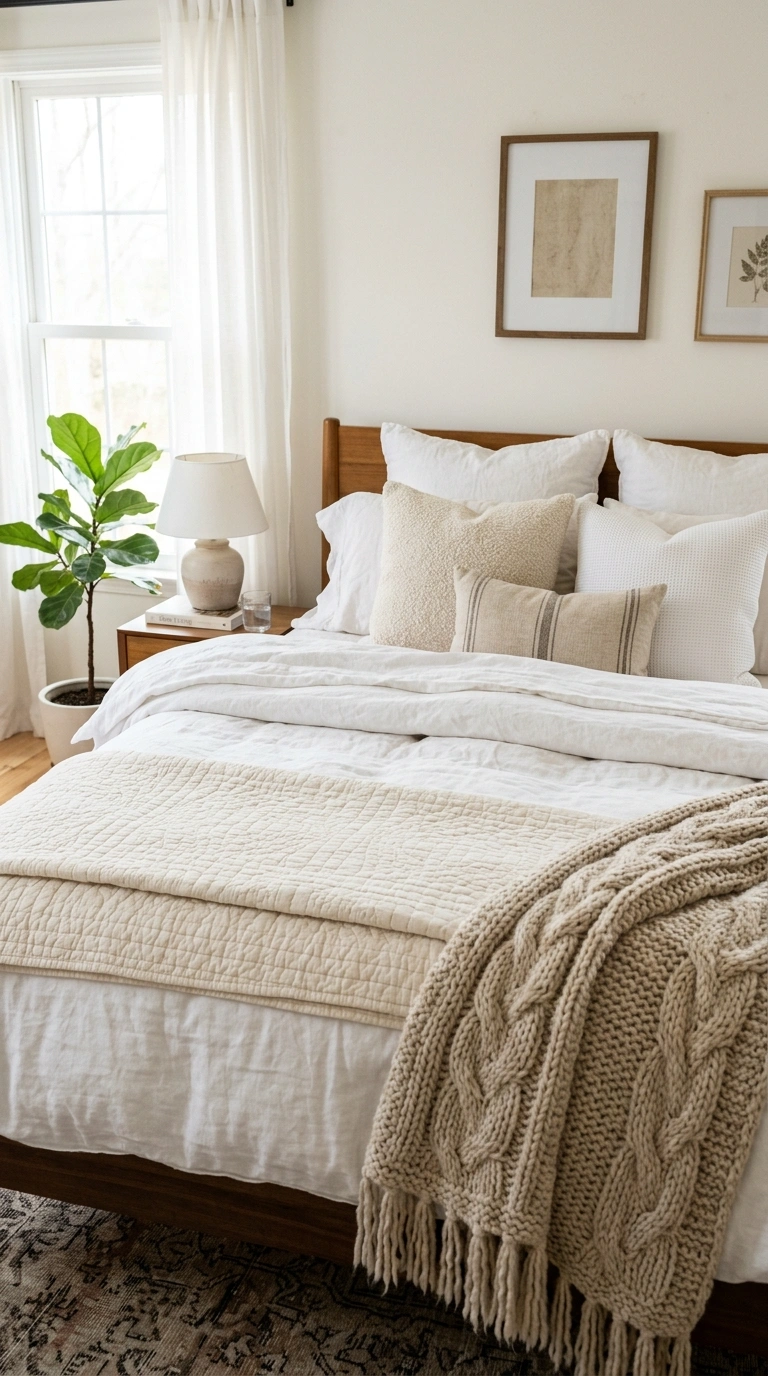
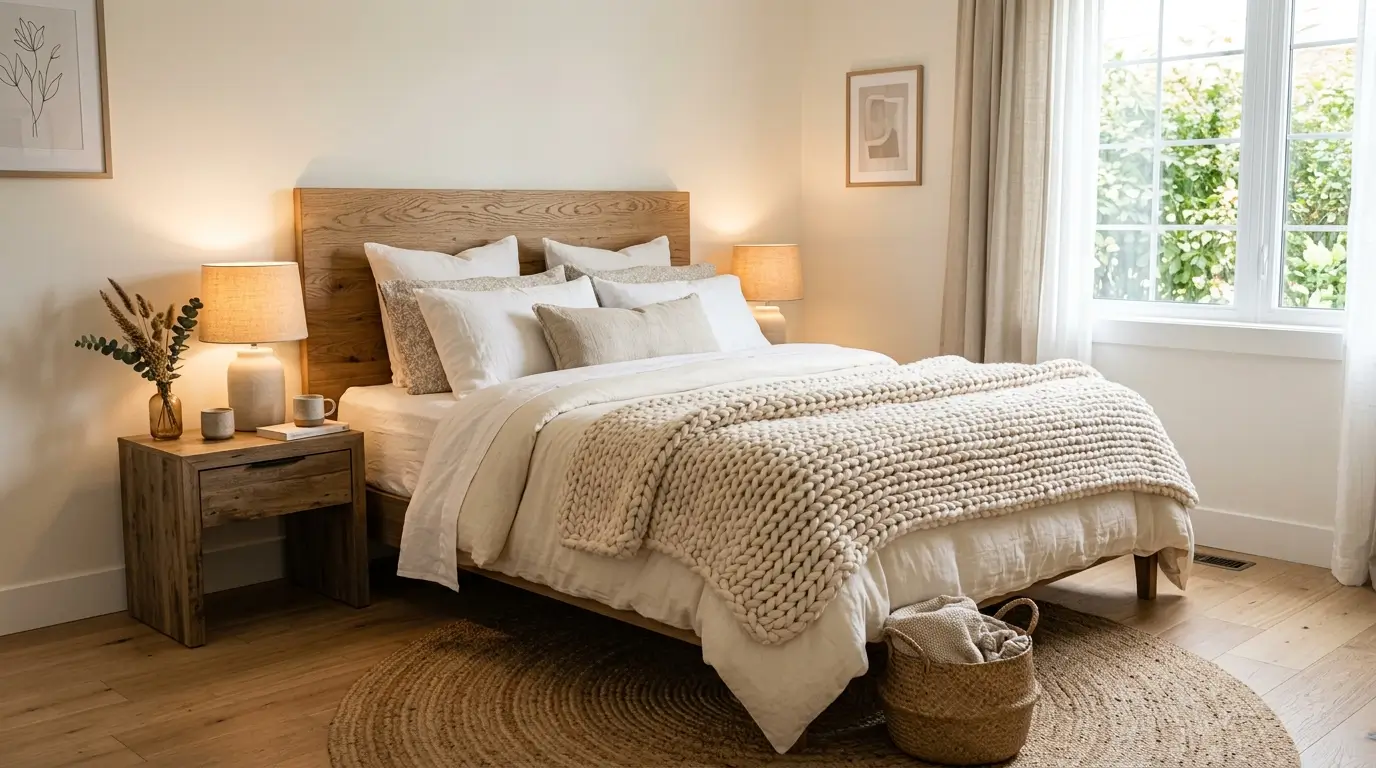
The fastest way to make a bed look cozy instead of plain is to layer different textures instead of using a single flat comforter. Start with a fitted sheet and a flat sheet in a soft cotton or linen blend, then add a lightweight quilt or duvet folded about a third of the way down the bed. Top it with a knit throw blanket draped across one corner and two or three extra pillows in different textures, like a linen lumbar pillow next to a chunky knit pillow. Stick to a simple color palette, two or three shades that work together, so the layers feel intentional instead of mismatched. Natural fabrics like linen and cotton tend to photograph and feel better than shiny synthetic ones since they have a slight wrinkle and texture that reads as relaxed rather than stiff. This one change, more than almost anything else in a bedroom, makes the biggest difference in how inviting the whole room feels the moment you walk in.
Warm Wood Headboard
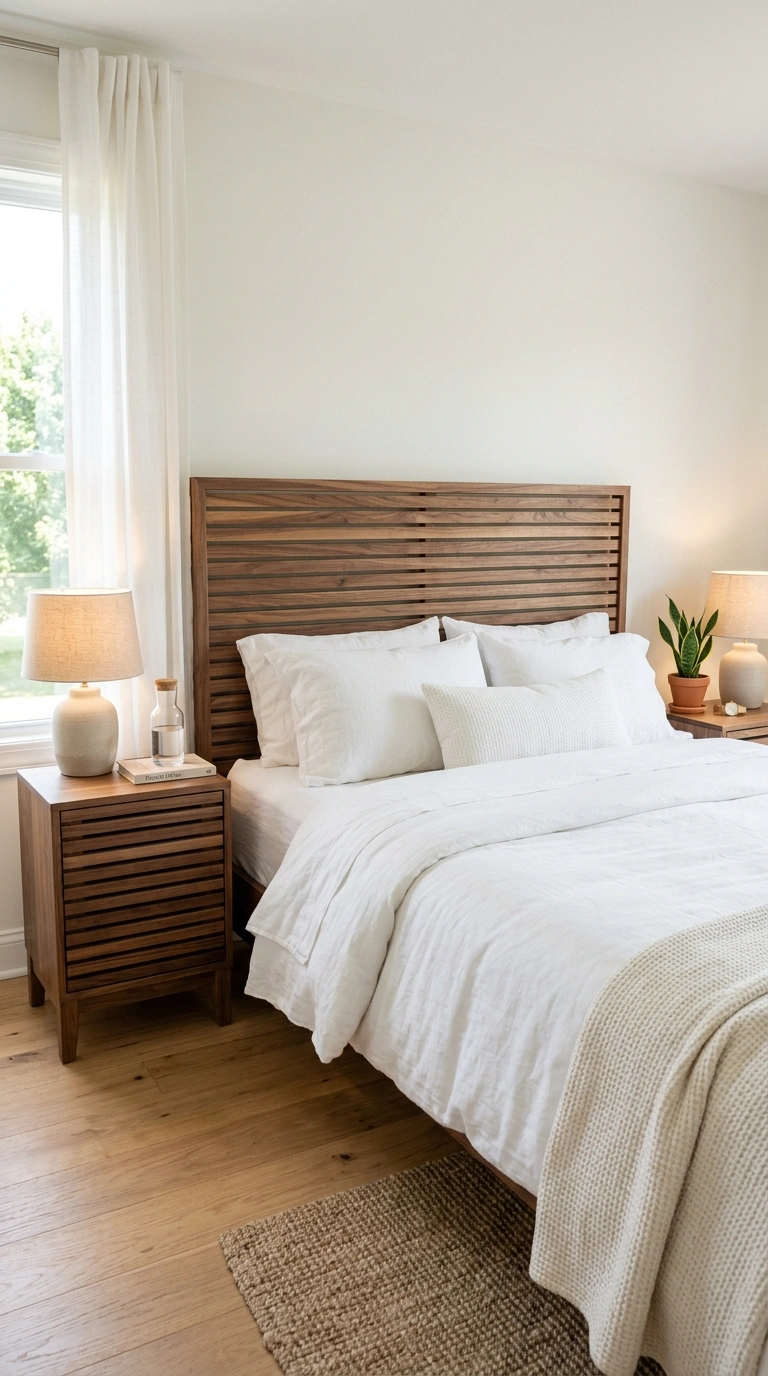
A wood headboard brings warmth into a bedroom in a way that fabric or metal headboards simply cannot match. Choose a warm tone like walnut or a honey oak if your room needs more warmth, or a lighter whitewashed wood if the room already leans dark and you want some brightness. A headboard with simple slats or a slightly curved top tends to feel more current than a heavily carved traditional style. Position the bed so the headboard sits against the longest open wall, which also happens to be the most practical layout for most bedrooms anyway. Pair the wood tone with matching nightstands if you can, even if they are not part of an exact matching set, since repeating the wood tone across a few pieces ties the whole room together. This is a piece worth spending a little more on since a good headboard anchors the entire room and tends to outlast trendier furniture choices by many years.
Soft Reading Nook
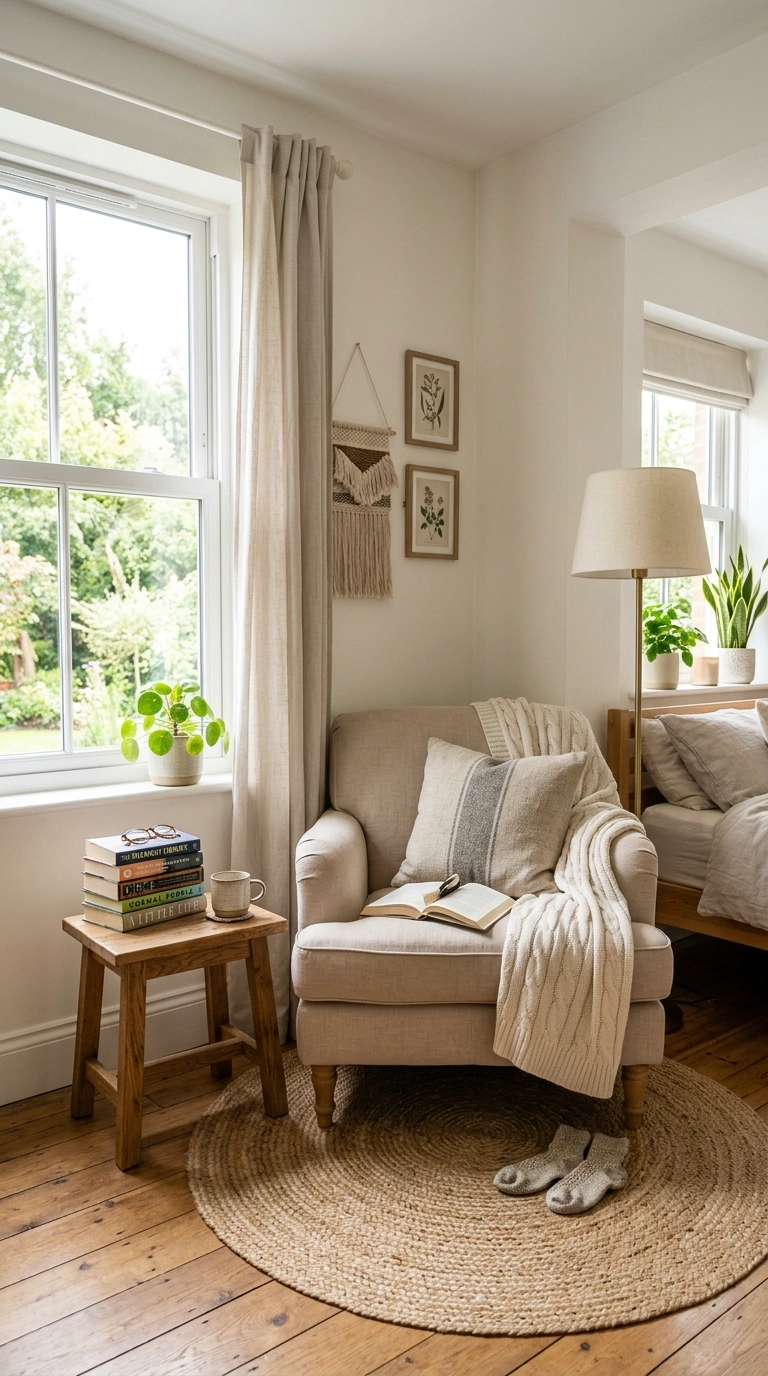
A small reading nook tucked into a corner of the bedroom gives you a second spot to unwind besides the bed, which makes the whole room feel more lived in and personal. All you really need is a comfortable armchair, a small side table, and a floor lamp with warm, soft light rather than a bright overhead bulb. Add a folded blanket over the arm of the chair and a small stack of books on the side table so the corner looks used rather than staged. If your room has a window, position the chair near it to take advantage of natural light during the day. A round rug underneath the chair helps define the space as its own little zone rather than just furniture pushed into a corner. Even in a smaller bedroom, a nook this size, using maybe four feet by four feet of floor space, is usually possible and adds a lot of daily use to a room that might otherwise just be for sleeping.
Woven Area Rug
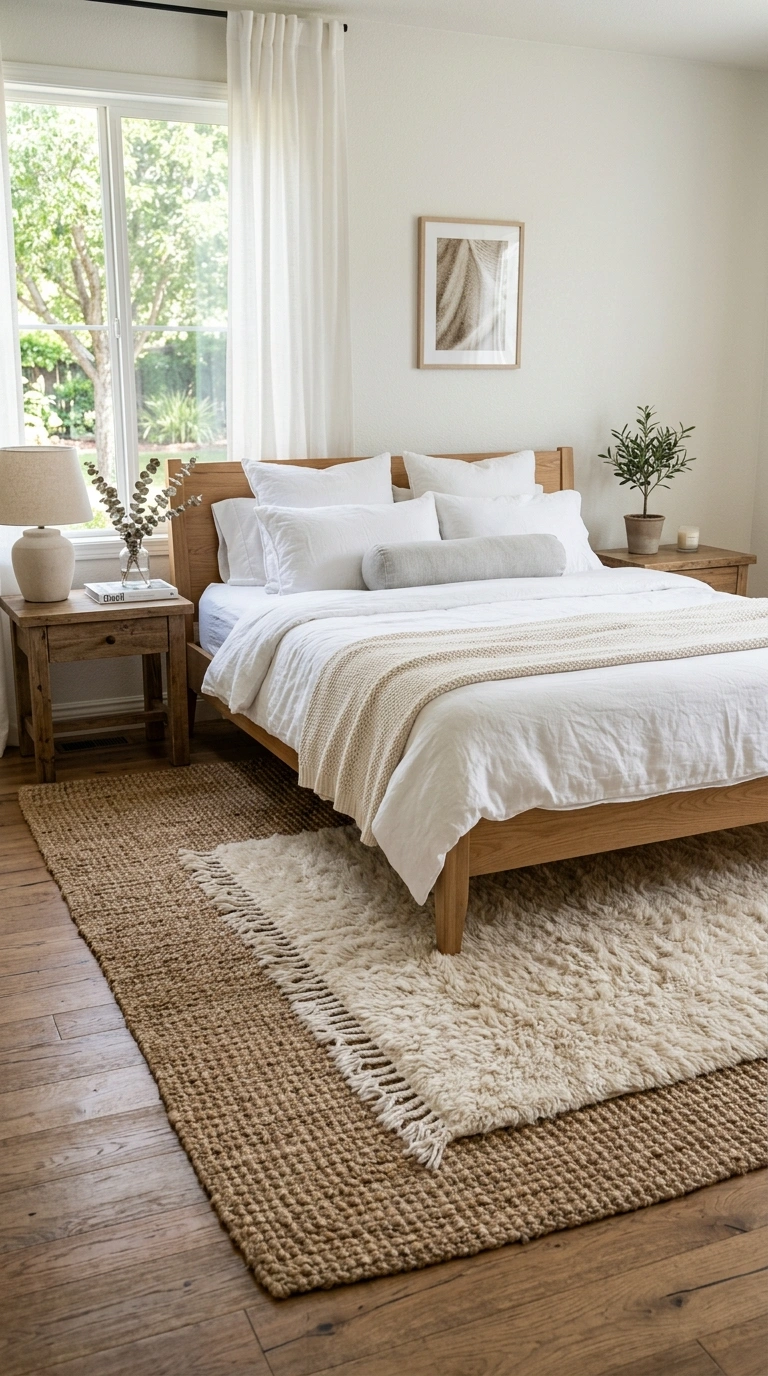
A woven rug, whether it is jute, wool, or a soft chunky knit, adds warmth underfoot and breaks up a plain wood or carpeted floor with some natural texture. Place a large rug so it extends at least two feet beyond each side of the bed, which grounds the whole furniture arrangement instead of leaving the rug looking like an afterthought. A jute or sisal rug gives a more natural, textured look, while a plush wool rug feels softer underfoot if you like walking around barefoot in the morning. Layer a smaller, softer rug directly at the foot of the bed on top of a larger woven rug for extra texture and a cozy spot to step onto when you get up. Neutral tones like oatmeal, cream, or soft gray work with almost any color scheme, so you will not need to replace the rug if you repaint the walls or swap out bedding down the road.
Warm Wall Color
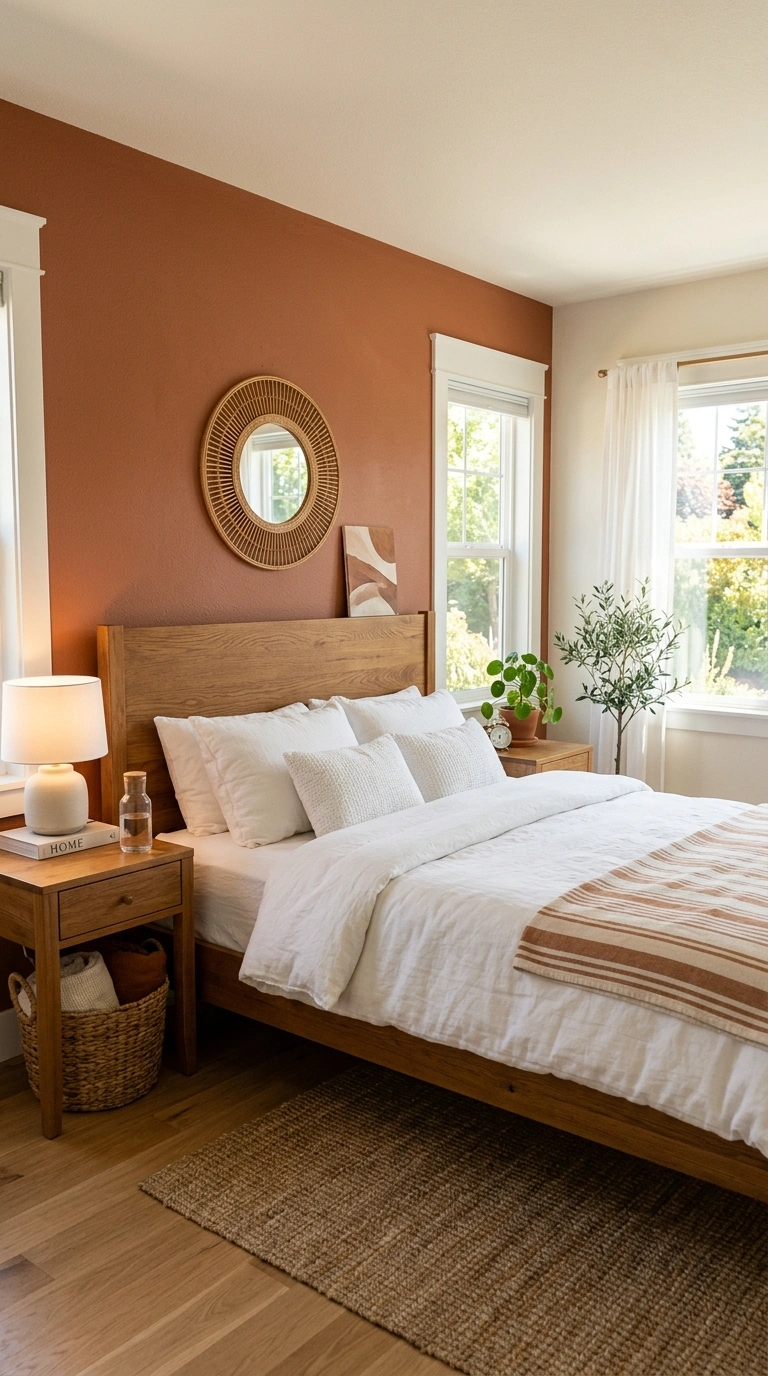
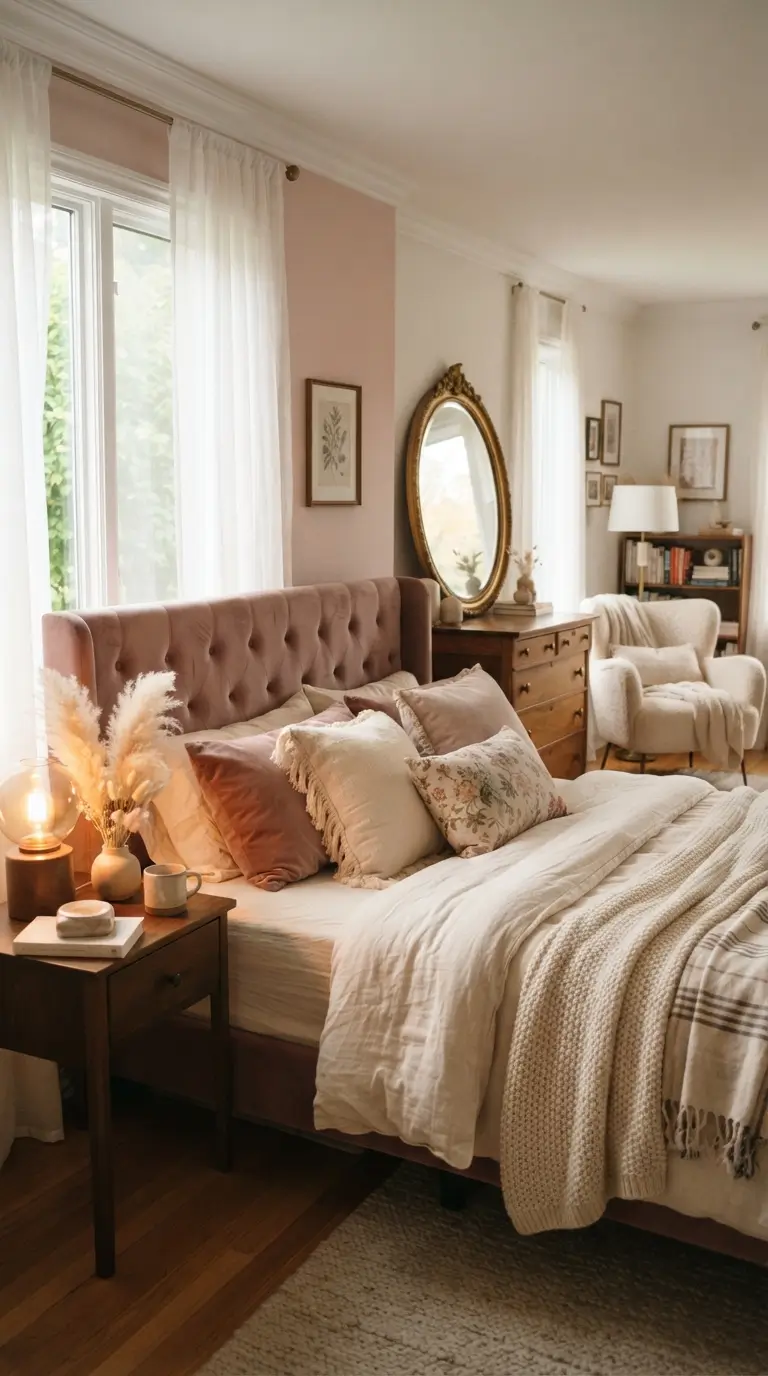
Painting the walls a warm, muted color instead of stark white instantly changes how a bedroom feels, especially at night under lamp light. Soft terracotta, warm clay, deep sage green, or a muted dusty pink all read as cozy without feeling dark or heavy, especially when paired with white trim and warm wood furniture. Test a few paint swatches directly on the wall and look at them in both daylight and evening lamp light before committing, since colors shift a lot depending on the light in the room. If a full wall of color feels like too much, paint just the wall behind the headboard and keep the other three walls a soft white or cream. This creates a natural focal point right where you want the eye drawn without overwhelming a smaller room. Warm wall colors also tend to make white bedding and light wood furniture pop more than they would against a plain white wall.
Canopy Bed Frame
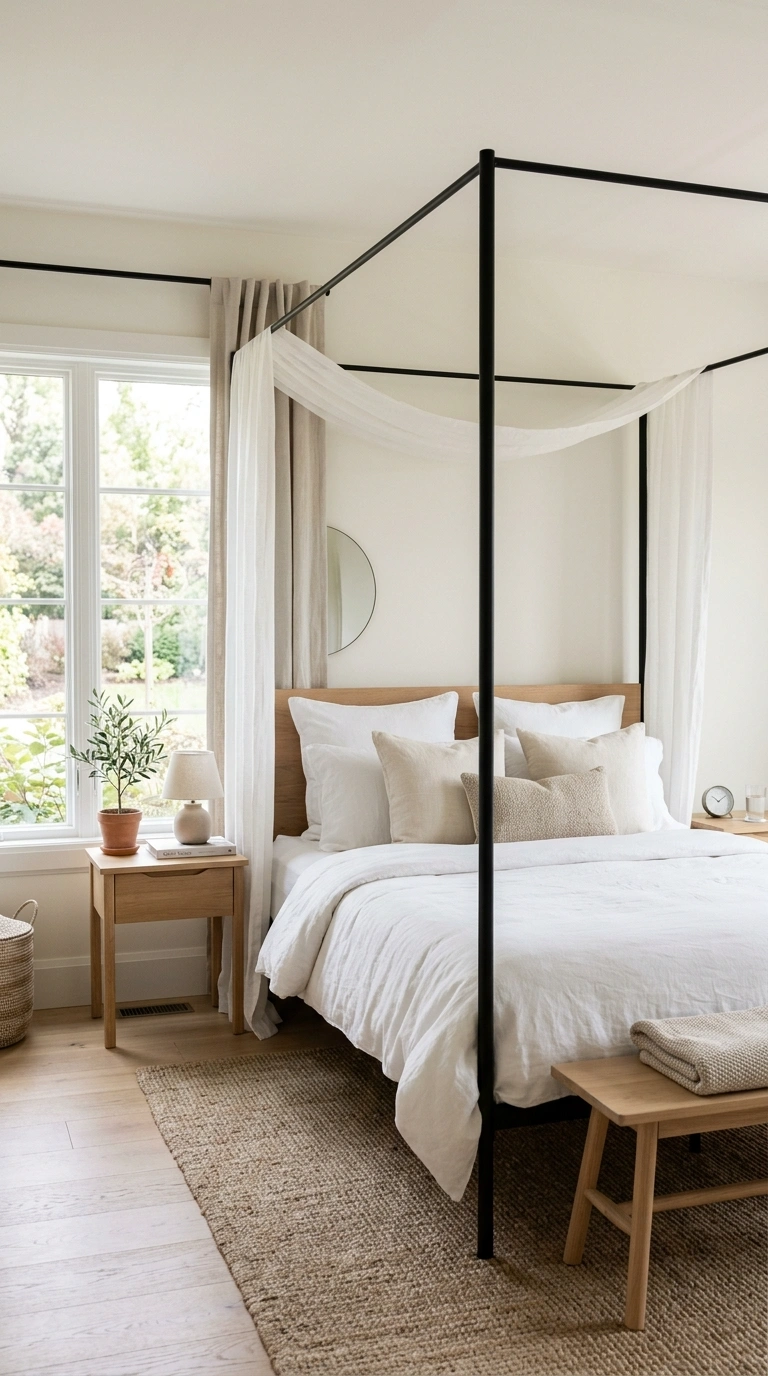
A canopy bed frame, even a simple four-post version without curtains, gives a bedroom a sense of height and drama that a standard bed frame just does not have. Choose a frame in a slim metal profile for a more modern look, or a wood frame for something warmer and more traditional. If you want to soften the frame further, drape a lightweight, sheer fabric panel over just the top rail rather than fully enclosing the bed, which keeps the room feeling open rather than boxed in. This works especially well in a room with higher ceilings, since the vertical posts draw the eye upward and make the ceiling height feel even more generous. Keep the bedding simple and light colored underneath a canopy frame so the frame itself stays the focal point rather than competing with a busy comforter pattern. This is a bigger furniture investment, but it completely changes the presence of a bedroom.
Cozy Window Seat
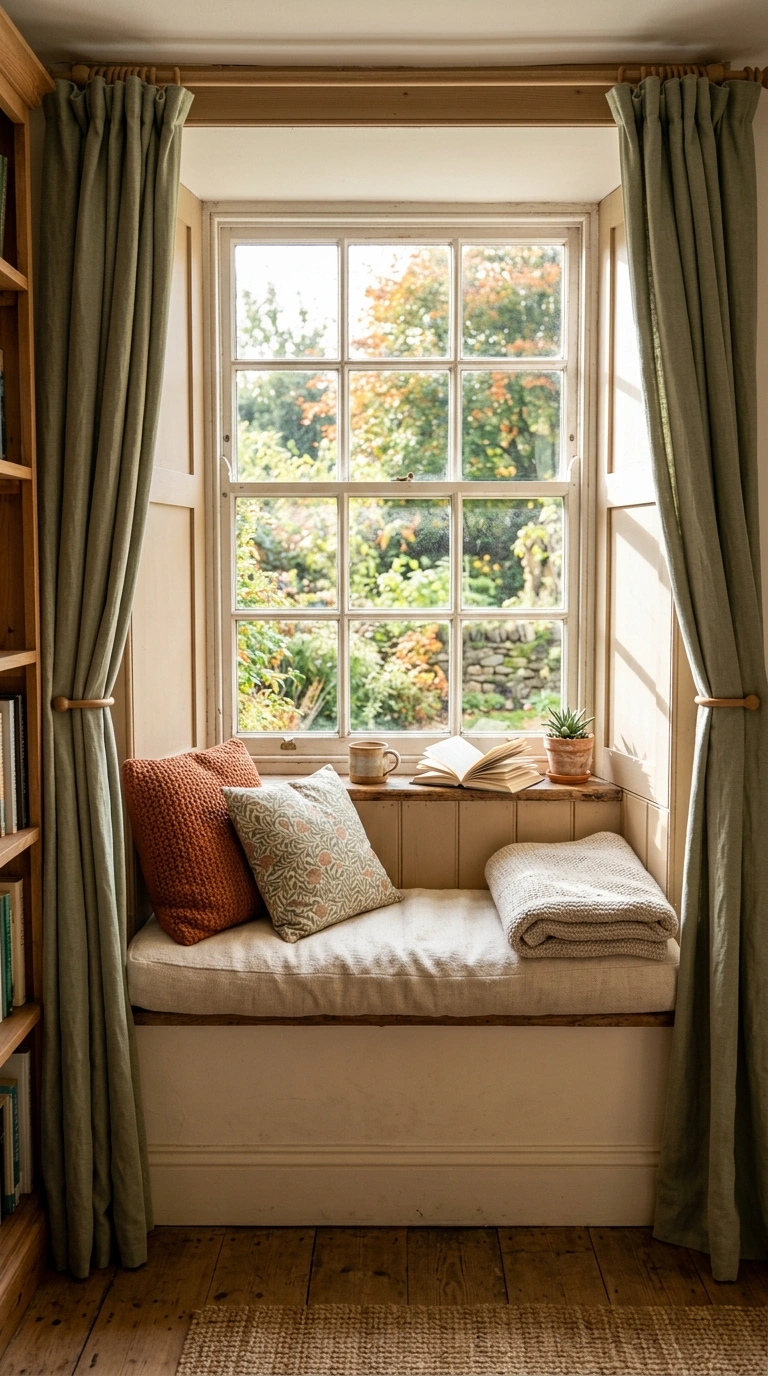
A window seat built into an existing window nook, or created with a simple bench and cushions under any window, gives your bedroom a dedicated spot to sit with coffee or a book while looking outside. Add a thick cushion cut to fit the width of the window, along with two or three throw pillows in coordinating colors, and a soft blanket folded at one end. If your window does not have a built-in ledge, a simple upholstered bench pushed against the wall under the window creates the same effect. Hang curtains on either side of the window rather than directly over it so they frame the seat instead of blocking the view when open. This spot works especially well in the morning when natural light comes through, and it gives the bedroom a second reason to spend time in it beyond just sleeping, which makes the whole room feel more valuable and well used.
Layered Area Lighting
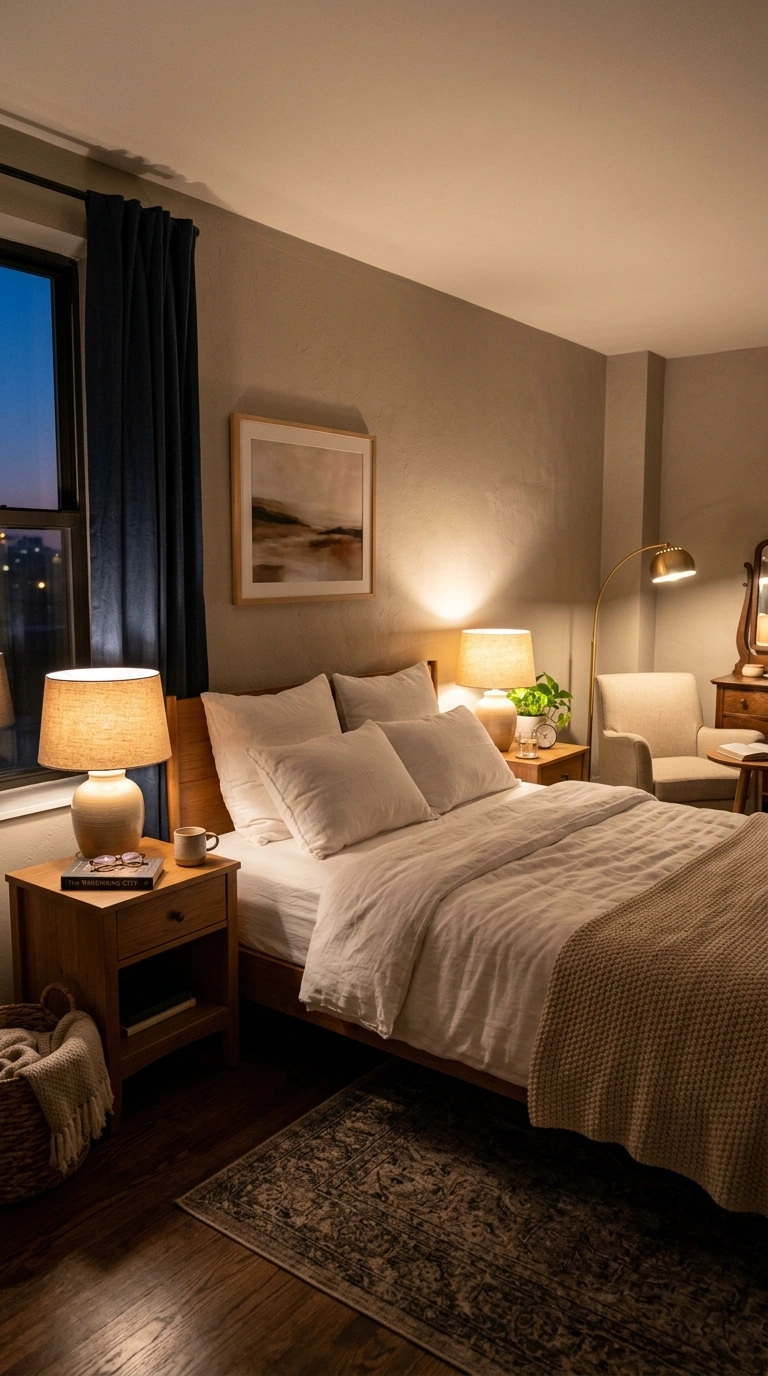
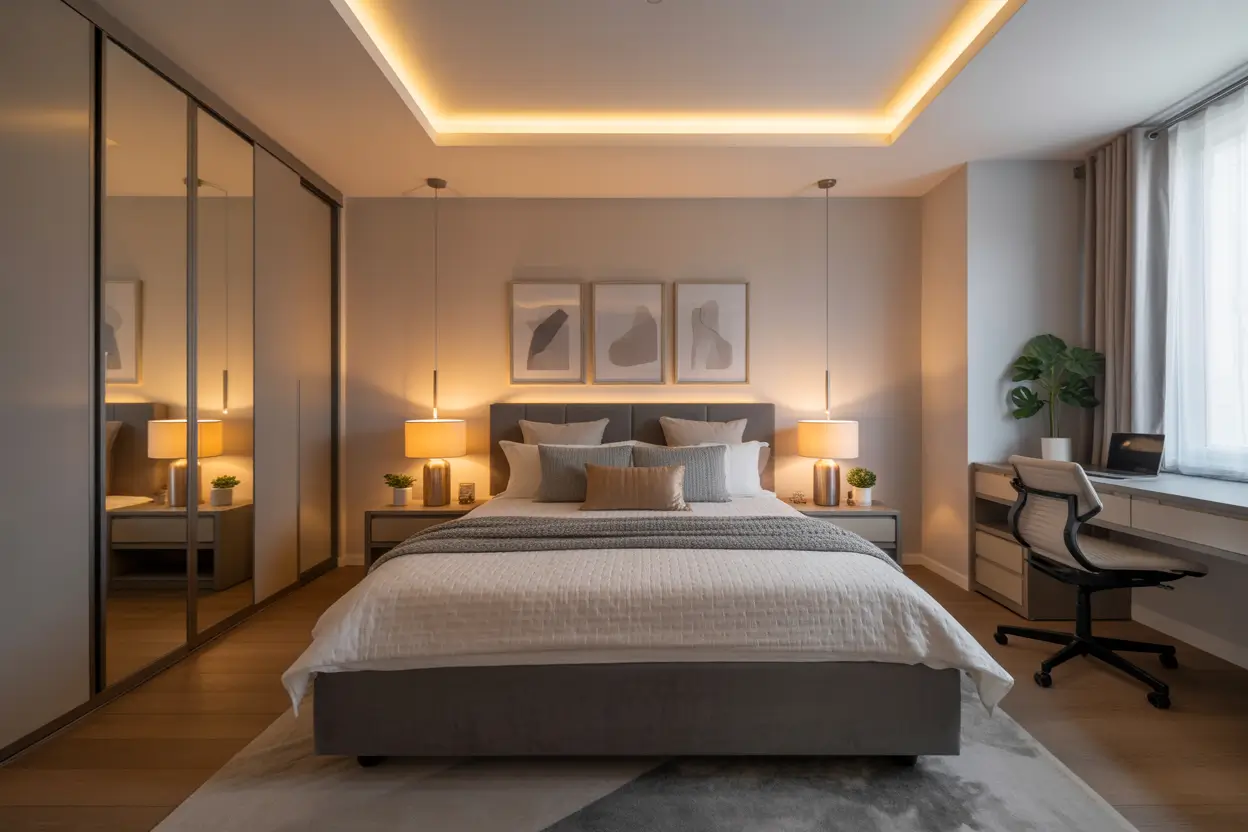
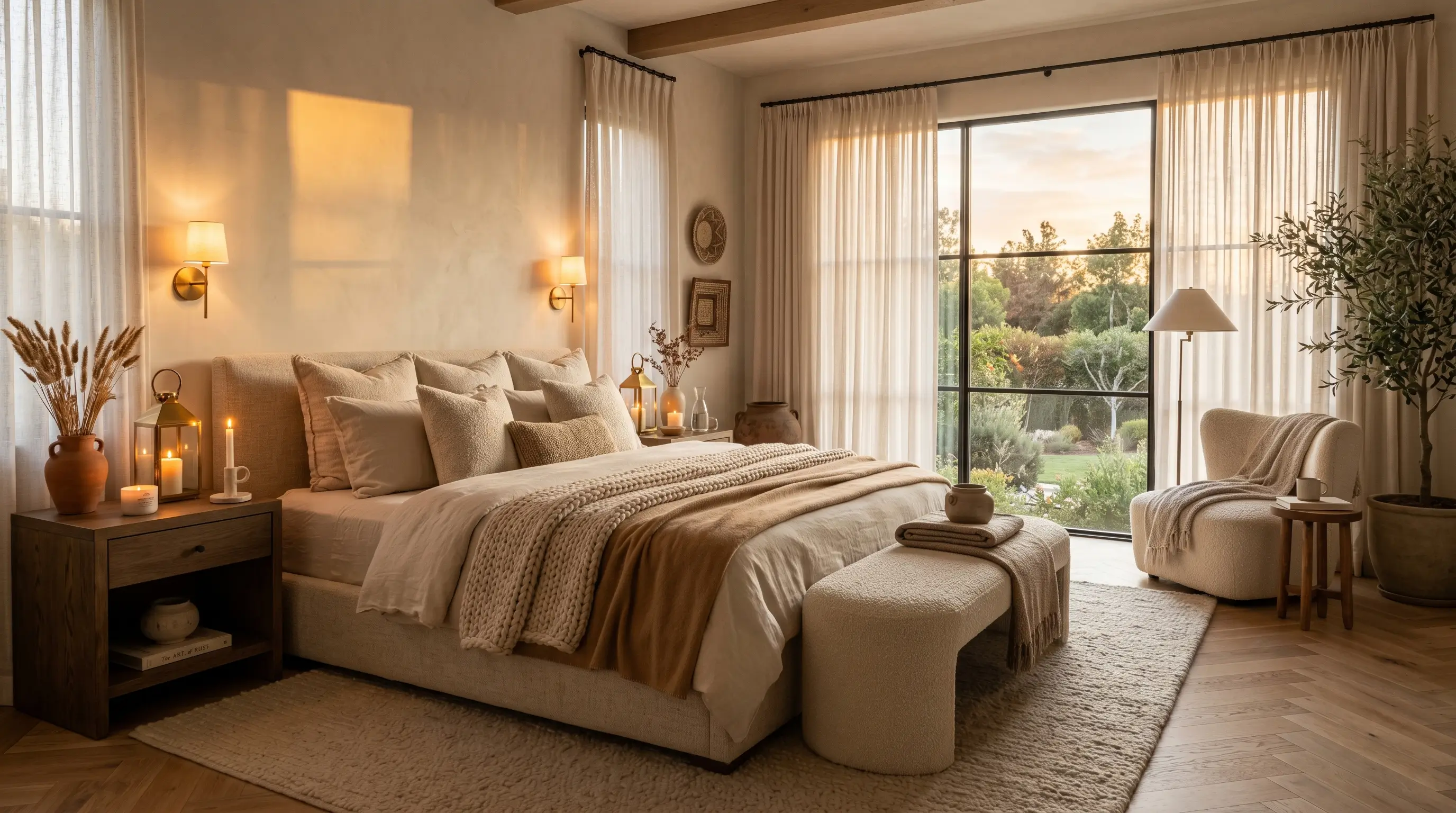
Relying on a single overhead light is one of the biggest reasons bedrooms feel more like a hotel room than a home. Add at least two other light sources, like a pair of table lamps on the nightstands and a floor lamp in a reading corner, so you have soft, warm light options besides the harsh overhead fixture. Choose bulbs labeled warm white rather than daylight or cool white, since warm bulbs mimic the golden glow of candlelight and make skin tones and wood furniture look much better in the evening. A dimmer switch on the overhead light gives you flexibility for daytime cleaning versus nighttime relaxing. This layered approach to lighting is one of the most affordable changes on this whole list since it usually just means buying a couple of lamps, but it makes an enormous difference in how calm and warm the room feels once the sun goes down.
Upholstered Bed Frame
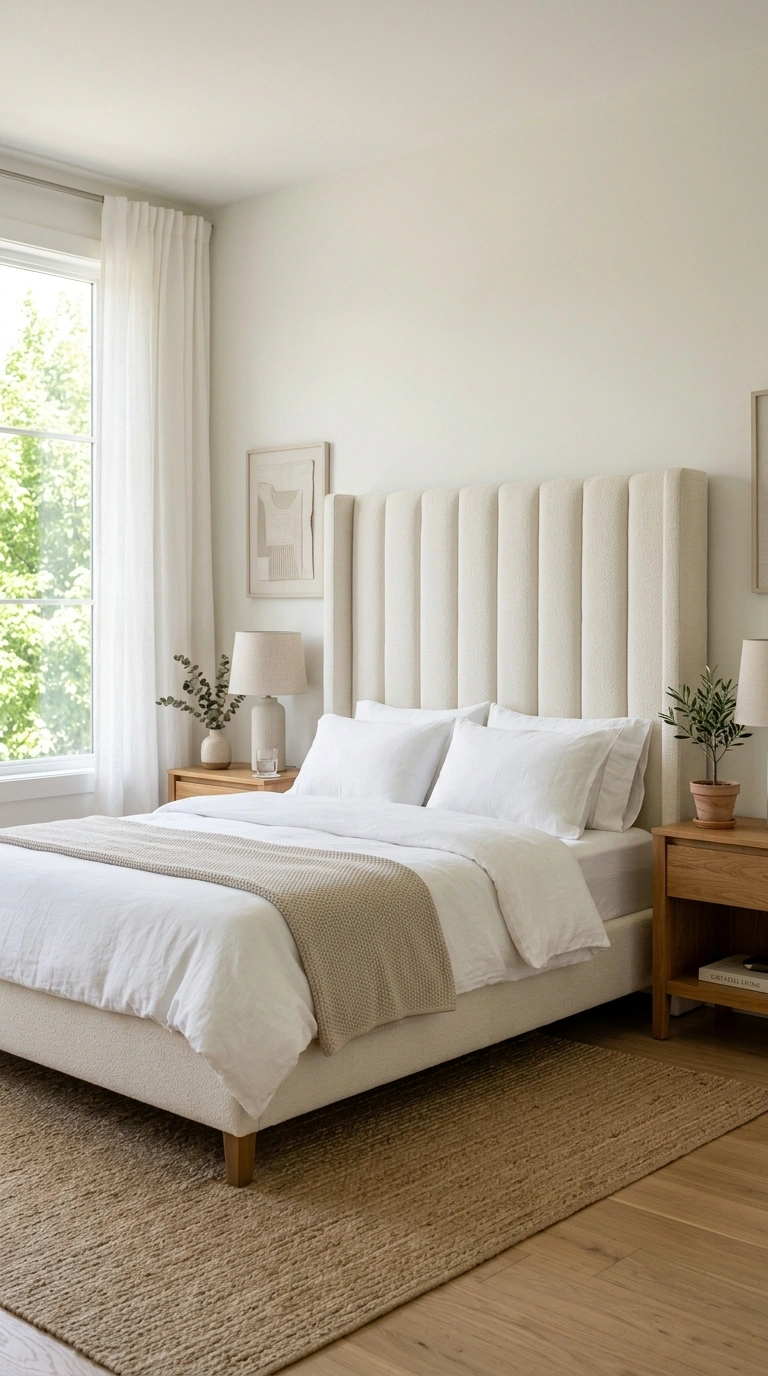
An upholstered bed frame, especially one with a tall, slightly curved headboard, adds a soft, hotel-like feel to a bedroom that a plain wood or metal frame cannot match. Choose a neutral fabric like boucle, linen, or velvet in a soft gray, cream, or deep green so the frame works with multiple bedding colors over time. A channel-tufted or slightly rounded headboard style tends to feel more current than a flat, boxy upholstered panel. Pair the frame with simple, unfussy bedding so the texture of the headboard gets to stand out rather than competing with a heavily patterned comforter. Upholstered frames are especially nice to lean against while reading in bed, since they are much softer than a hard wood headboard. This is one of the more noticeable upgrades you can make to a bedroom, since the bed itself is the largest piece of furniture in the room and sets the tone for everything else around it.
Natural Linen Curtains
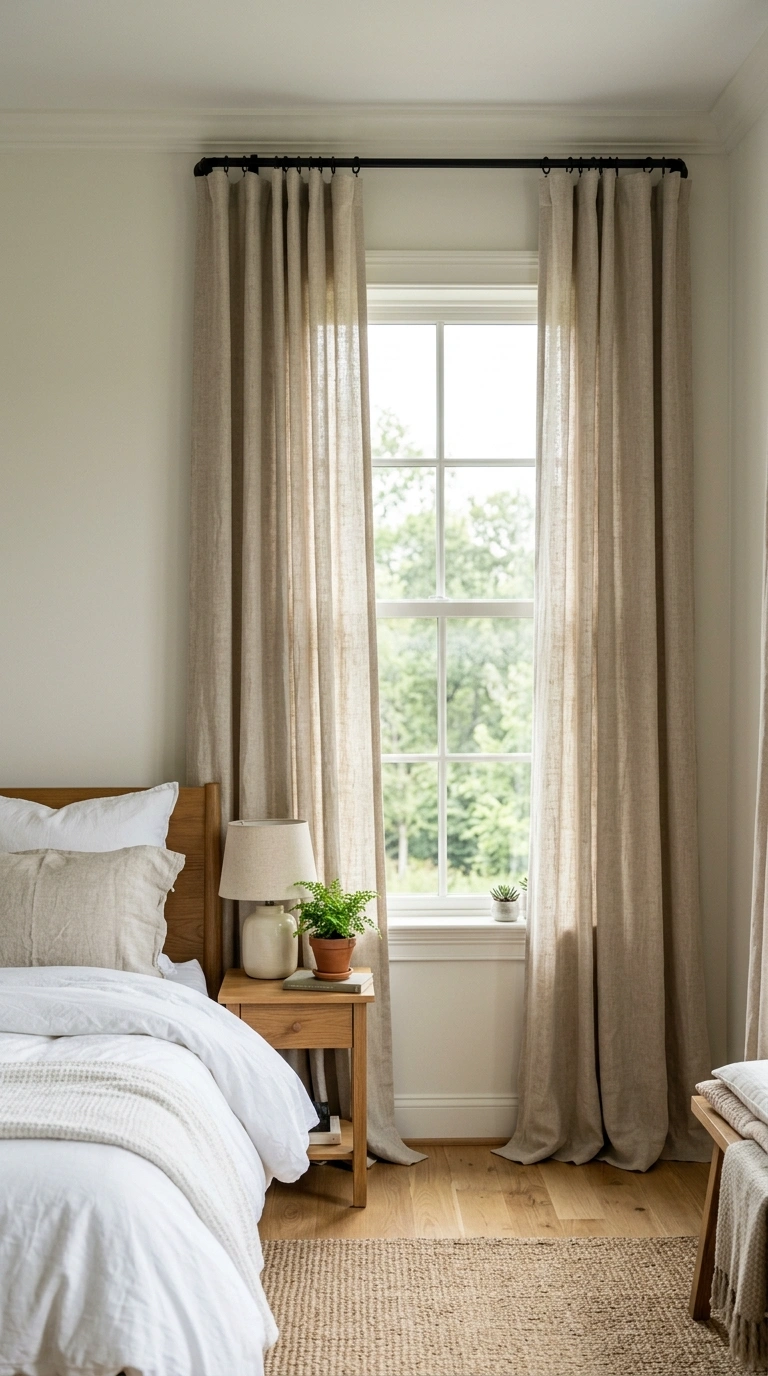
Swapping out thin, mismatched curtains for floor-length linen panels changes the entire feel of a bedroom window. Choose a soft white, oatmeal, or light gray linen, and hang the curtain rod as close to the ceiling as possible rather than right above the window frame, which makes the ceiling feel taller and the window feel larger than it actually is. Let the curtains hang long enough to just brush the floor, or even pool slightly for a more relaxed, lived-in look. Linen has a natural, slightly wrinkled texture that catches light beautifully and softens as the fabric moves in the breeze from an open window or a fan. This is a fairly affordable update since curtain panels are inexpensive compared to most furniture, but the visual impact is significant, especially in a room where the window has been left bare or covered with basic blinds and nothing else.
Rattan Accent Furniture
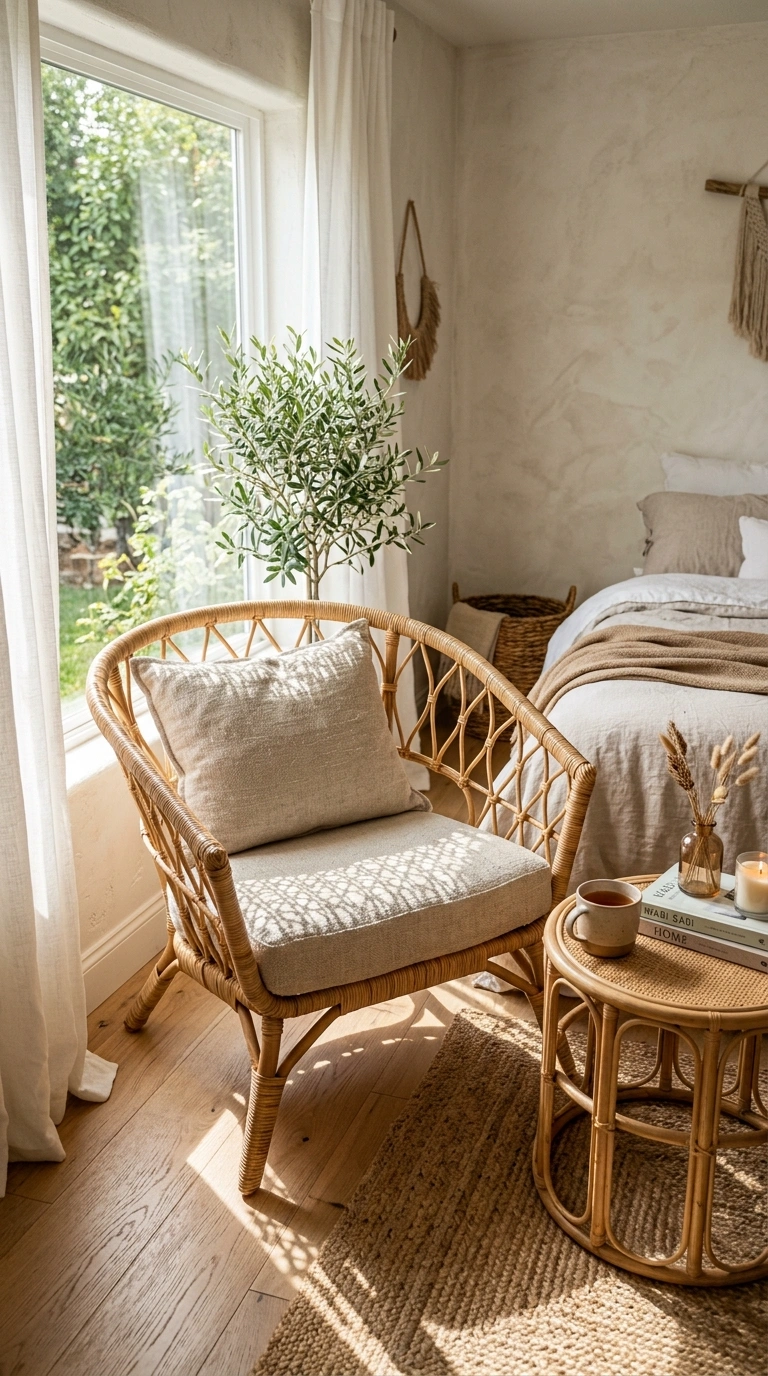
A rattan or woven chair, mirror frame, or small side table brings a natural, textured element into a bedroom that balances out smooth surfaces like painted walls and glass. A rattan accent chair in the corner works well alongside a small reading nook, or a woven pendant light fixture overhead adds texture without taking up any floor space at all. Pair rattan pieces with soft linens and warm wood tones so the room feels cohesive rather than like a random mix of materials. This look works especially well in bedrooms that get good natural light, since the woven texture casts small shadows across the wall or floor throughout the day. Keep it to one or two rattan pieces rather than filling the whole room, since too much of the same texture starts to look busy instead of intentional. Even one small rattan mirror frame or basket used as a catch-all can add this warm, natural touch.
Textured Throw Pillows
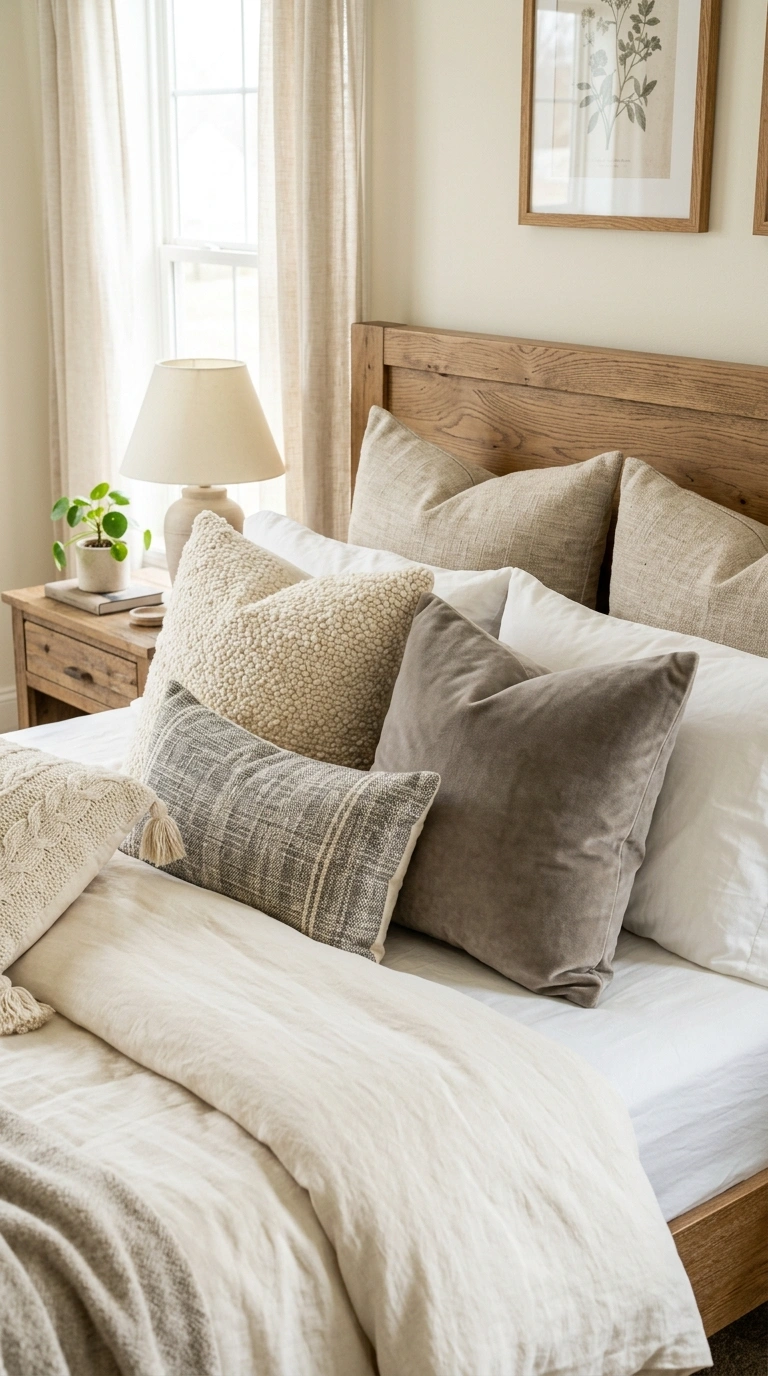
A mix of throw pillows in different textures, like a nubby bouclé, a soft velvet, and a woven linen, gives a bed or a reading chair instant personality without needing to repaint or buy new furniture. Stick to two or three colors that already exist somewhere else in the room, like the rug or the curtains, so the pillows feel connected to the space rather than randomly placed. Use a mix of sizes too, one larger square pillow paired with a smaller lumbar pillow tends to look more relaxed and collected than four pillows that all match exactly. Arrange them leaning slightly rather than perfectly stacked, which keeps the bed looking inviting rather than overly staged. This is one of the cheapest updates on this entire list and one of the easiest to change again later if your taste shifts, which makes it a great starting point if you are not ready to commit to bigger furniture changes yet.
FAQs
How can I make my bedroom cozy on a small budget?
Start with soft textiles like a new throw blanket, extra pillows, and warm-toned light bulbs in your existing lamps. These changes cost very little compared to furniture but make a noticeable difference in how warm and inviting the room feels.
What colors make a bedroom feel the coziest?
Warm, muted tones like terracotta, soft clay, deep sage, and warm gray tend to feel cozier than stark white or cool blue tones, especially when paired with warm wood furniture and soft lighting in the evening.
Do I need a lot of furniture to make a bedroom feel cozy?
No, a cozy bedroom is more about texture and lighting than the amount of furniture in the room. A few well-chosen pieces, like a soft rug, layered bedding, and warm lamps, usually create more coziness than a room packed with furniture.
What kind of lighting is best for a cozy bedroom?
Warm white bulbs in table lamps and floor lamps create a much softer, more relaxing glow than a single bright overhead light. Adding a dimmer switch also gives you more control over the mood in the evening.
How do I add coziness to a bedroom with a small window?
Hang curtains close to the ceiling and let them extend past the window frame on either side, which makes the window and the whole wall feel larger. Pair this with a soft rug and warm lighting to balance out the smaller amount of natural light.