21 Smart Small Living Room Ideas to Make Your Space Feel Bigger
Key Takeaways
- Small living rooms can feel much larger when you focus on smart layouts rather than adding more furniture.
- Floating a sofa slightly away from the wall creates depth and improves the flow of the room.
- Round coffee tables and curved furniture make movement easier and soften tight layouts.
- Vertical design elements, such as tall shelving, wood slats, or floor-to-ceiling artwork, draw the eye upward and make ceilings appear higher.
- Layered lighting from ceiling fixtures, floor lamps, and table lamps adds depth and creates a brighter, more spacious atmosphere.
- Furniture with visible legs allows more floor area to remain visible, helping the room feel open and airy.
- Large mirrors placed opposite windows reflect natural light and visually expand the space.
- Multifunctional furniture with hidden storage reduces clutter while maximizing every square foot.
- Light wood finishes and soft textures create warmth without making the room feel heavy or crowded.
- A single large rug works better than multiple small rugs because it visually connects the entire seating area.
- Floor-length curtains hung near the ceiling make walls appear taller and more elegant.
- Transparent furniture pieces, such as glass or acrylic tables, maintain sightlines and reduce visual bulk.
A small living room does not have to feel crowded or limiting. With the right design choices, even the most compact space can look bright, open, and welcoming. The secret is not adding more square footage. It is making every inch work smarter while creating a room that feels comfortable and stylish.
Whether you live in a small apartment, a cozy house, or simply want to improve a compact seating area, these small living room ideas focus on practical solutions that instantly change how your space looks and functions. From clever furniture placement to creative lighting tricks and unexpected material combinations, each idea helps you maximize space without sacrificing personality.
Save your favorites and use them as inspiration to create a living room that feels bigger, lighter, and more enjoyable every day.
1. Float Your Sofa Away From the Wall
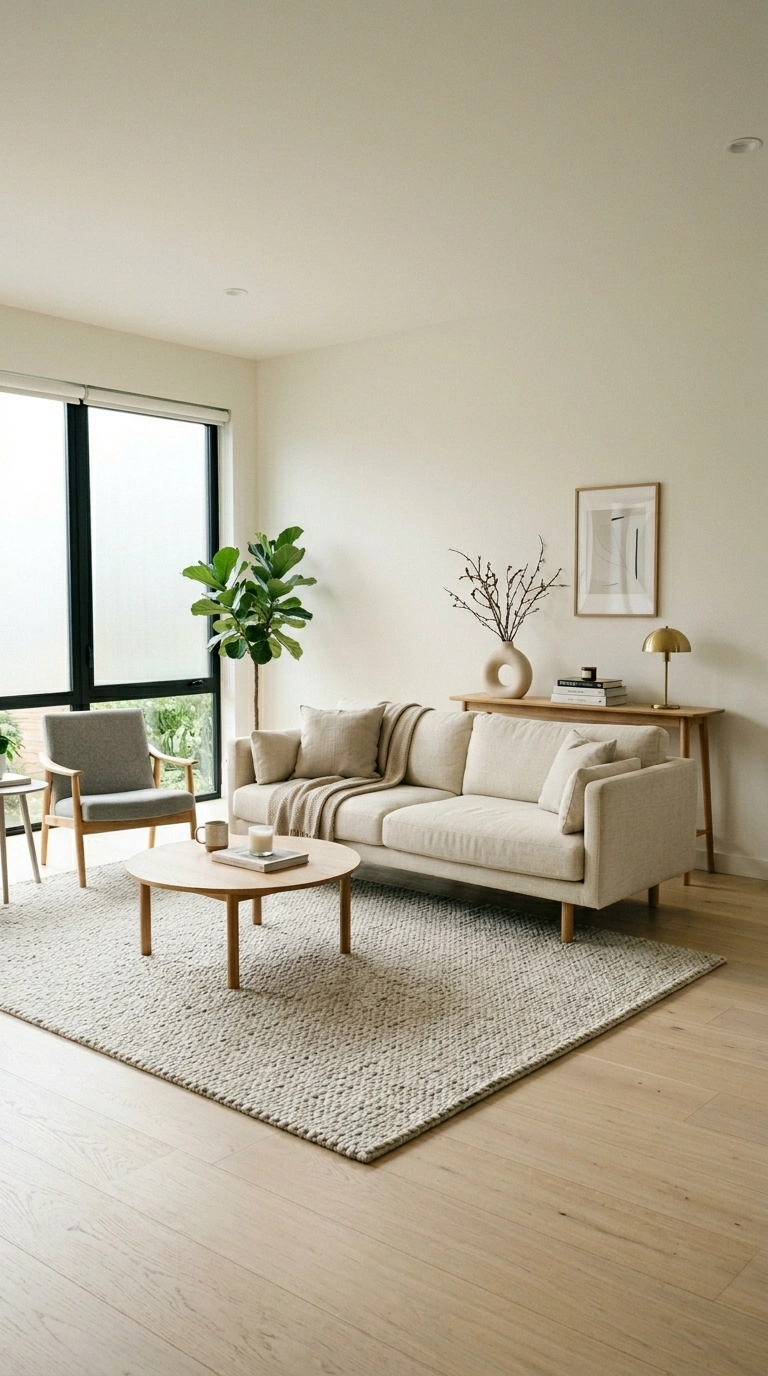
Floating your sofa a few inches away from the wall can make a small living room feel surprisingly larger. Many people push furniture directly against walls, thinking it creates more space. In reality, this often makes the room feel boxed in and rigid. Creating a narrow gap behind the sofa introduces visual breathing room and helps the layout feel intentional rather than crowded.
Use the newly created space for a slim console table or a narrow shelf finished in light oak or matte white. Add a small lamp with a linen shade and a few decorative books to create depth without clutter. This layout works especially well with neutral palettes such as warm beige, soft gray, or creamy white. Natural light can move more freely around the room, making the entire area feel more open and balanced while maintaining comfortable seating arrangements.
2. Choose a Rounded Coffee Table Instead of a Square One
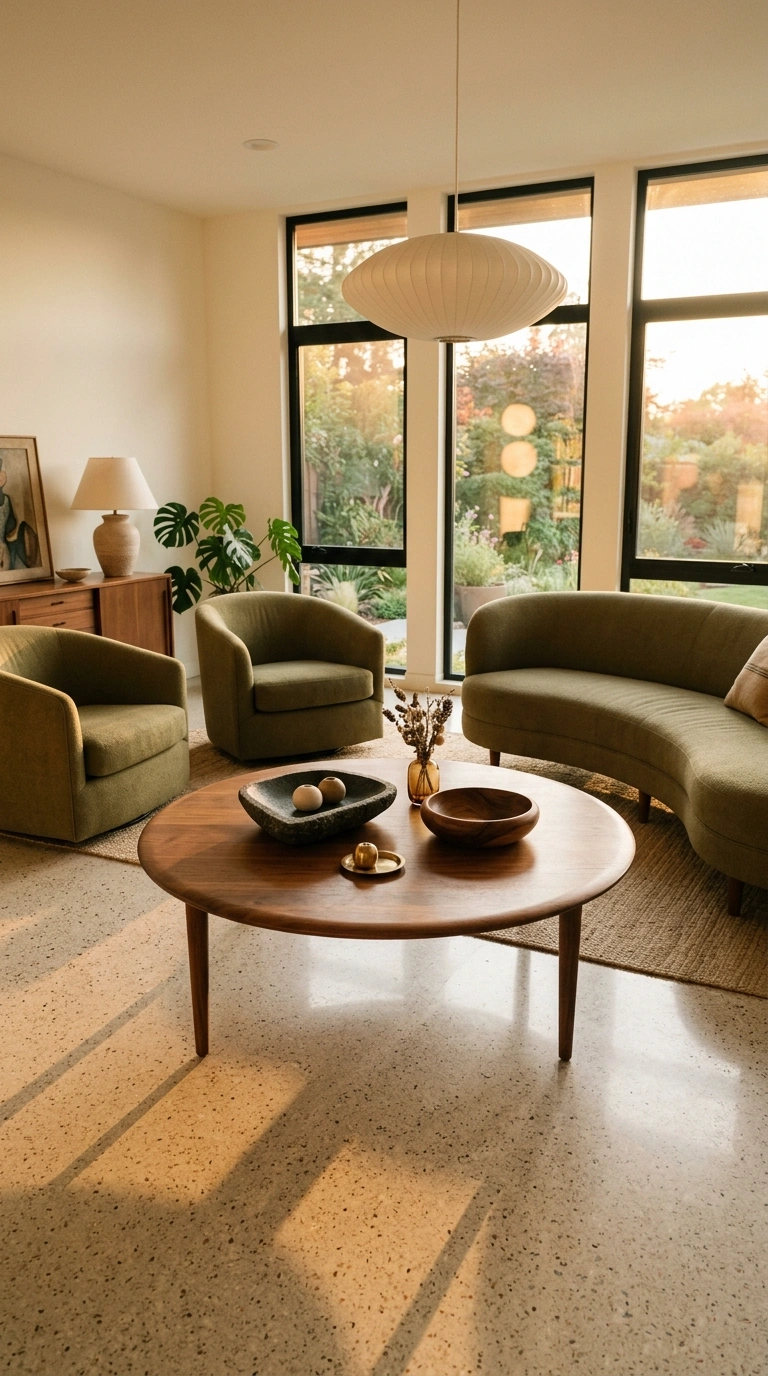
A round coffee table improves movement and makes a compact living room feel less crowded. Sharp corners often interrupt visual flow and create obstacles in tight spaces. A circular table softens the room and allows people to move around it more naturally, making the layout feel more spacious.
Look for tables that combine materials like light wood and stone, or glass with brushed metal. A glass top works especially well because it allows light to travel through the room rather than stopping at a solid surface. Place a textured woven tray on top with a small candle and a simple plant for a clean look. The curved shape adds visual softness while keeping the room functional. This small change can transform the way the entire space feels without requiring a major redesign or furniture replacement.
3. Create One Vertical Feature Zone
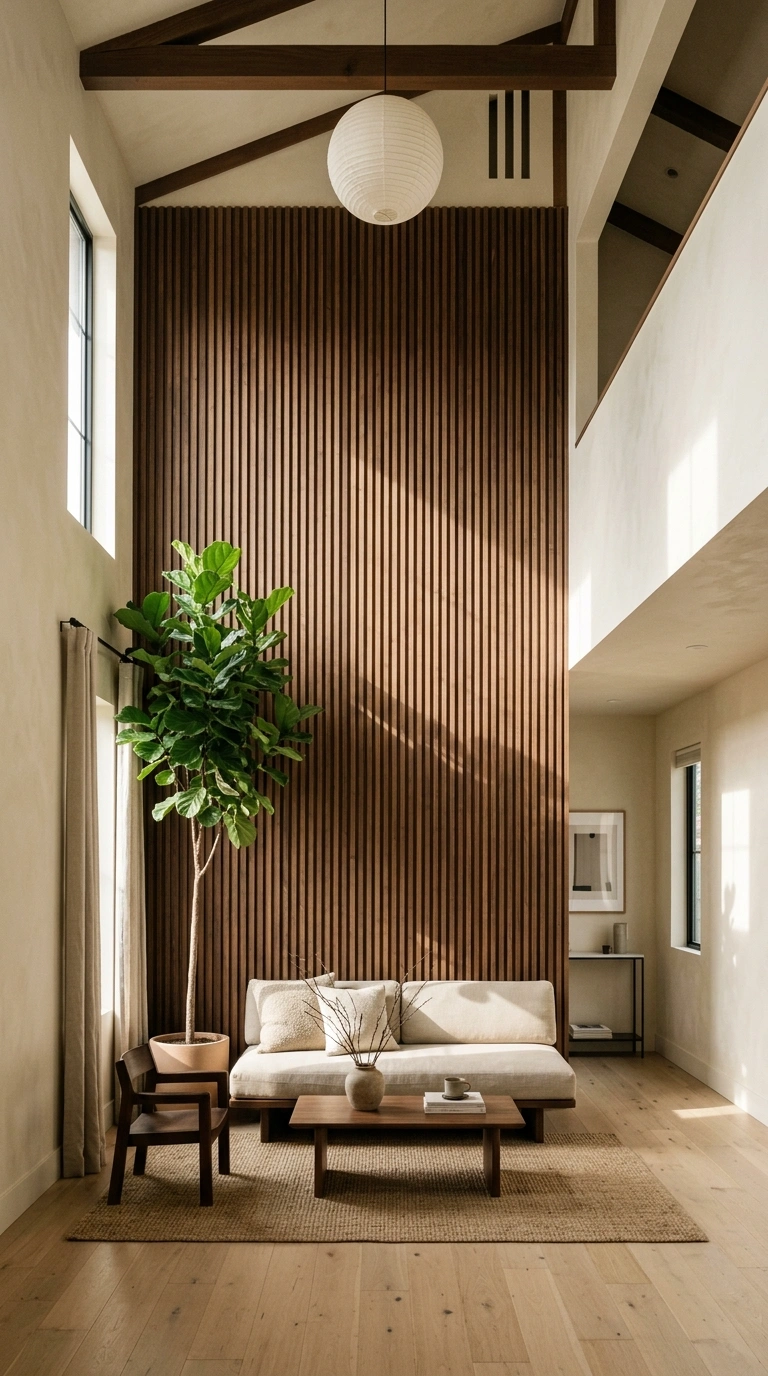
A vertical feature wall draws the eye upward and makes ceilings appear taller. Instead of decorating every wall, focus on one area and build visual height. This approach creates a stronger design impact while keeping the room organized and uncluttered.
Install slim vertical wood slats, narrow shelving, or floor-to-ceiling artwork in one section of the room. Warm walnut slats paired with soft white walls create a modern look that feels inviting rather than overwhelming. Add a tall floor plant nearby to continue the upward visual movement. This design trick encourages the eye to travel vertically, making the room appear larger than it actually is. Because the feature remains concentrated in one area, the rest of the room feels calmer and more spacious, which is ideal for compact living spaces.
4. Layer Lighting at Different Heights
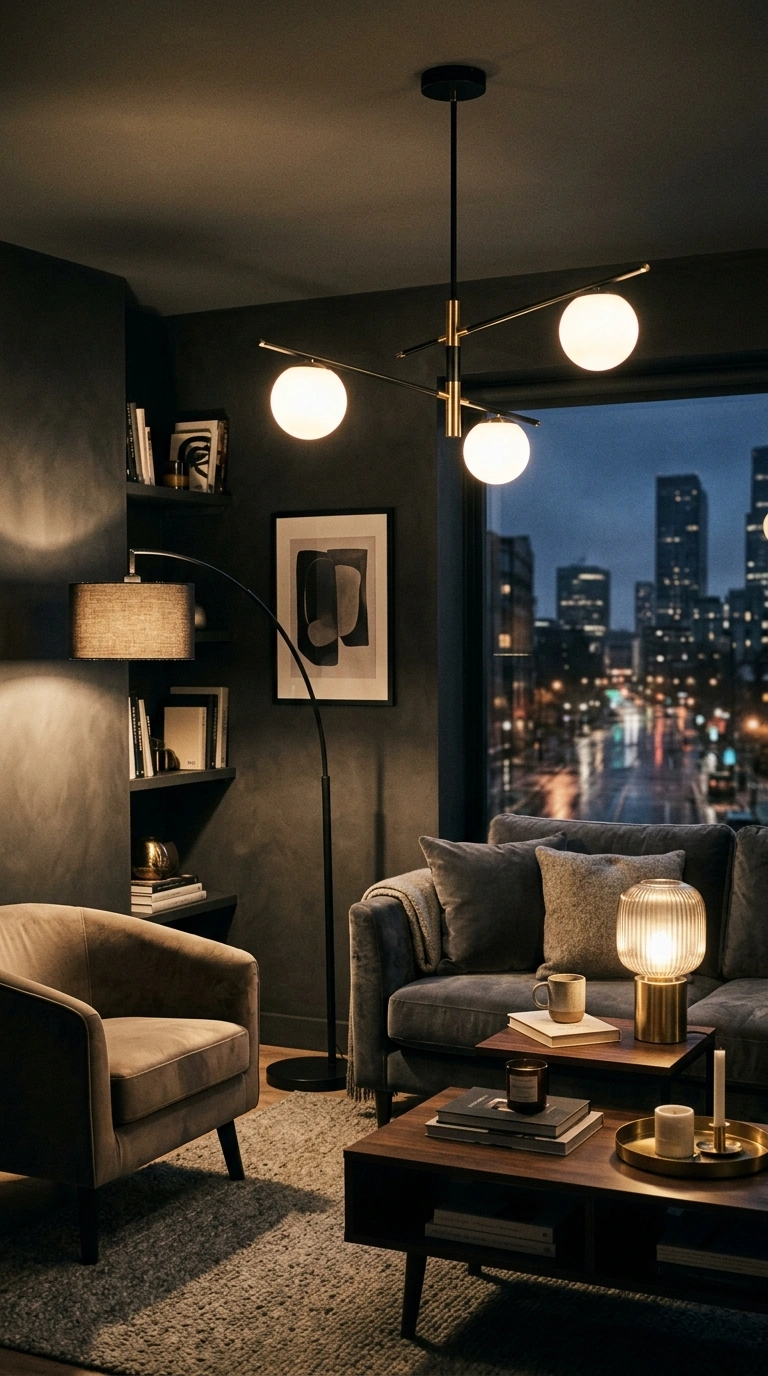
Layered lighting makes a small room feel deeper and more dynamic. Relying on a single ceiling fixture often creates flat lighting that emphasizes the room’s size limitations. Adding light at multiple levels creates dimension and warmth throughout the space.
Combine a ceiling light, a floor lamp, and a table lamp positioned at different heights. Soft warm-white bulbs create a cozy glow without making the room feel dark. Linen shades, frosted glass, and brushed brass finishes add texture and visual interest. During the evening, layered lighting reduces harsh shadows and creates a welcoming atmosphere. The room feels larger because light spreads evenly across surfaces instead of concentrating in one location. This simple strategy improves both functionality and appearance while making everyday living more comfortable.
5. Use a Low-Profile Sofa With Visible Legs
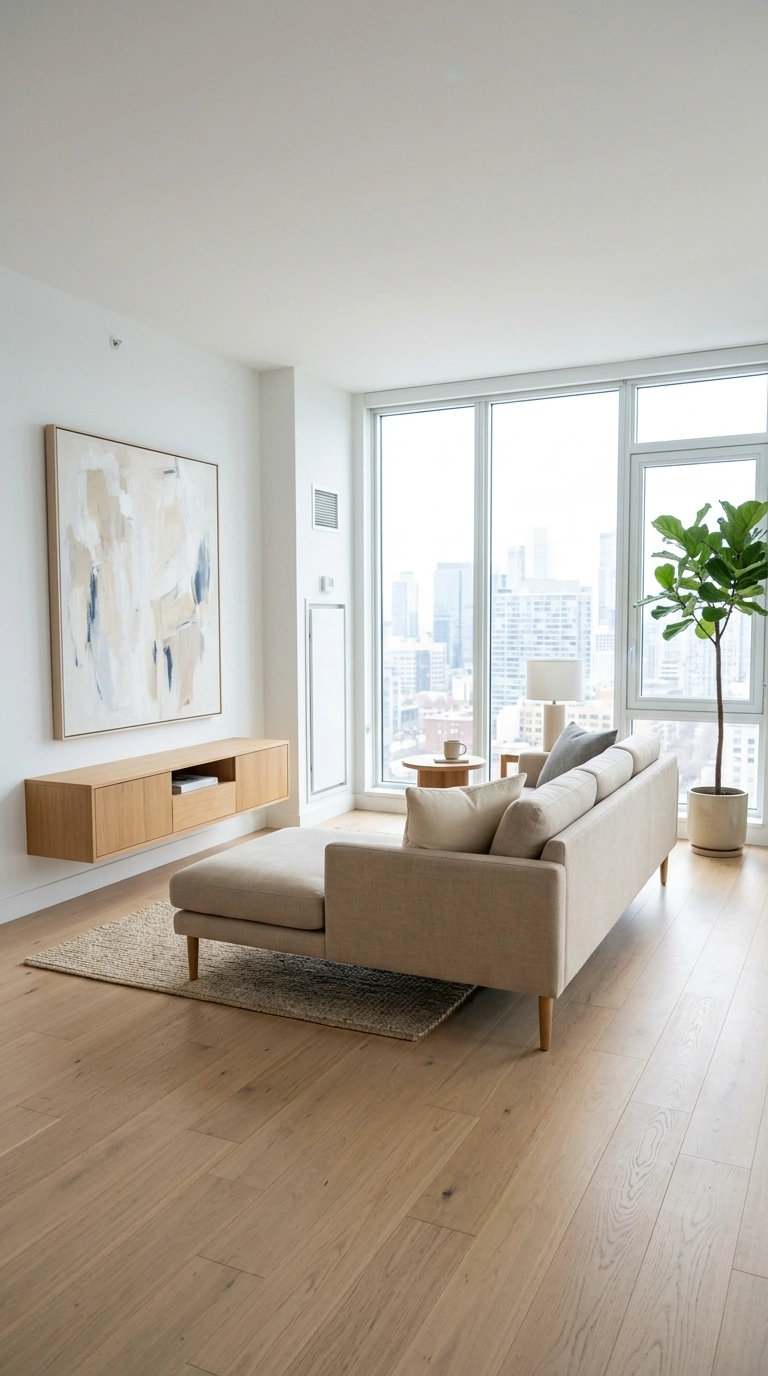
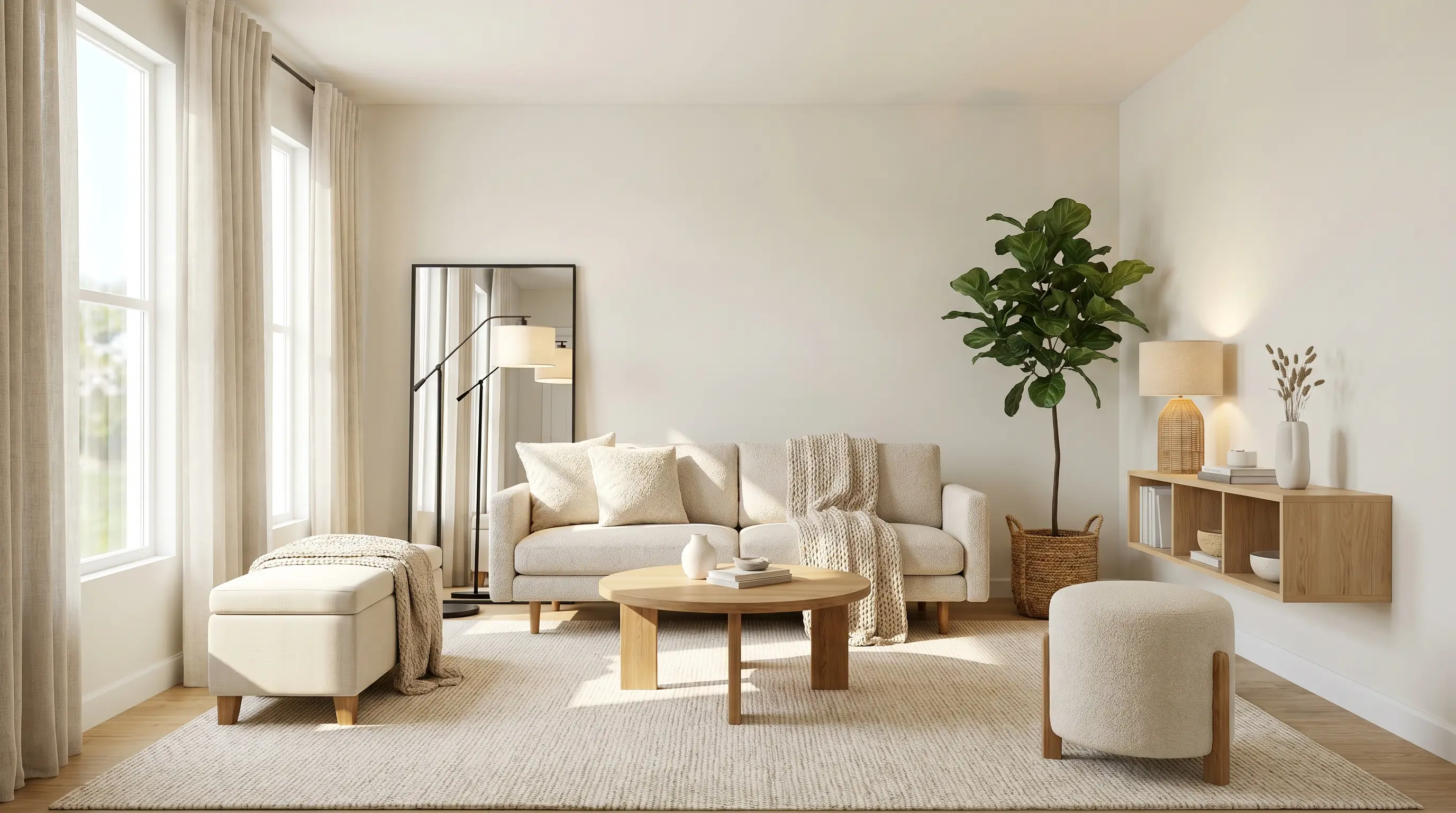
A low-profile sofa with exposed legs helps create an airy and open look. Bulky furniture that sits directly on the floor can visually weigh down a small room. Furniture with visible space underneath allows more of the floor to remain visible, making the area feel larger.
Choose upholstery in soft beige, light gray, or muted taupe to keep the room bright. Wooden legs in natural oak or walnut introduce warmth and contrast without adding visual heaviness. Pair the sofa with a lightweight side table and textured throw pillows for comfort. Because light can travel beneath the furniture, the room gains a sense of openness and movement. This design choice works particularly well in apartments and compact homes where every visual inch matters.
6. Add a Mirror Opposite a Window
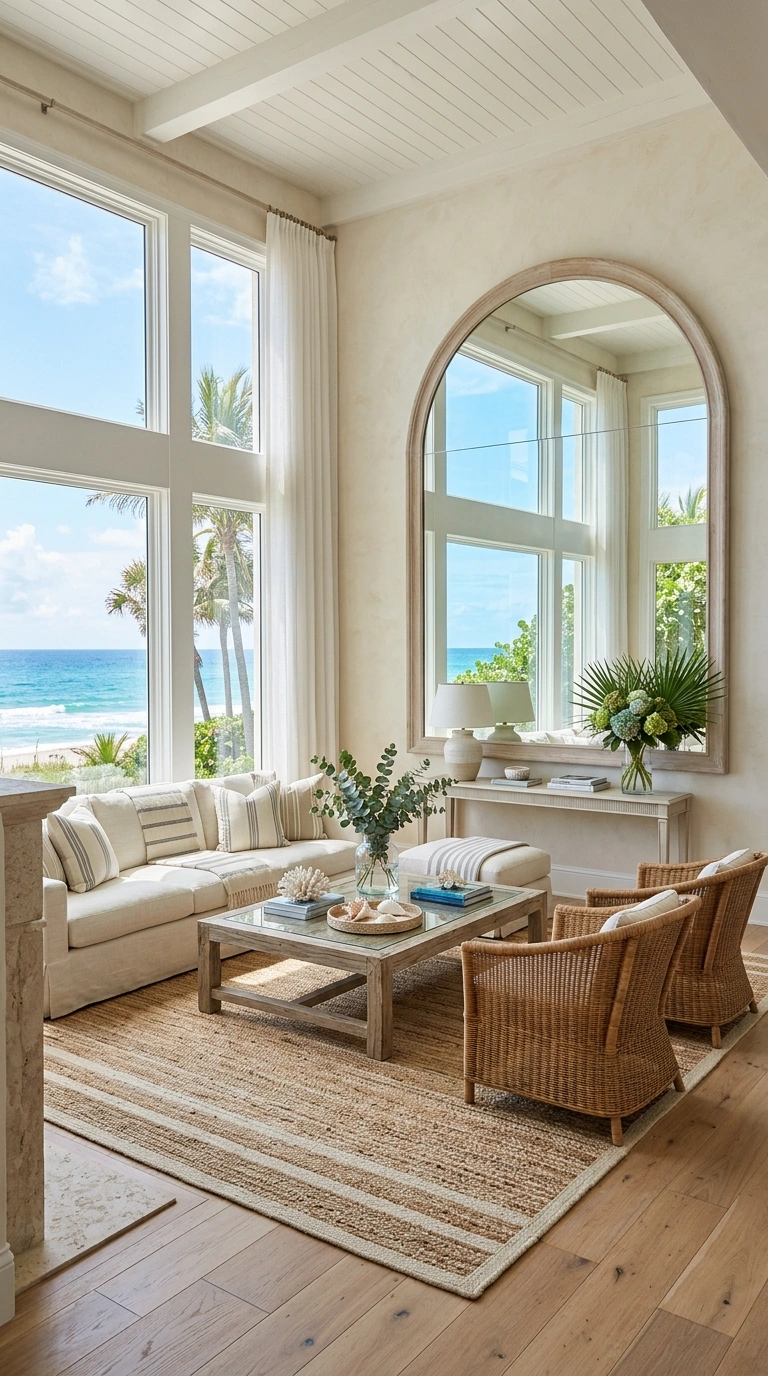
Placing a mirror directly across from a window instantly increases brightness and creates the illusion of extra space. This technique reflects natural light throughout the room and visually extends the view beyond the walls.
Choose a large mirror with a thin frame rather than several smaller mirrors. Black metal frames create a modern feel, while light wood frames add warmth and softness. Position the mirror where it can reflect greenery, outdoor views, or natural daylight. The reflection adds depth and makes the room feel more expansive. Combined with light-colored walls and minimal clutter, this arrangement creates a fresh and open atmosphere. It is one of the easiest ways to maximize visual space without changing furniture or layout.
7. Style a Narrow Console Behind Seating
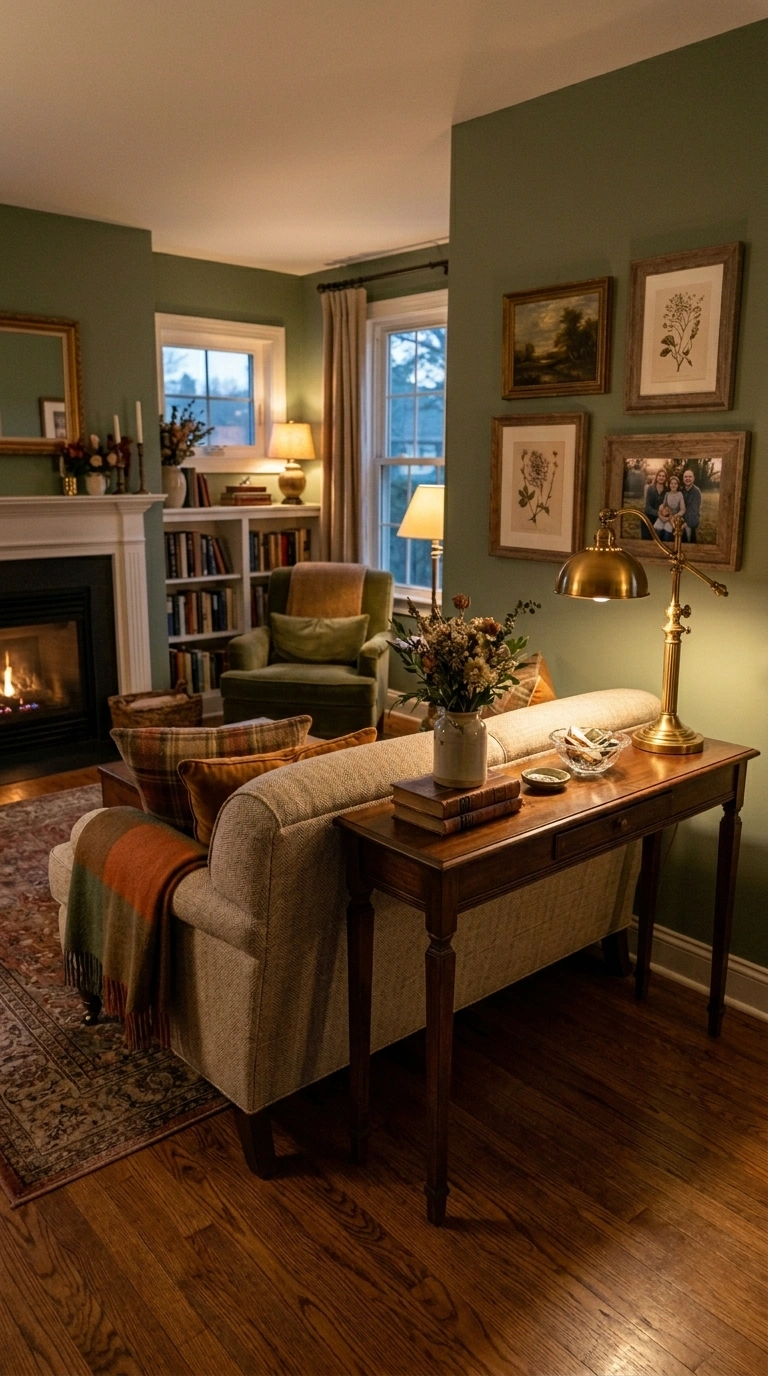
A slim console table behind the sofa adds function without consuming valuable floor space. This often-overlooked area can become a useful storage and display zone while helping define the room layout.
Select a console with a narrow profile and open design. Decorate it with a small lamp, stacked books, and a ceramic vase in neutral tones. A woven basket underneath provides hidden storage for blankets or magazines. The layered arrangement adds depth while maintaining a clean appearance. This setup works especially well in open-concept spaces where furniture helps establish boundaries. Instead of feeling crowded, the room gains organization and purpose. The result is a polished and efficient living area that feels carefully planned.
8. Mix Light Wood With Soft Textures
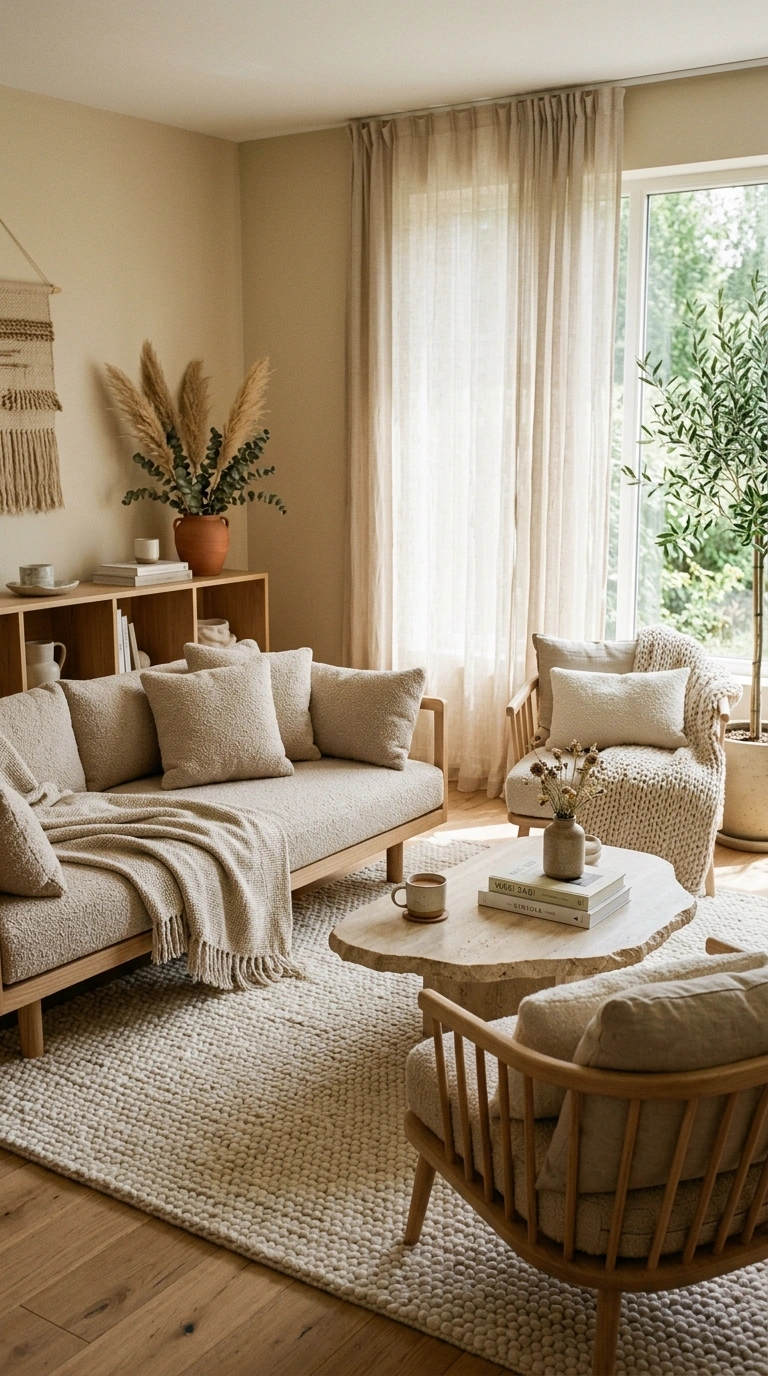
Combining light wood furniture with soft textures creates a bright and welcoming environment. Heavy dark finishes can sometimes make a compact room feel smaller, while lighter materials reflect more light and create visual openness.
Choose oak or ash wood for tables, shelving, or media units. Pair these surfaces with boucle cushions, knitted throws, and woven rugs in cream or sand tones. The contrast between smooth wood and cozy fabrics adds richness without visual clutter. Layering textures keeps the room interesting even when using a simple color palette. Natural materials also create a relaxed atmosphere that feels timeless and comfortable. This balanced approach helps a small living room feel larger while maintaining warmth and personality.
9. Turn Corners Into Functional Design Features
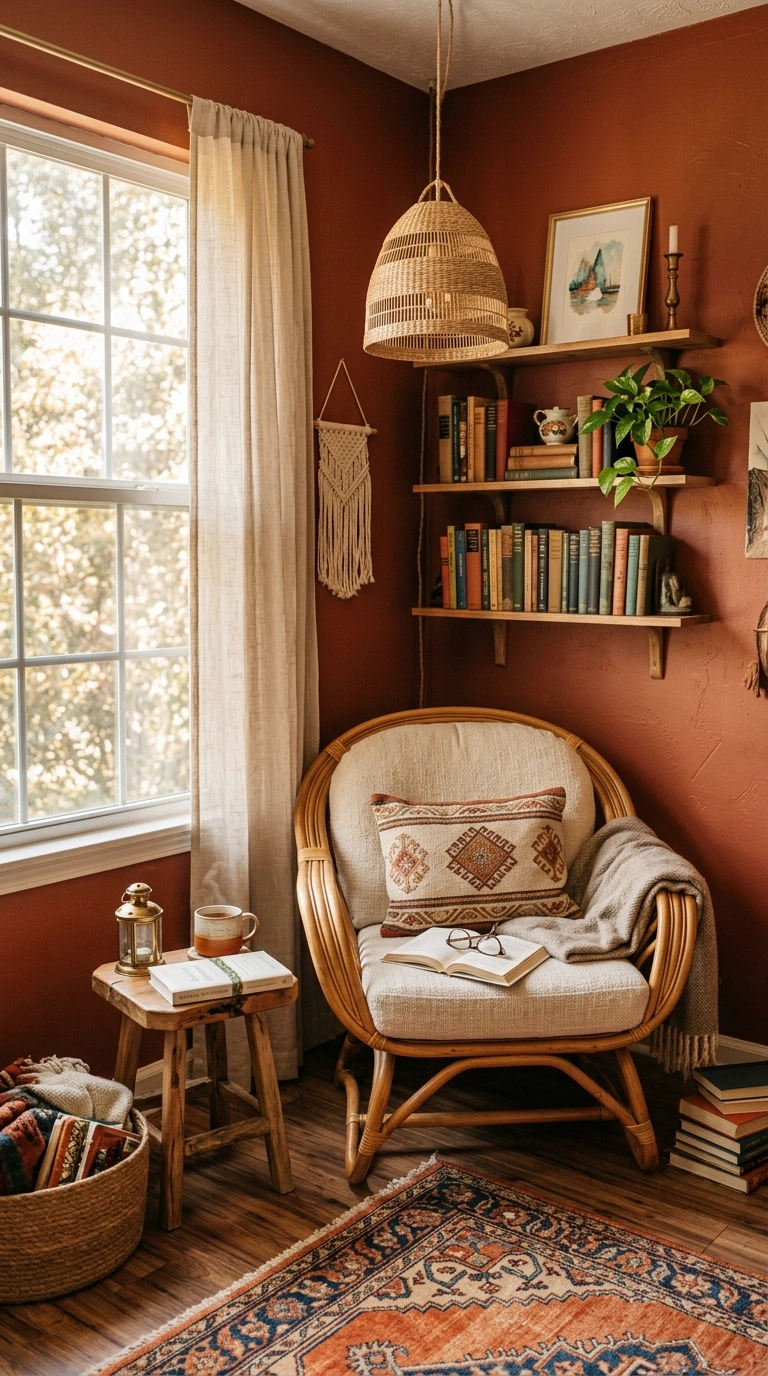
Unused corners offer valuable opportunities in a small living room. Instead of leaving them empty, transform them into attractive and useful areas that contribute to the overall design.
Place a comfortable accent chair in the corner with a small round side table and a reading lamp. A floating corner shelf can display books, plants, or decorative objects without taking up floor space. Choose soft fabrics and warm lighting to create a cozy retreat within the room. Making use of corners reduces wasted space and distributes visual interest throughout the area. The room feels more complete and functional while maintaining an open layout. Even a small corner can become one of the most inviting spots in the house.
10. Use One Large Rug Instead of Several Small Ones
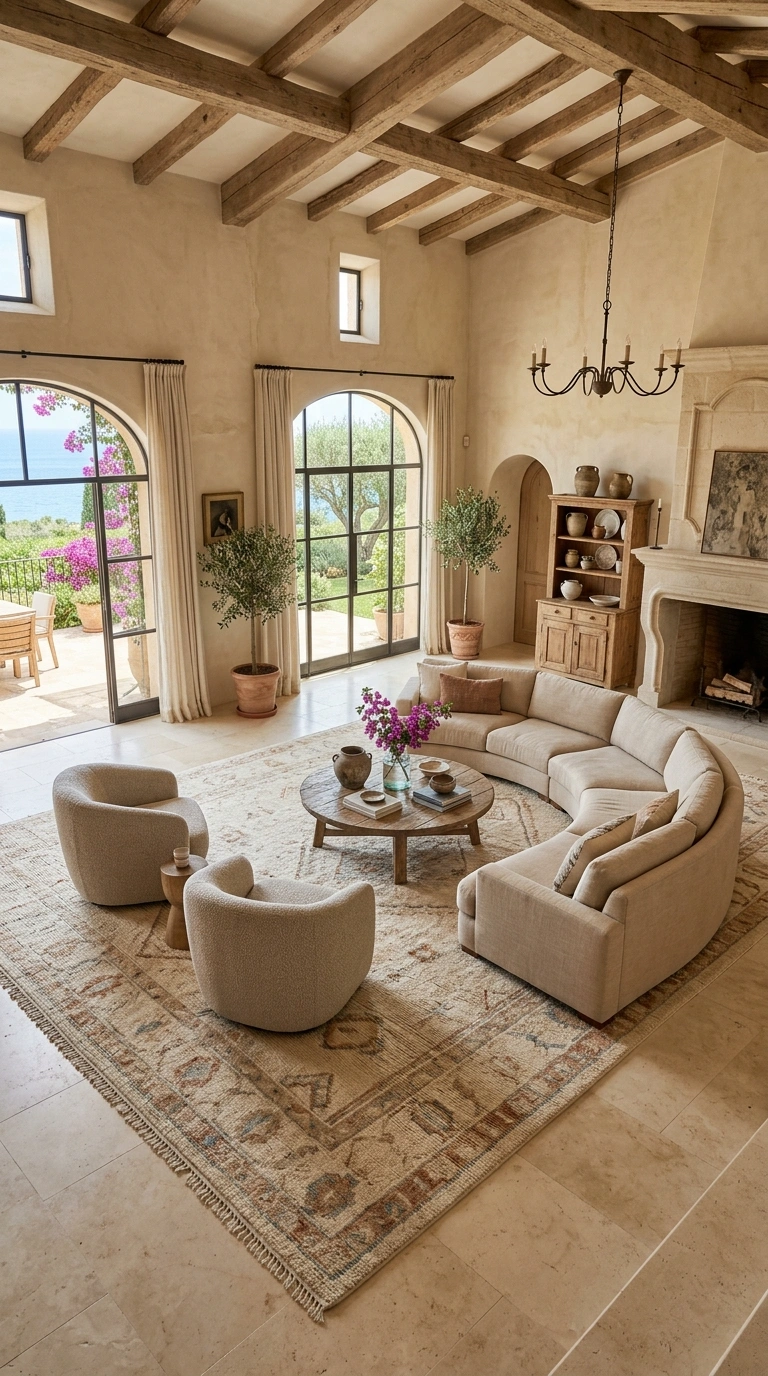
One large rug makes a room feel bigger by creating visual continuity. Multiple small rugs can break up the floor and make the space appear fragmented. A single oversized rug unifies the furniture and establishes a stronger sense of scale.
Choose a rug large enough to fit under at least the front legs of major furniture pieces. Neutral colors such as ivory, beige, or soft gray help maintain an open appearance. Subtle patterns add texture without overwhelming the room. Natural materials like wool or cotton provide comfort while supporting a clean design aesthetic. The larger visual footprint encourages the eye to see the room as one connected space rather than several smaller sections. This simple update can dramatically improve the overall feel of a compact living room.
11. Create Hidden Storage With Decorative Furniture
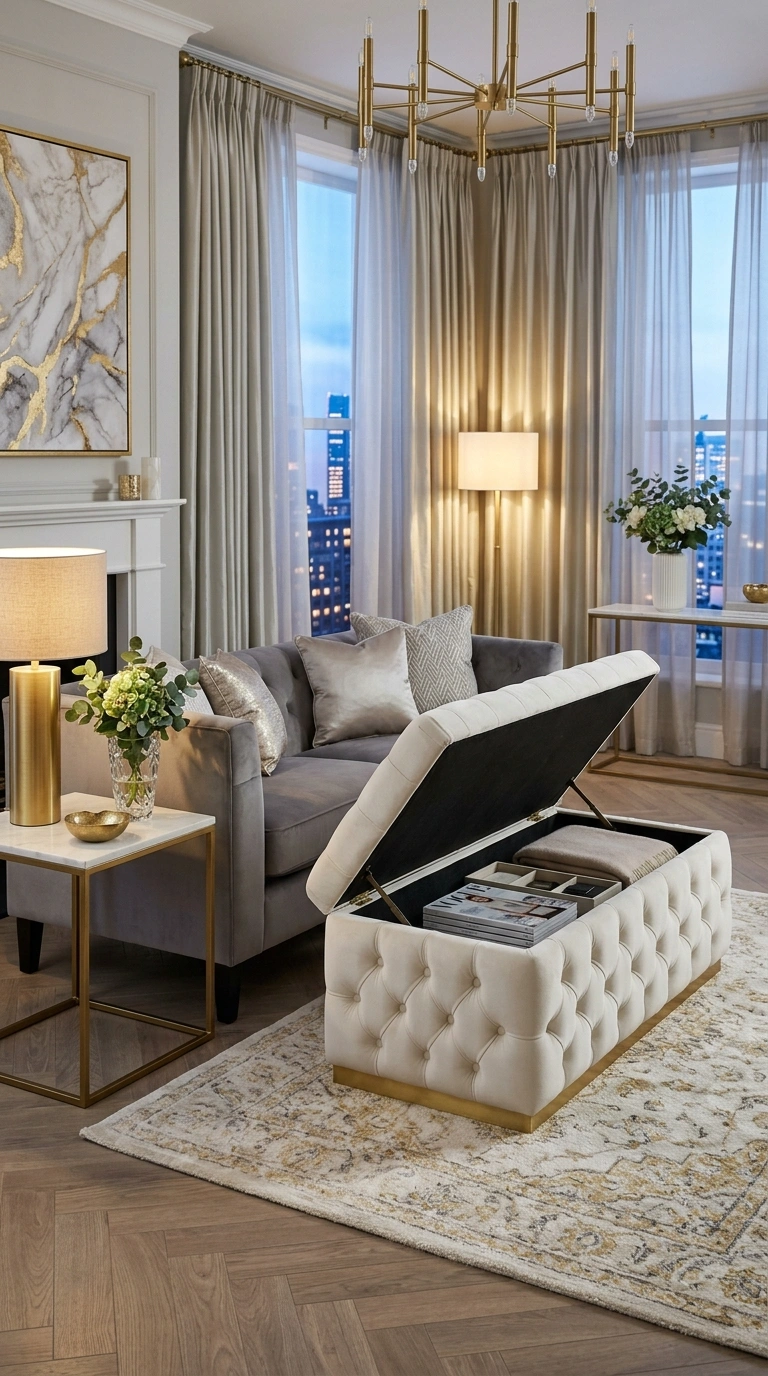
Furniture that doubles as storage helps reduce clutter while preserving style. In a small living room, every piece should serve a purpose. Hidden storage keeps everyday items accessible without leaving them on display.
Consider an upholstered ottoman with interior storage, a coffee table with concealed compartments, or a bench with lift-up seating. Choose finishes and fabrics that complement your existing décor. Soft beige upholstery, textured linen, and warm wood accents create a refined look while offering practical function. Store blankets, remote controls, books, or seasonal accessories inside these pieces. Removing visual clutter immediately makes the room feel larger and more organized. Functional furniture allows you to maintain a clean, relaxing environment while maximizing every inch of available space.
12. Install Floating Shelves Instead of Bulky Bookcases
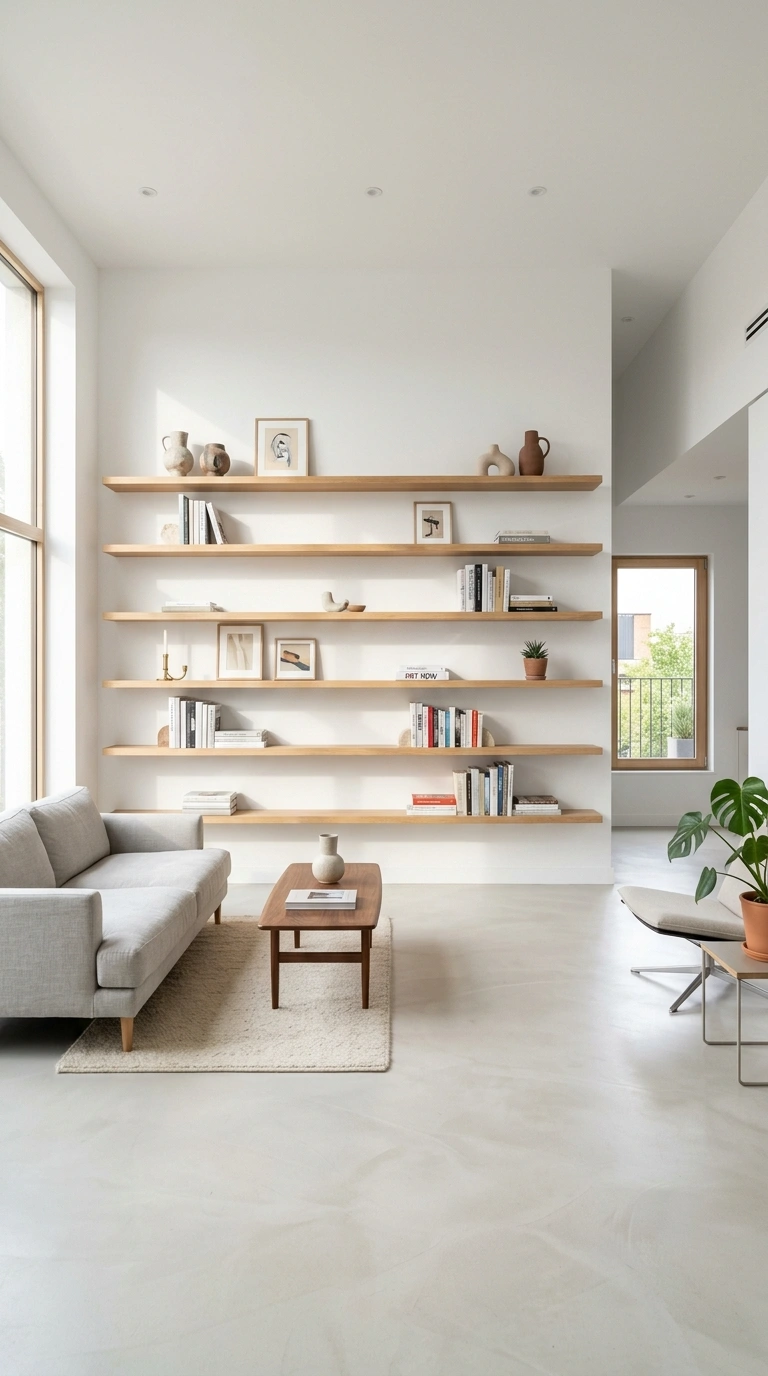
Floating shelves provide storage without making the room feel heavy. Large bookcases can dominate a small living room and take up valuable floor space. Floating shelves keep the floor visible, which helps the room feel more open and airy.
Choose slim wood shelves in light oak, ash, or painted white finishes. Arrange a mix of books, small plants, framed prints, and ceramic pieces while leaving empty space between objects. The breathing room prevents the shelves from looking crowded. Position shelves vertically to draw attention upward and create the illusion of taller walls. This setup offers storage and style while maintaining a clean look. Because the shelves appear to float, they add function without overwhelming the room.
13. Paint the Ceiling a Soft Neutral Shade

A softly colored ceiling can make a room feel taller and more inviting. Bright white ceilings sometimes create a harsh visual break between walls and ceiling. Using a gentle neutral tone helps create a smoother transition that expands the room visually.
Try pale beige, warm ivory, soft greige, or a very light sand color. Pair these shades with slightly lighter walls for a seamless effect. During the day, natural light will soften the entire room and create a calm atmosphere. In the evening, warm lighting enhances the cozy feeling. This subtle design choice works especially well in compact spaces because it reduces visual boundaries. The result is a room that feels balanced, bright, and larger than its actual size.
14. Use Nested Tables for Flexible Function
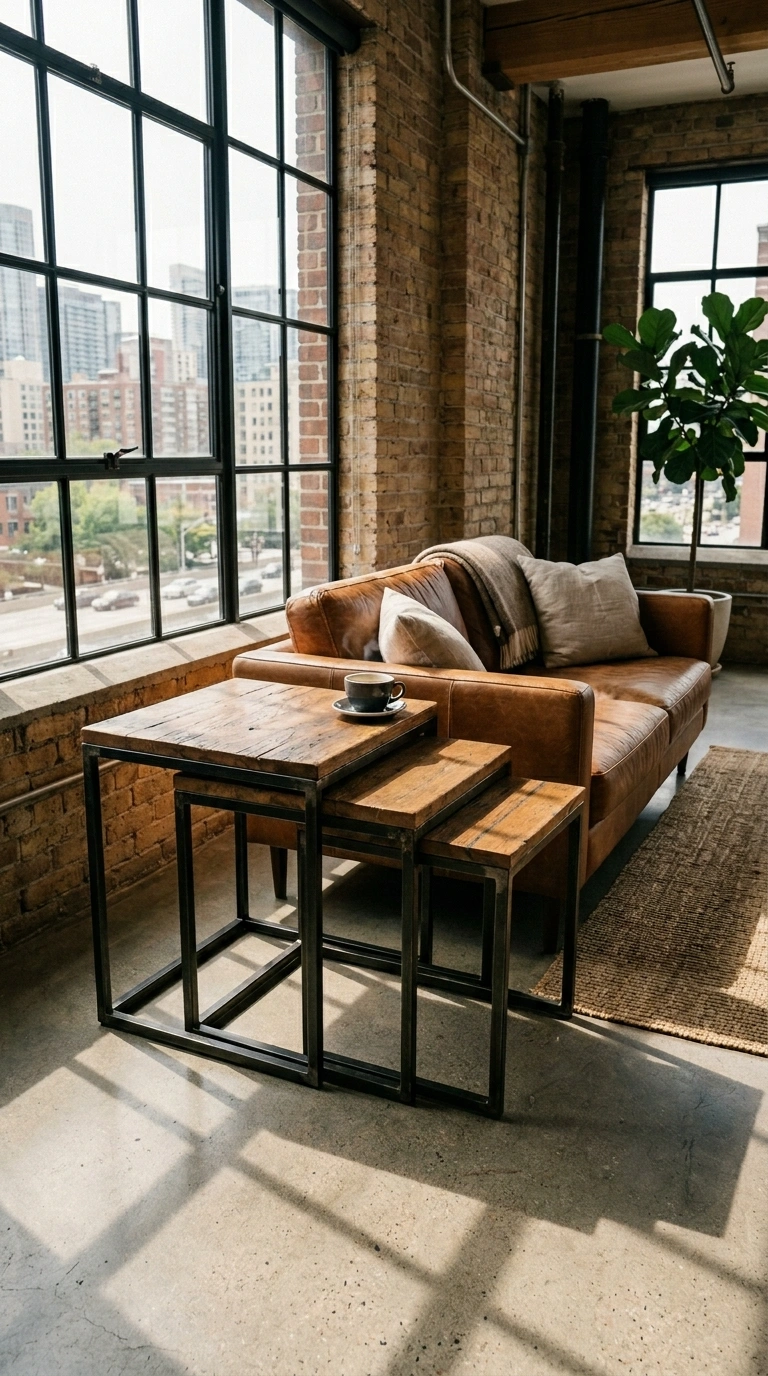
Nested tables offer flexibility without permanently occupying extra floor space. Traditional side tables can make a small living room feel cramped, especially when every inch matters. Nested designs provide additional surfaces only when you need them.
Choose a set that combines materials such as wood and metal, marble and brass, or glass and oak. Pull out the smaller table when guests visit, then slide it back underneath when finished. This arrangement keeps the room adaptable and uncluttered. The layered look also adds visual interest without requiring extra décor. Compact furniture that changes with your needs makes everyday living easier while helping maintain an open and spacious environment.
15. Add Floor-Length Curtains Close to the Ceiling
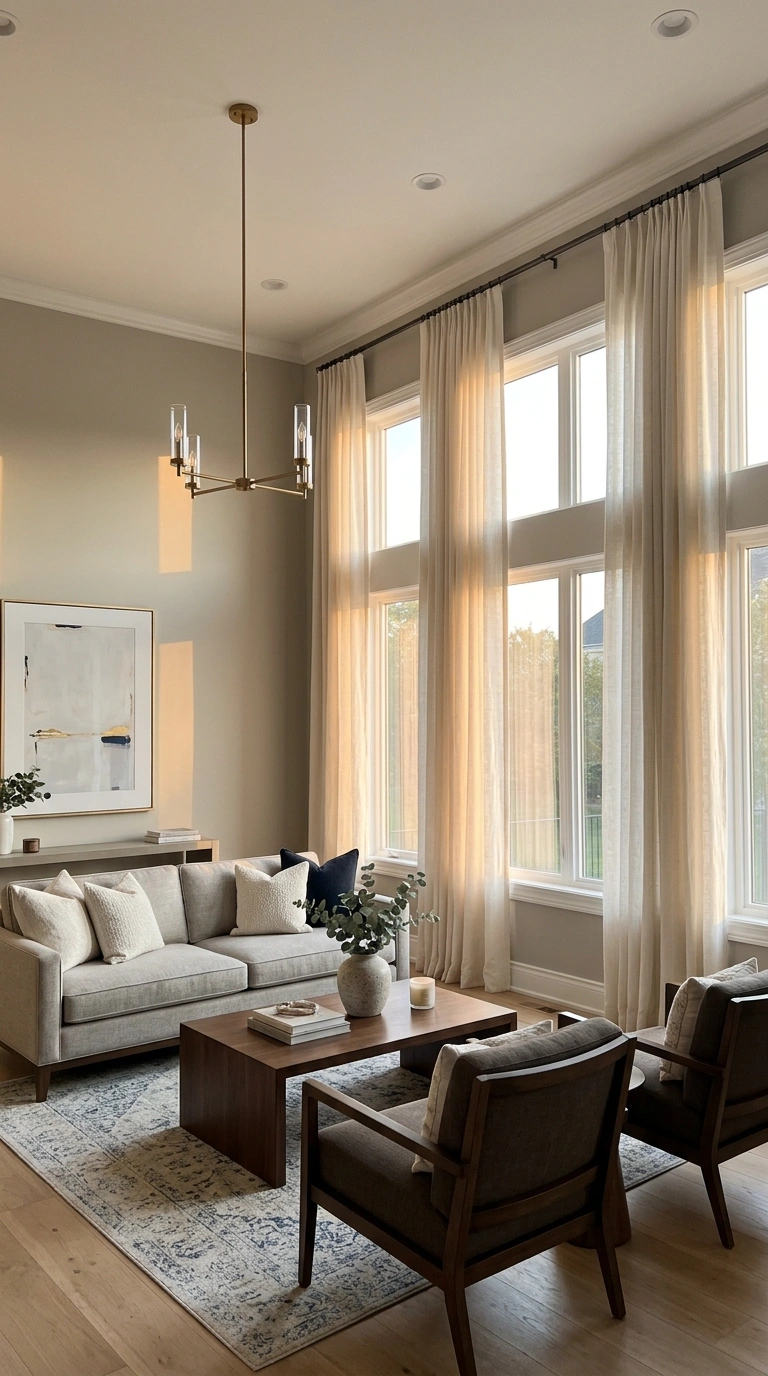
Floor-length curtains installed near the ceiling instantly create the impression of taller walls. Hanging curtains directly above the window often emphasizes the room’s limited height. Raising the curtain rod changes the visual proportions of the space.
Choose lightweight fabrics such as linen, cotton blends, or sheer materials in soft neutral shades. Let the fabric gently touch the floor for a polished appearance. Light-filtering curtains allow sunlight to enter while maintaining privacy. The vertical lines naturally draw the eye upward, making the room appear larger and more elegant. This simple adjustment requires little effort but delivers a noticeable improvement in how spacious the room feels.
16. Use a Compact Daybed Instead of a Traditional Sofa
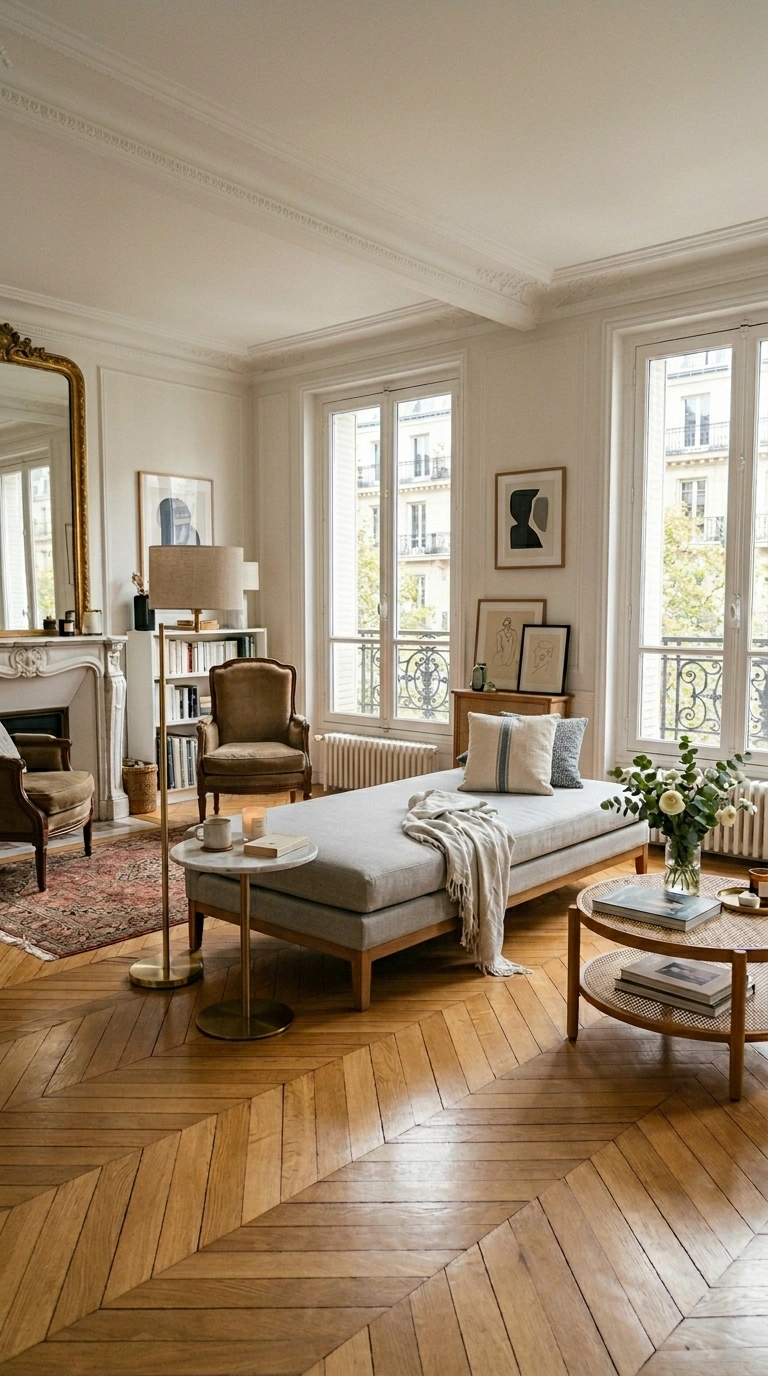
A daybed offers seating, lounging, and guest accommodations while taking up less visual space than many traditional sofas. Its streamlined shape creates a lighter appearance and allows the room to feel more flexible.
Select a design with slim arms or no arms at all. Upholstery in soft cream, beige, or muted gray keeps the look fresh and airy. Layer textured cushions and a lightweight throw blanket for comfort. During the day, the daybed functions as a stylish seating area. At night, it can accommodate overnight guests when needed. This multipurpose furniture solution works particularly well in apartments and compact homes where versatility matters.
17. Introduce Glass and Acrylic Furniture Pieces
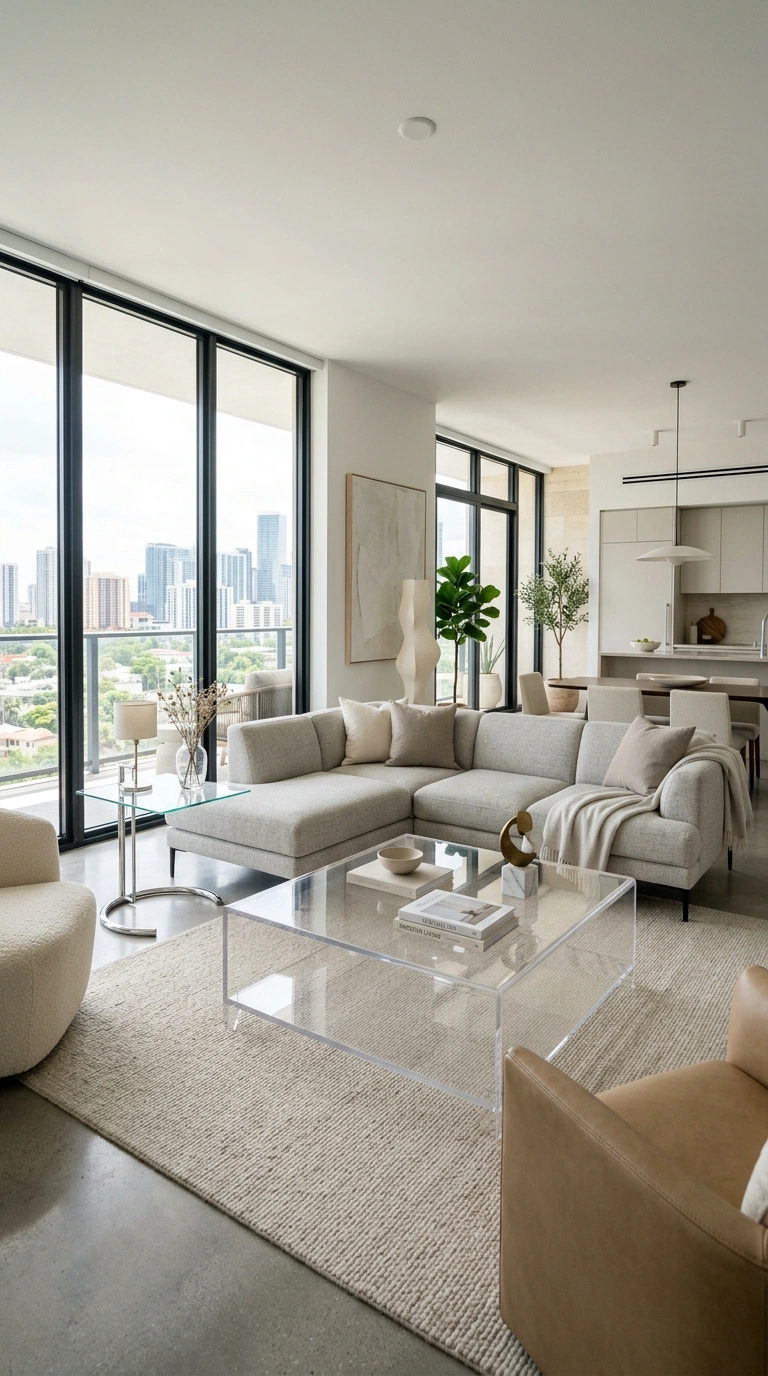
Transparent furniture helps maintain an open visual flow. Solid furniture can interrupt sightlines and make a room feel crowded. Glass and acrylic pieces allow light to pass through, reducing visual weight.
Consider a glass coffee table, acrylic side table, or transparent console. These pieces provide practical surfaces while appearing almost invisible within the room. Pair them with textured fabrics, warm wood accents, and natural greenery to prevent the space from feeling cold. Because transparent furniture does not block views across the room, the area appears larger and less cluttered. This modern design strategy works exceptionally well in small living spaces.
18. Create a Tonal Color Palette
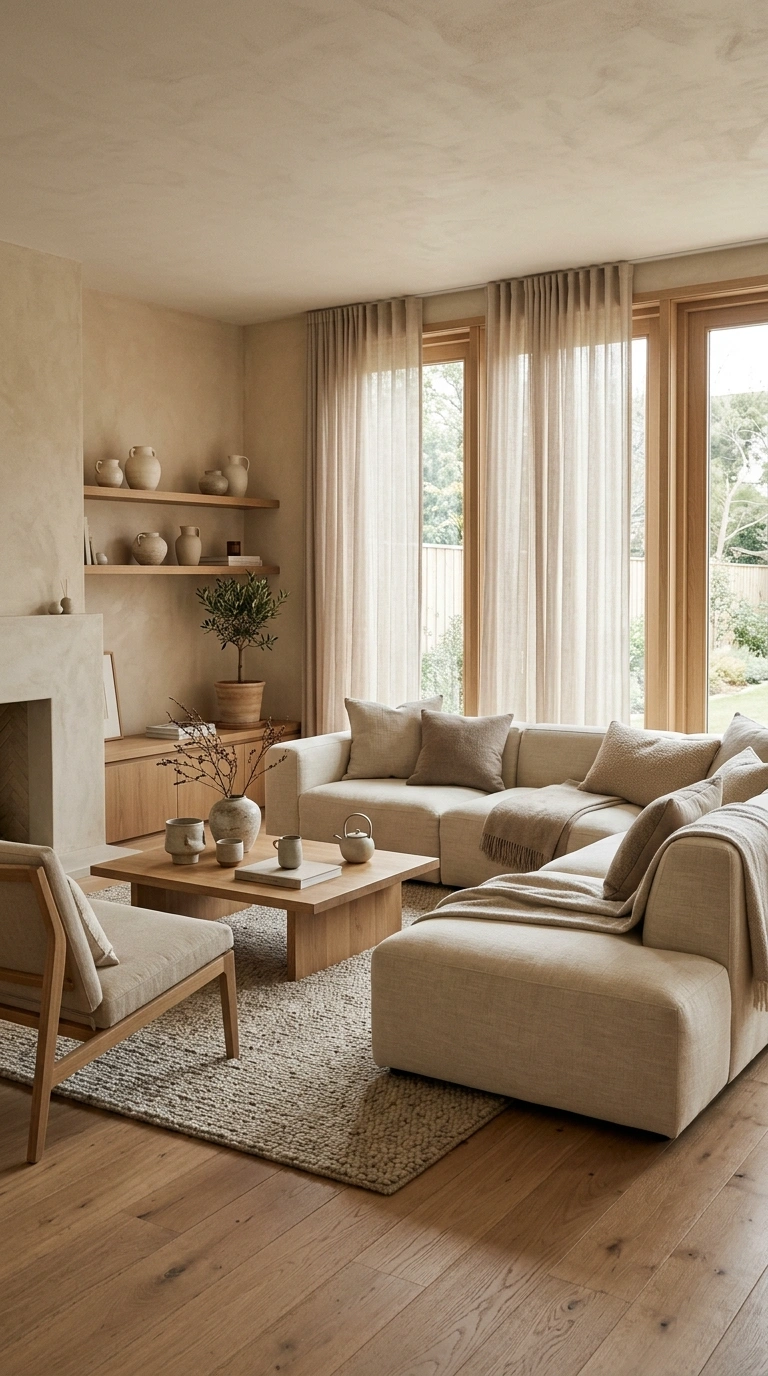
A tonal color palette helps unify the room and reduces visual interruptions. Too many contrasting colors can make a compact space feel busy and fragmented. Working within one color family creates a calm and spacious effect.
Start with a base color such as beige, warm gray, soft sage, or creamy white. Layer lighter and darker versions of that shade throughout furniture, textiles, and accessories. Add texture through woven fabrics, natural wood, stone surfaces, and ceramic décor. The subtle variation keeps the room interesting while maintaining harmony. This approach creates a sophisticated look that feels open, peaceful, and easy to live with every day.
19. Place Furniture on Angles in Awkward Rooms

Angled furniture placement can solve layout challenges in narrow or unusually shaped living rooms. While straight arrangements work in many spaces, they sometimes highlight size limitations rather than improving them.
Position an accent chair diagonally in a corner or angle a small sofa slightly toward a focal point. This arrangement creates dynamic movement and softens rigid lines. Pair the layout with a round coffee table and layered lighting to enhance the effect. The unexpected positioning makes the room feel thoughtfully designed while improving traffic flow. In some small spaces, a slight angle creates a more spacious feeling than a traditional straight layout.
20. Use Large Artwork Instead of Many Small Pieces
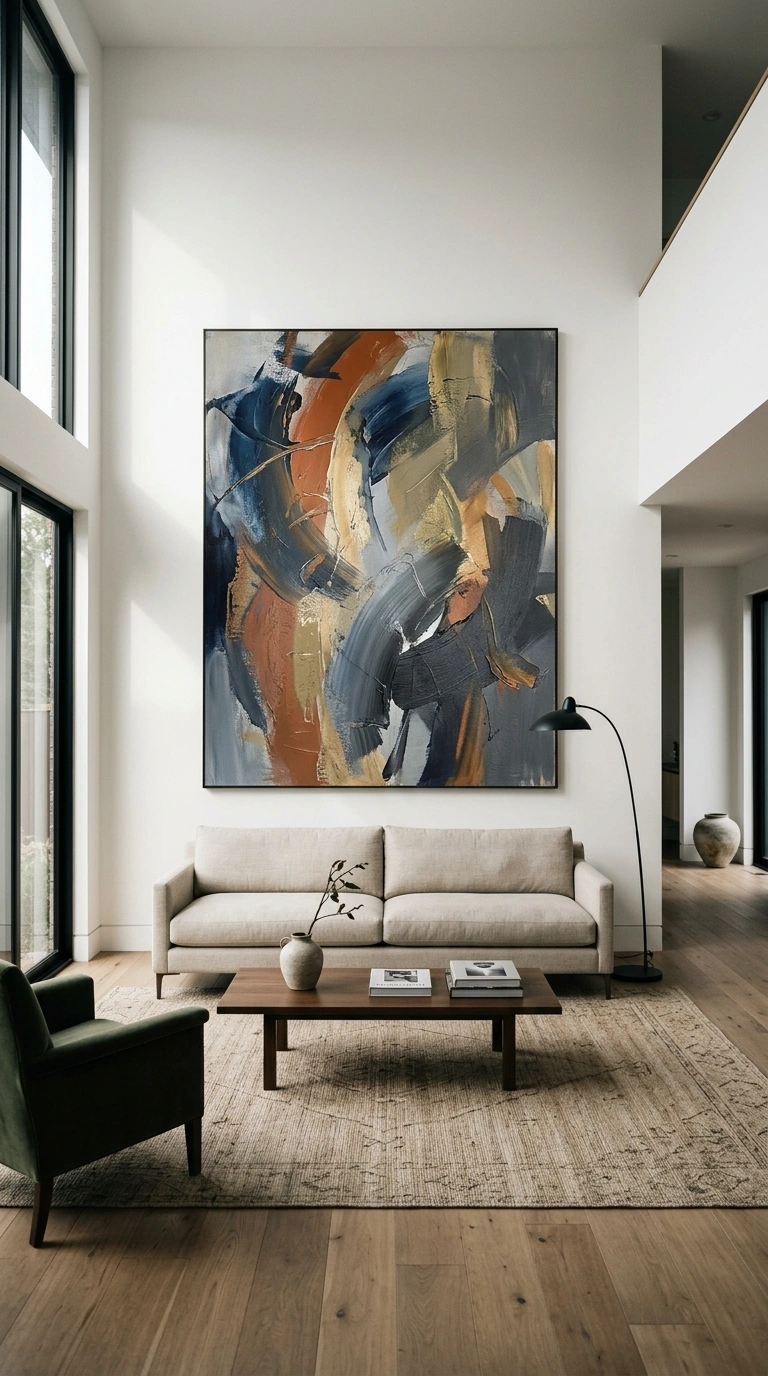
One large artwork creates a strong focal point without adding visual clutter. Multiple small frames can make walls appear busy and crowded. A single oversized piece provides impact while maintaining simplicity.
Choose artwork with soft colors that complement the room palette. Abstract landscapes, textured canvas art, or minimalist prints work especially well in compact spaces. Center the artwork above the sofa or another key furniture piece. The large scale helps the wall feel more expansive and organized. This design choice simplifies the room while adding personality and visual interest. A clear focal point also helps guide the eye through the space.
21. Bring Nature Indoors With Tall Greenery
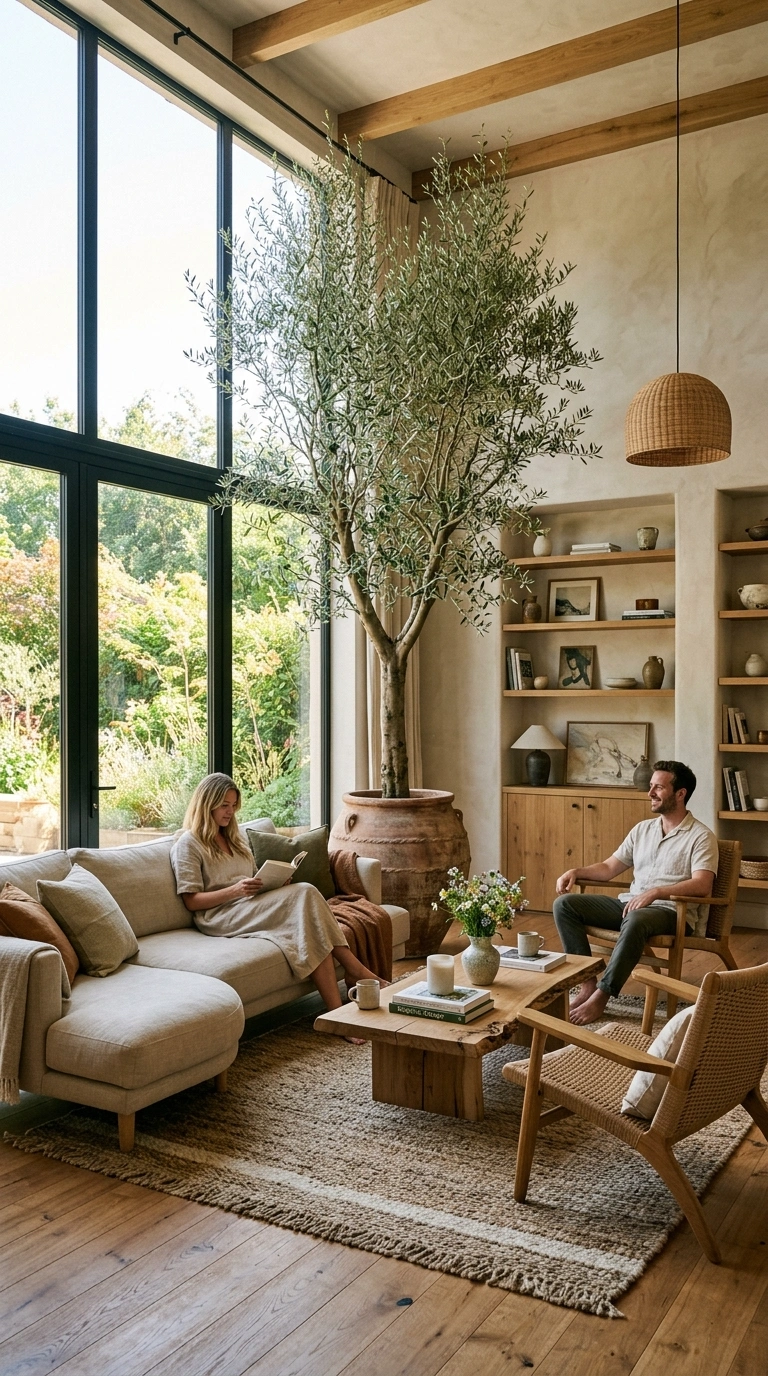
Tall plants add height, texture, and life without consuming much floor space. Unlike bulky furniture or decorative accessories, vertical greenery contributes visual interest while maintaining openness.
Place a tall plant such as a fiddle-leaf fig, olive tree, or indoor palm near a window where natural light is available. Use a simple woven basket or ceramic planter that complements your décor. The organic shapes soften furniture lines and add freshness to the room. Greenery naturally draws the eye upward, helping ceilings appear taller. It also introduces color in a subtle way that works with almost any design style. A well-placed plant can make a small living room feel brighter, larger, and more welcoming.
Conclusion
Creating a larger-looking living room does not require knocking down walls or starting from scratch. Small design choices often deliver the biggest results. By using smart furniture layouts, layered lighting, vertical design elements, hidden storage, and carefully selected materials, you can transform even the most compact space into a room that feels open, comfortable, and stylish.
The best small living room ideas combine beauty and function. Every piece should serve a purpose while contributing to a brighter and more spacious atmosphere. Whether you start with a floating sofa, a large mirror, a tonal color palette, or multifunctional furniture, each change can make a noticeable difference.
Save your favorite ideas, mix the ones that fit your style, and create a living room that feels bigger, works smarter, and reflects your personality every day.
FAQs
How can I make a small living room look bigger?
You can make a small living room look bigger by using light colors, adding mirrors, choosing furniture with visible legs, and keeping the layout open. Large rugs, floor-length curtains, and layered lighting also help create the illusion of more space. Focus on reducing visual clutter and maximizing natural light for the best results.
What colors work best in a small living room?
Soft neutrals such as beige, ivory, warm white, light gray, and pale greige work especially well in small living rooms. These shades reflect light and make walls appear farther apart. You can add depth with different tones of the same color and introduce texture through fabrics, wood, and decorative accessories.
What type of furniture is best for a small living room?
Furniture that serves multiple purposes works best in compact spaces. Storage ottomans, nesting tables, slim-profile sofas, floating shelves, and lift-top coffee tables help maximize functionality without overcrowding the room. Look for pieces with clean lines and open bases to maintain an airy feel.
Should I use a large or small rug in a small living room?
A large rug usually works better than several small rugs. An oversized rug helps unify the furniture and creates a sense of continuity throughout the room. This makes the space feel larger and more organized while reducing visual breaks across the floor.
Are dark colors bad for small living rooms?
Dark colors are not always a bad choice. When used thoughtfully, darker shades can add depth and create a cozy atmosphere. The key is balancing them with lighter furniture, reflective surfaces, good lighting, and natural textures so the room does not feel closed in.
How do I arrange furniture in a small living room?
Start by identifying the room’s main focal point, such as a window, fireplace, or television. Position seating to support conversation and maintain clear walking paths. Avoid blocking natural light sources, and consider floating furniture slightly away from walls to create visual depth and better flow.
Can mirrors really make a room feel larger?
Yes, mirrors can significantly increase the feeling of space. A large mirror placed opposite a window reflects natural light and expands the visual depth of the room. This simple design trick makes a small living room feel brighter, more open, and less confined.
What lighting is best for a small living room?
Layered lighting creates the best results. Combine ceiling fixtures, table lamps, floor lamps, and wall lighting to add depth and reduce shadows. Warm white bulbs create a welcoming atmosphere while helping the room feel more spacious and comfortable.
How do I reduce clutter in a small living room?
Choose furniture with hidden storage, use baskets for organization, and keep decorative accessories minimal. Floating shelves and multifunctional furniture help store everyday items while maintaining a clean appearance. A clutter-free room naturally feels larger and more relaxing.
What is the biggest mistake people make in small living rooms?
One of the most common mistakes is choosing oversized furniture that overwhelms the space. Another mistake is filling every wall and surface with décor. Selecting appropriately scaled furniture, maintaining open floor space, and focusing on a few well-chosen design elements creates a more balanced and spacious look.