19 Open Shelf Kitchen Styling Tips That Make Your Space Look Designer-Made
Key Takeaways
- Open shelf kitchen styling works best when beauty and function feel balanced together.
- Soft neutral colors help shelves look calm, bright, and visually organized.
- Mixing textures like wood, ceramic, glass, and linen adds warmth and depth.
- Empty space between objects keeps shelves from feeling crowded or messy.
- Everyday kitchen items can double as stylish décor when arranged thoughtfully.
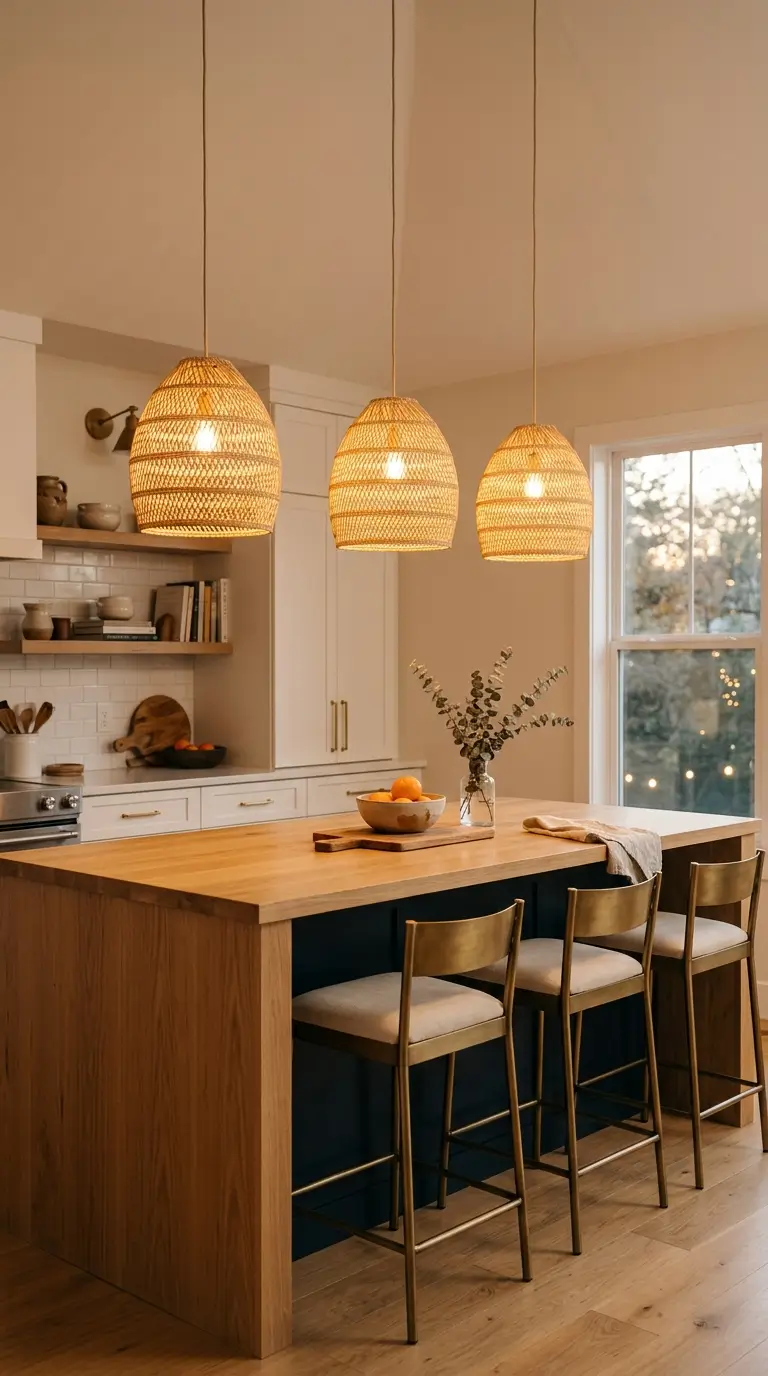
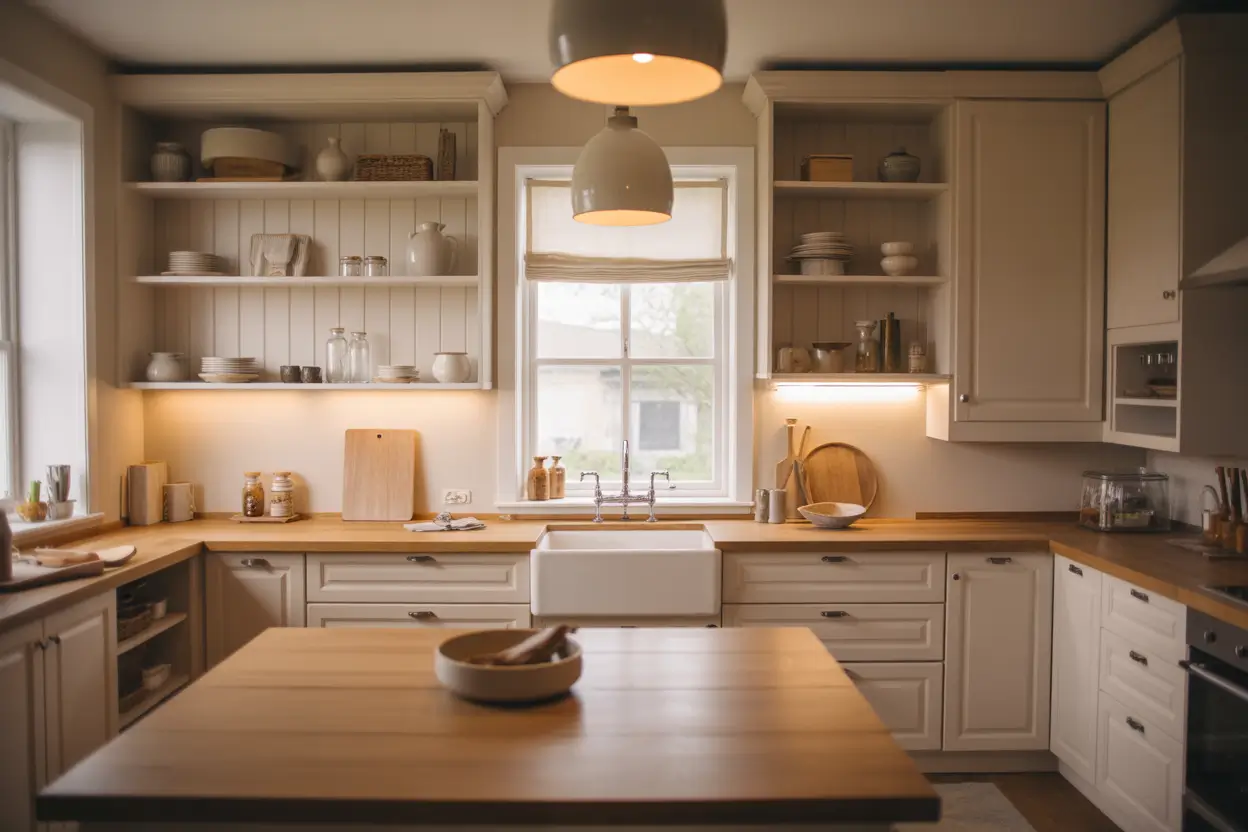
- Warm lighting makes open shelves feel cozy and more designer-inspired.
- Small plants and natural materials bring freshness into the kitchen naturally.
- Grouping items by color, shape, or height creates a cleaner visual flow.
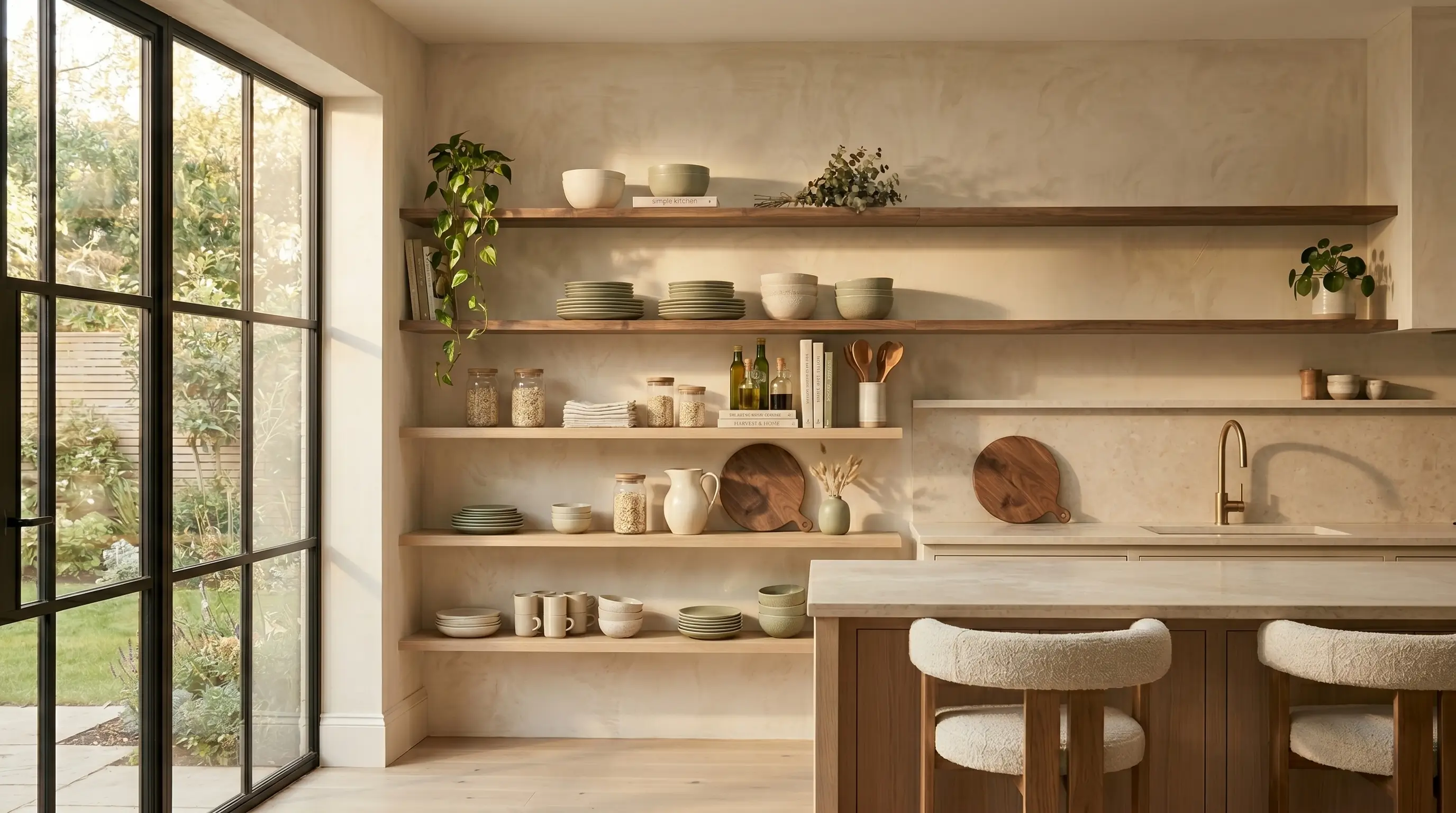
Open shelves can completely change the mood of a kitchen when they are styled with purpose instead of filled randomly. They make small kitchens feel open, help everyday items become part of the décor, and create a warm lived-in look that feels personal. The secret is balancing beauty with function so your shelves stay easy to use while still looking Pinterest-worthy. These ideas focus on color, texture, lighting, layout, and practical styling tricks that instantly upgrade your kitchen without a full renovation. Each tip gives you simple ways to create shelves that feel organized, fresh, and visually inspiring. Whether your style feels modern, cozy, rustic, or minimal, these ideas help you build shelves that look polished in real life and in photos.
1. Layer Soft Neutral Colors for a Calm Look
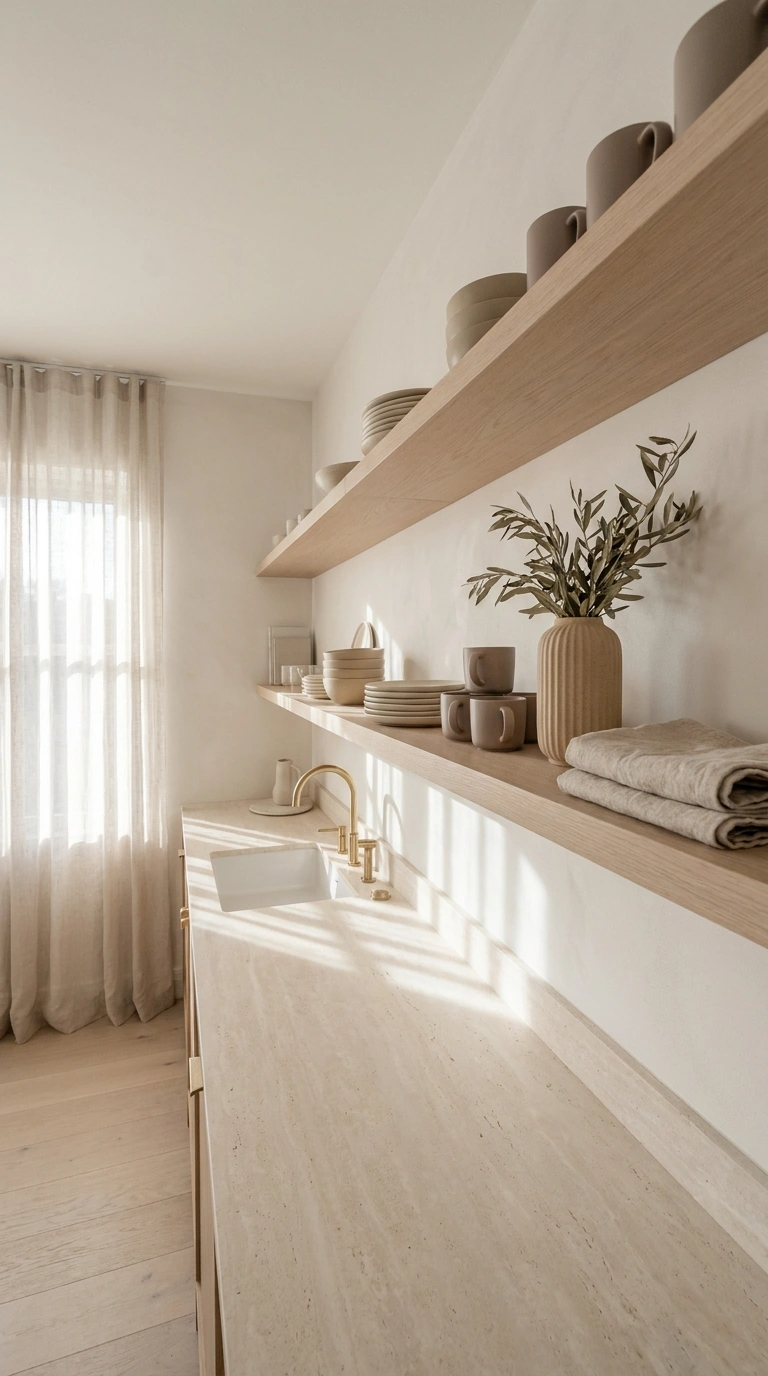
Instead of using perfectly matching dishes, layer soft neutral shades to make your open shelf kitchen styling feel natural and designer-inspired. Mix creamy white plates with warm beige bowls, pale gray mugs, and light oak cutting boards to create depth without clutter. Repeat each color two or three times across the shelves so the arrangement feels balanced and intentional. Matte ceramic finishes work especially well because they reflect light softly and make the kitchen feel calm. Add linen kitchen towels in sandy or oatmeal tones for extra texture. This styling trick works beautifully in both small and large kitchens because light colors visually open the space. Natural morning light makes these soft tones glow beautifully, which also helps your shelves look stunning in Pinterest photos. Keep darker pieces minimal so the shelves stay airy and relaxed.
2. Use One Oversized Item to Anchor the Shelf
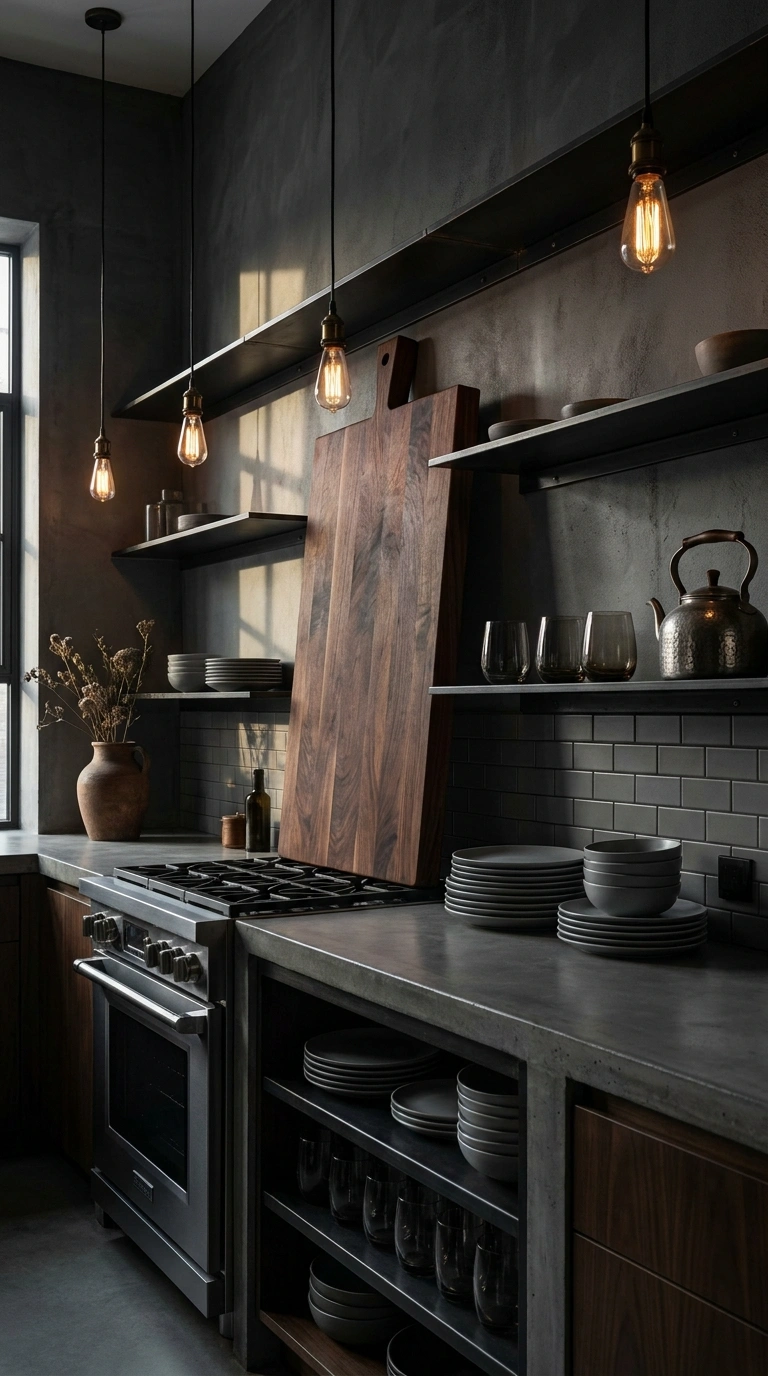
Every shelf arrangement needs one larger object to stop the display from looking flat or crowded. A tall wooden cutting board, oversized ceramic vase, framed print, or large serving bowl creates structure and helps smaller items stand out more clearly. Lean the oversized piece slightly against the wall instead of placing it flat because angled layers add visual movement. Warm walnut wood instantly makes white kitchens feel richer and more welcoming. In modern kitchens, black stone trays or textured clay pieces create a bold focal point without adding clutter. This simple styling trick also keeps shelves from looking too symmetrical or stiff. Pair the larger object with stacked plates or smaller glass jars beside it to create balance. The contrast between large and small shapes gives shelves a more collected and high-end appearance.
3. Mix Wood Textures With Smooth Ceramics
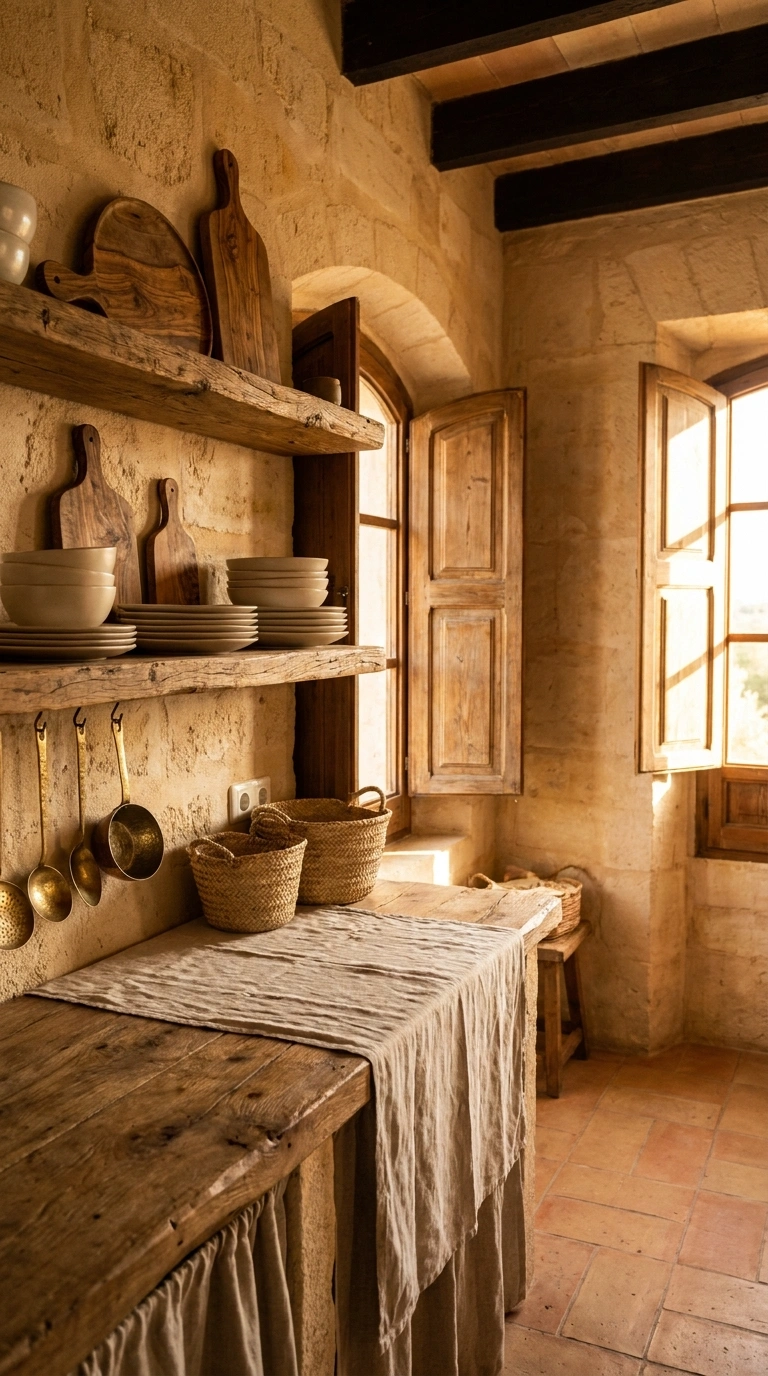
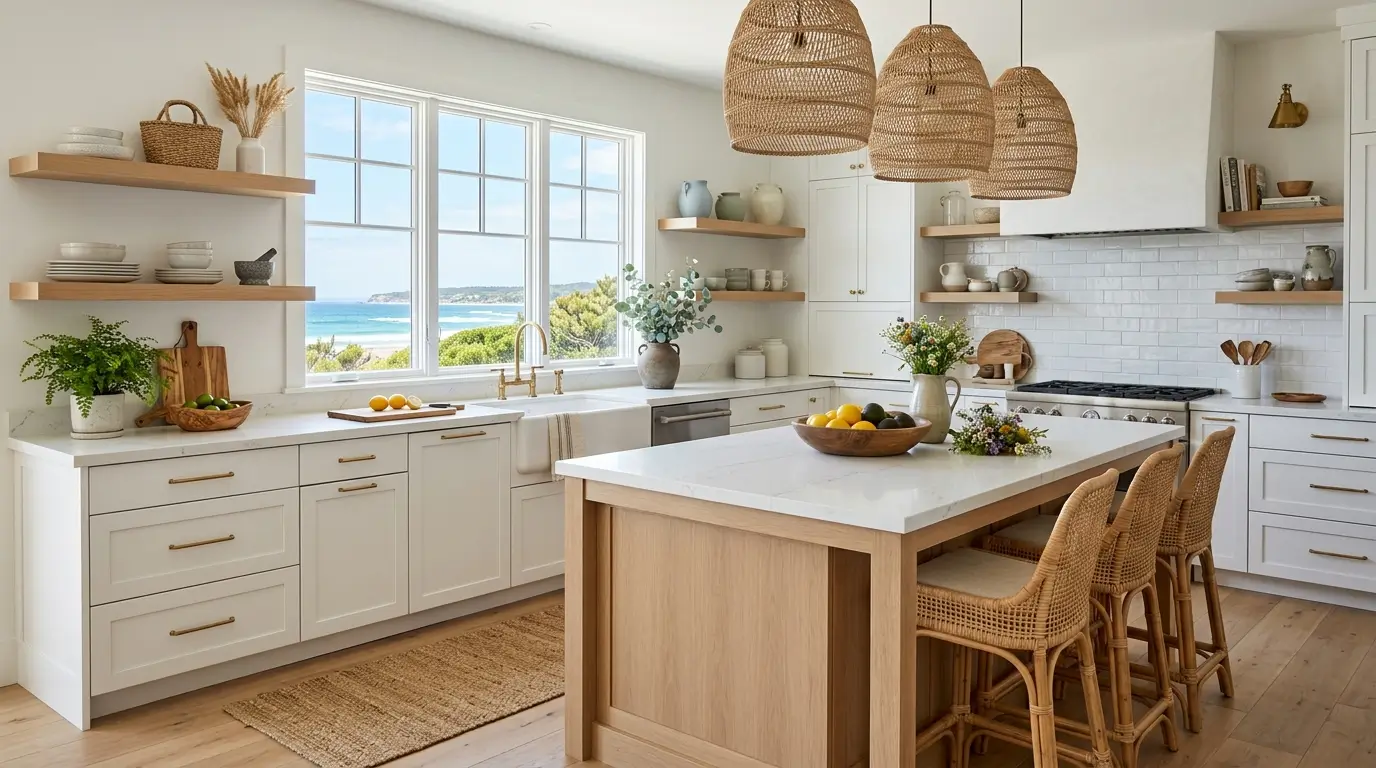
One easy way to make shelves feel warm and inviting is combining natural wood textures with smooth ceramic pieces. Light oak shelves paired with matte white dishes create a clean modern farmhouse feel without looking overly rustic. Dark walnut boards beside soft cream pottery add richness and depth to neutral kitchens. Use woven baskets, wooden spoons, or handmade trays to bring extra texture into the display naturally. Smooth ceramics alone can sometimes feel cold, but wood softens the overall look instantly. Try placing stacked bowls beside a rough wooden board for an effortless layered effect. Natural materials also age beautifully over time, which helps the shelves feel more personal instead of overly staged. This mix of textures works especially well under warm lighting because the wood tones create a cozy glow throughout the kitchen.
4. Leave Empty Space Between Objects
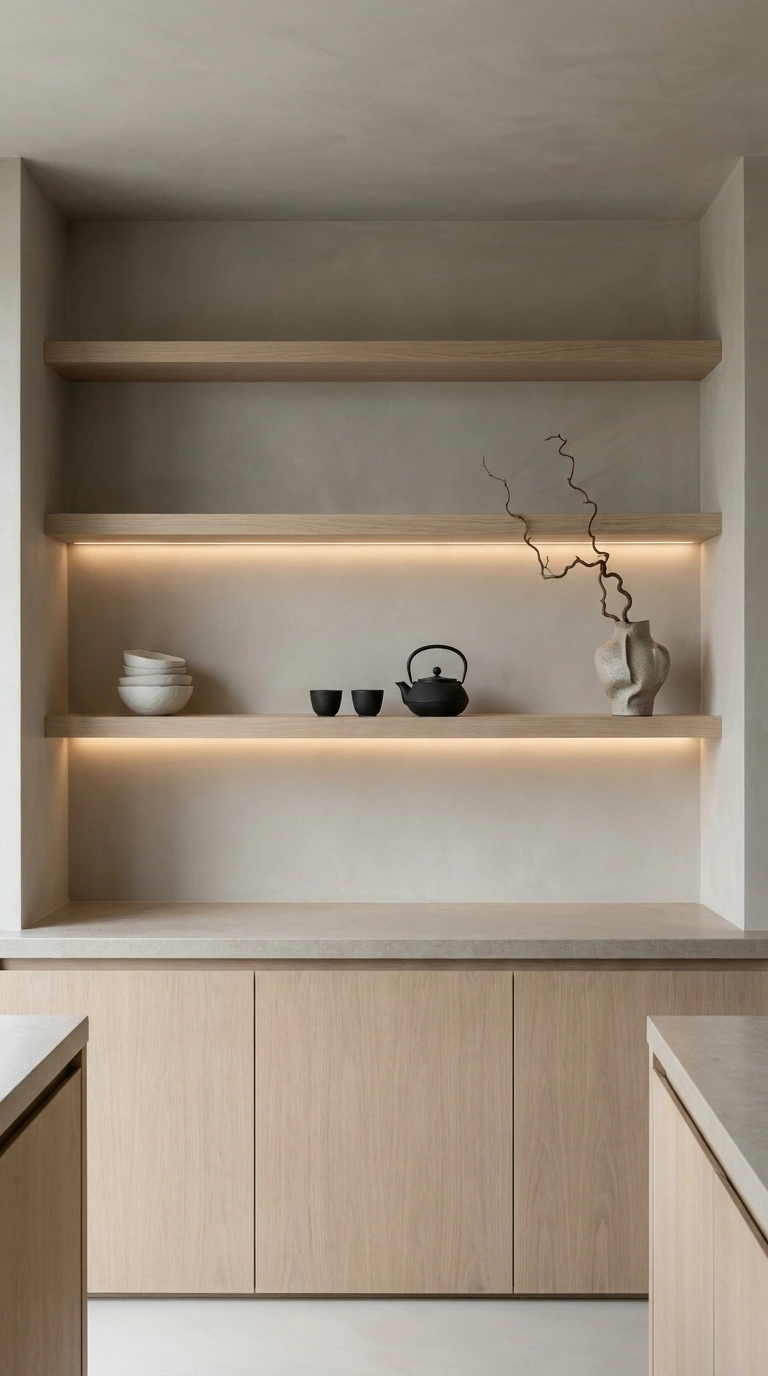
One of the biggest styling mistakes is filling every inch of shelf space with décor and dishes. Empty space actually makes your shelves look cleaner, brighter, and more expensive because the eye can rest between objects. Leave small gaps between stacks of plates, glassware, and decorative pieces so each item feels intentional. Open space also helps natural light move through the shelves more easily, making the kitchen feel larger. If your shelves feel crowded, remove one-third of the items first before rearranging. A few carefully placed pieces always look better than too many small decorations. Minimal spacing works especially well in modern kitchens with white walls and floating wood shelves. This simple trick instantly creates the calm Pinterest-style aesthetic people save most often for kitchen inspiration.
5. Style Everyday Items Like Décor
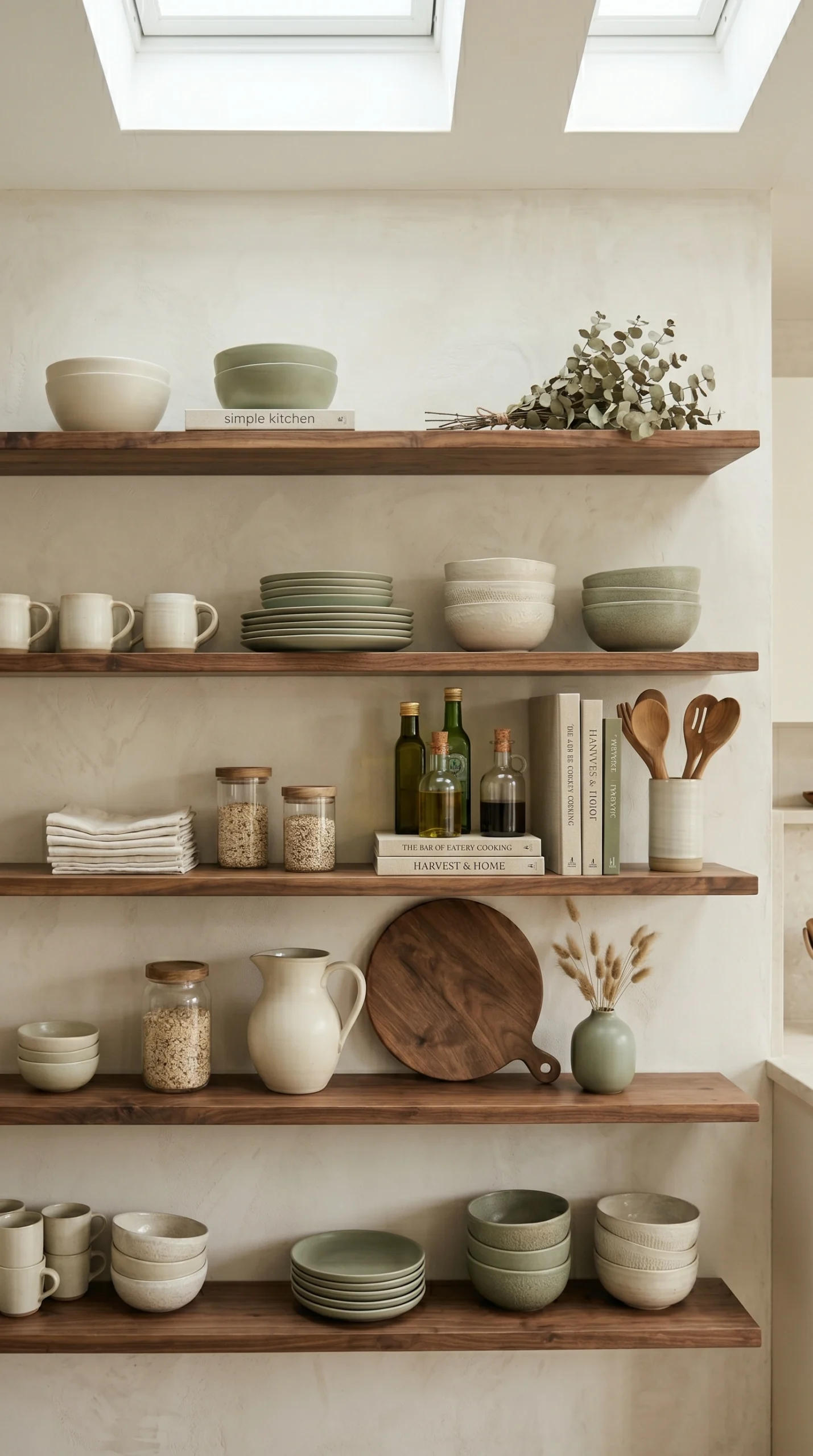
The best open shelves combine beauty with practicality by turning everyday kitchen essentials into part of the design. Stack daily plates neatly, arrange drinking glasses by height, and place cooking oils in matching bottles for a polished look. Wooden utensils in a ceramic crock can become a decorative detail instead of hidden storage. Choose items you genuinely use so the shelves stay functional and easy to maintain. Clear glass jars filled with pasta, coffee beans, or oats also add texture while keeping ingredients accessible. This styling approach prevents shelves from feeling fake or overly decorative. Kitchens look warmer and more welcoming when useful items are displayed thoughtfully instead of hidden away. Keeping the arrangement practical also makes it easier to maintain the clean styled appearance every day.
6. Add Small Plants for Freshness
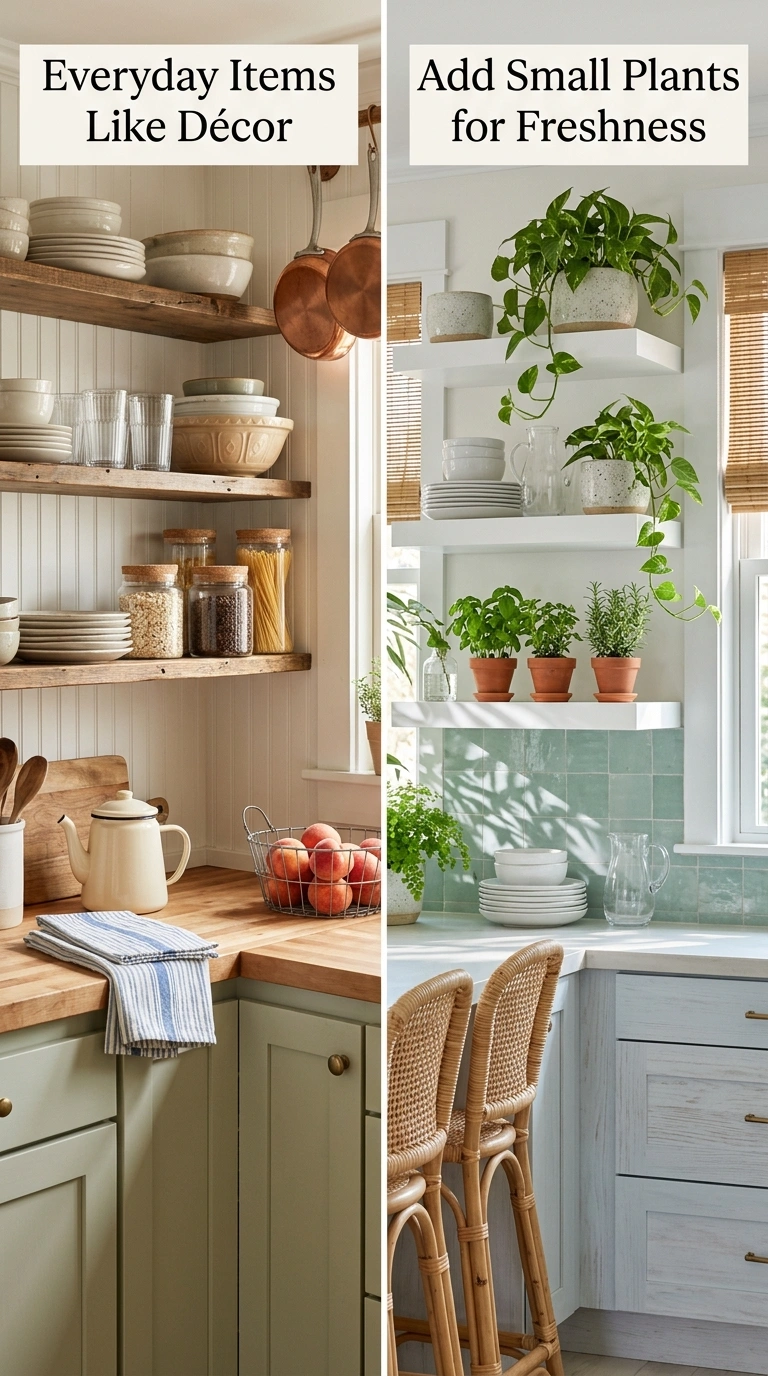
Greenery instantly makes open shelves feel lively and balanced without requiring a complete redesign. Small trailing plants like pothos, ivy, or string of pearls soften hard kitchen lines beautifully. Herbs such as rosemary, mint, or basil add both color and practical use near cooking spaces. Place plants near windows where natural light highlights the leaves and creates fresh organic movement across the shelves. Matte ceramic planters in neutral shades help greenery blend naturally into the kitchen style. Avoid oversized plants because they can quickly overwhelm smaller shelves. Even one tiny plant beside stacked dishes can make the arrangement feel more relaxed and natural. The contrast between soft greenery and structured kitchen objects creates a layered Pinterest-friendly look that feels fresh year-round.
7. Use Warm Lighting Under Shelves
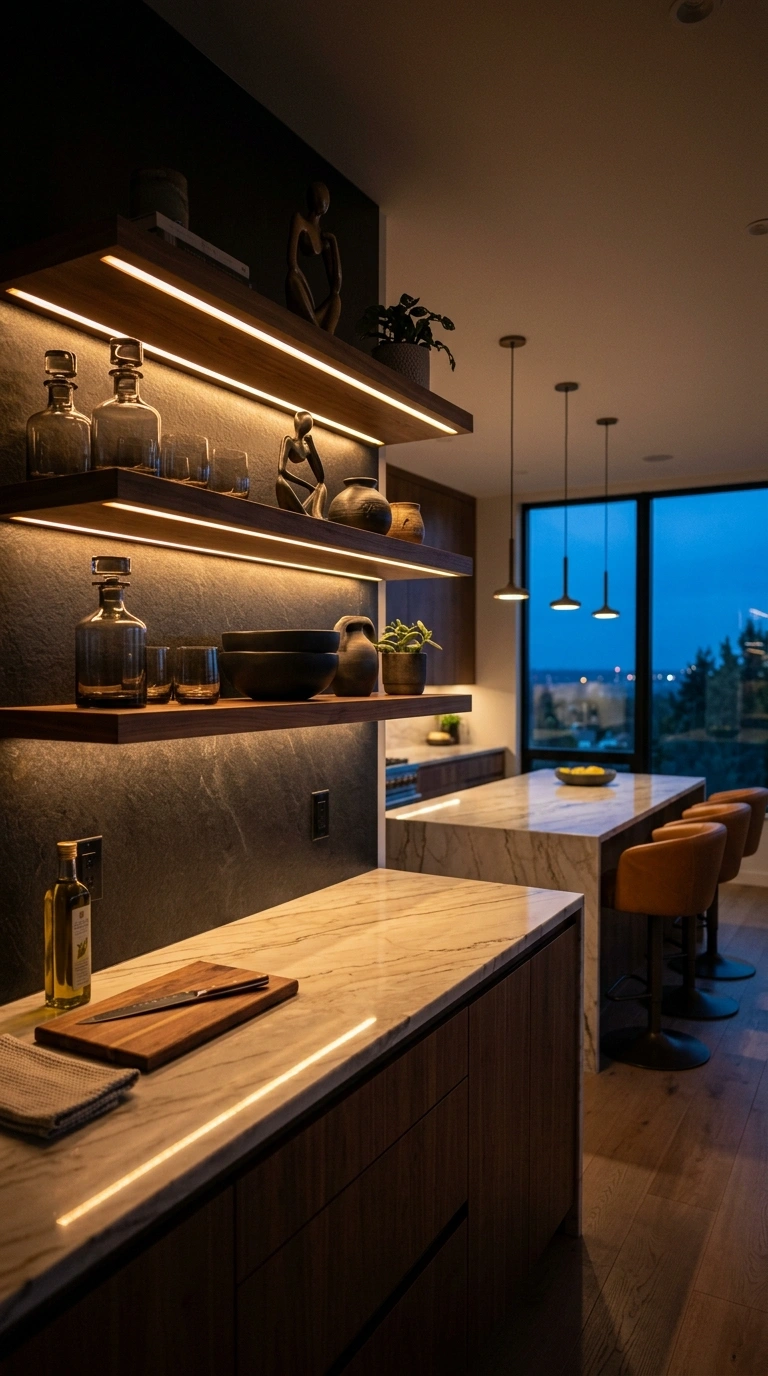
Lighting completely changes how open shelves look, especially during evenings when natural light disappears. Soft warm LED strips installed beneath floating shelves create a cozy glow that highlights dishes, wood textures, and glassware beautifully. Warm lighting makes white kitchens feel softer while adding depth to darker kitchens. It also creates gentle shadows that help shelves appear more layered and high-end. Battery-operated puck lights work well if hardwired lighting is not possible. Focus the lighting on textured objects like ceramics or wood because they reflect warmth beautifully. Avoid overly cool white bulbs since they can make shelves feel sterile and flat. This simple lighting upgrade instantly creates the warm designer kitchen atmosphere people love saving on Pinterest and home décor boards.
8. Combine Glass and Matte Finishes
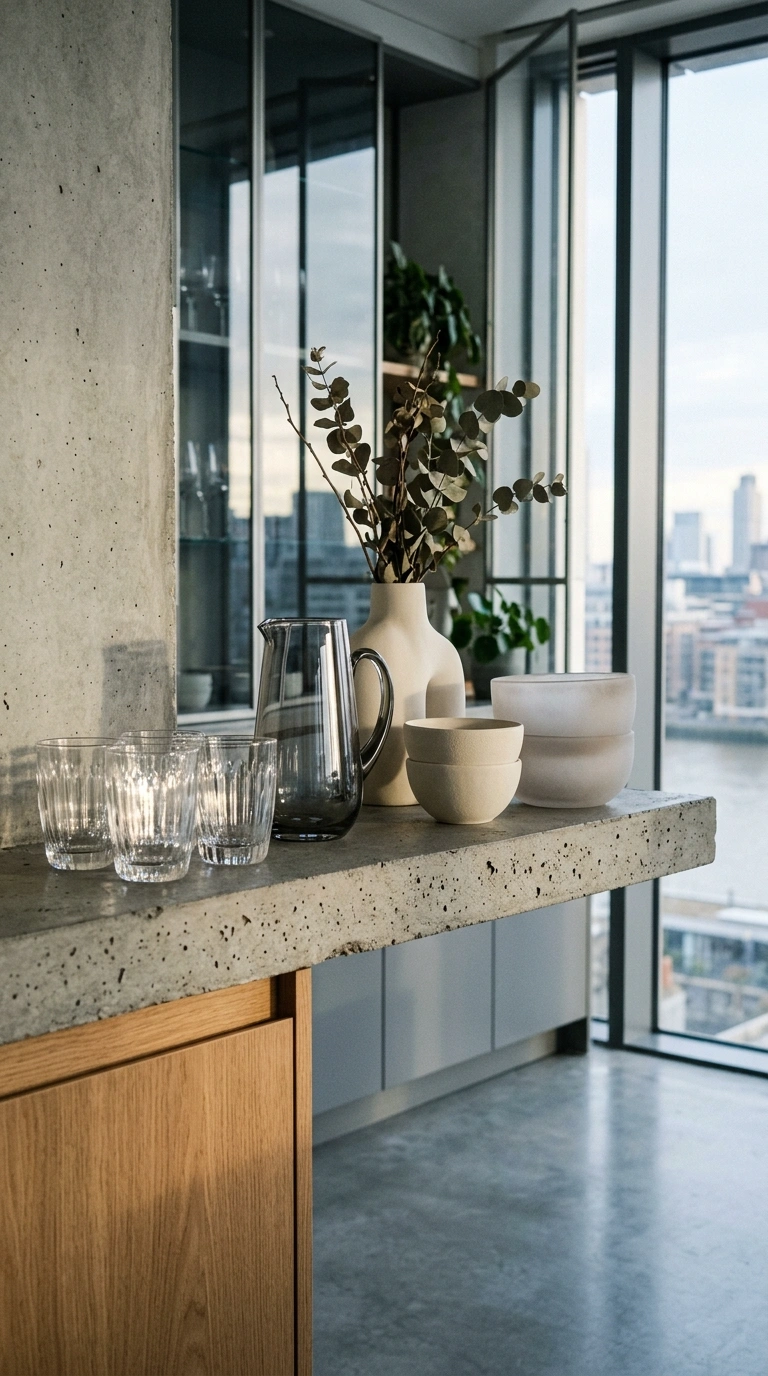
Mixing glossy and matte textures keeps shelves visually interesting without adding unnecessary clutter. Clear drinking glasses reflect light beautifully while matte ceramic bowls create softness and balance. This contrast helps shelves feel layered and dynamic even with a neutral color palette. Ribbed glassware works especially well because the texture catches sunlight during the day. Pair shiny glass pitchers beside rough stoneware mugs to create depth naturally. Avoid making every object glossy because too much reflection can feel cold and busy. Matte finishes help calm the overall arrangement while glass keeps it light and open. This balanced combination creates the polished modern kitchen aesthetic that works beautifully in both minimal and cozy spaces.
9. Arrange Items in Small Groups
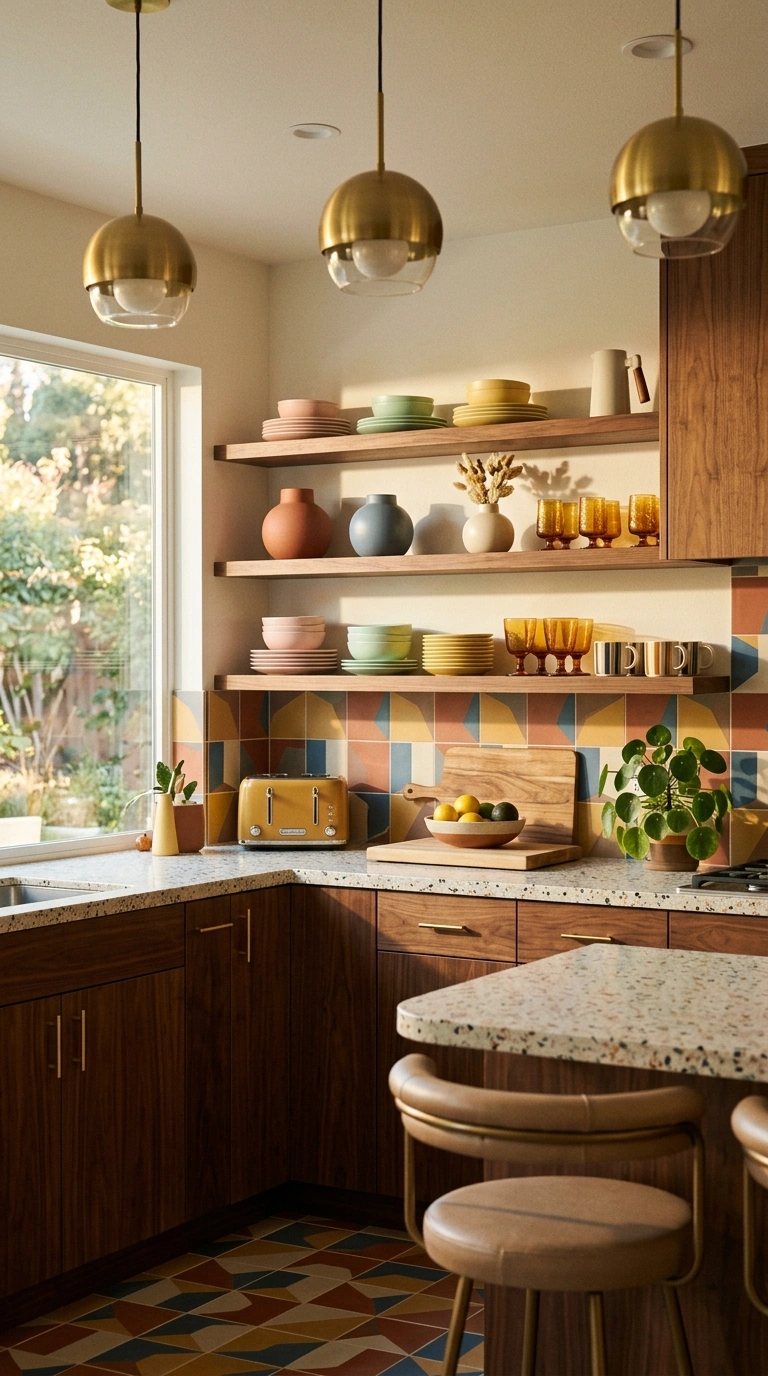
Styling shelves in small groups creates a cleaner and more intentional layout than spreading items evenly across the entire shelf. Group stacks of plates, bowls, and glasses into sections of three or four items to create visual rhythm. Odd-number arrangements usually feel more natural and relaxed than perfectly even layouts. Keep similar colors or materials together so the shelves look connected instead of random. A cluster of white bowls beside a wooden tray and small vase instantly feels organized and stylish. Grouping items also makes shelves easier to clean and rearrange later. This method works especially well in small kitchens because it prevents the shelves from feeling visually overwhelming. Simple grouped arrangements photograph beautifully and create the effortless styled look seen in modern kitchen inspiration photos.
10. Display Cookbooks With the Covers Facing Forward
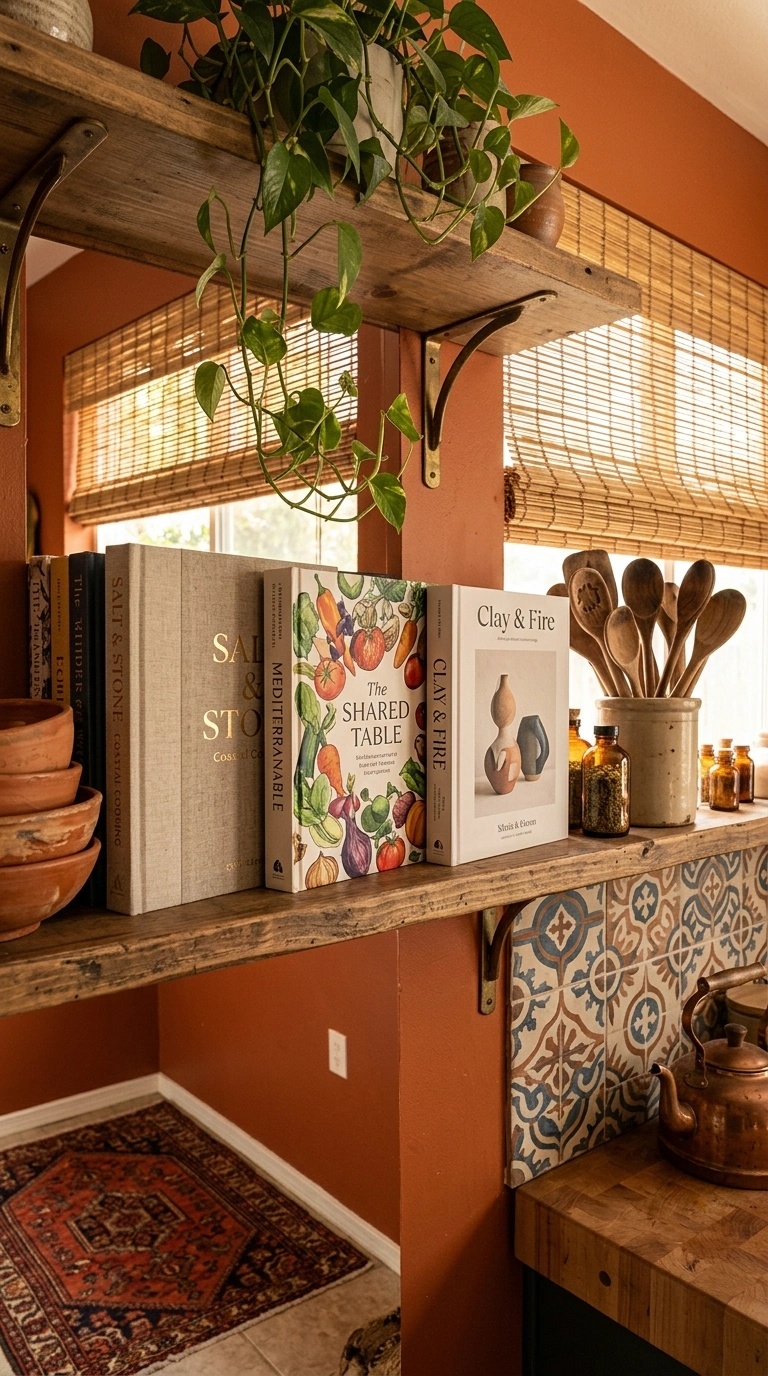
Cookbooks can become part of your open shelf kitchen styling when you display them like décor instead of hiding them in cabinets. Choose books with warm neutral covers, vintage food photography, or textured linen bindings to add personality without clutter. Stand two or three books upright with the covers facing outward so they act almost like framed art. Layer a small ceramic bowl or wooden spoon beside the books to soften the arrangement naturally. This trick works especially well on lower shelves where taller items create visual balance. Colorful cookbook covers can also bring life into neutral kitchens without needing extra decorations. Keep the selection small so the shelves still feel clean and airy. Rotating seasonal cookbooks throughout the year also keeps your kitchen looking fresh and updated.
11. Mix Vintage Pieces With Modern Accessories
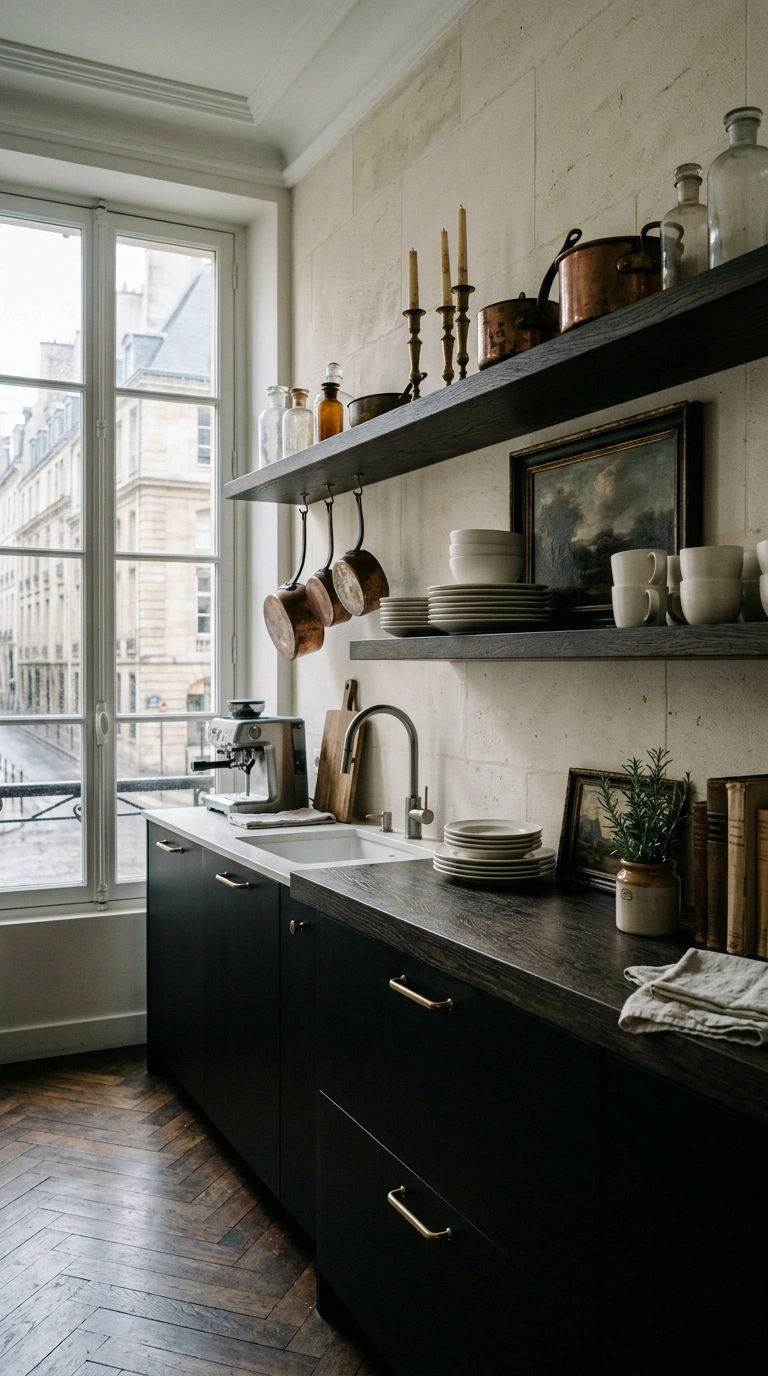
Combining vintage and modern pieces creates shelves that feel collected over time instead of overly staged. Pair sleek white dishes with antique brass candle holders, aged wooden trays, or vintage glass jars for contrast and character. Old pieces bring warmth and texture while modern accessories keep the kitchen looking fresh and clean. A slightly worn copper kettle beside smooth ceramic bowls creates a balanced mix that feels cozy yet stylish. Flea market finds often work beautifully because small imperfections add personality. Avoid using too many vintage objects together since that can make shelves feel heavy. One or two aged items per shelf create enough contrast to make the arrangement interesting. This layered style gives kitchens the relaxed Pinterest-inspired look people love saving for future design ideas.
12. Use Matching Storage Jars for Dry Ingredients
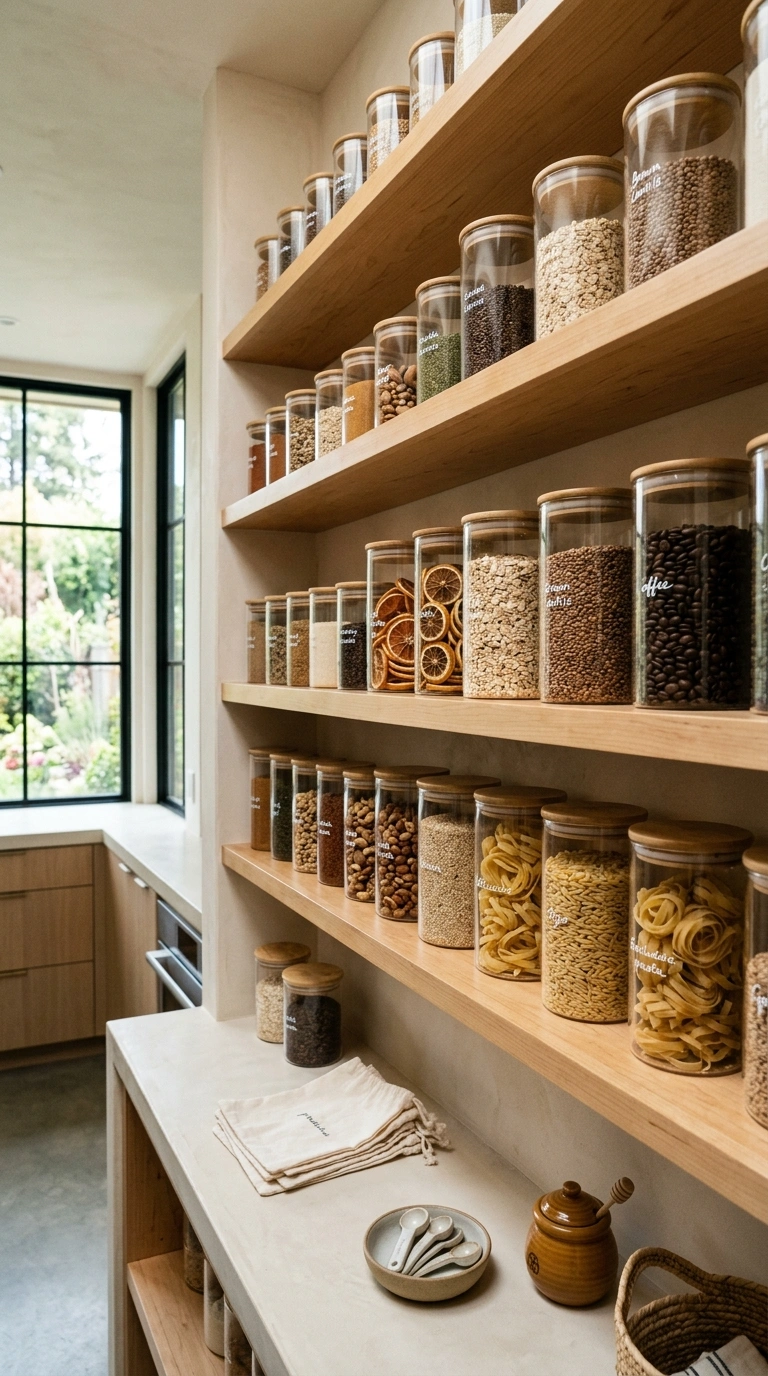
Clear storage jars instantly make open shelves feel organized while also adding visual texture to the kitchen. Fill matching glass containers with pasta, rice, flour, coffee beans, or oats so everyday ingredients become part of the design. Uniform jar sizes create a cleaner appearance and prevent shelves from looking chaotic. Bamboo lids or matte black tops add warmth and contrast depending on your kitchen style. Labels with simple lettering help the arrangement feel polished without becoming overly decorative. Sunlight reflecting through glass jars also brightens shelves naturally during the day. Keep the most frequently used ingredients at eye level for both convenience and balance. This styling trick combines beauty and function perfectly, making the kitchen feel practical, fresh, and visually satisfying.
13. Bring in Soft Linen Textures
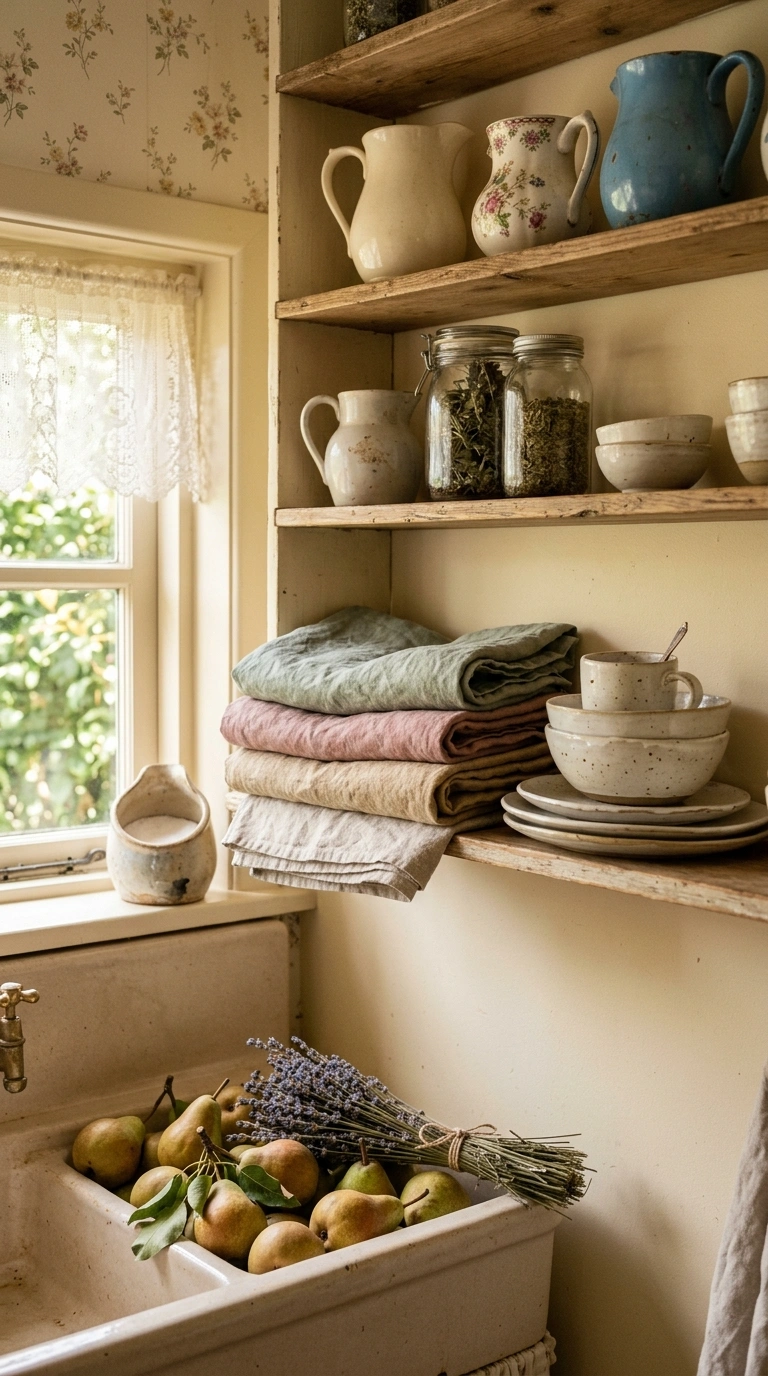
Soft fabrics can make open shelves feel warmer and less structured without adding clutter. Fold neutral linen kitchen towels neatly beside stacked dishes or drape one casually over a shelf corner for a relaxed look. Washed linen in oatmeal, sage, dusty blue, or terracotta tones adds softness against harder materials like wood and ceramic. The natural texture creates depth while still keeping the kitchen calm and minimal. Seasonal fabrics can also refresh shelves easily without changing the entire décor. In bright kitchens, lightweight linen reflects sunlight beautifully and gives the space an airy feel. Keep patterns subtle so the shelves still look clean and balanced. This small detail helps kitchens feel cozy, lived-in, and visually softer in both real life and photos.
14. Add Black Accents for Contrast
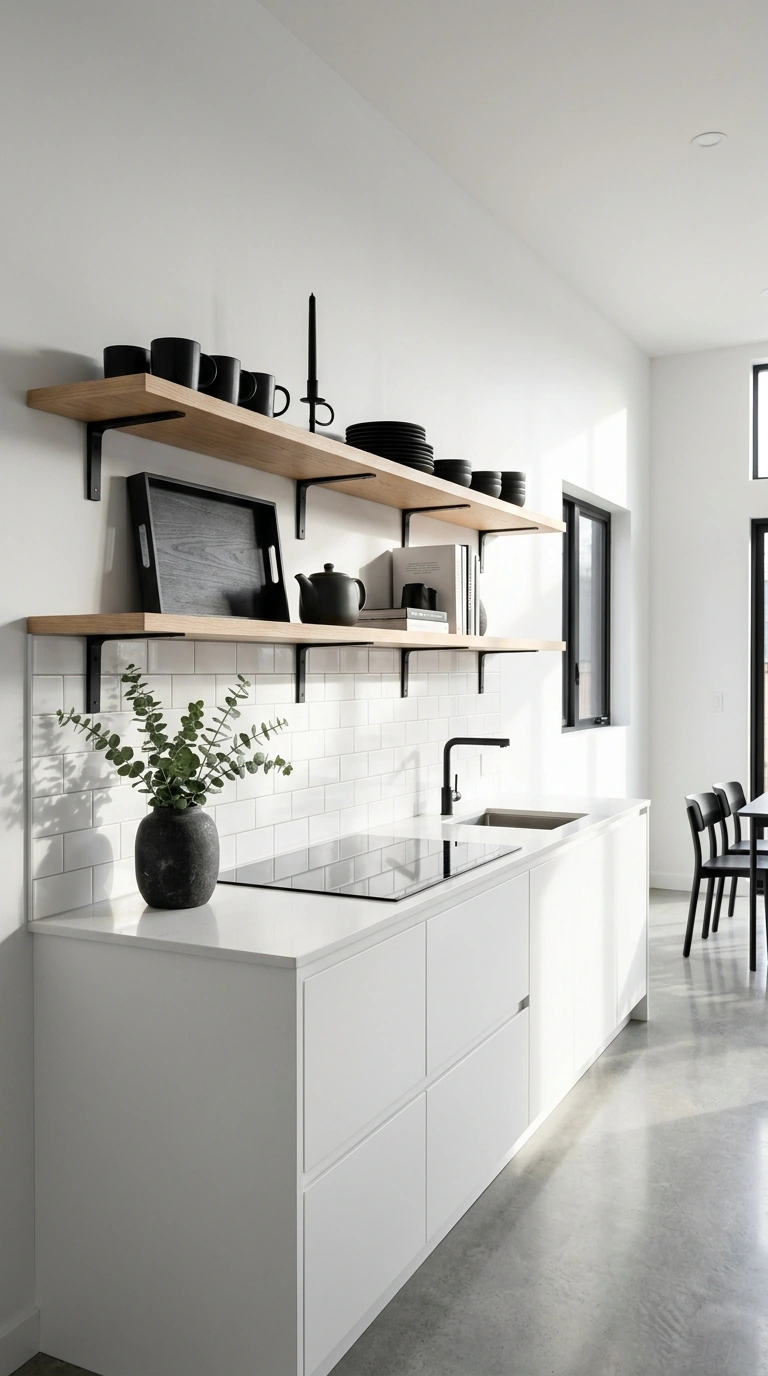
Small black accents can instantly sharpen the overall look of open shelves and make lighter objects stand out more clearly. Matte black mugs, metal brackets, candle holders, or dark serving trays create contrast without overwhelming the kitchen. This works especially well in white or neutral kitchens where shelves need a little definition. Black details help anchor softer colors like cream, beige, or pale wood tones. Spread darker accents evenly across the shelves so one side does not feel visually heavy. Avoid using too many black objects together because the display can quickly feel harsh. A few carefully placed pieces create balance while keeping the shelves modern and sophisticated. This contrast also photographs beautifully, giving kitchens a crisp Pinterest-ready appearance.
15. Layer Artwork Behind Kitchen Items
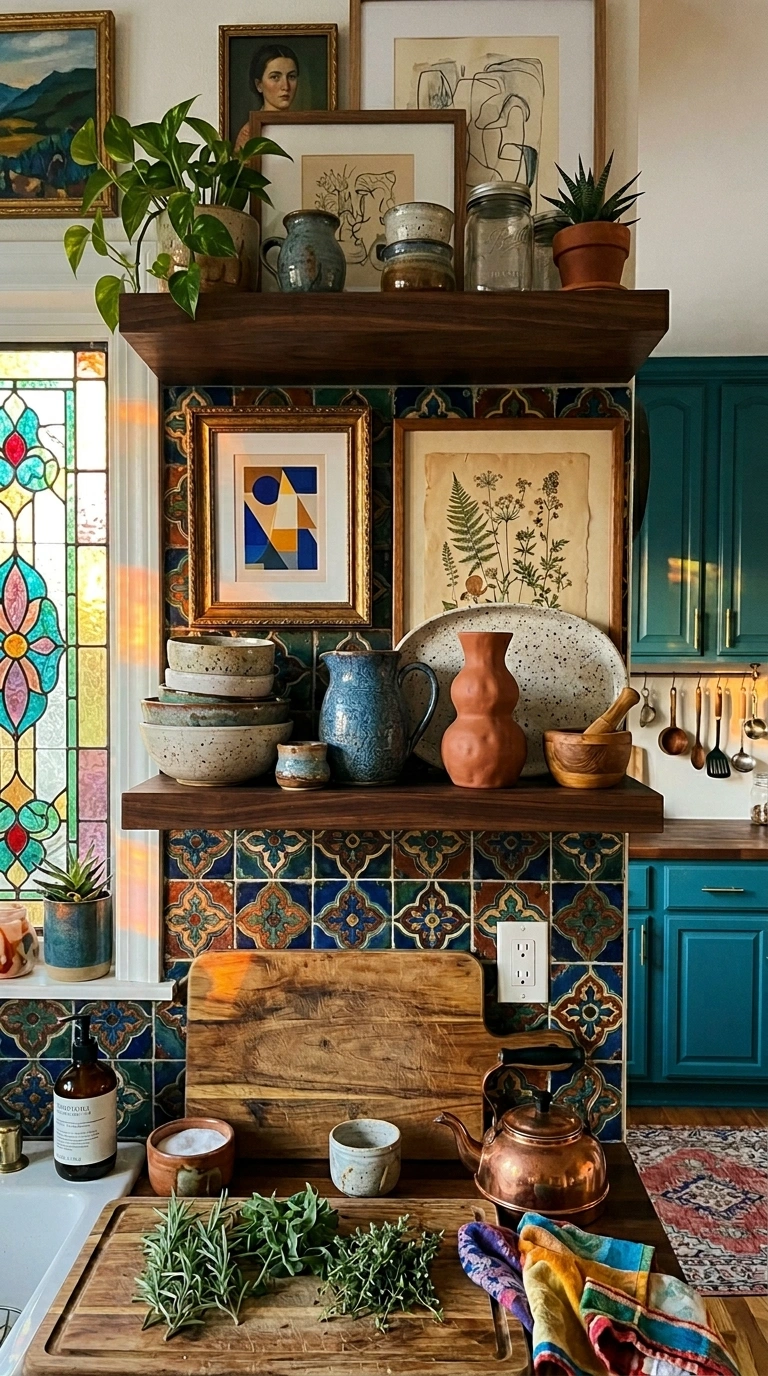
Small framed art pieces can add personality to kitchen shelves without taking up much space. Lean a framed food sketch, abstract print, or vintage recipe artwork behind stacked dishes to create depth and visual layering. Thin wood or black metal frames usually work best because they keep the arrangement light and simple. Art helps break up repetitive rows of bowls and glasses while adding warmth to blank wall areas. Soft watercolor prints create a calm cozy feeling, while bold graphic prints add energy to modern kitchens. Keep artwork moisture-safe and avoid placing it directly near cooking splashes. Even one small frame can make shelves feel more thoughtful and custom-designed. This layered look feels creative and stylish while still keeping the kitchen functional.
16. Style Shelves by Height Variation
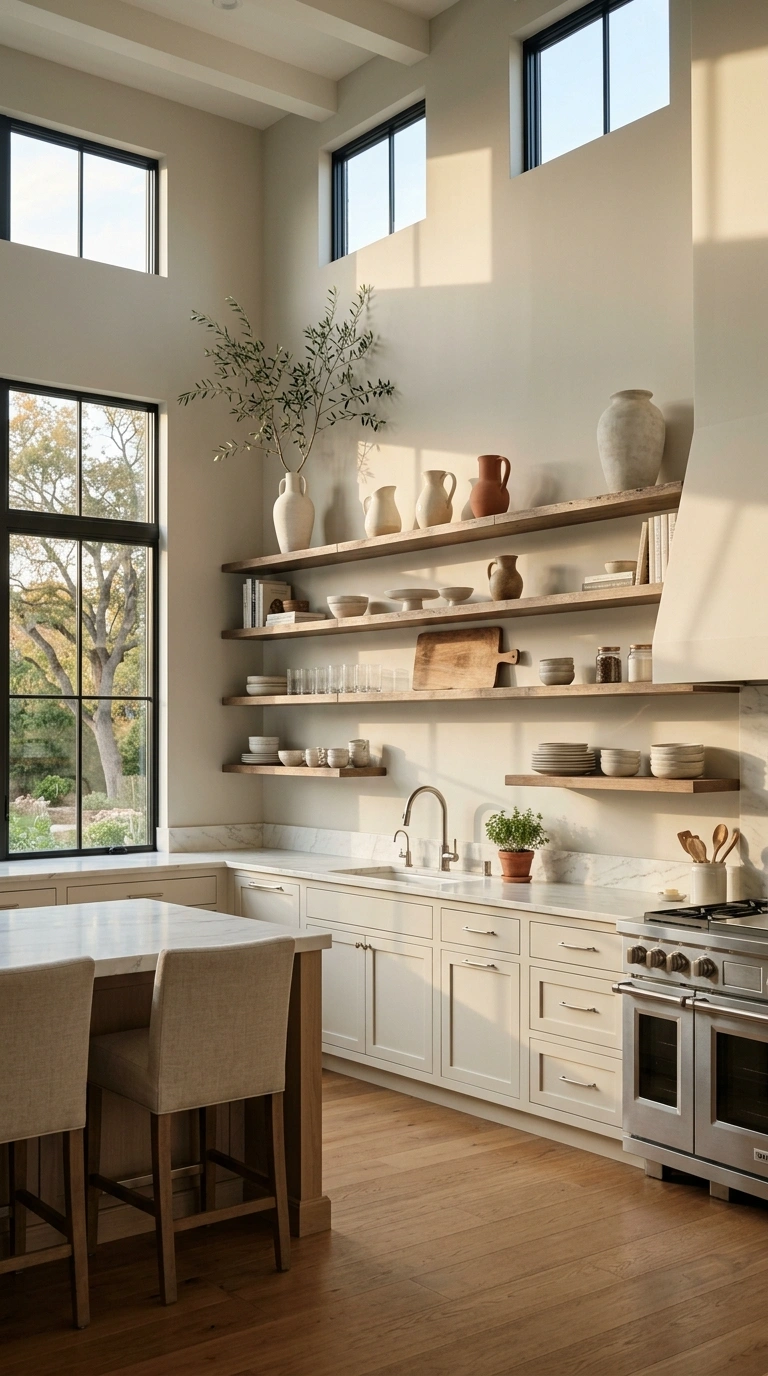
Shelves look more balanced when objects vary in height instead of forming one flat line across the wall. Combine taller vases or cutting boards with medium-sized bowls and shorter stacked dishes to create movement. Height variation helps guide the eye naturally across the shelf display. Place taller items toward the sides or back while keeping shorter objects near the front for better layering. This arrangement also makes small kitchens feel more dynamic and visually open. Repeating similar heights too often can make shelves look stiff and boring. Mixing heights creates the relaxed designer feel often seen in high-end kitchens and Pinterest inspiration photos. The result feels effortless even though the arrangement stays practical and organized.
17. Use Seasonal Colors in Small Details
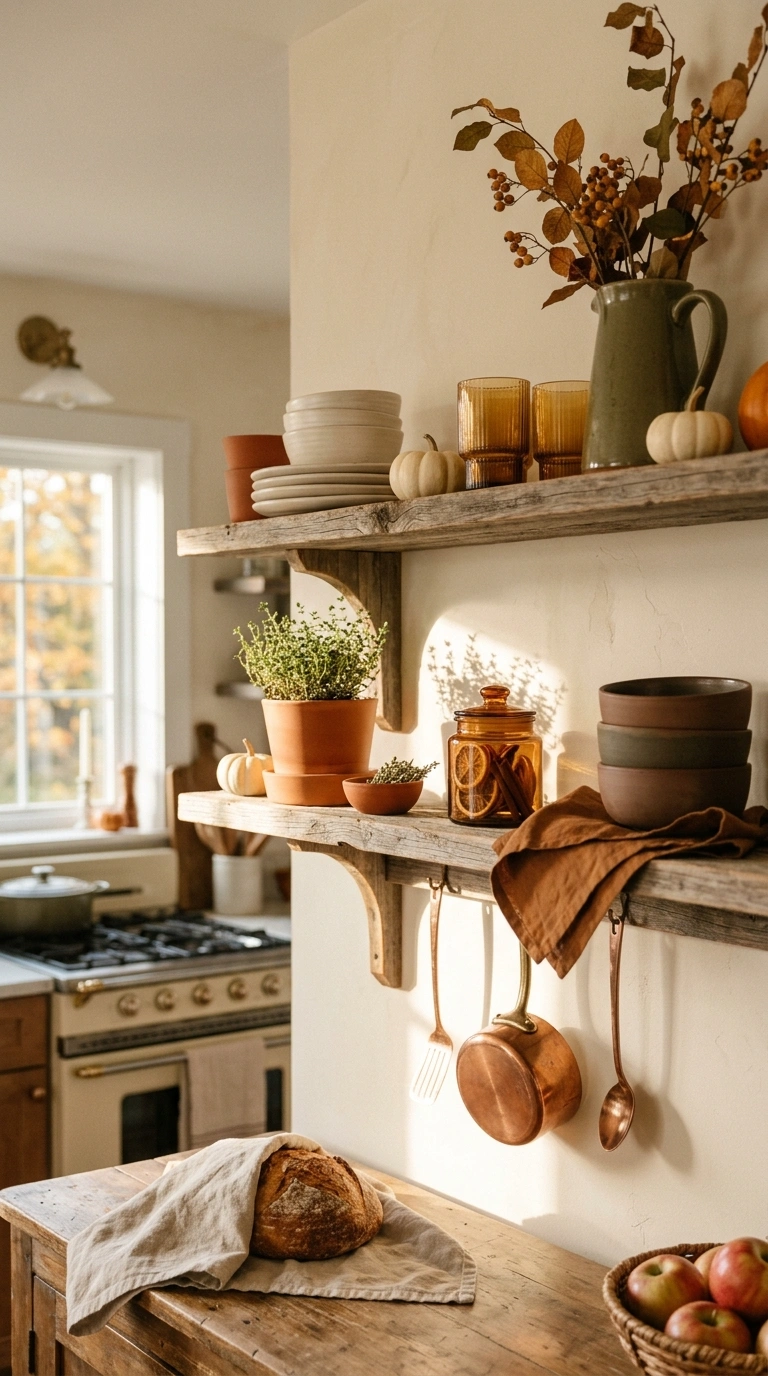
Changing a few shelf accents with the seasons keeps your kitchen feeling fresh without requiring a full redesign. In spring, use pale green ceramics or floral linen towels for a light airy mood. During autumn, warm clay bowls and amber glass pieces create a cozy atmosphere instantly. Winter shelves look beautiful with darker woods, soft candlelight, and creamy neutral dishes. Summer styling works well with woven textures, citrus bowls, and bright white ceramics. Keeping seasonal changes small prevents shelves from feeling cluttered or overly themed. Tiny updates can completely shift the kitchen mood while still keeping the overall style consistent. This simple approach makes your kitchen feel refreshed throughout the year with very little effort.
18. Keep Frequently Used Items Within Reach
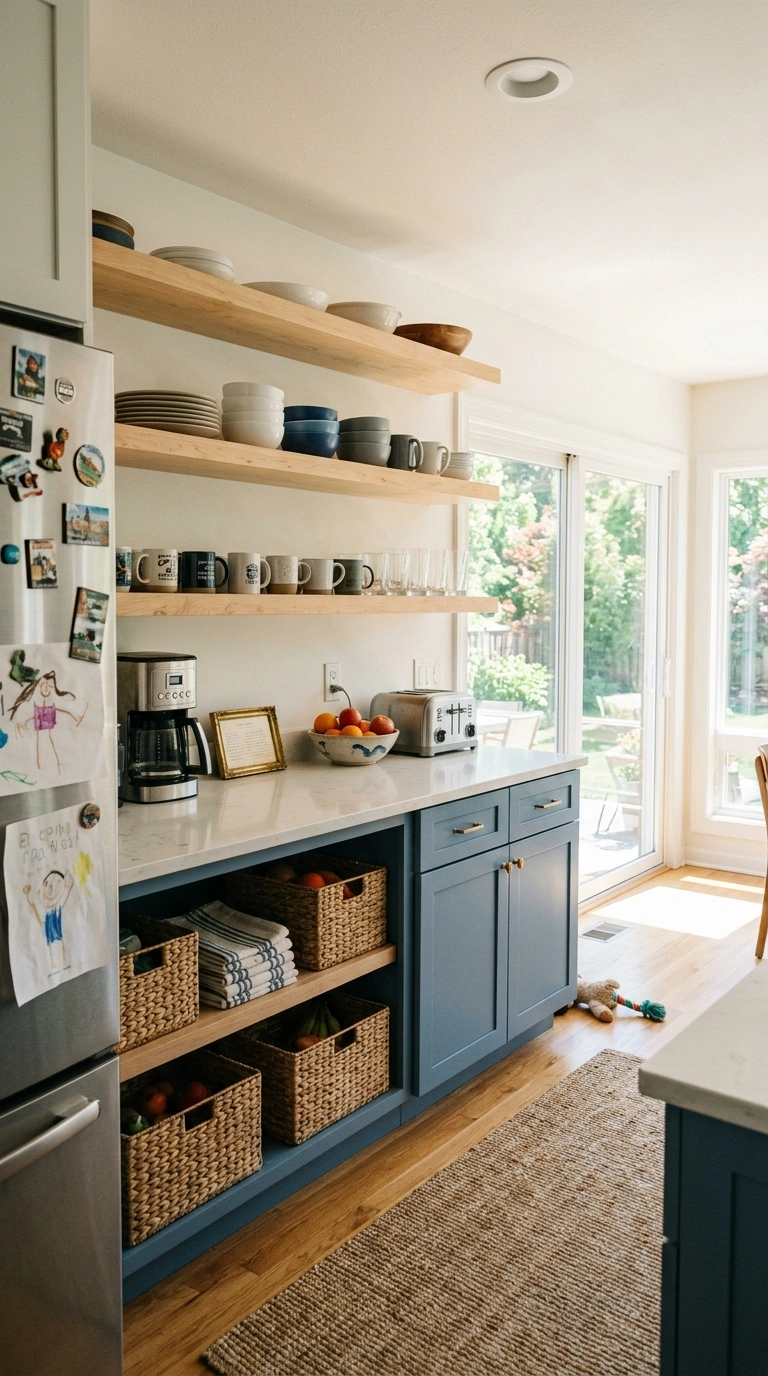
The most successful open shelves balance beauty with everyday practicality. Store plates, mugs, glasses, and bowls where you can grab them easily during daily cooking or meals. Keeping useful items accessible prevents the shelves from becoming purely decorative and difficult to maintain. Arrange heavier dishes on lower shelves while lighter decorative pieces stay higher up for safety and convenience. Functional layouts also help the kitchen feel calmer because everything has a clear purpose. This styling method works especially well in busy family kitchens where organization matters as much as appearance. Practical shelves naturally stay tidier because you use and reset the items regularly. A functional arrangement always feels more authentic and welcoming than shelves designed only for display.
19. Create a Simple Color Story Across All Shelves
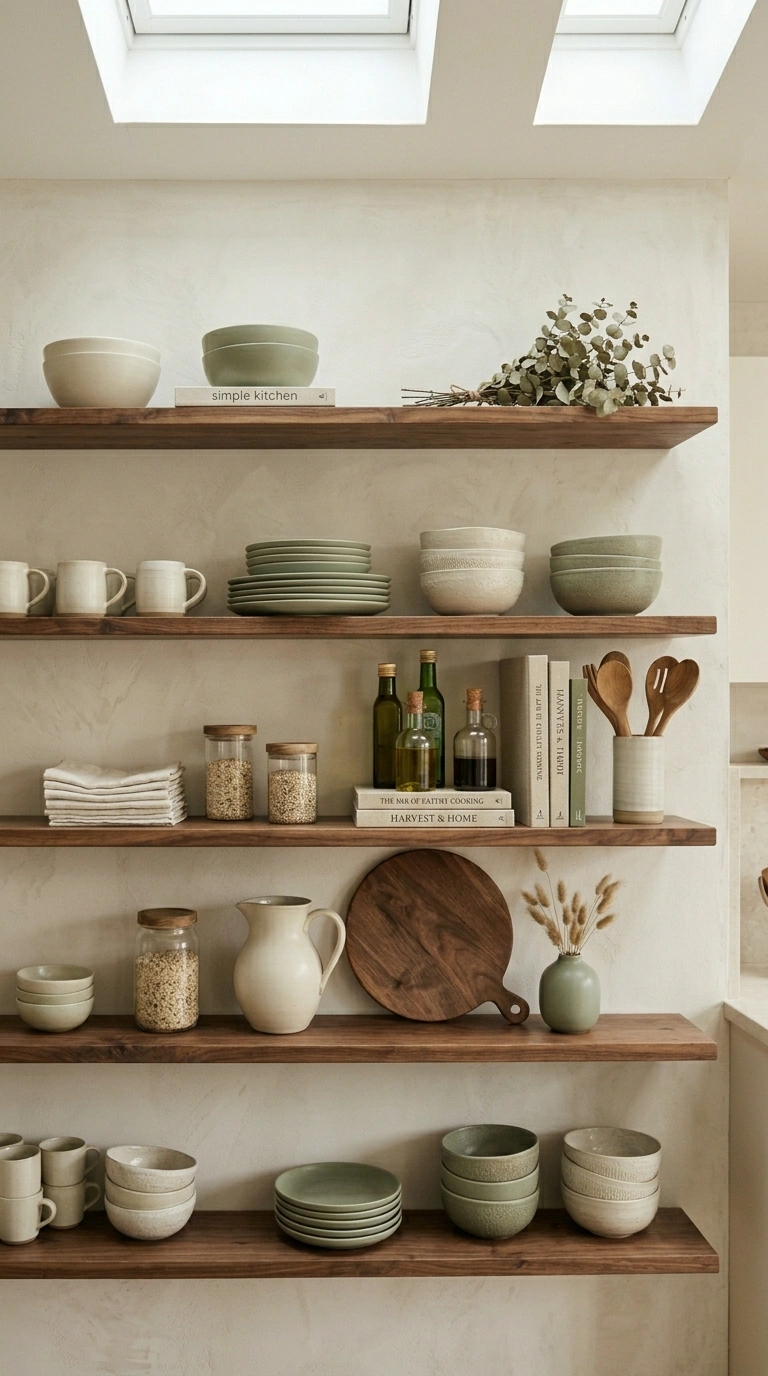
A consistent color story helps open shelves feel connected even when different textures and materials are mixed together. Choose two or three main shades and repeat them throughout the entire display using dishes, jars, linens, and decorative pieces. Soft whites with warm wood and muted green accents create a calm organic palette that works in almost any kitchen. Dark kitchens look richer with charcoal, brass, and creamy beige combinations. Repeating colors across different shelves creates flow and prevents the design from feeling random. You do not need perfectly matching items because slight shade variations actually make the arrangement feel more natural. This simple styling strategy instantly gives kitchens a polished and professionally designed appearance while still feeling warm and livable.
Conclusion
Open shelves can make a kitchen feel brighter, warmer, and more personal when they are styled with balance and purpose. Small changes like layering textures, mixing heights, adding warm lighting, and creating a soft color story can completely transform the space without a major renovation. The best shelf styling combines practical storage with visually inspiring details that feel natural in everyday life. Start with a few ideas that match your kitchen style, then slowly build a layout that feels functional and beautiful at the same time. Save your favorite ideas, experiment with different textures and colors, and create open shelves that make your kitchen feel inviting every single day.
FAQs
What should I put on open kitchen shelves?
Use everyday dishes, mugs, bowls, glass jars, cutting boards, and a few decorative accents like plants or small artwork.
How do I make open shelves look less cluttered?
Leave empty space between items, group similar objects together, and avoid adding too many small decorations.
Are open kitchen shelves practical?
Yes, they work well for daily-use items and make kitchens feel more open and accessible.
What colors work best for open shelf kitchen styling?
Soft neutrals like white, beige, sage green, gray, and natural wood tones create the best balanced look.
How do I decorate small open kitchen shelves?
Keep the styling minimal, use light colors, and choose compact items that do not overcrowd the shelves.