How to Decorate Small Rooms So They Feel Bigger
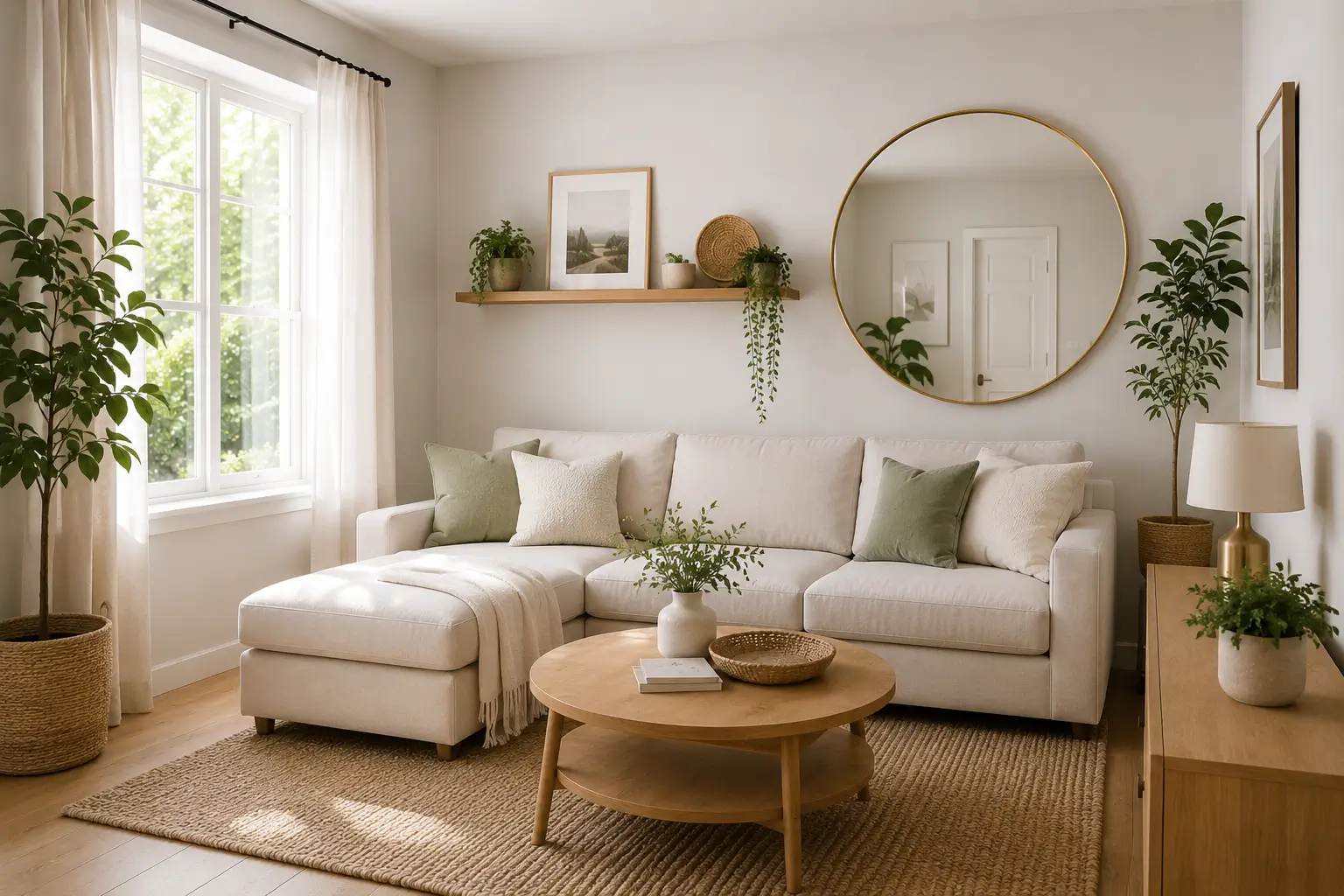
A small room doesn’t have to feel small. The difference between a cramped space and an open one usually comes down to a handful of choices most people never think about — furniture scale, sightlines, and where the eye lands first.
This guide walks through the tricks that actually change how a small room feels, not just how it looks in photos. You’ll find furniture tips, color guidance, window and rug advice, and layout ideas you can use in a bedroom, living room, or even a small apartment.
Choose Furniture That Multitasks
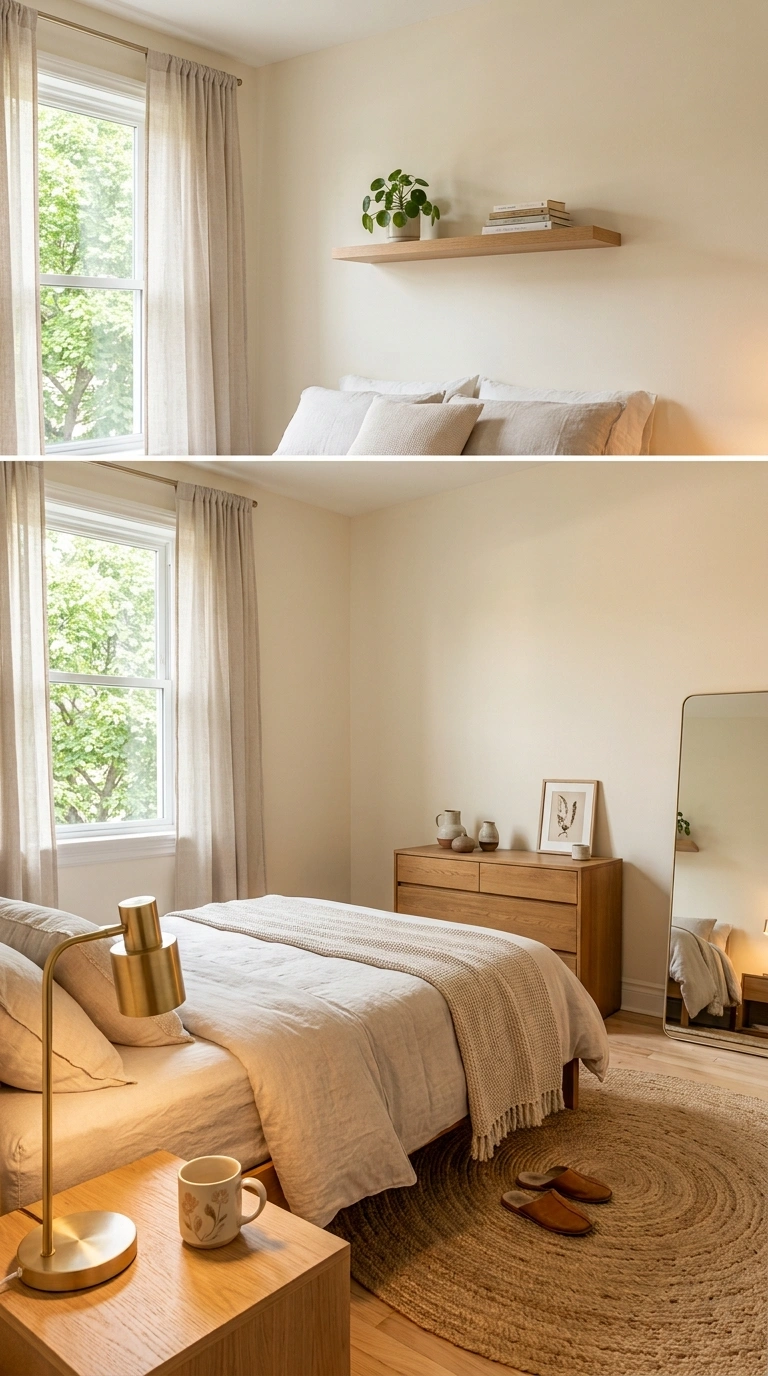
Every piece of furniture in a small room needs to earn its space. A coffee table with storage underneath, a bed frame with built-in drawers, or an ottoman that opens up all do double duty without adding visual bulk.
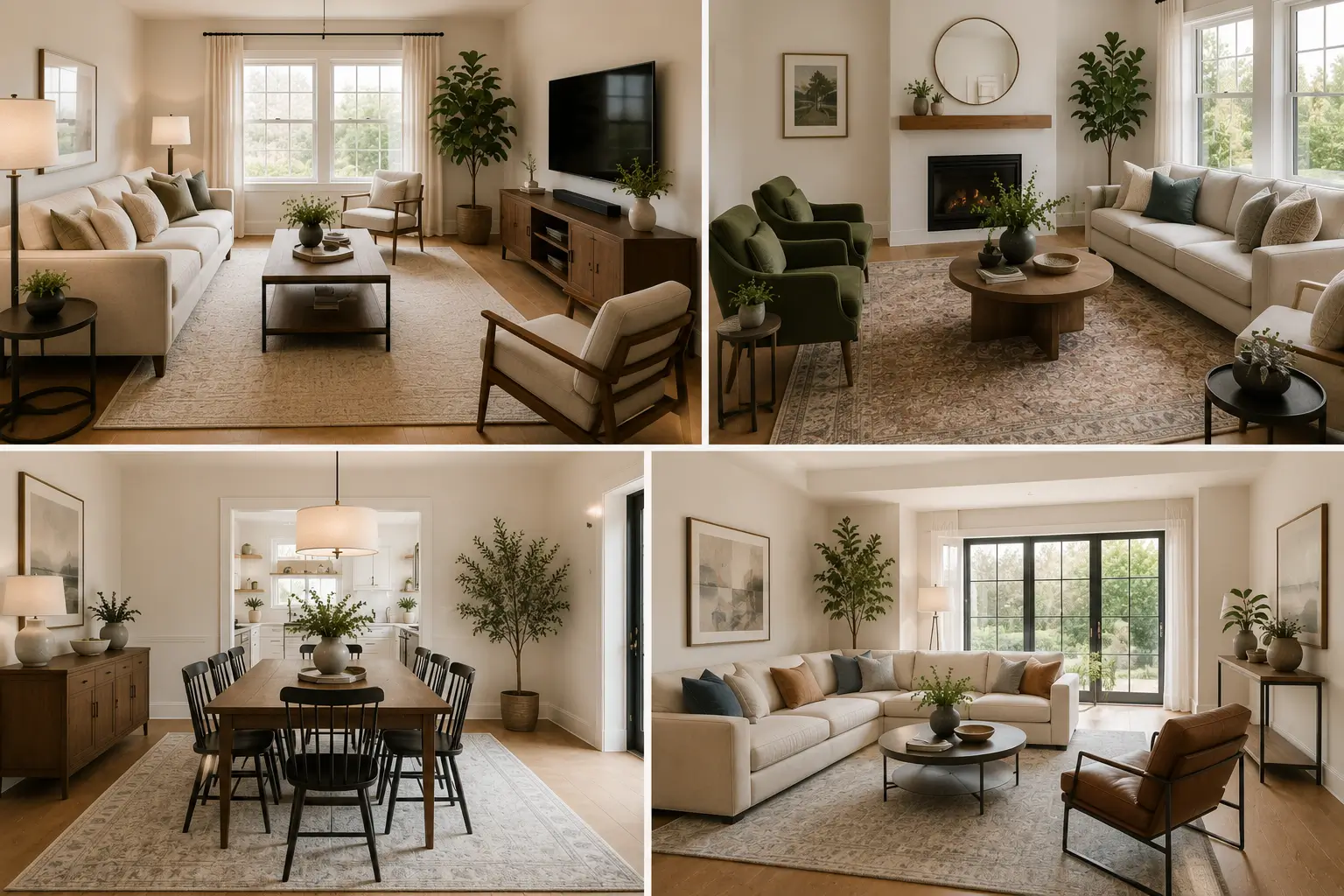
Skip furniture with heavy, boxy frames. Pieces with visible legs, like a sofa on slim wooden legs instead of a skirted base, let light pass underneath and make the floor feel more open.
Tip: Measure your walkway space before buying anything. Keep at least 30 inches of clear path between furniture pieces so the room doesn’t feel like an obstacle course.
Choose the Right Scale, Not Just Small Furniture
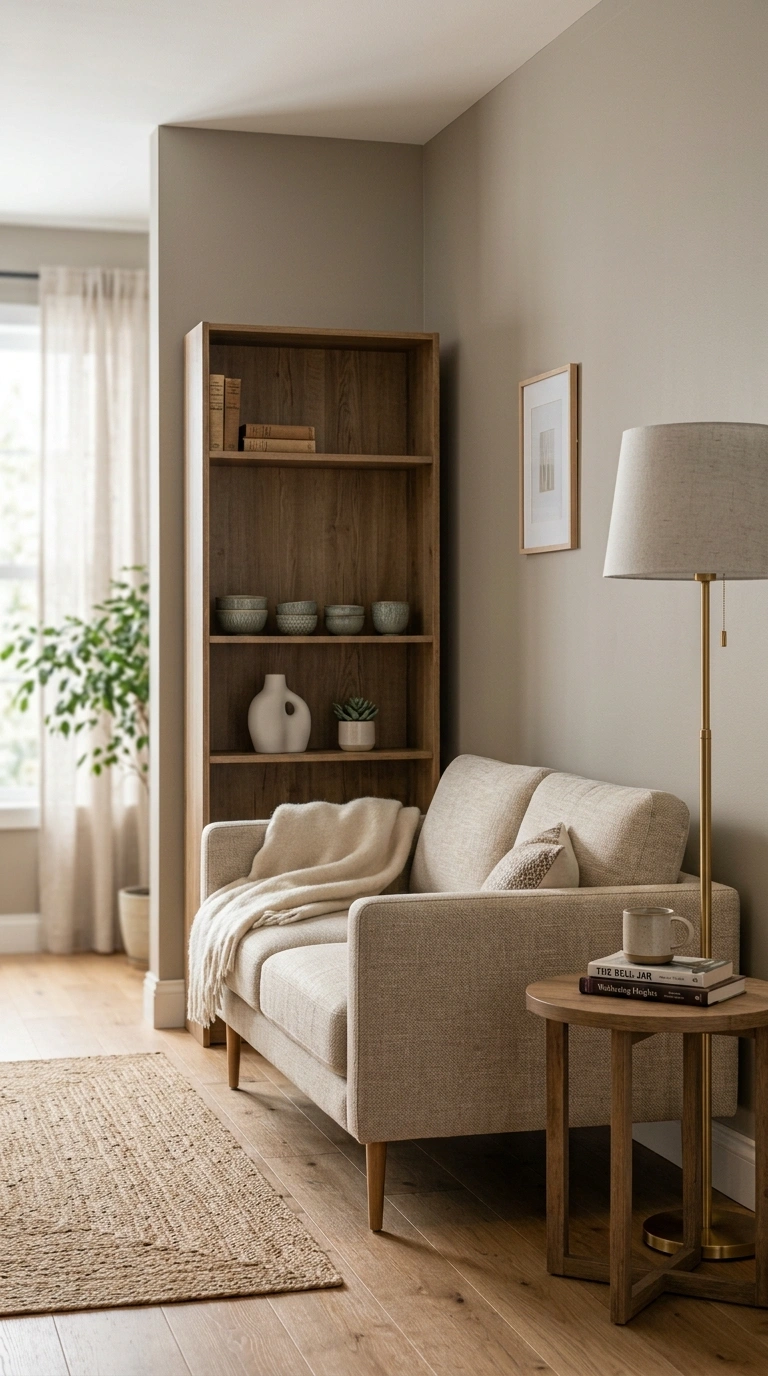
It’s tempting to assume the smallest furniture available is always the right choice for a small room, but undersized pieces can actually make a room feel more awkward, not less. A tiny sofa floating in a room built for a full-size one just draws attention to the empty space around it.
Instead, choose furniture scaled appropriately to the room’s proportions, and lean on function to reduce the total number of pieces you need. One well-proportioned sofa with a slim profile almost always looks better than two small mismatched chairs competing for the same corner.
Pay attention to arm width and leg style, too. A sofa with slim track arms and thin wooden legs takes up noticeably less visual space than one with wide rolled arms and a skirted base, even if the overall dimensions are similar on paper.
Use Vertical Space Instead of Floor Space
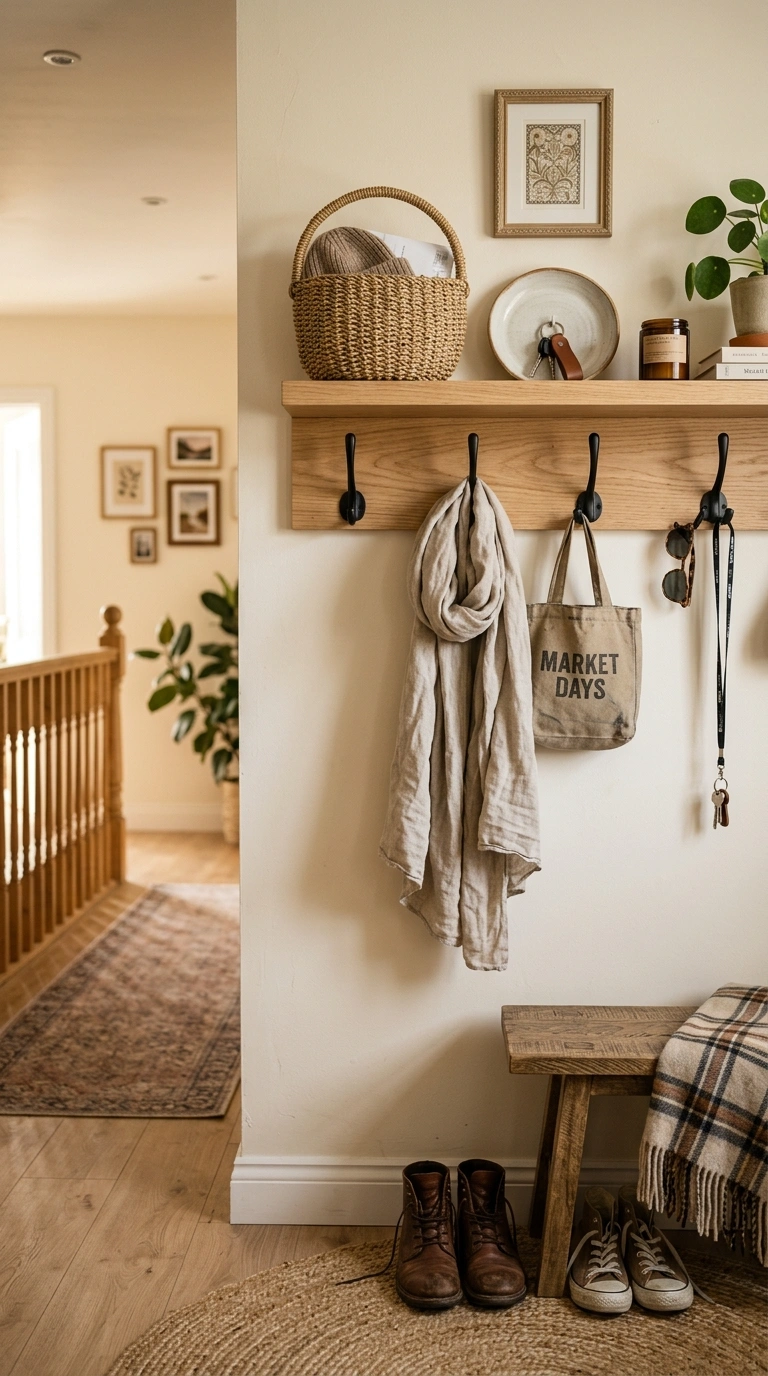
Small rooms run out of floor space fast, but walls almost never do. Tall, narrow bookshelves, wall-mounted shelving, and hooks near the ceiling all add storage without taking up square footage.
Hang curtains close to the ceiling instead of right above the window frame. This draws the eye up and makes the ceiling feel taller than it actually is.
| Small Room Type | Vertical Storage Idea |
|---|---|
| Bedroom | Floating shelves above the headboard |
| Living Room | Tall, narrow bookshelf instead of a wide one |
| Bathroom | Wall-mounted cabinet above the toilet |
| Entryway | Hooks and a shelf mounted higher than eye level |
Light Colors Help, But Only in the Right Spots
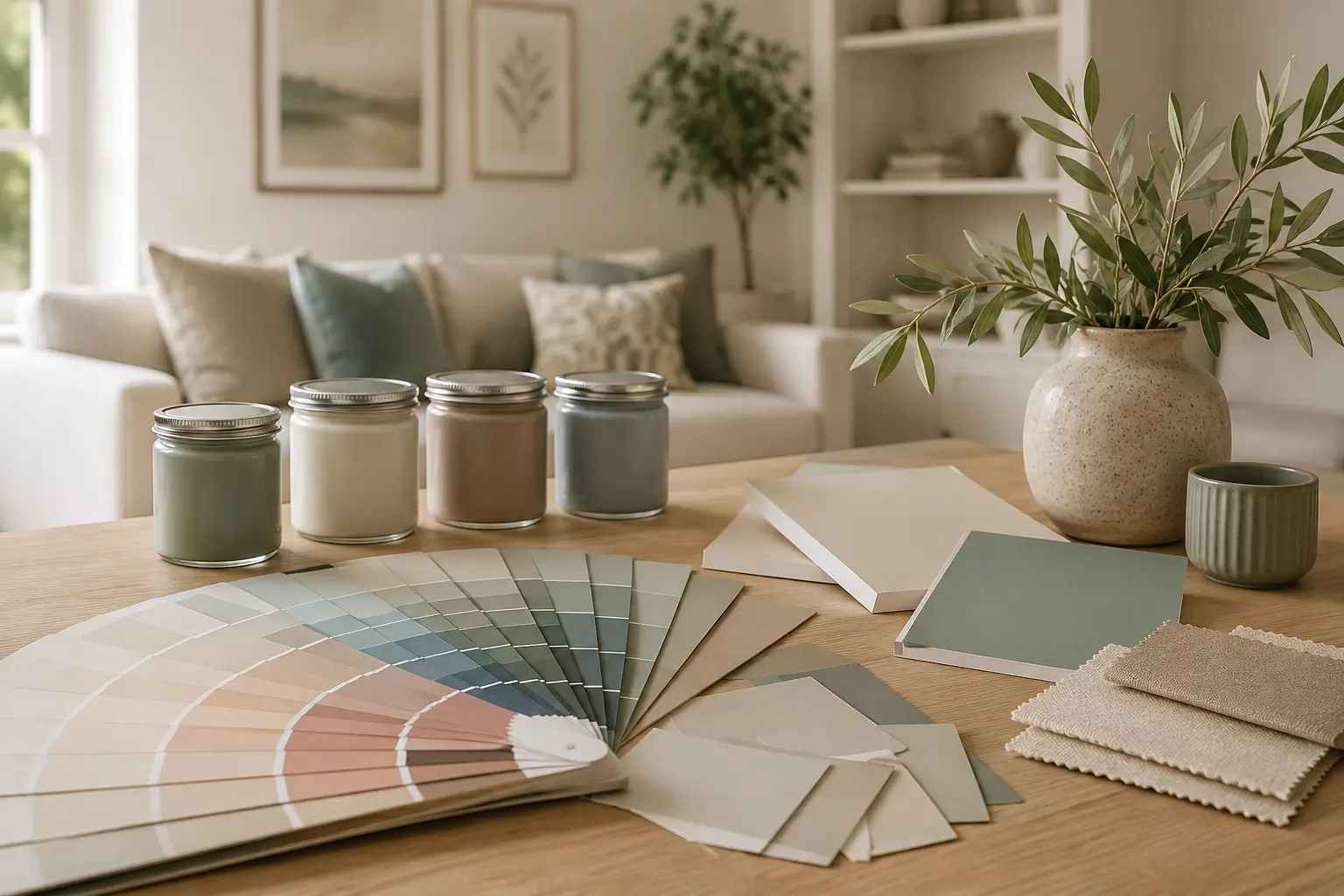
Light walls do open up a room, but color alone isn’t the full answer. Warm ivory, soft greige, and pale sage all work well because they reflect light without feeling stark or cold.
Where color matters more is contrast. If your walls, floor, and furniture are all the same tone, the room can start to feel flat instead of open. Add one deeper tone through a rug, throw pillow, or piece of art to give the eye something to focus on.
Tip: Paint the trim the same color as the walls in a small room. This removes the visual break between wall and trim, making the whole space feel like one continuous, larger area.
Mirrors Make the Biggest Difference
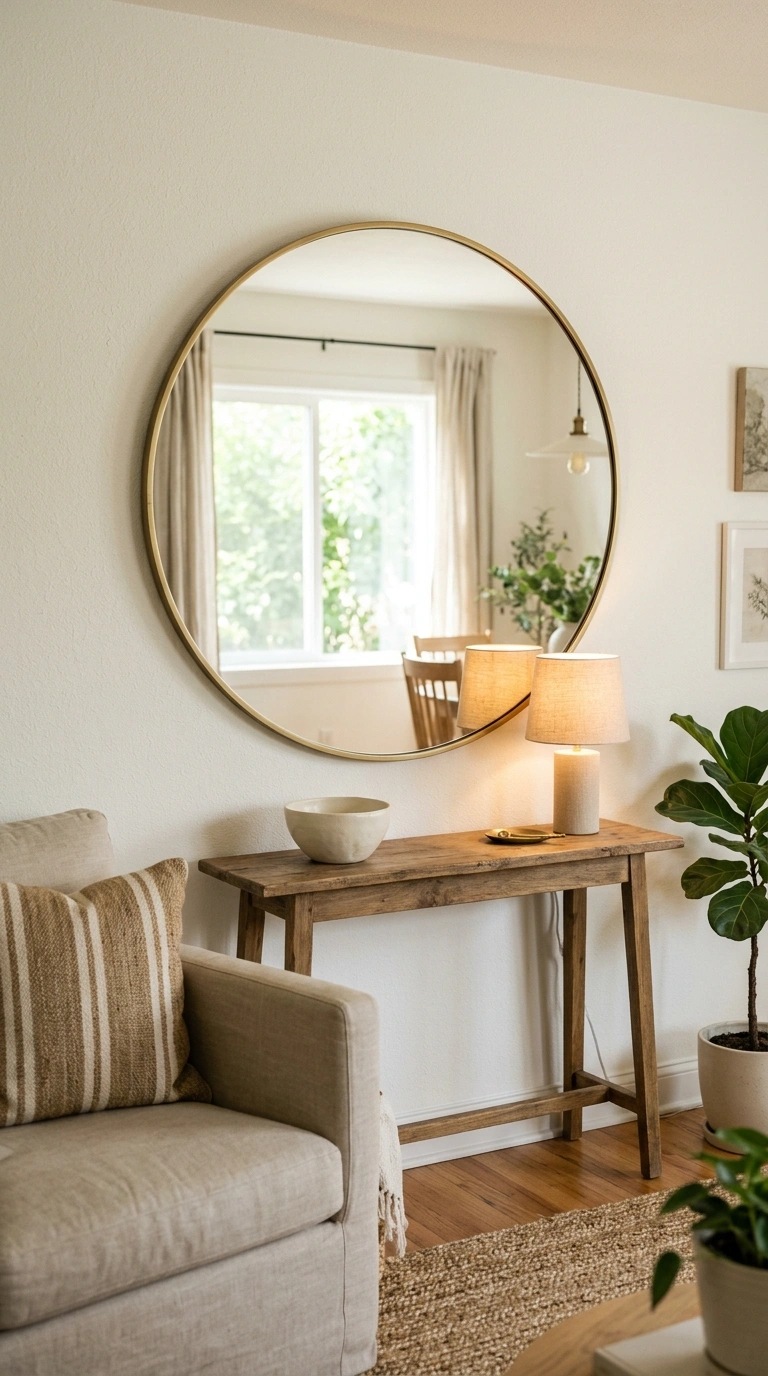
A well-placed mirror is one of the fastest ways to make a small room feel double its size. Mirrors work by reflecting light and visually extending the room in one direction.
Place a large mirror directly across from a window so it reflects natural light back into the room. Avoid placing mirrors where they only reflect a wall or a piece of furniture — that just doubles clutter instead of doubling space.
A leaning floor mirror works especially well in a small bedroom or entryway, since it adds height to the room without requiring wall-mounting hardware, and it can be moved easily if you rearrange furniture later.
Small Room Layout Guide
| Room | Best Layout Tip | Furniture to Avoid |
|---|---|---|
| Bedroom | Push the bed against the longest wall | Oversized dressers |
| Living Room | Float the sofa a few inches from the wall | Sectional sofas |
| Home Office | Use a corner desk to free up floor space | Bulky filing cabinets |
| Dining Nook | Choose a round table over a rectangular one | Bench seating on all sides |
Avoiding the “Empty But Still Cramped” Feeling
Some small rooms end up in an odd middle ground: they feel bare because there isn’t much furniture, yet still cramped because what little furniture there is takes up an awkward amount of space. This usually comes down to placement rather than quantity.
Rather than pushing every piece against the walls to “clear the middle,” try floating one key piece, like a chair or a small bench, a few inches off the wall. An empty room with everything lined up around the edges reads as sparse and unfinished, while the same room with one piece pulled slightly forward feels intentional and lived-in.
Layering textures also helps a sparsely furnished small room feel warmer without adding clutter. A woven throw on a chair, a textured pillow, and a small plant in a ceramic pot add visual richness without taking up meaningful floor space.
Storage Tricks for Tiny Rooms
Clutter shrinks a small room faster than almost anything else, so storage deserves as much planning as the furniture layout itself. The goal isn’t to hide everything away, but to give every item a specific place so surfaces stay clear.
- Use under-bed storage bins instead of a separate dresser
- Choose nightstands with drawers instead of open shelves that collect clutter
- Add a slim shoe rack behind a door instead of a freestanding one
- Use drawer dividers so small items stay organized instead of piling up
- Hang a pegboard in a home office or craft nook instead of using a bulky cart
Window Treatments for Small Rooms
Curtains and blinds affect how open a small room feels almost as much as the furniture inside it. Heavy, dark drapery can visually shrink a window and, by extension, the whole wall it sits on.
Choose lightweight fabrics in soft, warm neutrals that let light filter through even when closed. Mount the curtain rod as close to the ceiling as practical and extend it several inches beyond the window frame on each side, so the curtains frame the window without covering any of the glass when open.
If privacy allows, skip heavy curtains altogether in very small rooms and use sheer panels or a simple woven shade instead. Less fabric bulk at the window keeps the wall looking taller and less visually crowded.
Creating Zones in an Open or Studio Layout
Studio apartments and open-concept small spaces come with a unique challenge: separating functions like sleeping, working, and relaxing without adding walls. Furniture placement becomes the tool that does this instead.
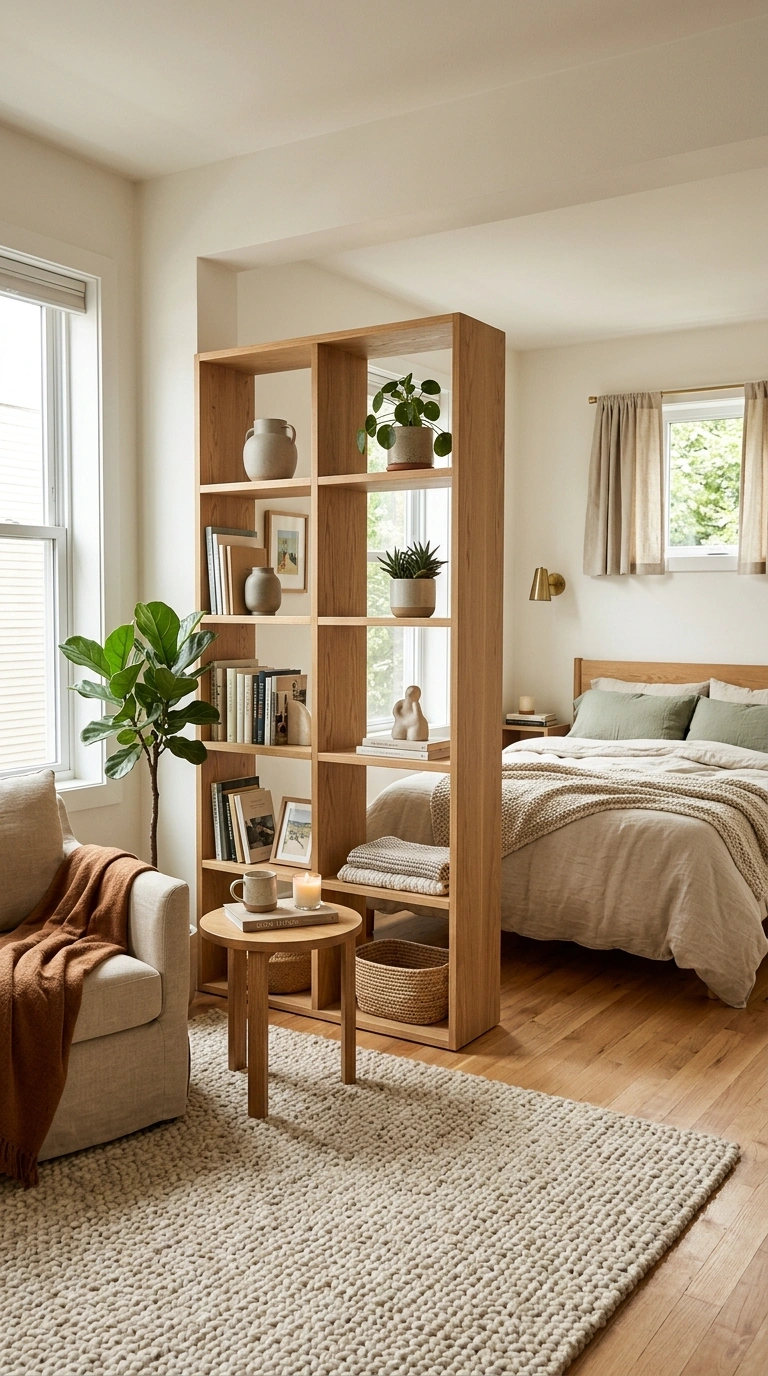
A rug is one of the simplest ways to define a zone. Placing a rug under a small seating area, even in an otherwise open room, signals to the eye where one “room” ends and another begins, without needing an actual partition.
Bookshelves that are open on both sides can double as a soft room divider, separating a sleeping area from a living area while still letting light pass through. Just be sure to keep the shelving on the shorter side, since a floor-to-ceiling divider in a small space can feel more like a wall than a boundary.
Rugs and Lighting for Small Spaces
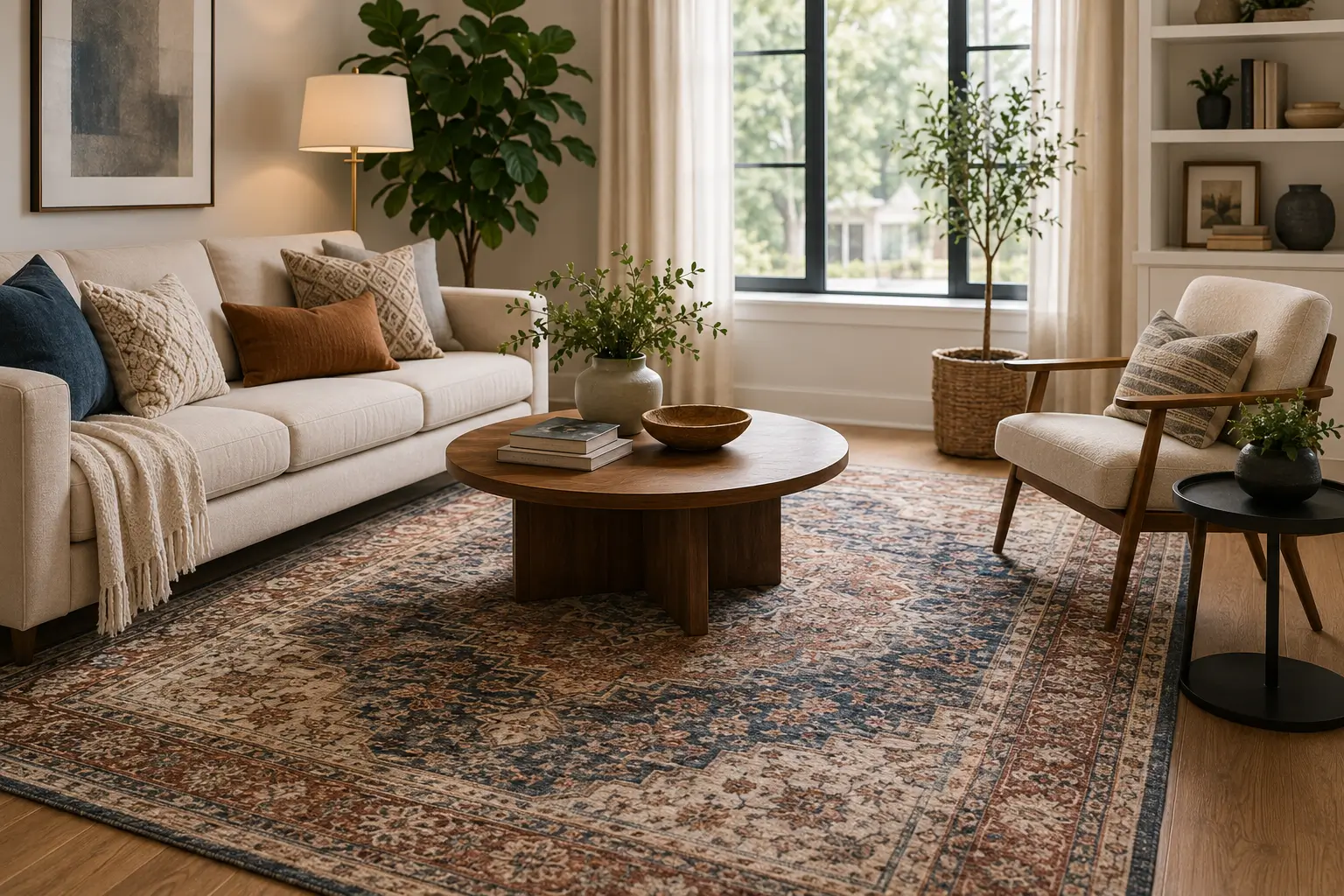
A rug that’s too small makes a room feel choppy and cramped. In a small living room, choose a rug large enough for at least the front legs of every piece of furniture to sit on it.
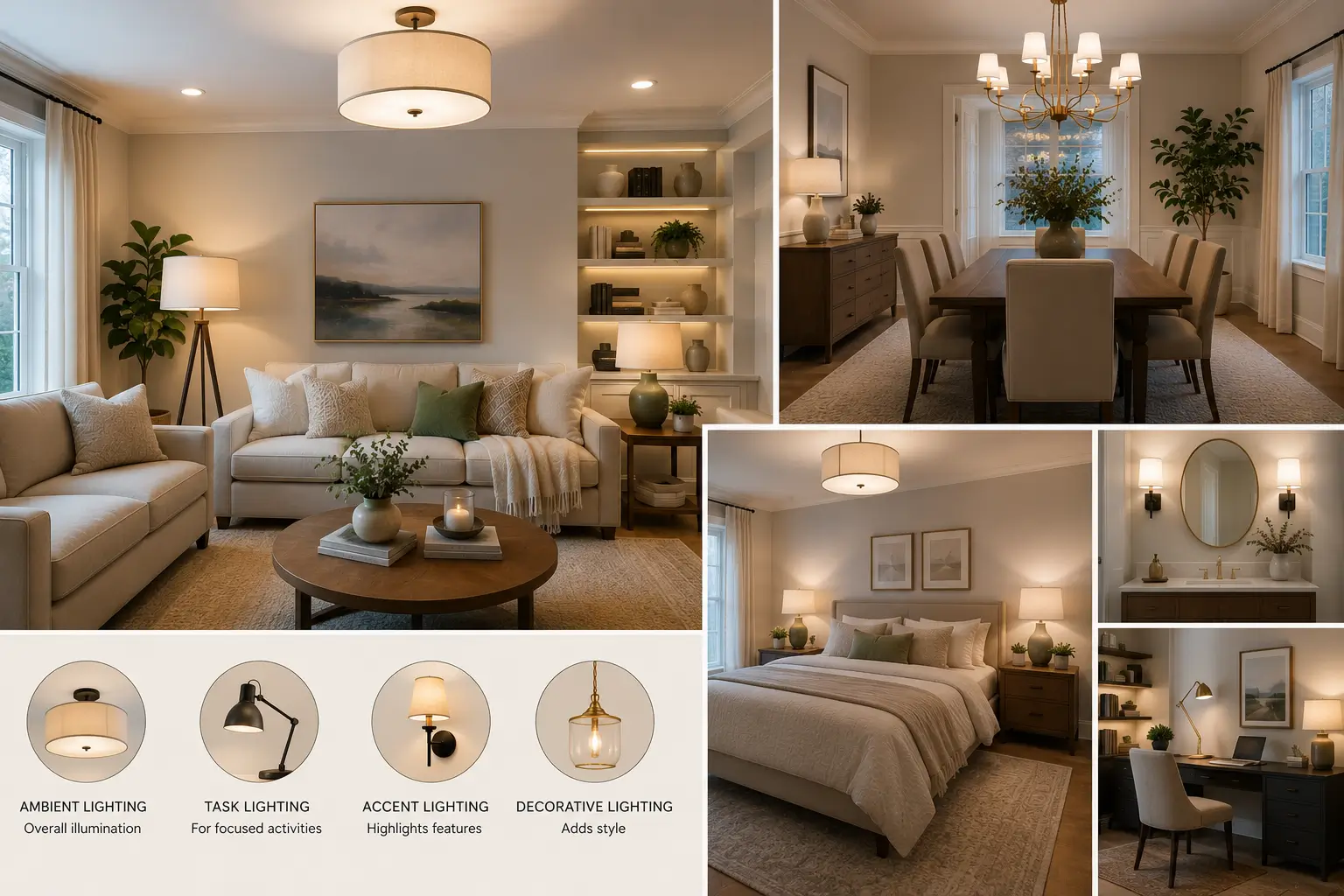
Layer your lighting instead of relying on one overhead fixture. A floor lamp in one corner and a table lamp in another spread light more evenly across the room, which makes the whole space read as larger and more finished.
Small rooms reward intention. Every piece of furniture, every color choice, and every light source either opens the room up or closes it in, so choose pieces that pull double duty and keep the layout open. None of these changes require a full renovation or a big budget, just a willingness to rethink placement and scale before adding anything new.
Try rearranging just one wall this weekend and save the layout that works so you can recreate it later. Small, deliberate changes add up faster than most people expect, and a room that felt cramped last month can feel completely open by the time you’ve worked through even half of these ideas.
FAQs:
What color makes a small room look bigger?
Warm ivory, soft greige, and pale sage all reflect light well and keep a small room feeling open, especially when the trim matches the wall color.
Should I avoid rugs in small rooms?
No, but the rug size matters. Choose one large enough for at least the front legs of your furniture to sit on, since a too-small rug makes the room feel choppy.
How do I add storage to a small bedroom without a big dresser?
Use under-bed storage bins, floating shelves, and nightstands with drawers instead of a large freestanding dresser that takes up floor space.
Do mirrors really make a room look bigger?
Yes. A large mirror placed across from a window reflects natural light and visually extends the depth of the room in that direction.
How do I separate zones in a studio apartment without walls?
Use a rug to define each zone, and consider an open bookshelf as a soft, see-through divider between areas like sleeping and living spaces.