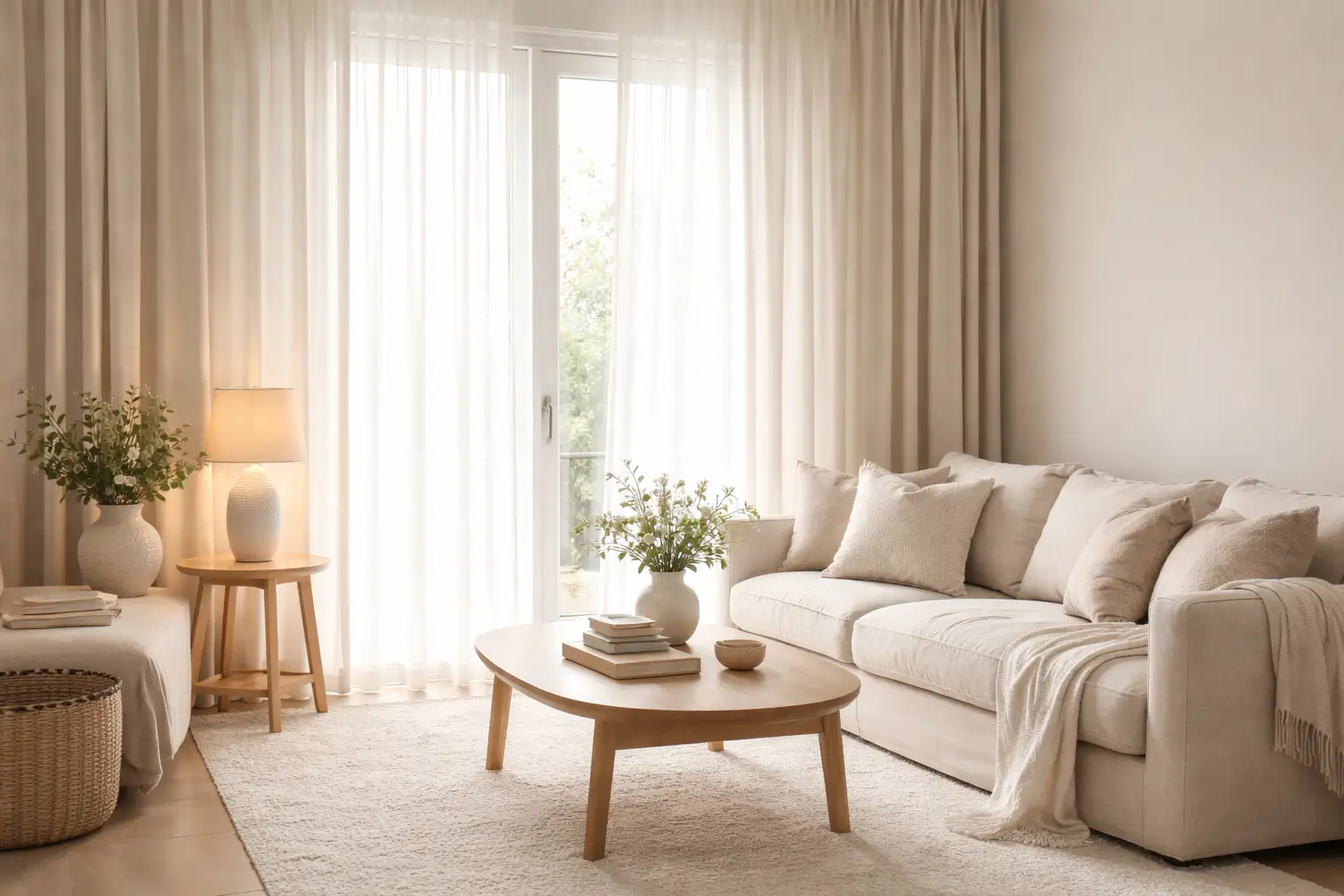
25 DIY Curtain Projects for Custom Window Magic
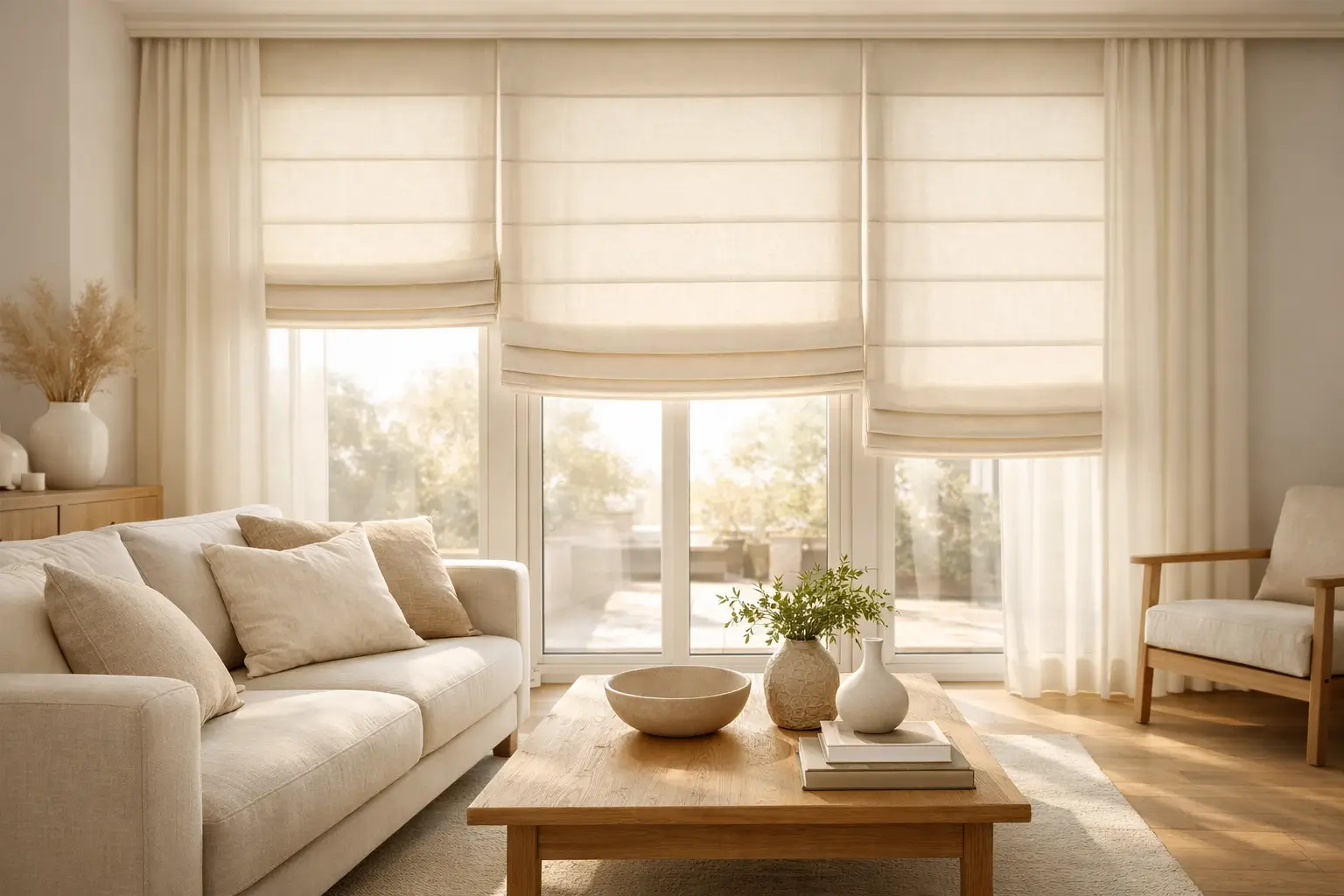
If your windows feel plain or your space looks unfinished, DIY curtains can fix both without a big budget. Store-bought options often feel generic, but when you make your own, you control every detail—fabric, color, length, and style. That’s where real personality comes in.
In this guide, you’ll discover 25 creative and practical DIY curtain ideas that add charm, texture, and function to your home. Each idea focuses on simple materials and smart design choices you can actually try, even if you’re not an expert. From soft linen panels to bold painted designs, these projects help you turn ordinary windows into standout features that feel custom and thoughtfully styled.
1. No-Sew Linen Curtains for an Easy Upgrade
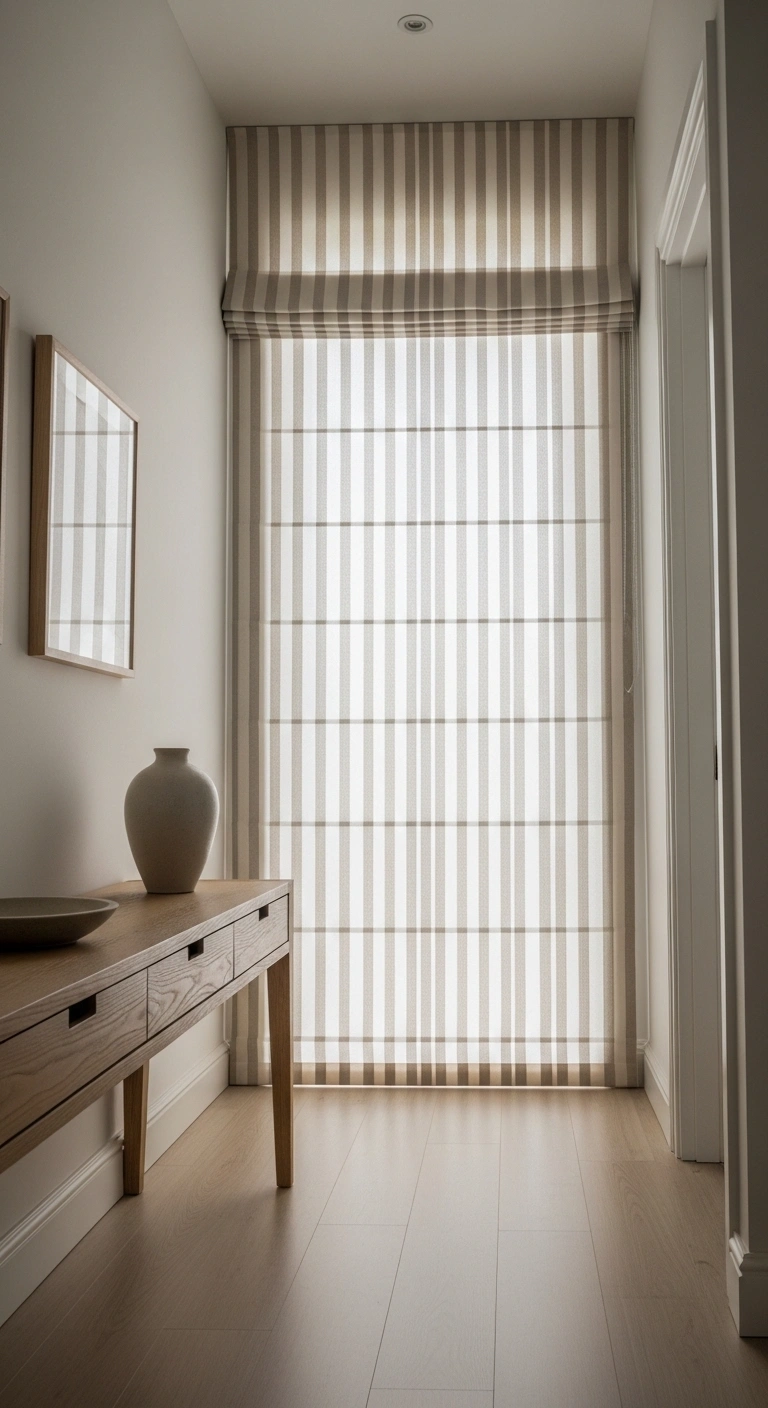
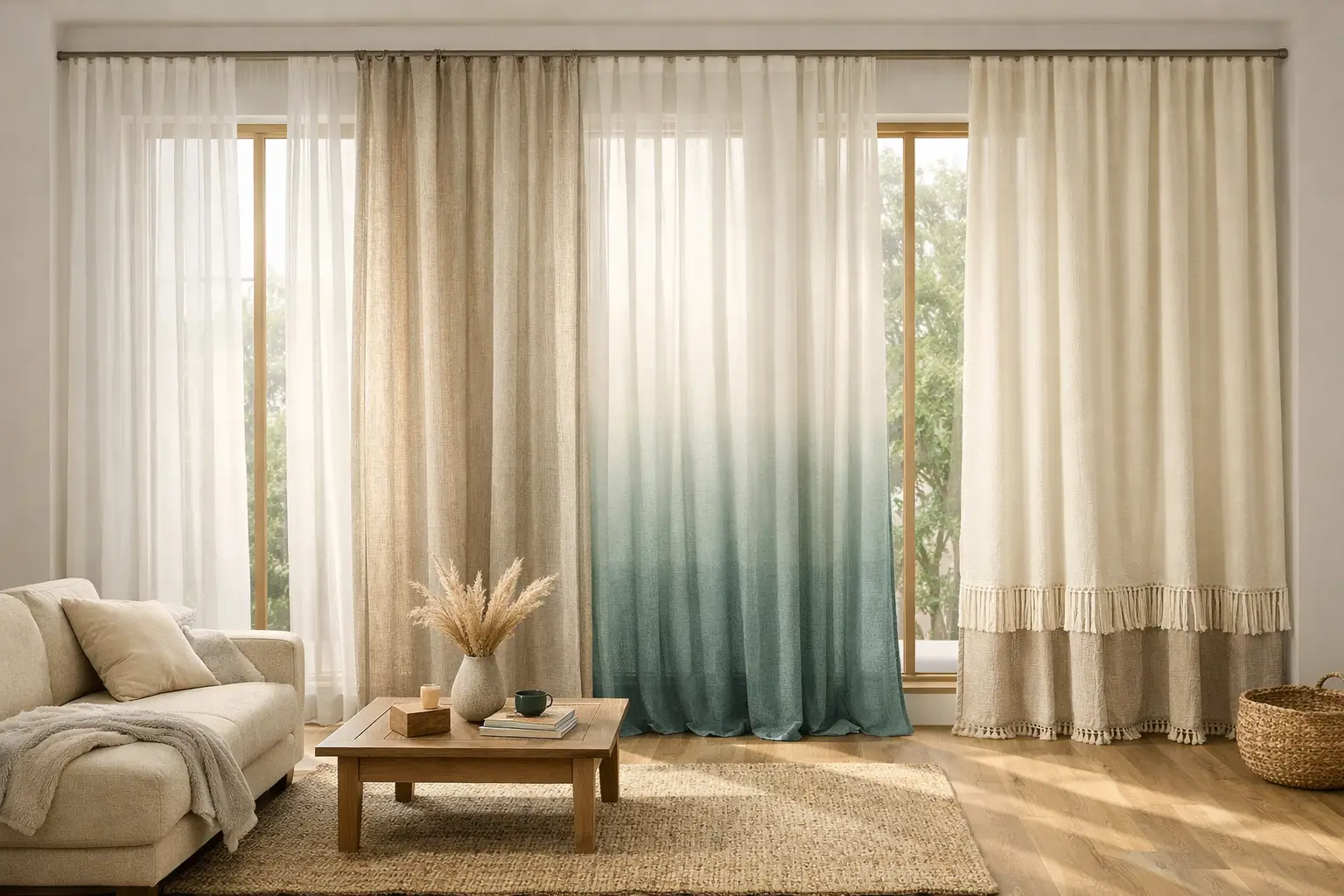
No-sew linen curtains offer a quick way to refresh your windows without tools or sewing skills. Choose lightweight linen in soft tones like off-white, sand, or pale grey to create a relaxed and airy feel.
Use iron-on hemming tape to adjust the length for a clean finish. Let the fabric fall naturally with slight wrinkles for a casual, lived-in look. Pair these curtains with simple curtain rods in matte black or wood tones.
This project works well in bedrooms or living rooms where you want softness without effort. The texture of linen adds depth while still allowing natural light to pass through gently.
2. Drop Cloth Curtains for a Budget-Friendly Look
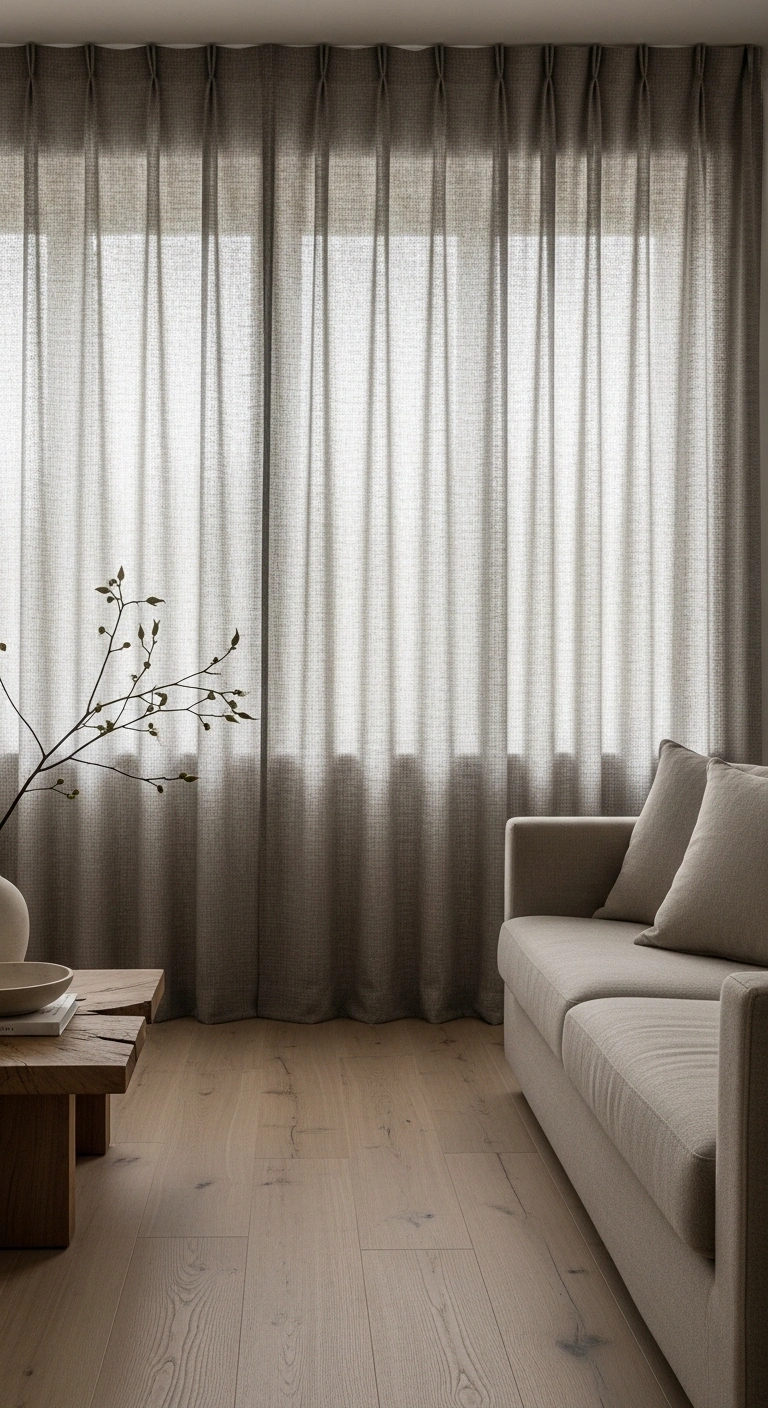
Drop cloth curtains turn simple canvas fabric into stylish window coverings. These are affordable, durable, and easy to customize with dye or paint.
Start with natural canvas drop cloths and wash them to soften the texture. Hang them using clip rings for a relaxed, slightly industrial feel. The neutral color works well with both modern and rustic interiors.
You can leave them plain or add subtle stripes or stenciled patterns. This project is perfect if you want a clean, understated look without spending much.
3. Painted Stripe Curtains for a Custom Design
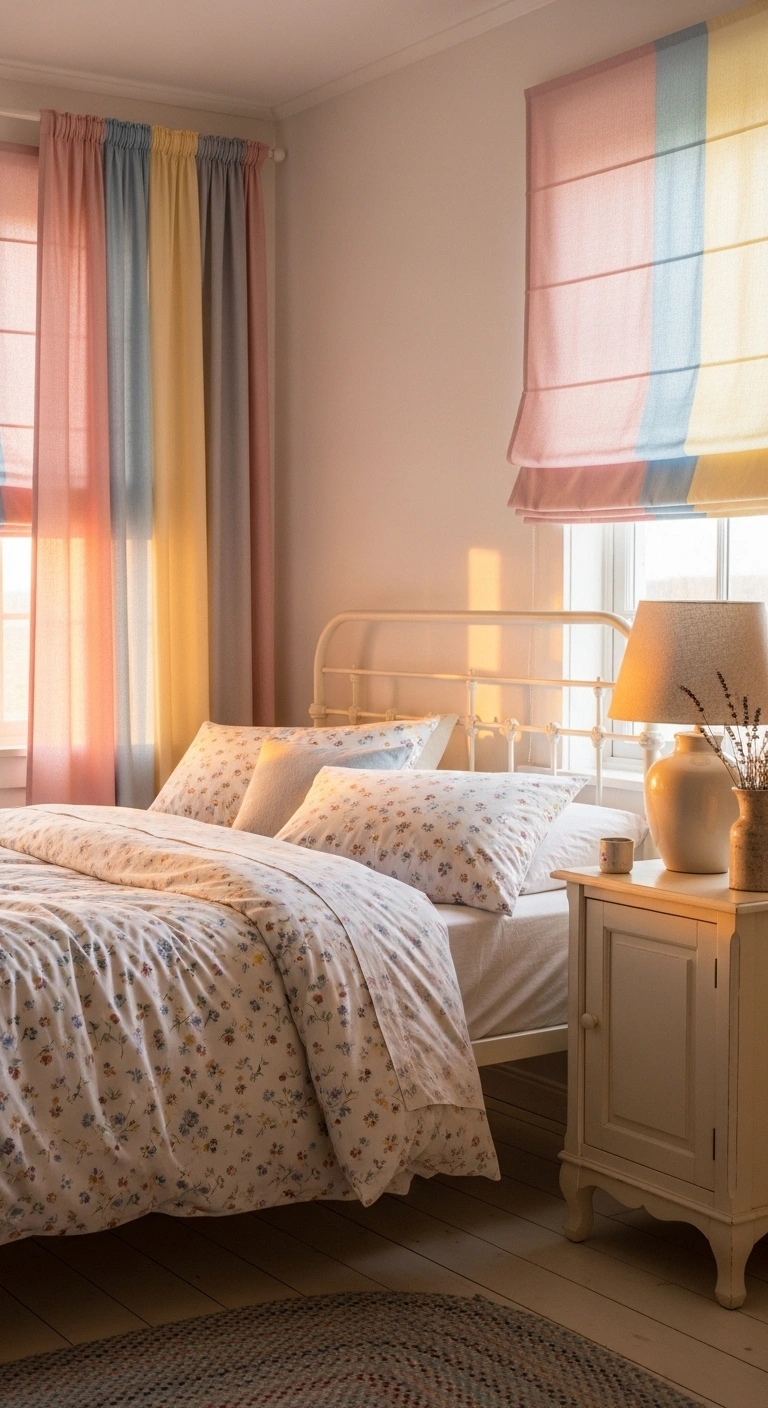
Painted stripe curtains let you create your own pattern using simple materials. Start with plain white or neutral fabric and use painter’s tape to mark even vertical or horizontal lines.
Choose soft contrasting colors like beige and white or go bold with navy and cream. Use fabric paint to fill in the stripes, then let them dry completely.
The result is a tailored look that feels custom-made. These curtains work well in dining areas or home offices where a bit of structure and personality makes the space more interesting.
4. Sheer Layered Curtains for Soft Light
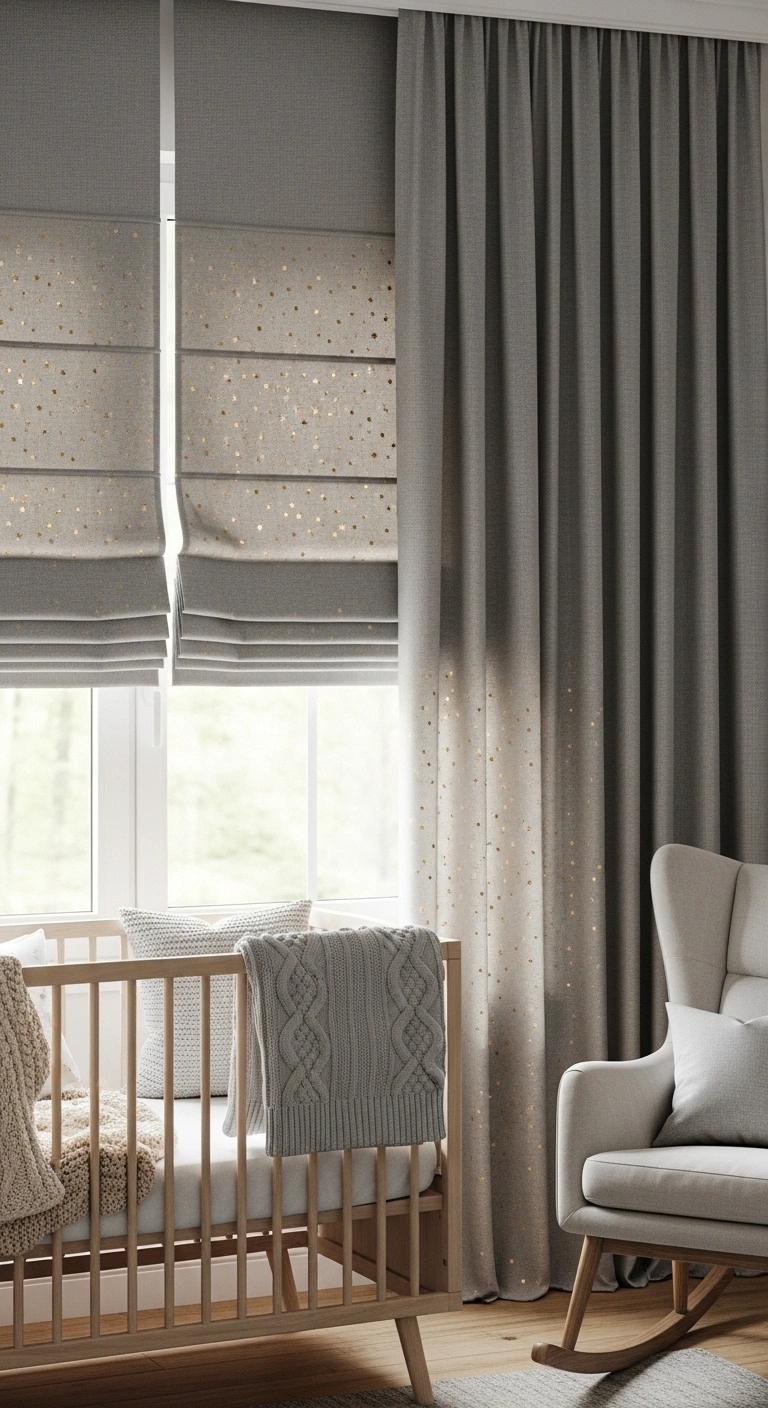
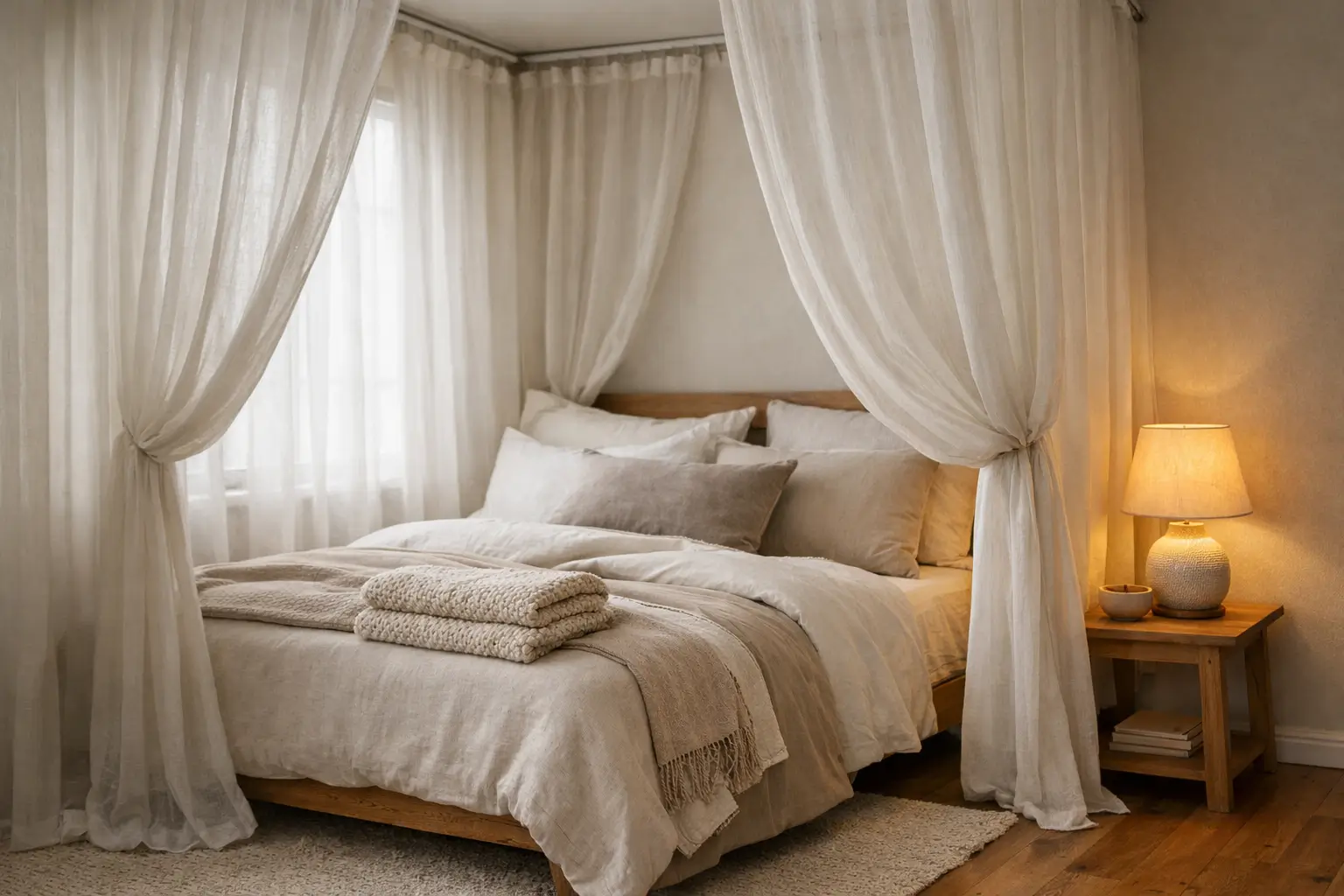
Layering sheer curtains creates a soft, dreamy effect that filters sunlight beautifully. Use two or more sheer panels in slightly different tones like white and ivory.
Hang them on a double rod so you can adjust each layer separately. The overlapping fabrics create depth while still keeping the room bright.
This idea works well in living rooms or spaces where you want natural light without harsh glare. The gentle layers add movement and elegance without feeling heavy.
5. Tie-Top Curtains for a Casual Touch
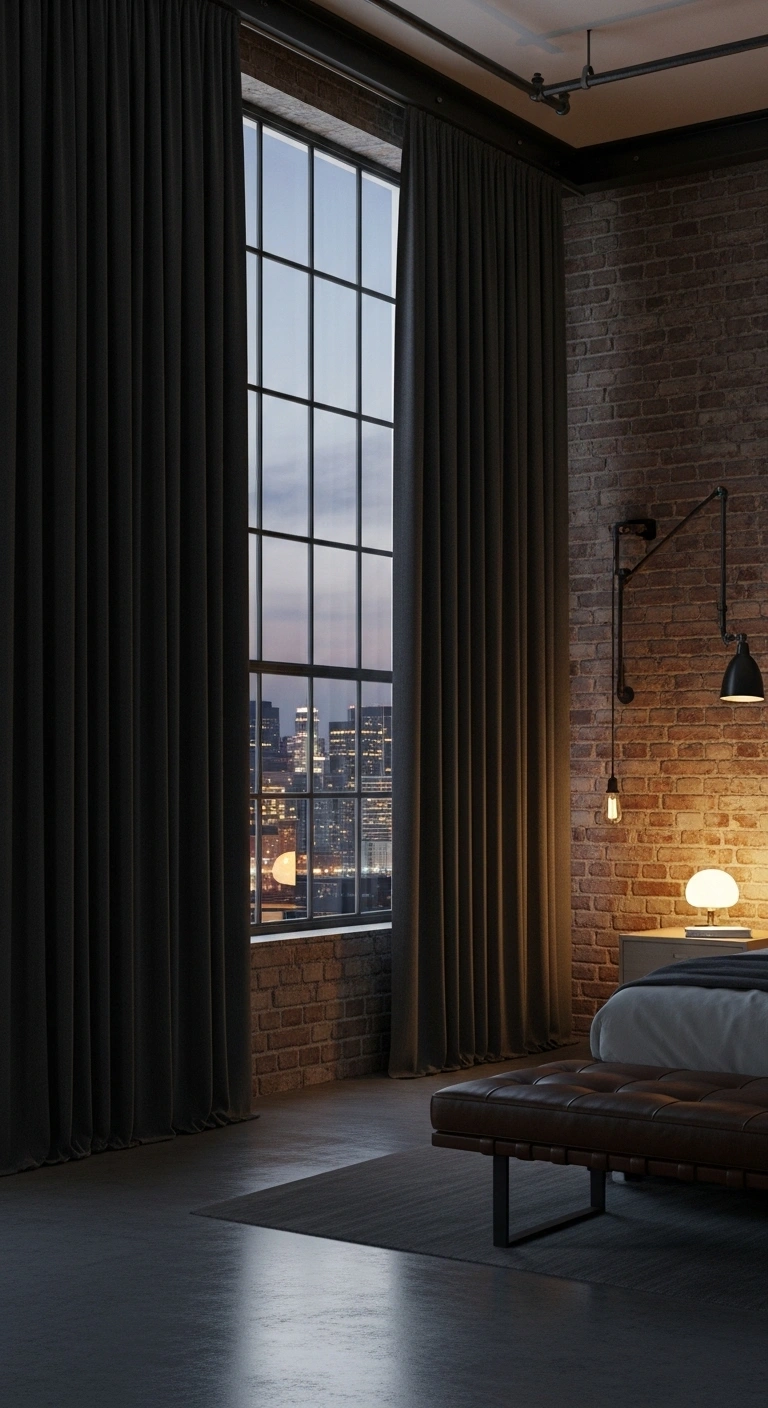
Tie-top curtains bring a relaxed, handcrafted feel to your windows. Instead of traditional hooks, fabric ties secure the curtain to the rod.
Use soft cotton or linen in warm, natural tones. Leave the ties slightly uneven for a more casual look. This design works especially well in bedrooms or cozy corners.
Pair with wooden rods to enhance the natural vibe. The visible ties add detail while keeping the overall style simple and approachable.
6. Two-Tone Curtains for a Modern Look
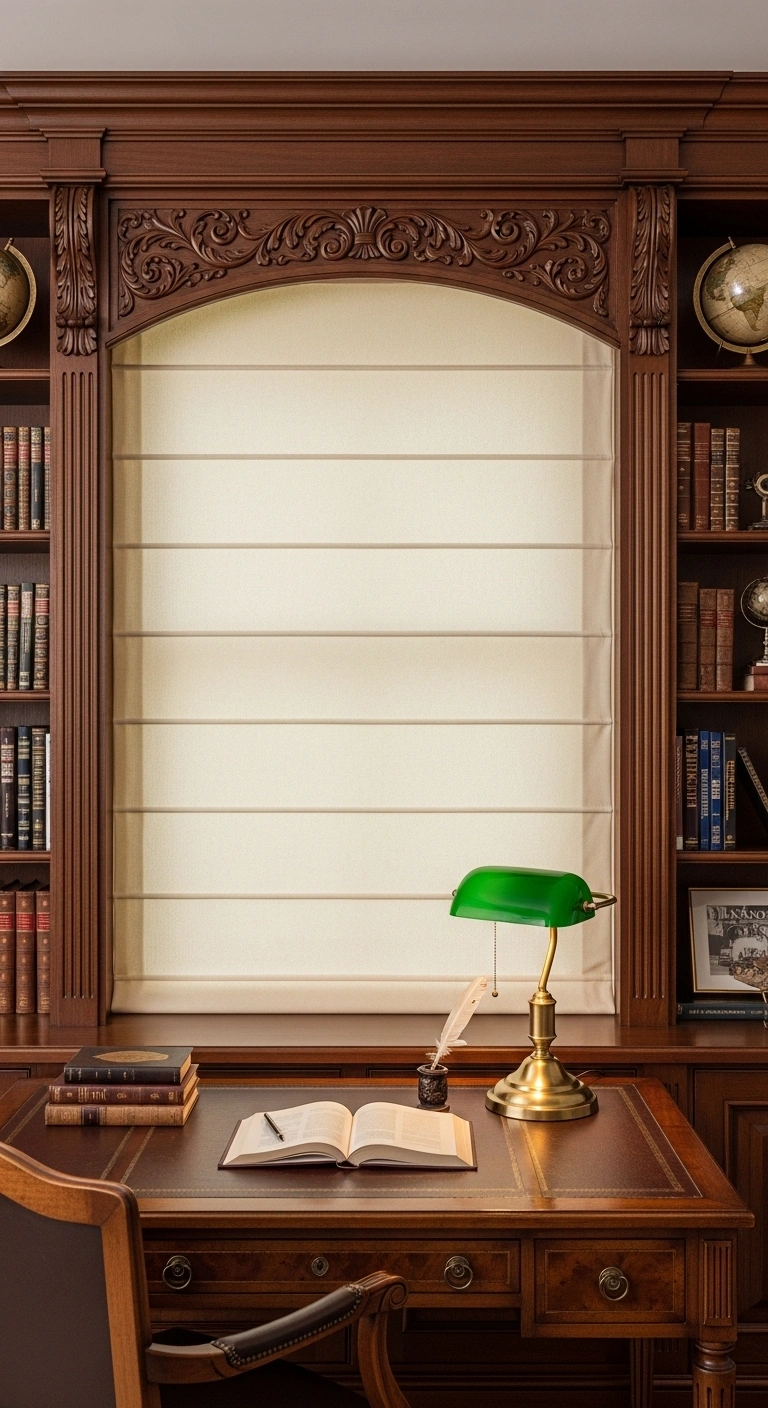
Two-tone curtains combine two fabrics in one panel for a bold yet balanced design. Choose colors that complement each other, like soft grey with white or beige with olive.
Sew or fuse the fabrics horizontally or vertically depending on the look you want. Keep the lines clean for a modern finish.
This project adds visual interest without needing patterns. It works well in contemporary spaces where color blocking can make the room feel more styled.
7. Stenciled Pattern Curtains for Artistic Detail
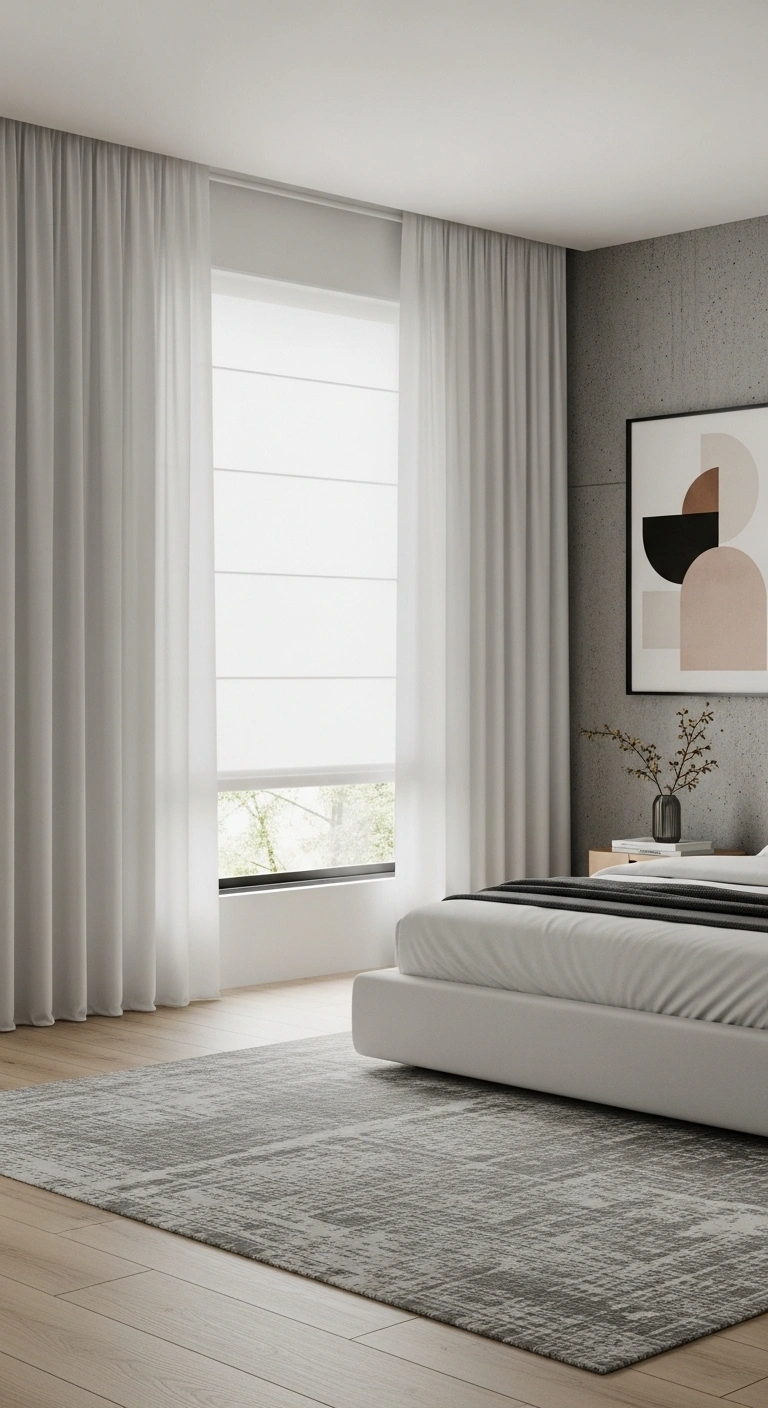
Stenciled curtains allow you to add detailed patterns without buying printed fabric. Start with plain curtains and use reusable stencils with fabric paint.
Choose simple designs like small geometric shapes or soft floral patterns. Repeat the pattern evenly across the fabric for a cohesive look.
This idea works well in creative spaces like home offices or craft rooms. It adds personality while keeping costs low.
8. Pom-Pom Trim Curtains for Playful Style
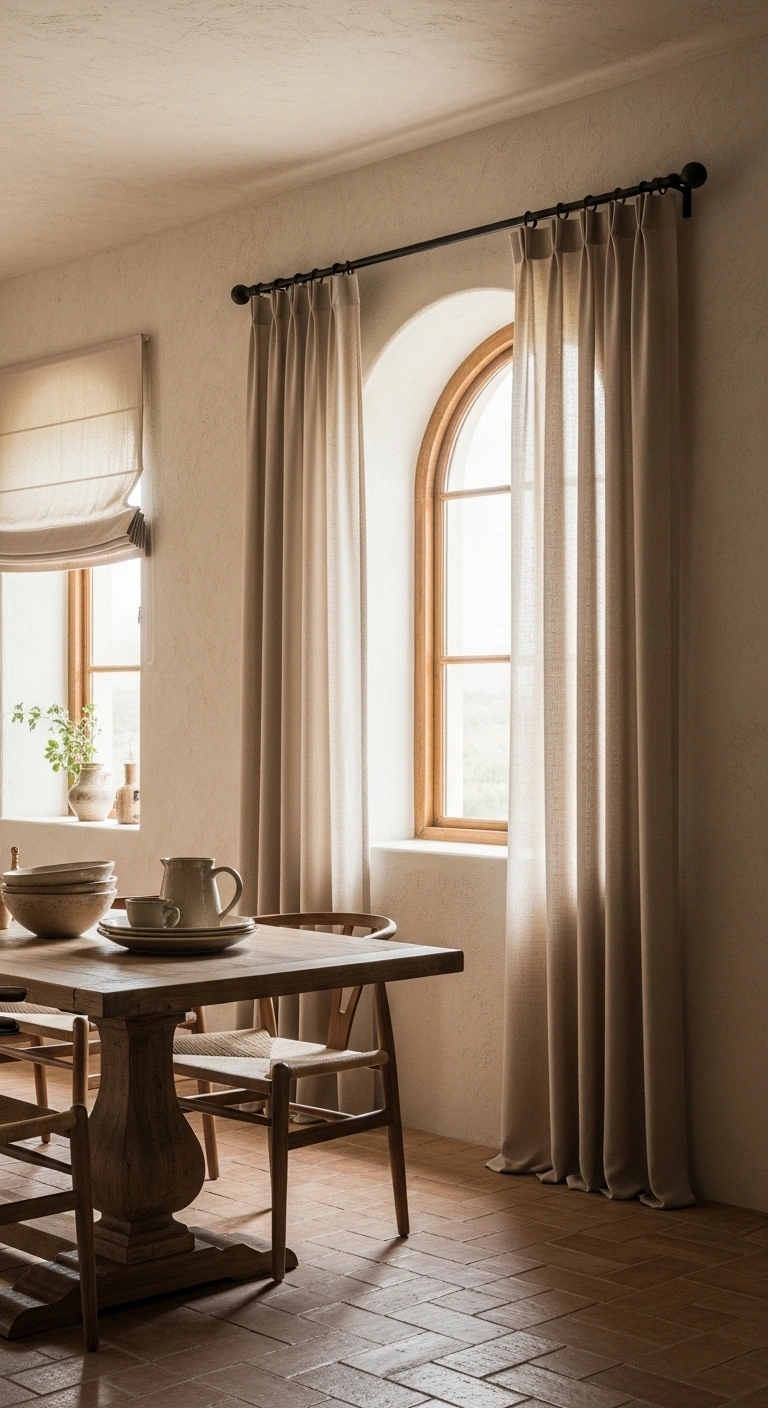
Adding pom-pom trim to curtain edges creates a fun and playful detail. Choose trim in soft colors for a subtle look or bright tones for more energy.
Sew or glue the trim along the sides or bottom of the curtain. Keep the main fabric simple so the trim stands out.
This project works well in kids’ rooms or relaxed living spaces. It adds texture and movement without changing the entire curtain.
9. Café Curtains for Partial Coverage
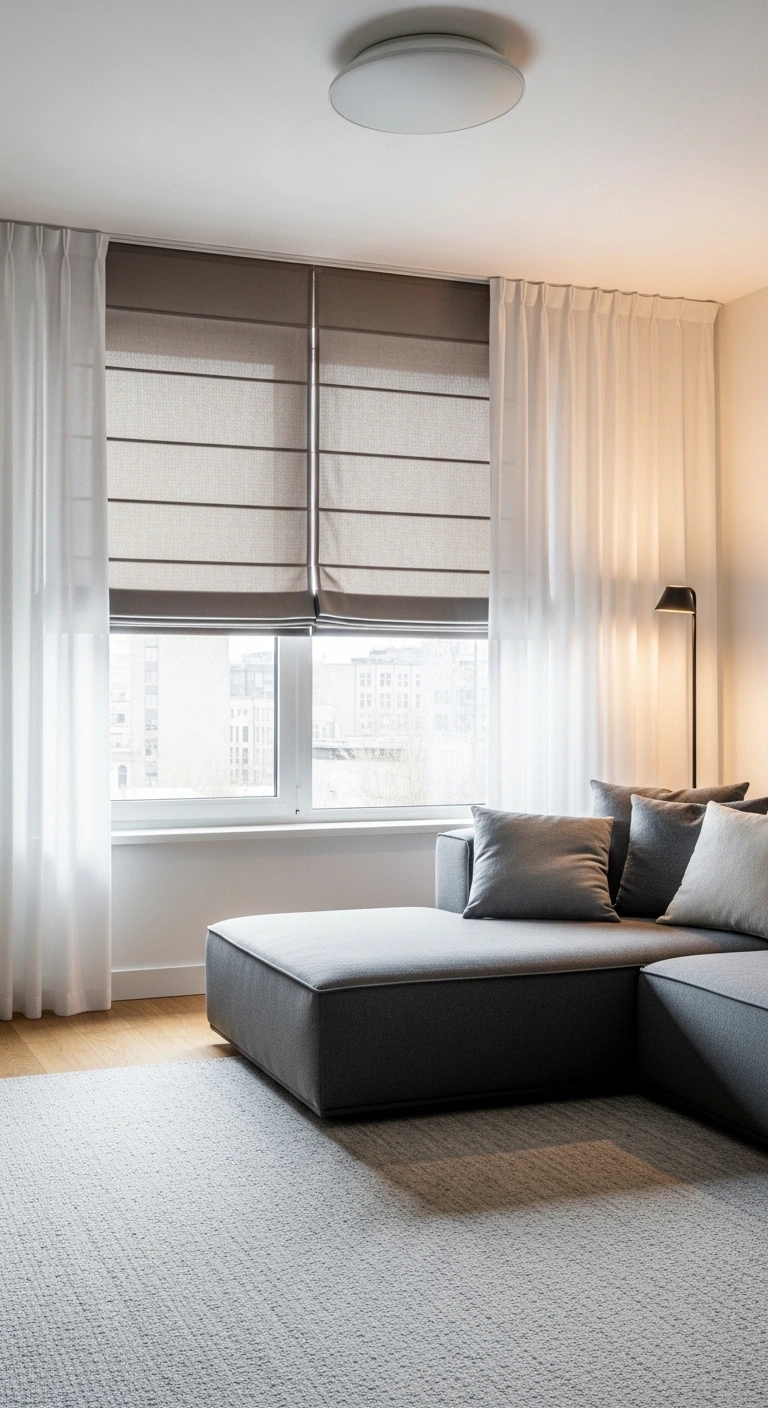
Café curtains cover only the lower half of the window, allowing light to enter from the top while maintaining privacy below. Use light cotton or linen for a clean look.
Install a rod halfway up the window and keep the top area open. Choose soft colors or subtle patterns to keep the space feeling light.This idea works especially well in kitchens or bathrooms. It balances function and style in a simple way.
10. Dip-Dyed Curtains for a Gradient Effect
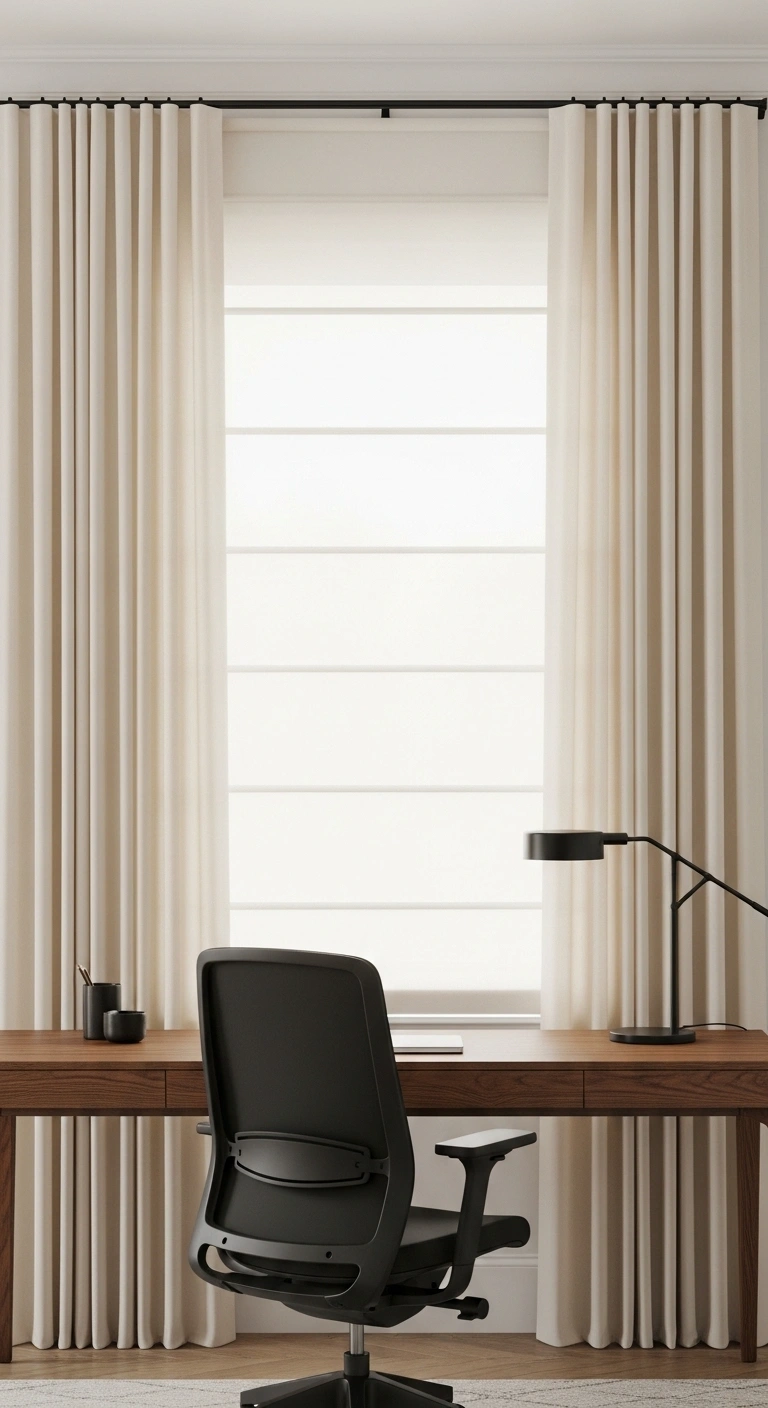
Dip-dyeing curtains creates a smooth gradient that adds color without harsh lines. Start with white fabric and dip the bottom into fabric dye.
Choose soft tones like dusty blue or blush for a gentle transition. Let the color fade naturally upward for a balanced effect.
This project works well in bedrooms or creative spaces. The gradient adds interest while keeping the overall look calm.
11. Macramé Curtain Panels for Texture
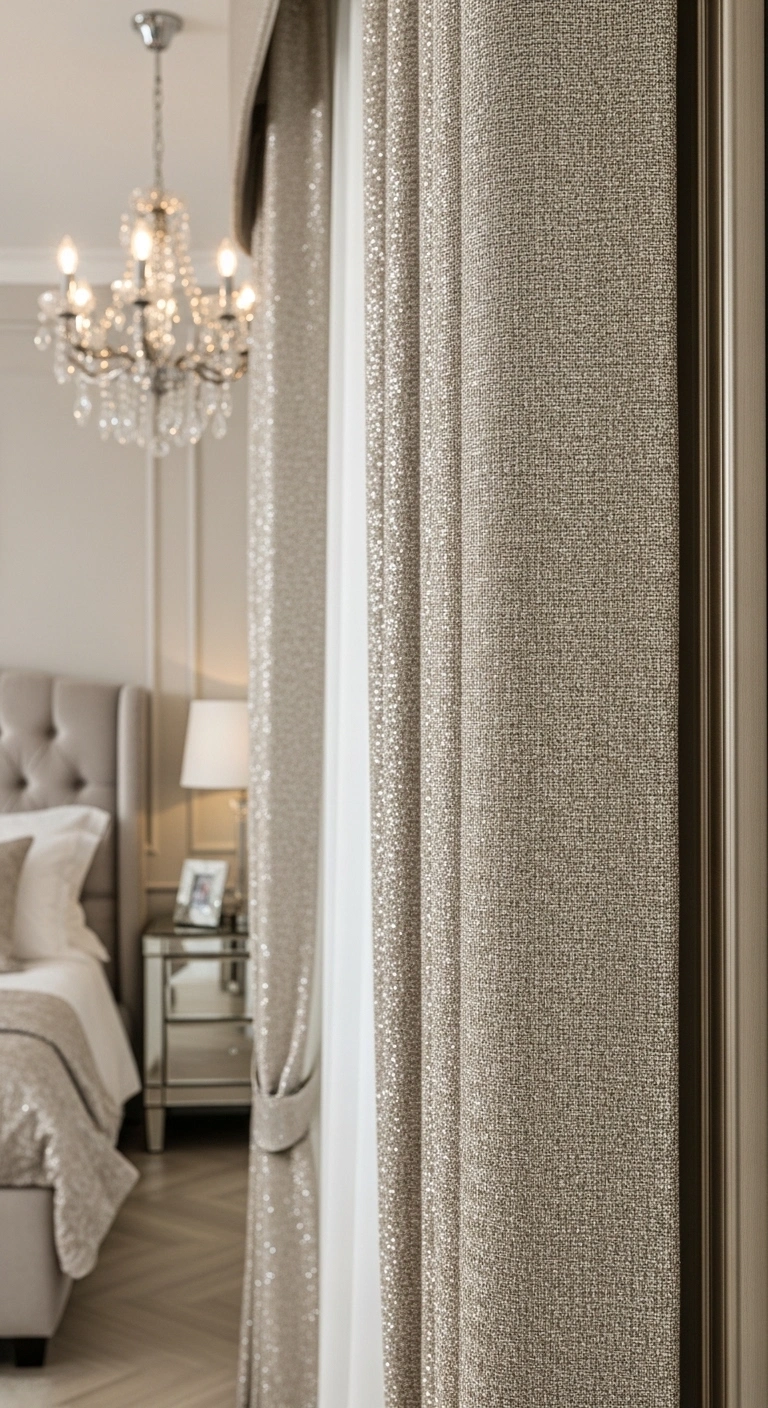
Macramé panels add handcrafted texture and a bohemian feel to your windows. Use natural cotton cord to create knotted patterns.
Hang the panel as a curtain or layer it over a sheer fabric. The open design allows light to pass through while adding visual interest.
This idea works well in relaxed spaces with natural materials. Pair with plants and woven décor to complete the look.
12. Lace Overlay Curtains for Vintage Charm
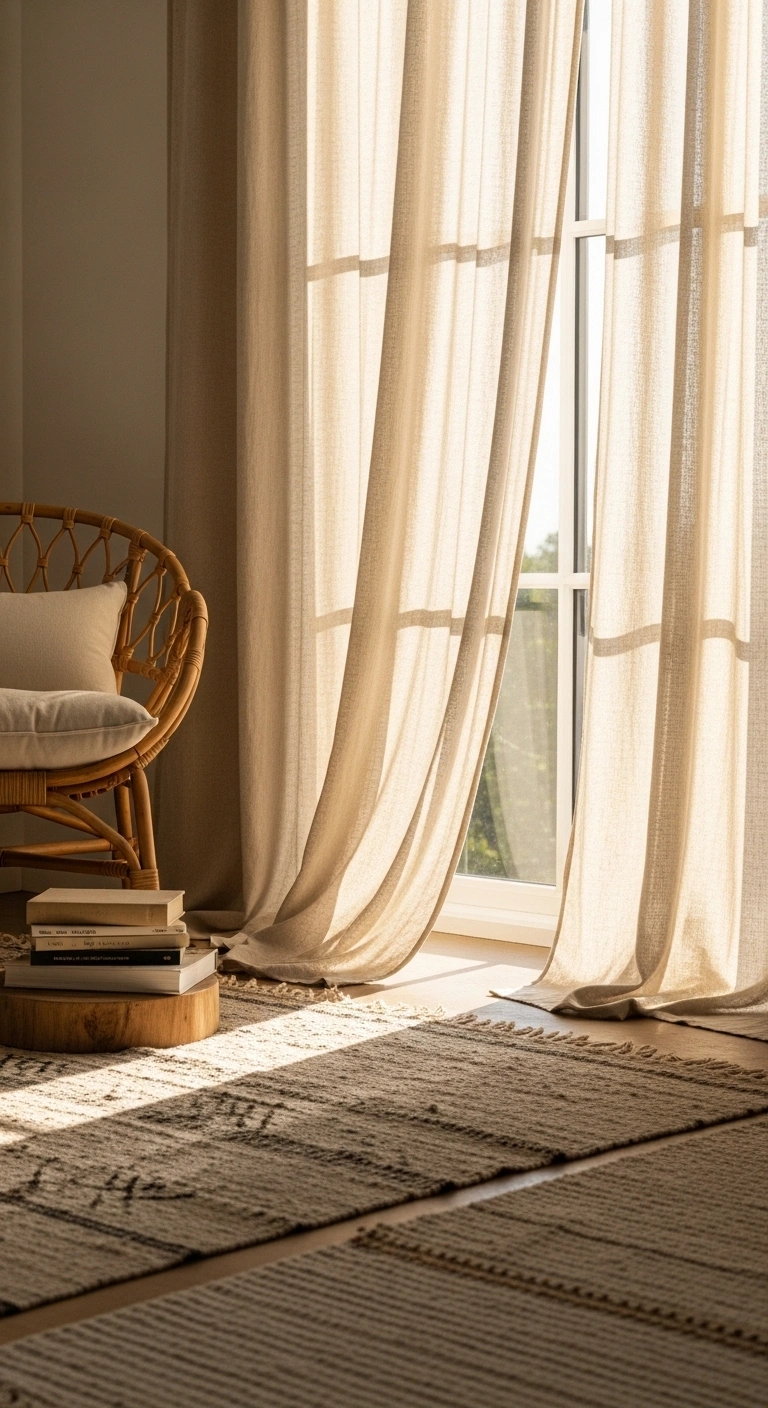
Lace overlay curtains combine a solid base fabric with a delicate lace layer on top. The lace softens the look and adds a vintage-inspired touch.
Choose neutral tones like white or cream to keep the design elegant. The overlay creates depth and filters light in a unique way.
This project works well in bedrooms or sitting areas where you want a soft, romantic feel. The mix of textures adds detail without overwhelming the space.
13. Ruffled Edge Curtains for Soft Volume
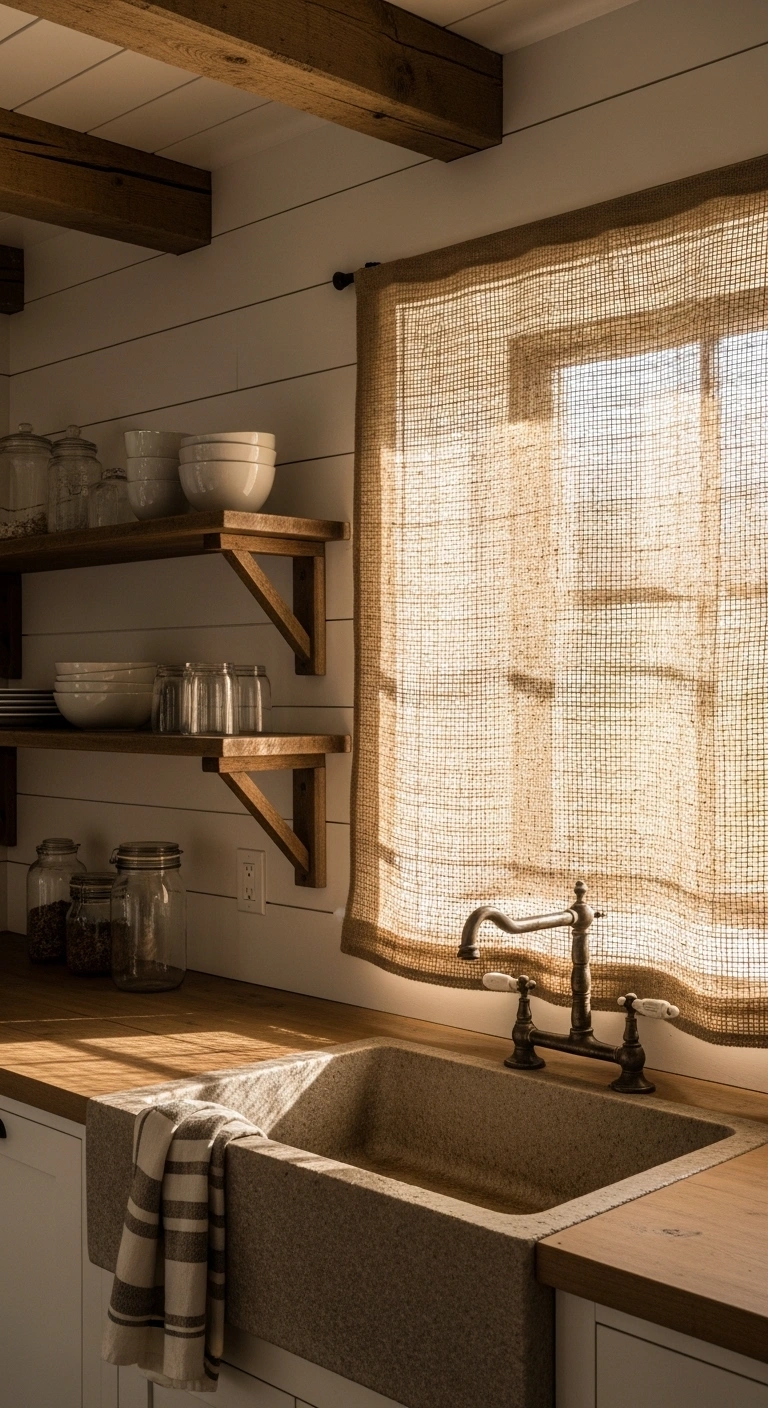
Ruffled edge curtains add gentle movement and a soft layered look to your windows. Use lightweight cotton or voile fabric and attach a gathered strip along the inner or outer edges. The ruffles should feel airy, not bulky, so keep the fabric light and slightly sheer.
Choose soft tones like blush, ivory, or pale sage to enhance the delicate effect. These curtains work beautifully in bedrooms or feminine spaces where softness matters. Pair them with simple rods so the ruffles remain the highlight.The added volume creates depth without heavy layering, making the window feel fuller and more styled.
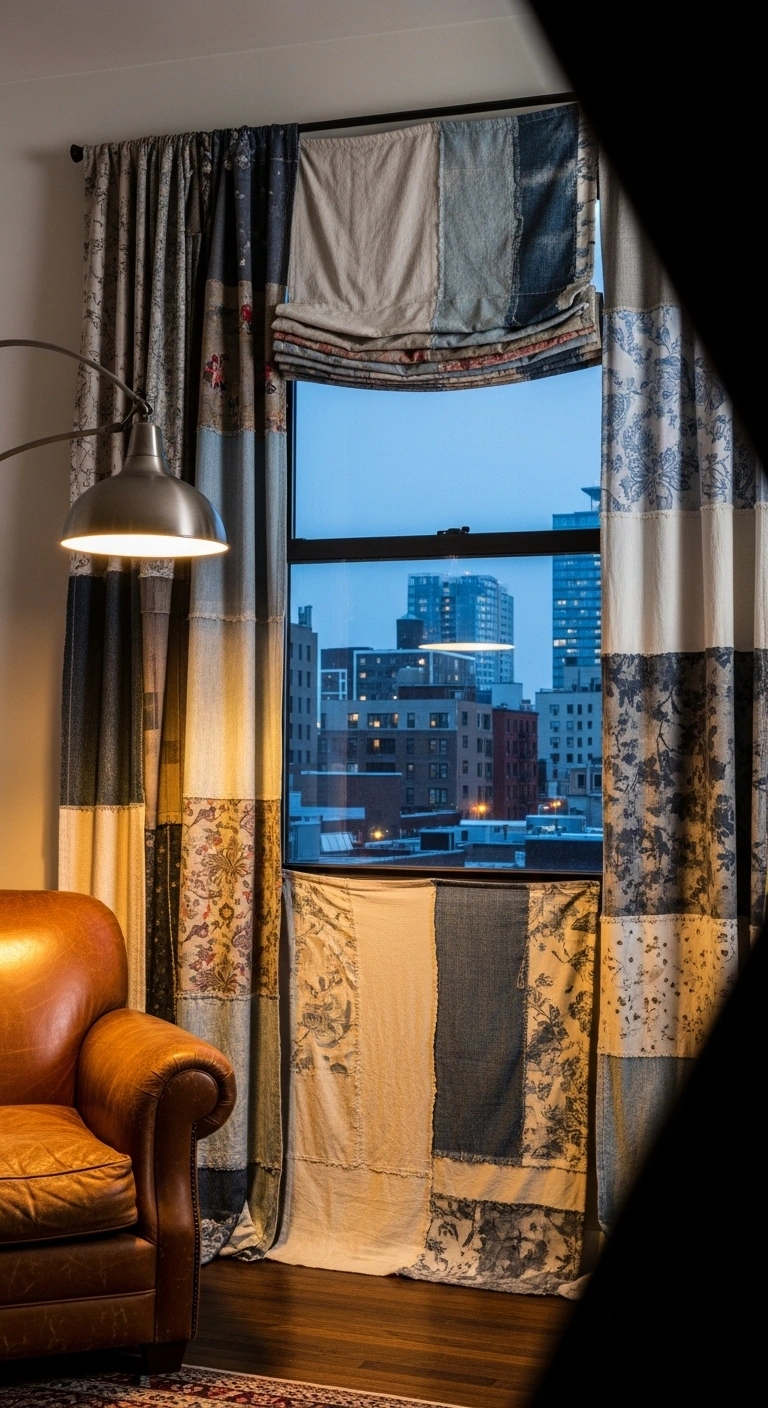
14. Patchwork Curtains for a Handmade Statement
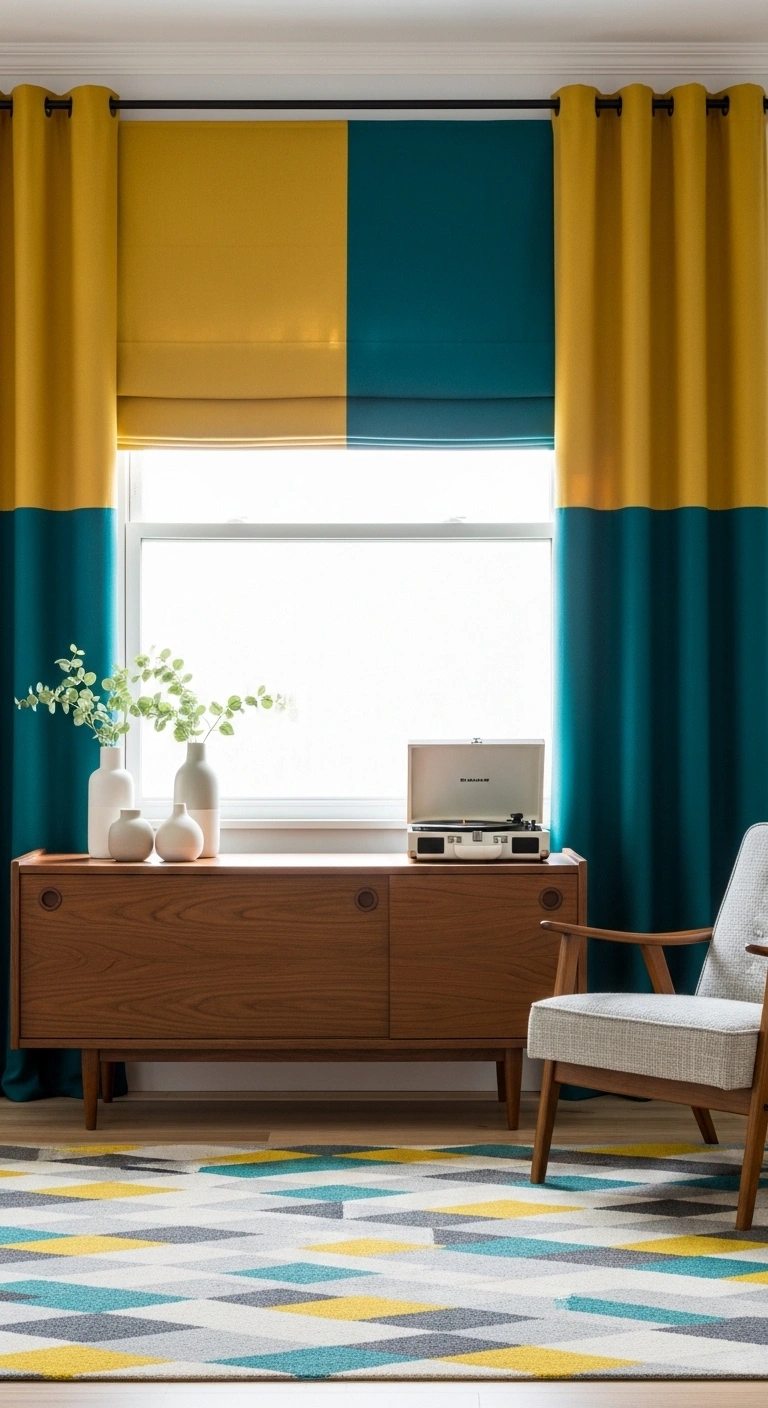
Patchwork curtains turn fabric scraps into a bold, artistic feature. Combine different prints, textures, and colors, but keep a consistent palette so the design feels intentional.
Use cotton or linen pieces stitched together in a grid or random layout. This creates a unique curtain that feels personal and full of character. Mix florals, stripes, and solids carefully to avoid visual clutter.
These curtains work best in creative spaces, studios, or eclectic homes. They instantly draw attention and become a conversation piece while still serving a functional purpose.
15. Grommet-Top Curtains for a Clean Finish
Grommet-top curtains offer a modern and structured look that is easy to install. Add metal rings along the top of your fabric so the curtain slides smoothly on the rod.
Choose medium-weight fabric that holds shape well, like canvas or thick cotton. Stick to neutral or solid colors for a clean, contemporary feel.
This style works well in living rooms or offices where you want simplicity with function. The even folds created by grommets give the curtain a neat, uniform appearance.
16. Fringe Bottom Curtains for Subtle Detail

Fringe bottom curtains introduce texture in a simple and understated way. Add a line of soft fringe along the bottom edge of plain fabric curtains.
Choose fringe in a similar tone to keep the look refined, or go slightly darker for contrast. The movement at the bottom adds interest without overwhelming the design.
These curtains work well in relaxed living rooms or bedrooms. Pair with natural materials like wood or woven rugs to enhance the texture.
17. Burlap Curtains for Rustic Texture
Burlap curtains bring a raw, earthy feel into your home. The coarse texture adds depth and pairs well with farmhouse or rustic interiors.
Use softened burlap to reduce stiffness and improve drape. Keep the design simple, allowing the texture to stand out. Pair with wooden rods or metal hardware for a balanced look.
These curtains work well in kitchens or dining areas where warmth and character matter. Add soft lighting to highlight the natural fibers.
18. Color Block Curtains with Bold Sections
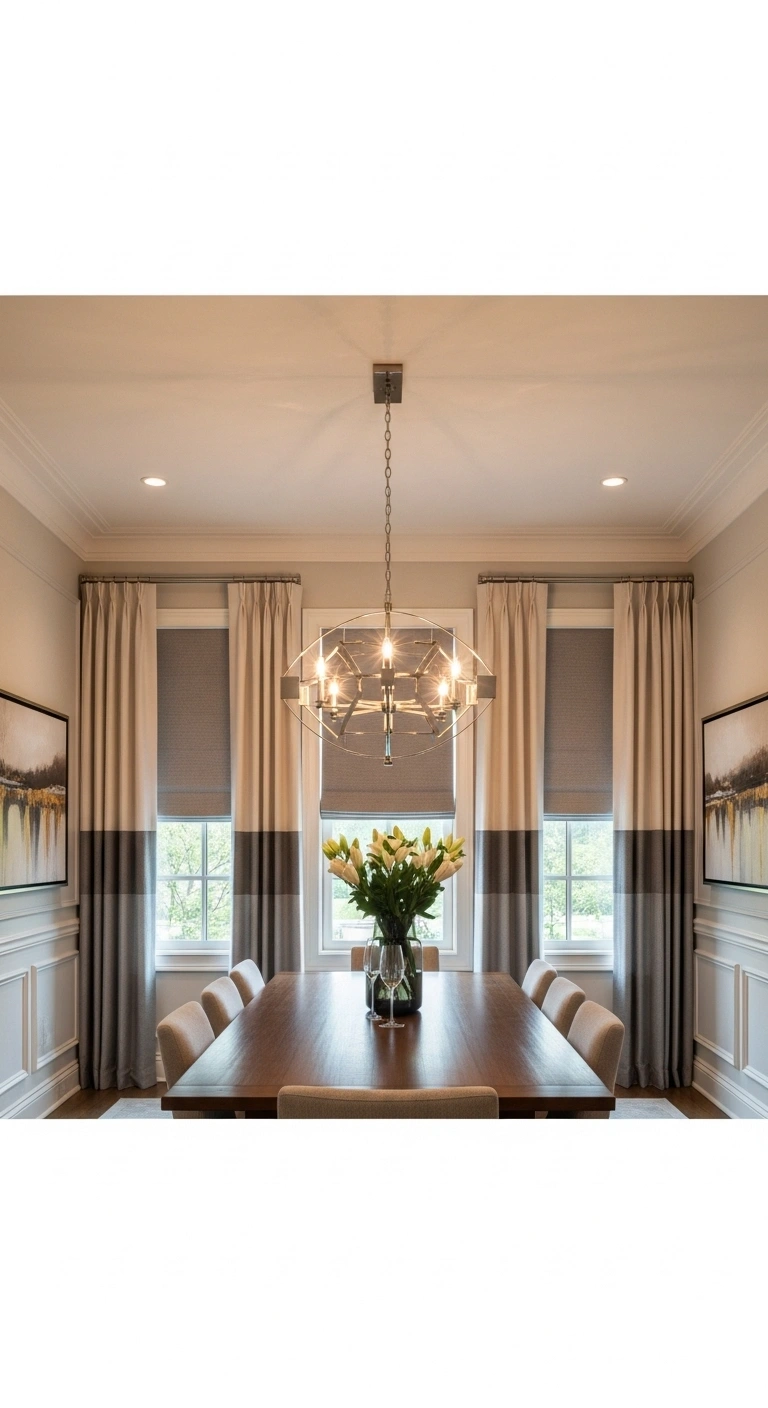
Color block curtains use large sections of contrasting colors to create a bold statement. Choose two or three tones that complement your space, such as mustard with grey or navy with white.
Keep the lines clean and the sections balanced so the design feels modern, not chaotic. Use heavier fabric to maintain structure.
These curtains work well in contemporary living rooms or creative spaces. They add energy and style without needing patterns or prints.
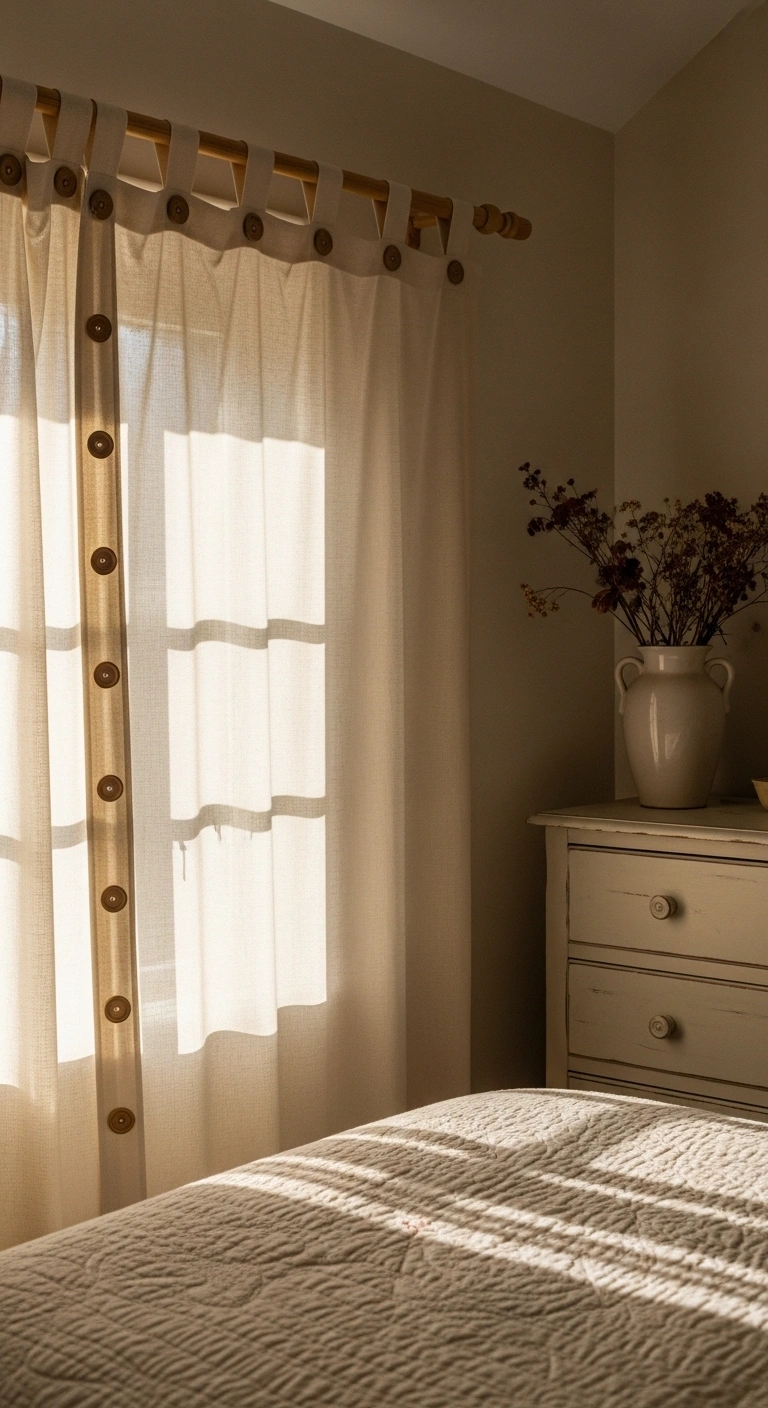
19. Button-Loop Curtains for a Vintage Touch
Button-loop curtains replace standard hooks with fabric loops secured by buttons. This small detail adds a vintage-inspired charm to your window treatment.
Use soft cotton or linen fabric and wooden or fabric-covered buttons for a cohesive look. Leave the loops slightly loose for a relaxed feel.
These curtains work well in cottage-style homes or cozy bedrooms. The visible buttons act as a decorative element while keeping the design functional.
20. Outdoor Drop Curtains for Patio Spaces
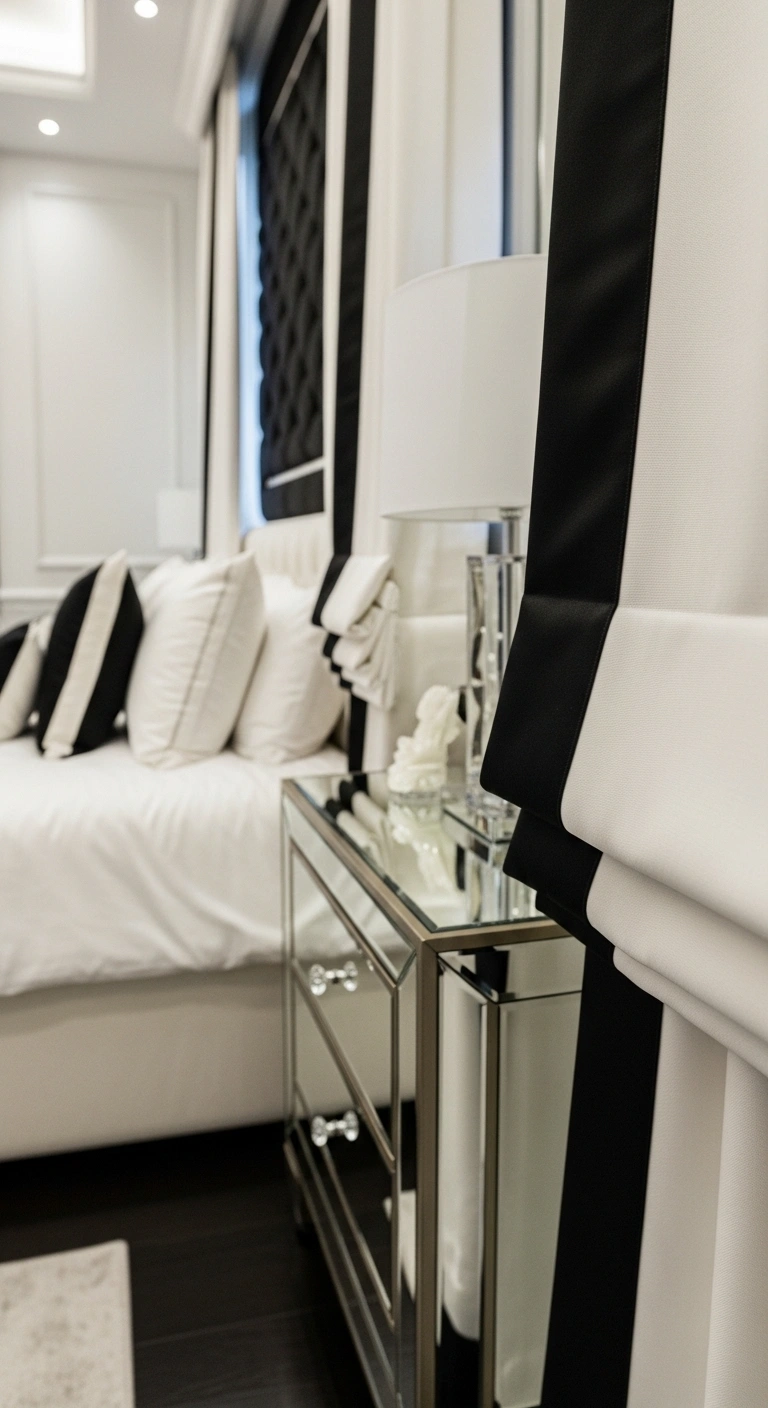
Outdoor drop curtains create privacy and shade in patios or balconies. Use weather-resistant fabric in neutral tones that can handle sunlight and moisture.
Install a sturdy rod or wire system and let the curtains hang freely. Add tie-backs to control how much coverage you want.
These curtains help define outdoor seating areas while keeping the space open and airy. They also soften harsh sunlight, making the area more comfortable.
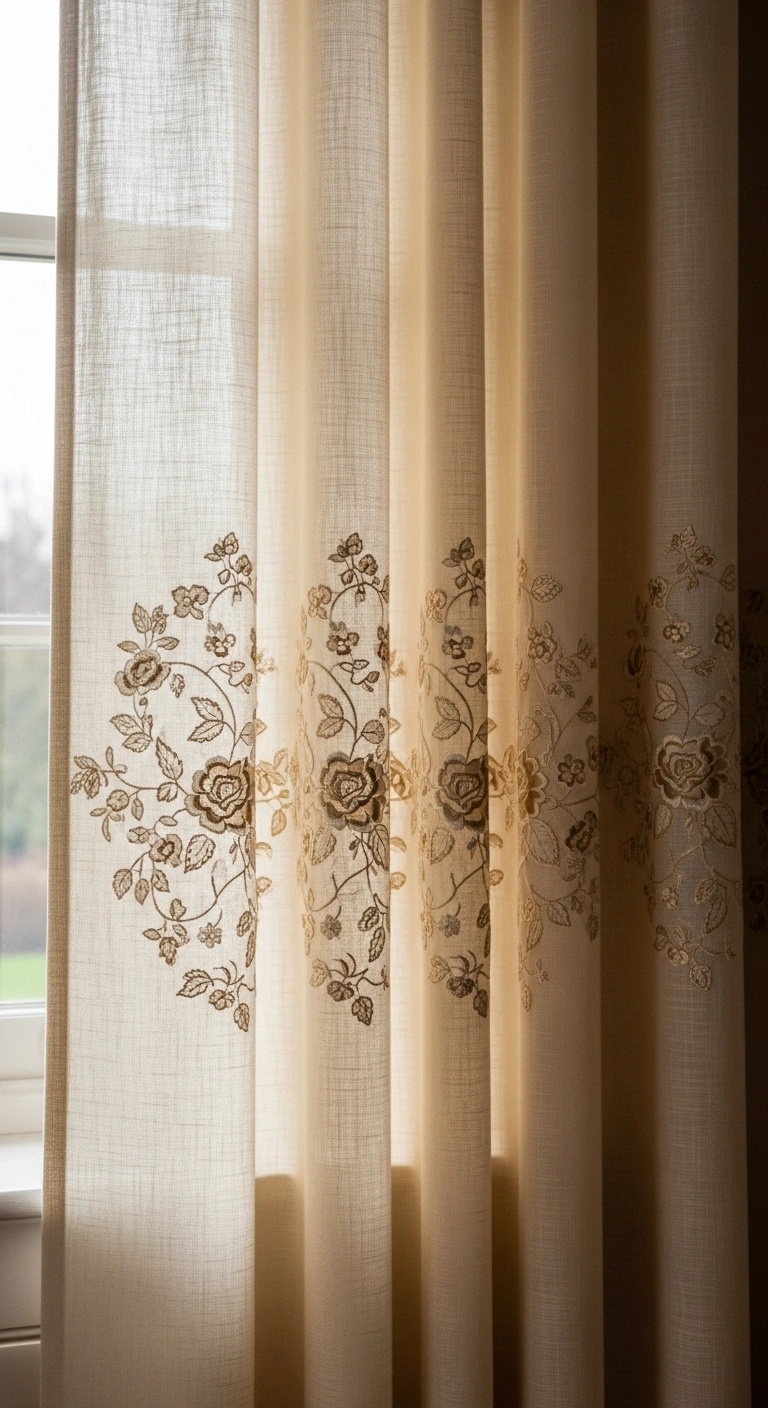
21. Embroidered Curtains for Subtle Elegance
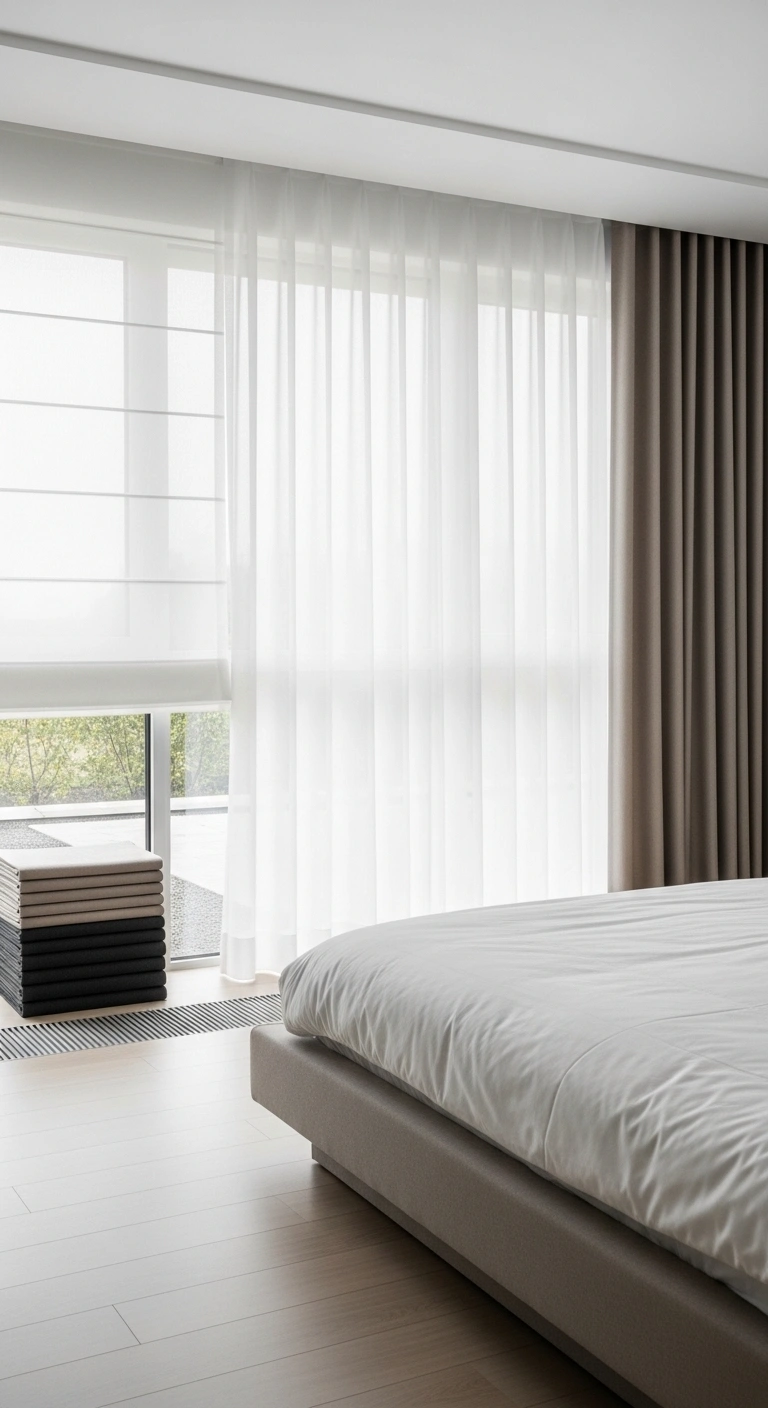
Embroidered curtains add delicate detail without overwhelming the space. Choose simple stitched patterns like small florals or geometric lines.
Use light fabric so the embroidery stands out gently when light passes through. Stick to neutral or soft colors for a refined look.
These curtains work well in bedrooms or sitting areas where you want quiet elegance. The small details create interest without needing bold designs.
22. Curtain Panels with Fabric Bands
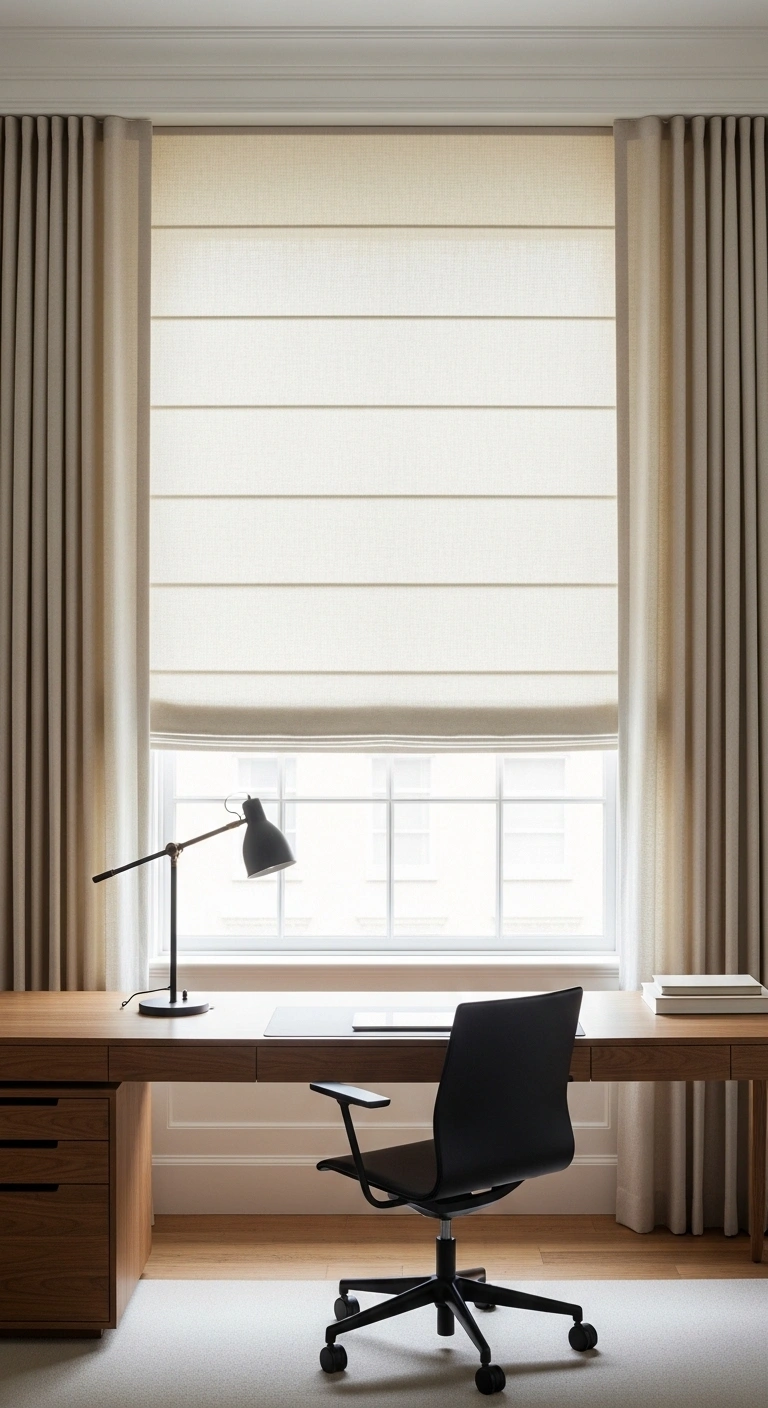
Adding horizontal or vertical fabric bands creates a custom, layered look. Use a contrasting or textured fabric strip across the curtain.
Place the band near the top, middle, or bottom depending on the style you want. Keep the rest of the curtain simple so the band stands out.
This idea works well in modern or transitional spaces. It adds structure and design without needing full patterns.
23. Recycled Fabric Curtains for Sustainable Style
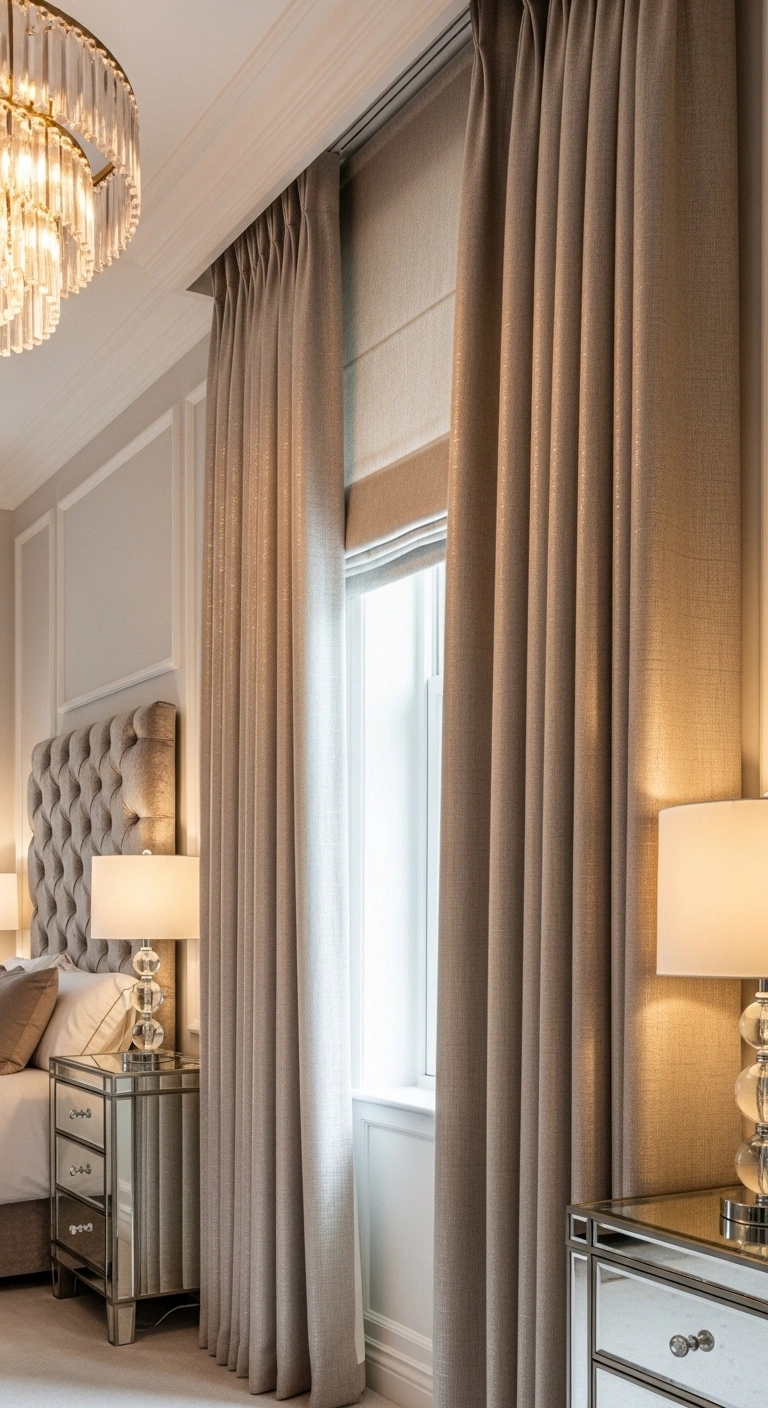
Recycled fabric curtains turn old sheets, tablecloths, or garments into something useful and stylish. Choose fabrics that are still in good condition and mix them creatively.
Wash and cut them into panels, then stitch or fuse them into curtain form. Keep a consistent color palette to maintain a cohesive look.
This project is perfect for eco-conscious homes. It reduces waste while creating something unique and personal.
24. Curtain Panels with Decorative Tape Trim
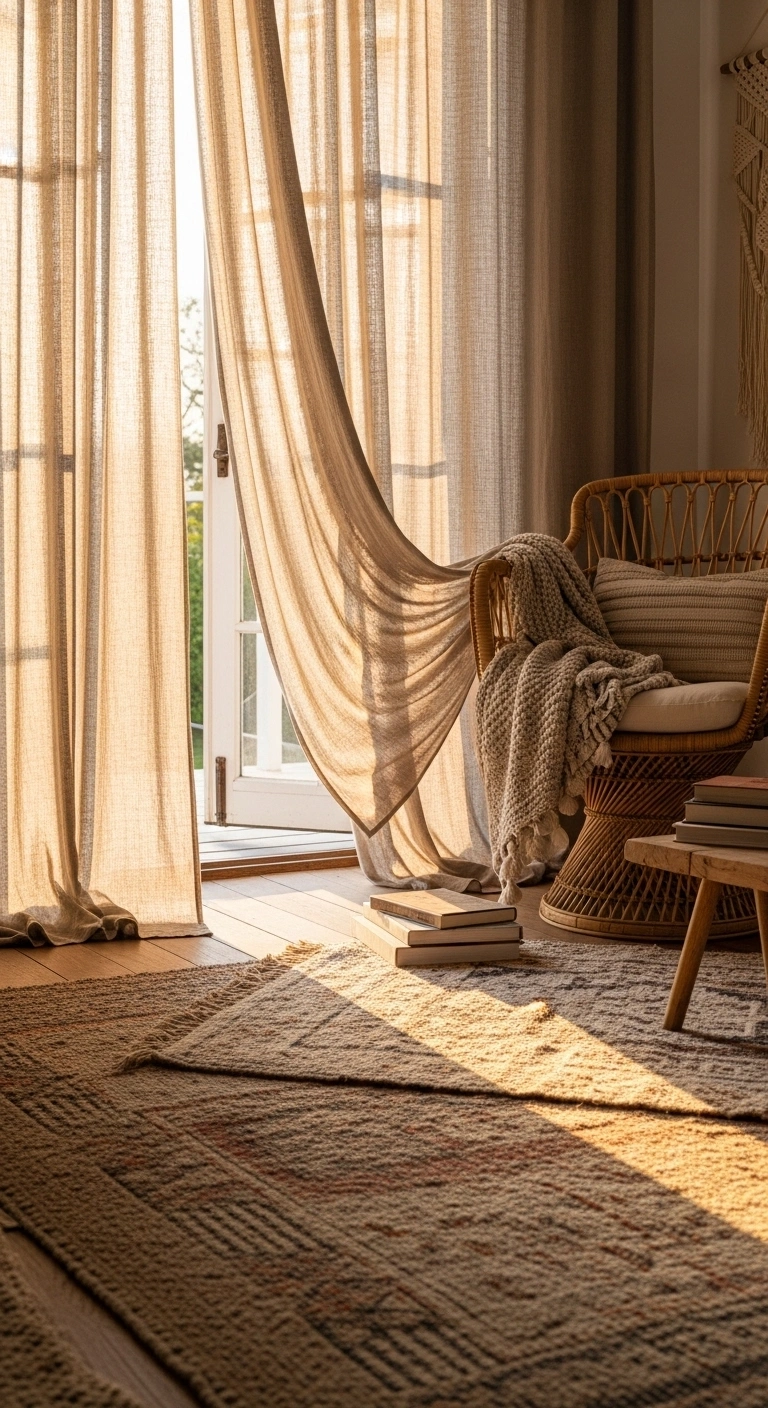
Decorative tape trim adds a clean and stylish accent to plain curtains. Choose trims with subtle patterns or textures and attach them along the edges or seams.
Use neutral fabric with a slightly bold trim for contrast. This keeps the look balanced and intentional.
These curtains work well in living rooms or dining areas where small details matter. The trim acts as a finishing touch that elevates the overall design.
25. Layered Blackout and Sheer Curtains for Function

Layering blackout curtains with sheer panels gives you full control over light and privacy. Use a double rod system to separate both layers.
Choose a soft sheer fabric for daytime and a thicker blackout material for night. Keep colors coordinated for a cohesive look.
This setup works well in bedrooms and media rooms. It combines practicality with style, allowing you to adjust the atmosphere easily throughout the day.
Conclusion
These 25 DIY curtain projects show how simple materials and creative ideas can transform your windows into standout features. From soft textures and layered designs to bold color blocks and handcrafted details, each project offers a practical way to add personality to your space.
Focus on choosing fabrics, colors, and styles that match your room’s mood. Even a small change can make your space feel more complete and thoughtfully designed.
Save the ideas that inspire you most and start with one project. Once you see the difference, you’ll want to upgrade every window in your home.