23 Blackout Curtains for Better Sleep and Privacy You’ll Adore
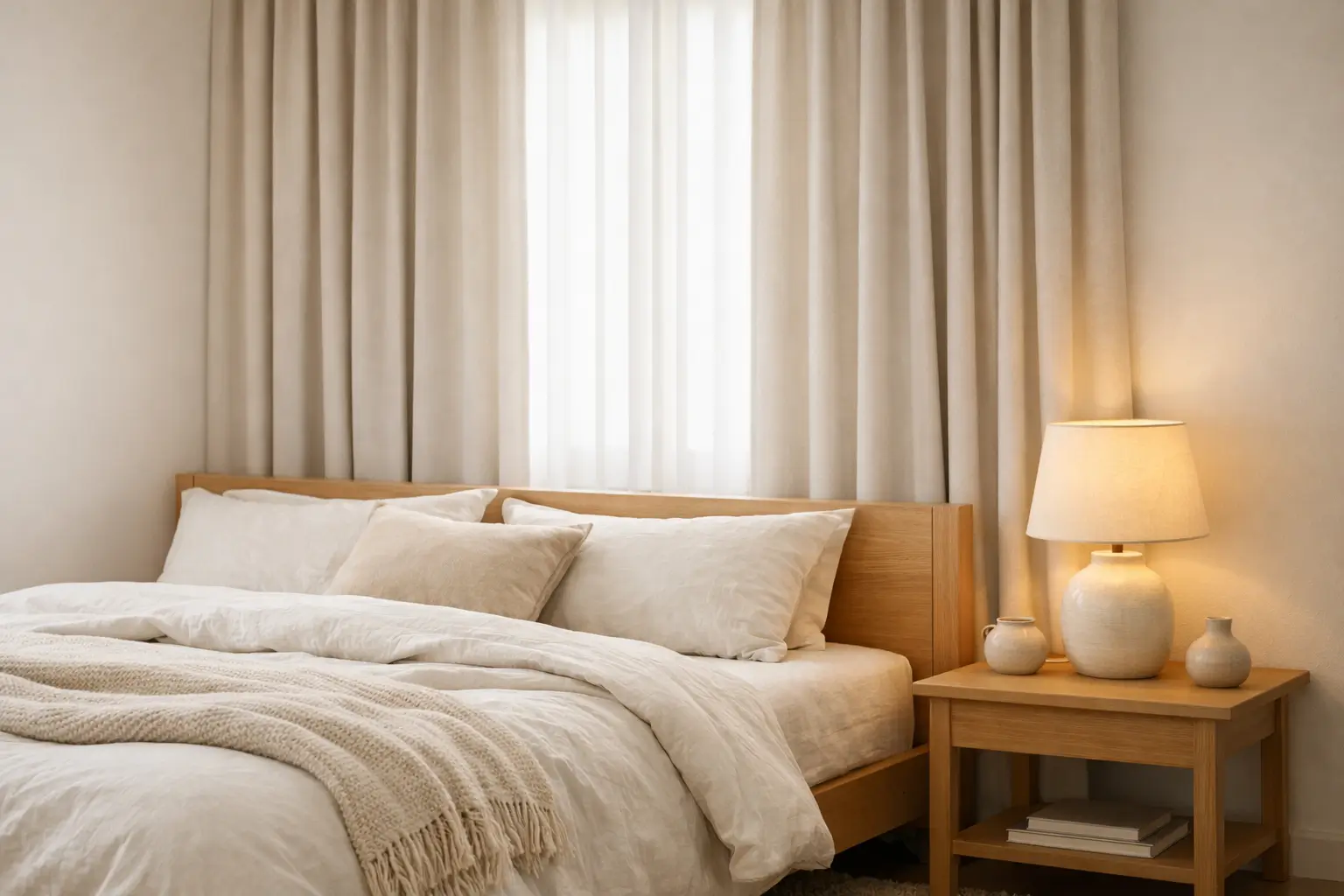
Sleep feels different when your room truly blocks the outside world. Light fades, noise softens, and your space becomes calm and private. That’s exactly what blackout curtains can do when you choose them the right way. But not all blackout curtains look heavy or dull. Today, they come in beautiful fabrics, soft colors, and smart designs that can upgrade your room while improving your sleep.
In this guide, you’ll discover creative, fresh, and practical ways to use blackout curtains for both style and function. Each idea focuses on real-life use, visual appeal, and simple changes you can try right away. Whether your space is small, bright, or lacking privacy, these ideas will help you transform it into a cozy retreat worth saving.
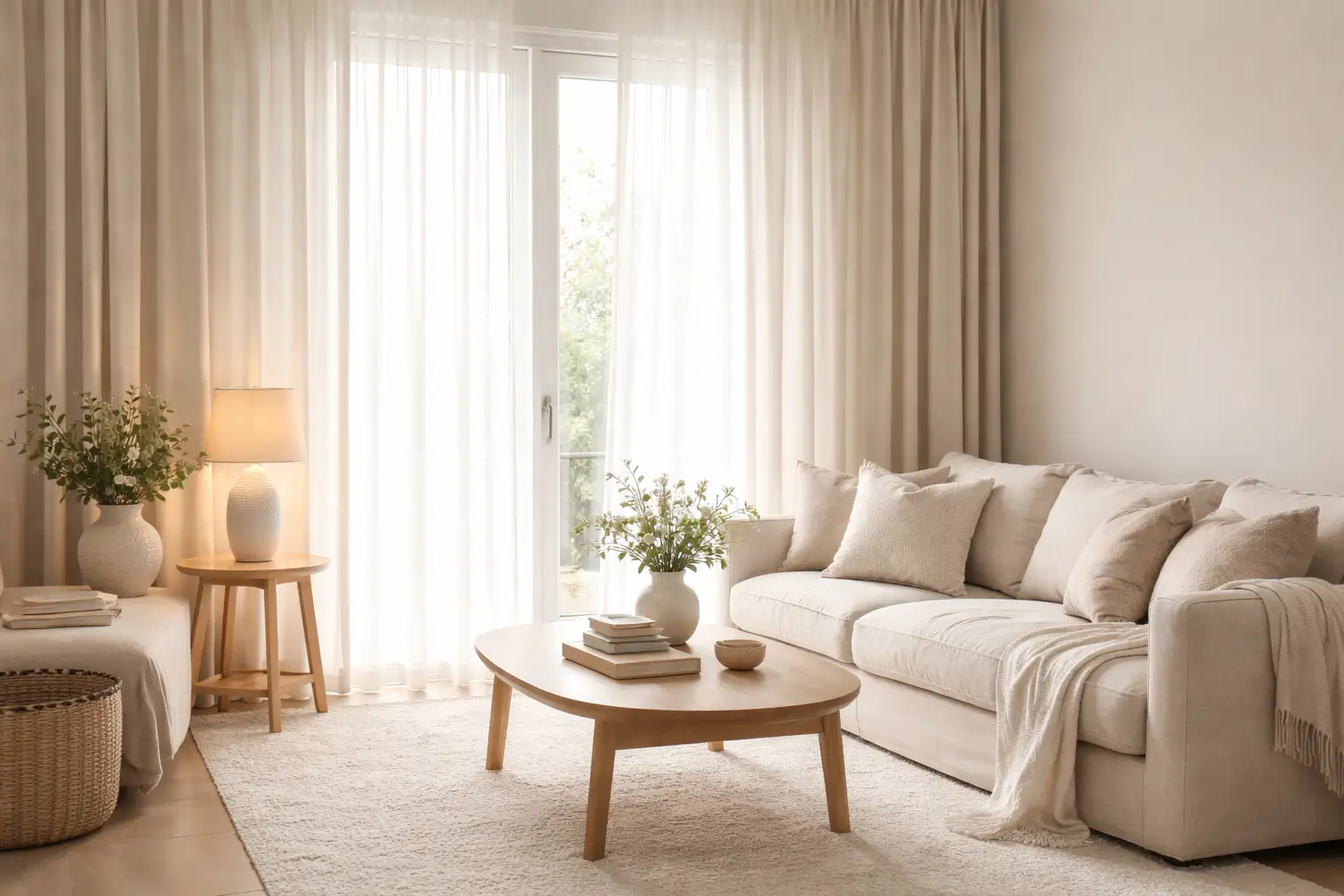
1. Layer Blackout Curtains with Sheer Panels for Soft Light Control
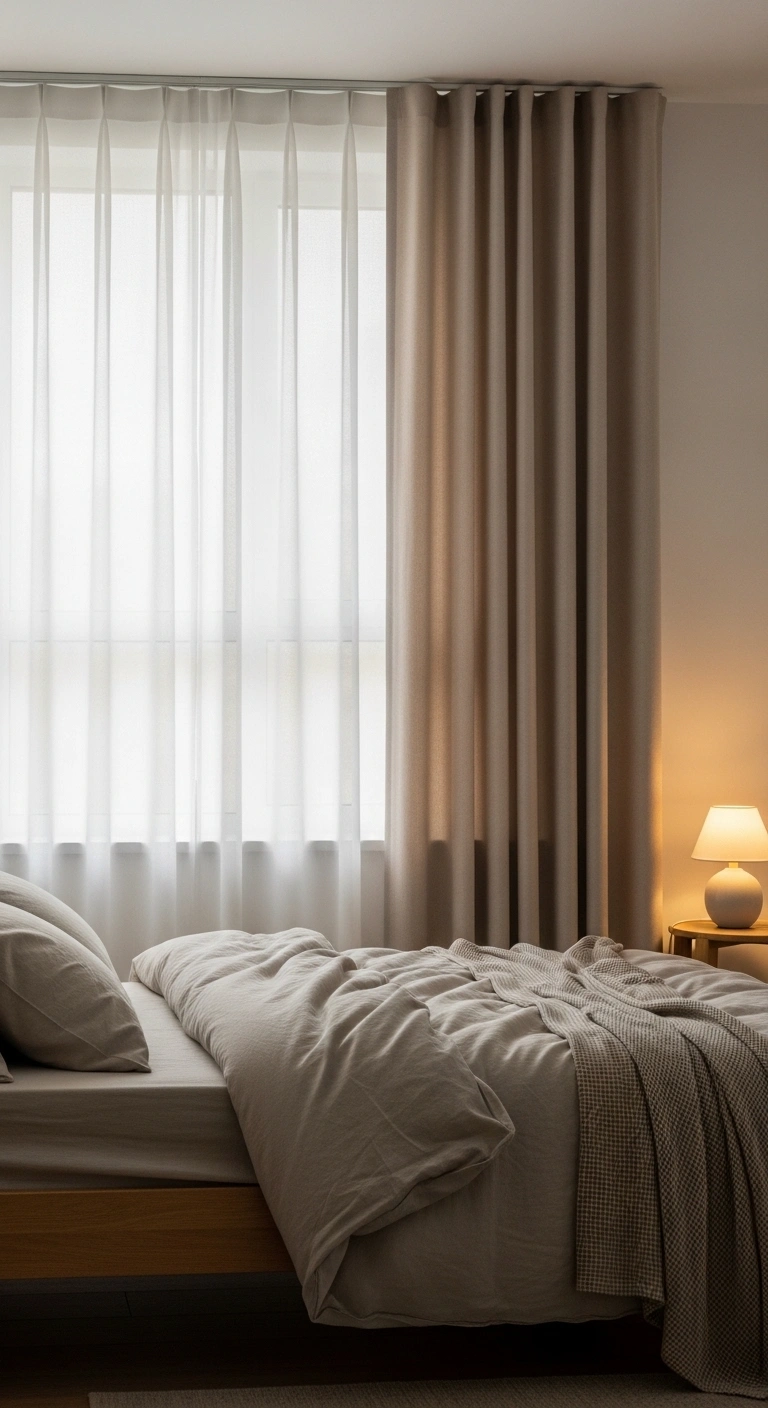
Layering blackout curtains with sheer panels gives you full control over light and privacy without making your room feel heavy. Place lightweight white or cream sheers closest to the window and install blackout panels on the outer side. During the day, pull back the blackout layer and let soft daylight filter through the sheer fabric, creating a calm and airy glow.
At night, close the blackout curtains to block streetlights and create a dark sleeping space. Choose soft linen-textured blackout panels in neutral tones like warm beige or dusty gray to keep the look relaxed. This setup works well in bedrooms where you want both brightness during the day and complete darkness at night. It also adds depth and dimension to your window, making it look fuller and more styled.
2. Floor-to-Ceiling Blackout Curtains for a Taller, Elegant Look
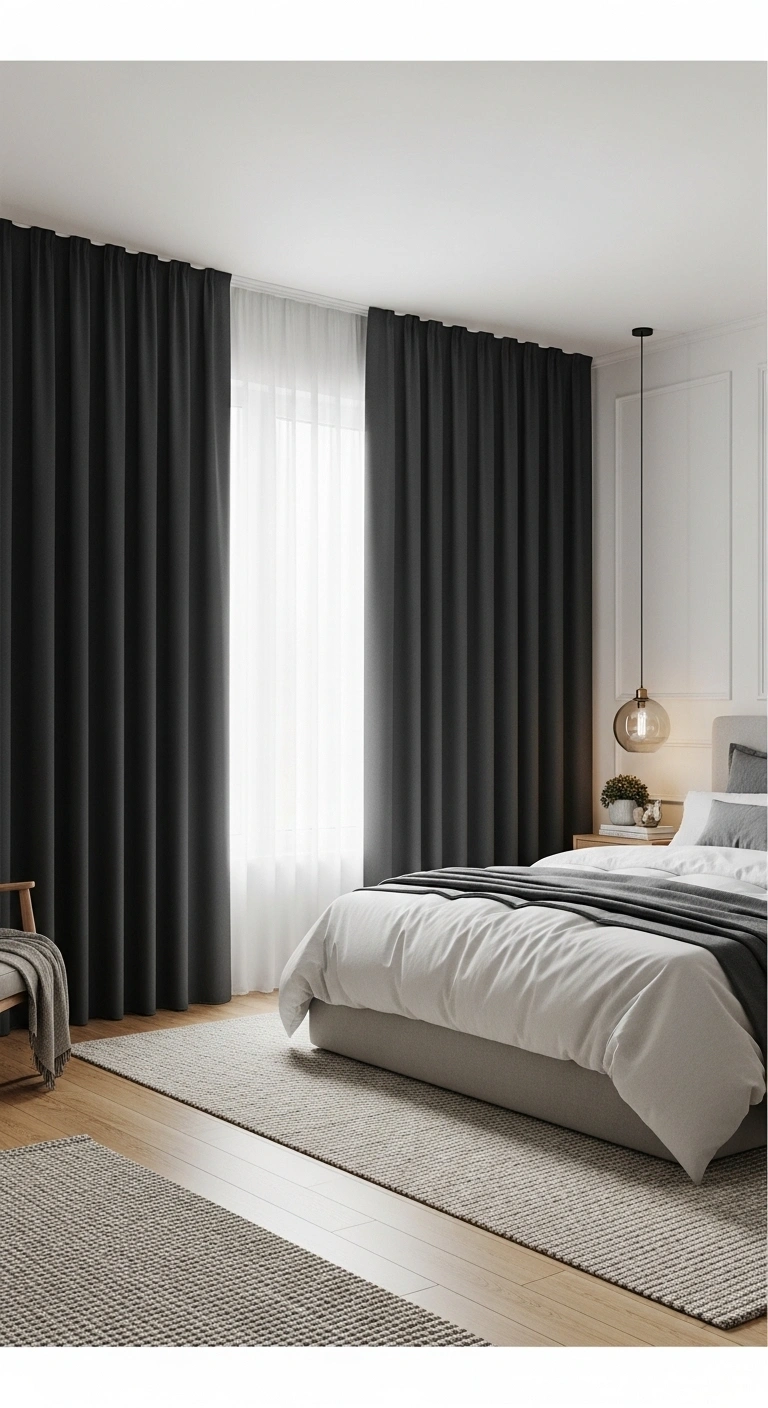
Installing blackout curtains from ceiling to floor instantly makes your room feel taller and more polished. Mount the curtain rod close to the ceiling instead of just above the window frame. This draws the eye upward and creates a sense of height, even in smaller rooms.
Choose long, flowing panels in soft matte fabrics like cotton blends or velvet for a clean and elegant finish. Deep shades like charcoal, navy, or warm taupe help block light completely while adding a cozy atmosphere. Let the curtains slightly touch the floor or gently puddle for a relaxed feel.
This approach not only improves sleep by eliminating light gaps but also enhances privacy in urban homes or street-facing rooms. It’s a simple upgrade that feels high-end without requiring major changes to your space.
3. Velvet Blackout Curtains for Warmth and Luxury
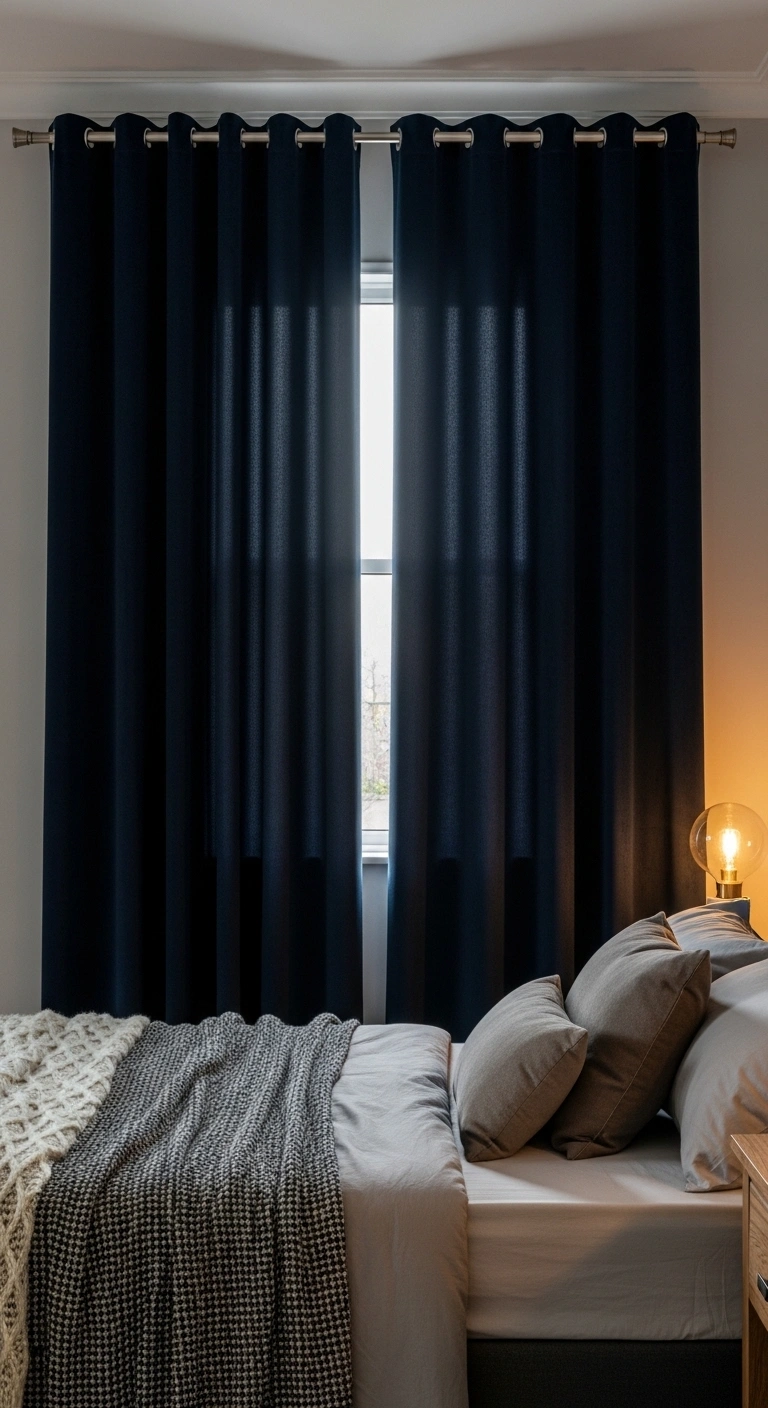
Velvet blackout curtains bring both function and richness into your room. Their thick texture naturally blocks light while also adding insulation, which helps maintain a comfortable temperature. This makes them perfect for bedrooms that feel too cold or too bright.
Go for deep tones like forest green, burgundy, or midnight blue to create a cozy and cocoon-like environment. The soft sheen of velvet reflects light slightly during the day, giving your room a warm glow instead of a flat look.
Pair them with warm lighting, such as bedside lamps with soft yellow bulbs, to enhance the relaxing mood. Velvet curtains also reduce outside noise, making them ideal if you live in a busy area. This combination of comfort, privacy, and style makes them a strong choice for better sleep.
4. Neutral Blackout Curtains for a Calm, Minimal Bedroom
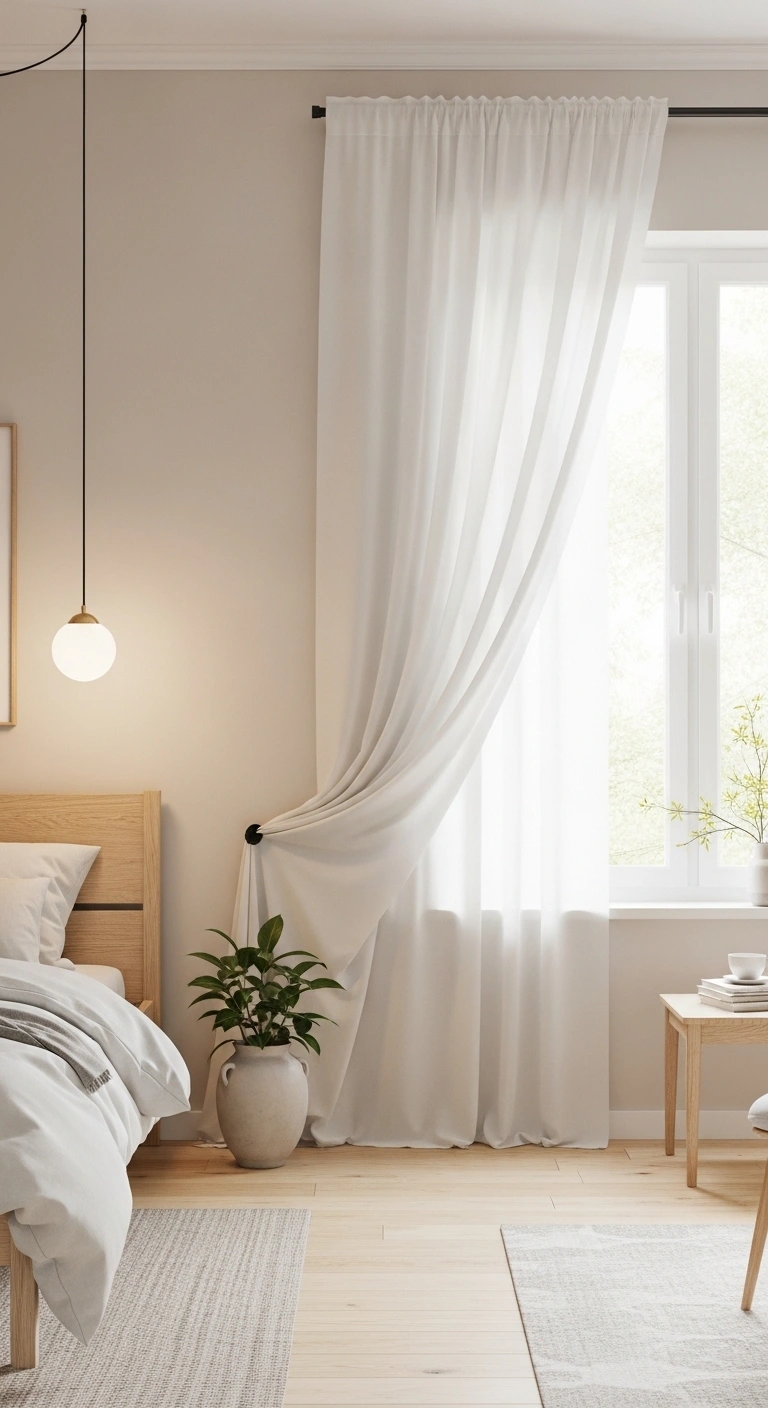
Neutral-toned blackout curtains help create a peaceful and clutter-free environment. Shades like off-white, sand, soft gray, or muted taupe blend easily with most interiors while still doing the job of blocking light effectively.
Choose a smooth fabric with a slight texture to avoid a flat look. Subtle woven patterns or linen finishes add visual interest without overpowering the space. Keep the rest of the room simple with light bedding, natural wood furniture, and soft lighting.
This setup works especially well if you want your bedroom to feel calm and balanced. The neutral palette reduces visual noise, helping your mind relax faster at night. At the same time, the blackout feature ensures you get uninterrupted sleep, even during early mornings or daytime naps.
5. Double Rod Setup for Flexible Privacy and Style
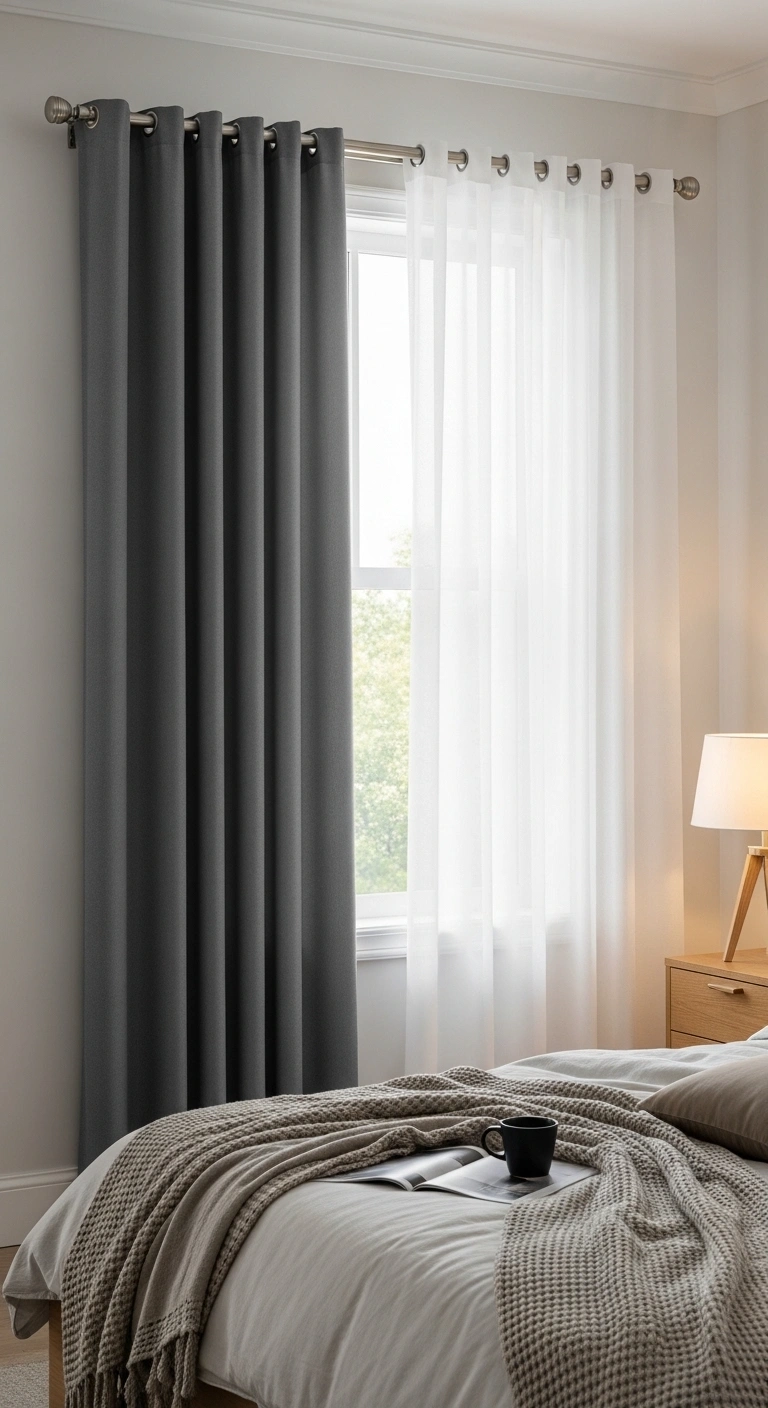
A double curtain rod allows you to combine blackout curtains with decorative panels in a smart and flexible way. Use the inner rod for blackout curtains and the outer rod for lighter, more decorative fabrics.
This setup lets you adjust your room based on your needs. During the day, keep the blackout curtains open and let patterned or textured panels frame the window. At night, close the blackout layer for full privacy and darkness.
Choose contrasting colors for a more styled look, such as soft white outer curtains with deep gray blackout panels. This creates a layered, designer feel without much effort. It also helps you control temperature and noise more effectively, making your room both comfortable and visually appealing.
6. Patterned Blackout Curtains to Add Personality
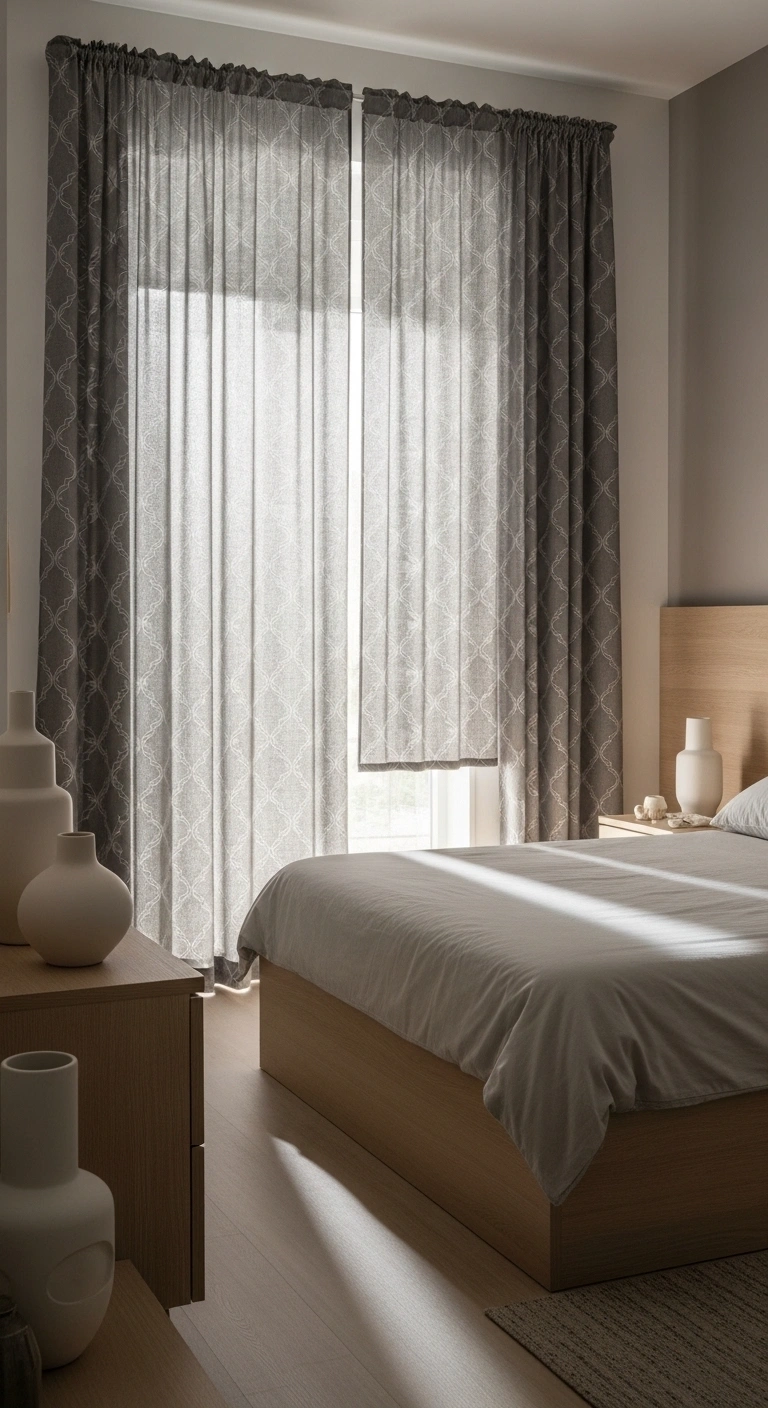
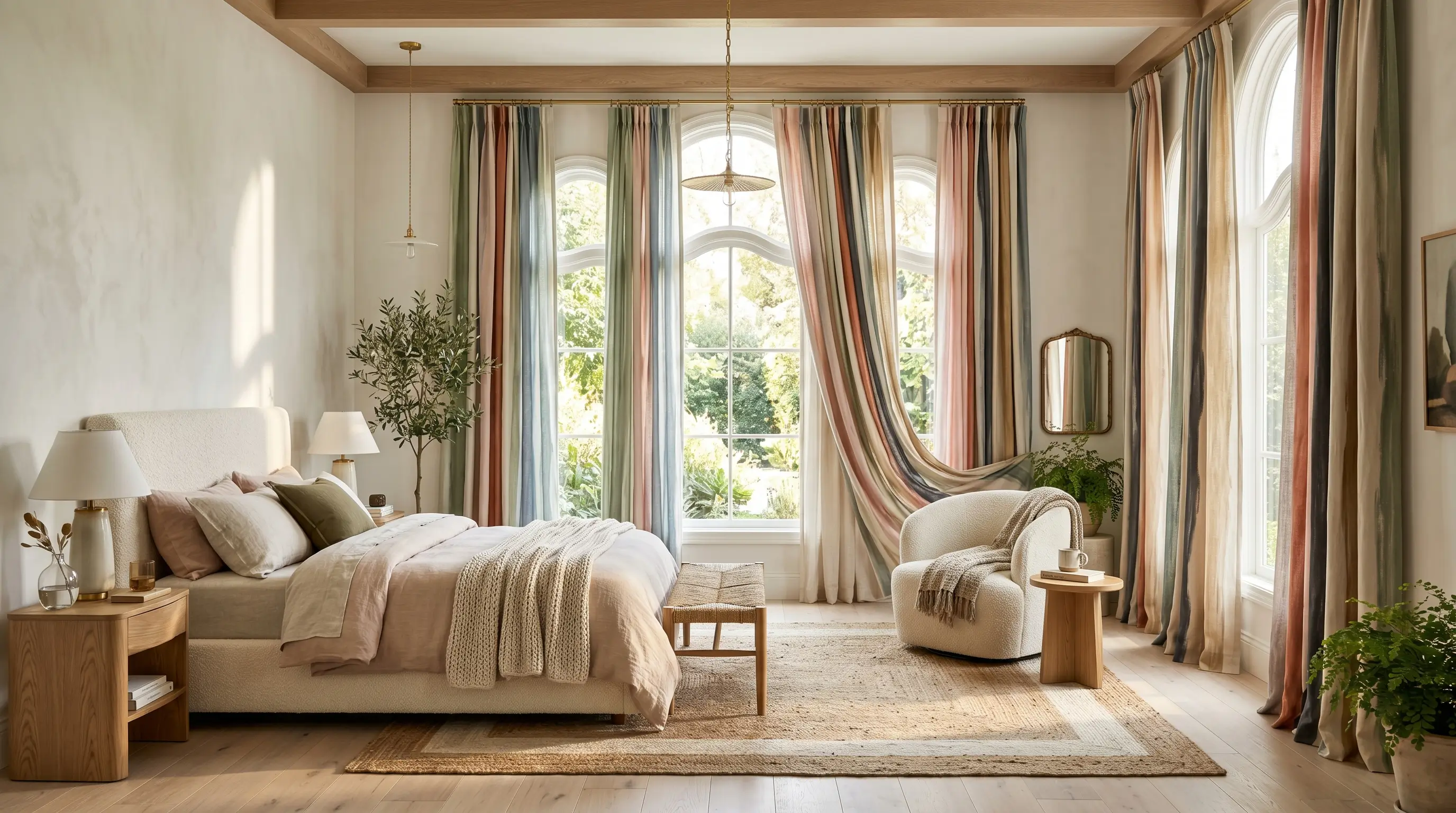
Patterned blackout curtains can turn a simple room into something visually interesting while still serving a practical purpose. Instead of plain fabrics, choose subtle patterns like geometric shapes, soft stripes, or nature-inspired prints.
Keep the color palette balanced. For example, use light patterns on darker backgrounds or soft tones with minimal contrast. This prevents the curtains from feeling too busy while still adding character.
Pair patterned curtains with solid-colored bedding and furniture to keep the space balanced. This approach works well in rooms that feel too plain or lack personality. You get both improved sleep quality and a fresh visual upgrade without needing to change everything else in the room.
7. Blackout Curtains with Thermal Lining for Comfort
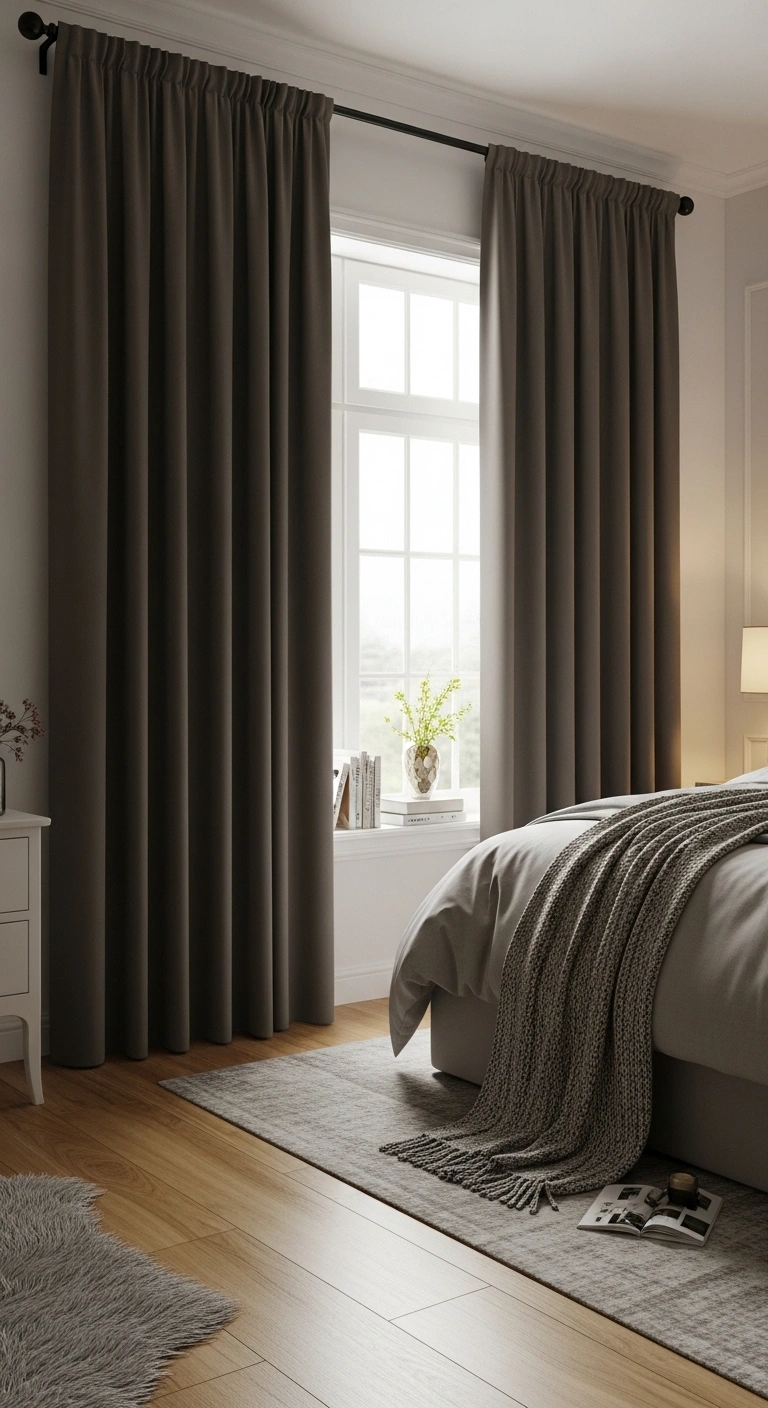
Thermal-lined blackout curtains do more than block light. They help regulate room temperature by keeping heat out during summer and trapping warmth in winter. This makes your bedroom more comfortable throughout the year.
Choose curtains labeled as thermal or insulated and look for thick, layered fabrics. Colors like deep beige, slate gray, or muted blue work well for a cozy atmosphere. These curtains also reduce outside noise, which adds another layer of comfort.
Install them properly so they fully cover the window edges, preventing light leaks. This small detail makes a big difference in both sleep quality and energy efficiency. It’s a practical solution that improves comfort without requiring major changes to your home.
8. Soft Pastel Blackout Curtains for a Light and Airy Feel
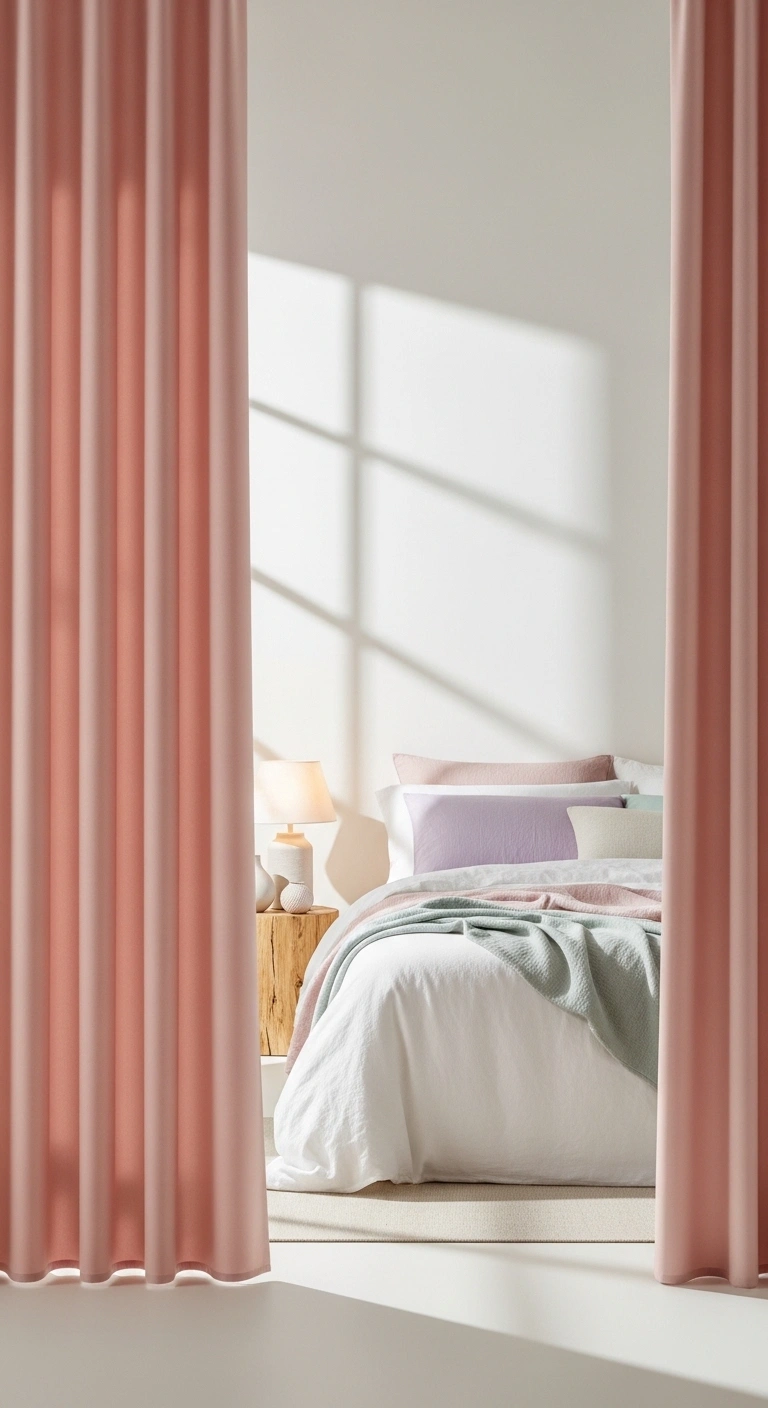
If you want darkness without a heavy look, pastel blackout curtains are a great choice. Shades like blush pink, soft sage, pale blue, or light lavender keep the room feeling fresh while still blocking light effectively.
Choose fabrics with a matte finish to maintain a soft and calm appearance. Pair these curtains with light-colored walls and simple decor to create a bright yet restful space.
This idea works especially well in smaller bedrooms or spaces with limited natural light. The soft colors reflect some daylight when the curtains are open, making the room feel larger. At night, they still provide the darkness needed for quality sleep. It’s a perfect balance between style and function.
9. Blackout Curtains with Hidden Tracks for a Clean Look
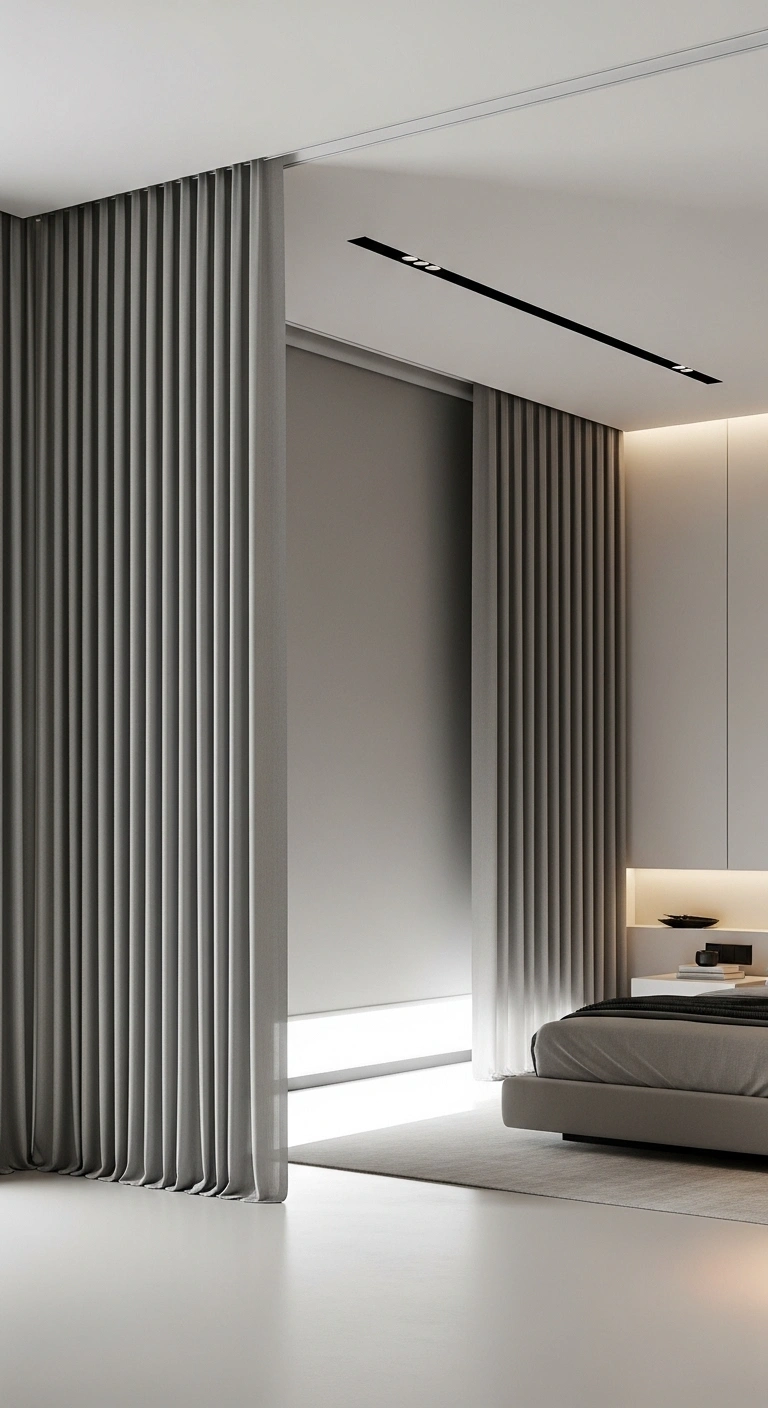
Using hidden curtain tracks instead of visible rods gives your blackout curtains a sleek and modern appearance. The curtains glide smoothly and appear to come directly from the ceiling, creating a clean and seamless look.
This setup works well in contemporary bedrooms where simplicity matters. Choose solid-colored curtains in neutral or deep tones to enhance the minimal style. The hidden system also helps reduce light gaps, making the blackout effect more effective.
Pair this design with simple furniture, soft lighting, and uncluttered surfaces. The result is a calm and organized space that feels intentional and relaxing. It’s a subtle upgrade that makes a big visual difference.
10. Layered Textures with Blackout Curtains for Depth
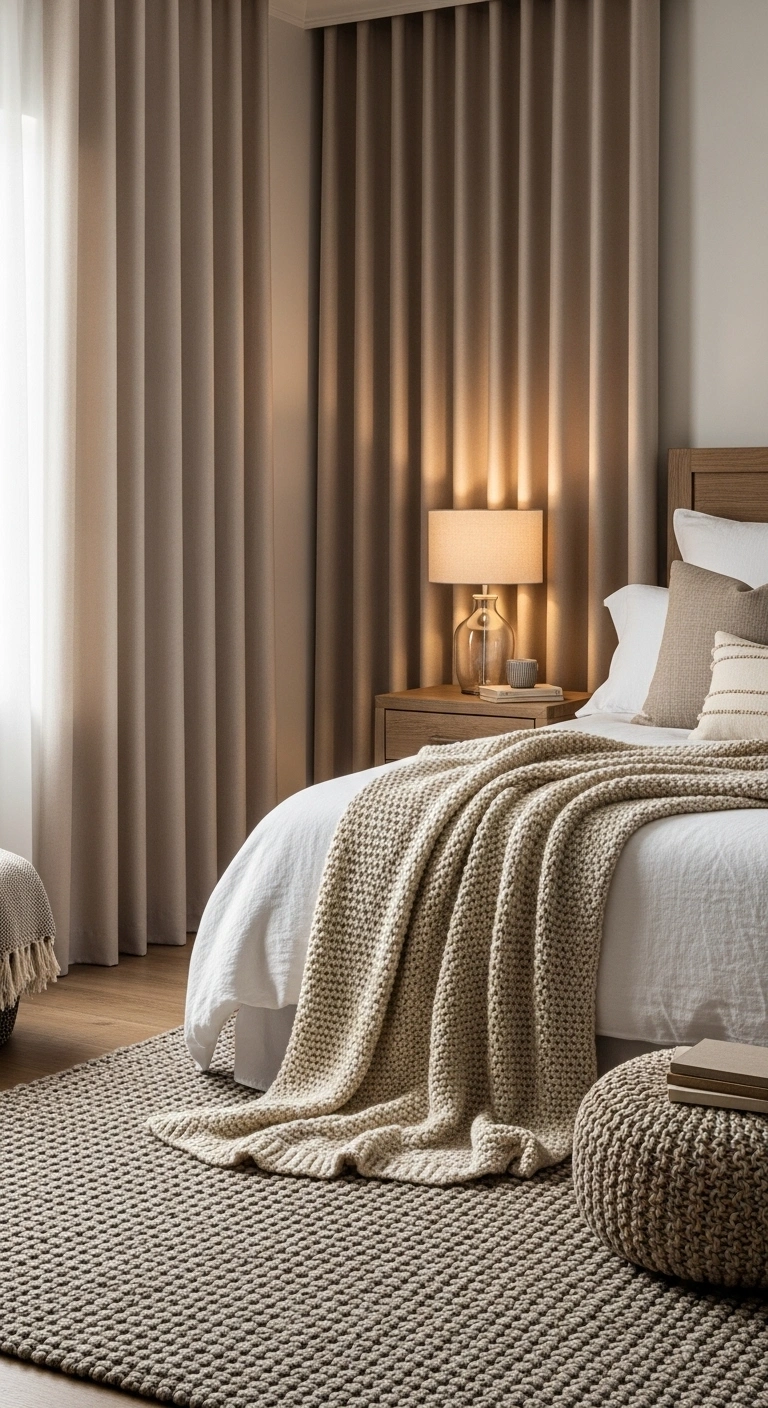
Combining different textures with blackout curtains adds depth and makes your room feel more inviting. Pair smooth blackout panels with textured elements like woven rugs, knitted throws, or wooden furniture.
Choose curtains in a slightly heavier fabric, such as brushed cotton or soft polyester blends, to anchor the space. Neutral or earthy tones work best for creating a warm and balanced look.
This layering technique helps your room feel complete and thoughtfully designed. It also enhances comfort, making your bedroom a place where you can truly relax. The added textures create a cozy environment while the blackout feature ensures restful sleep without interruptions.
11. Two-Tone Blackout Curtains for a Subtle Design Statement
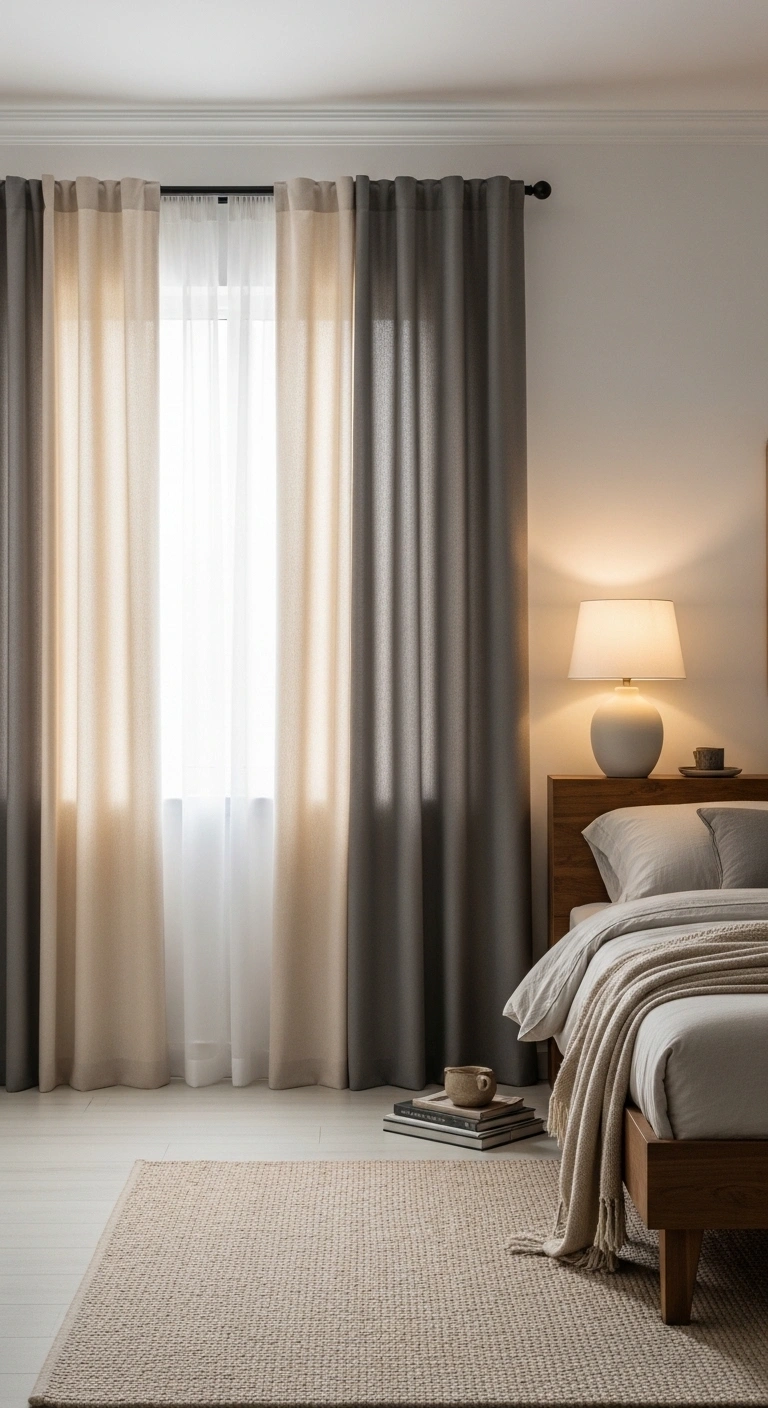
Two-tone blackout curtains bring a gentle contrast into your room without making it feel busy. Choose curtains that combine two soft shades, like warm beige with cream or charcoal with light gray. The color shift can run vertically or horizontally, adding quiet visual interest.
This style works well if your room feels flat but you don’t want bold patterns. The darker section can sit closer to the edges to frame the window, while the lighter tone softens the center. Pair these curtains with simple bedding and minimal décor so the colors stand out naturally.
They still block light effectively, but they also act as a design feature. This makes your window feel intentional instead of just functional, improving both sleep quality and overall room style.
12. Blackout Curtains with Tiebacks for Adjustable Light Flow
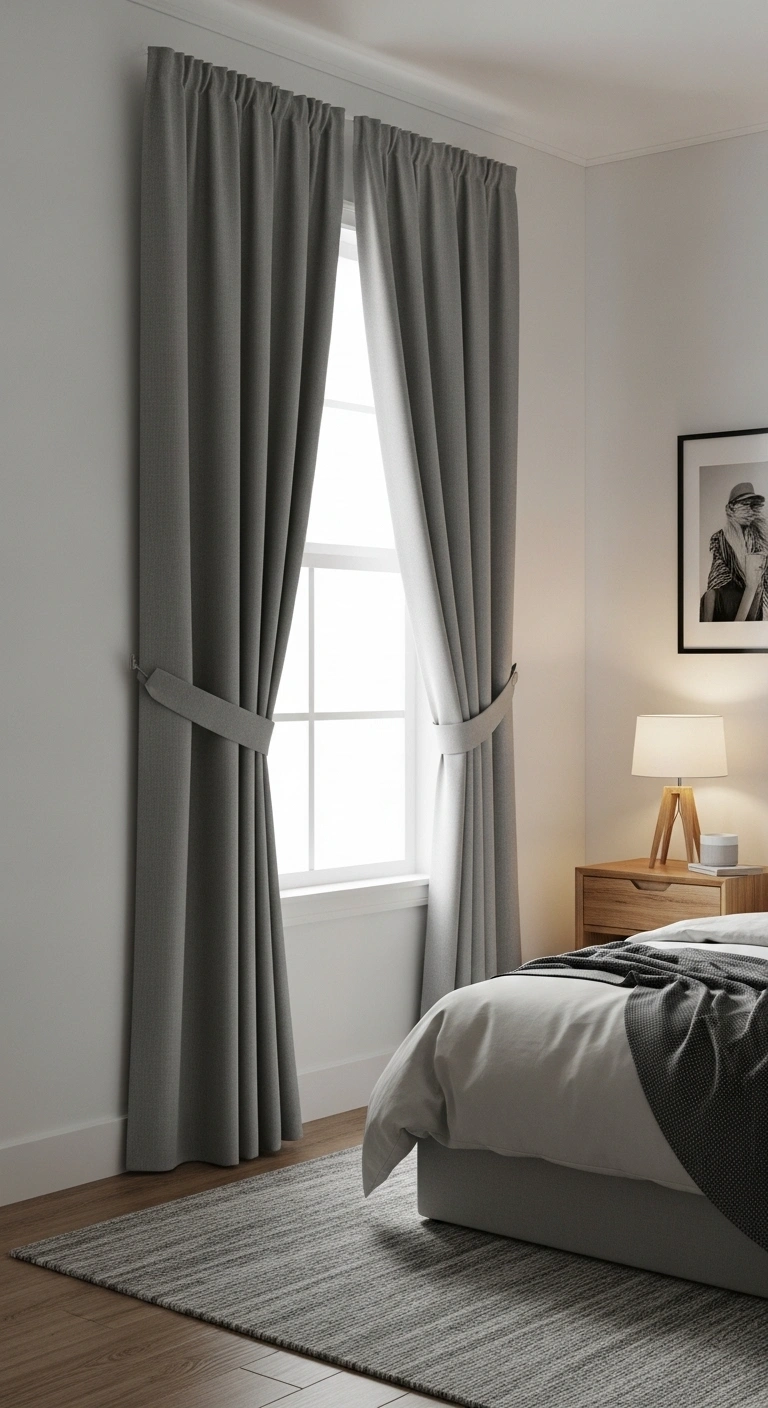
Adding tiebacks to your blackout curtains gives you flexible control over light and privacy throughout the day. Use soft fabric tiebacks, leather straps, or even simple rope styles depending on your room’s theme.
During the day, pull the curtains to the side and secure them neatly. This allows sunlight to enter while still framing your window beautifully. In the evening, release the tiebacks and let the curtains fully cover the window for complete darkness.
Choose curtains in medium-weight fabrics so they drape nicely when tied. Neutral shades or soft textures work best for a relaxed look. This small addition makes your curtains more functional and adds a styled, lived-in feel to your space.
13. Blackout Curtains Behind the Bed for Extra Privacy
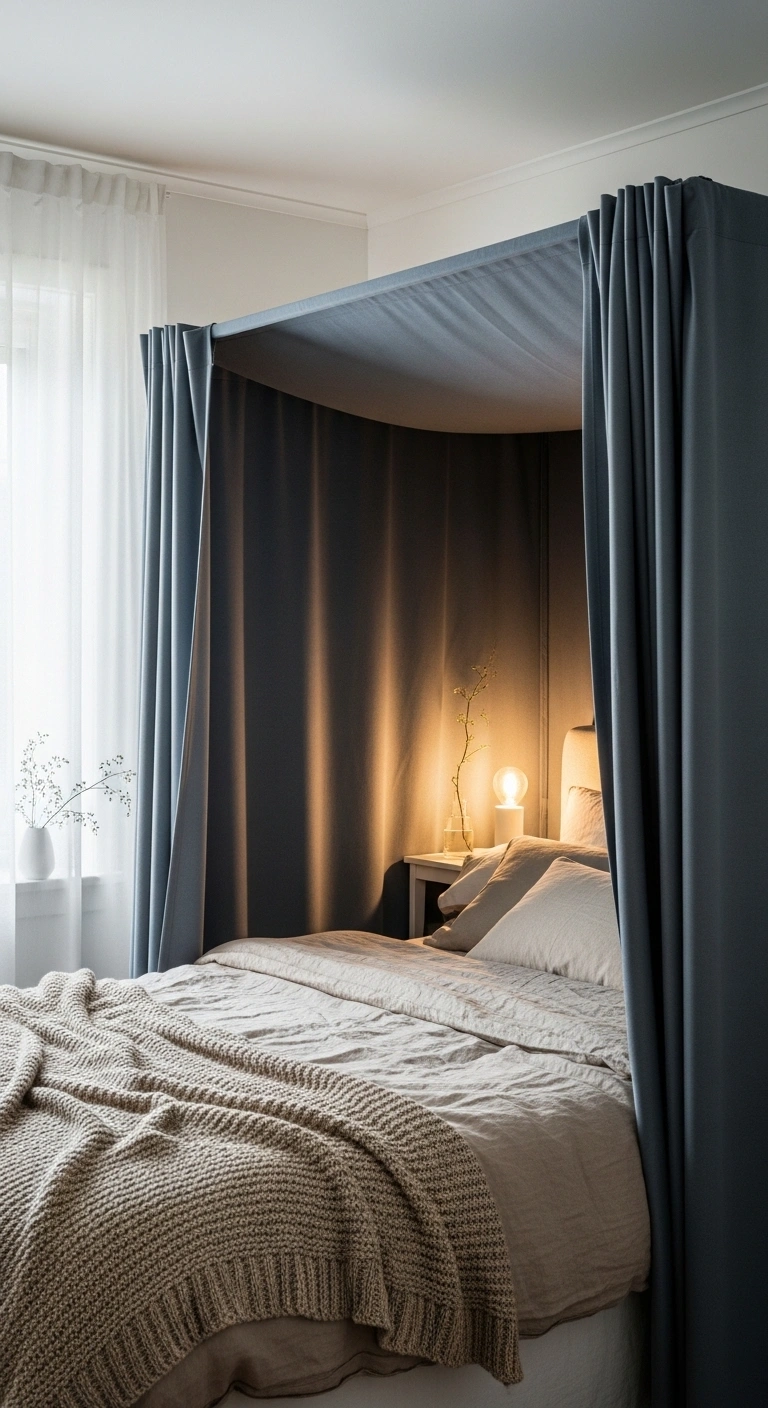
Using blackout curtains behind your bed instead of just on windows creates a cozy and private sleeping zone. Install a curtain track or rod on the wall behind your headboard and let the fabric extend across the width of the bed.
This idea works especially well in studio apartments or shared spaces where privacy is limited. Choose thick, soft fabrics in calming tones like dusty blue or warm gray to create a cocoon-like effect.
The curtains also absorb sound and reduce light from nearby sources, helping you sleep better. Pair this setup with soft bedding and warm lighting to enhance the comfort. It turns your bed into a quiet retreat, even in a busy environment.
14. Light-Blocking Roman Shades with Curtain Panels
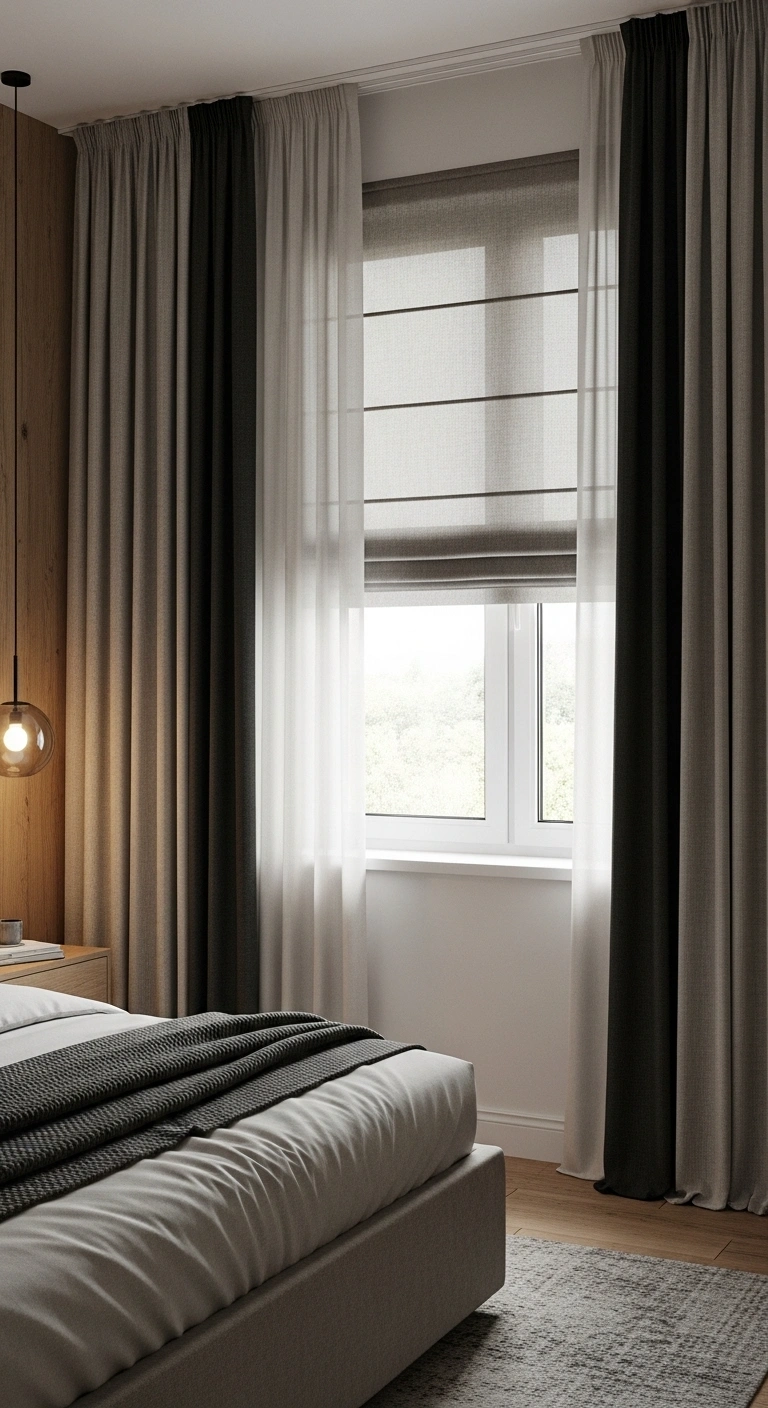
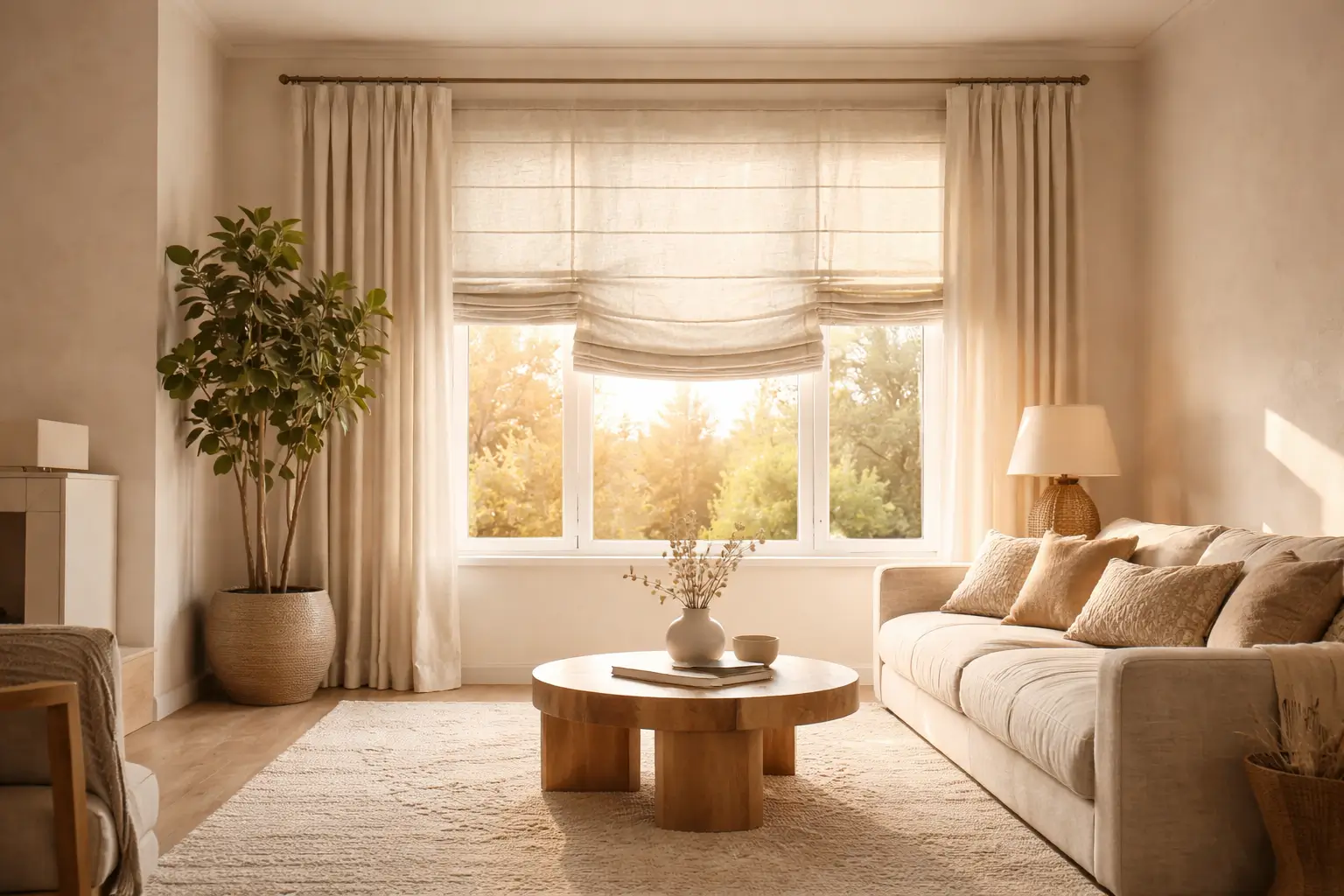
Combining Roman shades with blackout curtains gives you layered light control in a compact way. Install blackout Roman shades directly on the window and add curtain panels on the sides for decoration and extra coverage.
During the day, lift the shades to let in natural light while keeping the curtains open. At night, lower the shades and close the curtains for complete darkness and privacy. This double layer helps block even small light gaps.
Choose Roman shades in textured fabrics like linen blends and pair them with smooth curtain panels for contrast. This setup works well in smaller rooms where full curtain coverage alone may not be enough. It’s a smart and stylish solution for better sleep.
15. Dark Ceiling and Matching Blackout Curtains for a Cocoon Effect
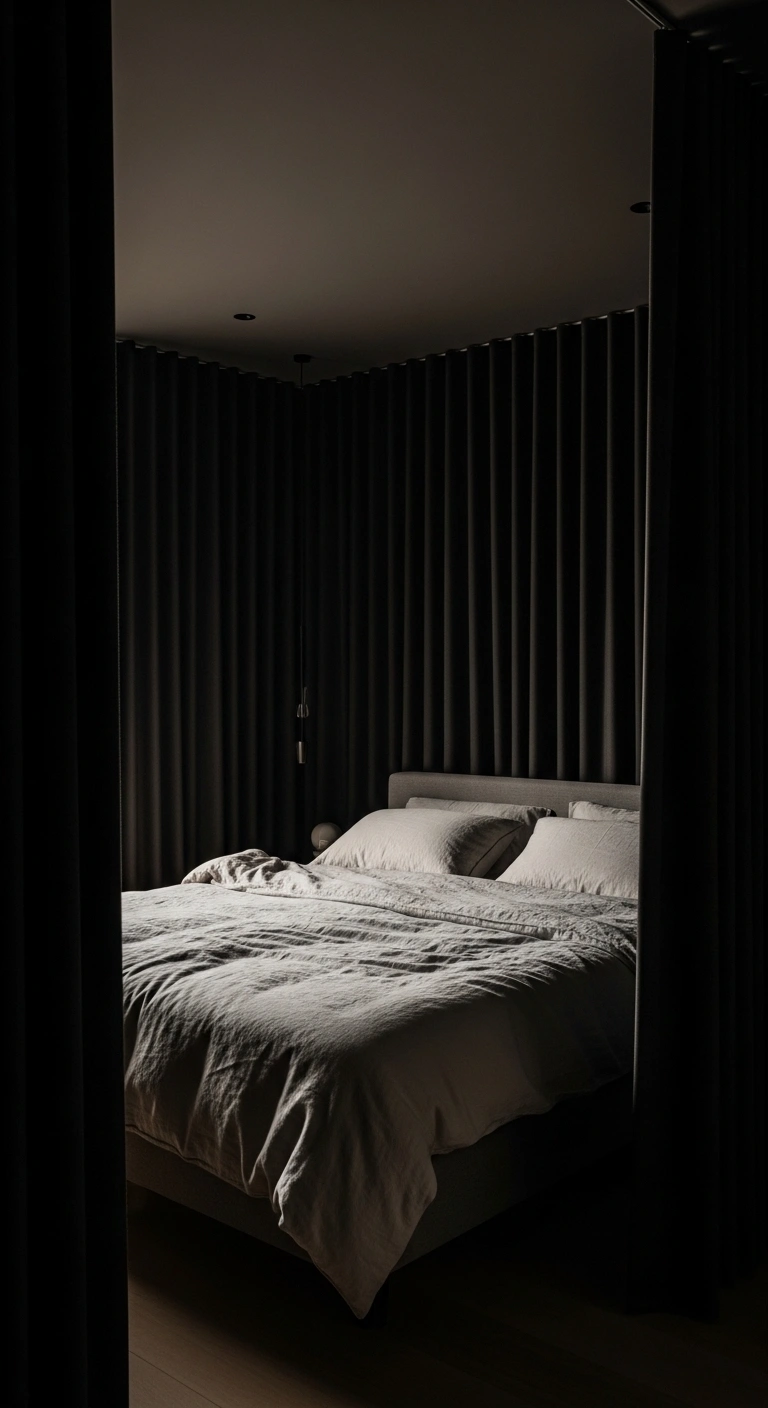
Pairing a darker ceiling color with matching blackout curtains creates a deep, cozy atmosphere that supports restful sleep. Paint the ceiling in a soft charcoal, navy, or warm gray and choose curtains in a similar tone.
This design reduces visual contrast, making the room feel enclosed and calm. It works especially well in bedrooms where outside light is strong or distracting. The darker tones absorb light instead of reflecting it, enhancing the blackout effect.
Balance the look with lighter bedding or soft textures to avoid making the room feel too heavy. Add warm lighting to maintain a comfortable mood. This idea turns your bedroom into a quiet, cocoon-like space perfect for deep rest.
16. Blackout Curtains with Subtle Metallic Threads for Soft Shine
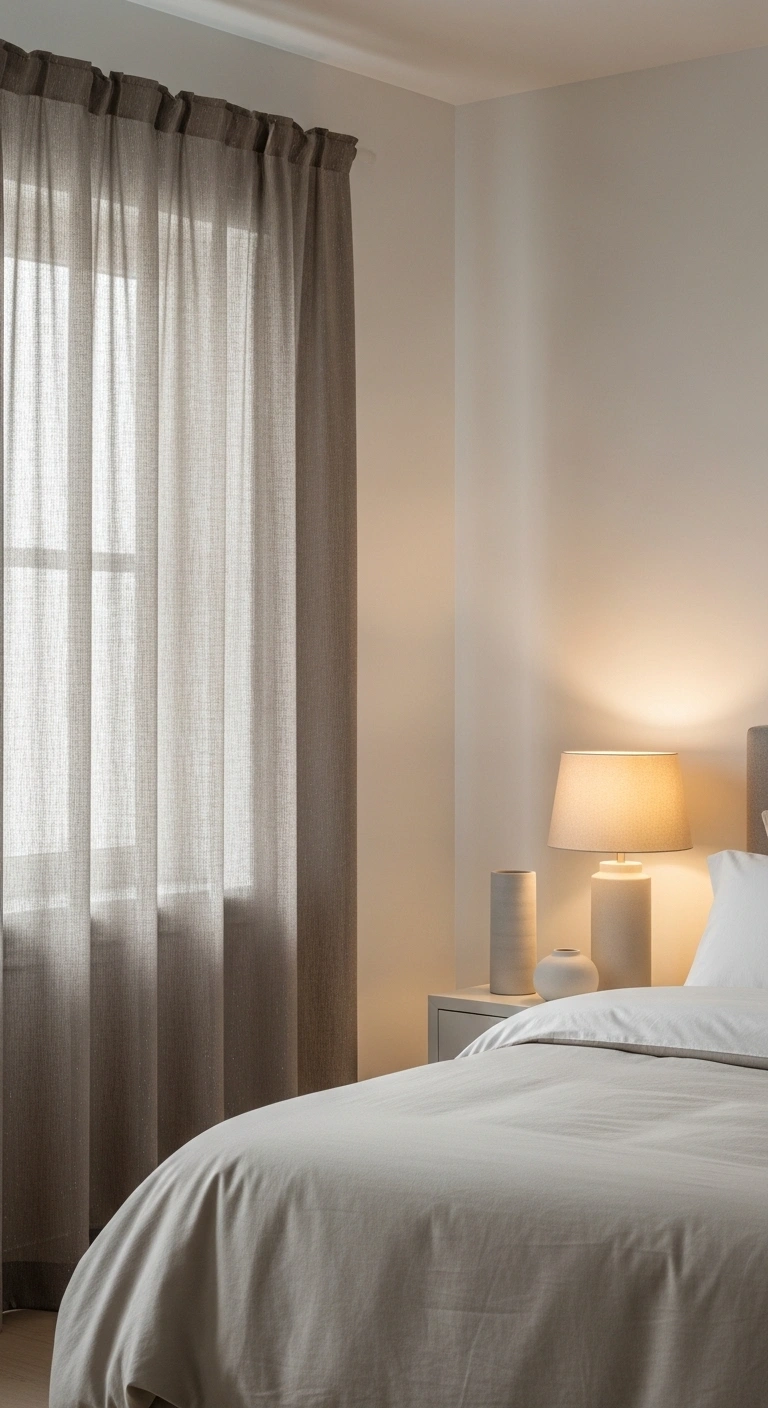
For a touch of elegance, choose blackout curtains that include fine metallic threads woven into the fabric. These threads catch light gently during the day without becoming too shiny or distracting.
Look for soft gold, silver, or bronze accents within neutral-colored curtains. The effect is subtle but adds depth and a refined feel to your space. At night, the curtains still block light effectively, maintaining privacy and darkness.
Pair them with simple décor and warm lighting to highlight the gentle shimmer. This idea works well if you want your bedroom to feel slightly elevated without adding bold colors or patterns. It blends comfort with a quiet sense of style.
17. Corner Window Blackout Curtains for Full Coverage
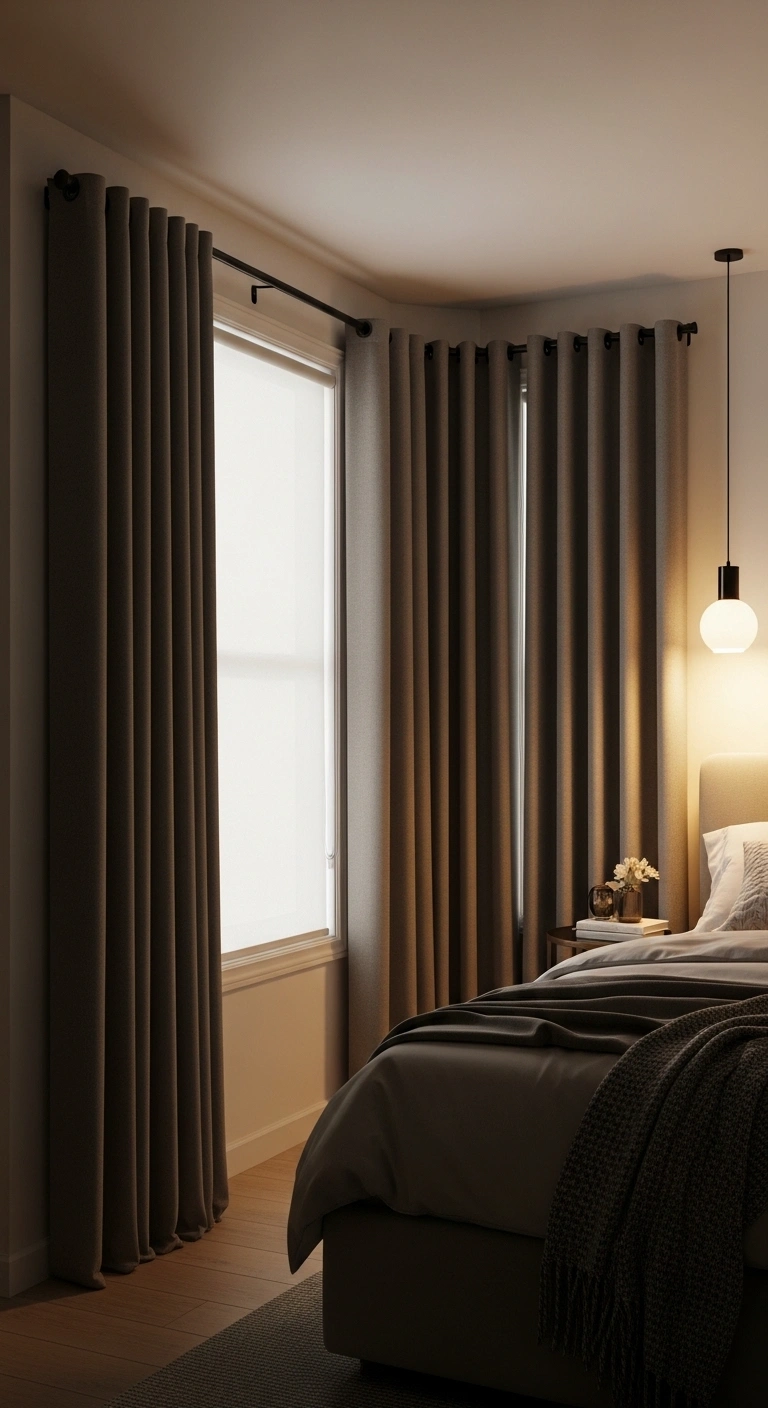
Corner windows often let in light from multiple angles, making it harder to darken the room. Installing blackout curtains that wrap around both sides solves this problem effectively.
Use a curved or flexible curtain rod that follows the shape of the corner. Choose full-length curtains in thick fabrics to ensure complete coverage. This setup prevents light leaks that can disturb sleep.
Keep the color consistent across both sides to maintain a clean and unified look. Pair with minimal furniture to avoid crowding the space. This idea not only improves sleep but also enhances privacy in rooms with wide or unusual window layouts.
18. Soft Ombre Blackout Curtains for a Calm Gradient Look
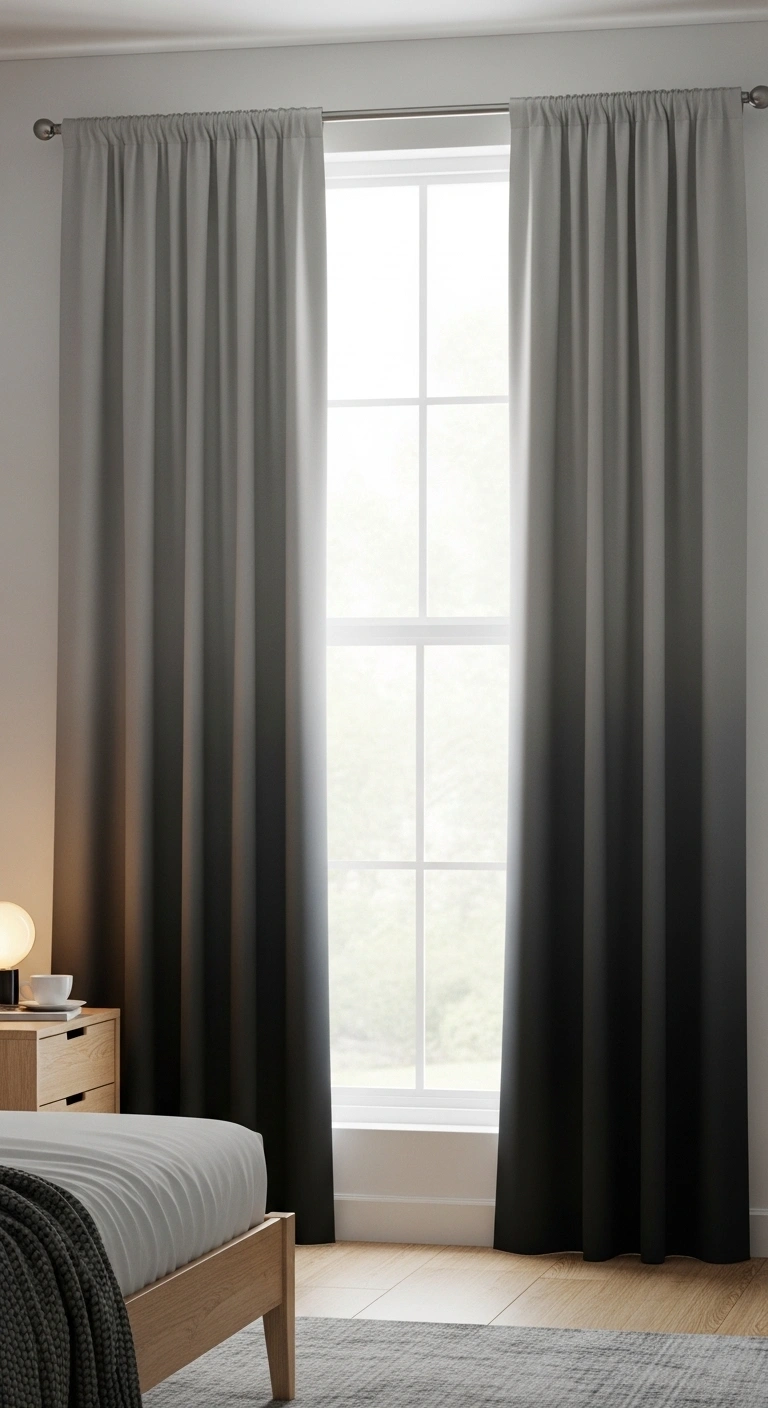
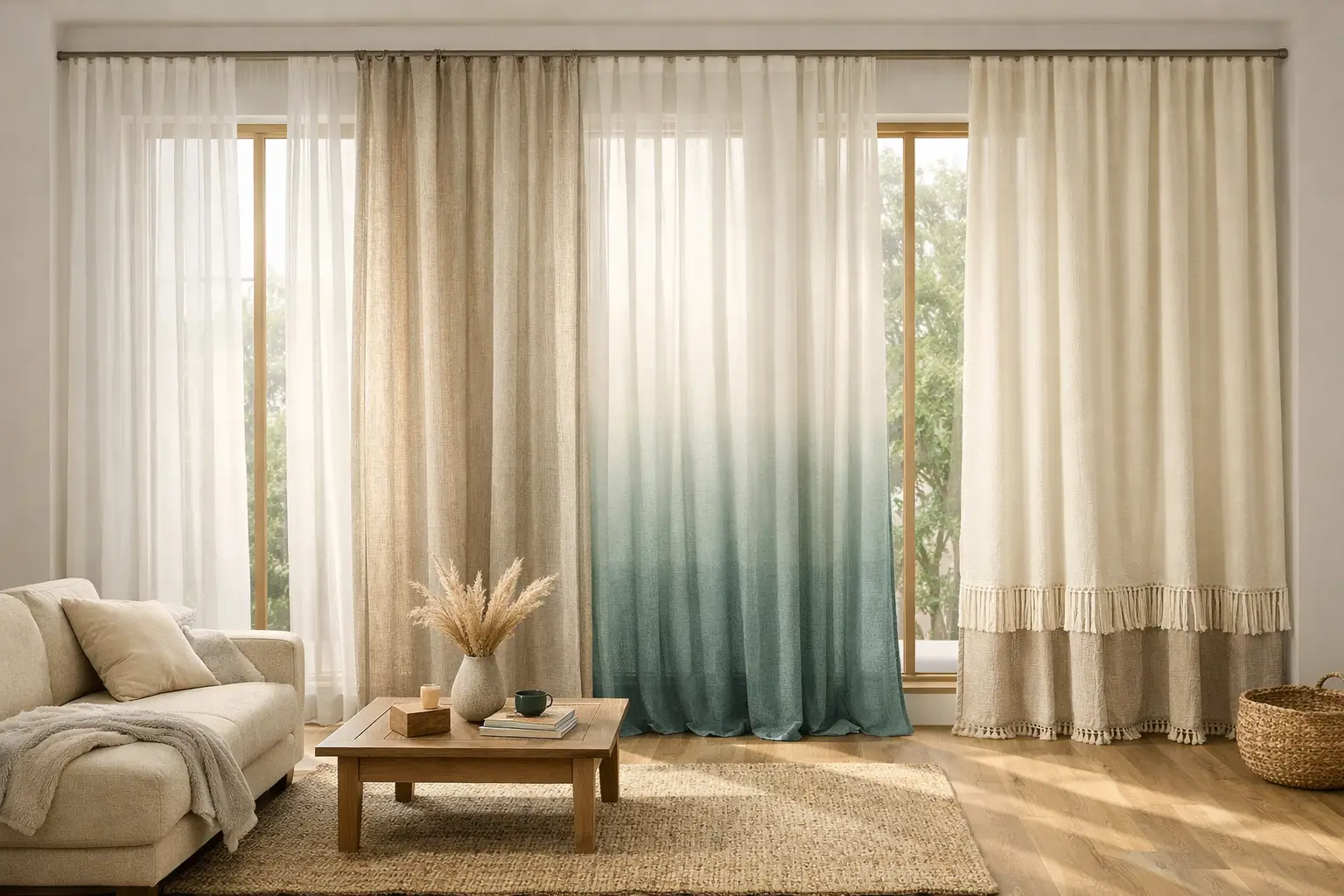
Ombre blackout curtains feature a gentle color fade from light to dark, creating a soothing visual effect. Choose gradients like soft white to gray or pale blue to navy for a calm atmosphere.
Place the darker shade toward the bottom to ground the space while the lighter tone keeps the upper area feeling airy. This balance works well in bedrooms where you want both softness and depth.
Pair with simple décor and matching color accents in pillows or throws. The gradient adds interest without overwhelming the room. At the same time, the blackout lining ensures your sleep is not disturbed by outside light.
19. Blackout Curtains with Wooden Rods for Natural Warmth
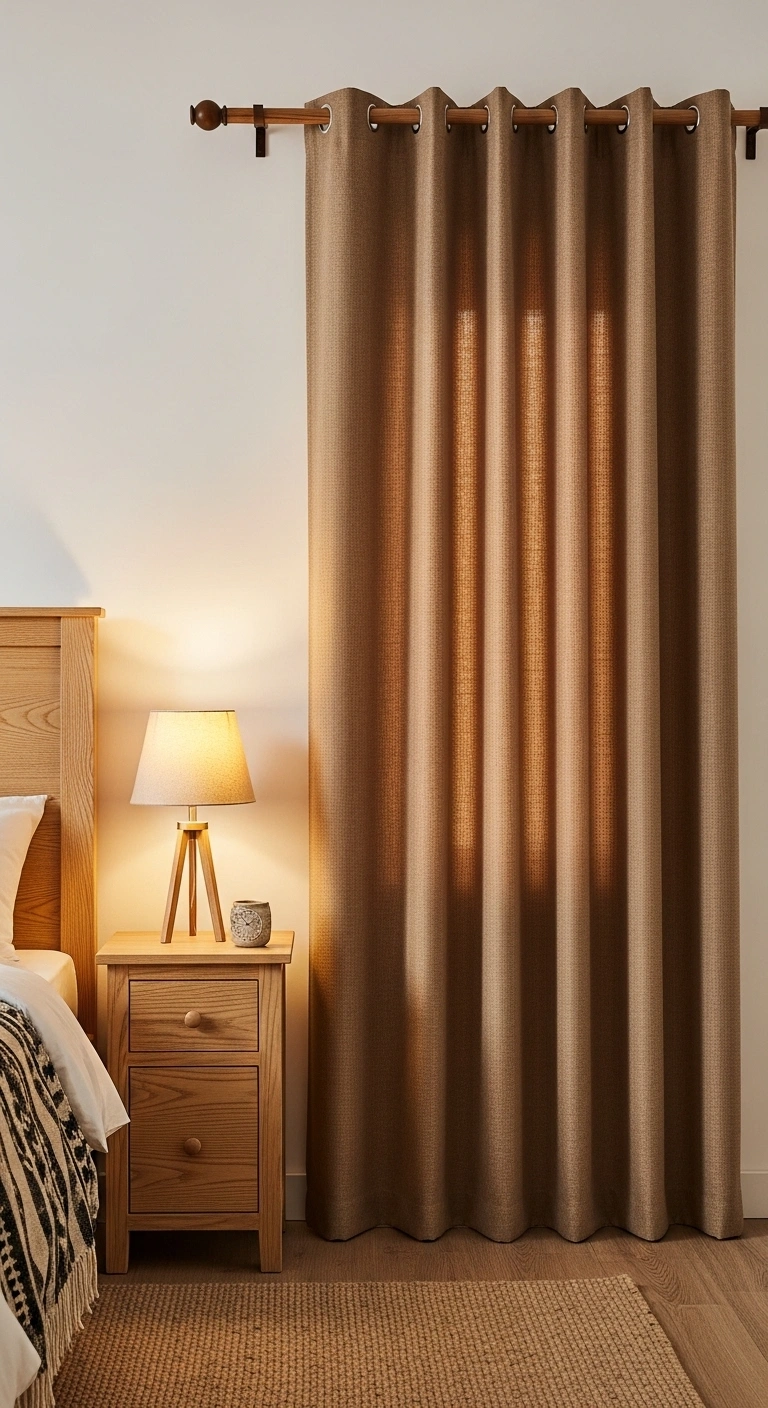
Using wooden rods with blackout curtains adds a natural and warm touch to your window setup. Choose rods in finishes like oak, walnut, or light pine to complement your furniture.
Pair them with curtains in earthy tones such as beige, olive, or soft brown. The combination creates a grounded and relaxed look that feels inviting. The wood adds texture while the curtains provide full light control.
This setup works well in rooms with natural materials like woven rugs, linen bedding, or plants. It brings balance between function and style, making your bedroom feel both cozy and practical.
20. Blackout Curtains with Built-In Eyelets for Easy Movement
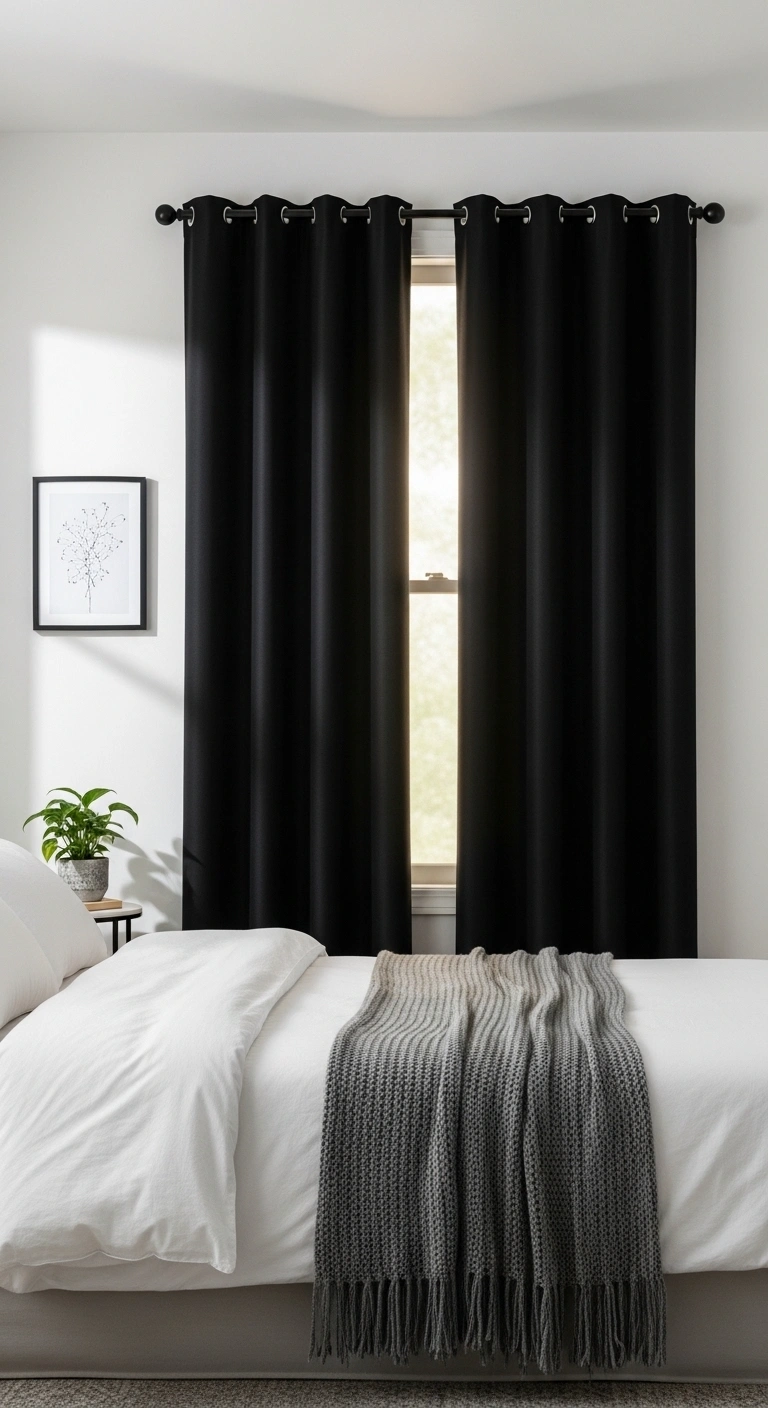
Curtains with built-in eyelets make your blackout curtains easy to open and close smoothly. The metal rings slide easily along the rod, reducing effort and keeping the fabric evenly spaced.
Choose eyelets in finishes that match your room, such as matte black, brushed gold, or silver. Pair them with medium-weight curtains that drape well and maintain their shape.
This style works well for everyday convenience, especially if you adjust your curtains often. It keeps your window looking neat and organized while still delivering strong light-blocking performance. It’s a simple detail that improves both function and appearance.
21. Blackout Curtains with Soft Pleats for a Tailored Look
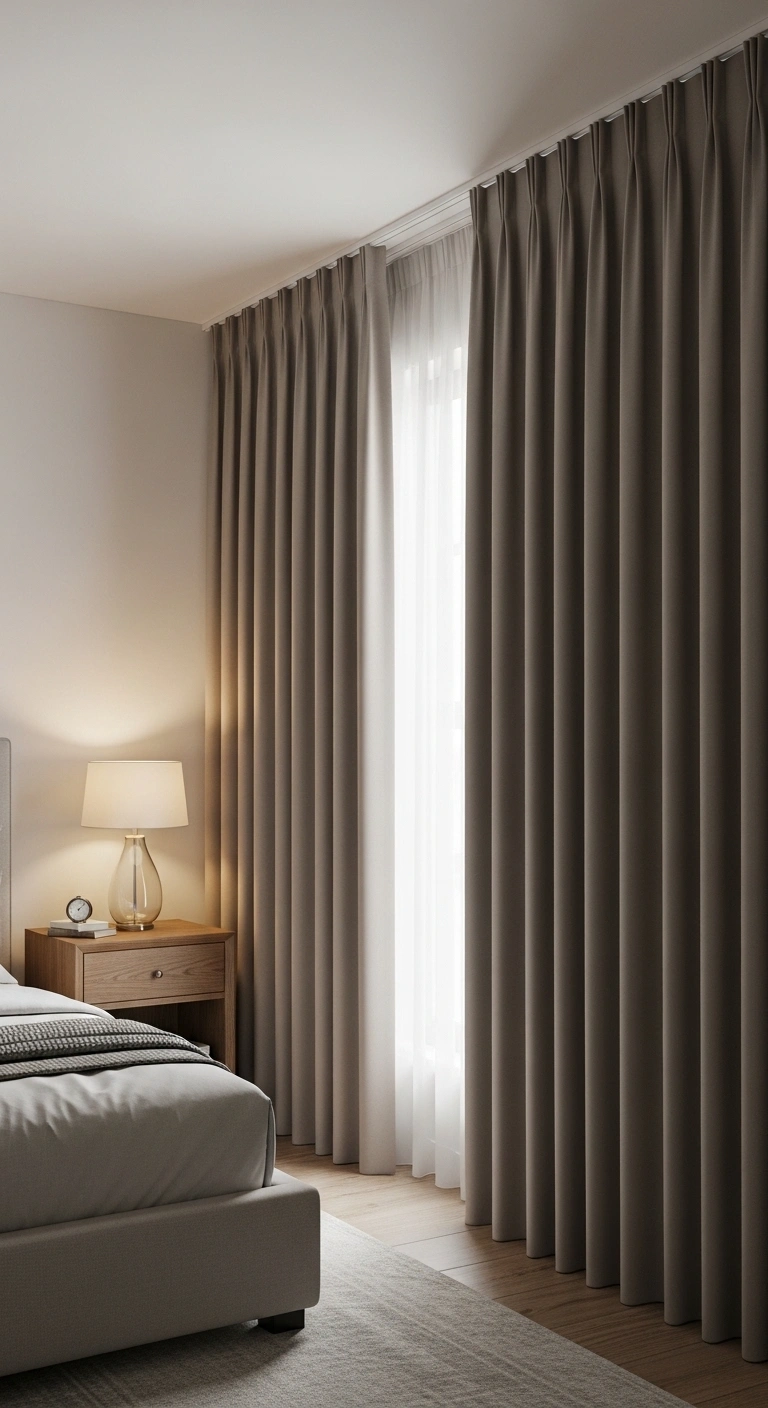
Soft pleated blackout curtains create a clean and structured appearance while still feeling relaxed. Choose styles like pinch pleats or wave pleats that allow the fabric to fall evenly from top to bottom. This keeps the curtains looking neat even when fully closed.
Go for medium to heavy fabrics in shades like warm gray, muted blue, or soft taupe to enhance the tailored effect. The pleats help distribute the fabric evenly, which improves light blocking and reduces gaps.
Pair these curtains with simple rods or hidden tracks for a polished finish. This idea works well in bedrooms where you want a balanced mix of comfort and order. It adds a refined touch without making the space feel too formal or stiff.
22. Blackout Curtains Paired with Wall-Matching Colors
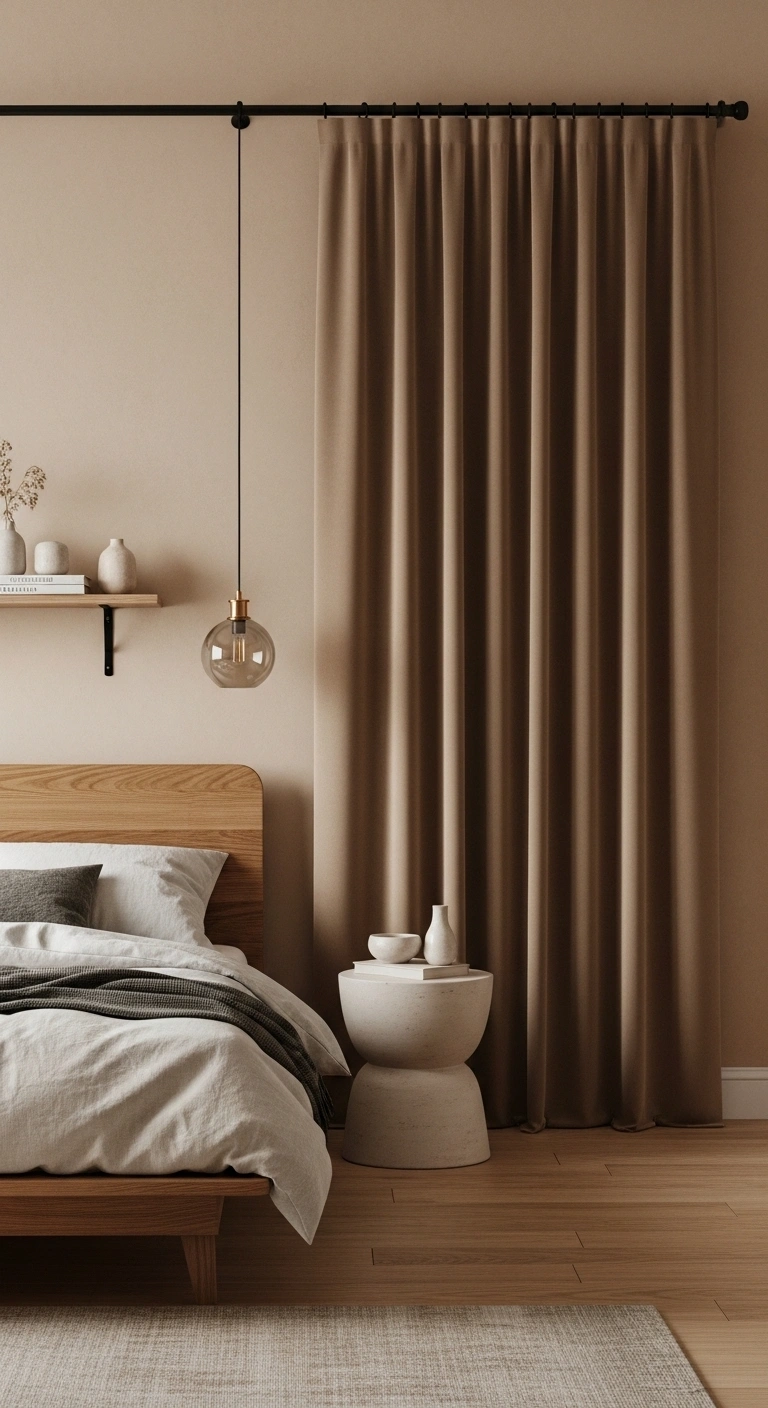
Matching your blackout curtains to your wall color creates a seamless and calming look. Choose curtains in the same shade or just slightly darker than your walls. This reduces visual breaks and makes the room feel more cohesive.
This approach works especially well in smaller bedrooms because it avoids sharp contrasts that can make the space feel crowded. Soft tones like off-white, pale gray, or warm beige help reflect light during the day while still providing full darkness at night.
Keep furniture and décor within the same color family for a smooth flow. This design trick makes your room feel larger, quieter, and more peaceful, which supports better sleep and relaxation.
23. Layered Blackout Curtains with Rugs and Bedding for Full Comfort
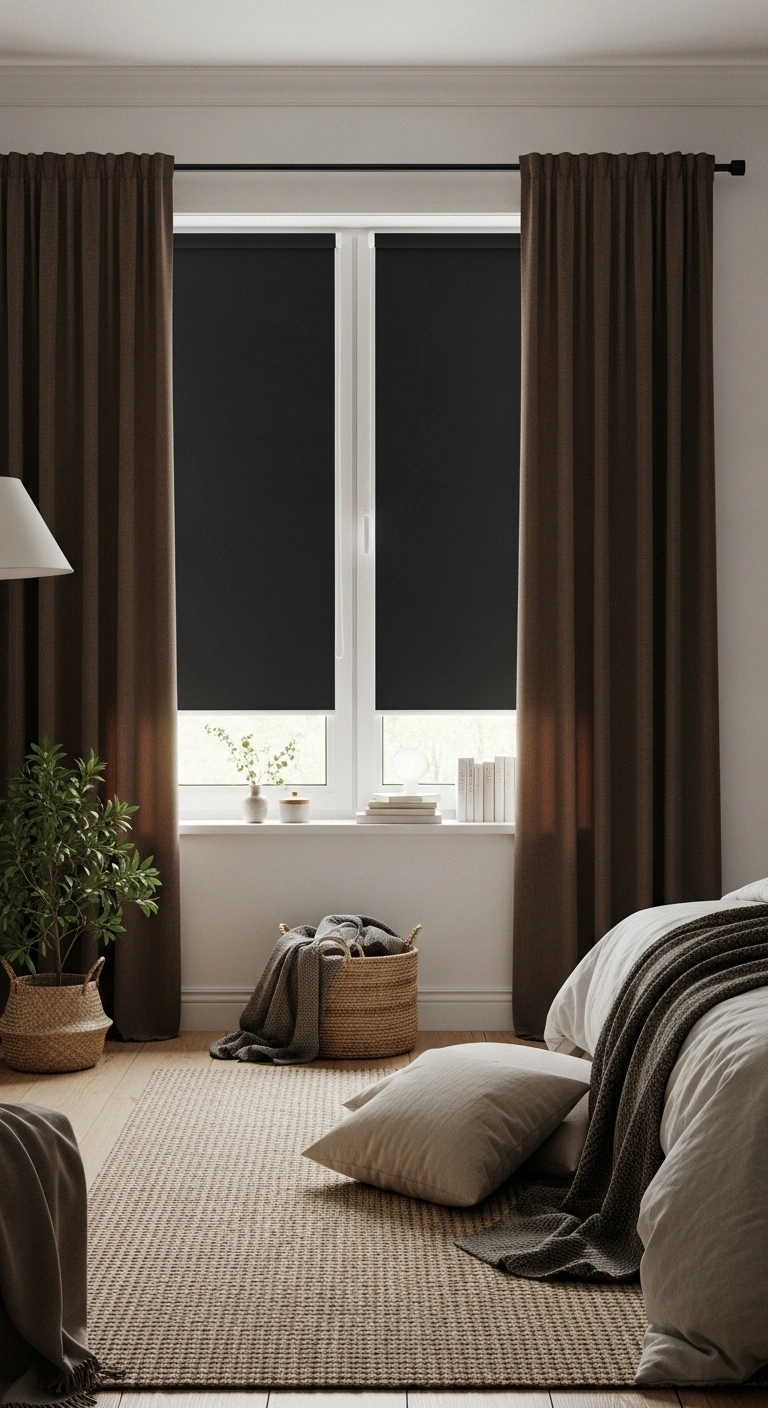
Creating a fully cozy environment with blackout curtains means layering them with other soft elements in your room. Pair your curtains with thick rugs, plush bedding, and soft cushions to build a complete comfort zone.
Choose curtains in warm tones like deep beige, cocoa, or soft charcoal to anchor the space. Add a textured rug under the bed and layer your bedding with different fabrics like cotton and knit.
This combination absorbs sound, reduces light, and adds warmth, making your bedroom feel quiet and restful. The goal is to create a space where every element supports relaxation. With the right layers, your room becomes a place where you can truly unwind and sleep without disturbance.
Conclusion
The right blackout curtains do more than block light—they shape how your room feels every day and night. From layered textures and soft pleats to smart layouts and calming colors, each idea offers a simple way to improve both sleep and privacy while enhancing your space.
You don’t need a full makeover to see results. Start with one or two ideas that match your style and needs, then build around them. Small changes like better layering, improved placement, or thoughtful color choices can make a big difference.
Save the ideas that inspire you most and try them step by step. With the right approach, your bedroom can become a quiet, comfortable retreat that supports deep rest and everyday peace.