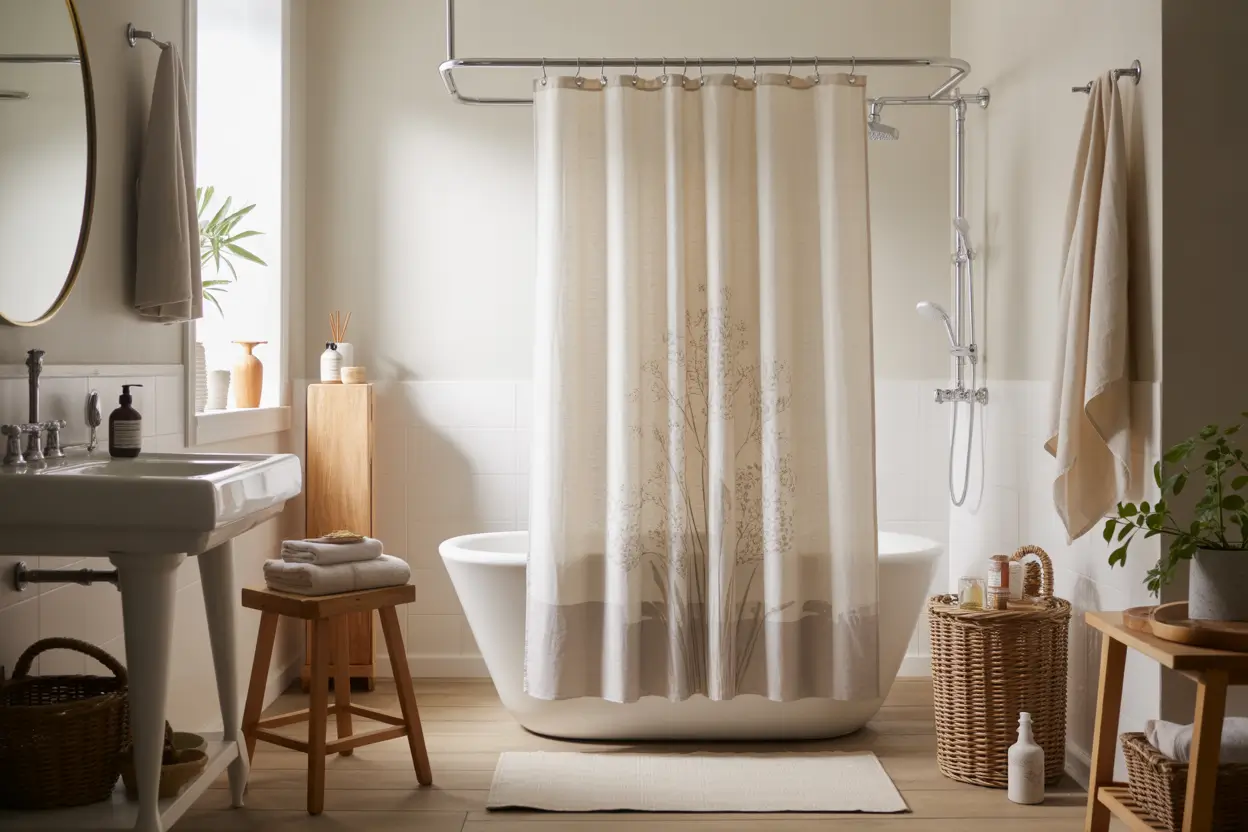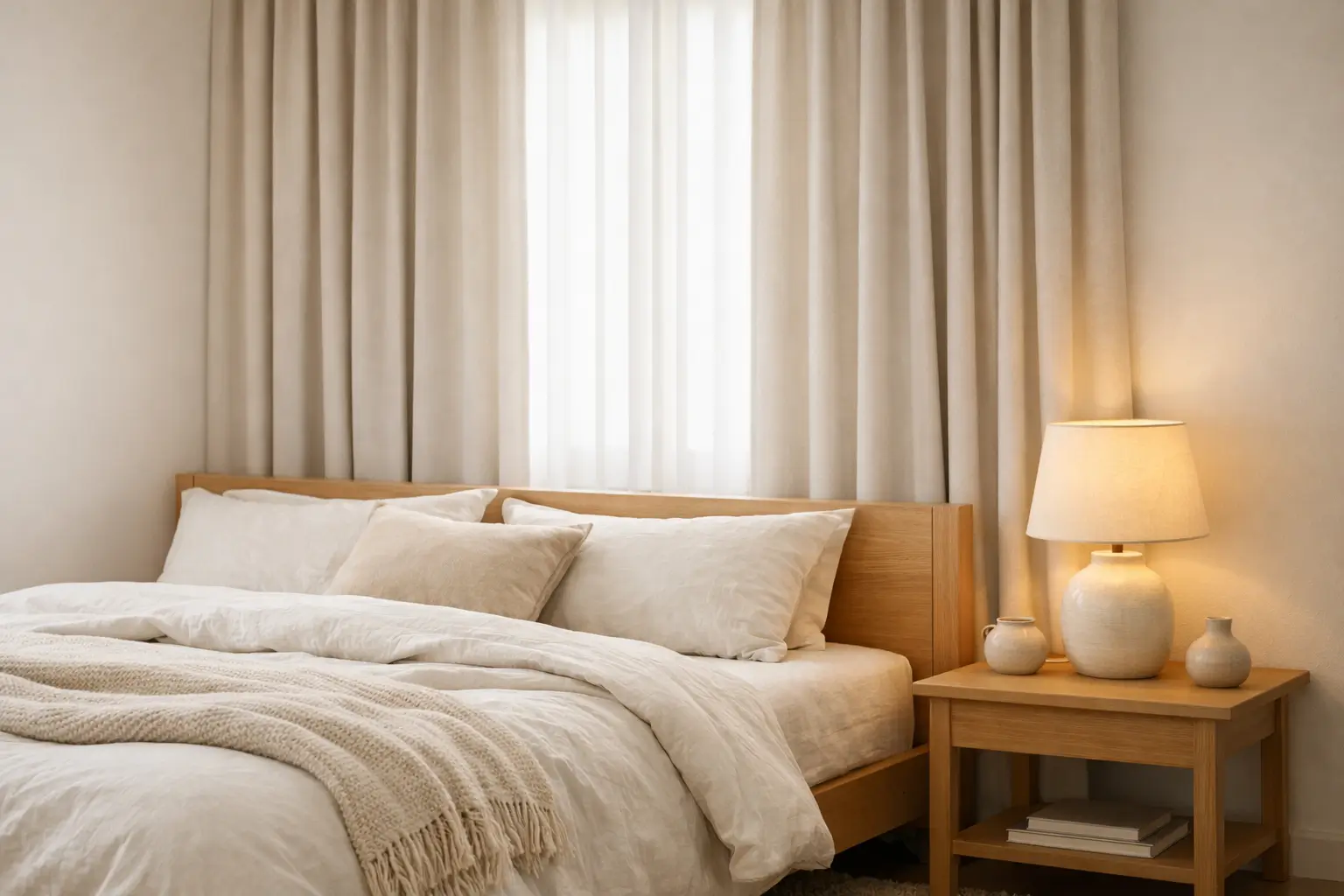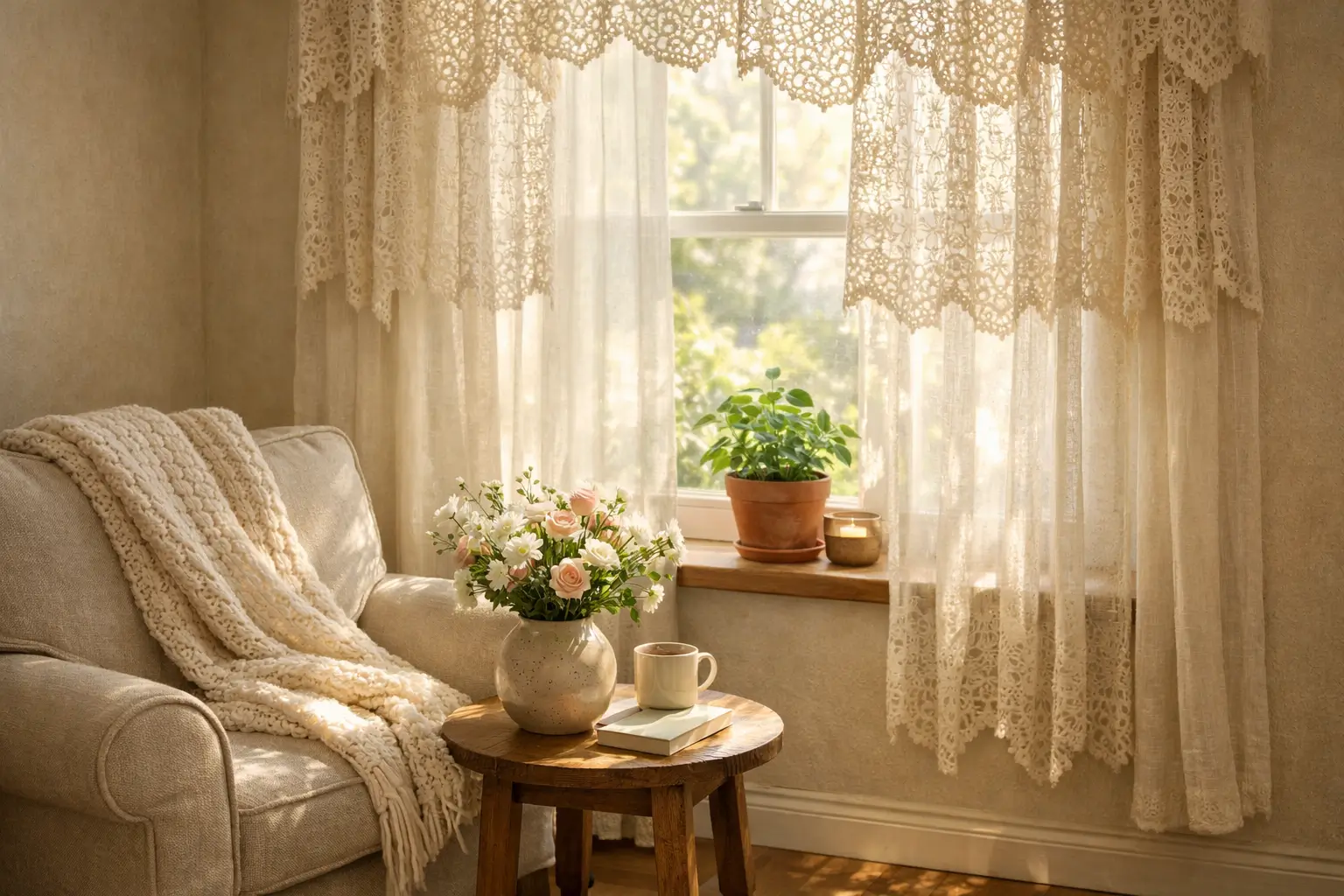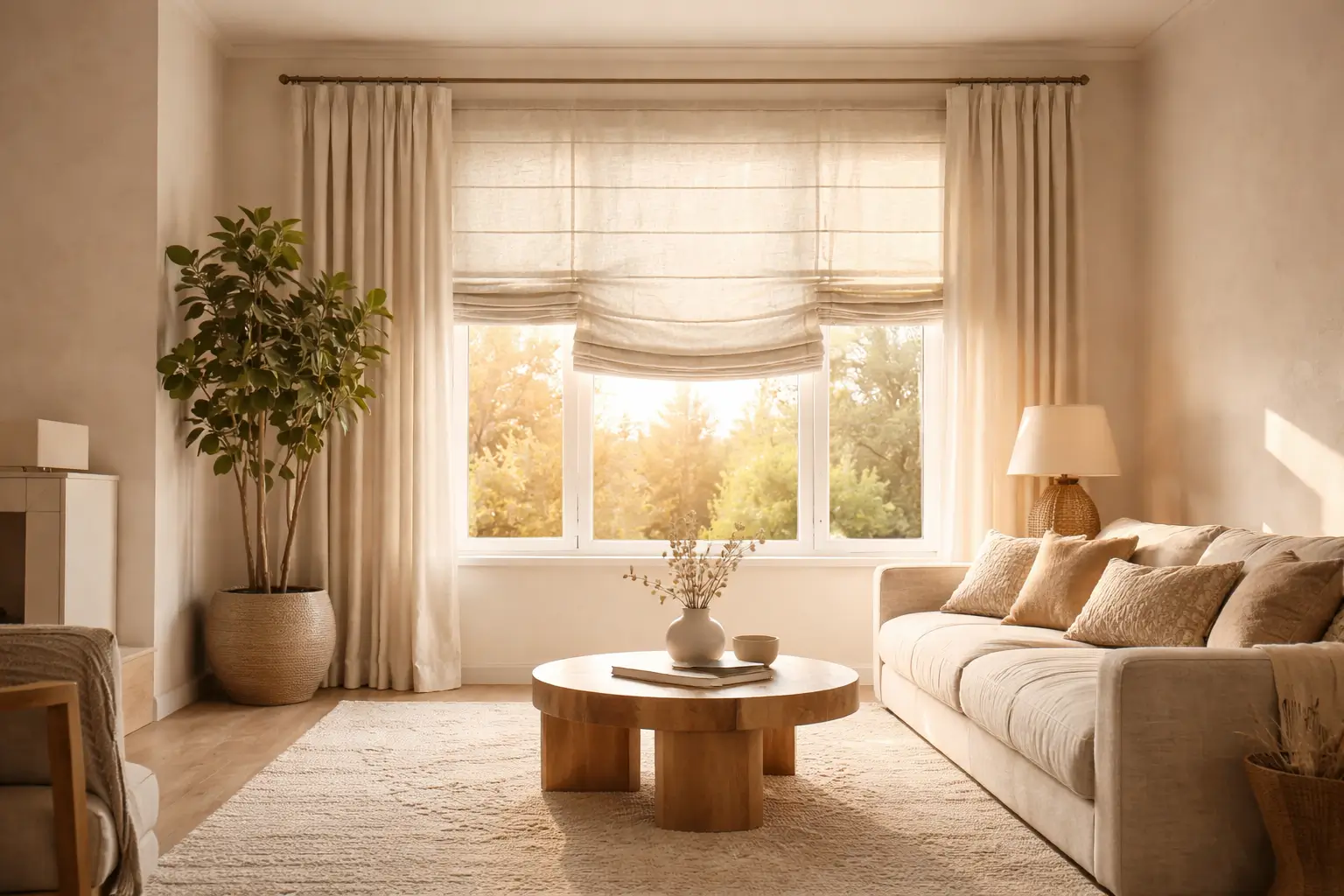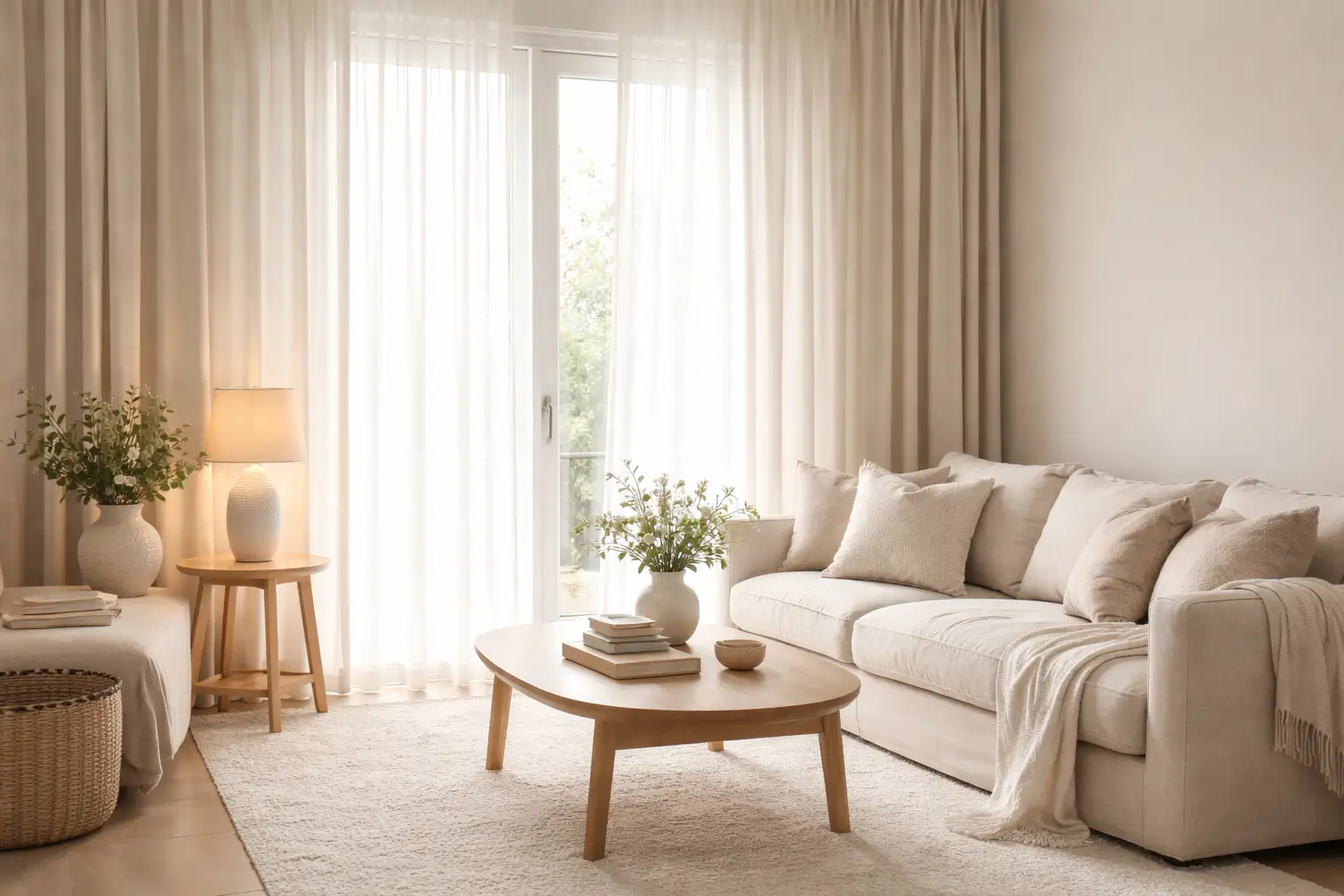
23 Unique Curtains You Won’t See Anywhere Else
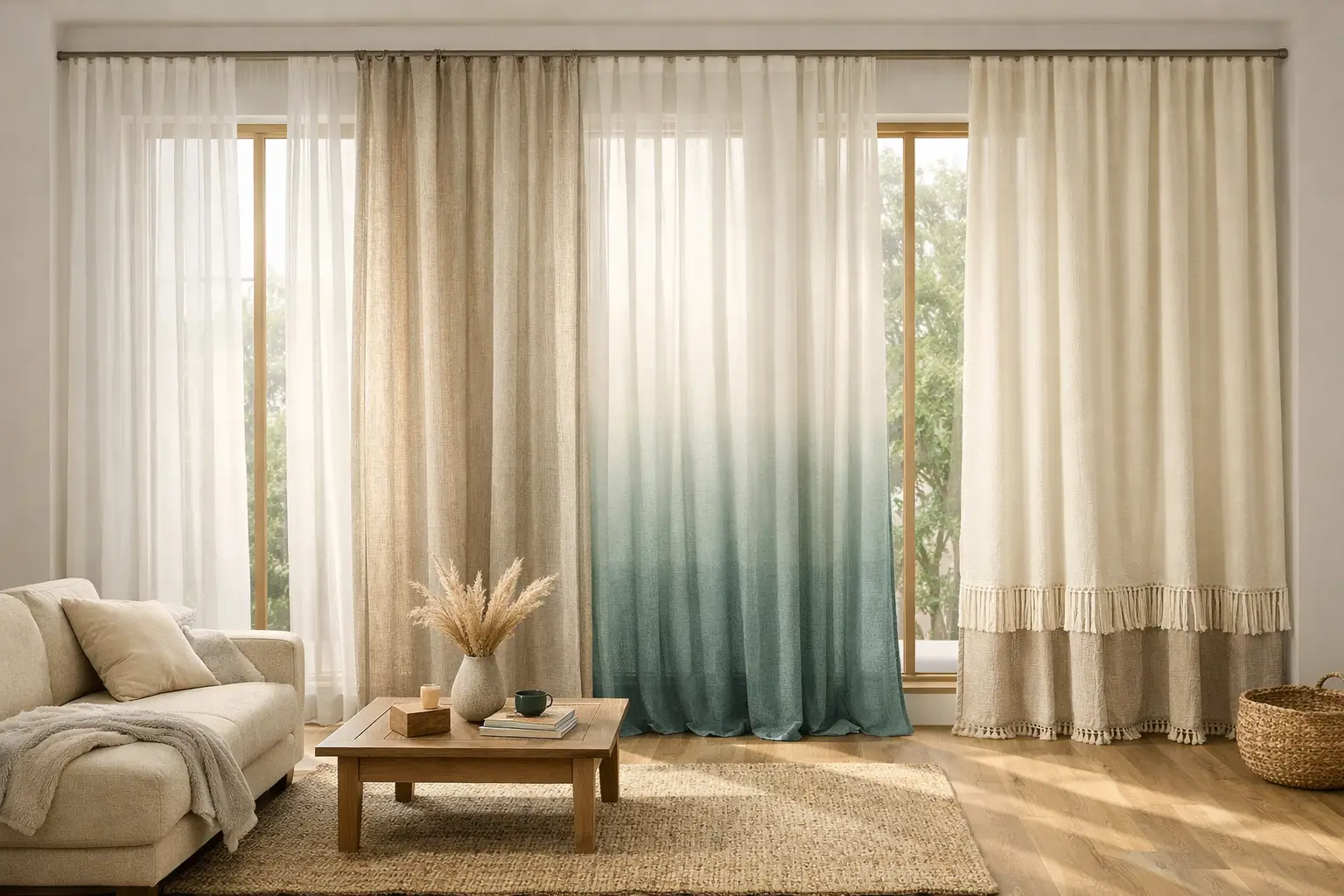
Tired of seeing the same plain curtains everywhere? You’re not alone. Most homes repeat the same neutral drapes, leaving windows looking forgettable. This guide changes that.
Here, you’ll discover 23 unique curtains you won’t see anywhere else, designed to add personality, texture, and visual impact to your space. These ideas go beyond basic fabric panels. You’ll find creative materials, unexpected color pairings, and clever styling tricks you can actually try at home.
Each idea is simple, practical, and Pinterest-worthy, with clear visuals you can imagine or recreate. Whether your room feels dull or just needs a standout feature, these curtain ideas will instantly upgrade your space. Let’s start with the first 11 designs that truly stand out.
1. Layered Sheer and Linen Contrast Curtains
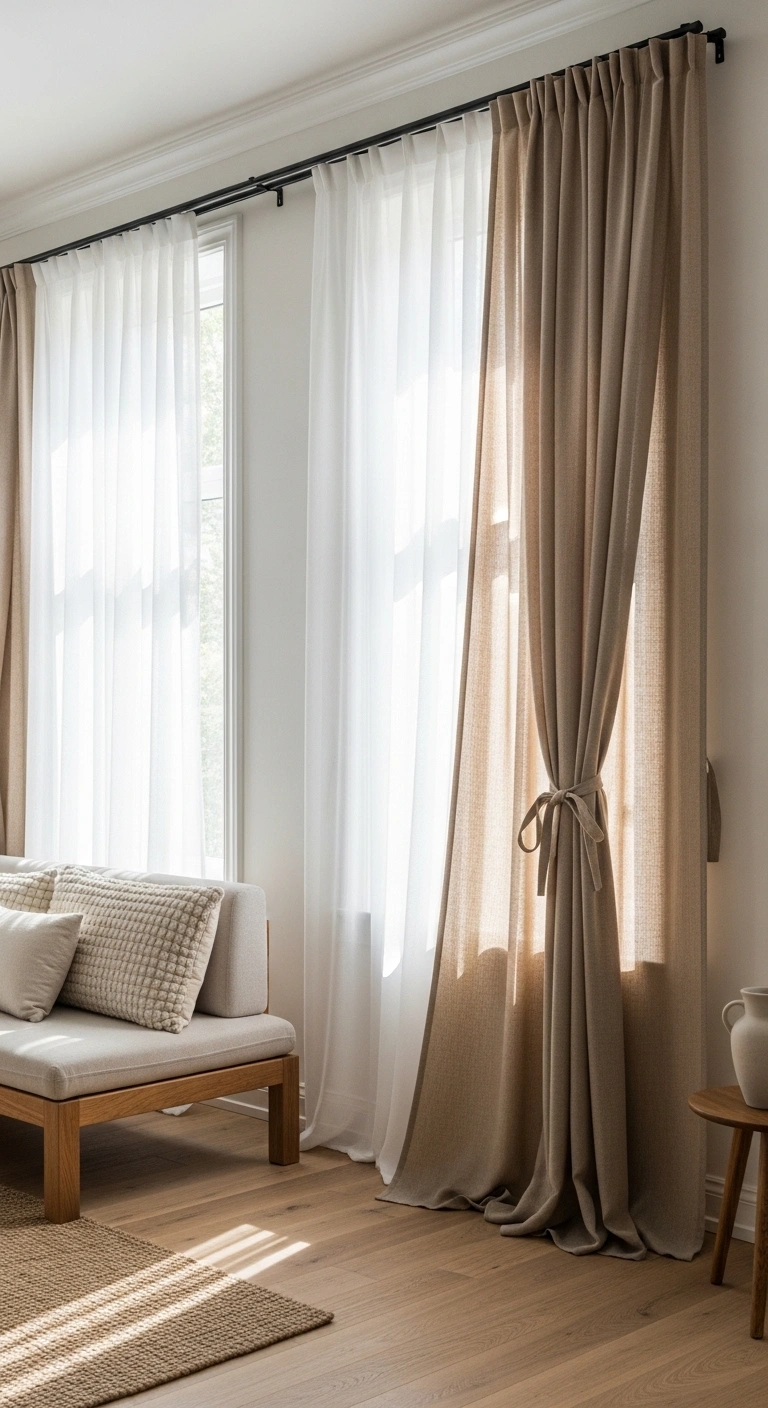
Combine two textures for a soft but structured look. Use a light sheer curtain behind and a heavier linen panel in front. The sheer diffuses sunlight, creating a warm glow, while the linen adds depth and privacy.
Choose soft white sheers with earthy tones like sand, olive, or muted terracotta linen. Let the linen panels hang slightly wider than the window frame to make the room feel bigger.
For styling, keep the top rod simple in matte black or brushed gold. During the day, tie back the linen layer and let the sheer move naturally with airflow. This creates a relaxed, airy vibe that feels calm but visually rich.This idea works especially well in living rooms or bedrooms where you want both light and softness without losing texture.
2. Hand-Painted Abstract Canvas Curtains
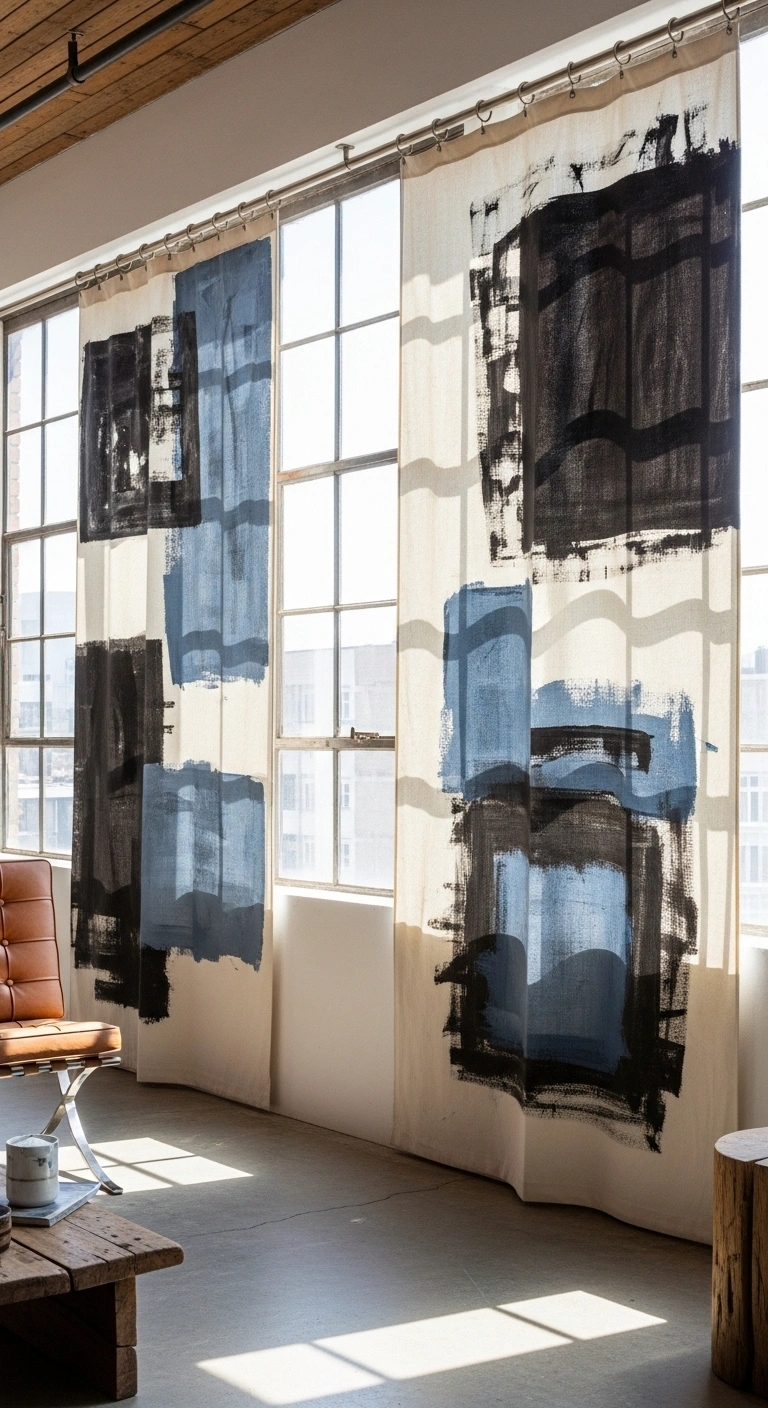
Turn your curtains into wall art. Use thick cotton canvas panels and paint abstract designs directly onto them. Think soft brush strokes, uneven lines, or color blocking in tones like charcoal, beige, and dusty blue.Keep the pattern minimal so it doesn’t overwhelm the room. Focus on one side of each panel or create an off-center design for a modern feel.
Hang these curtains against a plain wall so they stand out clearly. Natural daylight enhances the brush textures and makes the artwork feel alive.
This idea adds personality without needing extra wall décor. It works best in creative spaces, studios, or modern living rooms where you want something bold but still controlled.
3. Two-Tone Vertical Split Curtains
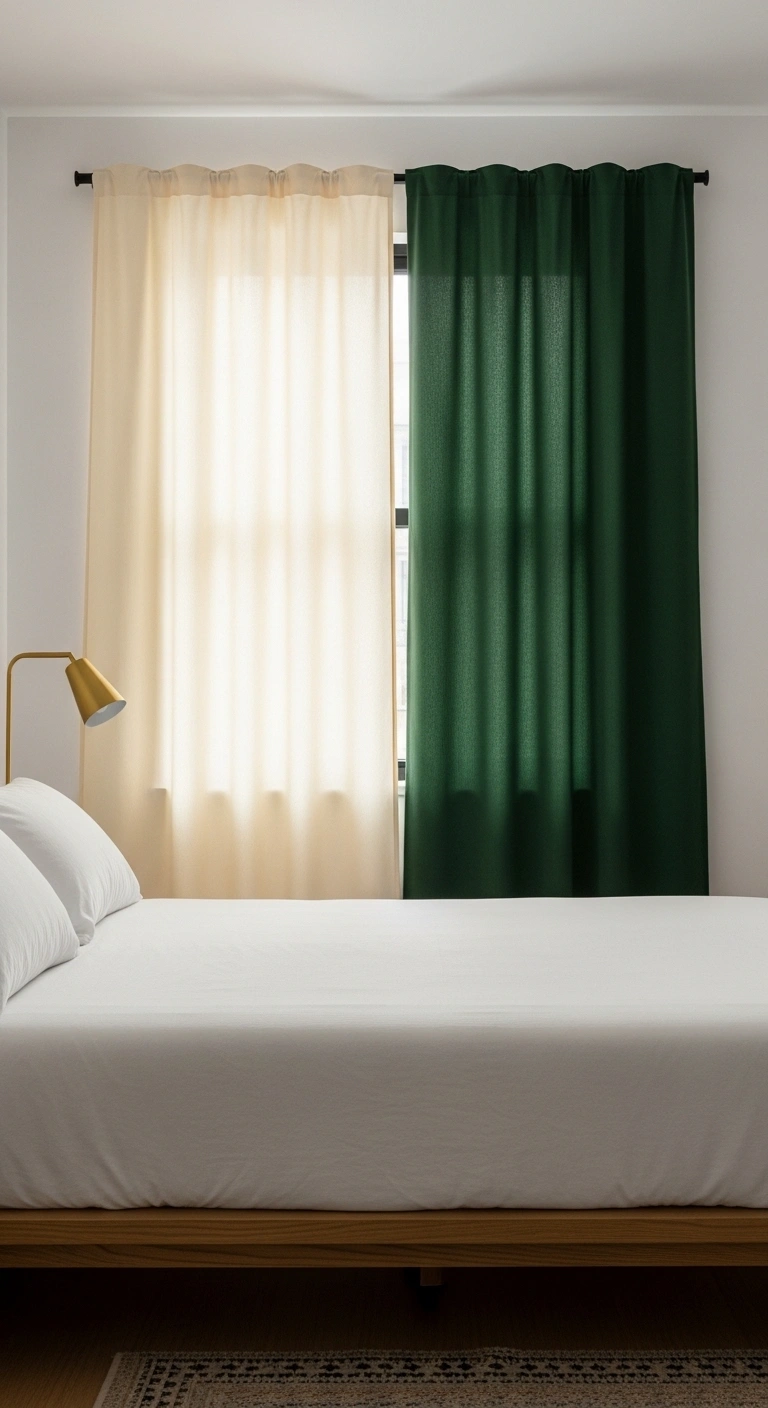
Create a striking visual by splitting your curtains vertically into two colors. Instead of top-and-bottom color blocking, divide the curtain down the middle.
Pair unexpected shades like cream and deep green, or soft grey with warm rust. Keep one side lighter to reflect light and the other darker for contrast.
Align the split slightly off-center for a more natural, less rigid look. Use clean stitching so the transition feels intentional and sharp.This design naturally draws the eye upward, making ceilings appear taller. It works well in smaller rooms where you want to create a sense of height without changing furniture.
4. Soft Fringe Edge Curtains

Add movement and texture with delicate fringe along the edges. Instead of heavy tassels, use fine, soft fringe that gently sways with airflow.
Choose neutral fabrics like ivory, beige, or light grey, then add matching or slightly darker fringe for subtle contrast.Keep the curtain panels simple so the fringe becomes the highlight. When sunlight hits the edges, it creates a soft shadow effect that adds depth without looking busy.
This style feels relaxed and slightly bohemian but still clean enough for modern interiors. It’s perfect for bedrooms or cozy reading corners.
5. Wooden Bead and Fabric Hybrid Curtains
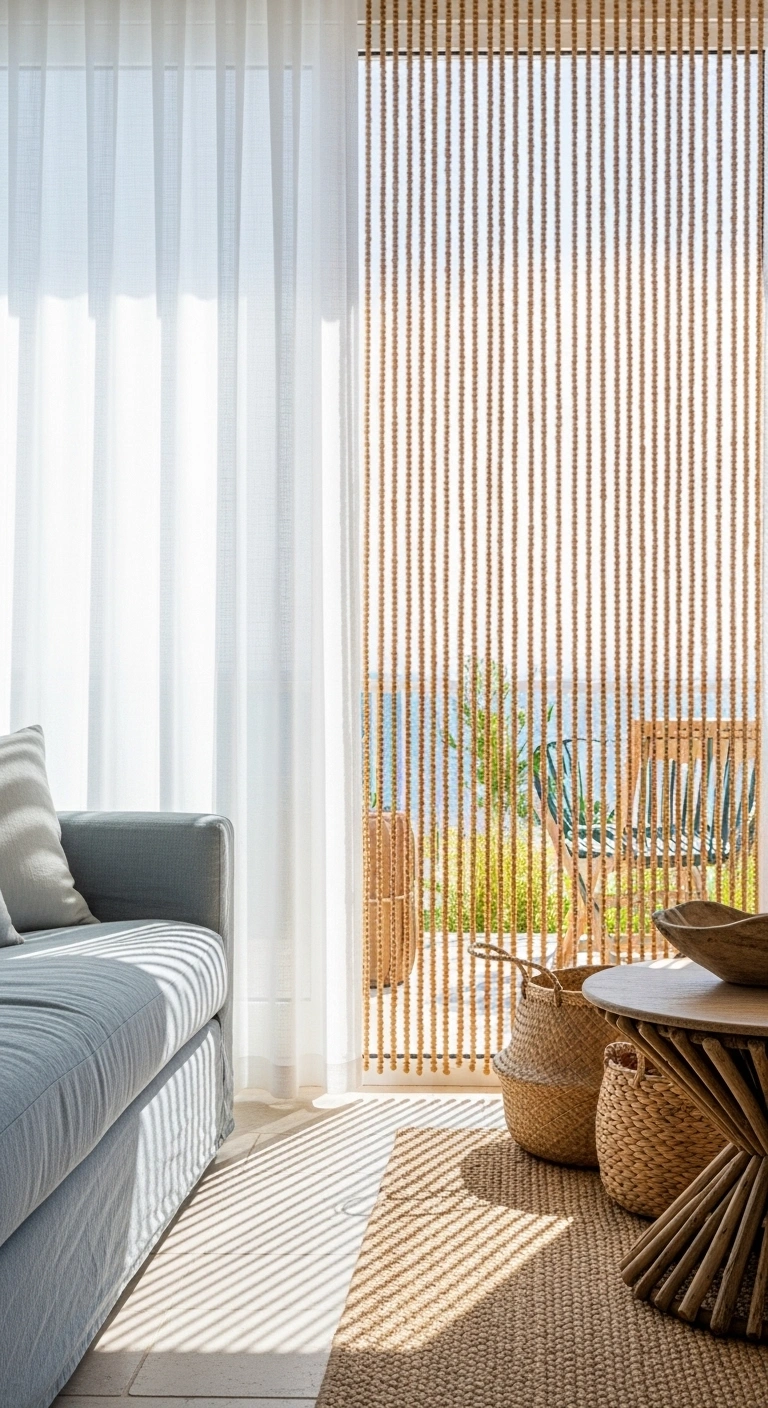
Mix natural materials with soft fabric for a unique layered look. Use a curtain panel made of spaced wooden beads in front, with a sheer fabric layer behind it.
The beads create texture and soft sound when they move, while the sheer maintains privacy. Choose light wood tones for a calm feel or darker beads for stronger contrast.
Install the bead panel slightly wider than the window so it frames the fabric layer behind. This adds depth and makes the window area feel styled rather than flat.This idea works beautifully in relaxed spaces where you want warmth and a natural touch.
6. Ombre Dip-Dyed Curtains
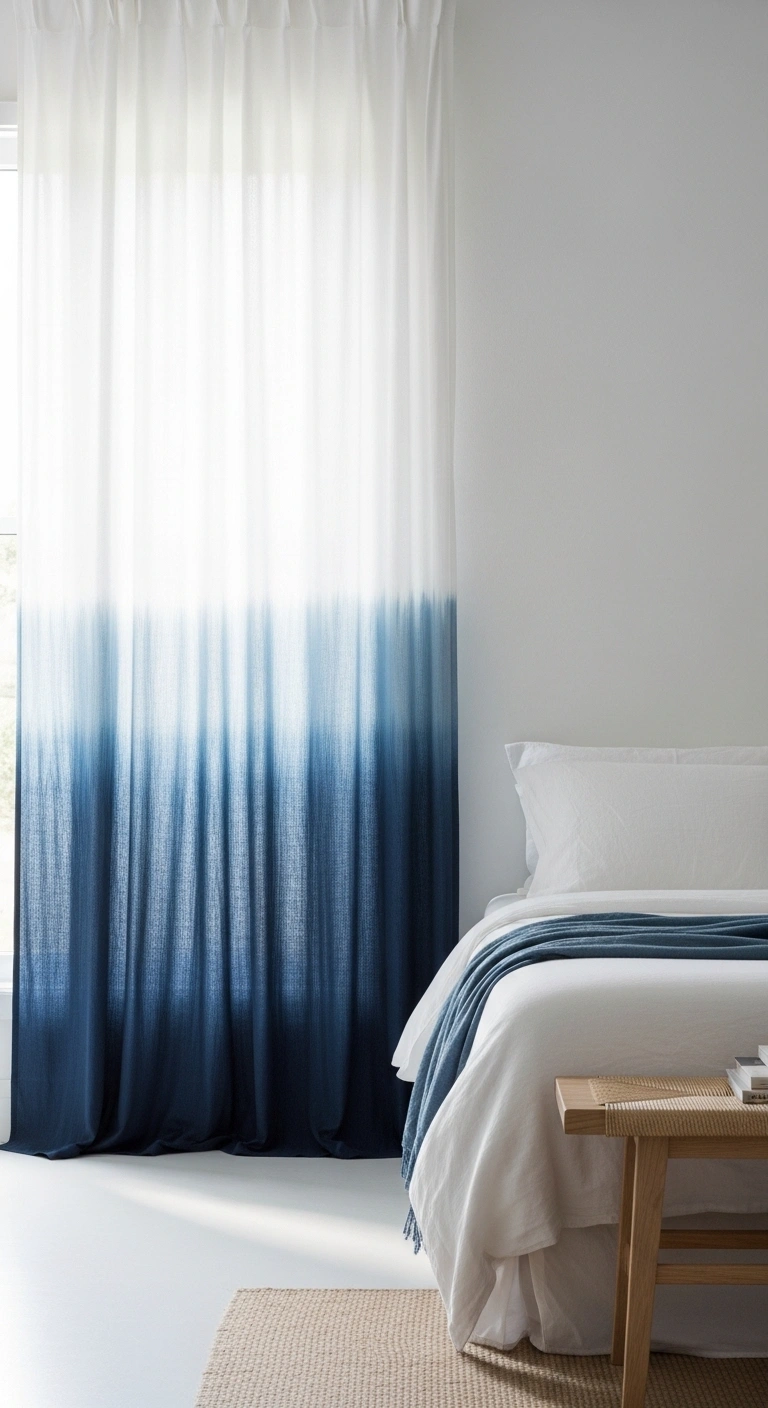
Create a smooth color fade using dip-dye techniques. Start with a white or cream curtain and gradually blend into a deeper shade like indigo, sage, or warm blush toward the bottom.
Keep the transition soft and uneven for a more natural look. Avoid sharp lines between colors.
Hang these curtains where sunlight can highlight the gradient. The lower darker section grounds the space, while the lighter top keeps the room feeling open.This style works well in minimalist rooms that need a subtle but noticeable design feature.
7. Asymmetrical Draped Curtains

Break the traditional straight-hanging style. Instead, drape one side longer or pull it across at an angle for an asymmetrical look.
Use lightweight fabric so the folds fall naturally. Soft cotton or linen works best. Choose neutral tones to keep the focus on the shape rather than the color.
Secure one side higher on the wall and let the other side hang freely. This creates movement and makes the window feel more dynamic.This idea is simple to try but instantly changes the room’s energy. It works especially well in casual spaces where you want a relaxed, lived-in feel.
8. Patterned Border Frame Curtains
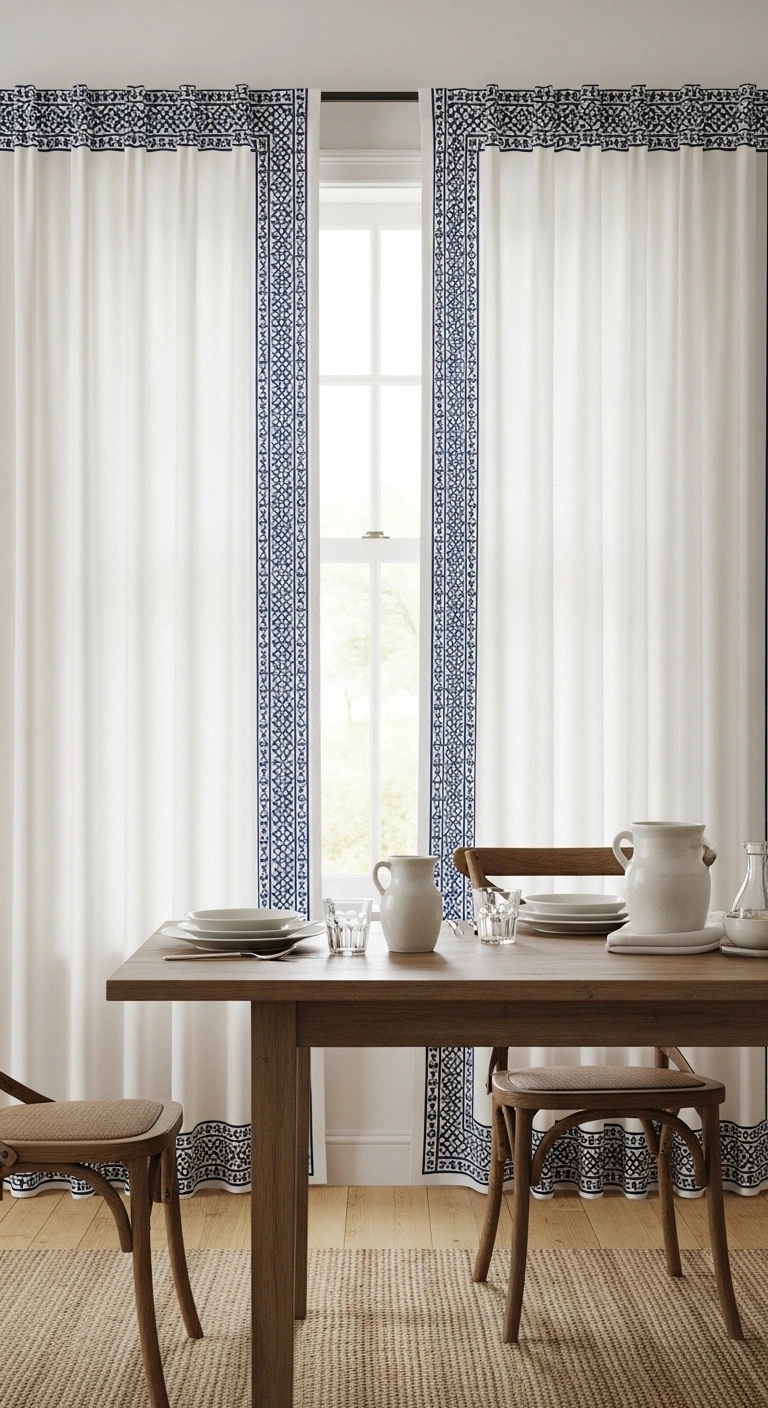
Instead of covering the entire curtain with patterns, add a bold border along the edges. This frames the window like artwork.Use a neutral base fabric and add a patterned strip in contrasting colors such as black geometric prints on white or earthy tribal patterns on beige.
Keep the border about 4–6 inches wide for a balanced look. This adds detail without overwhelming the space.When the curtains are closed, the border creates a clean frame effect. When open, it still adds interest along the sides.This idea is perfect if you want pattern without committing to a full bold design.
9. Light-Filtering Cutwork Curtains

Use curtains with small cut-out patterns that allow light to pass through in interesting ways. Think tiny shapes or subtle floral cutwork designs.
When sunlight comes in, it creates soft patterns on walls and floors. This adds visual interest without needing extra décor.
Choose light fabrics in white or soft beige to maximize the light effect. Keep the pattern small and evenly spaced for a clean look.This style works beautifully in bright rooms where natural light is a key feature.
10. Mixed Fabric Panel Curtains

Combine different fabrics in one curtain panel. For example, pair linen with cotton or soft velvet with sheer strips.Arrange the fabrics in horizontal or vertical sections, but keep the color palette consistent so it feels cohesive.
This adds depth and texture without needing bold colors. The contrast between materials makes the curtain visually interesting even from a distance.Use this idea in spaces where you want subtle detail that becomes more noticeable up close.
11. Floor-Pooling Relaxed Curtains

Let your curtains extend beyond the floor to create a soft pooled effect. Instead of stopping exactly at floor level, add extra length so the fabric gathers naturally.
Use heavier fabrics like linen blends or soft cotton so the folds hold their shape. Choose warm neutral tones like cream, taupe, or soft brown.
Keep the pooling controlled, not excessive. About 2–4 inches of extra length works best for a relaxed but tidy look.This style adds a cozy, slightly luxurious feel without needing expensive materials. It works especially well in bedrooms or quiet living spaces.
12. Ceiling-Mounted Flow Curtains
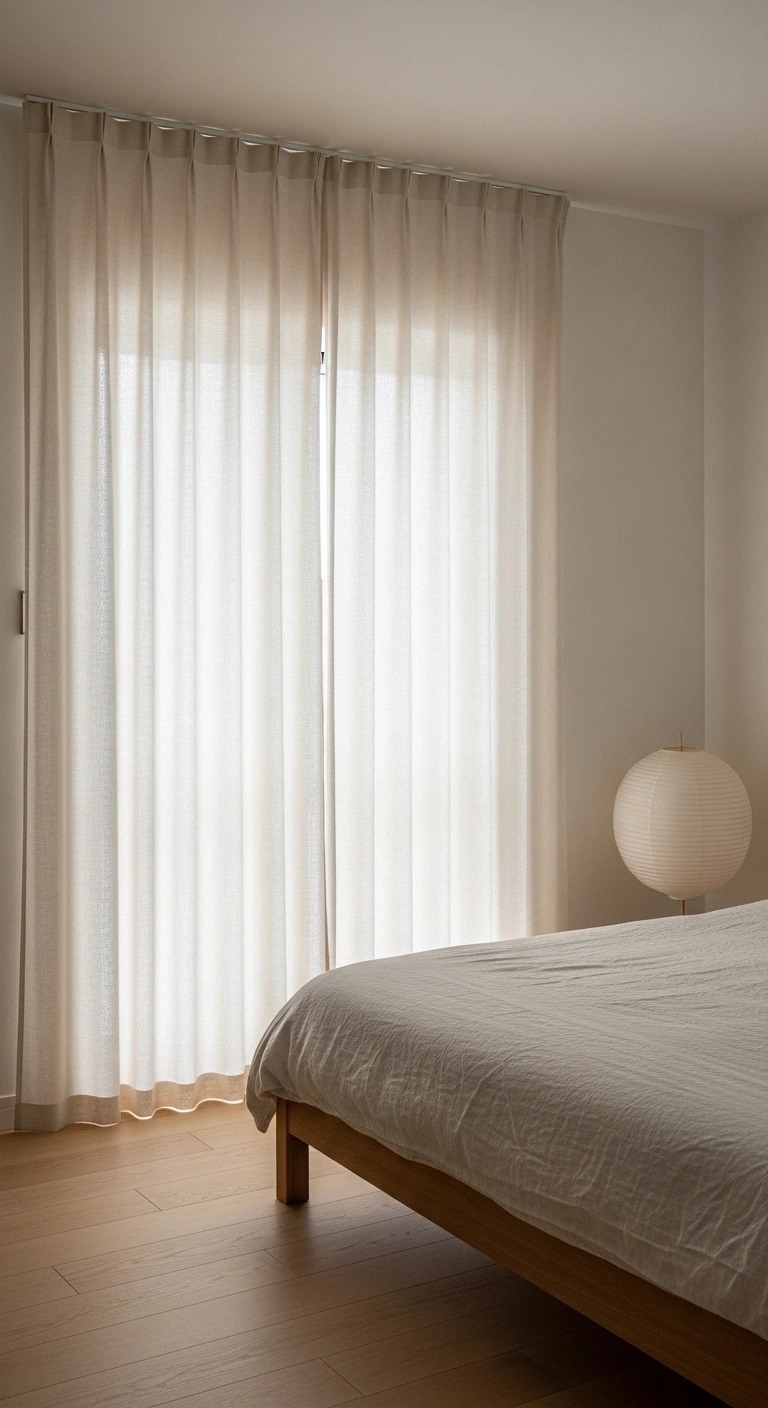
Mount your curtain rod directly on the ceiling instead of above the window frame. This simple shift instantly makes your room feel taller and more open.
Use long, flowing fabric like soft linen or lightweight cotton that stretches from ceiling to floor without breaks. Stick to light tones such as off-white, pale grey, or warm beige to enhance the vertical effect.
Let the fabric fall straight with minimal folds for a clean, modern look. When sunlight hits from above, it creates a smooth, uninterrupted glow across the curtain surface.This idea works especially well in small rooms or apartments where you want to visually increase height without changing the structure.
13. Color-Blocked Horizontal Band Curtains
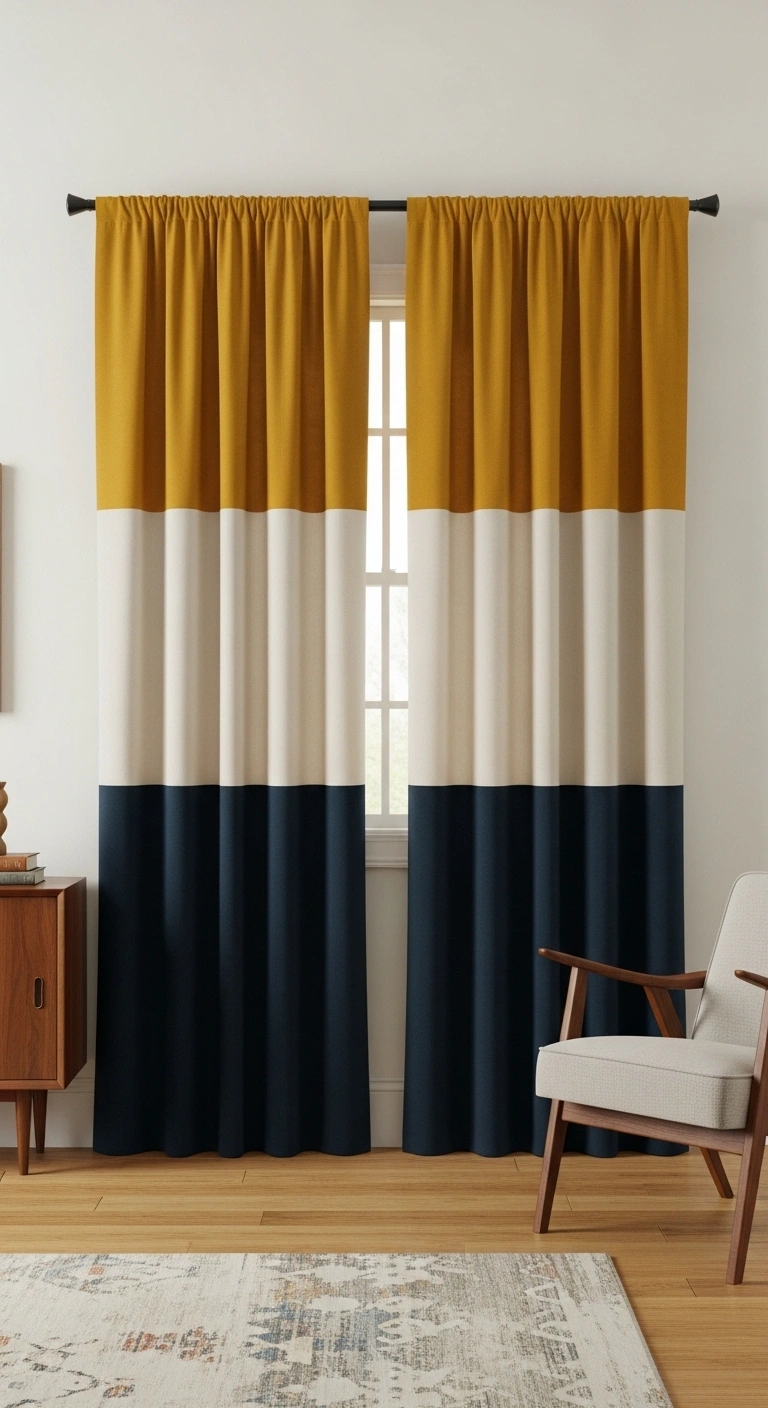
Add bold personality by dividing curtains into horizontal bands of color. Use two or three wide stripes instead of thin lines to keep the design clean and balanced.
Pair calming tones like sage and cream, or go bold with navy and mustard. Place the darkest band at the bottom to ground the space visually.
Keep the stitching neat and straight so the lines look intentional. When hung, these curtains naturally draw attention across the room, making the space feel wider.This is a great option for rooms that need a strong visual anchor without adding extra furniture or décor.
14. Semi-Transparent Printed Layer Curtains
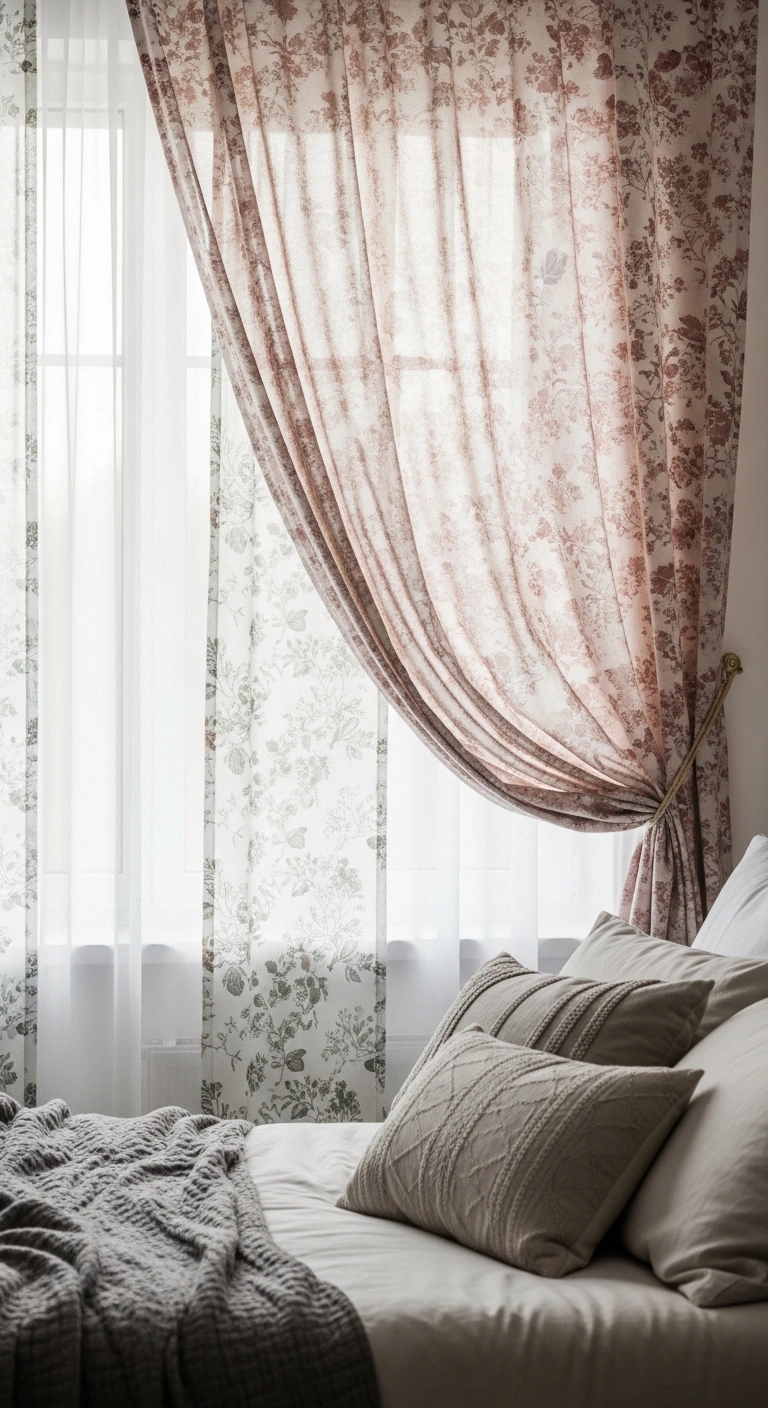
Use a double-layer system where the top layer features subtle printed designs on semi-transparent fabric. Think faded botanical prints, soft geometric shapes, or watercolor-style patterns.
Place a plain sheer behind it to maintain privacy while allowing light through. The printed layer should be soft enough to blend with the light, not block it.
Choose muted tones like dusty green, faded blue, or soft blush so the design feels calm rather than busy.This creates a gentle layered effect where patterns appear and disappear depending on the light, adding depth without overwhelming the room.
15. Rope-Tie Casual Curtains
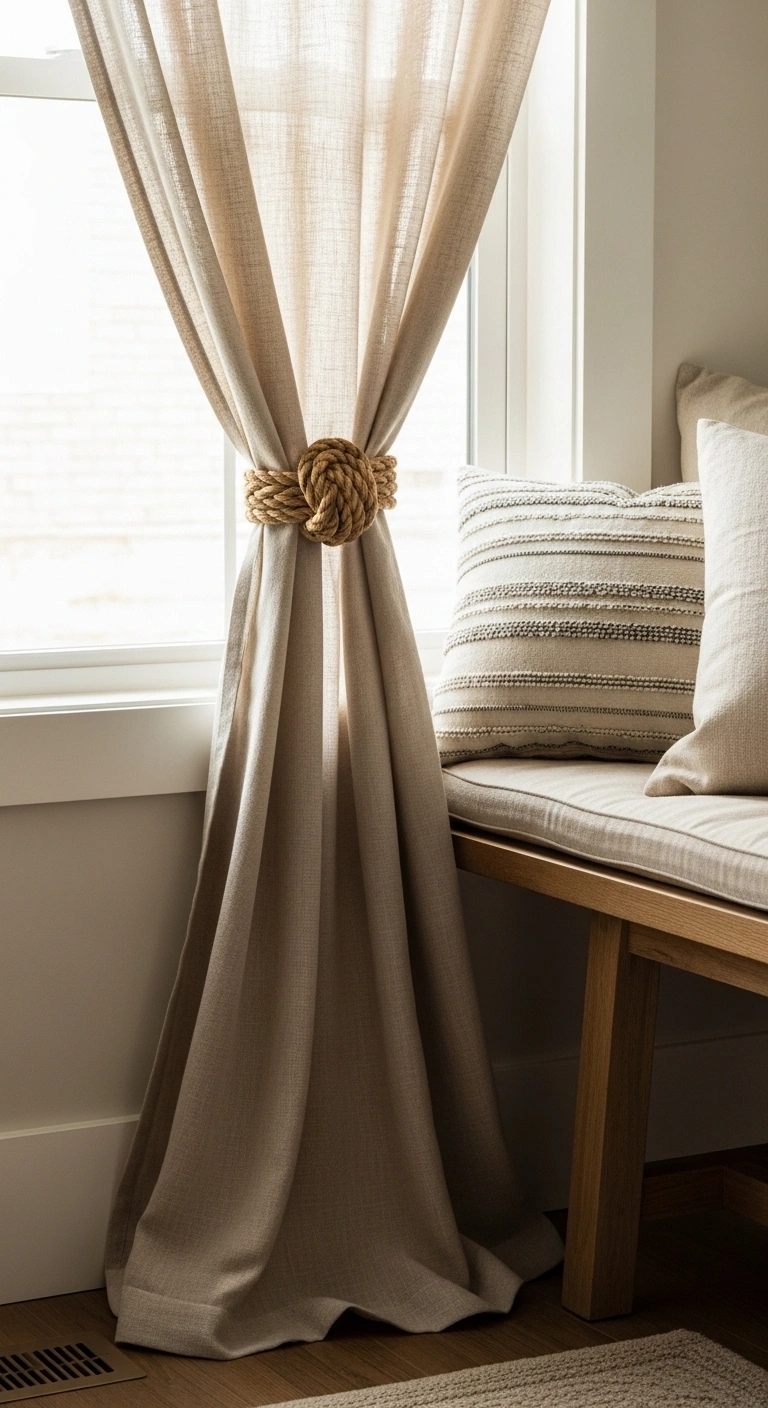
Skip traditional tiebacks and use thick natural rope instead. This adds texture and a relaxed, slightly rustic feel.Choose neutral curtains like linen or cotton in soft tones. Then use jute or cotton rope to loosely tie the curtain at mid-height.
Let the rope knot feel slightly imperfect for a natural look. The contrast between the soft fabric and rough rope adds visual interest without needing bold colors.This works beautifully in cozy spaces, reading corners, or rooms where you want a simple but styled appearance.
16. Metallic Thread Subtle Shine Curtains

Add a hint of shine without going overboard. Choose curtains woven with fine metallic threads that catch light softly.Look for fabrics where the shimmer is only visible when sunlight hits, not constantly reflective. Soft gold or silver threads in neutral fabric work best.
During the day, the curtains appear calm and minimal. At night, under warm lighting, they add a gentle glow that feels elegant but not flashy.This idea is perfect for adding quiet luxury to bedrooms or living rooms without changing your entire color scheme.
17. Patchwork Fabric Story Curtains

Create curtains using different fabric pieces stitched together in a thoughtful pattern. Instead of random patches, choose a consistent color palette like warm earth tones or soft pastels.
Mix textures like cotton, linen, and light canvas for depth. Keep the patch sizes medium and balanced so the curtain doesn’t look chaotic.
This style feels personal and handcrafted, making your space more unique. It’s also a great way to reuse leftover fabrics in a creative way.Use it in spaces where you want warmth and character rather than a polished, perfect look.
18. Double Rod Floating Curtains
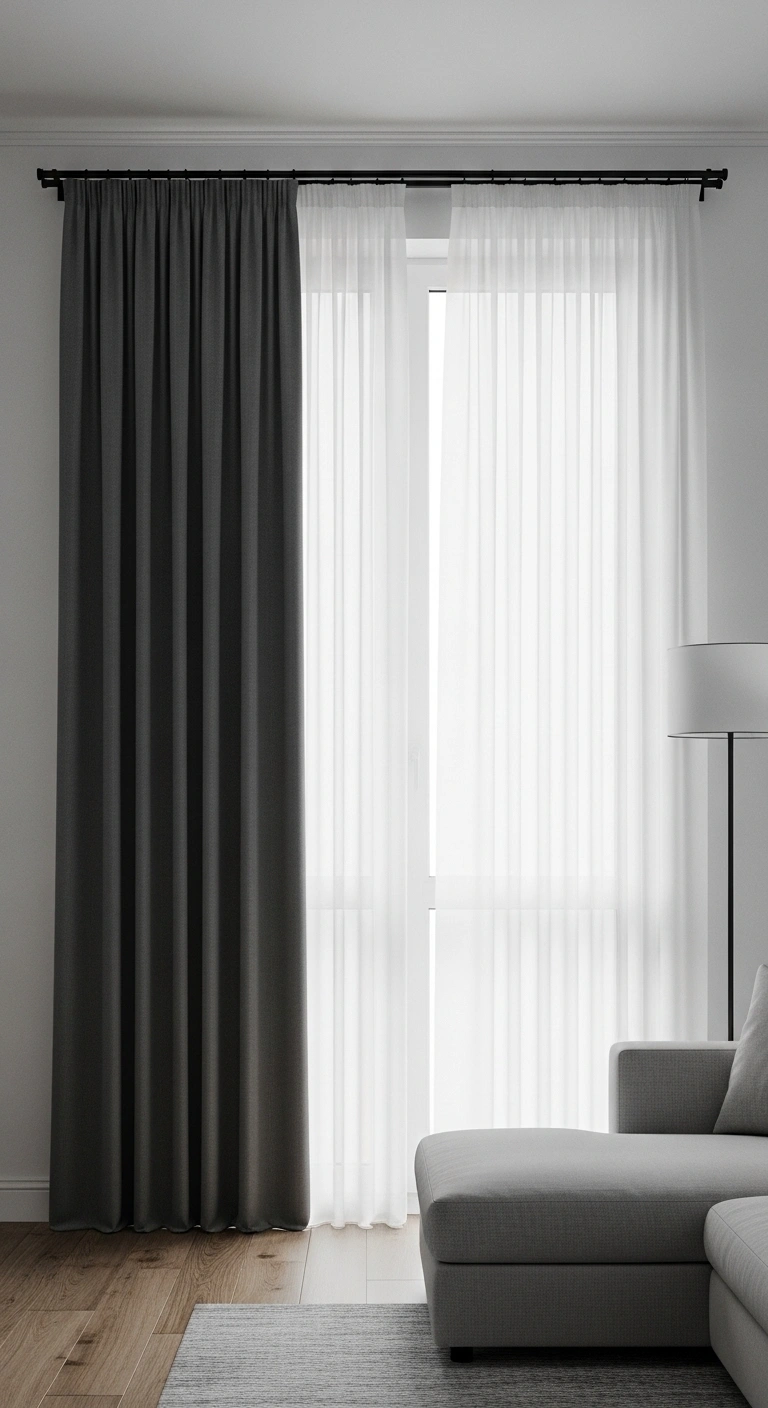
Use two rods to create a floating layered effect. Place a sheer curtain closer to the window and a thicker curtain slightly forward.Instead of stacking them tightly, leave a small gap between layers so each one feels separate and visible.
Choose contrasting tones like white sheer with a darker outer curtain for depth. The spacing allows light to move between layers, creating soft shadows and dimension.This setup feels more intentional and styled compared to standard double curtains, making your window area stand out.
19. Curved Curtain Rod Styling
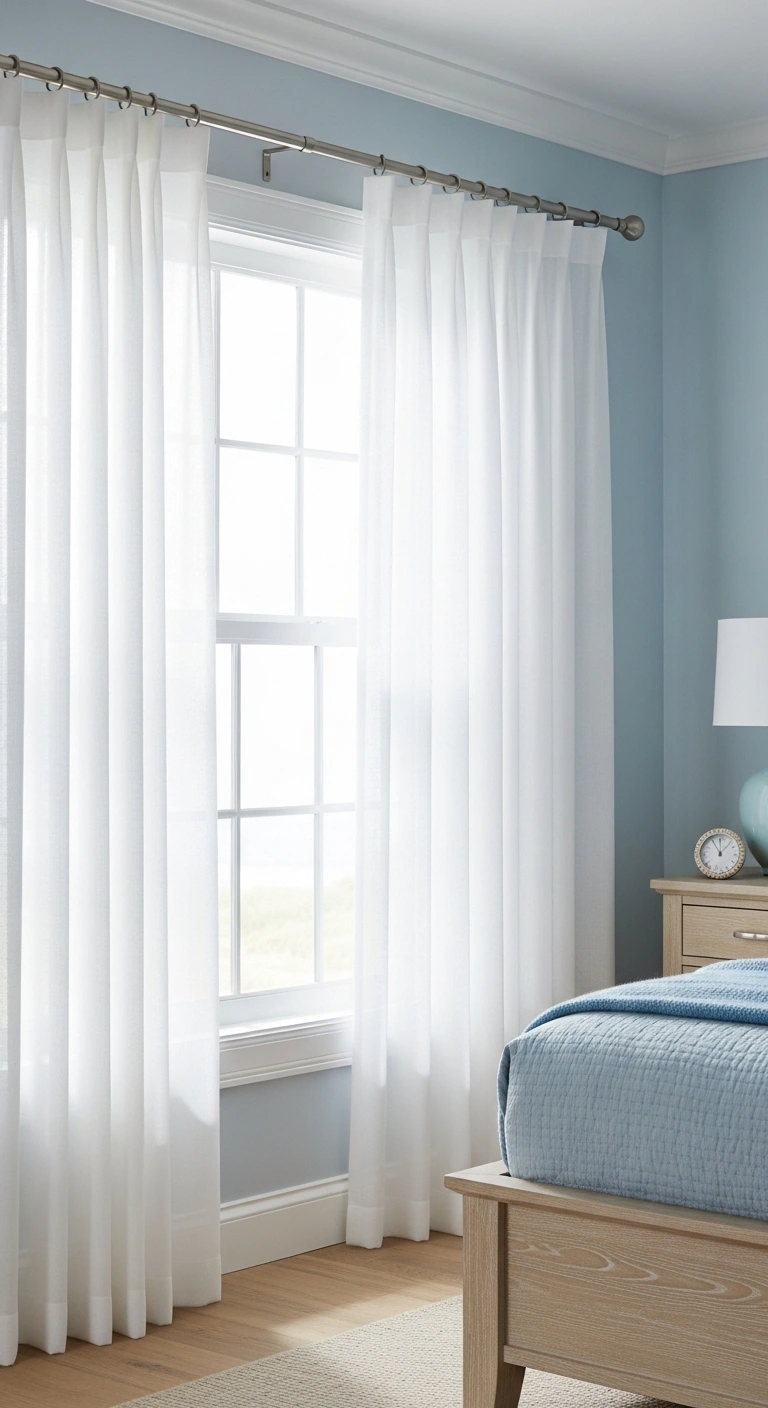
Use a slightly curved curtain rod instead of a straight one. This soft curve changes how the fabric falls and adds a subtle design detail.Pair it with lightweight curtains that can follow the curve naturally. Avoid stiff fabrics that won’t drape well.
The curve creates a gentle framing effect around the window, making it feel more inviting and less rigid.This small change adds uniqueness without needing bold colors or patterns, making it ideal for minimal spaces.
20. Textured Waffle Weave Curtains
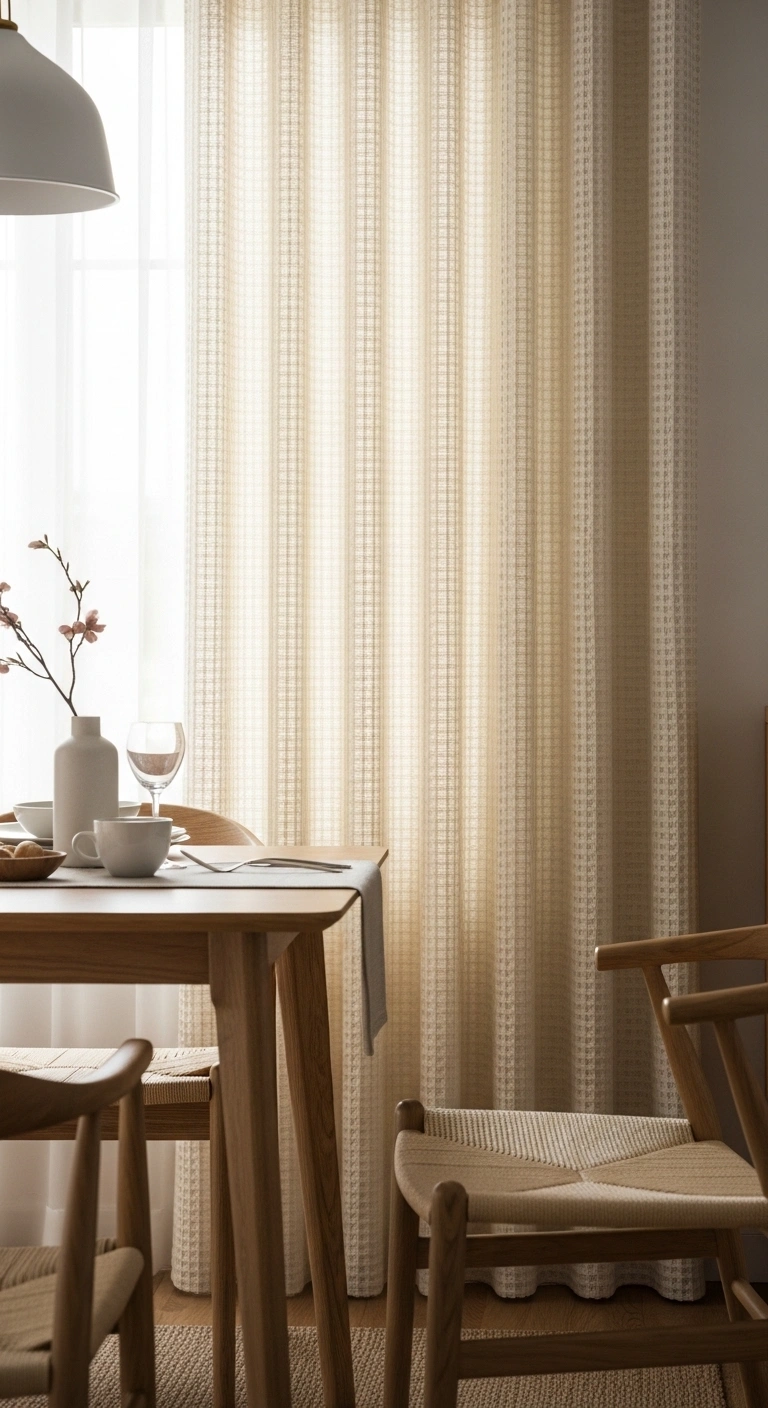
Choose curtains with a waffle or honeycomb texture for added depth. This fabric creates small raised patterns that catch light differently across the surface.Stick to neutral tones like cream, soft grey, or light taupe so the texture remains the focus.
When sunlight hits, the raised pattern creates tiny shadows that add visual richness without any prints or colors.This idea works well in simple interiors where you want detail through texture instead of bold design.
21. Soft Gradient Stripe Curtains

Use very subtle vertical stripes that gradually fade in intensity. Instead of sharp lines, the stripes should blend softly into the background fabric.Choose tones within the same color family, like light grey fading into charcoal or soft beige into warm brown.
This creates a calming effect while still adding visual structure. The vertical flow also helps make ceilings appear higher.It’s a perfect choice for minimalist spaces that need quiet detail without strong contrast.
22. Lightweight Crinkled Fabric Curtains

Use naturally crinkled or slightly wrinkled fabric for a relaxed, effortless look. This texture adds depth without requiring perfect ironing or maintenance.Choose soft cotton or linen blends in light tones. Let the fabric hang freely without trying to smooth it out completely.
The uneven texture catches light differently across the surface, creating a soft, lived-in feel.This idea is practical and visually appealing, especially for everyday spaces where comfort matters more than perfection.
23. Hidden Pattern Inside Fold Curtains
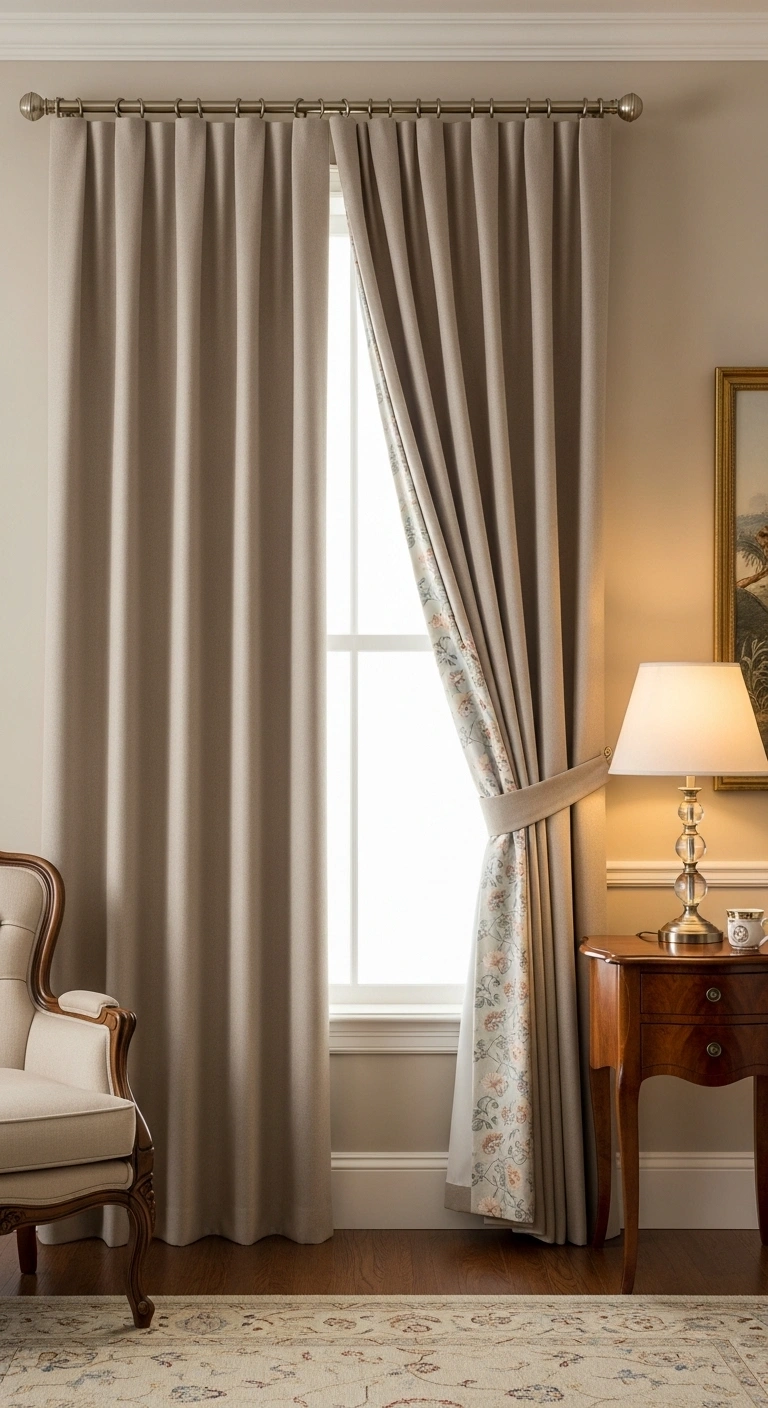
Add a surprise detail by placing a patterned fabric on the inner side of the curtain. From the outside, the curtain looks simple and neutral.But when you pull it back or when light hits the folds, the hidden pattern becomes visible. Use subtle prints like thin stripes, soft florals, or small geometric designs.
Choose a pattern color that complements the outer fabric so it feels connected.This idea adds personality without making the room feel busy. It’s a great way to keep your space calm while still including something unique.
Conclusion
These 23 unique curtains you won’t see anywhere else prove that small design choices can completely change how a room feels. Curtains are not just for covering windows—they shape light, add texture, and define the mood of your space.
From layered fabrics and soft gradients to unexpected materials and hidden details, each idea offers a fresh way to style your home. You don’t need a full renovation—just one creative curtain choice can make a noticeable difference.
Start with one idea that fits your space, experiment with textures or colors, and see how it transforms your room. Save your favorite styles, try them step by step, and turn your windows into something truly memorable.